


All images © Matteo Dal Vera
Walking Along the Parramatta River resists romantic depictions of an industrialised area whilst depicting the diversity of life along its banks
Photographer Matteo Dal Vera first encountered the Parramatta River on foot and without a camera. Commissioned by the Powerhouse Museum to create a new body of work centred on the waterway and how it connects to its community, he chose to begin without shooting. Instead, he caught the public ferry from Circular Quay and walked the final stretch to Parramatta, traversing parklands and industrial pockets, even bush-bashing through dense vegetation.
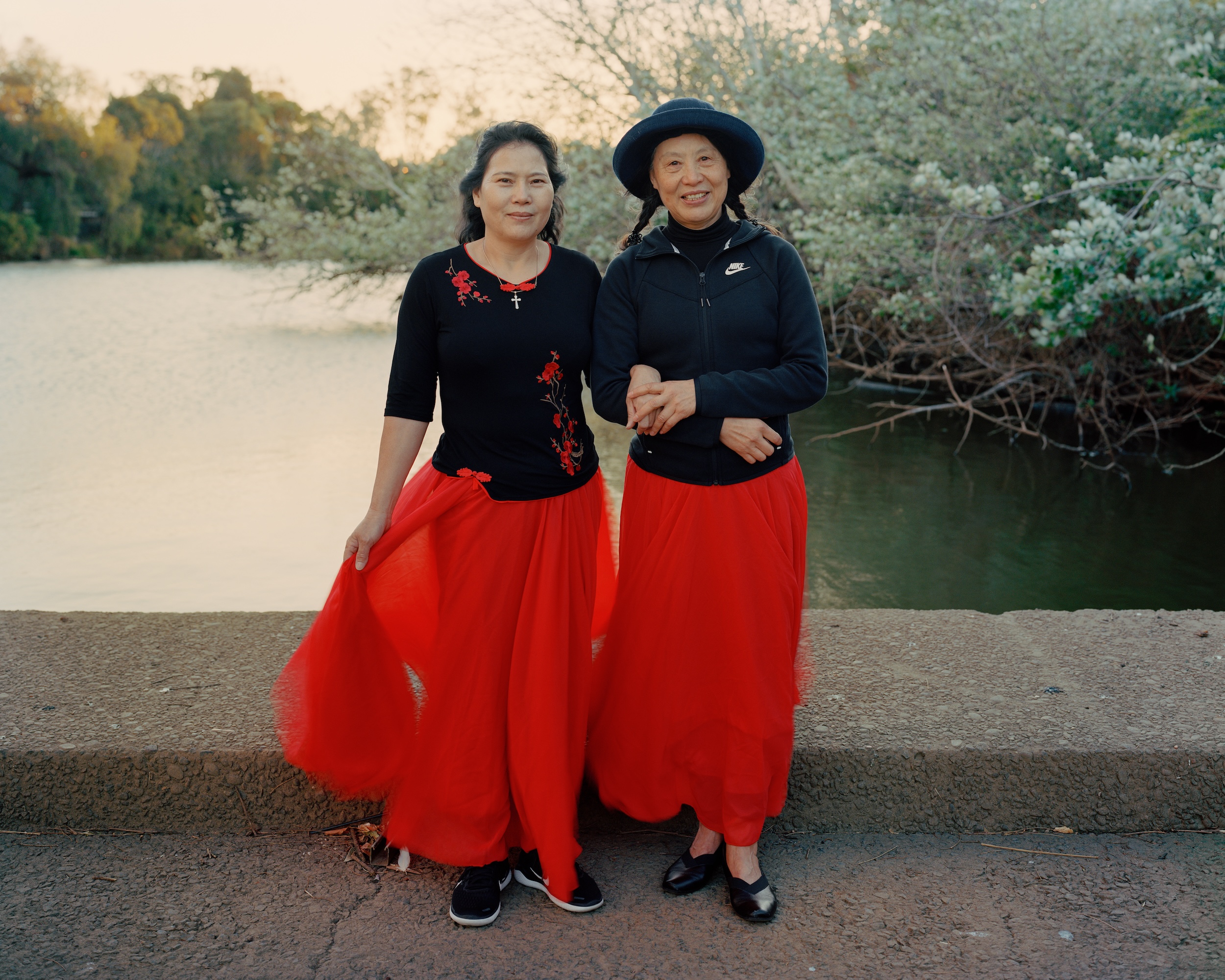
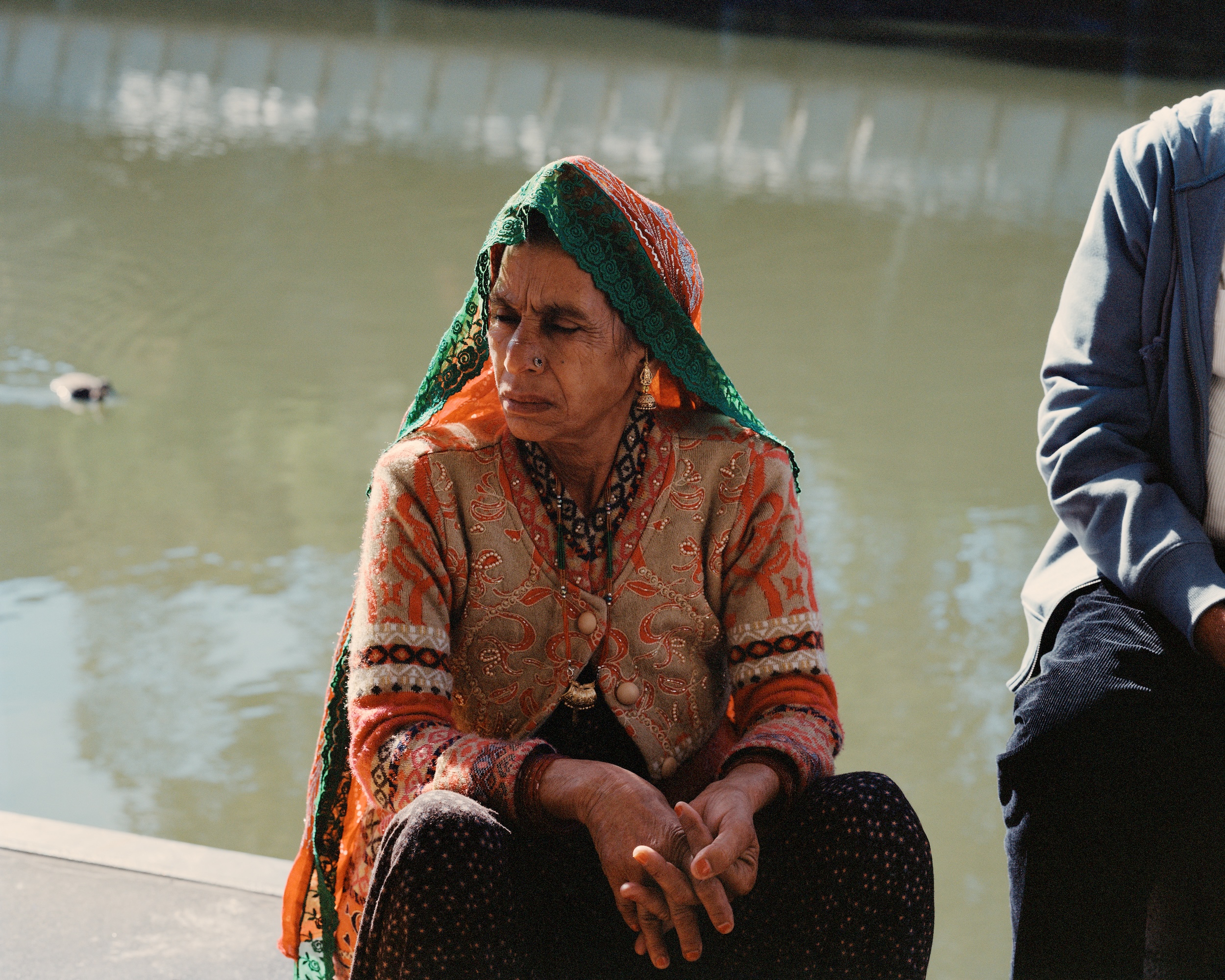
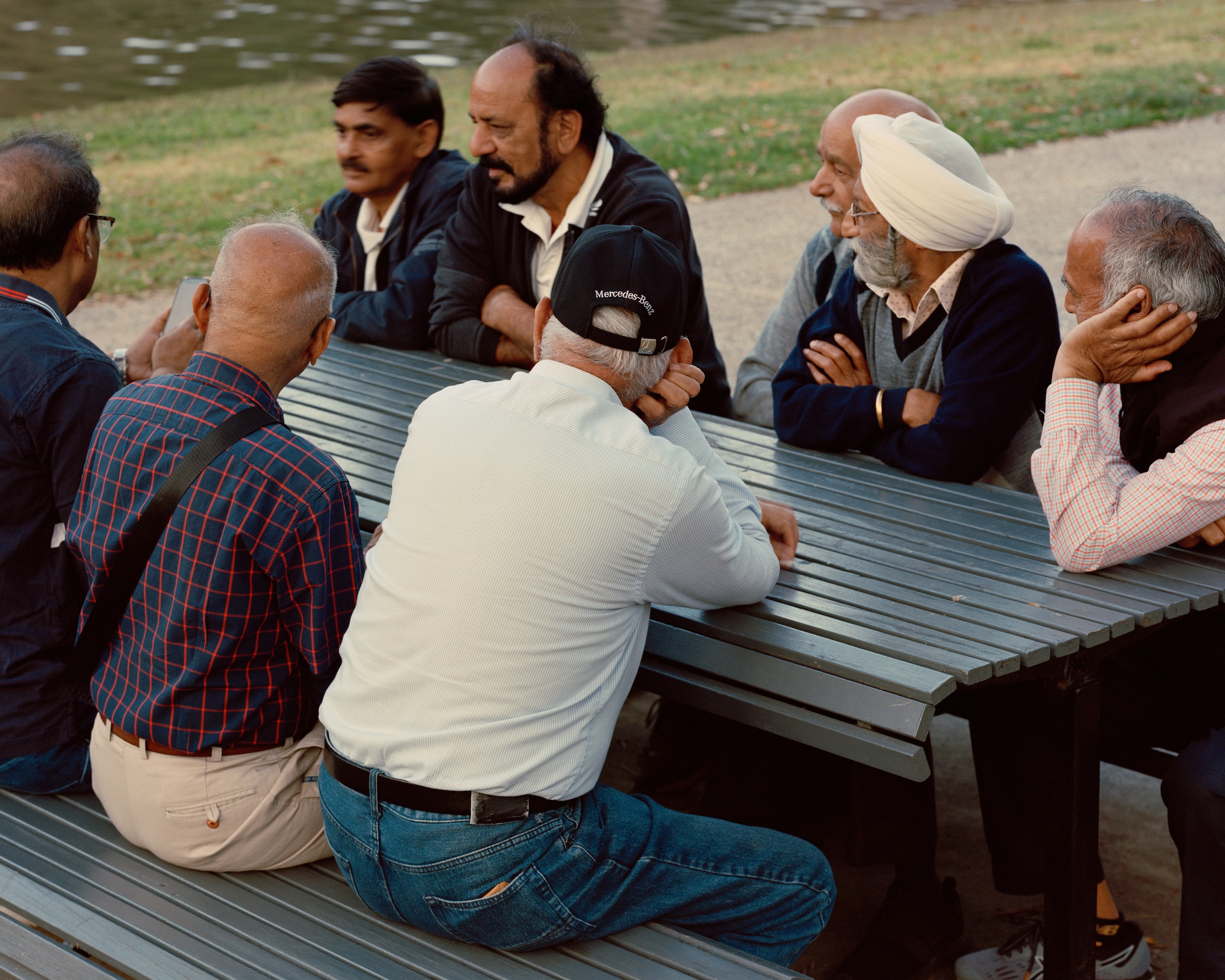
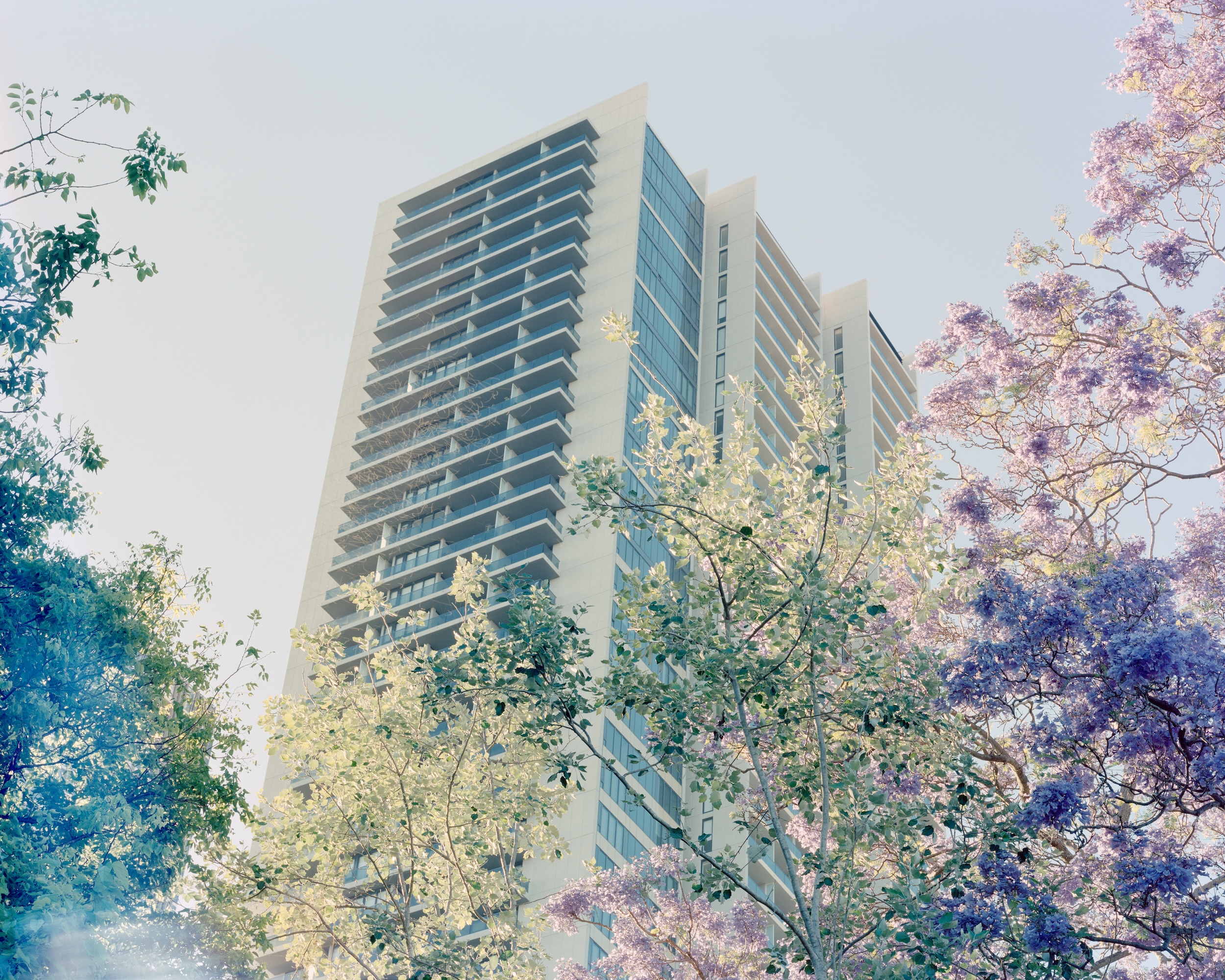
The resulting series, Walking Along the Parramatta River, is a quiet, deeply human counter-response to the high-rise skyline that has come to define Parramatta – a city sometimes dubbed Sydney’s “second Central Business District”, but home to much more. Dal Vera’s images are understated, including close-up portraits of strangers, glimpses of a changing landscape, and fragments of public space; they are loosely threaded together by mood and light rather than narrative.
Powerhouse is Australia’s largest museum group, comprising four museums in Sydney. Their latest offering is Powerhouse Parramatta, which will open in 2026, offering over 18,000 square metres of exhibition and public space. The first state cultural institution to open in Western Sydney, it is described as the most significant investment in cultural infrastructure since the Sydney Opera House more than 50 years ago, and “transformative”. But for Dal Vera, what emerged after 18 months of work, is a meditation rather than a definitive statement.
“In a way, it’s like what the river is, too – returning to something essential”
“I think that my photographs are trying to reconcile a tension between the needs of a city and its people, and the toll that’s taking on the river,” he says. He adds it is “the relationship between people and the river itself that made it a special place”.
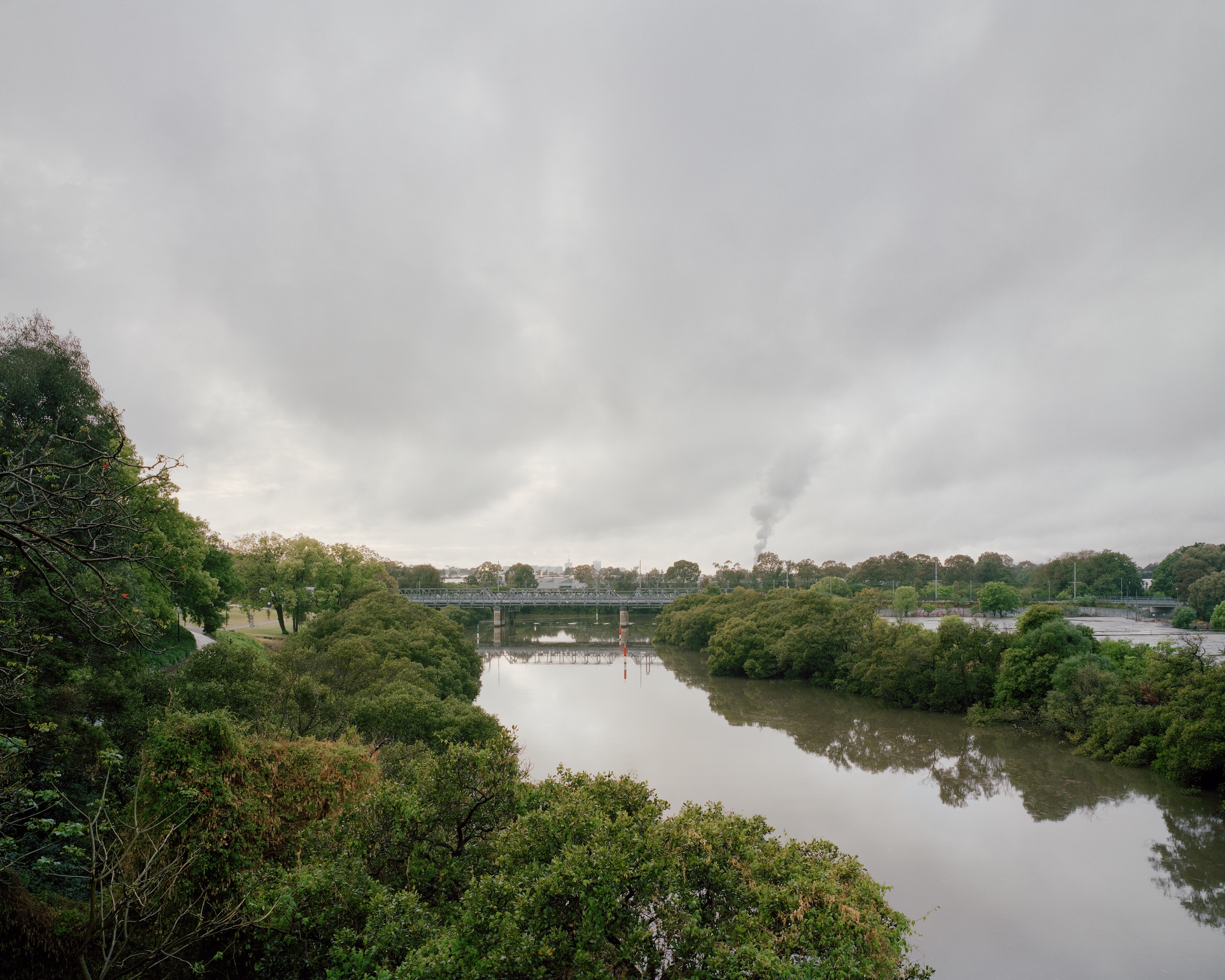
Dal Vera resists romanticising Parramatta, which is not majestic but “channelled, and carries the marks of its industrial past”. Rather than masking this history he leans into it, allowing industrial remnants, ambiguous public infrastructure, and spontaneous encounters to form the emotional landscape of the work. Many of the photographs were taken along new public walkways which now trace the river’s edge, through spaces where disparate communities converge. “Maybe the river bridges the way cities are designed to separate communities,” Dal Vera muses
His portraits speak to this convergence, showing people of all ages and backgrounds, not posed or performing, but simply present. One image shows a man who, at first glance, might be mistaken for one who has experienced hardship. In reality he’s a retired Reserve Bank of Australia economist, out for a morning stroll. These subtle slippages between perception and truth make Dal Vera’s portraits compelling, and young people also became important to him, symbolising ideas of rebirth, nurture and change. “There’s something about paring it back to the fundamentals, before life has taken its toll,” he says. “In a way, it’s like what the river is, too – returning to something essential.”
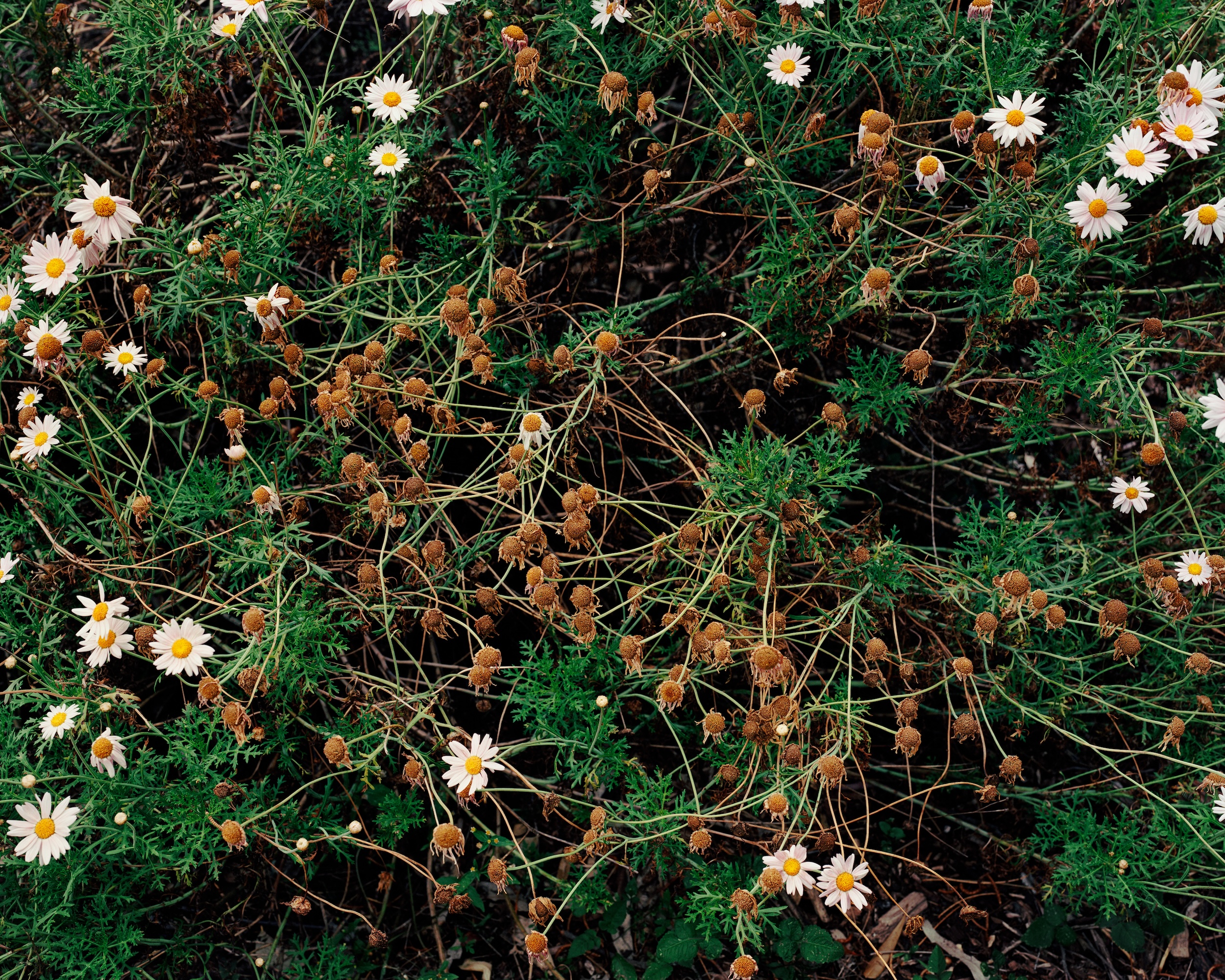
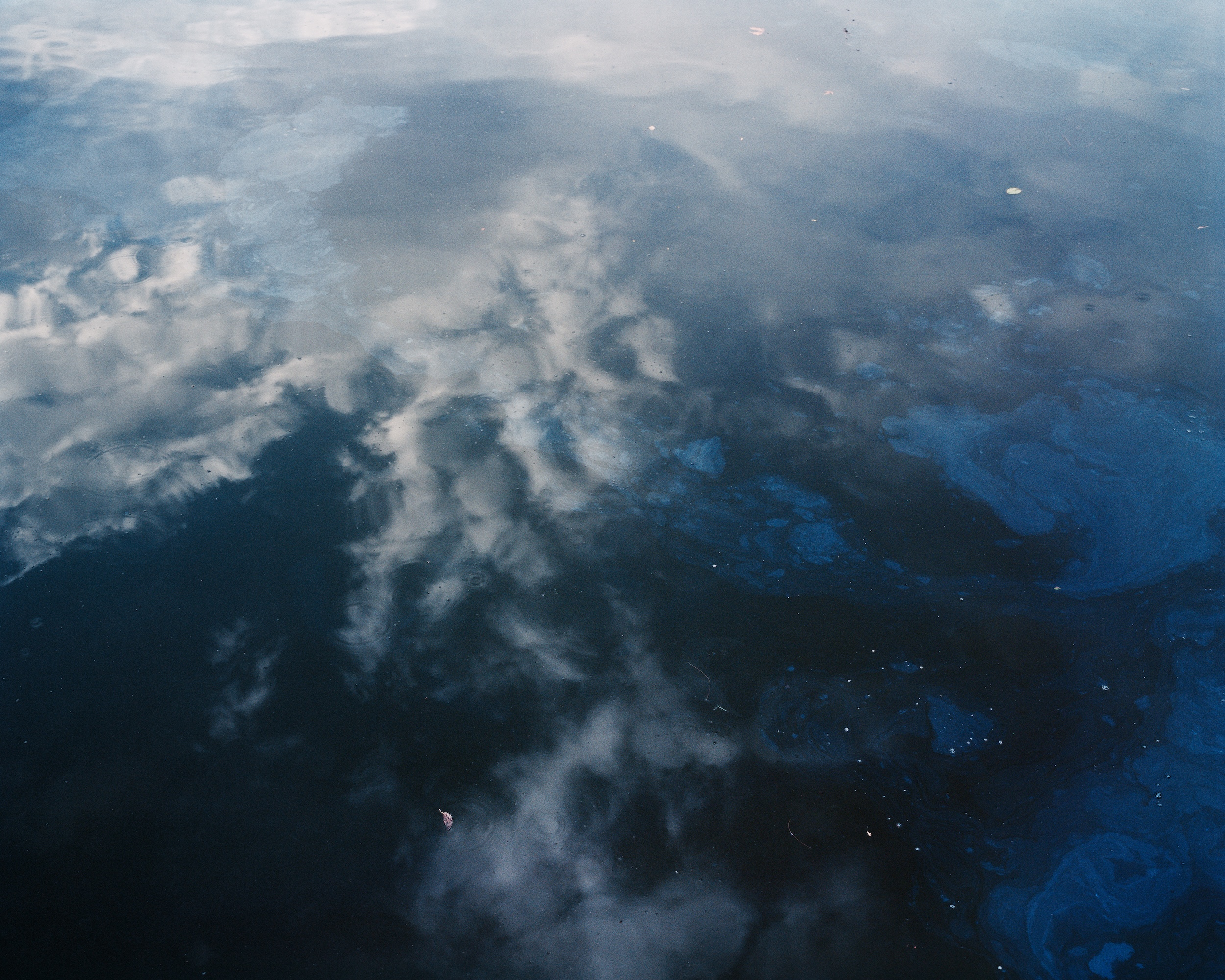
Whether portraits, shots of plant life, or fragments of the river’s surface, Dal Vera’s images share an intimacy, each one tightly framed, closing off the edge of the picture. “I was seeking out relationships in the images on a different level,” he explains. “Rather than telling a linear story, I was chasing a sense of transience, flow and ambiguity.. It became about creating an atmosphere rather than describing the river’s history. It’s not about beautifying the river. It’s about how people continue to connect with it in quiet ways, despite everything.”
@matteodalvera