

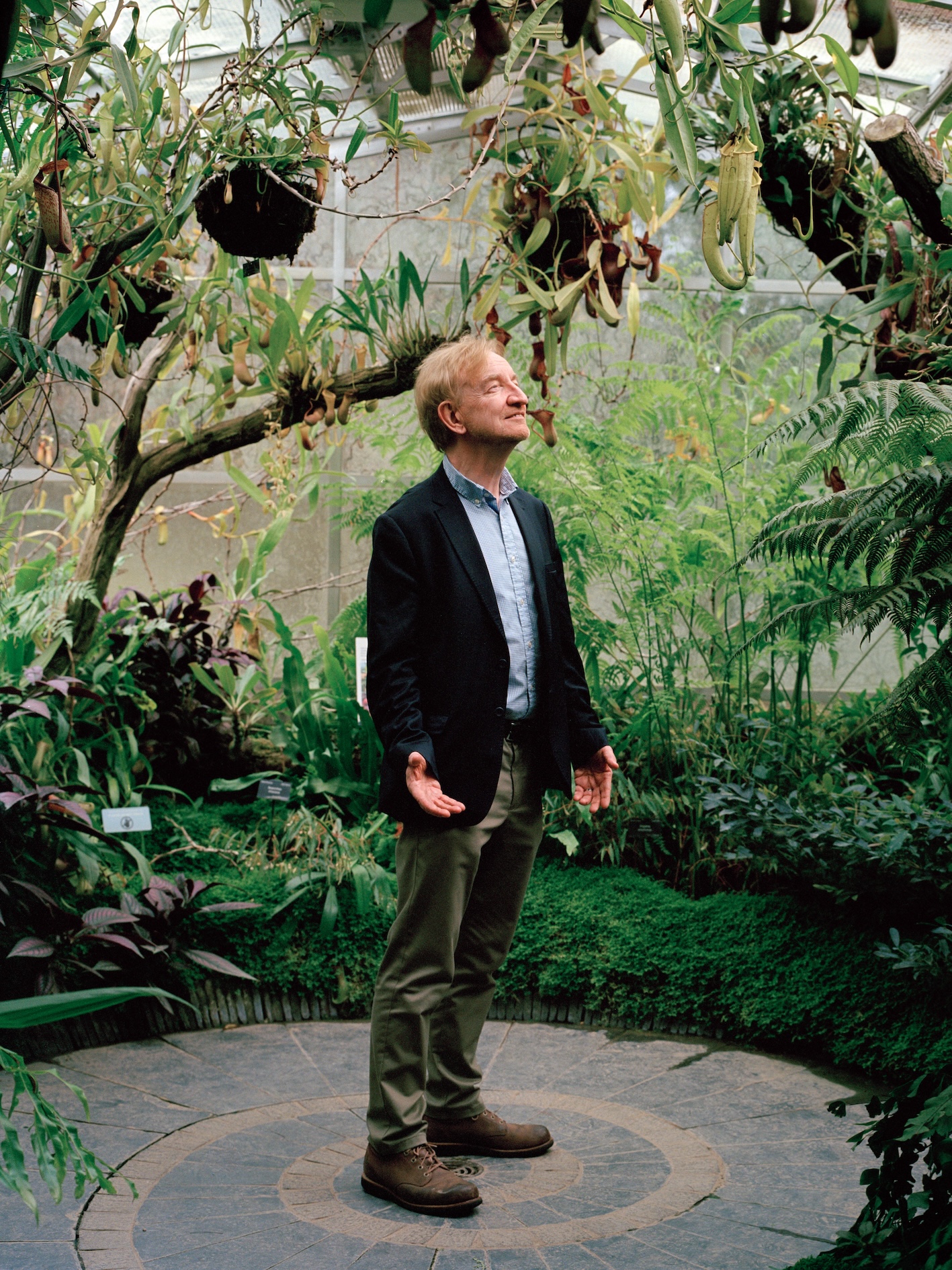
Sir Adrian Hill, Director of the Jenner Institute © Leia Morrison
The first of three artists commissioned as part of this remarkable collaboration, Leia Morrison, brings her signature warm, collaborative style to capture some of the biggest change makers of our age.
“My sister studied at the University of Oxford, and I remember her telling me when the first portrait was put up in Christ Church college in their dinner hall,” says Leia Morrison. “She felt the shift in energy, that all the women in the room felt like ‘OK! I can be something Oxford might be proud of one day’. So I love being part of a project making that case for all kinds of people, whether that relates to gender, race, sexuality, everything. It’s just amazing.”
Based in Ceredigion, West Wales, Morrison made six trips to Oxford over the course of her Catalysts commission, a joint project by British Journal of Photography and the Bodleian Libraries, University of Oxford to create portraits that enter the Libraries’ permanent collection. During this time she photographed four individuals; Sir Adrian Hill, Lakshmi Mittal Professor of Vaccinology and Director of the Jenner Institute; Professor Rajesh Thakker, May Professor of Medicine; Professor Dame Molly Stevens, John Black Professor of Bionanoscience; and Professor Teresa Lambe OBE, a Principal Investigator at the Oxford Vaccine Group; She also worked with two groups of people, REACH from the School of Geography and the Environment, which improves water security for vulnerable people in Africa and Asia; and GLAM, which creates inclusive programming for adults with learning disabilities in the University of Oxford’s Gardens, Libraries, and Museums.
“I prefer to work collaboratively, and I think it’s best to photograph people in a space they feel comfortable”
- Leia Morrison
As these roles suggest, many of Morrison’s sitters were scientific researchers, particularly working within vaccine research, and she had a very personal interest in photographing these individuals – her father is currently unwell, and access to vaccines is playing a large part in maintaining his quality of life. Morrison also typically works in a candid style, capturing people at ease rather than stiffly posing, and both factors meant she was keen to show the people behind the science in her portraits, those who are dedicated to helping others but whose personalities are usually unseen behind their clinical contributions. With this in mind she aimed to speak with each individual before photographing them, and also asked them to recommend locations for the shoot.
“I prefer to work collaboratively, and I think it’s best to photograph people in a space they feel comfortable,” she comments. “And I was also interested in photographing them in a place that was relevant to them. Adrian was very playful, he suggested we go to Kenya to make his portrait [the Jenner Institute focuses on designing and developing vaccines for infectious diseases prevalent in developing countries]. That wasn’t possible, but then we also spoke about the tropical environment, so we went to the Botanical Garden to bring some of that landscape in.”
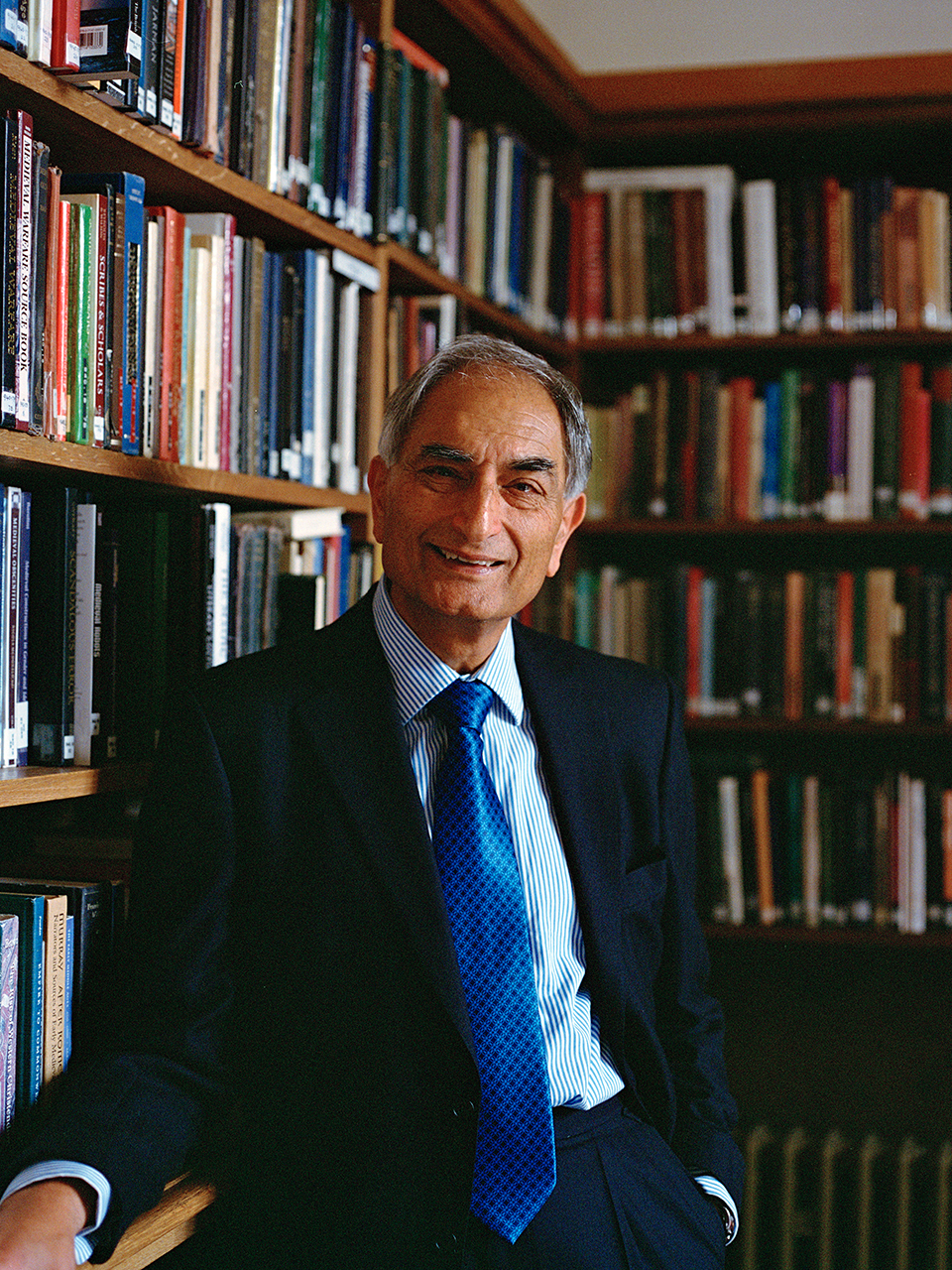
Professor Thakker was able to give her nearly a day and Morrison says she enjoyed their time together because, while Thakker is a distinguished endocrinologist, he’s also very funny. He was keen to be photographed in Somerville because it was one of the first colleges to admit women and speaks to a wider inclusivity at Oxford; he’s photographed in a library, and is wearing a suit, but his portrait has a warmth that moves beyond still formality. “There are portraits of him that show his academic side, but I wanted to capture his personality a little more,” says Morrison.
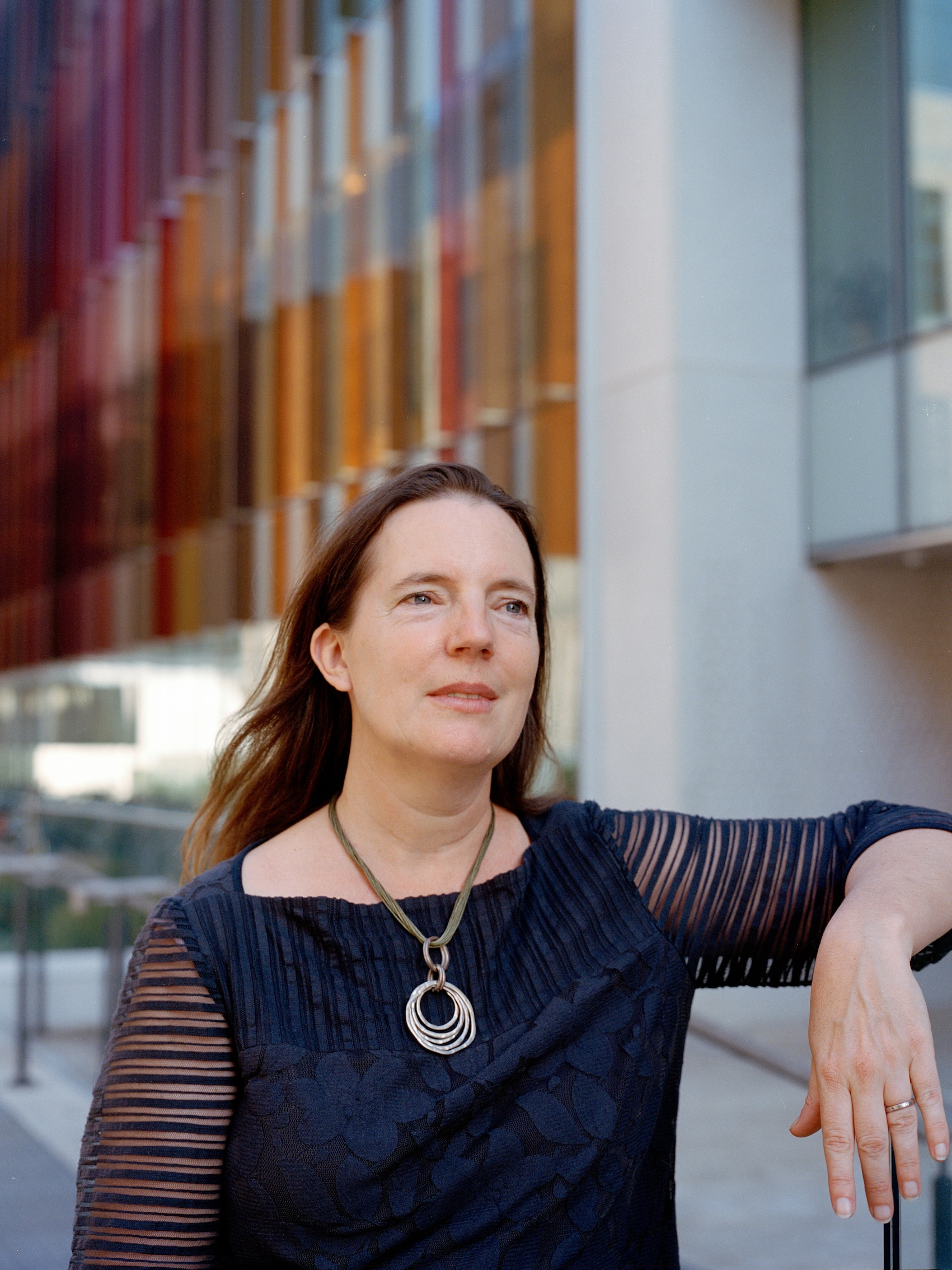
Professor Dame Stevens is shown outside The Kavli Institute, where she runs a large team working across regenerative medicine, biomaterials, and biosensing technologies; Morrison has caught her in a pensive moment, but the large building behind her symbolises the scale and importance of her contribution. Teresa Lambe’s portrait is seemingly at the opposite end of the spectrum, depicting her on a staircase within Reuben College, but this location is also significant – Reuben College was established in 2019, and the staircase both literally and metaphorically links an older, more traditional building with a newer construction. Reuben is also the place in which Lambe gained her first college Fellowship at Oxford, and she says she enjoys the quiet determination which Morrison has caught in her expression.
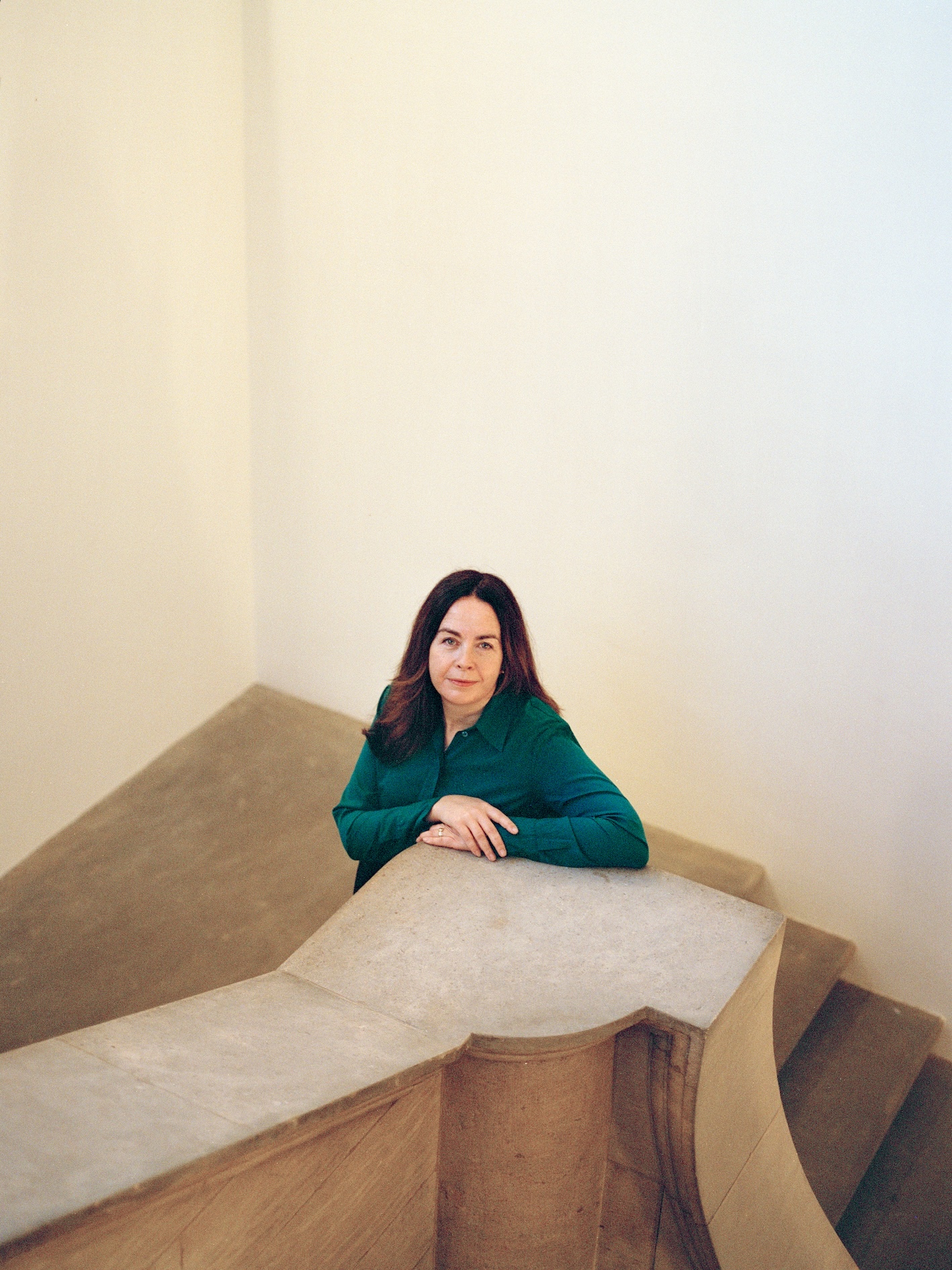
“It’s unusual for me to have chosen something where I’m not smiling, and it’s unusual for someone to have captured it,” Lambe says. “But I recognise that face, that particular look I sometimes have. It says something about being understated, just doing what you do, and that’s certainly part of me. For me the location also speaks to that because, while it’s a beautiful old staircase, you don’t get a sense of the grandeur in the image. It seems more about getting on with it [behind the scenes].”
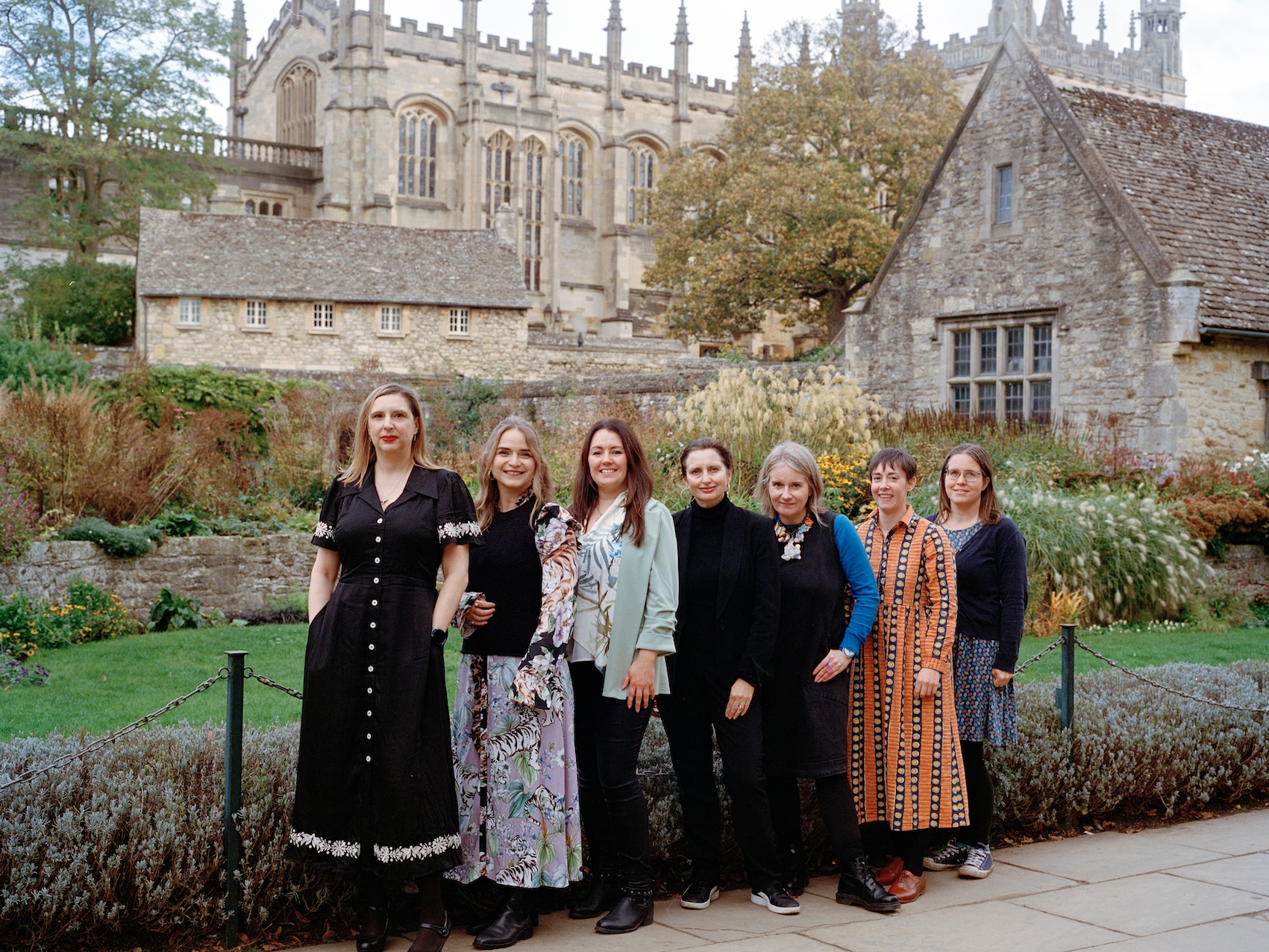
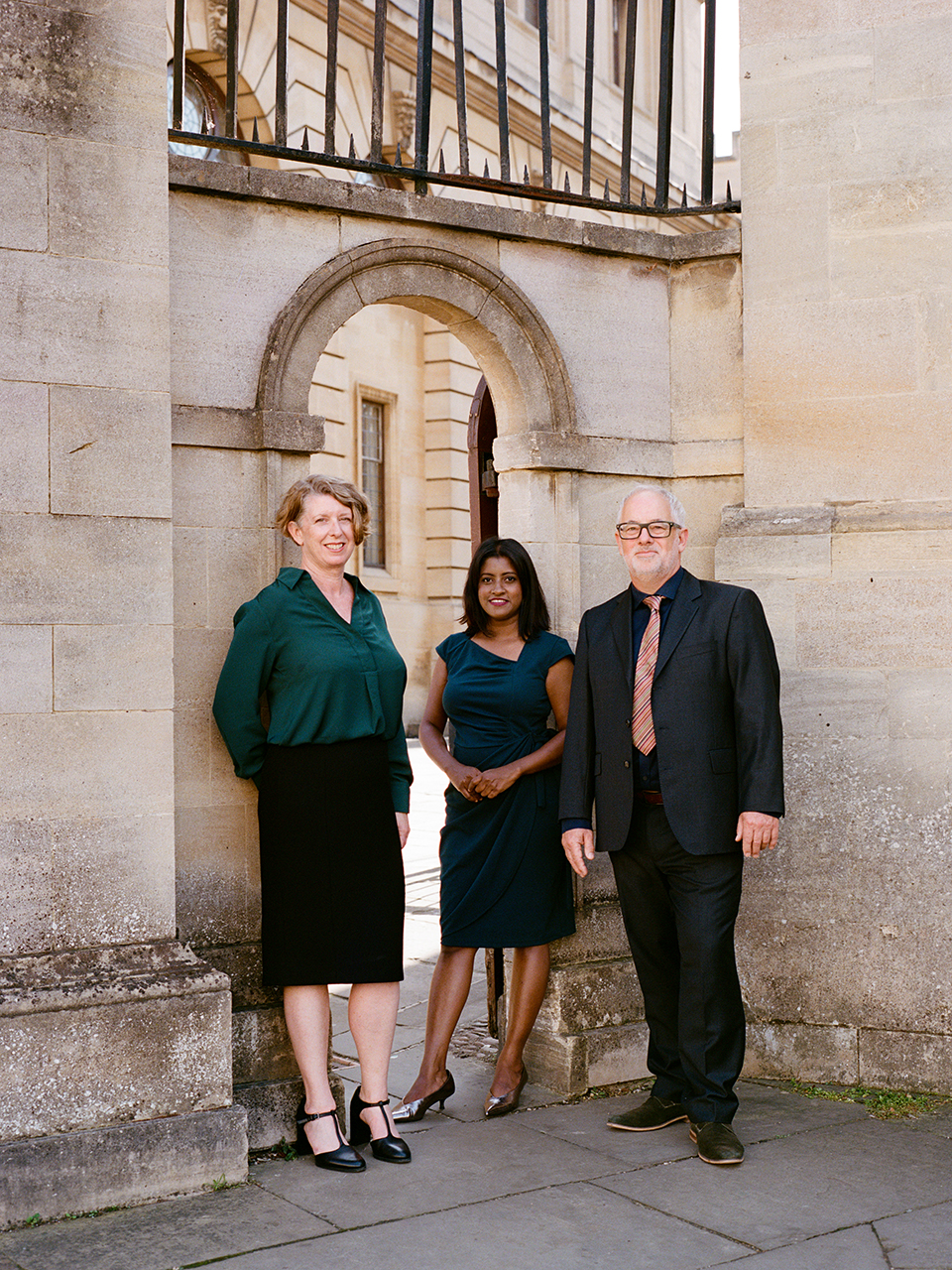
Capturing group portraits is always challenging but Morrison took the same collaborative approach with REACH and GLAM. Professor Katrina Charles, Dr Sonia Ferdous Hoque, and Professor Rob Hope, three individuals from the larger REACH team, were keen to be pictured outside the Sheldonian Theatre because it’s used for conferences and events, and speaks to the collaborative nature of their work; the seven members of the GLAM team – Susan Griffiths, Jumana Hokan, Hayleigh Jutson, Helen Pooley, Miranda Millward, Beth McDougall and Tegan Bennett – were photographed within one of Oxford’s gardens because these spaces are integral to their programming.
“They must do their work so well because all the gardens were busy!” laughs Morrison. “But we managed to find a quiet spot in Christ Church Memorial Gardens. When they started to arrive I immediately knew who they were, because they were all so lovely and warm. They were so obviously people whose work was about making others feel included.”
This commission was created in partnership with Bodleian Libraries to celebrate Oxford University’s leading innovators whose work is reshaping health, society, and the environment worldwide. Find out more about Bodleian Libraries here