

All images © Mathieu Richer Mamousse
Mathieu Richer Mamousse captures one of Paris’s oldest funfairs as a vibrant social stage where working-class traditions and migrant identities collide on the city’s margins
After the French Revolution in 1789, French funfairs – which had been popular since the Middle Ages – blossomed into major secular entertainment, “selling a dream of the Industrial Revolution,” as photographer Mathieu Richer Mamousse puts it. Today, these historic gatherings are recognised as part of UNESCO’s Intangible Cultural Heritage.
His ongoing project Foire turns its attention to one of Paris’ most enduring funfairs, foregrounding a space that has long existed on the social margins of the city and one that has historically belonged to the working classes.
For Mamousse, the project began almost by accident. In 2018, he visited the fair casually with friends, camera in hand. Despite living in Paris his whole life, it was the first time he had ever gone. “The first time I went, I was like, ‘Okay, this is interesting. It’s actually really fun.’ And it tells a lot about how the population evolves.”
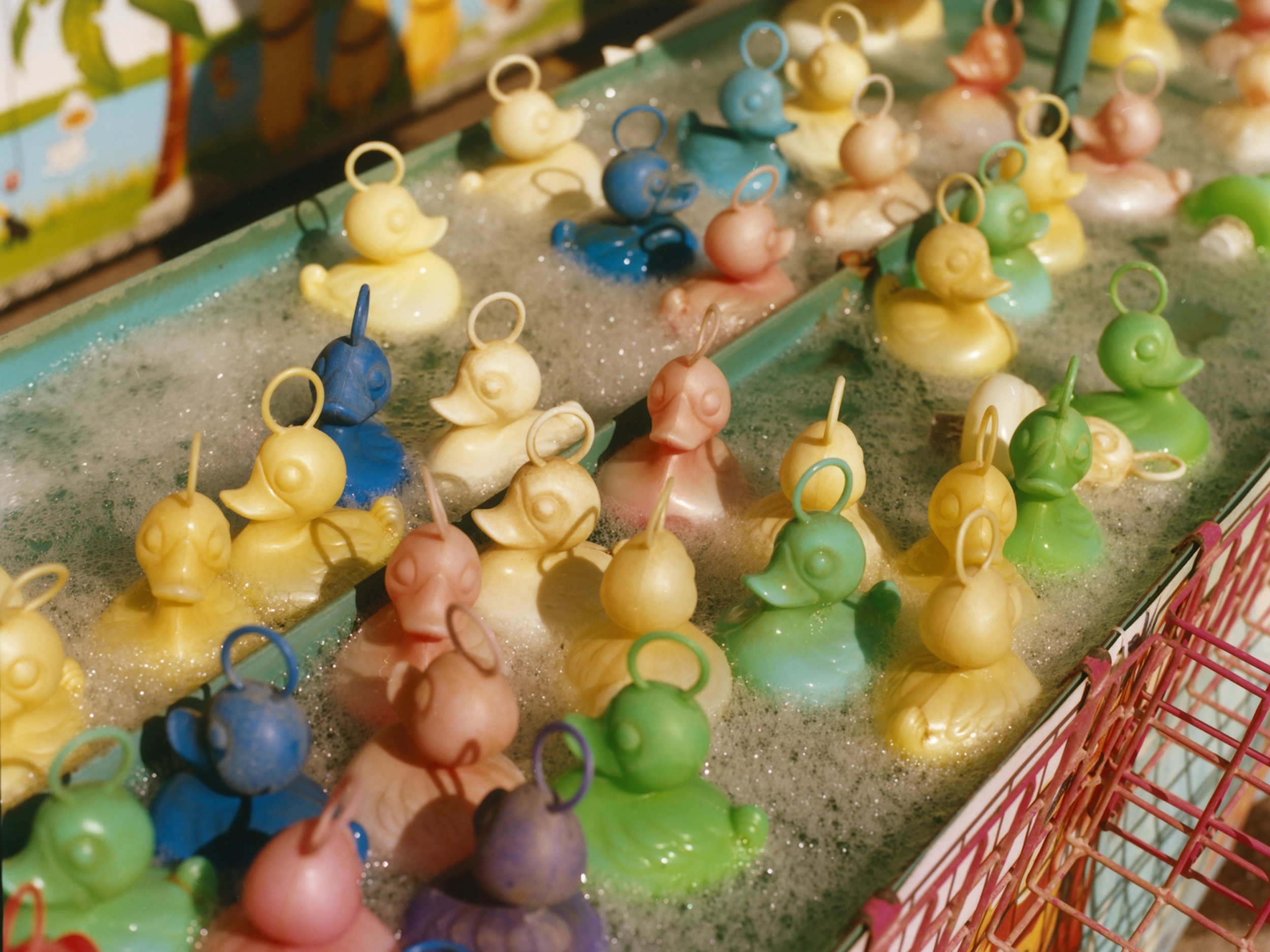
The fair sits on the outskirts of the city but remains unmistakably Parisian – a temporary world of flashing lights, music and crowds that appears each year before disappearing again. What struck Mamousse immediately was how different it felt from the rest of the city’s visual landscape. At the same time, he was aware of the way the fair is perceived by some locals.
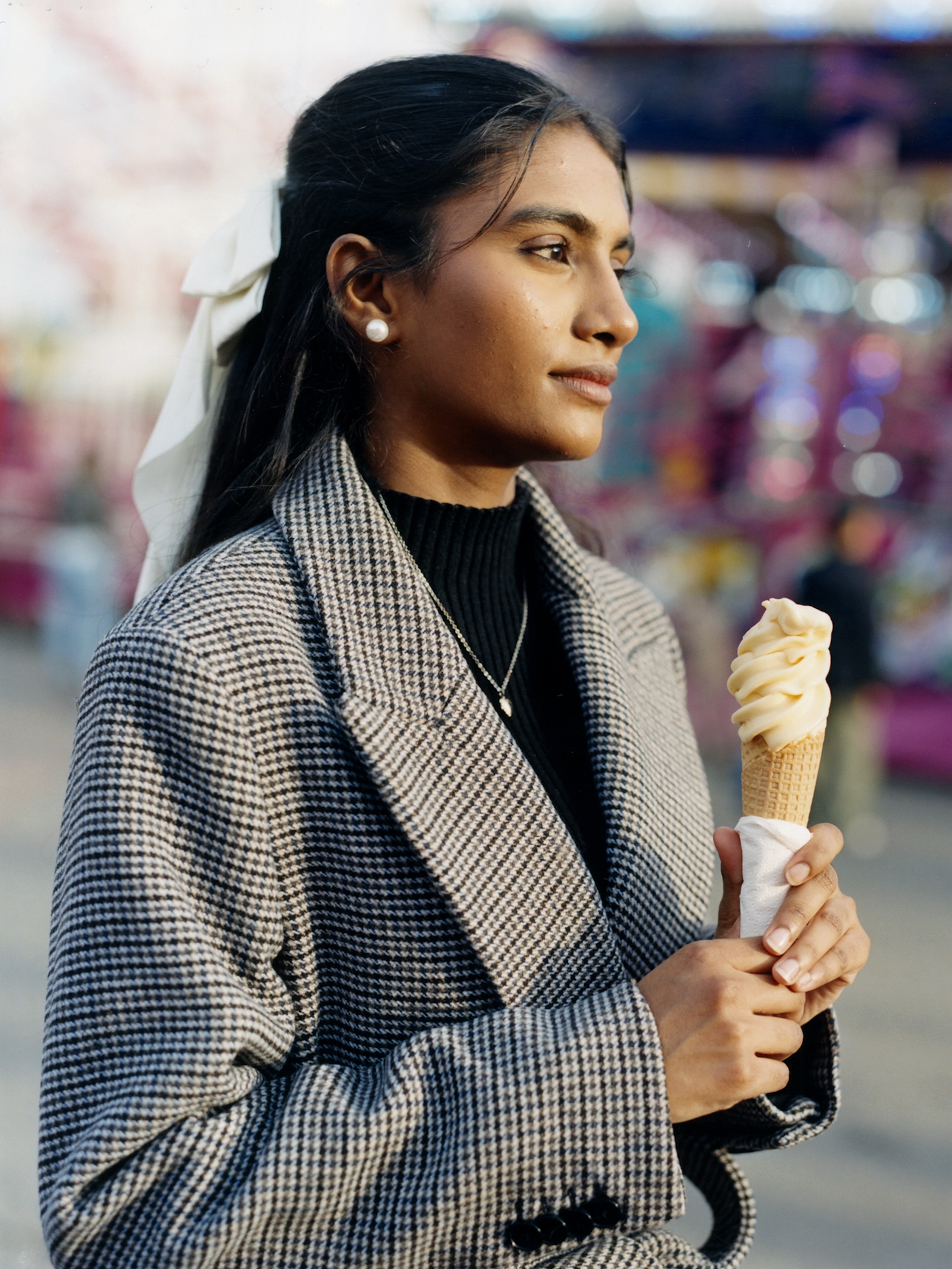
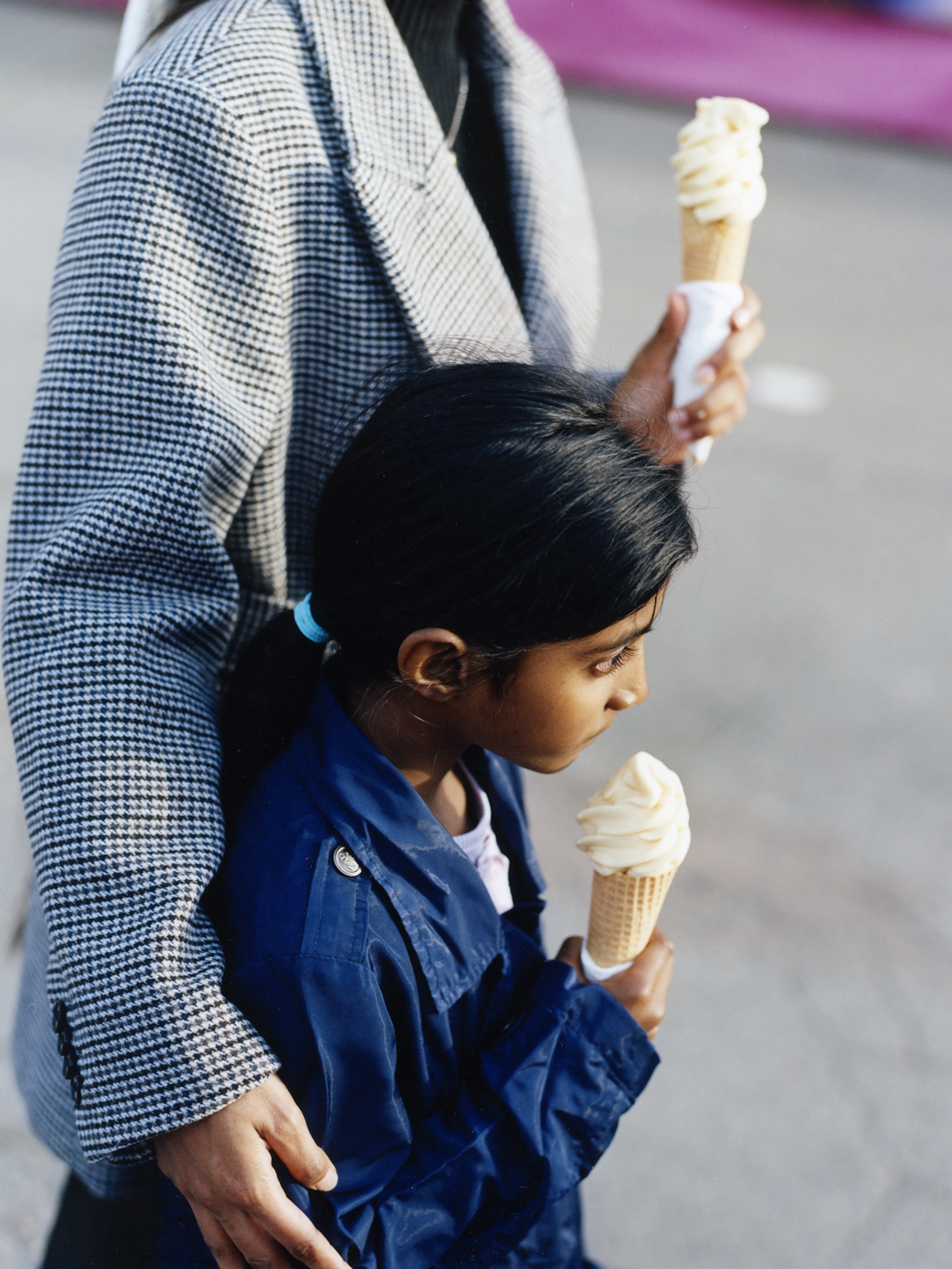
“People have the right to have fun”
“Because I know for many Parisians, I’m talking about people that have been living here forever, they look down a bit on this fanfare.” Historically, the fairground has always carried a particular social reputation. As Mamousse notes, when modern fairs expanded during the nineteenth century they were closely tied to industrialisation and urban working life.
“When this fairground was built in the 19th century, it was selling collective happiness, and it’s something that was attended by the working classes mainly to have a little glimpse of that dream.” That association still shapes perceptions today.
“I think it’s always been looked down by people that are a bit wealthier, I guess, because obviously they don’t want to mingle with people from different social classes.”
After that first visit, curiosity turned into something more sustained. Mamousse returned the following year to photograph the fair, though the project was interrupted when the event was cancelled during the pandemic, but continued every year – and is still ongoing – since the fair opened again in 2021.
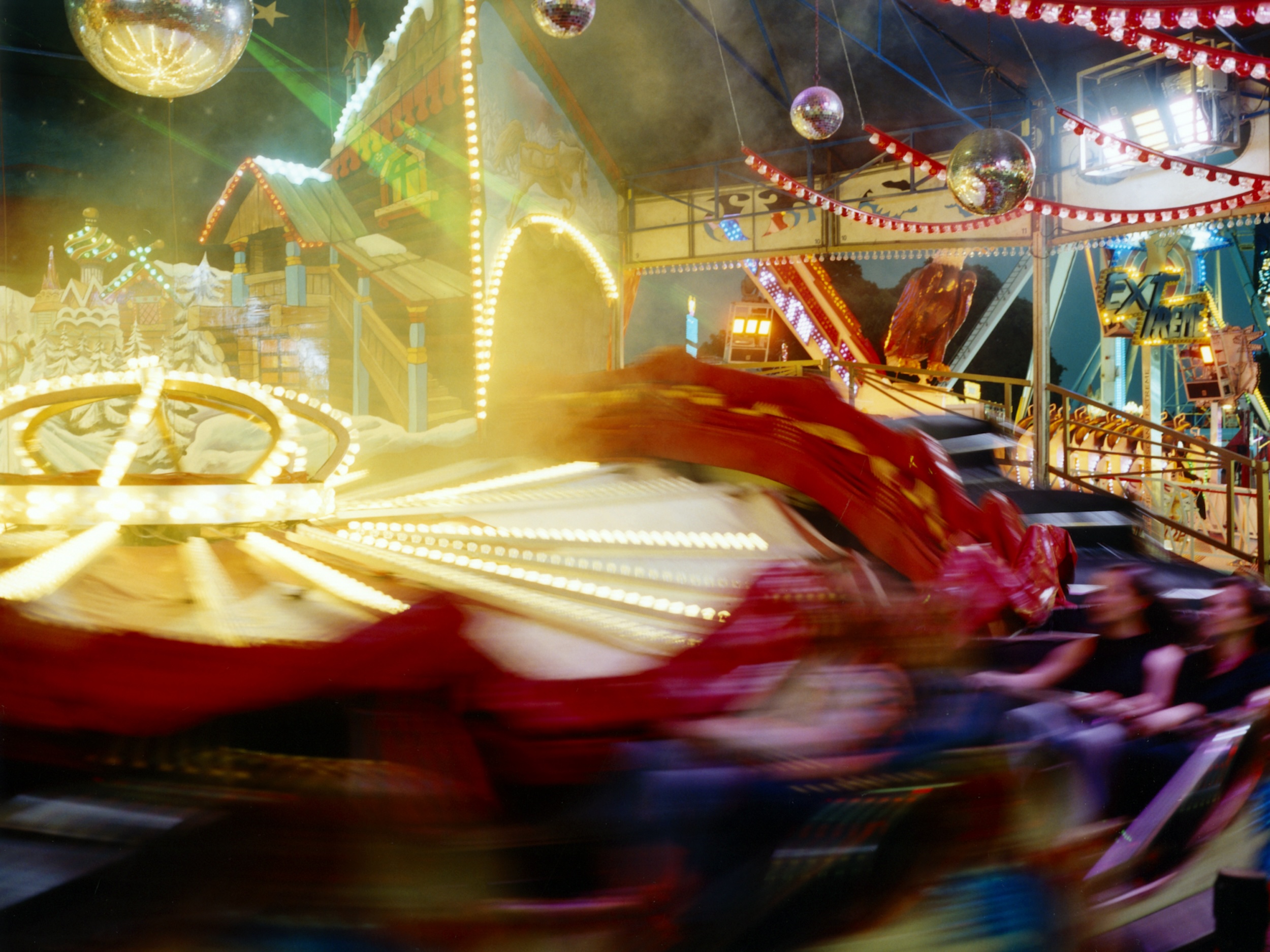
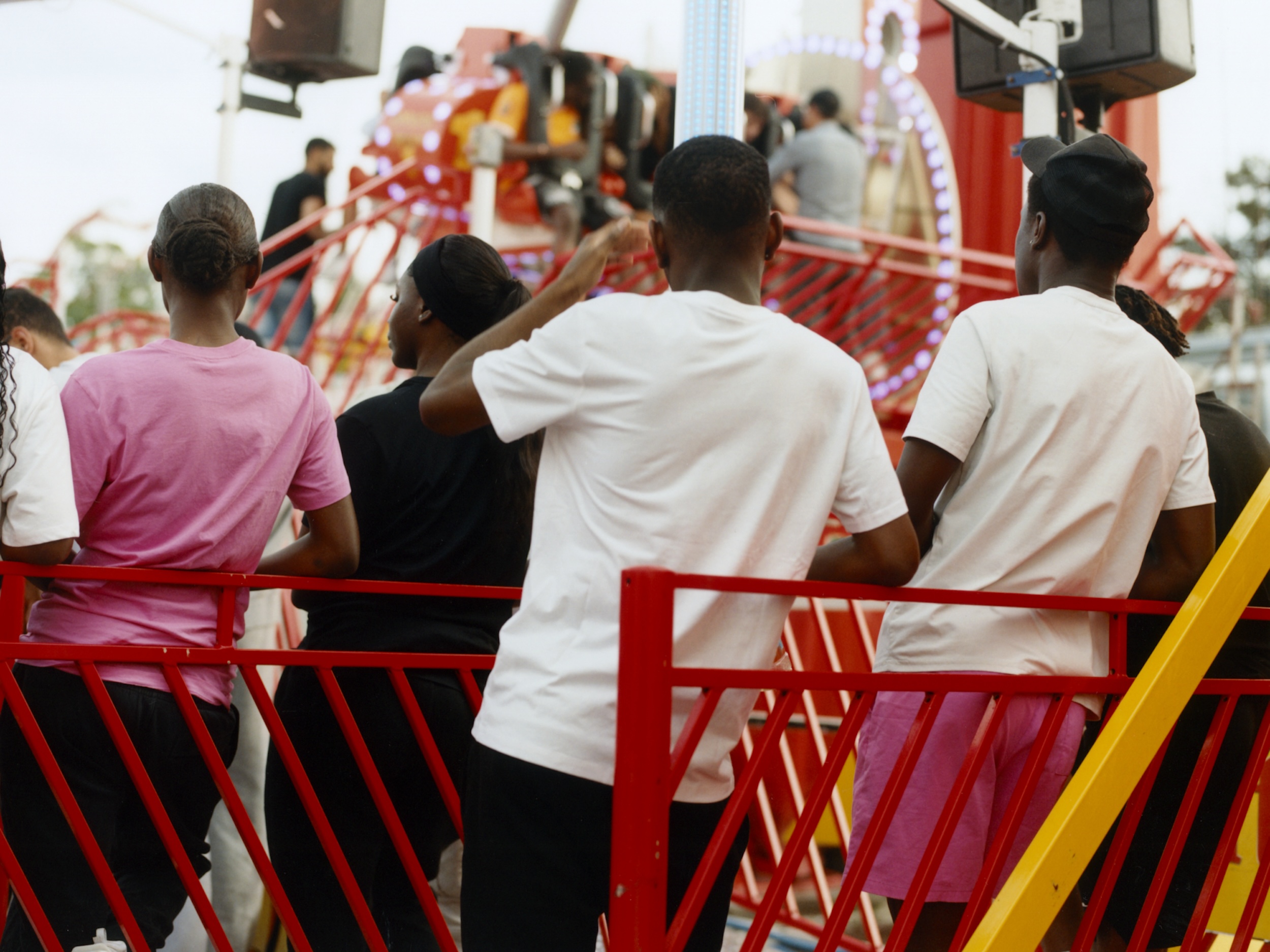
Over time, the visits became more deliberate. He began timing them carefully, arriving when warmer weather brought brighter clothing, crowds and a lighter atmosphere. “And I went on very specific times as well. I wanted the weather to be a bit warmer so people would start to wear colours and to be in a better mood basically.
“And I think for me it was interesting because what I found there was normal families and people going to have fun, and they have the right to have fun.” What Mamousse discovered there contradicted many of the assumptions surrounding the fair.
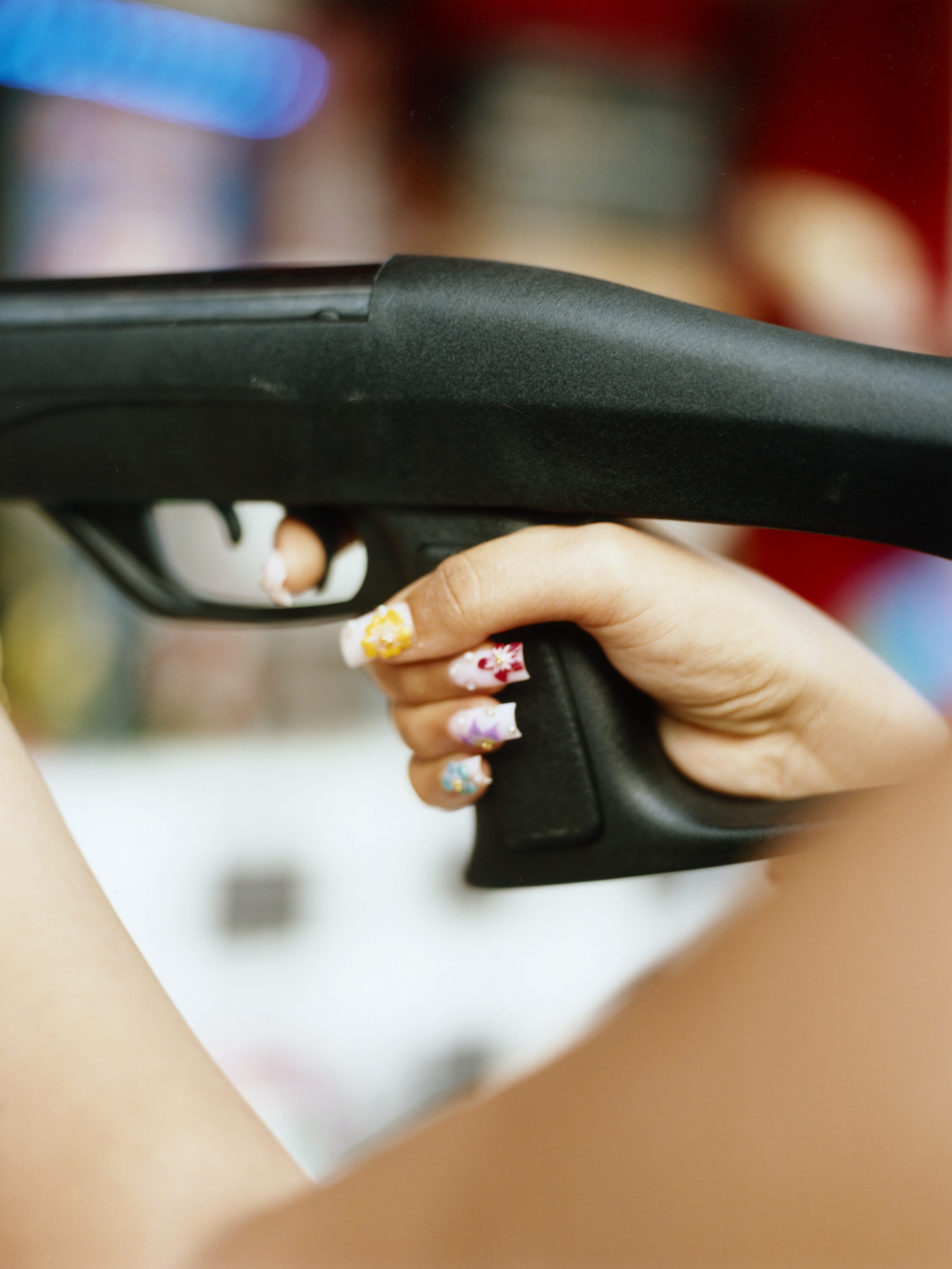
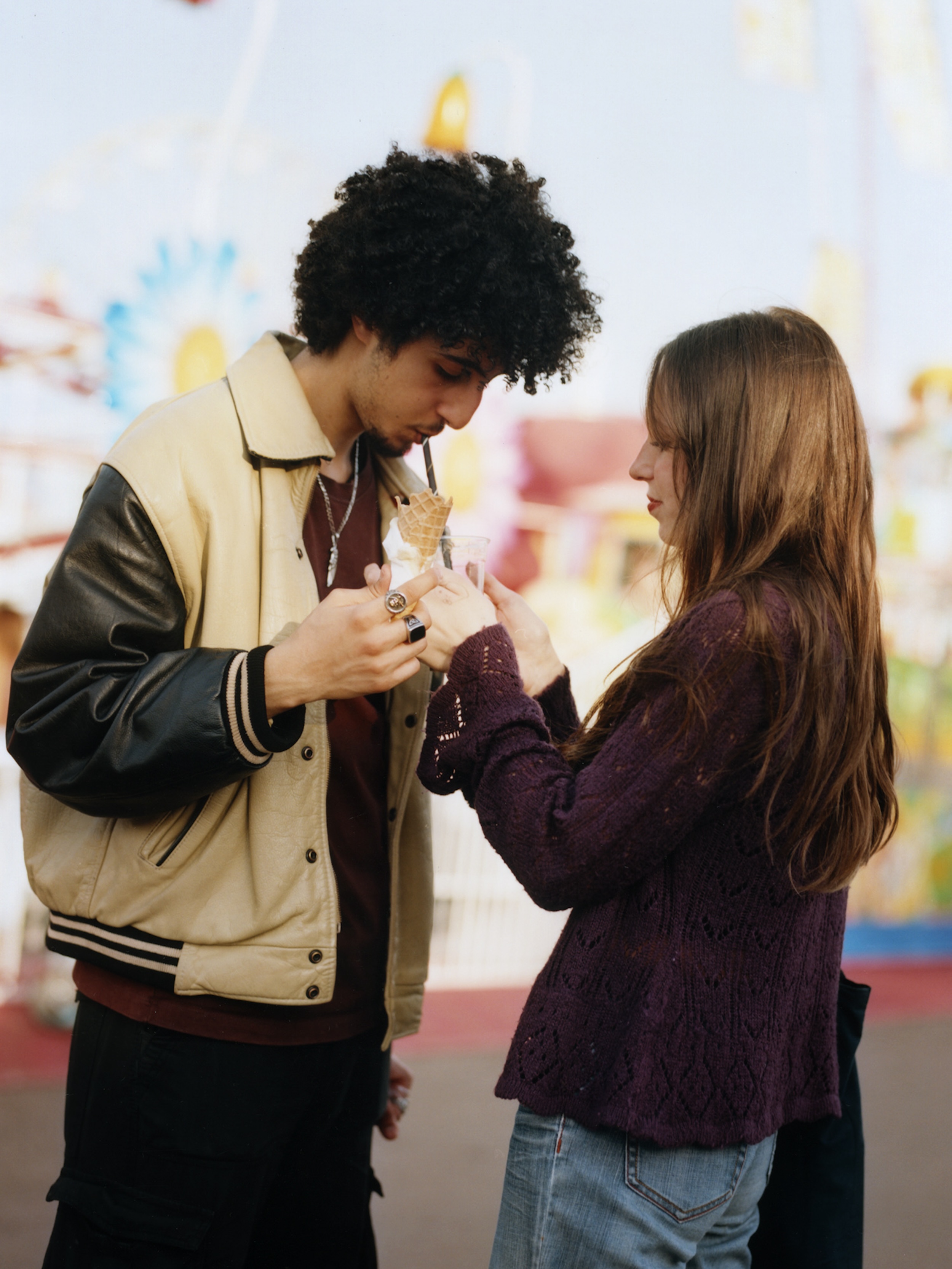
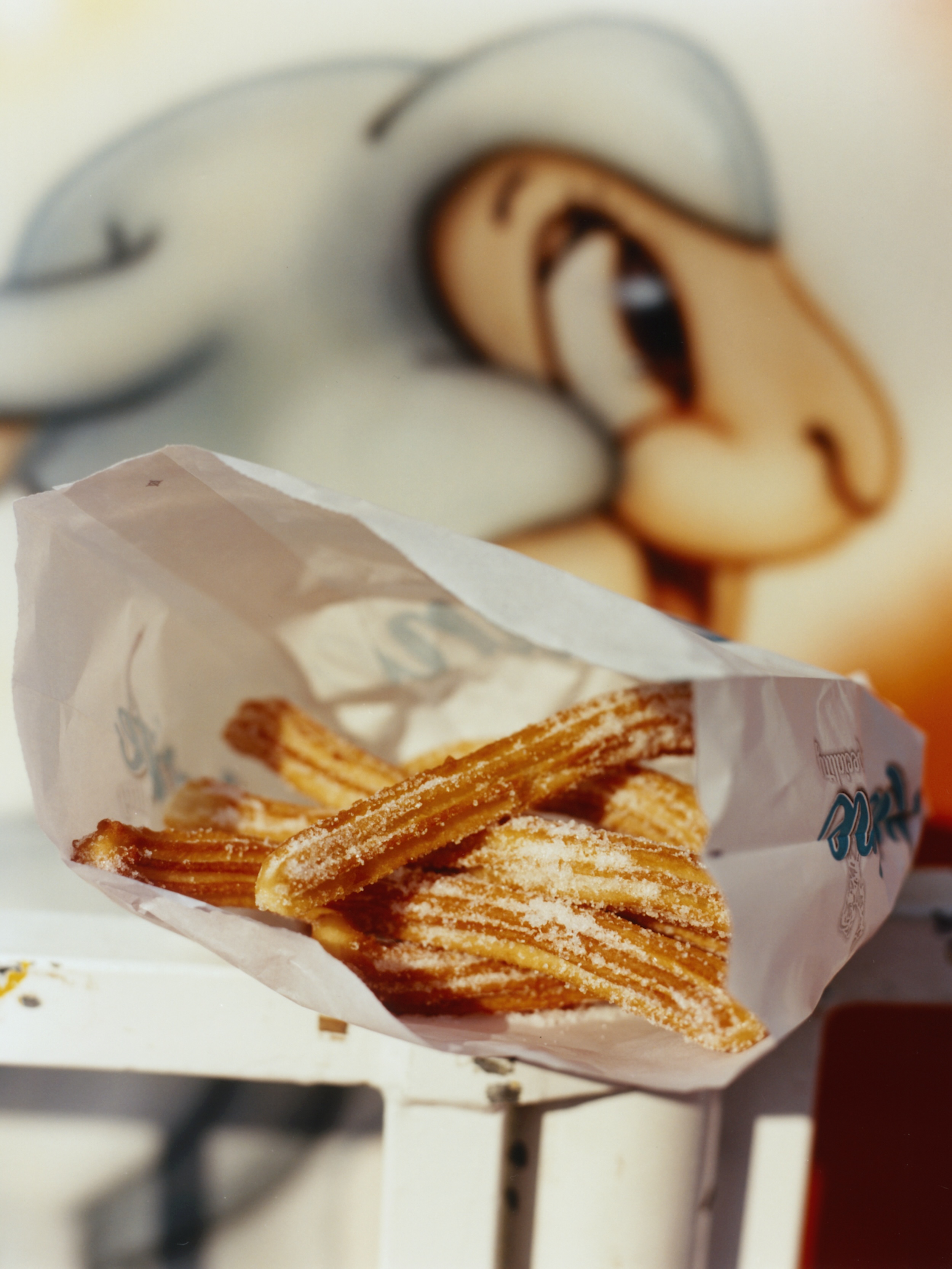
That sense of everyday joy is central to the series. Teenagers gather in groups, couples flirt between rides, families share snacks and wander through the stalls. The fairground functions as a social stage, where different parts of the city meet. “They come to have family time. To have fun. To socialise… It’s this promise of entertainment, this collective happiness.”
For the photographer, the space also reveals something about how Paris itself is changing. Over the past decade he has witnessed a visible shift in the city’s younger generations, shaped by migration and diasporic identities. They feel French, Mamousse says, “they love the French culture because they’re French obviously, but they also have this heritage from other cultures and we get this mix.”
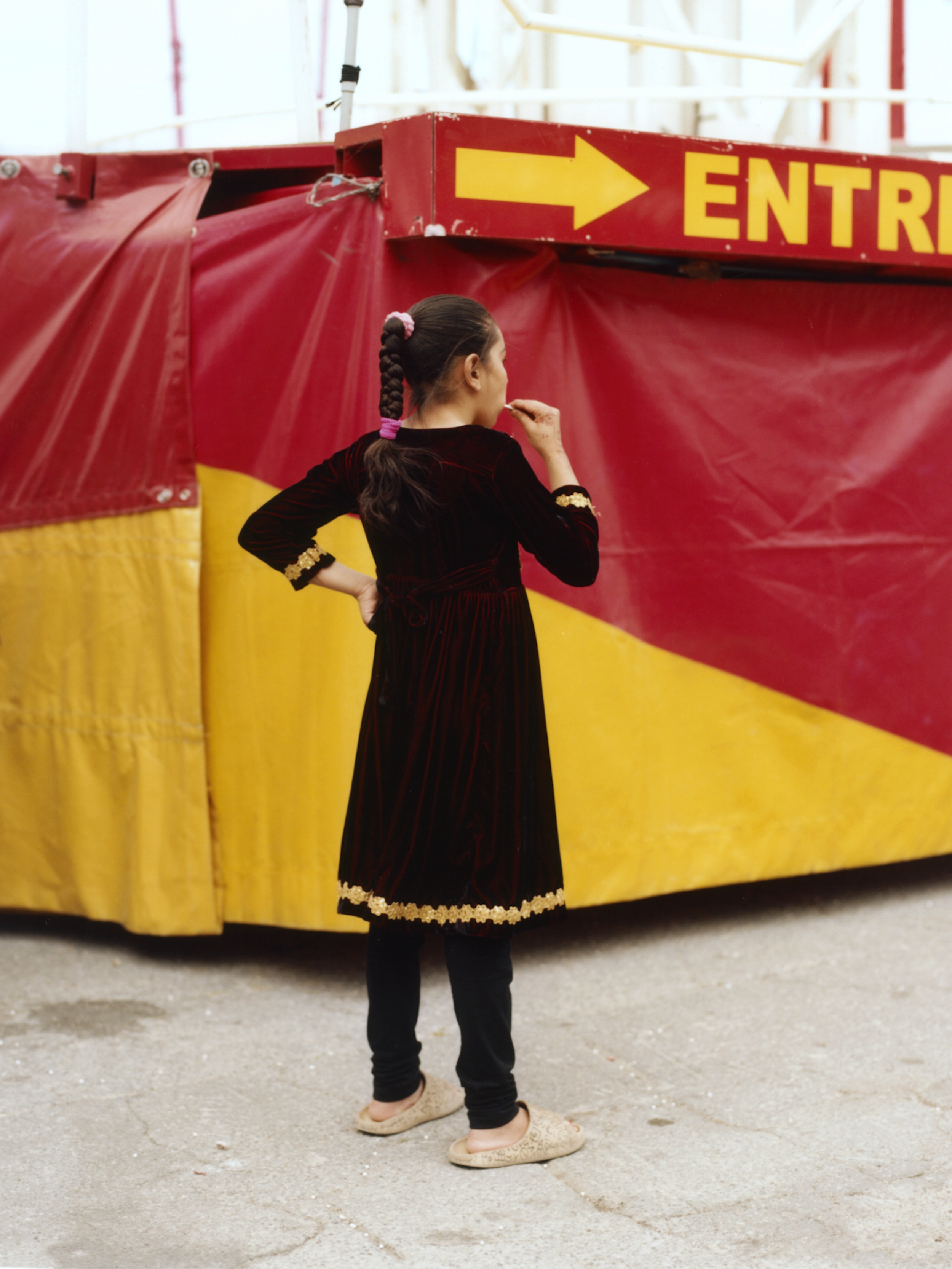
Seeing these communities in a setting associated with pleasure and spectacle offered a different narrative than the ones typically shown in media or documentary imagery.
“Going there and seeing these populations in a different setting – a setting of modernity, the dream – for me it says something different. The more I went, the more I felt like we also have a responsibility to challenge these cliches and negative perceptions.”
For decades, immigrant communities in France have often been photographed within predictable visual frameworks – religious festivals, cultural celebrations, or social reportage tied directly to identity.
“For decades it’s always been the same narrative about immigrants,” says Mamousse. Instead, Foire situates its subjects in a place of leisure and possibility. “When you go there it’s very refreshing for me because you can see that people can get together and there’s no problem mixing different cultures and beliefs.”
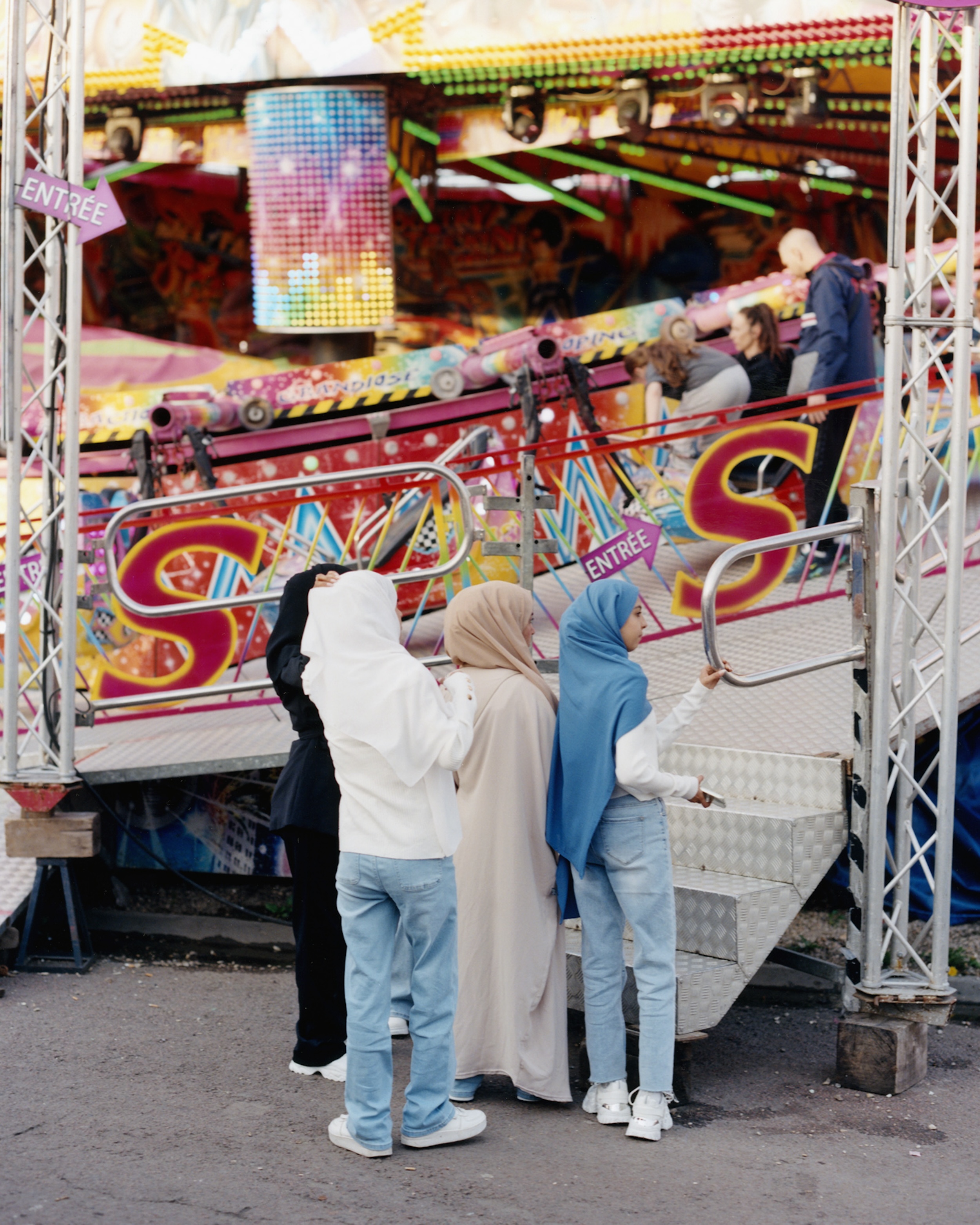
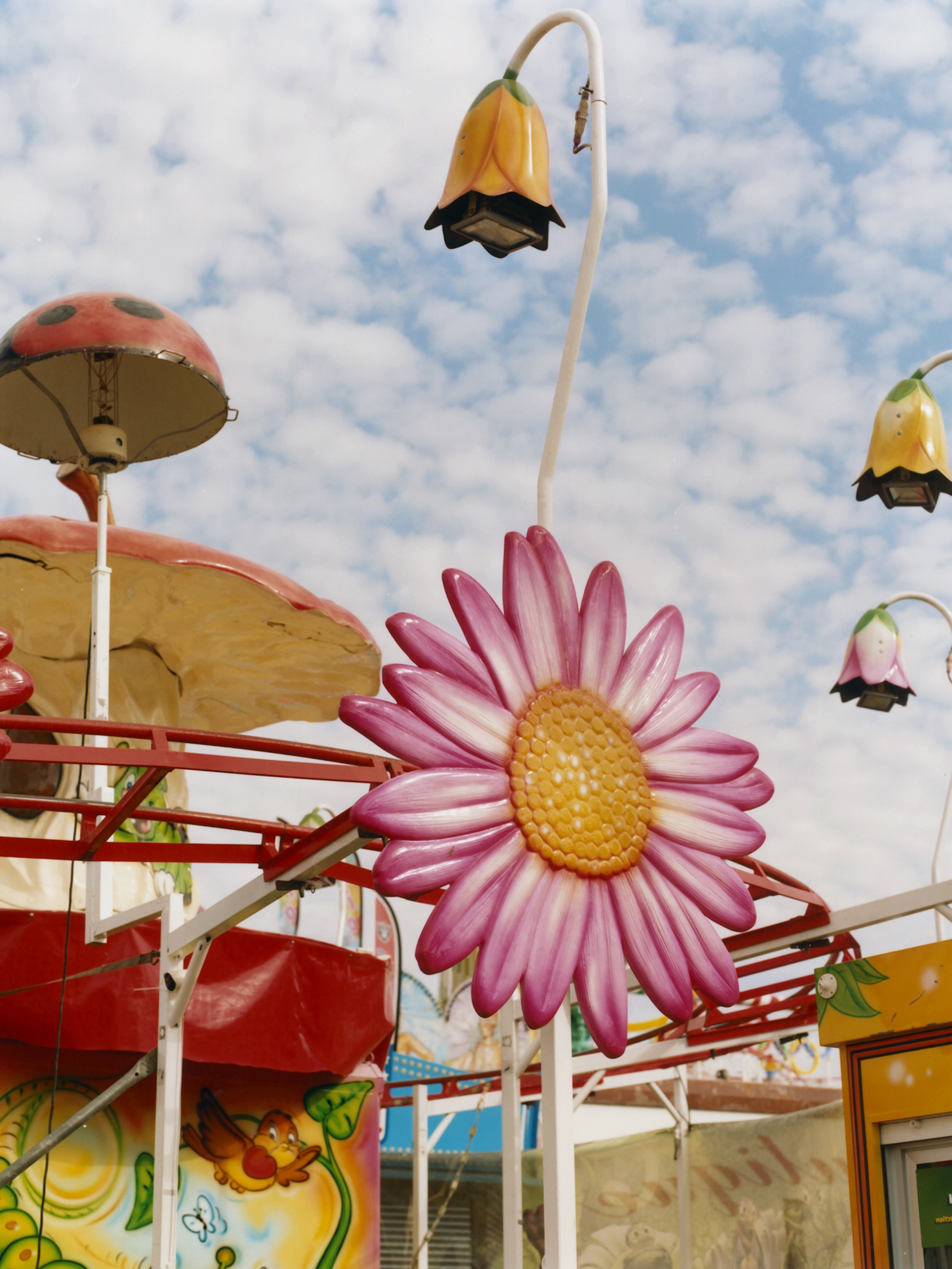
The photographs themselves often begin with conversations. Mamousse approaches people slowly, speaking with them before raising his camera. He prefers to talk to punters first; “usually all the portraits that you see in the series are people that I stop and talk to.”
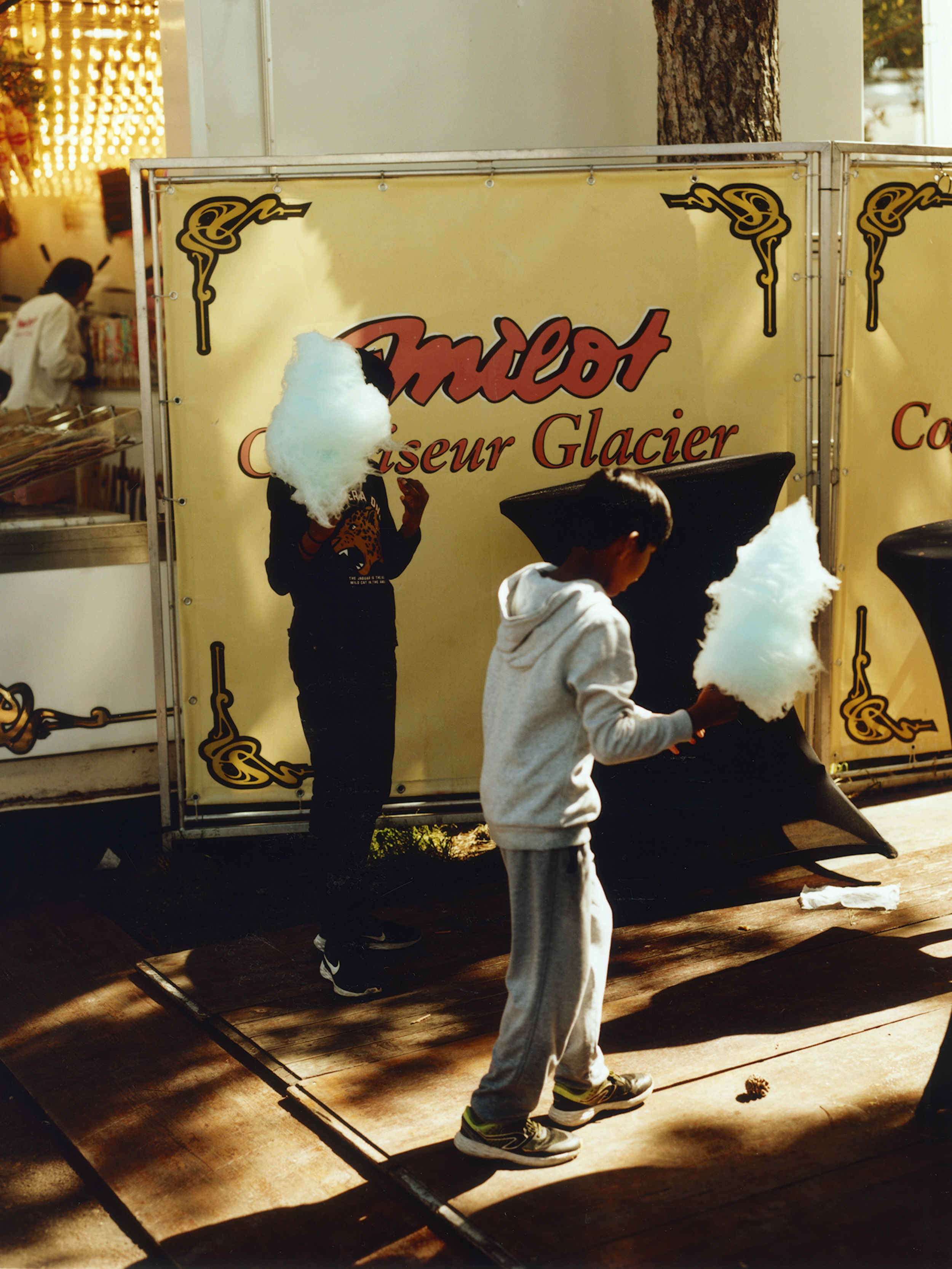
Those exchanges occasionally reveal stories far beyond the fair itself. In one instance, he photographed two children eating candy, their faces hidden behind the sweets. After speaking with their mother, she initially refused permission to use the image. Later, she agreed to the photograph once she realised the children could not be identified through the way Mamousse hides their faces cleverly in the shots.
Moments like this underscore the layered realities that exist within the seemingly carefree atmosphere of the fairground. For Mamousse, the project ultimately reflects the city itself – a place shaped by many overlapping histories. “Paris has always been a city for immigrants. It’s been built by immigrants and we’ve always had immigrant communities.” The fair, with its temporary rides and neon lights, becomes a small portrait of that diversity.