


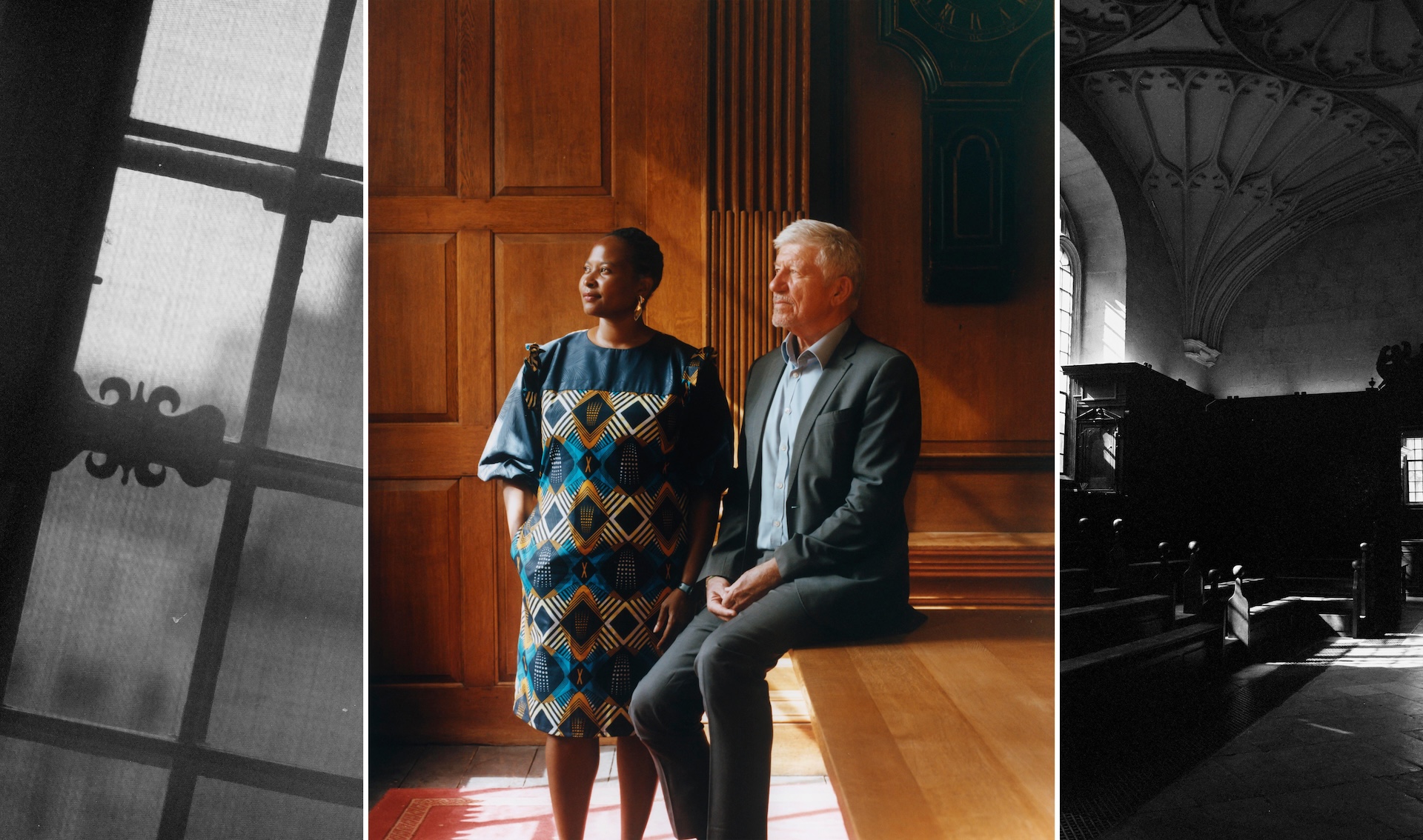
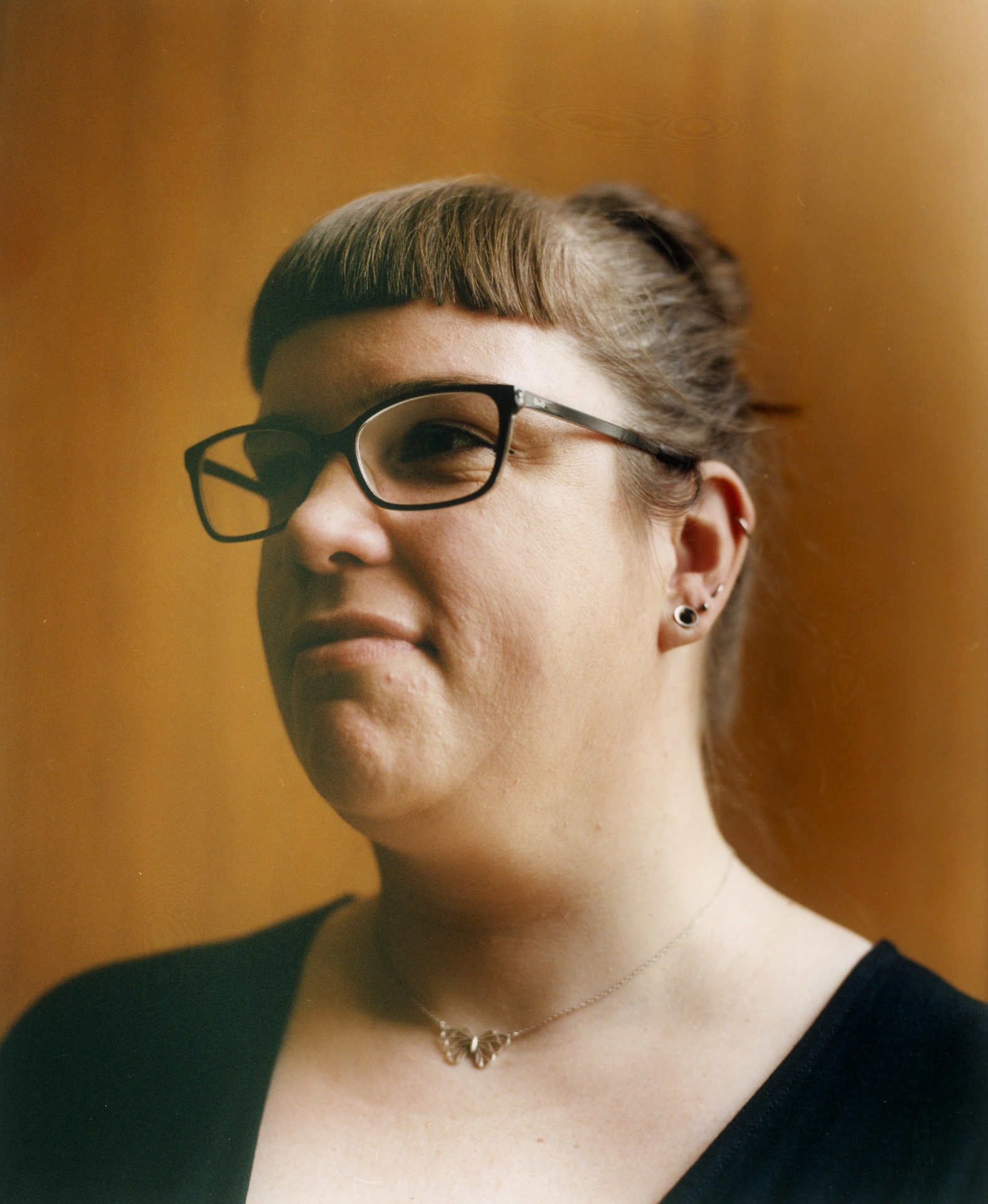
Alexis McGivern, Head of Stakeholder Engagement, Oxford Net Zero and Clarissa Salmon, Programme Lead at Oxford Net Zero © Francis Augusto
The second artist of the Bodleian Catalyst Commission, Francis Augusto brings his observational approach to create portraits that explore themes of representation and the spaces that spark change
“We have hundreds of historic portraits of great figures in the history of the University and the Library – mostly men but there are women there too. I don’t want to see them taken down from our walls, but to have the range of sitters, and the medium of portraiture, widened to embrace people who are change-makers in the University, and who make a real positive difference.”
This insight underpins the Catalysts Commission from British Journal of Photography and the Bodleian Libraries, in which three photographers have created new portraits of individuals at the University to be entered intothe Libraries’ permanent collection. Ovenden adds that it’s important for the millions of researchers and students who come to the library each year to be able to reflect on the past and present through the faces of the people on its walls, and his wider aims resonated deeply with Francis Augusto, one of the photographers who took part in Catalysts.
Originally trained as a sociologist and employed as a youth worker before taking up image-making, Augusto has a special interest in diversity, and on how social capital – or the lack of it – impacts lives. He also has first hand experience of some of the issues, having moved from Angola to the UK as a refugee when just a child.
“I’m interested in how people become who they are, how they attach meanings to things in themselves,” says Augusto. “But I was also interested in who historically would be represented in places such as Bodleian, the individuals being pictured and the artists commissioned to picture them. For me, it was about asking ‘Can I be in that space?’ and ‘What would it look like if somebody like me is part of their permanent collection?’”
“A lot of the work happened before the shoot, in having conversations with people about how they wanted to be shown”
– Francis Augusto
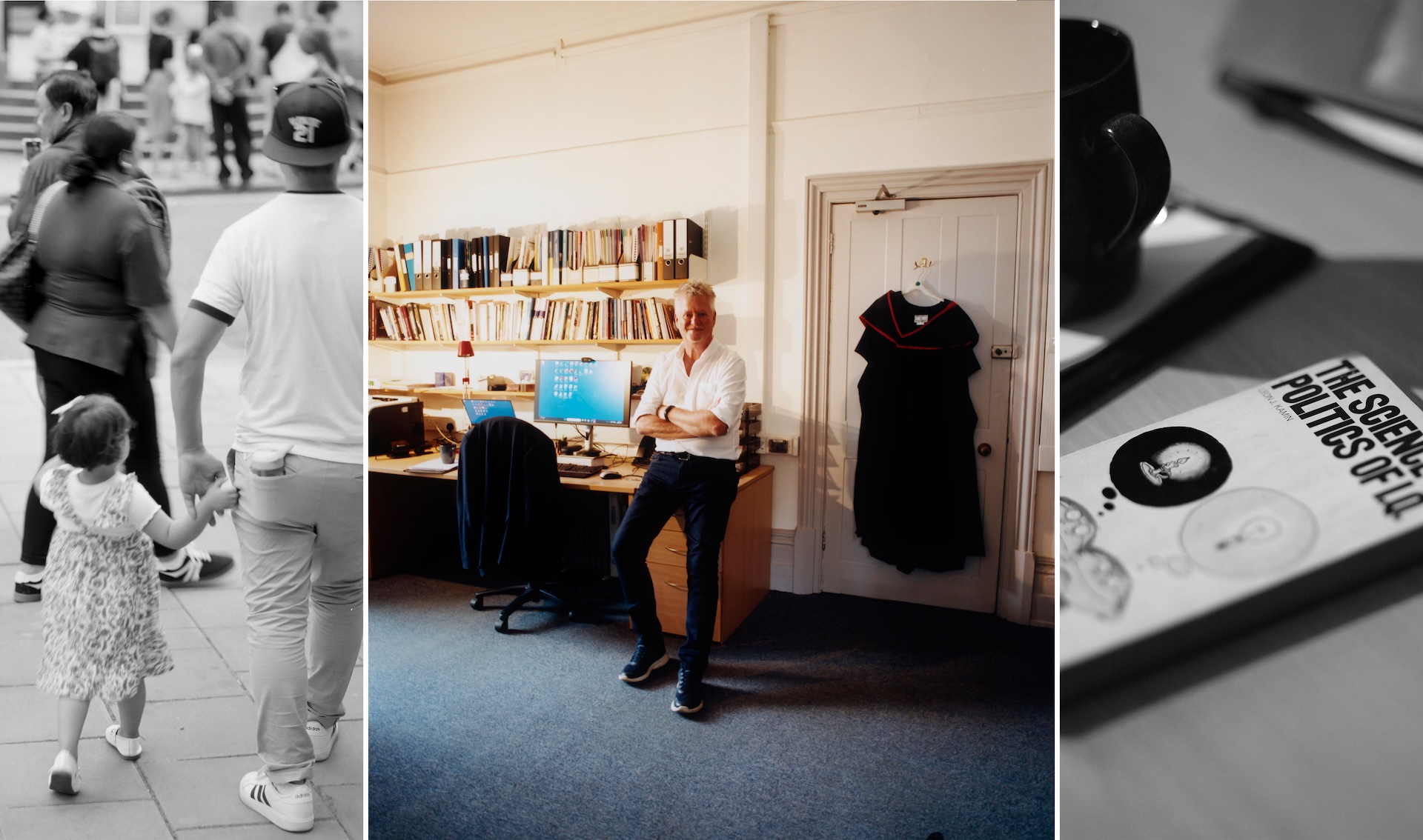
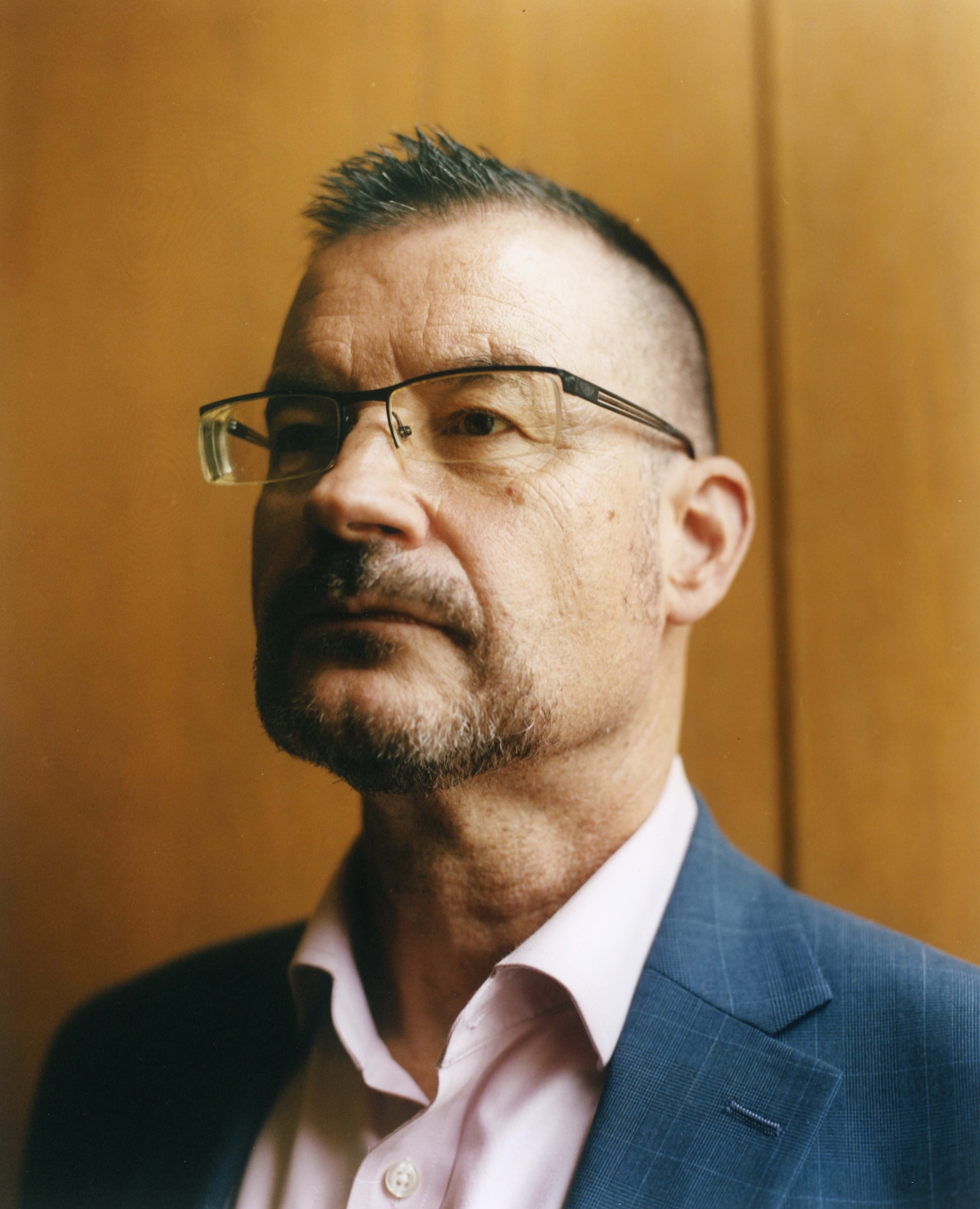
Augusto photographed an impressive 13 people for the project, including two duos, and a group of five individuals shot in similar frames. He was keen to ensure diversity across his images in terms of location, choosing to photograph some sitters in classic settings such as panelled rooms and leafy rose gardens, but others in prosaic offices or against more anonymous backdrops; in this way his work conveys both the fact that iconic Oxford can be – and is – diverse, and that working at the university can be relatable. His photograph of Professor Steve Strand is a good example. Narrowly failing his A-Levels before going on to study at Plymouth Polytechnic, Strand’s route to Oxford doesn’t fit the stereotype, and he has spent the last four decades researching why, unpicking how ethnicity, class and language intersect with educational outcomes. He opted to be photographed by his desk, his doctoral gown hung casually at the door.
“A lot of the work happened before the shoot, in having conversations with people about how they wanted to be shown,” says Augusto. “For Steve it was important to be in the most meaningful, down-to-earth place, the spot where his work actually happens. He was like, ‘I’d love to give you somewhere amazing, but it’s in my office. That’s where I do my thinking, where I have my meetings, have my coffee, that’s where the best ideas come from’. And I thought ‘Yeah, I totally agree’.”
When photographing Dr Anne Makena and Professor Kevin Marsh from the Africa Oxford Initiative, Augusto took a different approach. Working in a classically beautiful room, Auguto brought their work with universities across Africa into a celebrated Oxford setting, making it clear that their work – and students from across Africa – belong in the institution. Makena and Marsh collaborate closely – Augusto says they even finish each other’s sentences – and he was keen to bring this sense of symbiosis into the image, capturing both individuals in similar poses, literally and figuratively looking into the light. He was also keen to emphasise the equality of their relationship, deliberately avoiding seating Makena in front of Marsh, and having Marsh sit to keep their heads at a similar height.
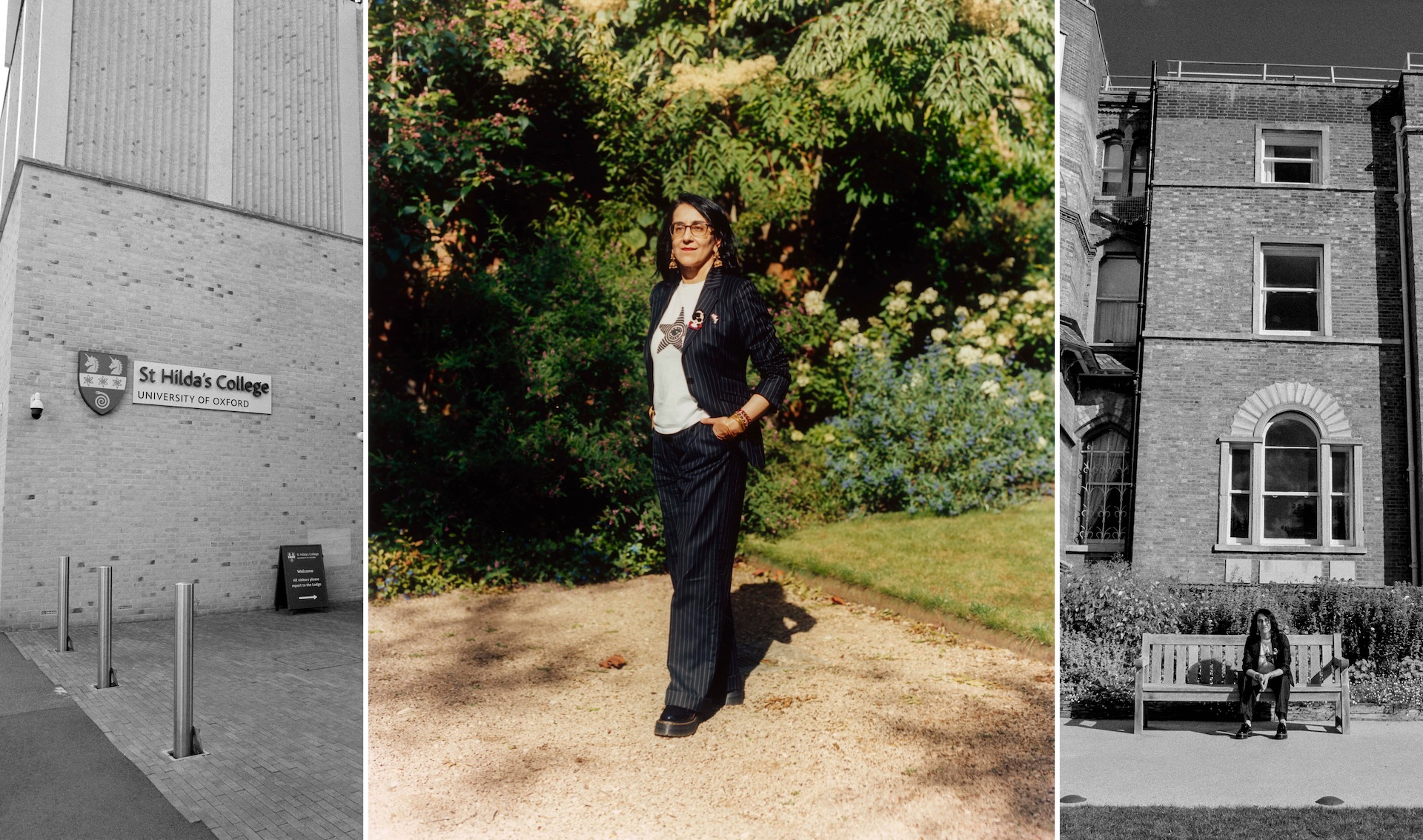
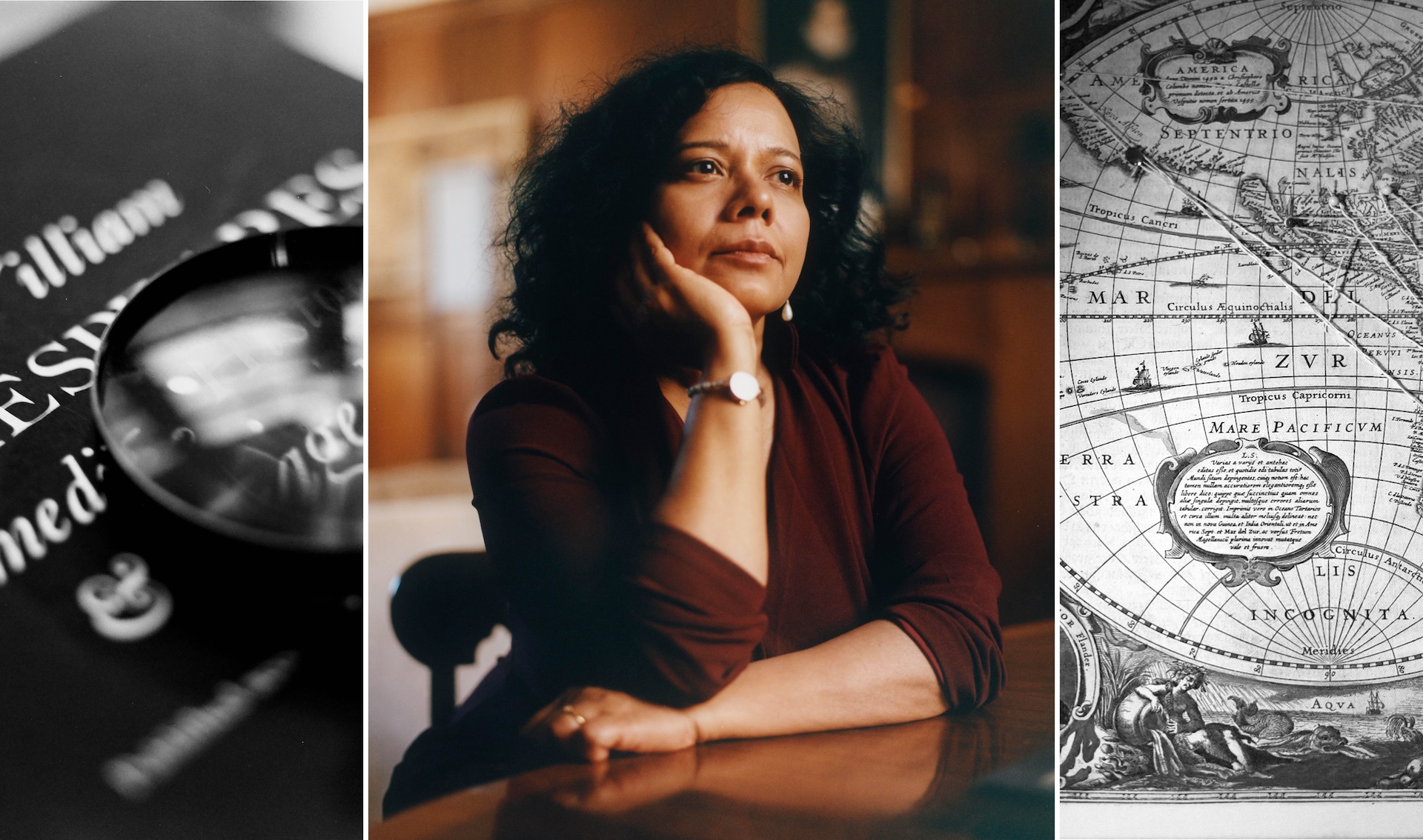
Dr Samina Khan, Director for Undergraduate Admissions and Outreach, originally opted to be shown small against elegant buildings at St Hilda’s College, where she studied and where she now works; for Khan this approach showed how her work contributes to something much bigger, as well as having a personal meaning. But on this occasion Augusto gently pushed back, encouraging her to take up more space. Khan moved to the UK from Pakistan at the age of three and grew up with extended family in Leicester’s underprivileged Highfields area; her own journey to Oxford was an achievement, and she regularly travels into communities in Bradford, Oldham, Birmingham, and Cornwall to encourage others and make their paths easier.
“She’s someone who enjoys doing her work and being of service to people, and her conversation connected to me from the perspective of being a youth worker and wanting to make other people feel included,” says Augusto. “But I also thought, ‘No, we need to celebrate’. That felt really important.”
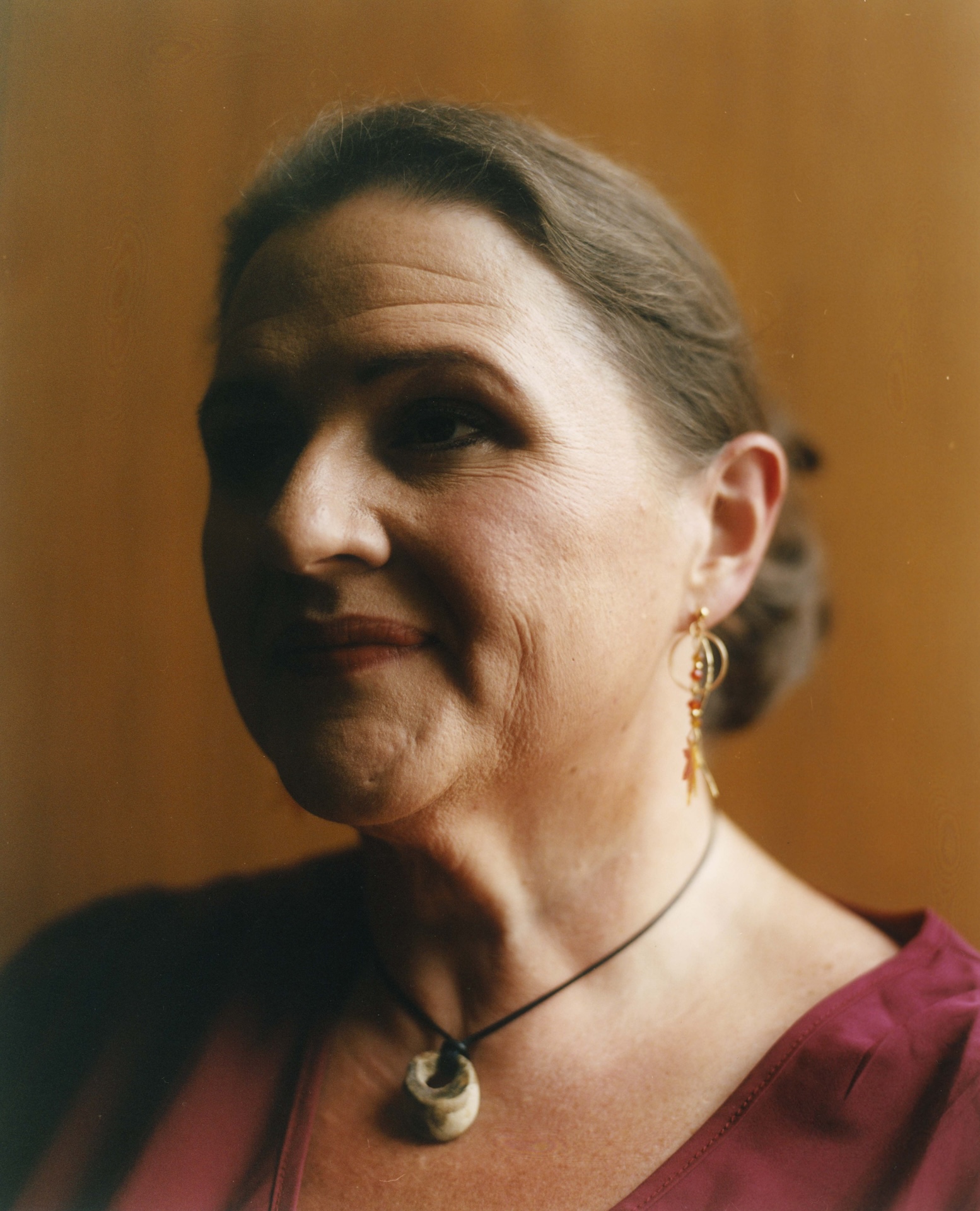
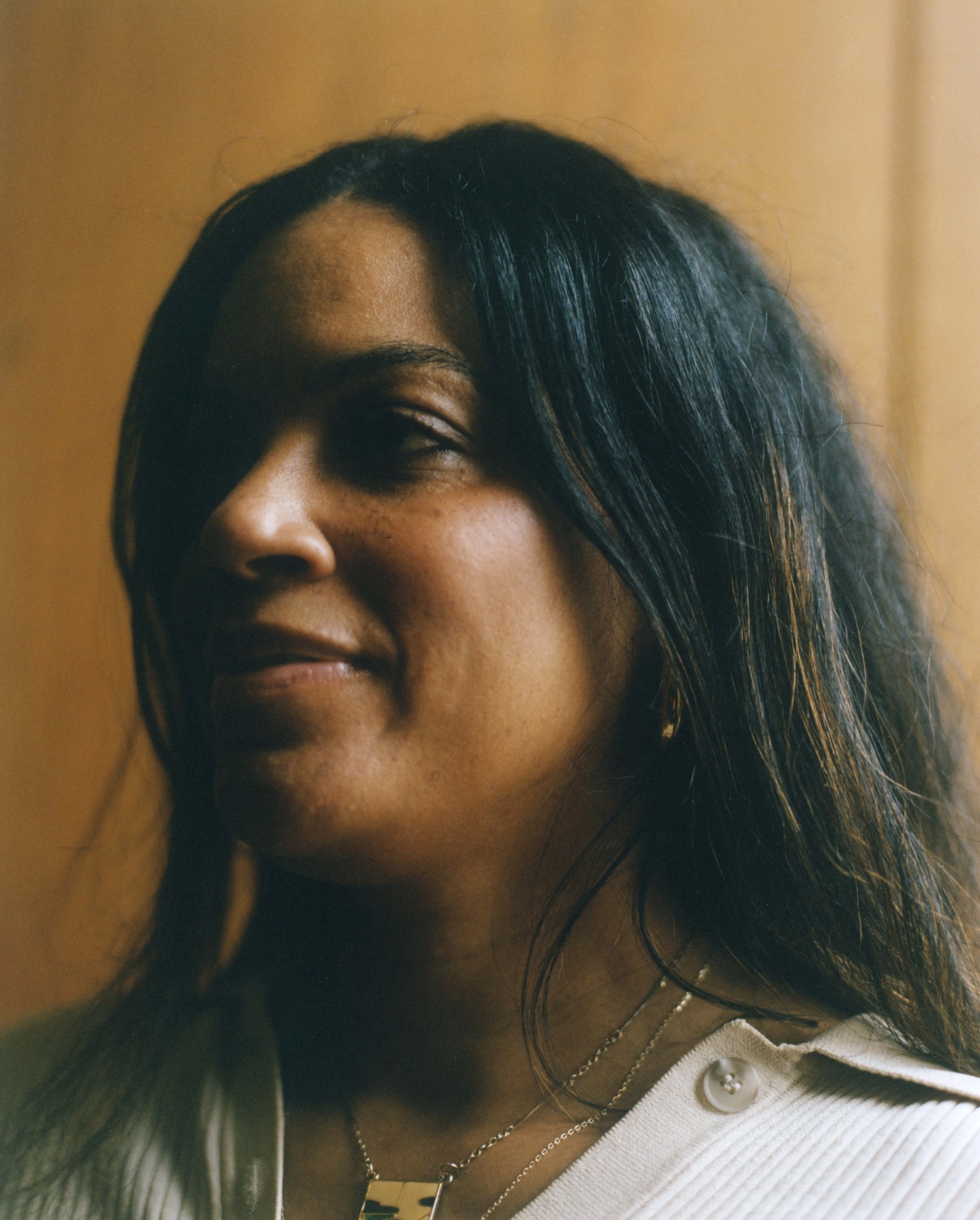
This commission was created in partnership with Bodleian Libraries to celebrate Oxford University’s leading innovators whose work is reshaping health, society, and the environment worldwide. Find out more about Bodleian Libraries here