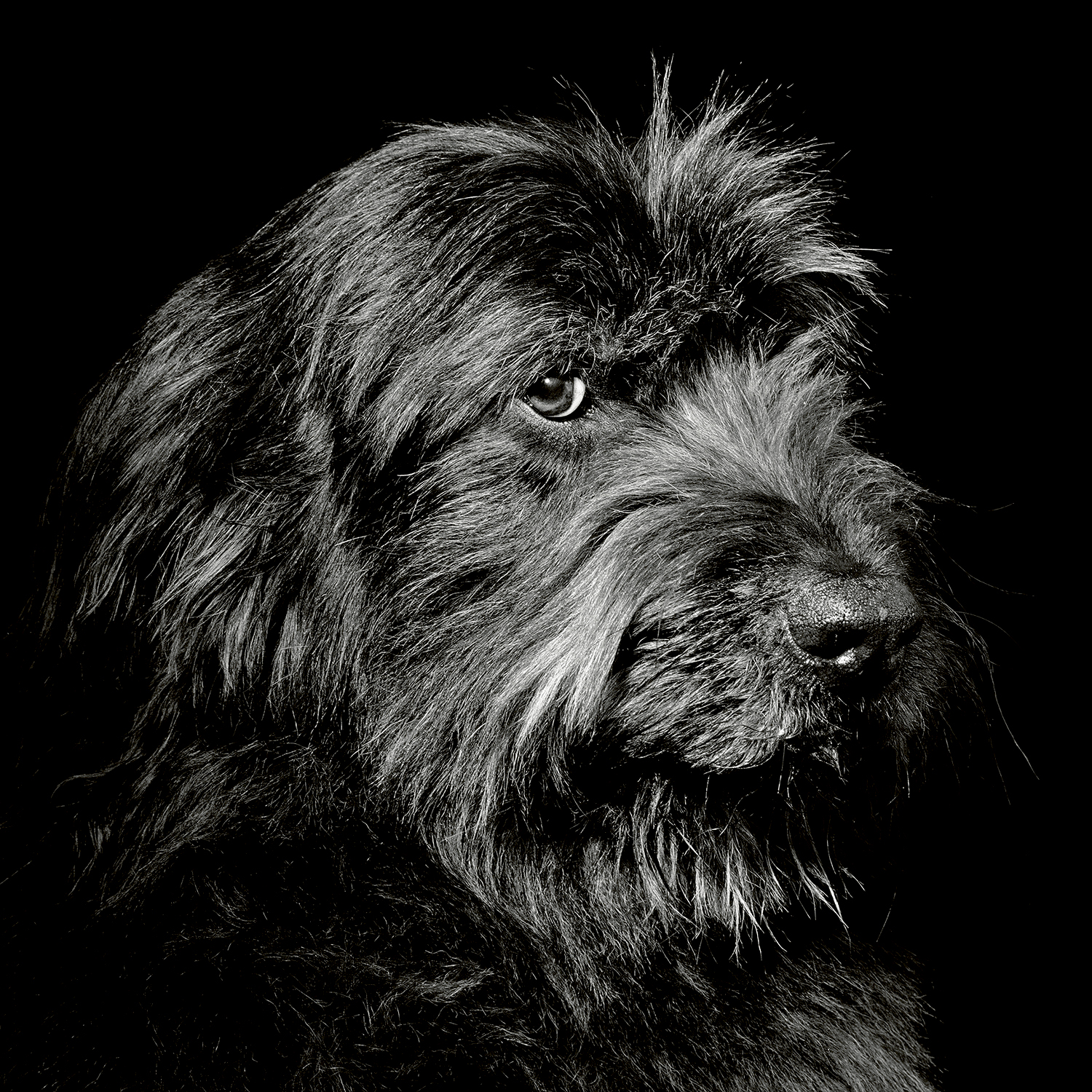

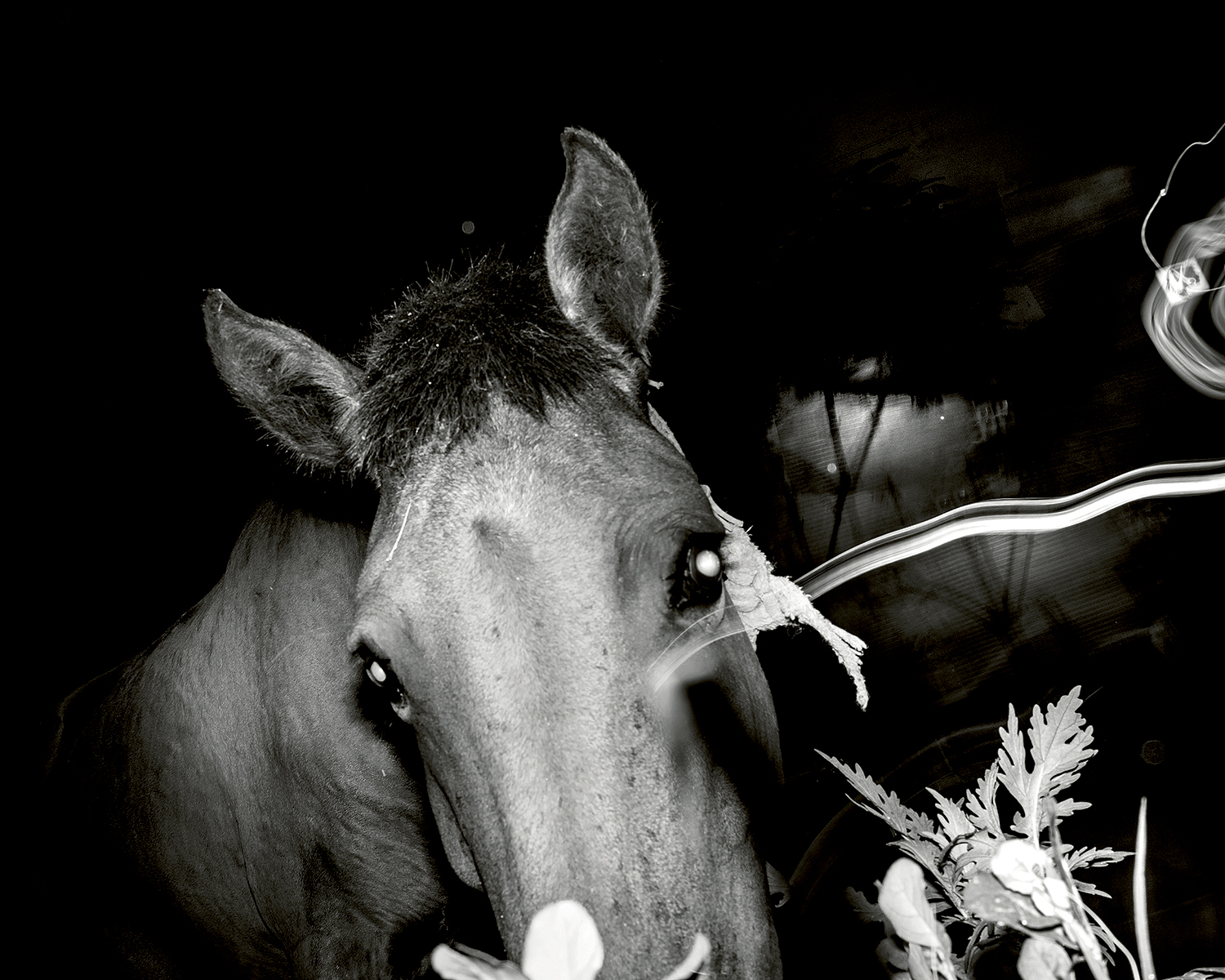
Lost Horse, from the series Ozymandias, 2020–ongoing © Aman Alam. On show as part of the Emerging Voices section
Alternative narratives and ways to perceive underpin this year’s Les Rencontres d’Arles, with the Discovery Awards a microcosm of thought around new outlooks
In September 2025, the Trump administration ordered an image known as The Scourged Back be removed from US National Park exhibitions. Taken in 1863, the photograph shows whip scars borne by a man named Peter (sometimes identified as Gordon), who had escaped slavery on a Louisiana plantation. The move was part of a wider review of slavery-related exhibits, which aimed to excise materials deemed to represent a “corrosive ideology” disparaging America’s past; it was criticised as an attempt to rewrite or erase the US history of slavery.
This event, as well as the censorship of a painting by Amy Sherald in Washington, and the cancellation of an exhibition of Caribbean art at the Centre Pompidou-Metz, prompted curator Nadine Hounkpatin to consider how images help construct what we understand as reality – and therefore what we understand as truth. Shortly afterwards, she listened to an interview with Carrie Mae Weems, in which the artist asked what could be the best possible way to tell the truth. When invited to curate the Discovery Awards at Les Rencontres d’Arles, “I had all this in mind,” she says.
Her selection of artists is global in reach and international in focus; Jordan Beal, Souleymane Bachir Diaw, Amira Lamti, Mallory Lowe Mpoka, Magali Paulin, Phan Quang and Charlotte Yonga have grown up with a mix of geographies and imaginaries “that allow them to think new epistemologies”, she says, adding, “That’s where the magic of this new generation of artists and photographers lies.” Lamti’s Bent el Machta functions as a kind of archive of gestures and memories, for example, persisting in Tunisian wedding ceremonies; Yonga’s (Tsy) Possible explores emotional dynamics in Madagascar, constructing images based on collaborations with her subjects.
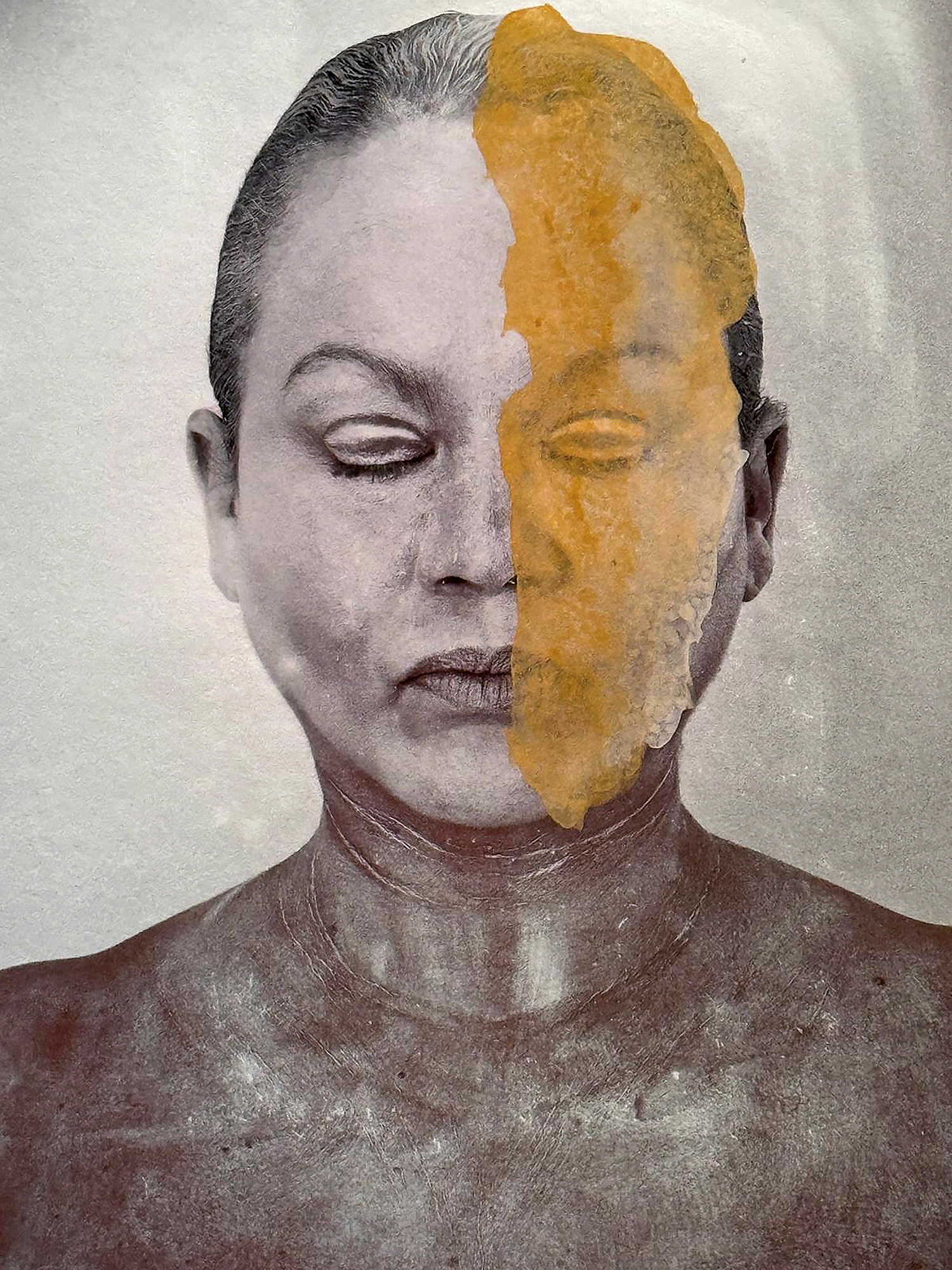
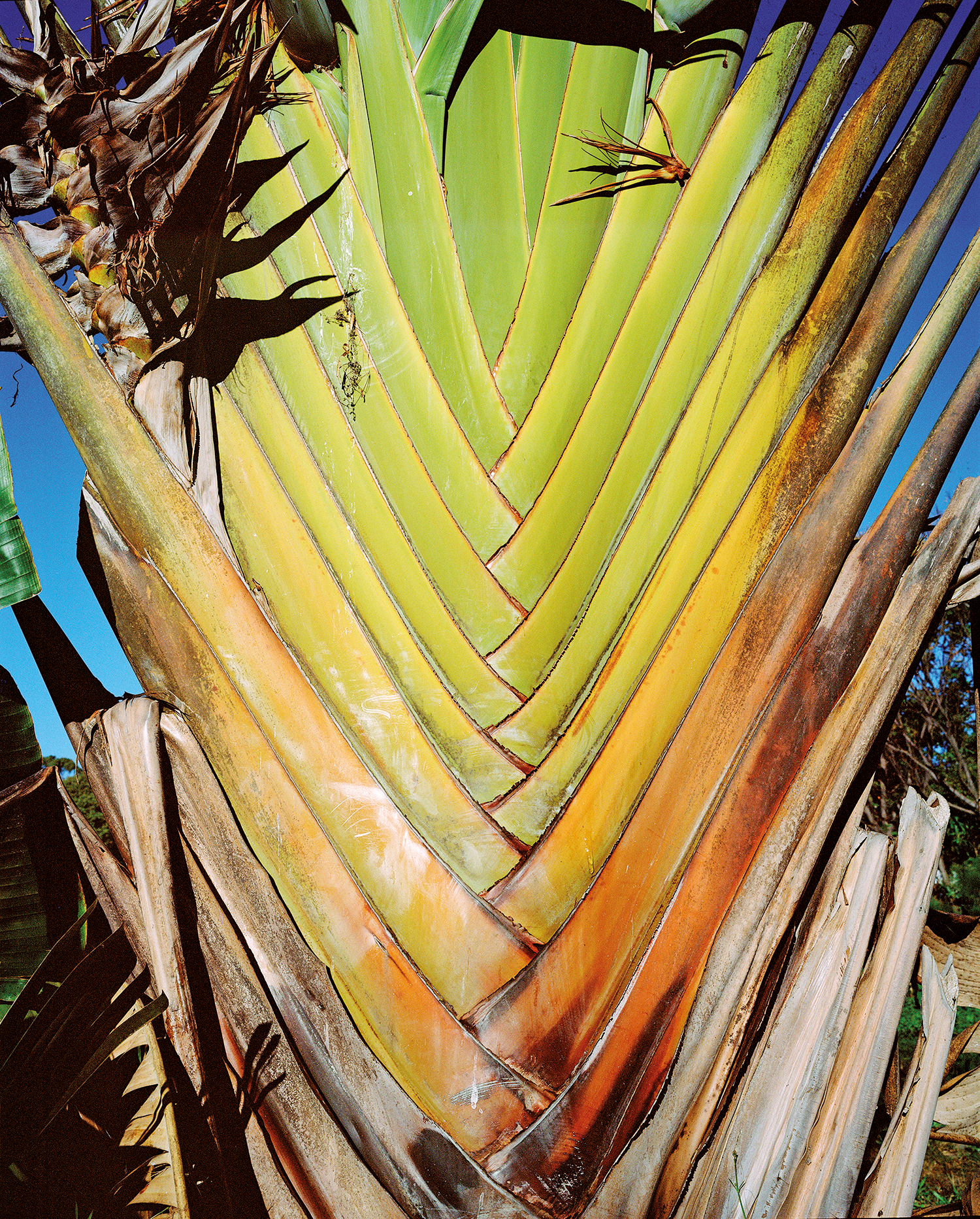
“The work in this exhibition is not all straight; it takes time to digest. It’s there to open our eyes, not give us formal answers” – Nadine Hounkpatin
Quang also plays with the boundary between documentary and constructed image in Re/cover, to explore the fate of Vietnamese women who had children with Japanese soldiers who remained in the country after World War II. “I’m interested in how photography can trigger, how it can question us,” says Hounkpatin. “The work in this exhibition is not all straight; it takes time to digest. It’s there to open our eyes, not give us formal answers.”
Similar themes run through the wider festival. The Discovery Awards, which are supported by the Louis Roederer Foundation. are part of an Emerging Voices section which also includes edgy exhibitions by Aman Alam and Camille-Renée Devid; titled Ozymandias, Alam’s work explores his grandmother’s cognitive decline into dementia, and more widely what it means to remember, or forget. Devid’s exhibition, Discovering My Colors, uses portraits and double-exposures to consider identity, drawing on intuition, emotion and memory rather than national boundaries.
Also in the Emerging Voices section, group show The Cannibal Image disrupts the usual understanding of photography as an interface between the external world and the viewer’s gaze, instead proposing it is a body in its own right, “one that expresses a visceral, almost bestial appetite for reality”, according to curator Alessandra Chiericato.
A festival section titled Forms of Life includes an exhibition The Nature of Edward Steichen and a large show titled Animal Model; delving into non-human life, this section also suggests other kinds of consciousness.
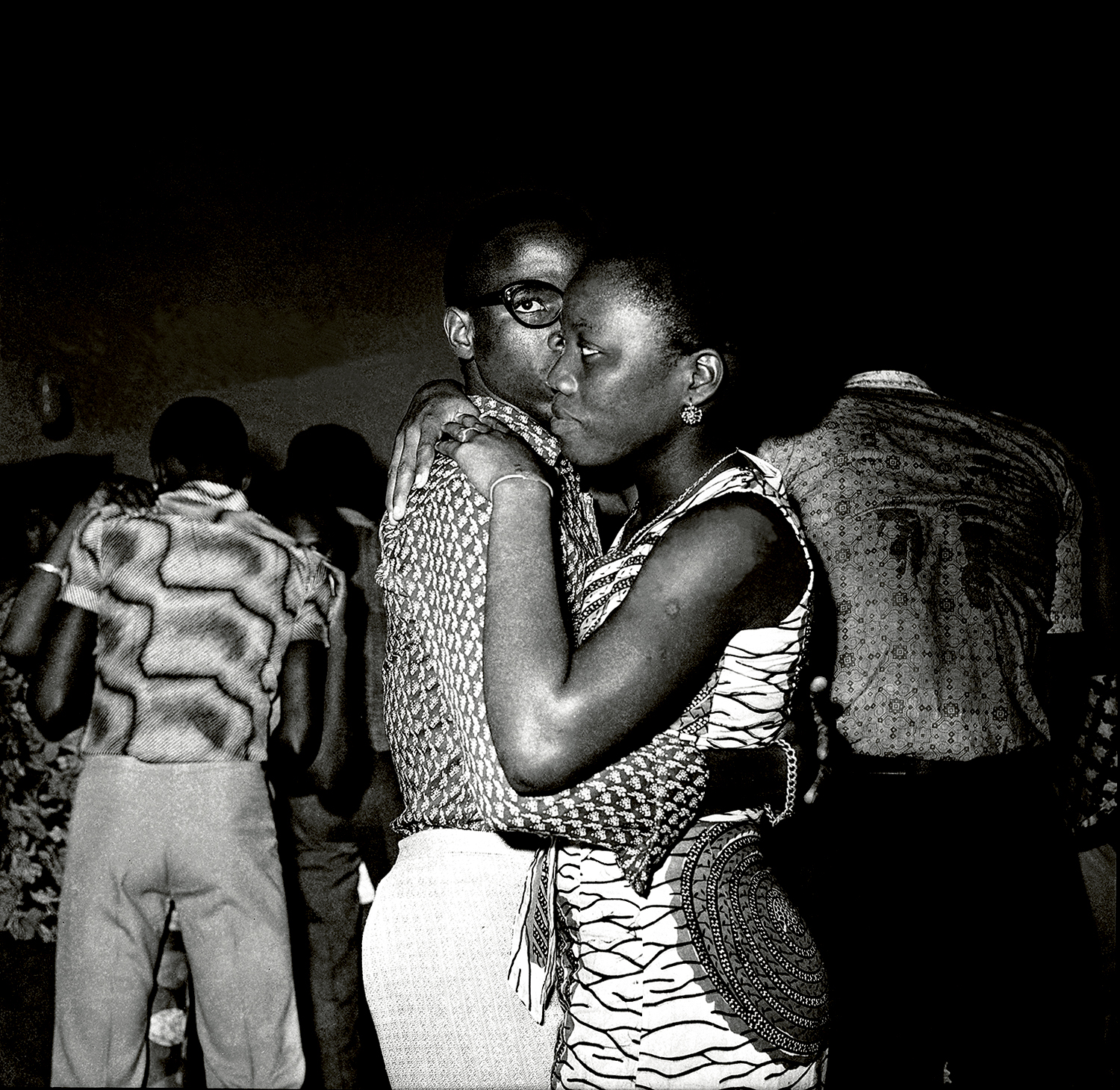
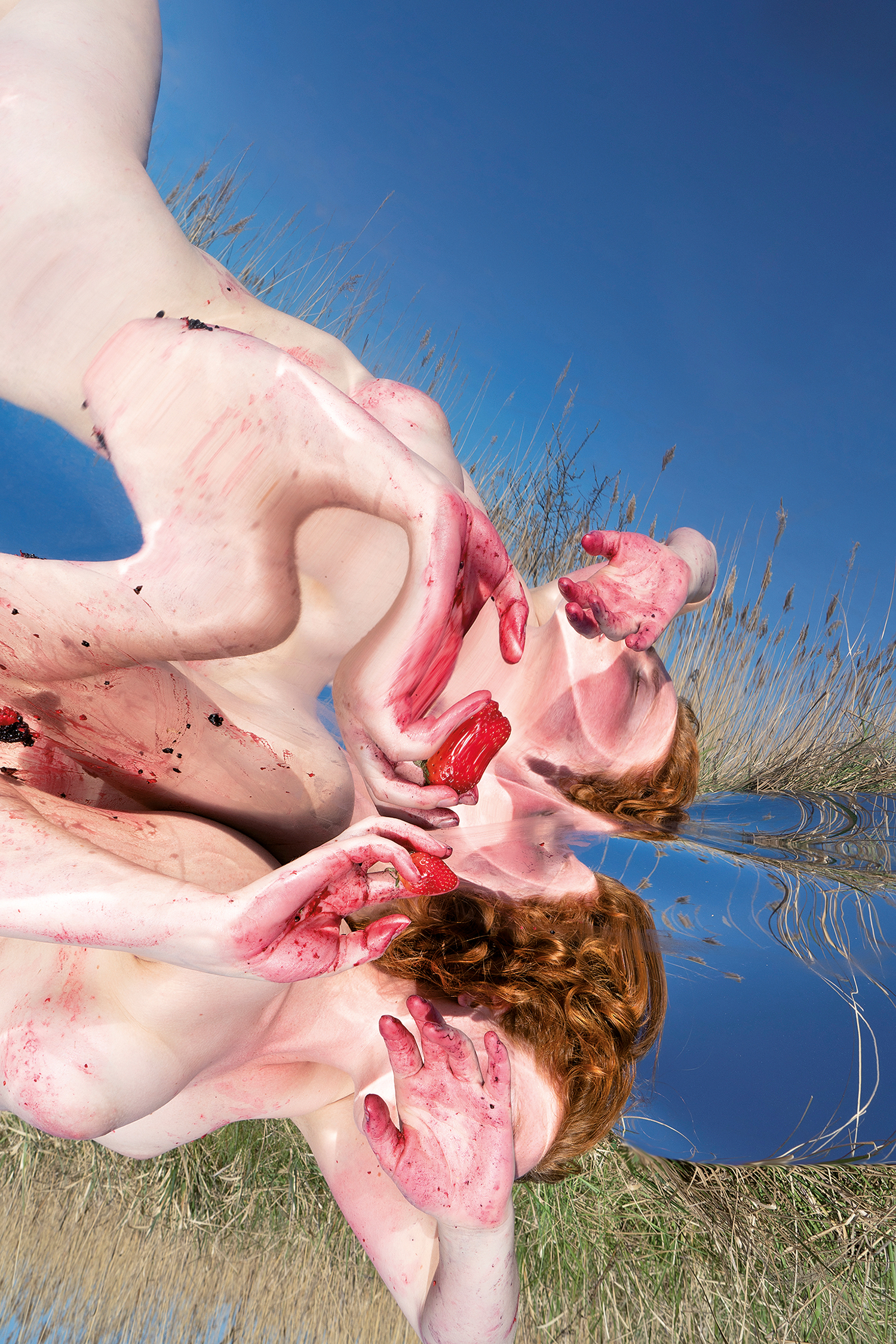
The Independence section tracks a path through Africa, exploring post-colonial perspectives on establishment narratives and how to outrun them; it includes an exhibition by Thato Toeba titled Anyone Can Be Lucifer, for example, which uses collage to subvert the ongoing impact of the British Empire, particularly in South Africa. Photoromance by Paul Kodjo is the first major solo show for the Ivorian artist in France, meanwhile, a key figure in the post-independence visual culture who founded the avant-garde agency MAMEDIS (Mass Media Service) and one of the first African photographers to explore the photo-novel. Elsewhere are more familiar but no less experimental artists, with solo shows including William Klein, Harry Gruyaert and Ming Smith.
Les Rencontres d’Arles has been criticised in recent years for taking an apolitical stance on current affairs in its exhibitions, particularly the Gaza genocide; this year’s festival is perhaps unlikely to turn that around, but it is also to Arles’ credit that, at a time when “everything pushes toward simplification, division and reduction,” as festival director Christoph Wiesner puts it, this edition “creates a space for complexity and attentiveness.”