

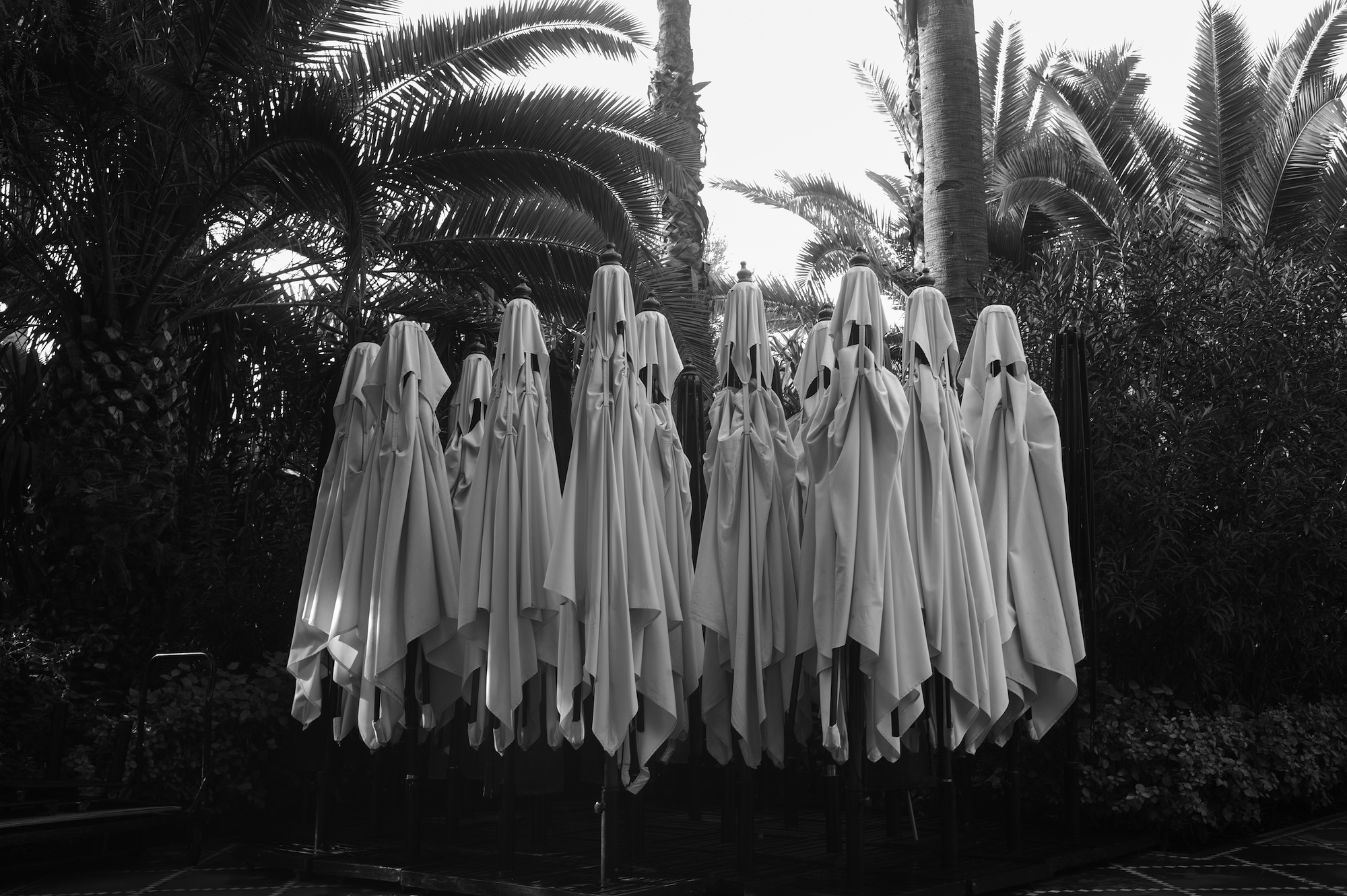
Faces 16, 2013 © Park Chan-wook
Park Chan-wook is known for his dark movies, but his first European photography exhibition, on show at Lee Ufan Arles, reveals a different vision and another approach to the world
Park Chan-wook is best-known for his lauded trilogy of movies Sympathy for Mr. Vengeance, Oldboy and Lady Vengeance. Dark, violent and ironic, these films summon a claustrophobic landscape in which the pursuit of revenge is paramount, and leaves behind only destruction and hollow victory. But this summer Park has his first photography exhibition in Europe, and it’s titled On a Quiet Morning. On show at the serene Lee Ufan Arles gallery, it reveals a different side to the celebrated director, one which he says is more like his life.
“My movies are a universe that I completely create from scratch, my life is really, really completely normal,” he smiles, speaking via a translator. “I would say boring! I’m just a common man, so I usually try to invent all these extreme worlds [in my films]. But I always carry my camera with me, even when I go next door to the store and just buy something with my slippers on. So my photos are really linked with my private life.”
Park has directed 17 films, but he’s also made photographs for over 45 years, dating back to his days studying philosophy at university; in On a Quiet Morning he’s focused on shots made since the advent of digital imaging, working closely with curator Valérie Duponchelle on the selection of images. Despite the exhibition title the photographs have been taken at various times of day, but he and Duponchelle have focused on shots with a particular atmosphere, one which often feels like a quiet early start.
“My photographs are a work of discovery, while my movies are a work of creation.” Park Chan-wook
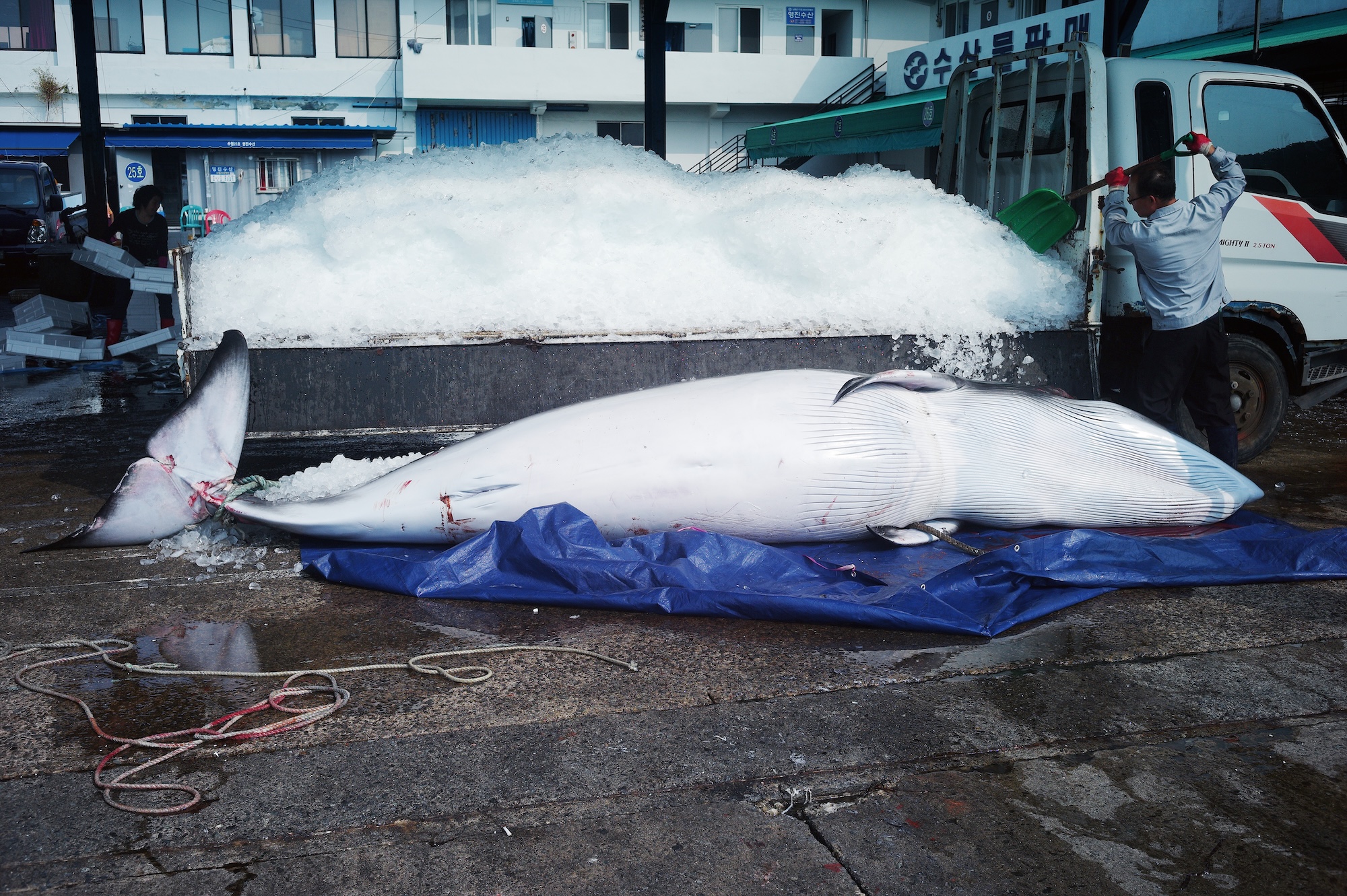
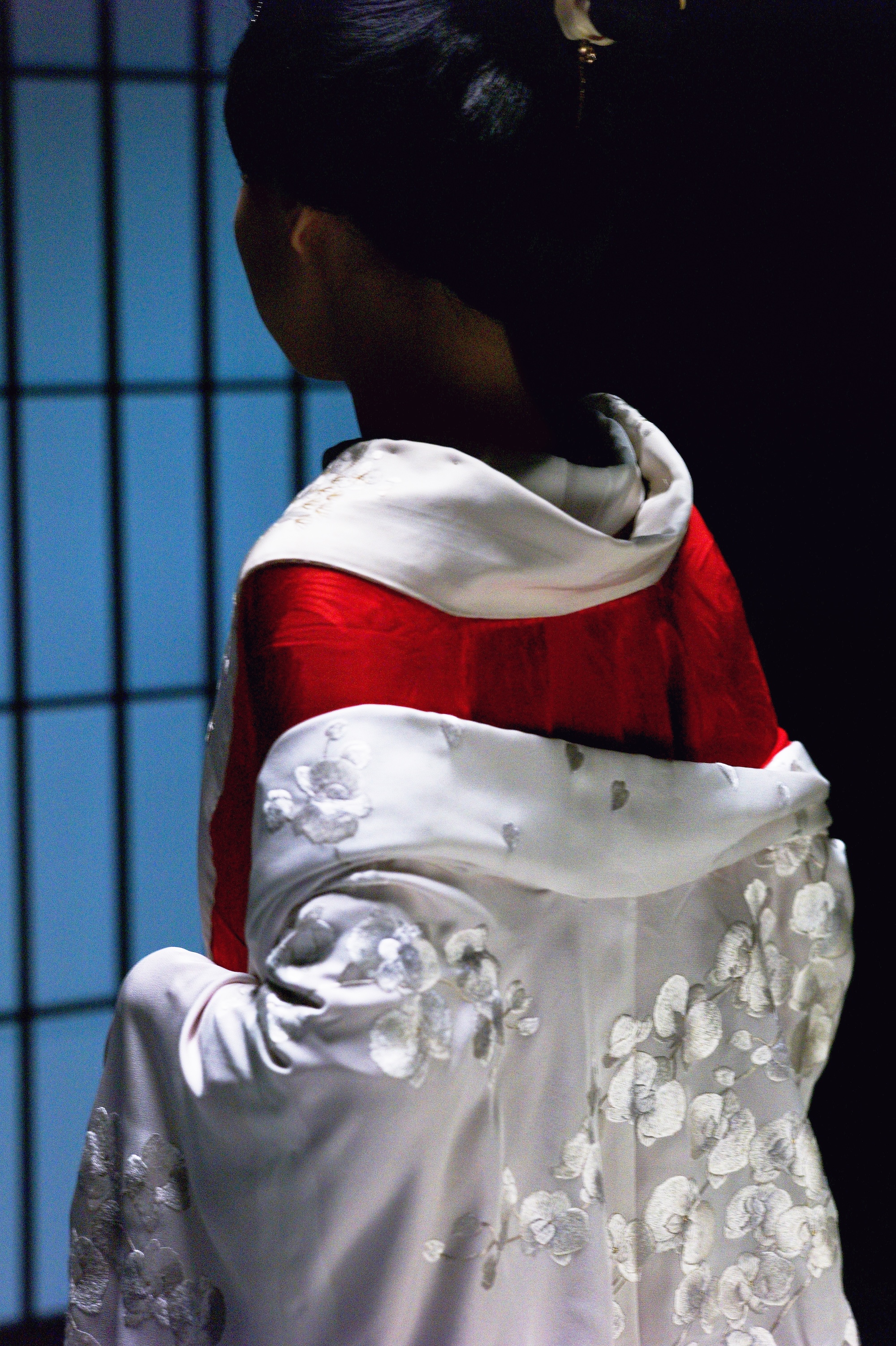
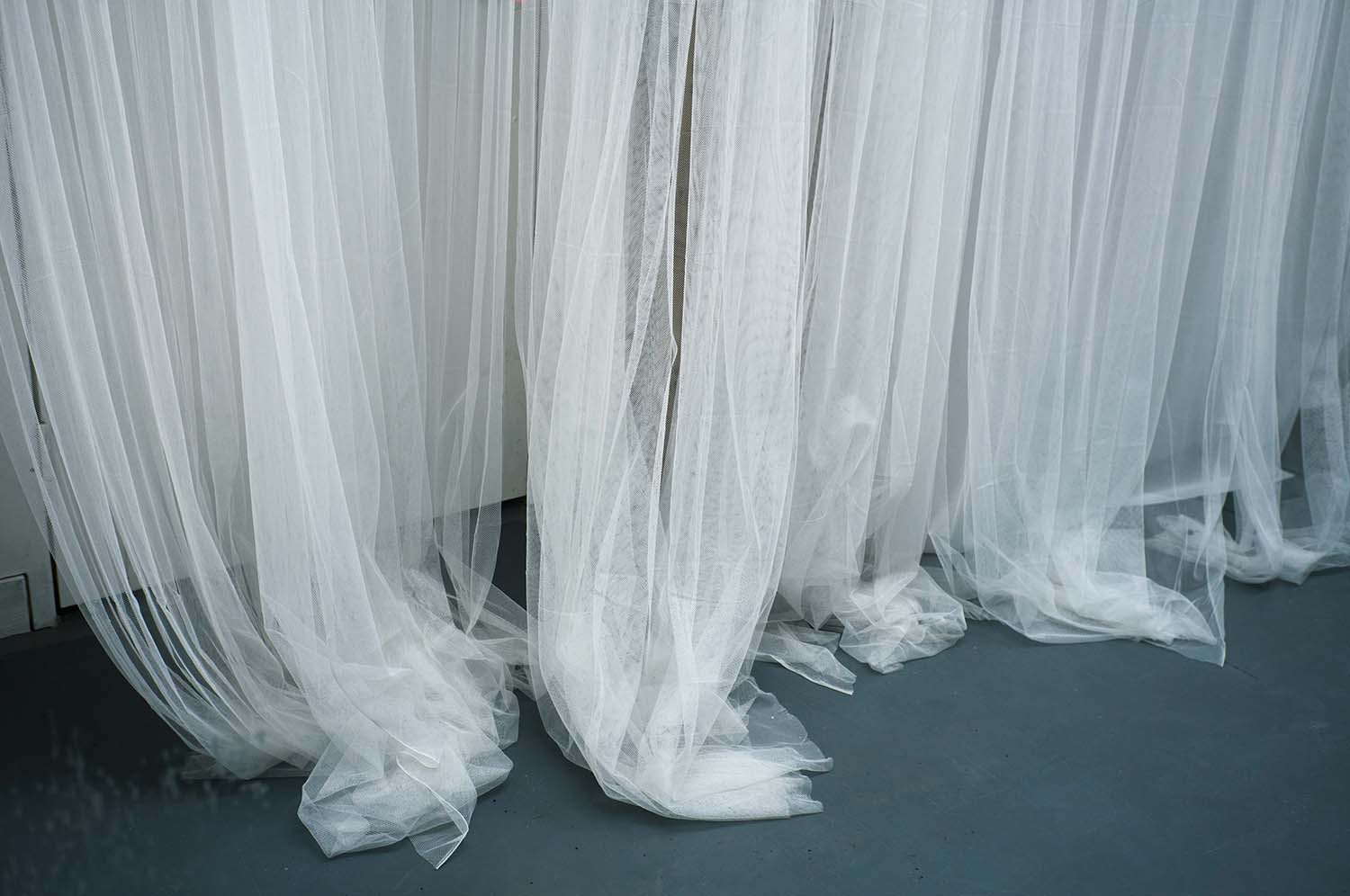
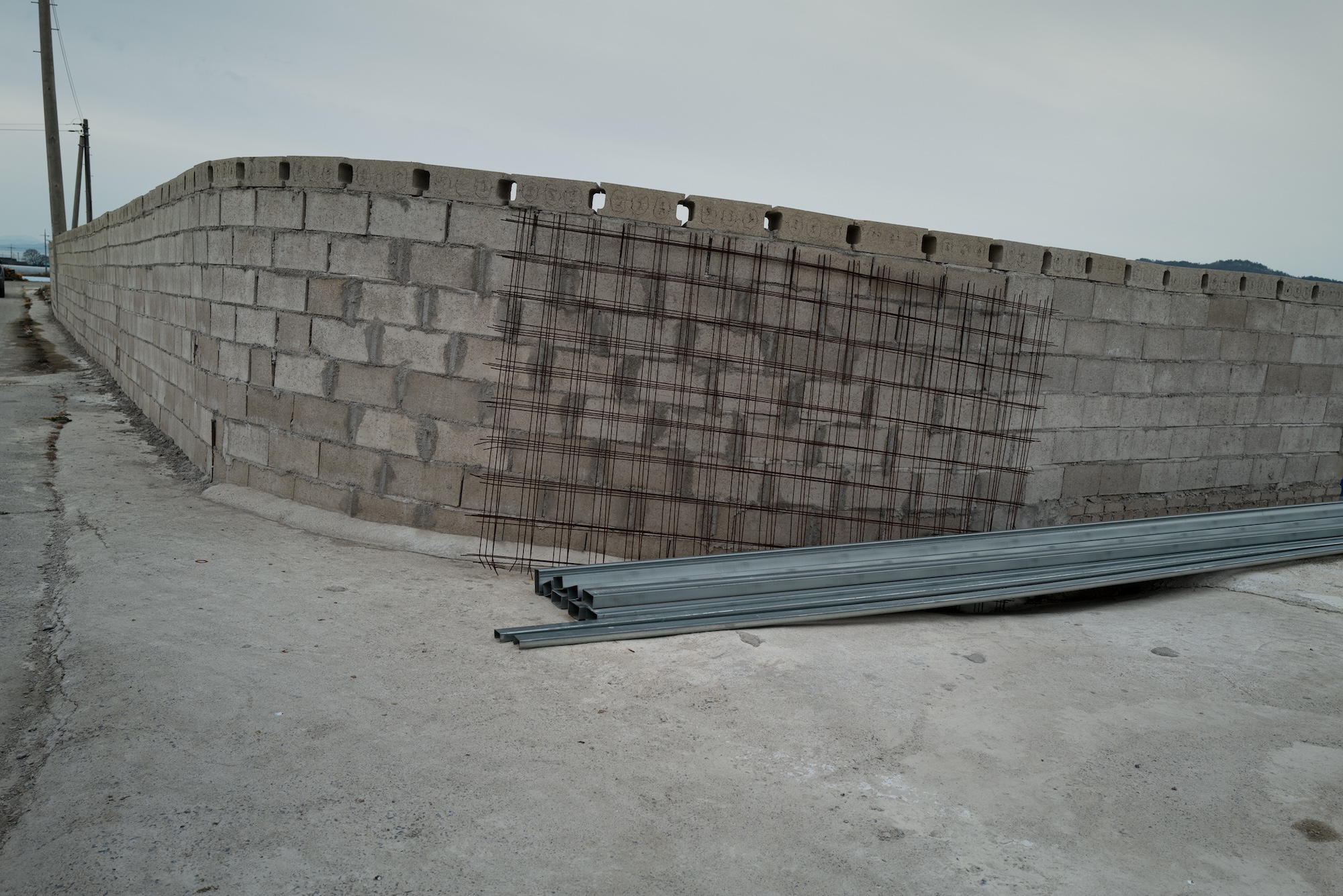
Documentary and quietly observational, the images show empty streets and unpeopled scenes; they gather incidental, easily-overlooked corners and oblique assemblages of objects. There are a few portraits, some showing actors Park has worked with on set; the individuals appear contemplative, lost in thought, often looking away from the camera. The images evoke gentle communion with the world, a sensitive state of receptiveness which Park contrasts with his experience as a director.
“My photographs are a work of discovery, while my movies are a work of creation,” he explains. “When I am making films, when it’s fiction, usually the whole universe of the movie is created by me. The sound, the acting, even the post-production, everything is under control. A director has a status almost like a god – he creates everything, and if he’s not satisfied, then the thing is completely deleted. But with the photographs, the control is quite limited. I can only choose the angle that I want if I want, or have a choice of the lens, or take a picture at night or during the day.”
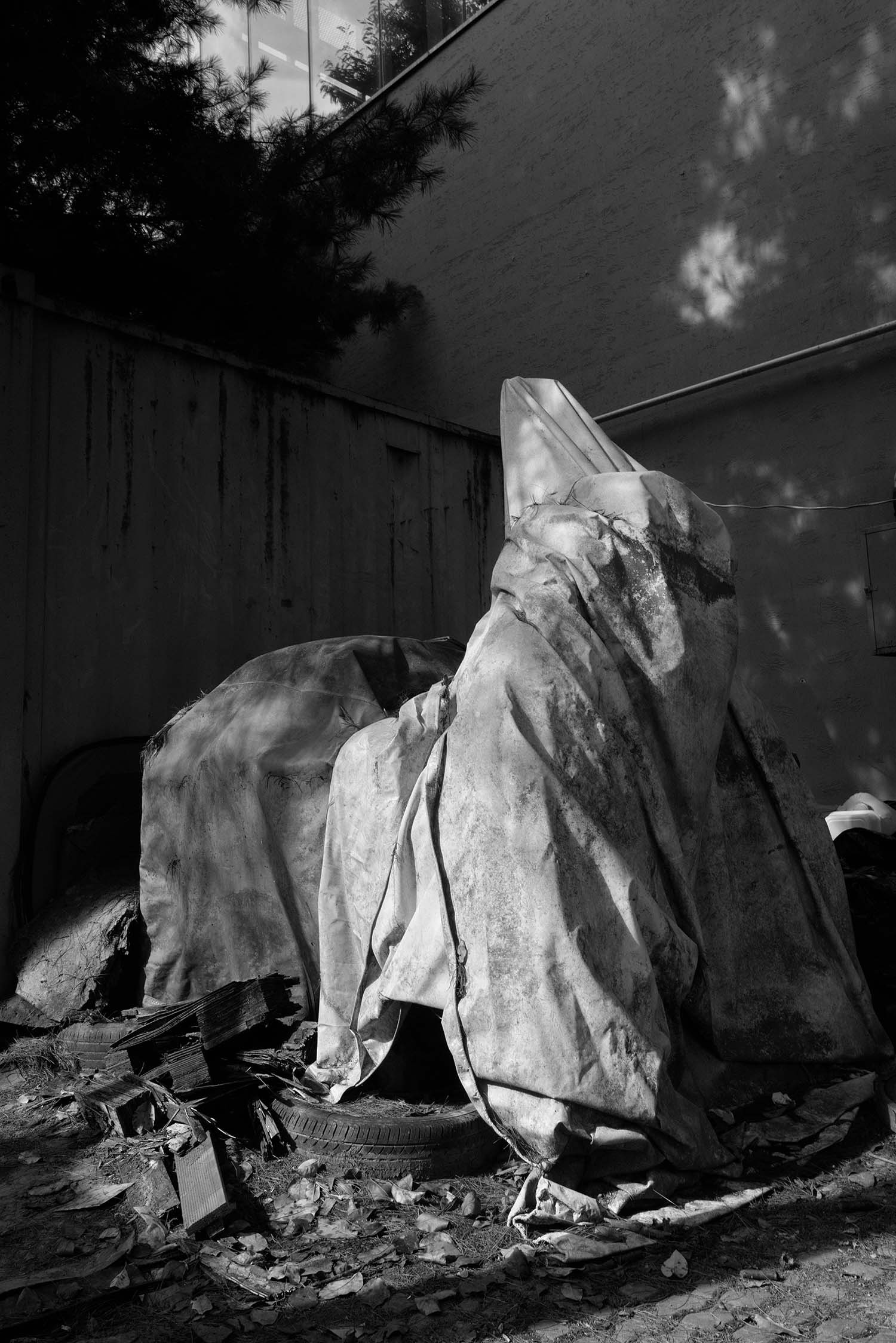
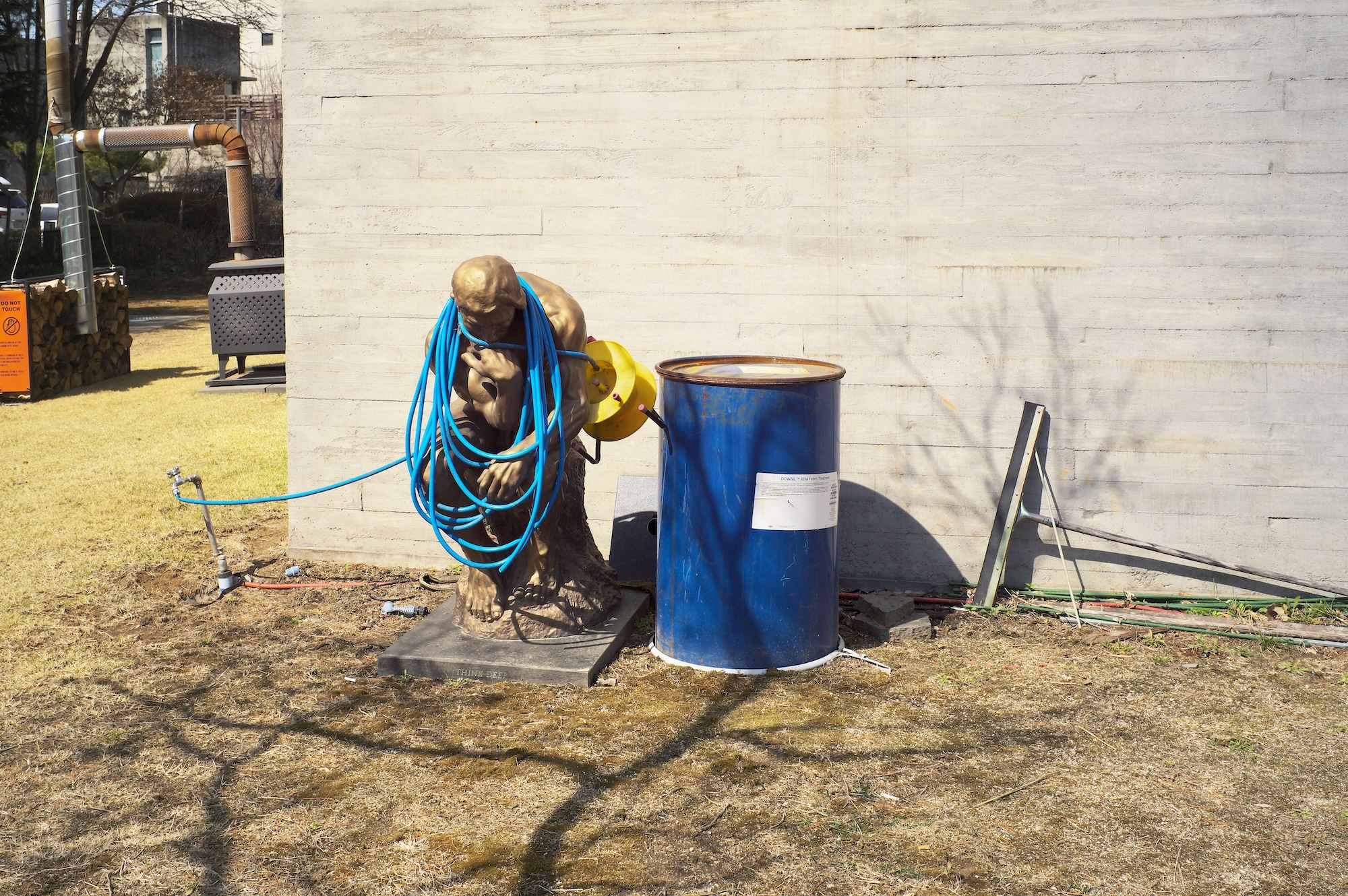
This responsiveness sometimes emerges in unexpected ways, Park’s images lending apparent sentience to many everyday objects. There’s a a cluster of garden umbrellas flocking together to look back at him, or a stately veiled figure majestically sitting on a slope; Park has named the former image Faces, and the latter Titan. The exhibition press material includes his thoughts on a shot of a statue, a golden reproduction of Rodin’s Thinker, which he interprets as weighed down with a hose.
“A man I encountered while walking through my neighborhood,” writes Park. “If you look closely at the base of the statue, you can read the inscription: ‘Think deep’. And indeed, looking at the rubber hose draped around his neck, the man seemed burdened with too many worries. I found myself concerned that his thoughts might drive him too far – that he might hang himself with that hose. At that moment, the hose no longer felt to me like merely a visual metaphor for excessive thought.”
Park has an ongoing exhibition of six images at the Park Chan-wook movie theatre at CGV Yongsan, which is home to the world’s largest Imax cinema; he has named the never-ending solo show Pantheism, after the belief that there is divinity in everything, not a detached, omniscient god alone. “Most of the subjects of my photographs are quite meaningless objects, but if you have trash combined with eyes that are interested and a specific brief moment of light, you can discover a certain kind of spirit,” he says.
Park also enjoys the part that viewers play in interpreting his photographs because, where movies provide narrative and sound that help direct the audience, still images remain enigmatic. With less information to go on, visitors have to be more active, he says, bringing their own imagination or perhaps experiences into play to fill the gaps. “You have to smell the scent, hear the sound, even if the photographs do not reveal any of those,” he says. “You must imagine more than you can see in front of you.”
.
Park Chan-wook, par un matin calme is on show at Lee Ufan Arles from 06 July – 04 October en.leeufan-arles.org