

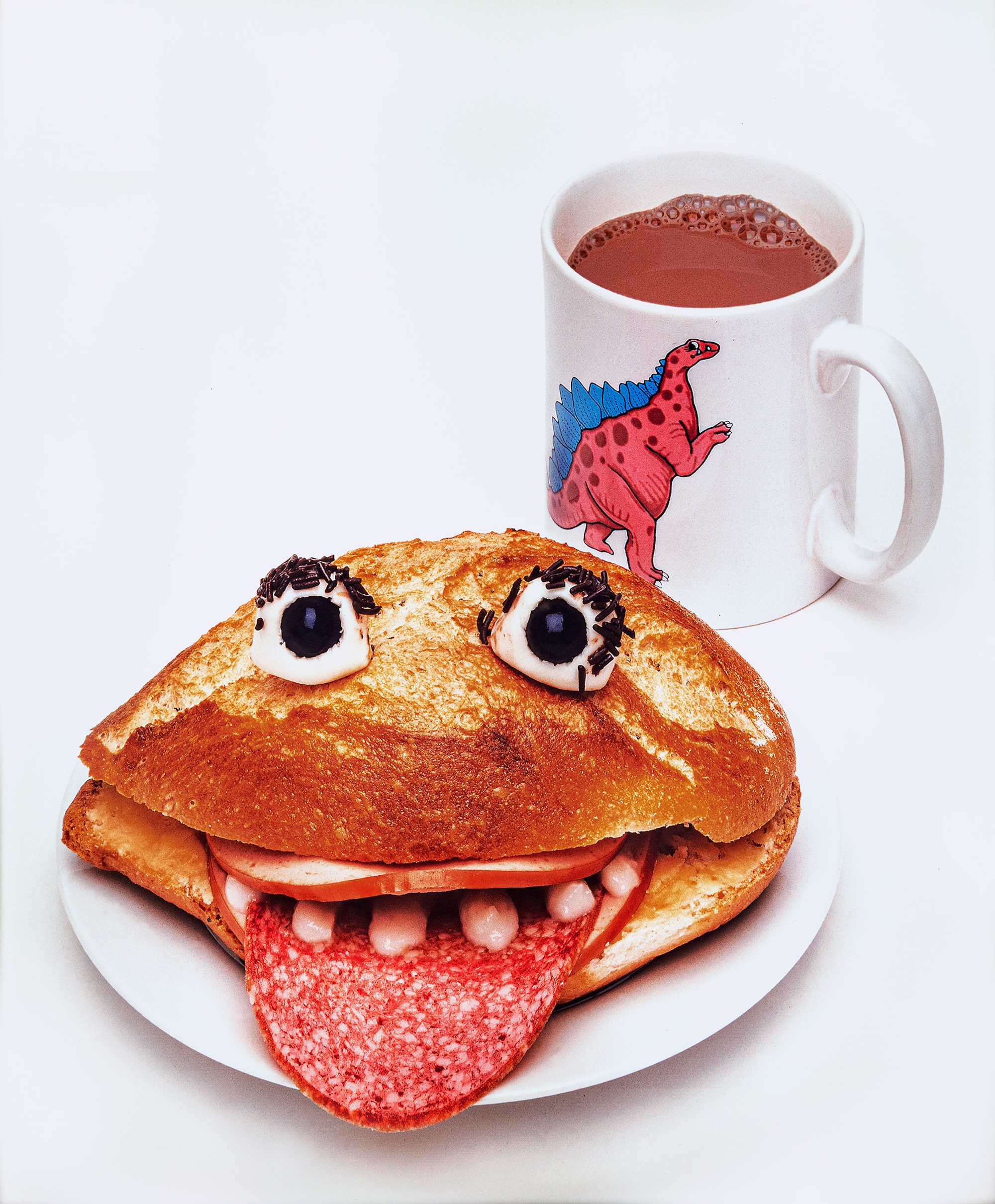
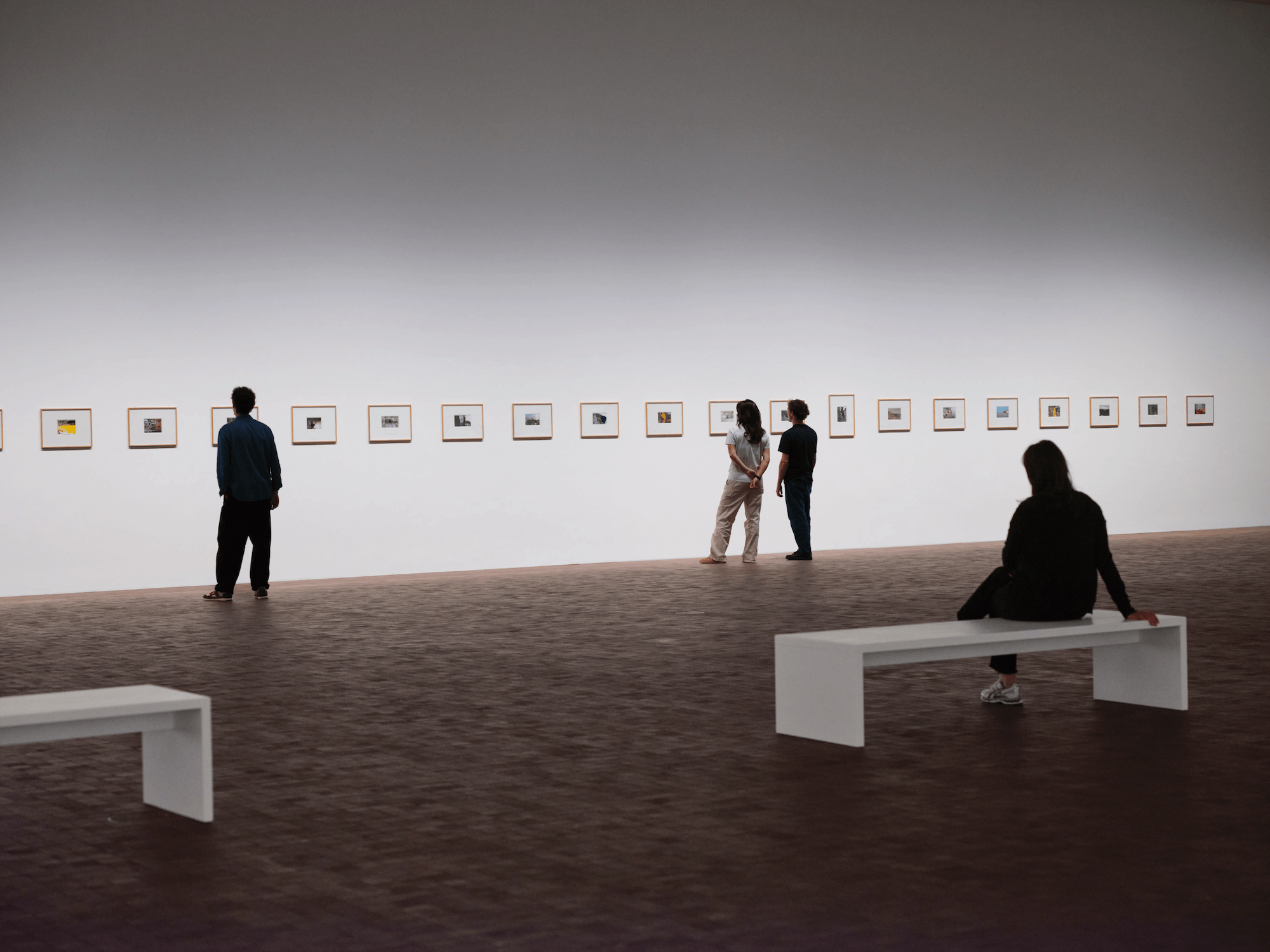
Frühstück [Breakfast], 1995–2000 © Reinhard Matz, from the exhibition L for Look [R comme Regarder]
Les Rencontres d’Arles offers a rich programme of exhibitions, but more direct comment on the parlous current state of the world is left to off-piste events and pop-ups
“Following Édouard Glissant, Beal proposes a relational and situated truth, made of trace and resistances instead of complete accounts,” reads a wall text in the Arles Discovery Prize at Les Rencontres d’Arles this year. Written by Discoveries curator Nadine Hounkpatin, in relation to work by Jordan Beal, this insight is a watchword for the Discoveries, and for the wider festival. Arguing for previously unheard narratives and for disrupting inherited orthodoxies – and questioning the whole concept of an orthodoxy – this year’s Discoveries is edgy and genuinely exciting, questioning the medium of photography as much as what it shows.
Beal’s Lineaments explores alternative histories of Martinique, pushing back against stereotypes and neat categorisations; using images generated by AI, he suggests how such stereotypes are actually becoming more deeply embedded in our visual culture. Photographing them with a Polaroid SX-70, Beal creates blur, saturation and instability that resist immediate readings, visually and metaphorically resisting the fantasy of a complete account. Also included in the Discoveries is Magali Paulin, whose Matter, Phantoms depicts the remains of the Jardin d’agronomie tropicale – a relic of a Colonial Exhibition from near the turn of the 20th century. Shot with a large format camera, Paulin’s images are slow-burning and grave, as are the deeply-researched texts that accompany her work; Paulin’s deep dive into this dark chapter was a worthy winner of the Discoveries prize. BJP interviewed curator Hounkpatin ahead of the festival, read more of her thoughts here.
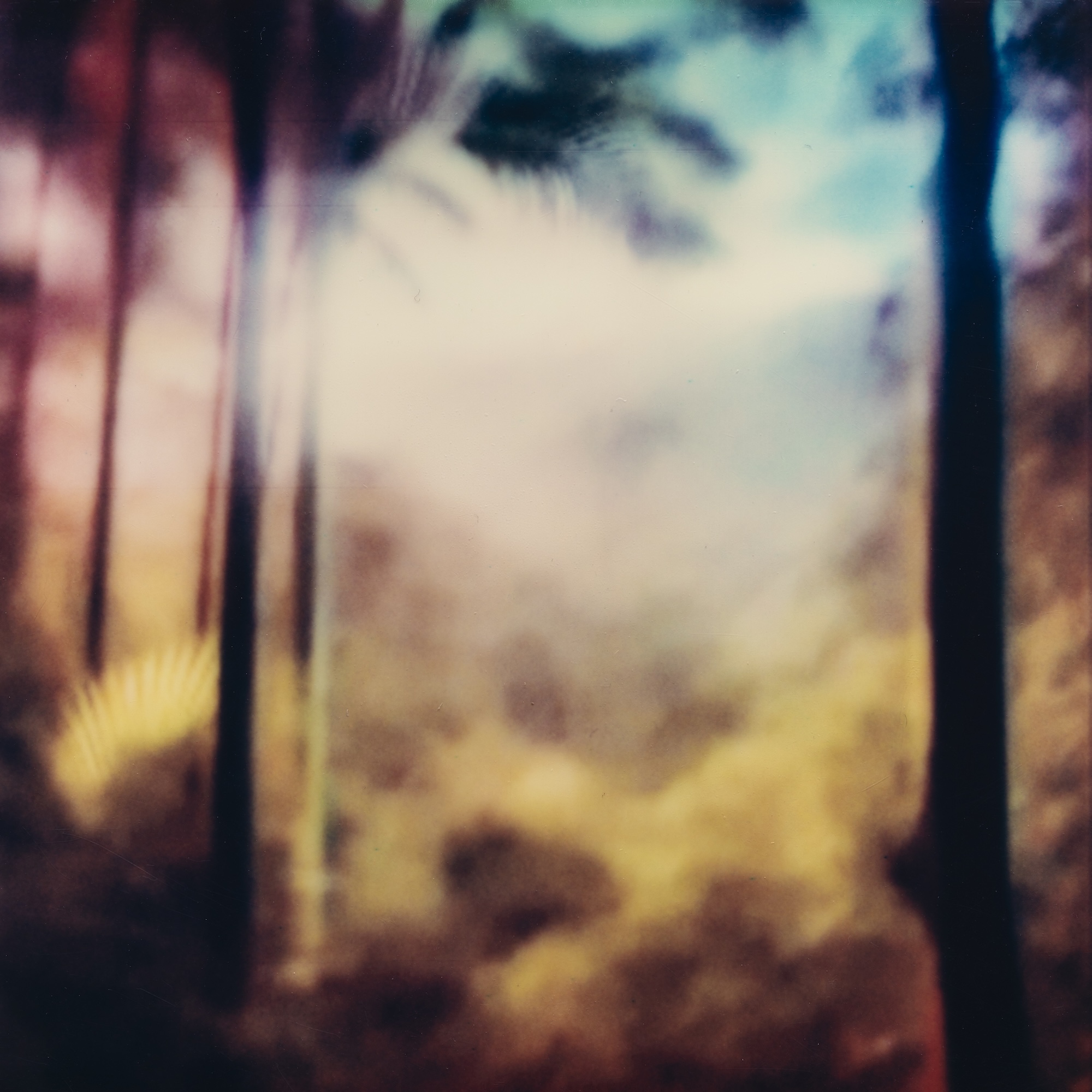
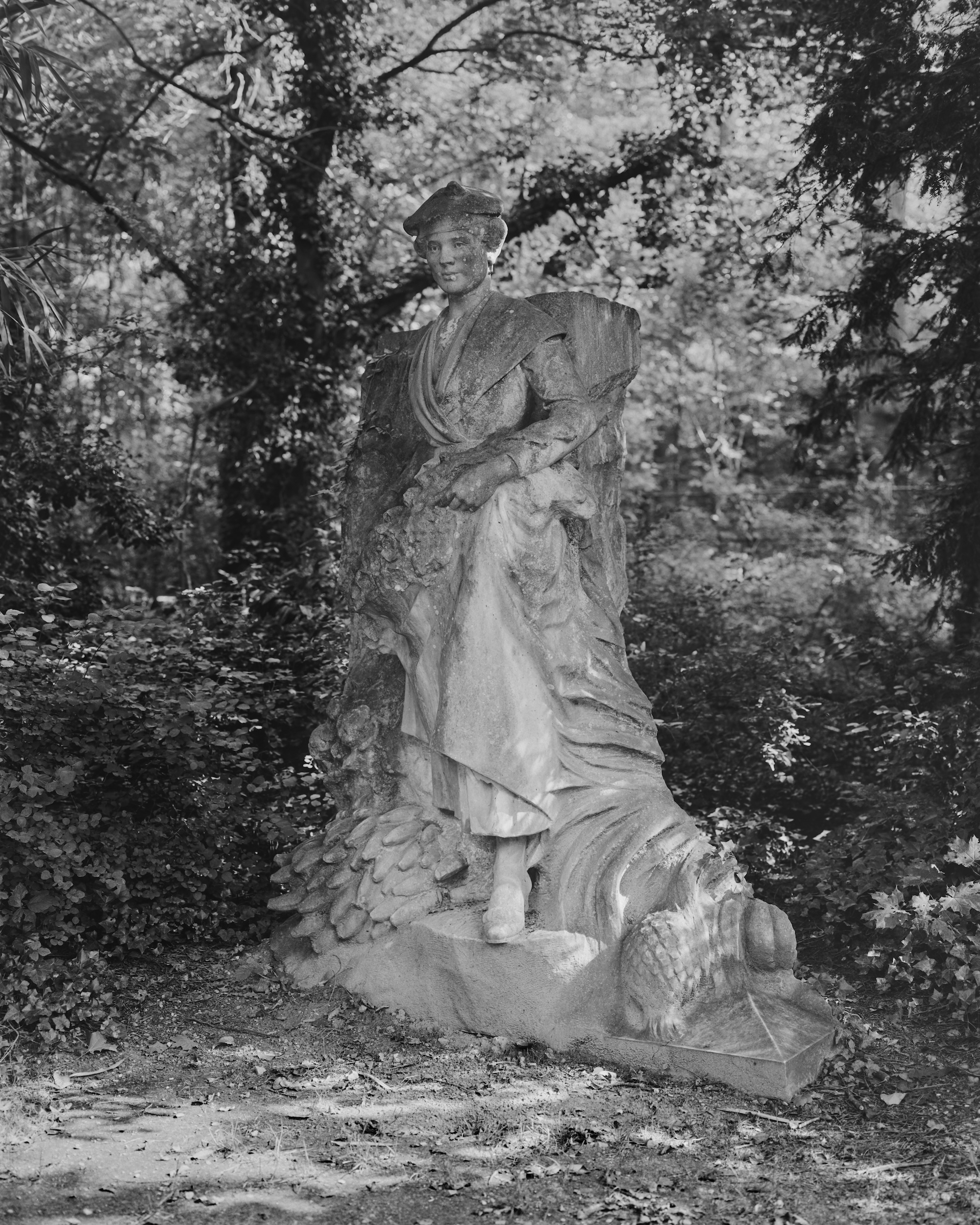
“Following Édouard Glissant, Beal proposes a relational and situated truth, made of trace and resistances instead of complete accounts.” Nadine Hounkpatin, curator Discoveries Prize
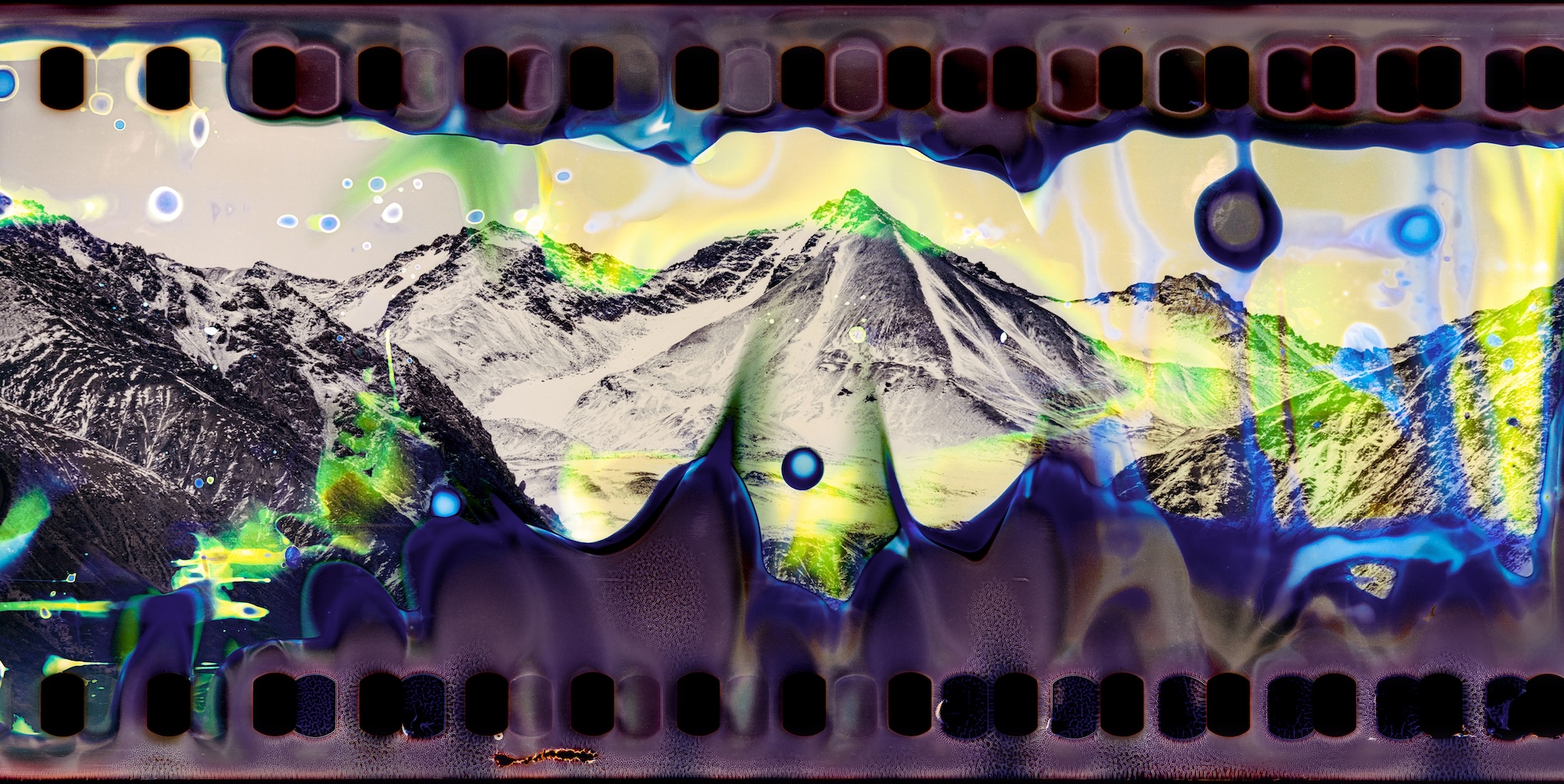
Over at the Ground Control gallery, emerging Chinese image-maker Hu Weiyi refuses the apparently distant spectator in The Inner Darkroom, taking negatives showing natural landscapes and dissolving them in his own gastric juices. Displaying some of his images as very large, free-hanging installations, his work is in-your-face and even confrontational, emphatically re-asserting physicality and subjectivity over the disembodied surveying gaze. The erosion of the film stock is echoed in the dank skylights of the Ground Control, which is a former railway shed; like photography, trains are a product of 19th century modernity, and this show suggested new possibilities in the degradation of both.
Weiyi won his slot at Arles by winning the Jimei x Arles Discovery Award at the Jimei x Arles International Photography Festival, which is held every year in the Chinese coastal town; tapping into both previously under-recognised image-makers and emerging artists, as well as showing selected exhibitions from Arles, Jimei suggests a new wave of cutting-edge work – or a rich well of practice which has gone under-valued in the West. The 2024 edition included works by Luo Bonian, for example, who was active in the early 20th century; Bonian’s work will be on show in Tate Modern this Autumn, in a long-overdue re-appraisal of Pictorialism exploring its global manifestations.
Over in the Maison des Peintures another award-winner also suggests an alternative view of images, and of the world; Aman Alam’s Ozymandias is named after Shelley’s tribute to impermanence, and his moving work charts his grandmother’s decline via accidental shots of animals, documentary photographs, medical images, and archive prints. Alam suggests that there’s no one way of looking at things – just as his grandmother, Naseem’s, experiences with Alzheimer’s suggest alternative perceptions and understandings of reality. BJP was impressed with Alam’s work and his book dummy, and interviewed him in the opening week; you can read the article here.
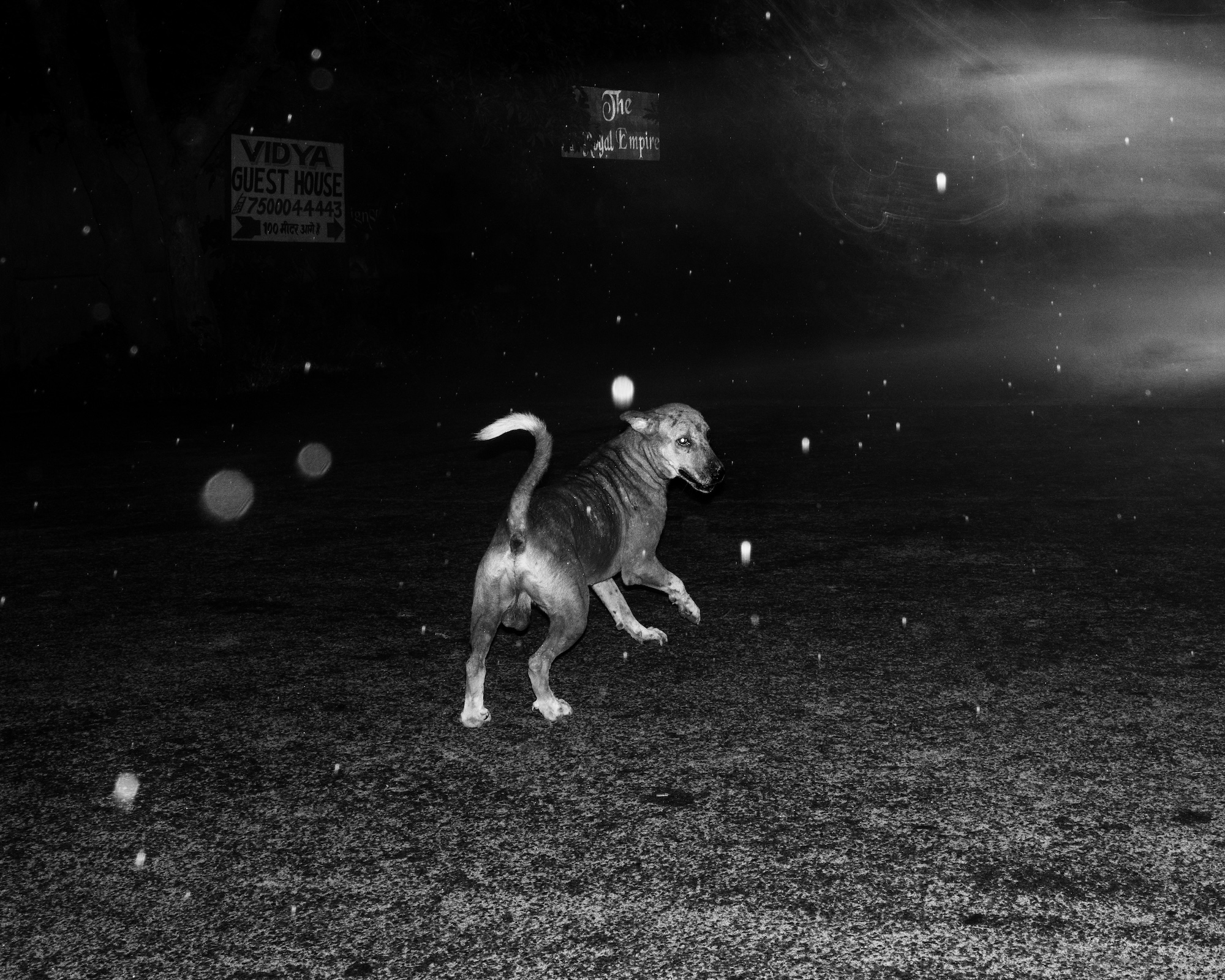
Thato Toeba’s Anyone Can Be Lucifer combines images into large-scale collages, meanwhile, using personal photographs, fragments of newspapers and magazines, mirrors, glass and wood; punctured with physical cut-outs, it re-assert those who have been ‘cut out’ of history, while simultaneously refusing to directly depict. The intricately-researched Ghana! Dreaming Independence 1957-75 traces out an under-heard history of Ghana, meanwhile, and the role of images in it. Ghana is a former British colony – known as the Gold Coast because of its extensive gold deposits – and the fact that no equivalent exhibition has been staged in the UK suggests continuing erasure and even indifference around our Imperial history.
Elsewhere there is much more to see, including a humorous yet thought-provoking collection of images about UFOs, We Are Not Alone. The festival also includes bigger names and better-known projects, including Lee Shulman and Omar Victor Diop’s mischievous, tragi-comic, The Anonymous Project, in which Diop slips into vintage images from segregated post-war America. L is for Look was the surprise hit of the opening week, a joyful exploration into the history of children’s book imagery; opening with an anthropomorphised salami sandwich (Reinhhard Matz), the work explores the images used to nurture fundamental understanding of the world in children – and therefore everyone.
From spelling, the natural world, and fairy tales, elementary topics are conveyed in surprisingly contemporary manner, featuring works from the likes of Adam Broomberg and Sarah Moon. William Wegman’s Alphabet Soup, a delightful yet bizarre 27-minute film in which the artist dresses up his four Weimaraner dogs to help teach the alphabet, drew a small but giggly crowd – an unusual but welcome sight in an otherwise classic gallery environment. Covering topics such as pedagogy, visual mapping, and the narratives into which we are socialised, L for Look embraces the central themes of Glissant’s work with a deceptively light touch.
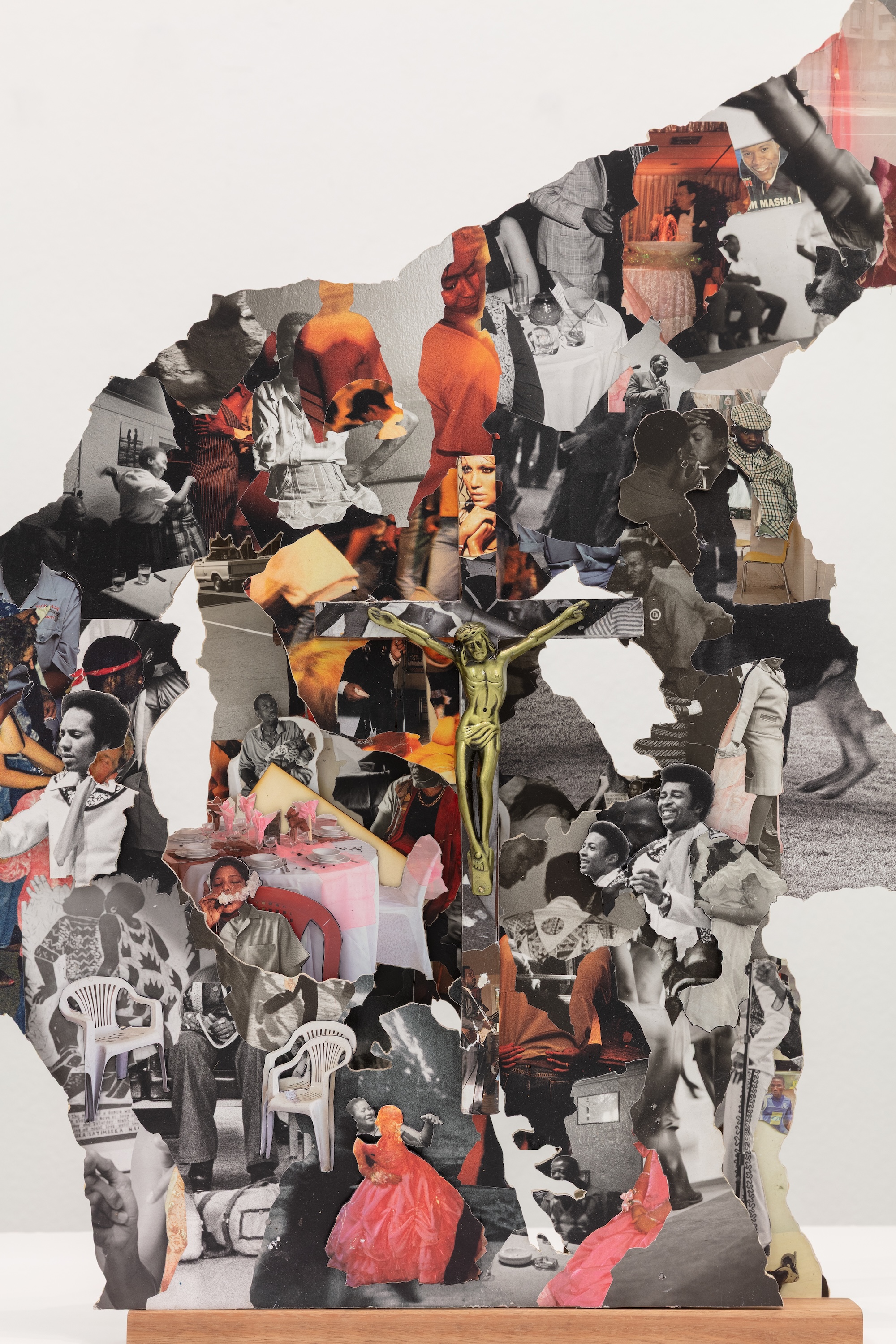
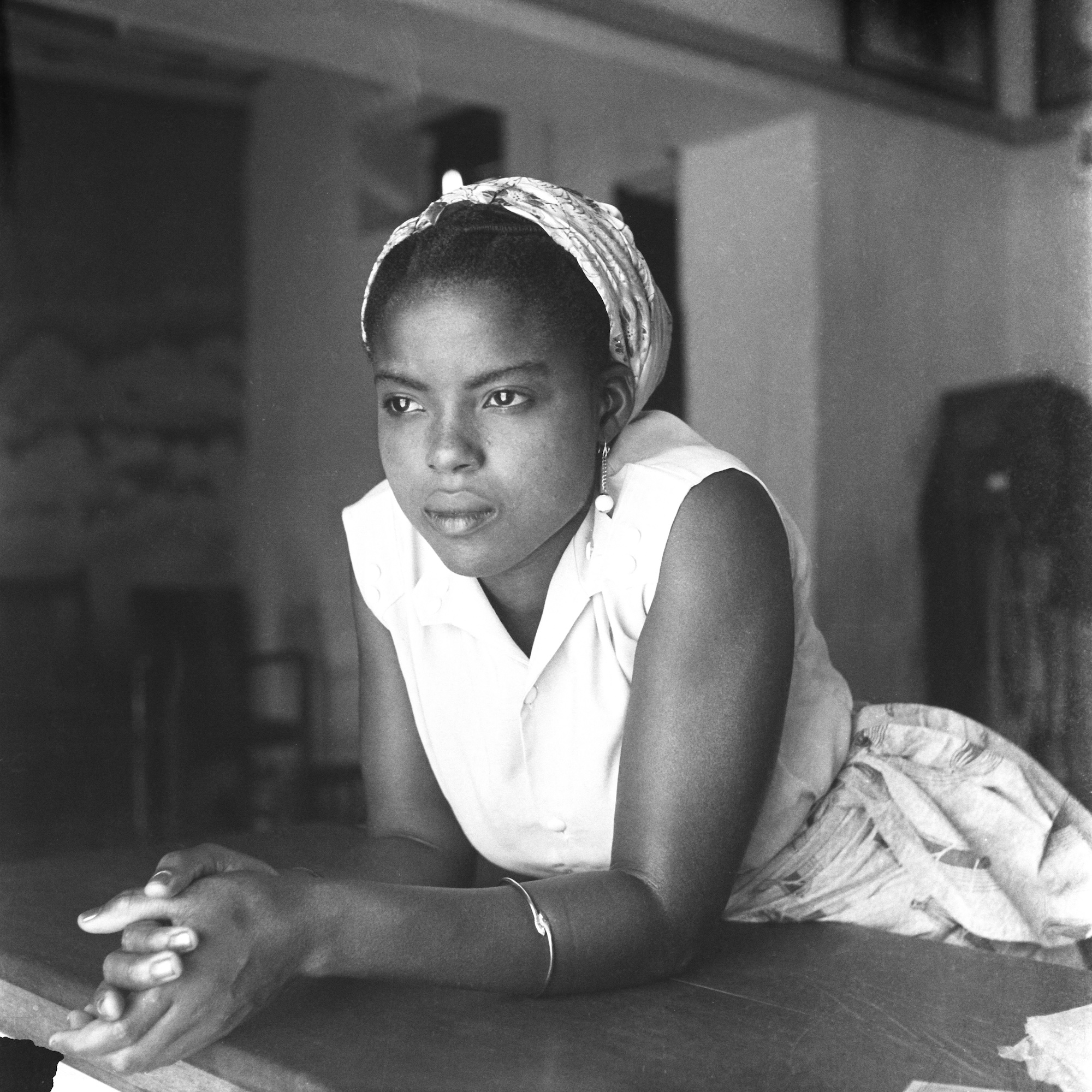
Humour is also a tactic in Suspects – Van Gogh, Tricksters and Co, at the Fondation Vincent van Gogh; this exhibition isn’t part of the festival or the associated programme, but proved another hit in the opening week. Including conceptual art across several media, Suspects hones in on trickster-style fools, mocking social norms and in doing so drawing attention to them. Often funny, uncomfortable, and even disturbing, the exhibition includes a good chunk of lens-based art, including works by Sarah Lucas, Cindy Sherman, and Nick Knight.
Situating photography and film within a wider cultural context felt liberating, though medium specificity is welcome and also important. A particular favourites was Jacques Lizène’s films Tentative de dressage d’une caméra and Tentative d’échapper à la surveillance d’une caméra (sur une idée de 1971) (Attempt to train a camera, and Attempt to escape from a camera), for example, both from 1974 and showing the artist – in fantastically 70s flares – alternatively trying to evade and re-direct the all-seeing eye. Surveillance has only increased since the 1970s, making Lizène’s work simultaneously funny and no joke at all.
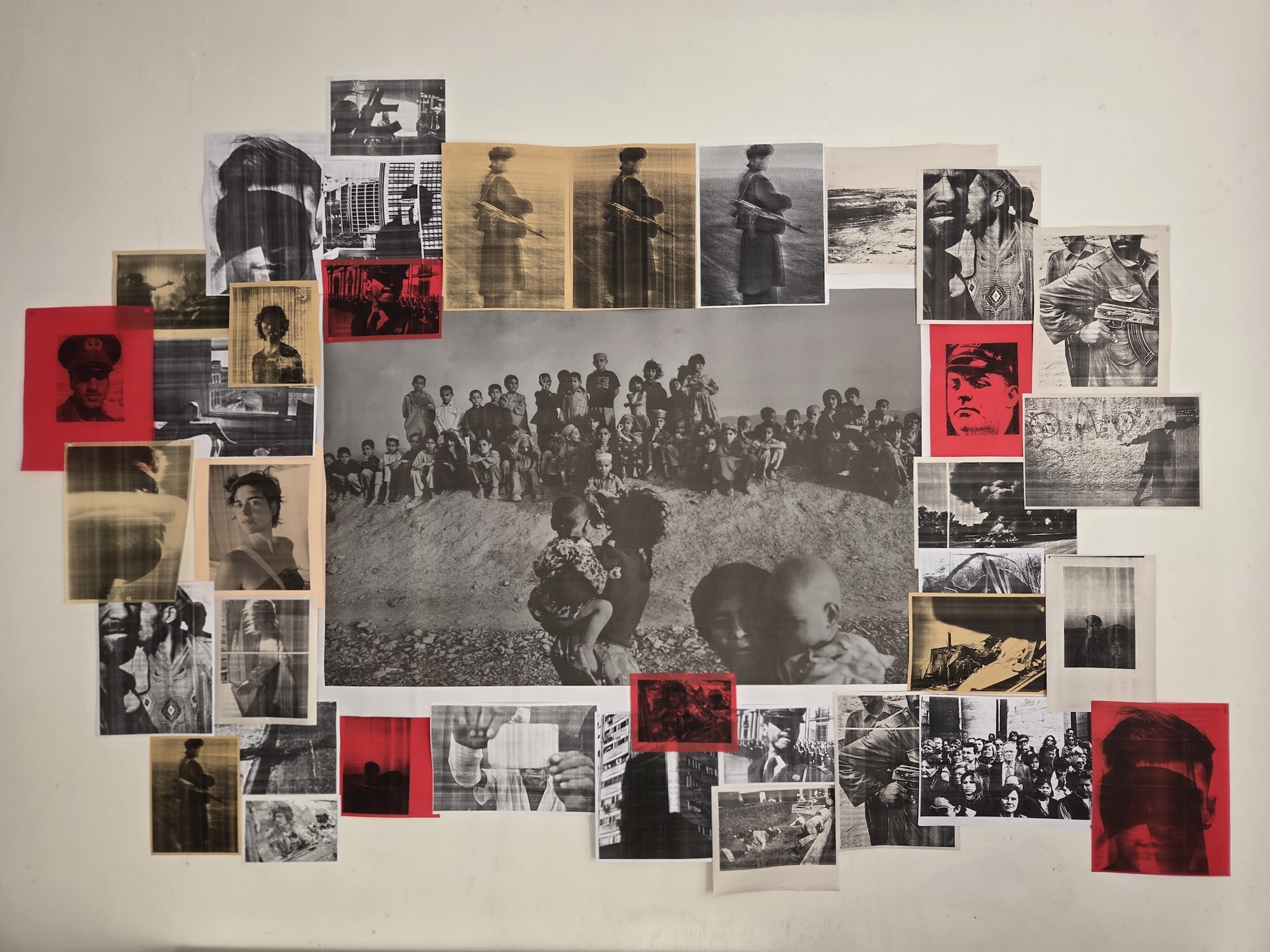
Other also-running shows – both on and off the festival’s associated programme – did much to add to the Arles experience; the OFF Festival Arles fringe event is firmly back in effect, after some quieter post-Covid years, and meanwhile pop-up events around town were staged by some big hitters. Aaron Stern and David Campany curated a pop-up of their ongoing Hard Copy project, for example, which has previously been shown at New York’s International Center of Photography (where Campany is Artistic Director). A bijoux but very fun installation of photocopied images, including work by Christopher Anderson, JH Engström, Collier Schorr and Justine Kurland (among others), Hard Copy was situated in the most-apt Encremarket – the name means ‘Ink Market’ and it’s a printing-copying shop.
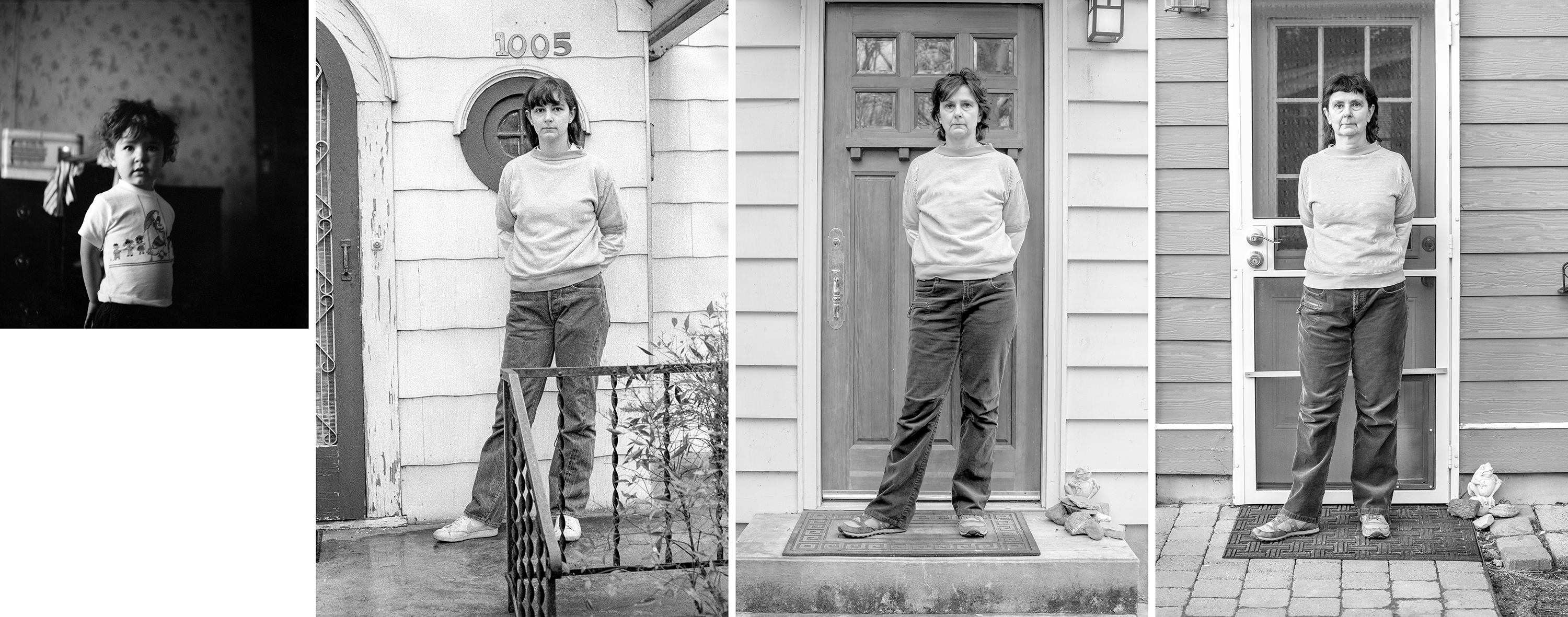
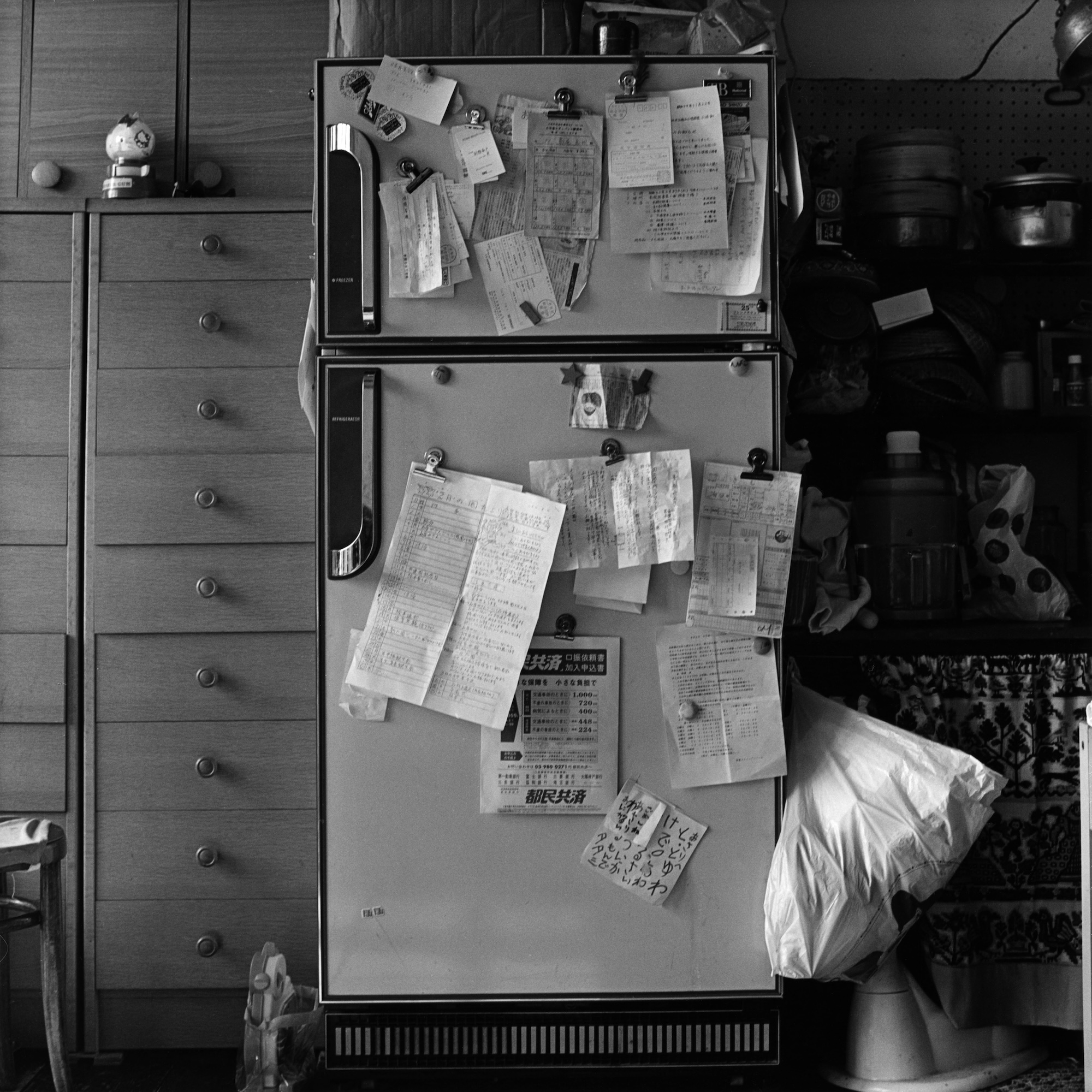
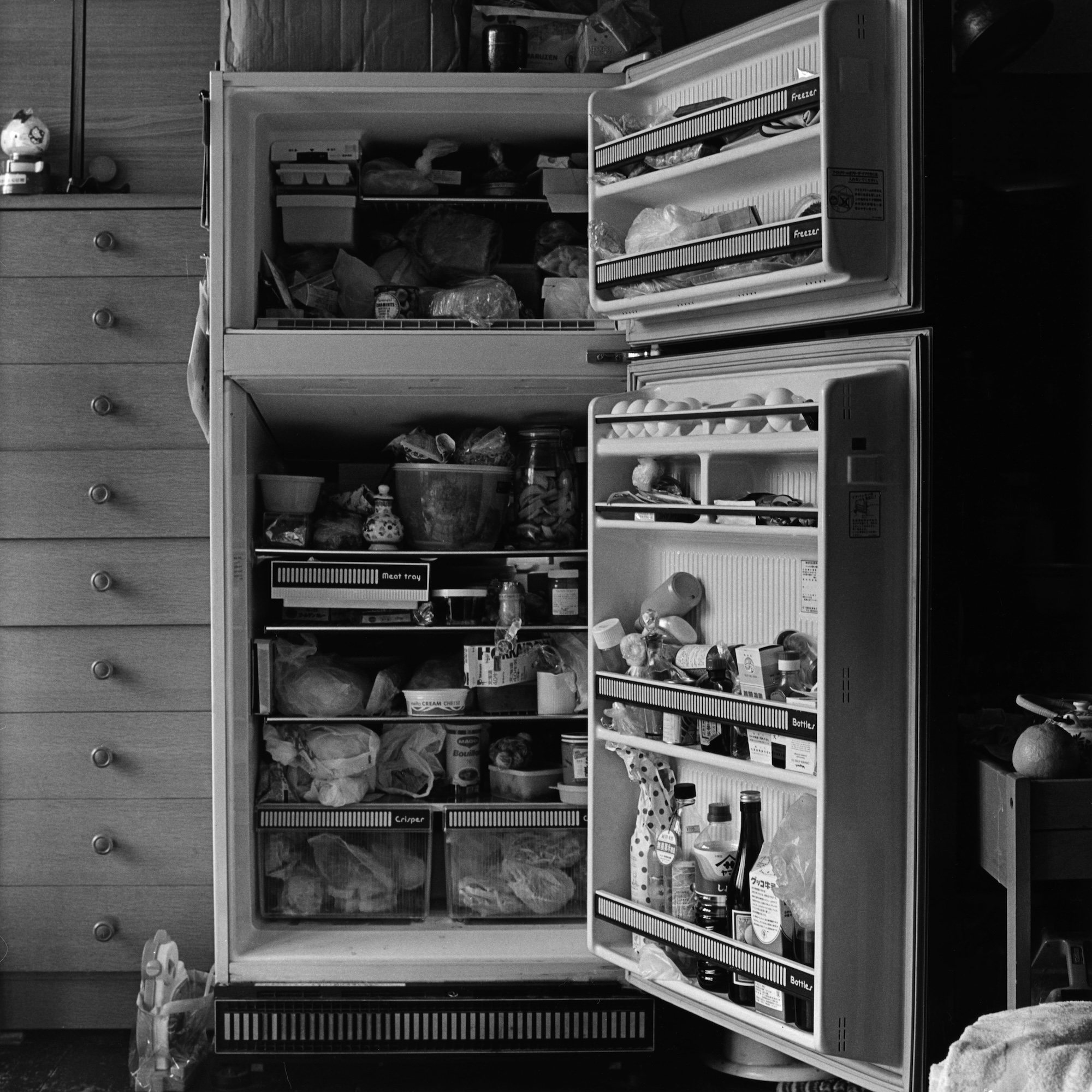
BJP got on board with our ongoing OpenWalls collaboration with Galerie Huit and WePresent. This exhibition includes 25 single images, shot by image-makers from all over the world plus Nancy Floyd’s epic Weathering Time project. A series of self-portraits taken over more than 40 years, this work is both a touching insight into one woman’s life, and a re-assertion of women’s history. Similarly Kyotographie’s installation at Vague – a regular part of the associated programme – focuses on two women artists’ appreciation of domestic life, Rinko Kawauchi and Tokuko Ushioda. Kawauchi is the more famous name but – though Kawauchi’s gentle images and installations never fail – it was Ushioda’s less-familiar work that impressed many. My Husband (1978-1985) is a moving tribute to family life, recently rediscovered after 40 years; ICE BOX (1981-ongoing) is shots of family fridges, presented at near life-size.
Lee Ufan Arles is also becoming a firm fixture on the Arles associated programme; Ufan is a South Korean minimalist artist, who helped found Japan’s Mono-ha [School of Things] movement, and his foundation is a peaceful meditative place, designed by Tadao Ando. This year a photography exhibition by Korean film-director Park Chan-Wook is on show, demonstrating perhaps surprisingly calm, oblique observations from the maker of the ultraviolet movie Oldboy. The exhibition in the Lee Ufan Arles Atelier MA was also thought-provoking, however, created by Pooya Abbasian on residency, after winning the Lee Ufan Arles x Guerlain Art & Environnement Prize.
Soli-Sombre features images of flowers and explosions in his signature process, in which he photographs videos with long exposures; these subjects draw together his thinking on so-called invasive species – and our attempts to control nature – and the terrible, ongoing destruction of his home country, Iran. Soli-Sombre also features a short film made by this multi-disciplinary artist, following a local farmer; initially documentary, it adds a fantastical intervention, a voice speaking up for the plant the farmer destroys. BJP interviewed Abbasian in Arles, so you can read more about his work here.
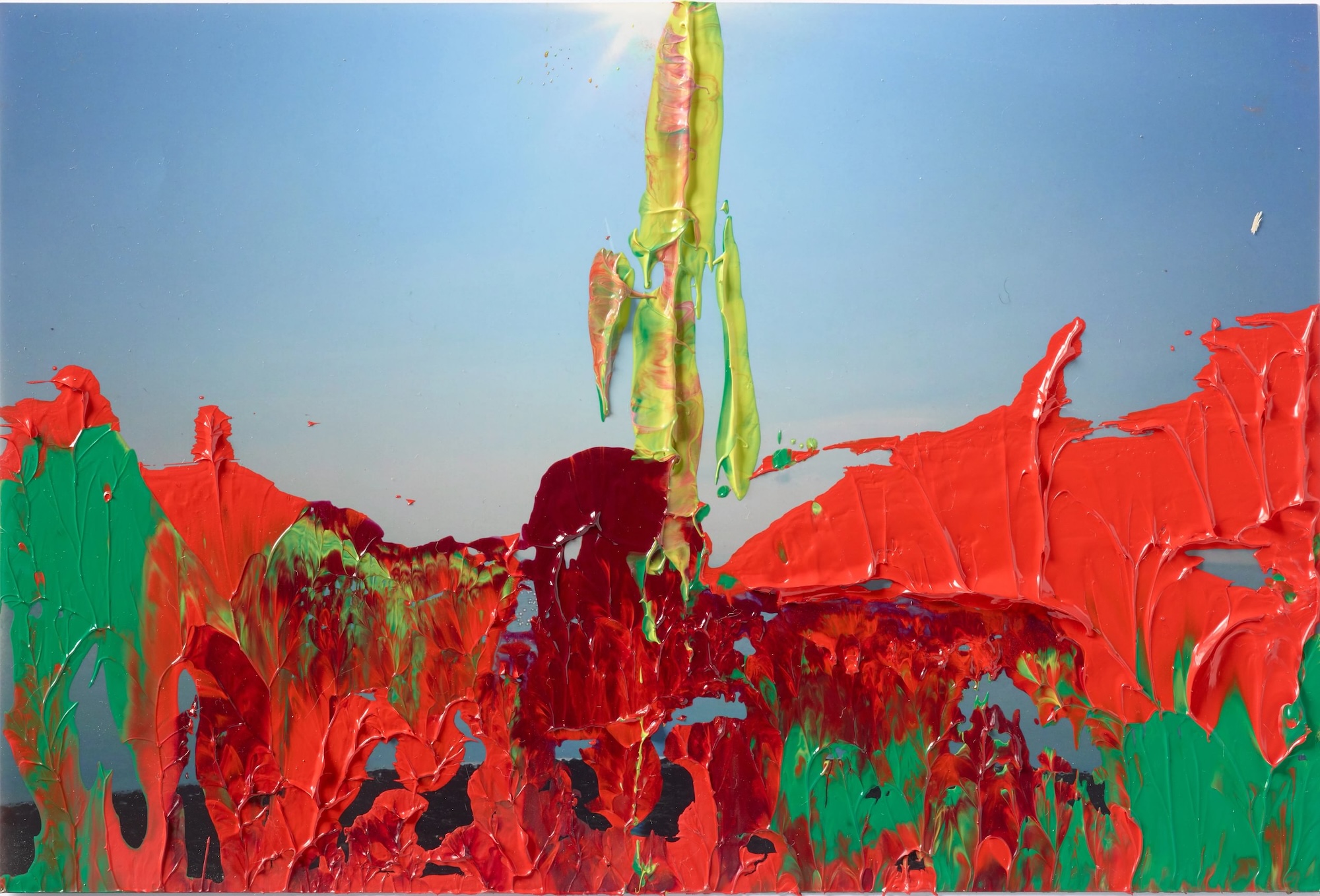
Over at the LUMA Arles, Stan Douglas is on the associated Arles programme, with his large solo show Bodies Never Lie, which includes a new film installation, Exquisite Corpse, set in the world of flamenco during the 1950s – when right-wing dictator Franco was still in power. Other exhibitions at LUMA proved more alluring however, including a huge installation of Gerhard Richter’s Overpainted photographs. Disrupting and obscuring photographs by adding blobs and smears of paint, Richter’s series could read as a one-trick pony, but the sheer scale of his seemingly obsessive interventions exerts its own gravitational force, shown off to stunning effect in one giant room in LUMA.
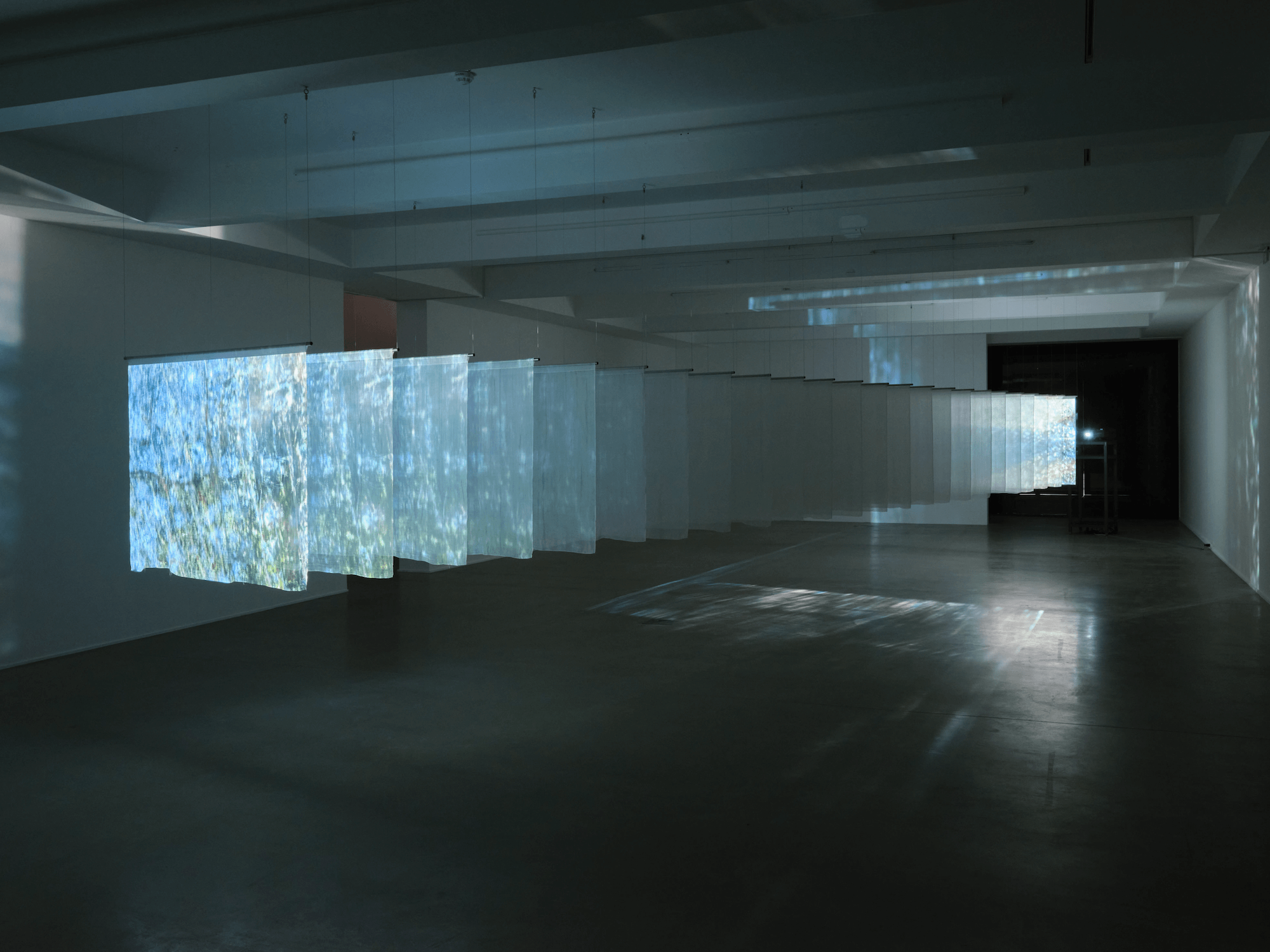
LUMA clearly has resources beyond the reach of most galleries and festivals, but it champions less-known names alongside the art stars. Uzbek artist Saodat Ismailova’s solo exhibition Amanat, The Sacred Forest brings together both new and older work, for example, including the intriguing Swan Lake; a film created with snippets of Soviet-era TV broadcasts, it takes its title from the ballet which was regularly screened at moments of political crisis in USSR. Her installation As We Fade features 24 white silk panels suspended in a row, meanwhile, through which a video is projected in ever-decreasing clarity. Simple but effective, this installation references the 24 frames traditionally included in a single cinematic second, exploding out what’s usually elided in our minds.
As in previous years, it is left to popup shows and even fly-posters to really engage with the political present. Reporters sans frontiers adds a much-needed intervention with their posters of images from Gaza; Diako Art, in collaboration with Artaban Gallery staged the exhibition DILEMMA – Contemporary Perspectives by Iranian Artists, part of the OFF Festival. Adrien Vautier has a solo show of images from the war in Ukraine, titled Si tu traverses l’hiver [If you survive the winter] in the sadly appropriate location of the Saint-Julien Church of Arles, where icons of immense suffering and sacrifice echo the scenes depicted in the documentary shots.
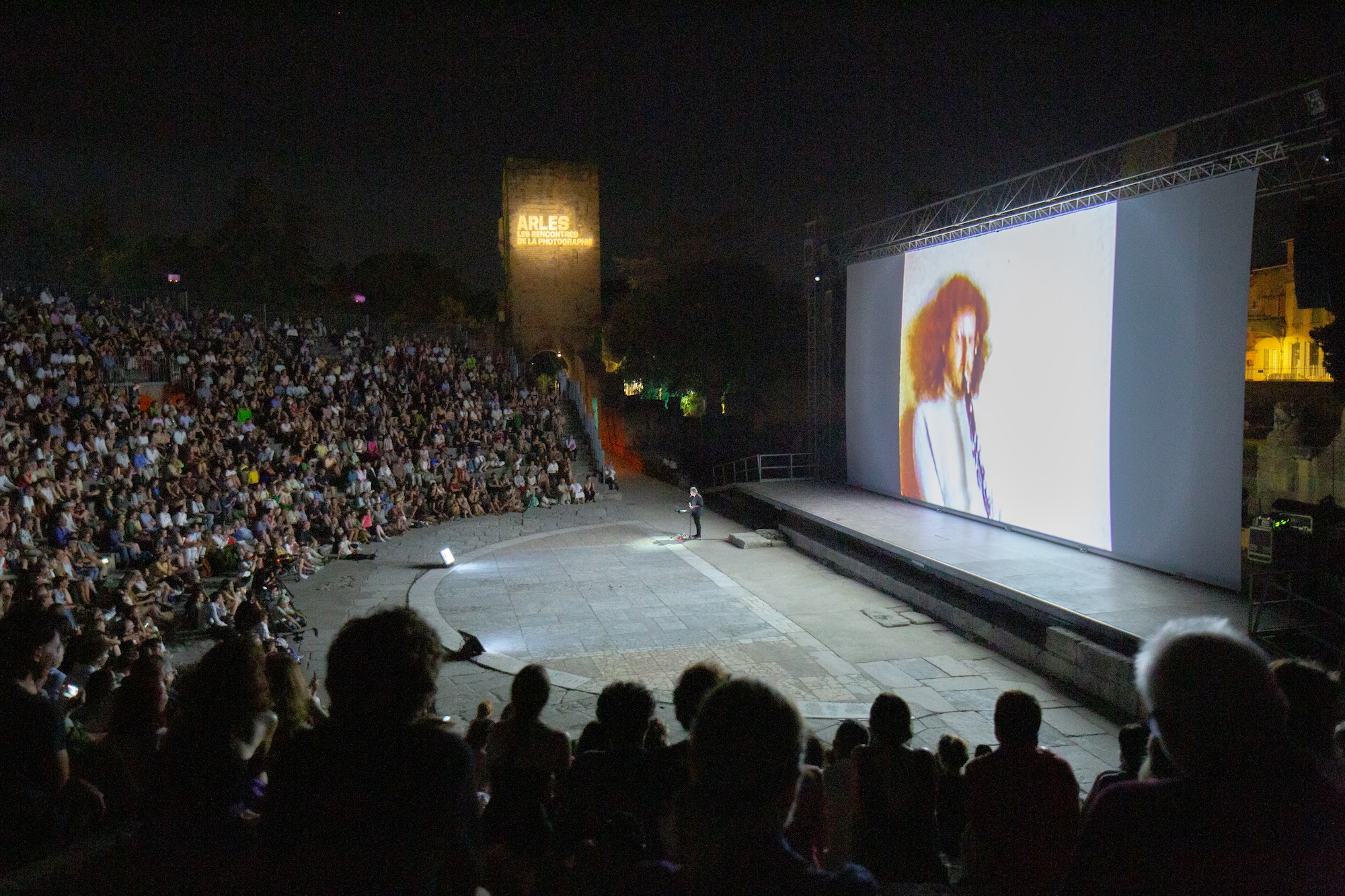
And, though part of the official programme, Prix Pictet winner Alfredo Jaar went off-piste to deliver his show-stopping projection at the Théâtre Antique d’Arles on Thursday 09 July. Presenting his series The End, which won the Prix Pictet, he went on to discuss his experience of Chile’s authoritarian regime under Pinochet, and to denounce world leaders past and present as fascists. Combined with the extraordinary heatwave, attending Arles was slightly surreal this year; going to a festival opening week is always a luxury, hopefully it’s not also a party at the end of the world.
The exhibitions in Les Rencontres d’Arles are on show until 04 October www.rencontres-arles.com