

October 4, 2022 © Marie Tomanova
Deciding to photograph herself every day for a year, Marie Tomanova embarked on a journey that became a revelation
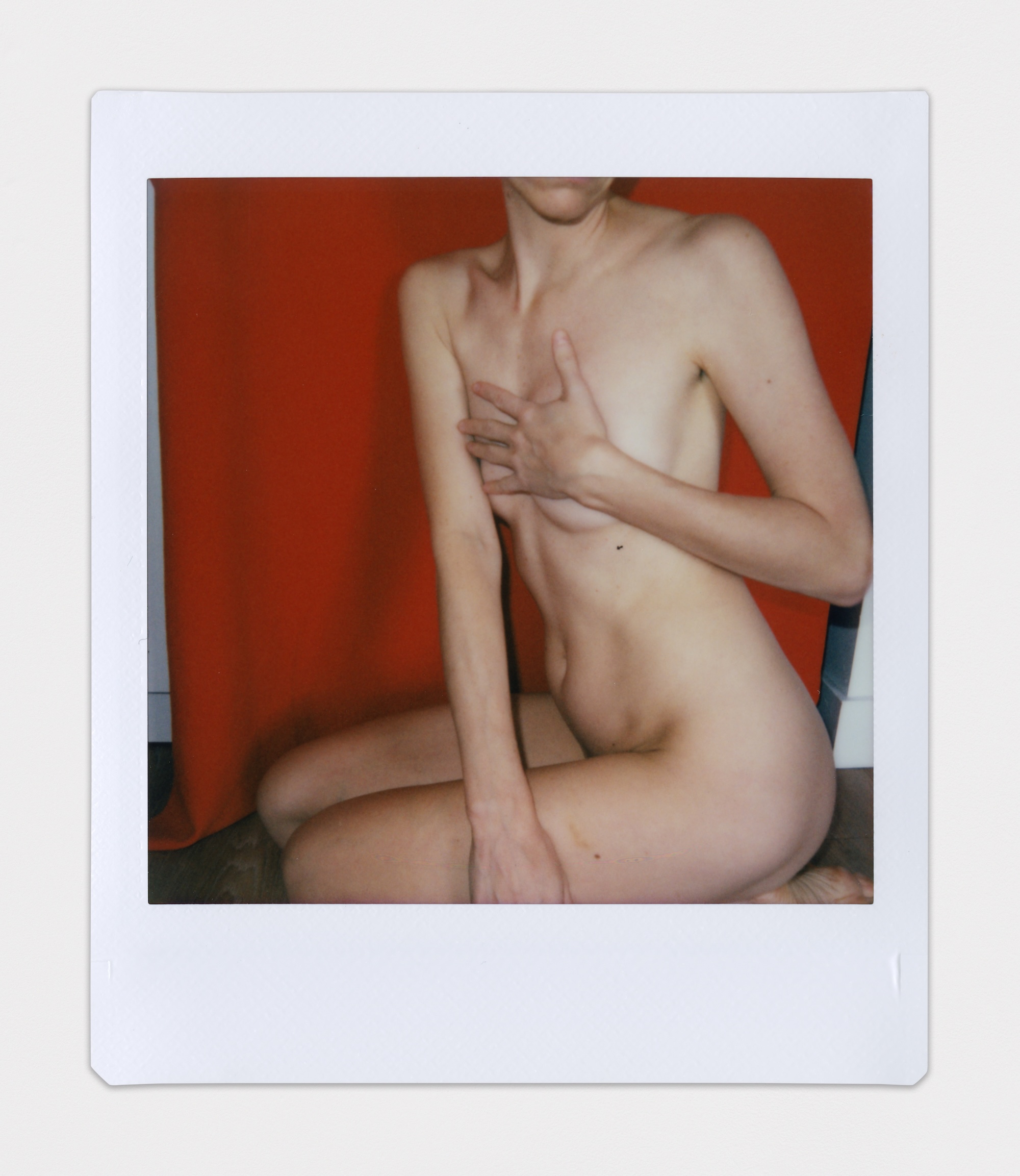
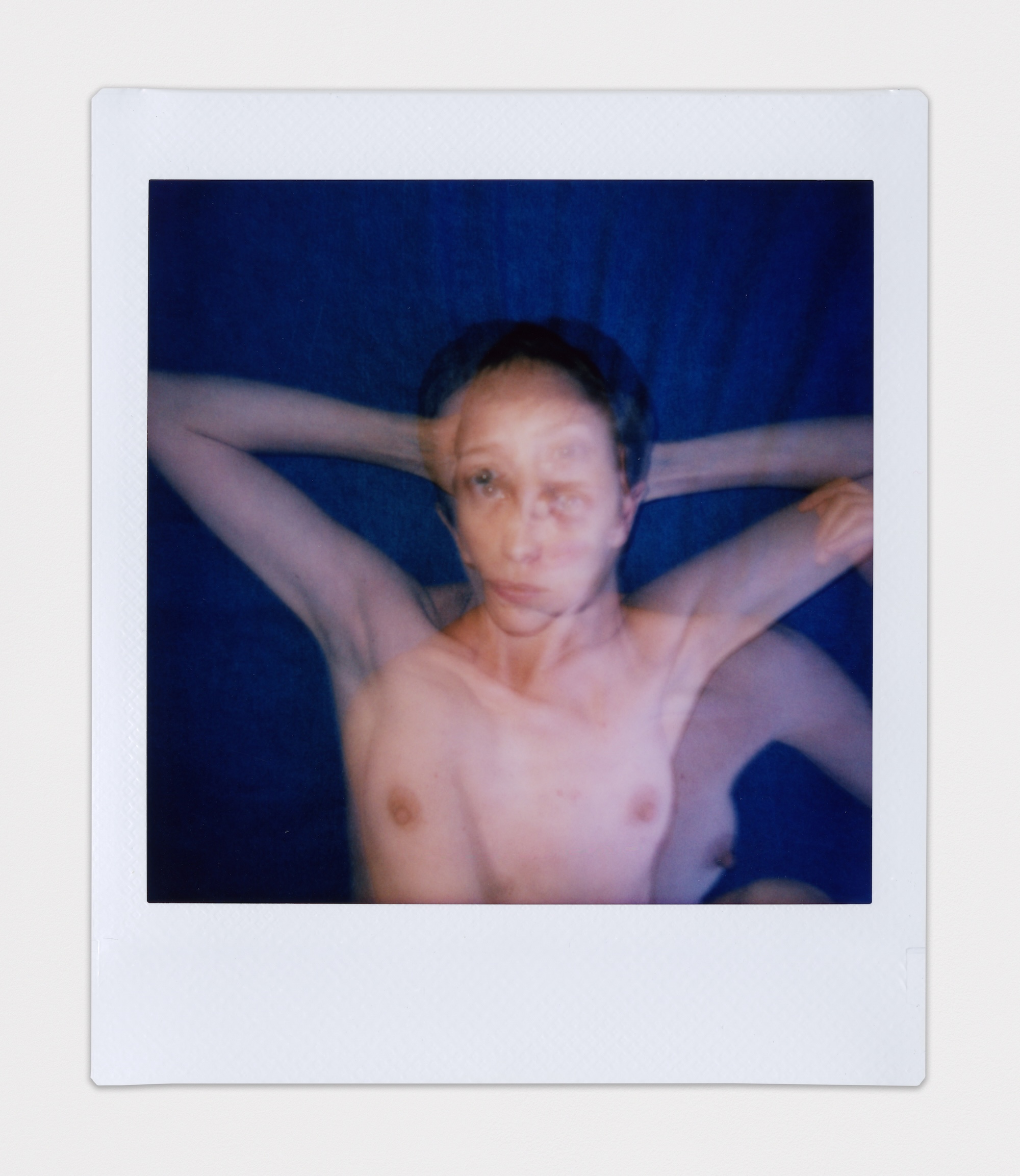
Inside Harkawik gallery in New York, there are 344 Polaroids of Marie Tomanova in her different forms – looking at the camera with her eyes wide, crossing her arms over the back of her head, posing like a competing bodybuilder. Sometimes she’s standing in her living room, sitting on a chair in a hotel room wearing nothing, or lying around on carpeted floors. Most of the time she’s naked, comfortable in her own skin, twisting her body with grace and making it her flexible, moving canvas.
The New York-based, Czech photographer took these photographs every day throughout 2022, except for a few weeks in July – a tumultuous, incomprehensible period which became the title of the show. Three Empty Weeks in July is by far Marie Tomanova’s most extensive self-portrait project, reminiscent of the works of Nan Goldin, Melissa Shook, Friedl Kubelka, and Yurie Nagashima. In our interview, Tomanova says that the project isn’t about documenting herself every day. “It’s about coming to terms with the fact that I don’t really know who I am,” she tells BJP. “I think that’s beautiful because it opens up so much more to explore, experiment, and shift.”
It’s also about reconnecting with her creative side. In 2021, she was publishing two monographs, working on different exhibitions in multiple places (including Rencontres d’Arles), handling her own logistics and legalities, and dealing with emails, lots of them. She experienced burnout and felt programmed to work instead of being free and creative. She wanted to resurrect her explorative, playful self again, so she had this “romantic idea” – her words – that the following year, she would photograph herself every day with instant film, no matter where she was or what she was doing. Off she went at the start of 2022. In January, she turned her one-bedroom flat and kitchen into a temporary studio and captured classic portrait shots and double exposures of herself.
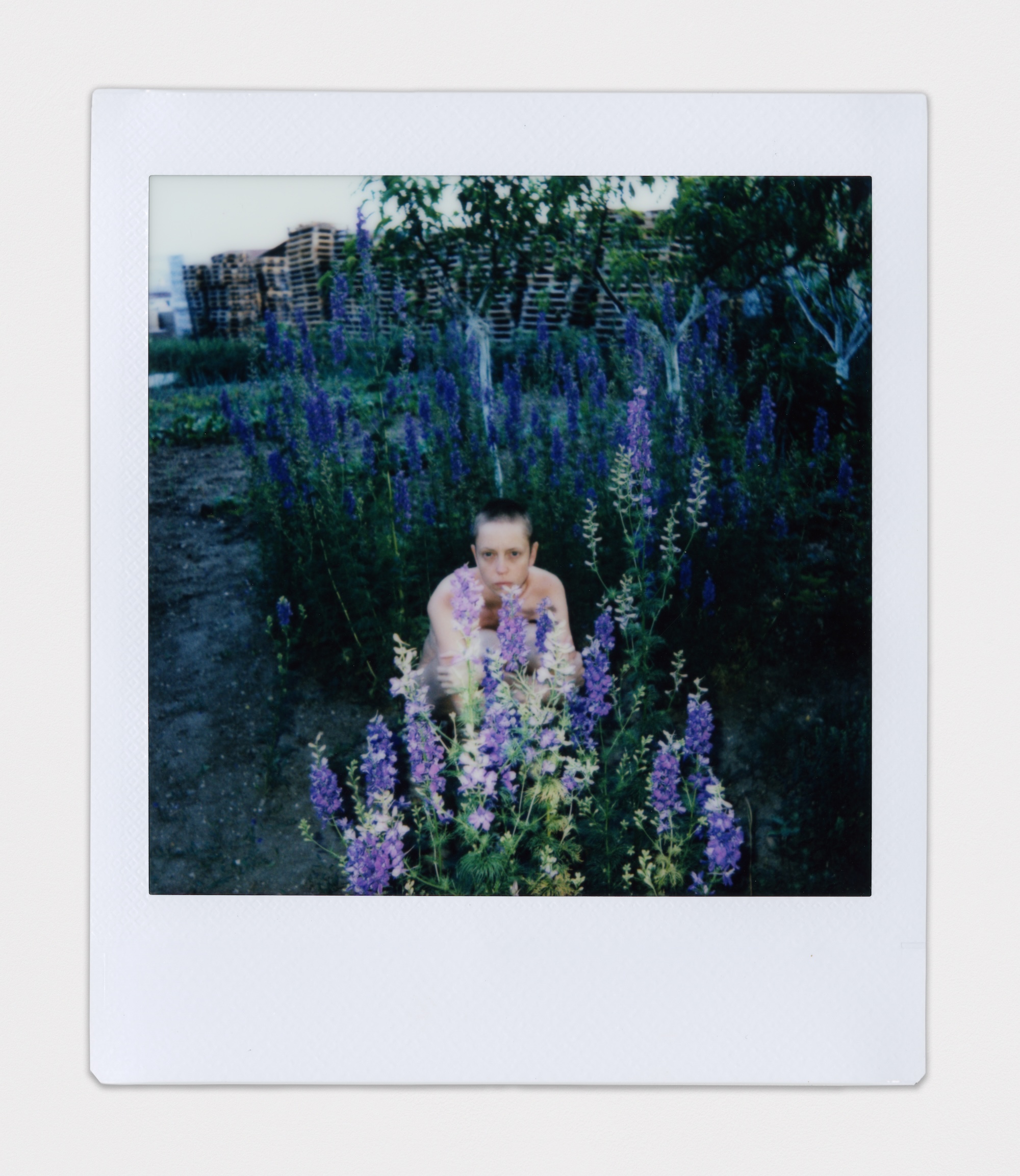
“February was nice, then March started to feel a little stickier. I thought, what am I going to do in the same place again, the same one-bedroom flat?” she wondered, so she started travelling, “and it picked up nicely in April, May, and June.” Sometimes Tomanova used her tripod; other times, she used a table, a chair, a window, or whatever was around to put her camera on. For half of the year, her images are up-close, lighthearted, and reserved when she folded her body, hiding her bareness from the lens. Flowers recur in the portraits, visualising her blossomed femininity, and between May and June, her Polaroids take us to Italy and France – in palazzos, around lavender fields, in front of closed shops, on bridges, next to marble statues.
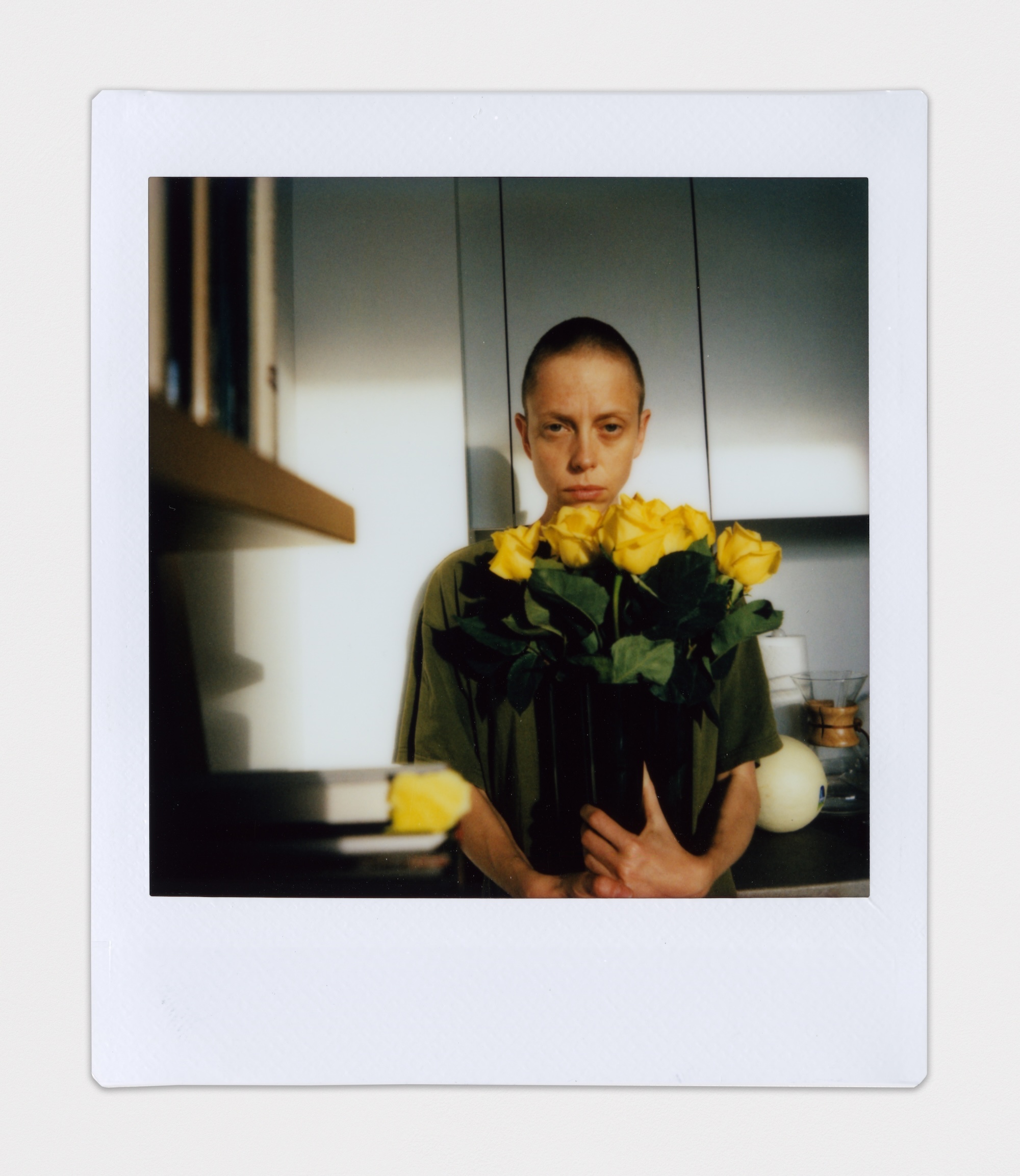
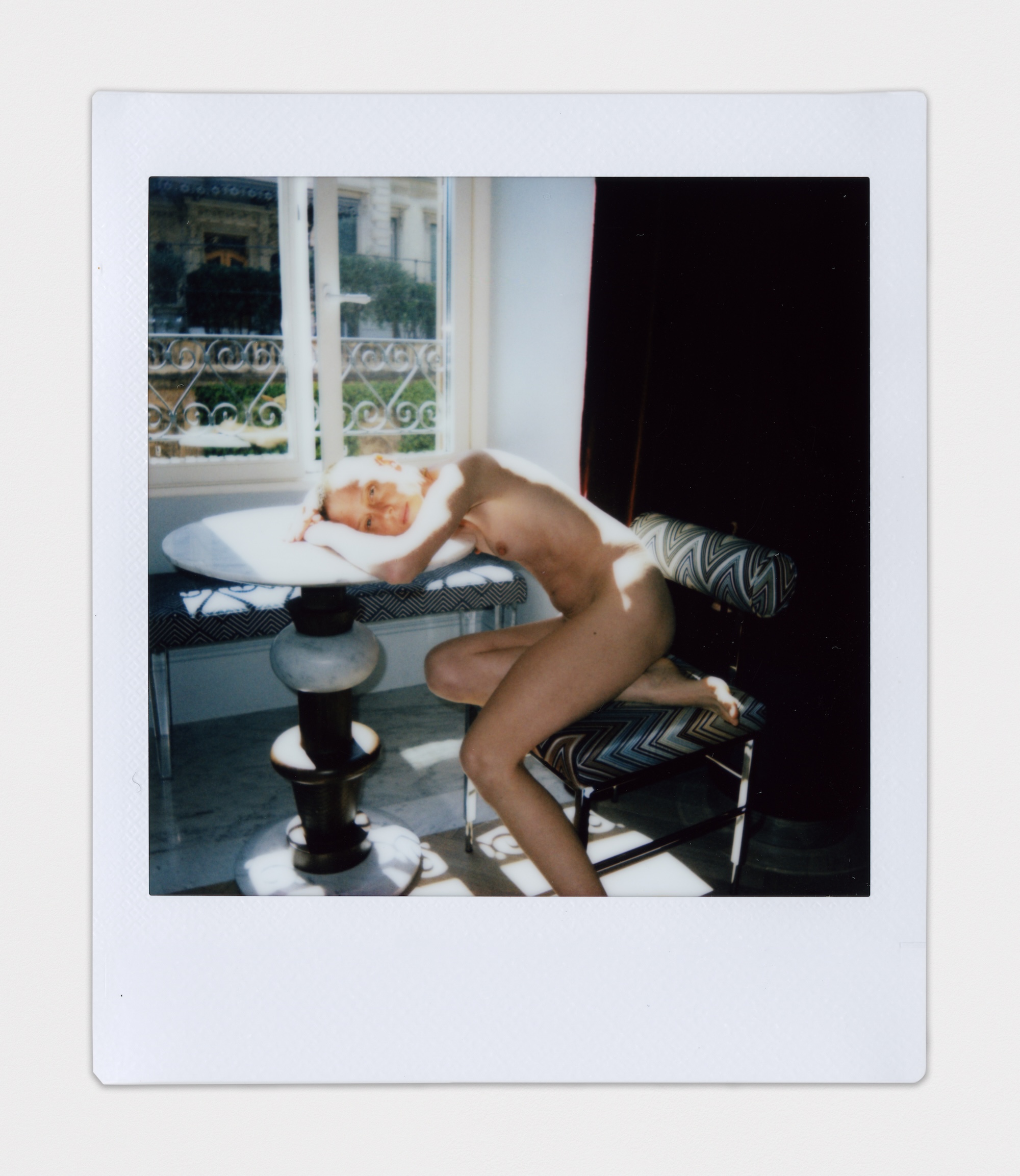
“It’s… interesting to see yourself from the outside rather than from within.” Marie Tomanova
Then came July. For the first ten days, she posed in front of and beside her bedroom mirror; she took self-portraits at sunset so the sun coloured her skin warmly; she played with double exposures, creating shadows and multiple, ghostly versions of herself. On 10 July, she took a photograph of herself on a carpeted floor, and the next day, there was none. The rest of July fell into abrupt visual silence. Tomanova couldn’t explain why she stopped, or if there was ever a reason, but she panicked. She didn’t know what the project meant to her anymore, and it was hard for her to keep up with the excitement she’d felt at the beginning of the year. Her personal project to reconnect with her creative self had started to become the job she was trying to avoid.
Doubt and tiredness caught up with her, and she sat with them for the next three weeks. But then she remembered where she came from. “I grew up in a working family, and we worked a lot in the fields, gardening, and taking care of the land. You have to be disciplined for that, because it doesn’t wait. It’s a lot of work, and you can’t wait two weeks for the harvest, or it’s over. You lose all the work from the months before. I think restarting the project comes from that upbringing,” she says.
So came August with a disciplined spirit, then September, October, November, and December. In the latter half of the year, Tomanova’s themes speak more deeply about identity, about finding herself, and about not being able to see every part of herself but still feeling it. She uses her body as the most honest expression of self, she says. In several of the images, she raises her biceps like a bodybuilder. It’s her favourite pose because she feels empowered, jogging her memory of the times she had to stand up for herself, of the days she was too shy to ask for something so she did it on her own. The project starts to remind her of what she’s capable of.
“This is the most consistent and conceptual self-portraiture project I’ve done. I think it also comes from liking to look at myself, to see what that might tell me, even if it doesn’t tell me much. It’s still interesting to see yourself from the outside rather than from within,” she says.
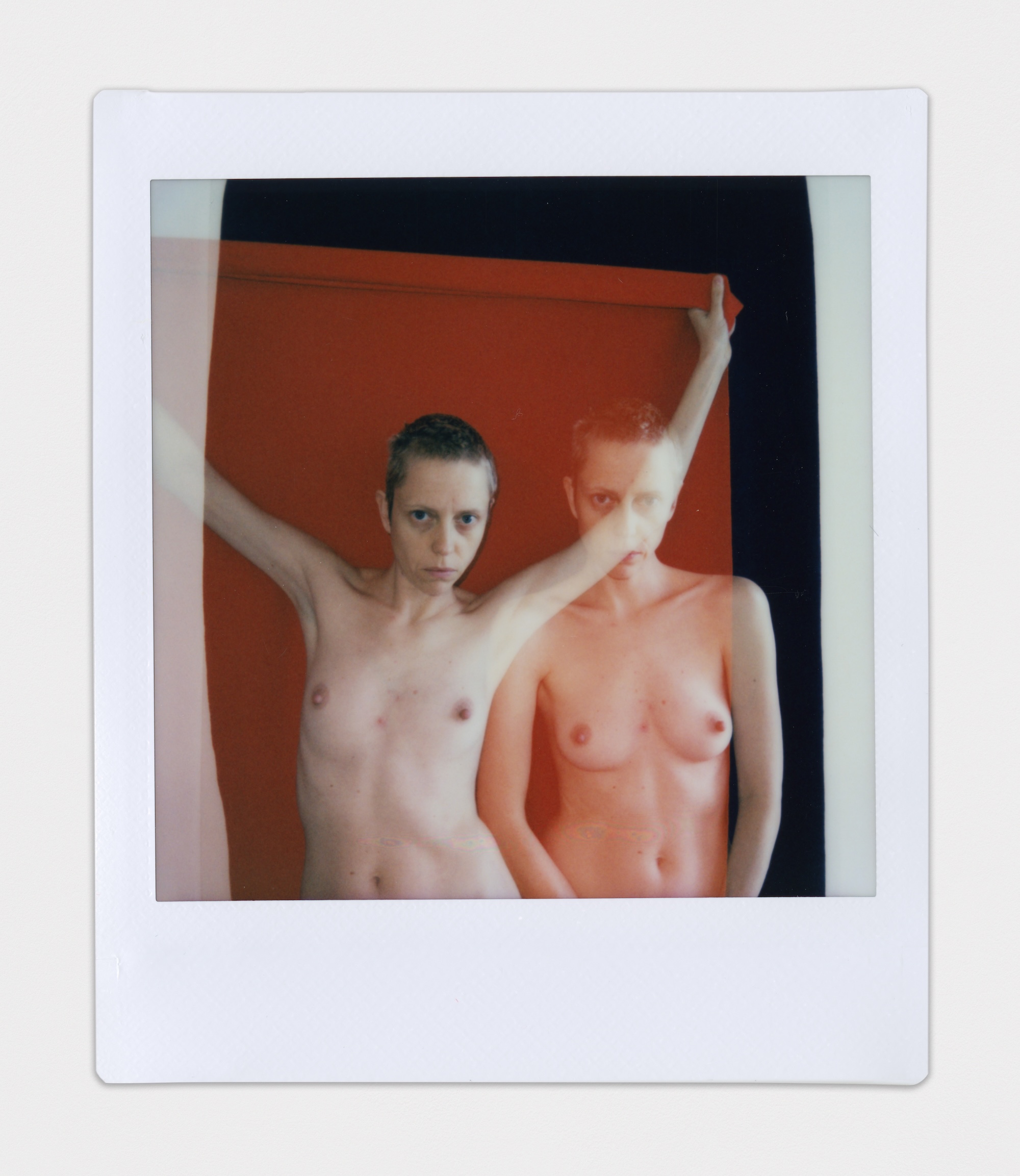
The photographer recalls the late David Hockney’s comment that “the world is very, very beautiful, if you look at it” – but people don’t look around much. In contemporary life, we rarely stop to observe the details that make up what’s around us, but just briefly scan (and endlessly scroll). The late artist’s phrase stayed with Tomanova while making her series because she did slow down to pay attention and appreciate what surrounds her, what resonates with her, what she likes, what she doesn’t see and is fine with it, what being creative feels like for her, what she means to herself, what she had forgotten to look at then finally had time for.
Tomanova plans to repeat the project every five years or so, so the next one should begin in 2027. She’s mentally preparing for it, especially for the empty days that may occur, as they did in 2022. When asked if she could imagine her portraits for one or two of the missing days in July, she said she doesn’t know what they might look like, but finds beauty in not knowing. She loves the idea of being incomplete, she says – never a complete self and never a complete series – and accepting that as the process of genuine living.
Marie Tomanova: Three Empty Weeks in July is on show at Harkawik, New York until 18 July www.harkawik.com marietomanova.com