


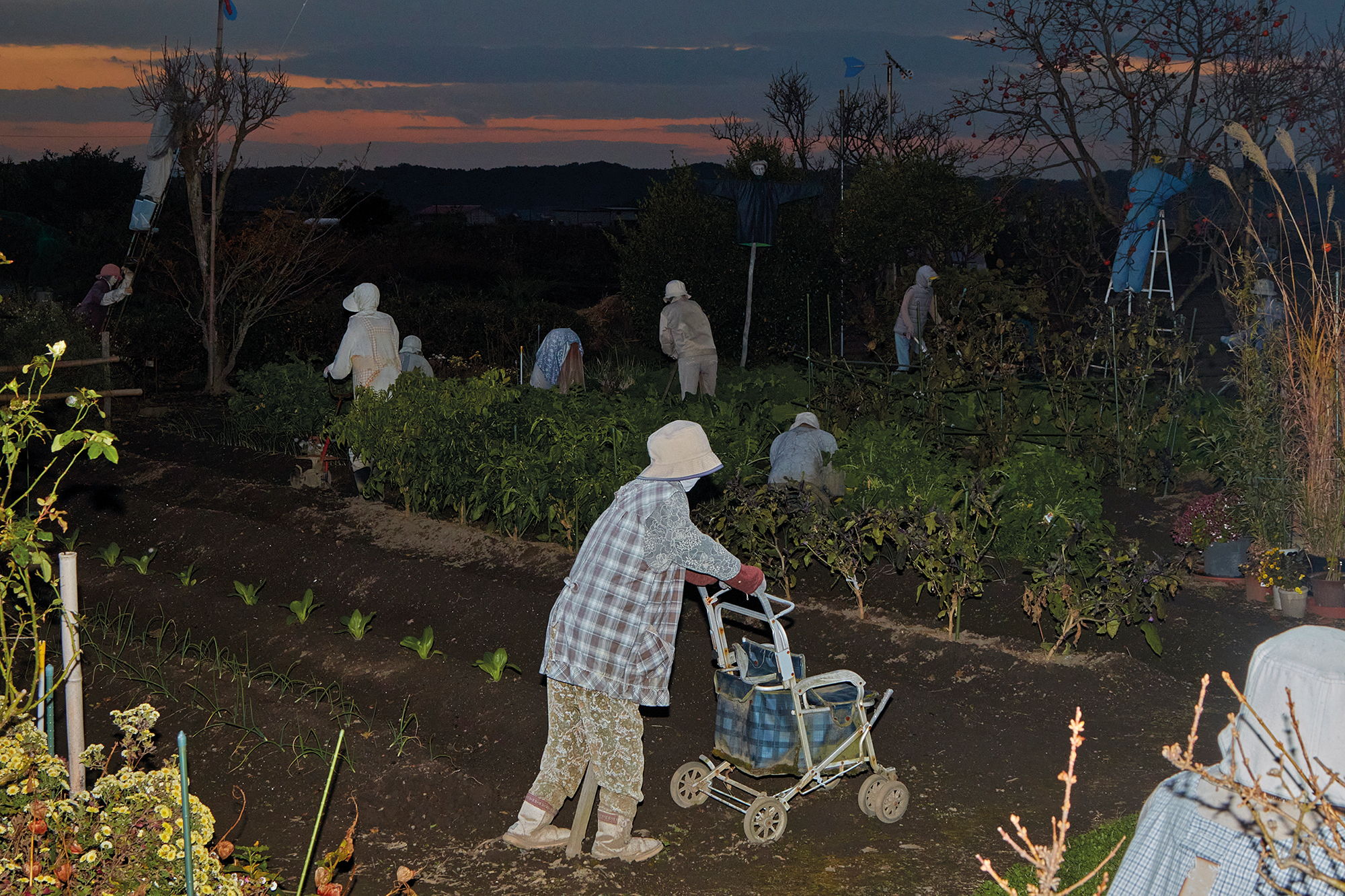
All images © Kohei Maekawa
Every year, BJP publishes its Ones to Watch issue – our selection of the artists who epitomise the talent and creativity in international photography today, as nominated by a global network of curators, editors, and artists.
As we finalise this year’s list, to be published in Issue 7926, to be published this June, we’re revisiting the 2025 Ones to Watch. Today, Kohei Maekawa, as nominated by David O’Mara and Jörg Colberg.
While working the nightshift delivering pizzas by moped on the outskirts of Tokyo, Kohei Maekawa rode past a house with cat figurines plastered all over its entrance. Transfixed by this bizarre doorway, he returned after his shift to take a closer look. “I could only vaguely see the clutter, but when I used the strobe [flash], all the objects suddenly became visible,” he says. “That realisation – of how artificial light could reveal unexpected details – was a turning point.”
The deeper he looked, the more he noticed; similarly unconventional houses scattered throughout his delivery area, windows plastered with cryptic messages, roofs covered in empty water bottles, and broken cars filled with trash almost like still-life studies. On several occasions, he delivered pizzas to the homeowners. “You might assume these people are eccentric, or even dangerous, but they’re usually just regular folks living everyday lives,” says Maekawa. “Their houses might seem bizarre, but their personalities aren’t necessarily unusual.”
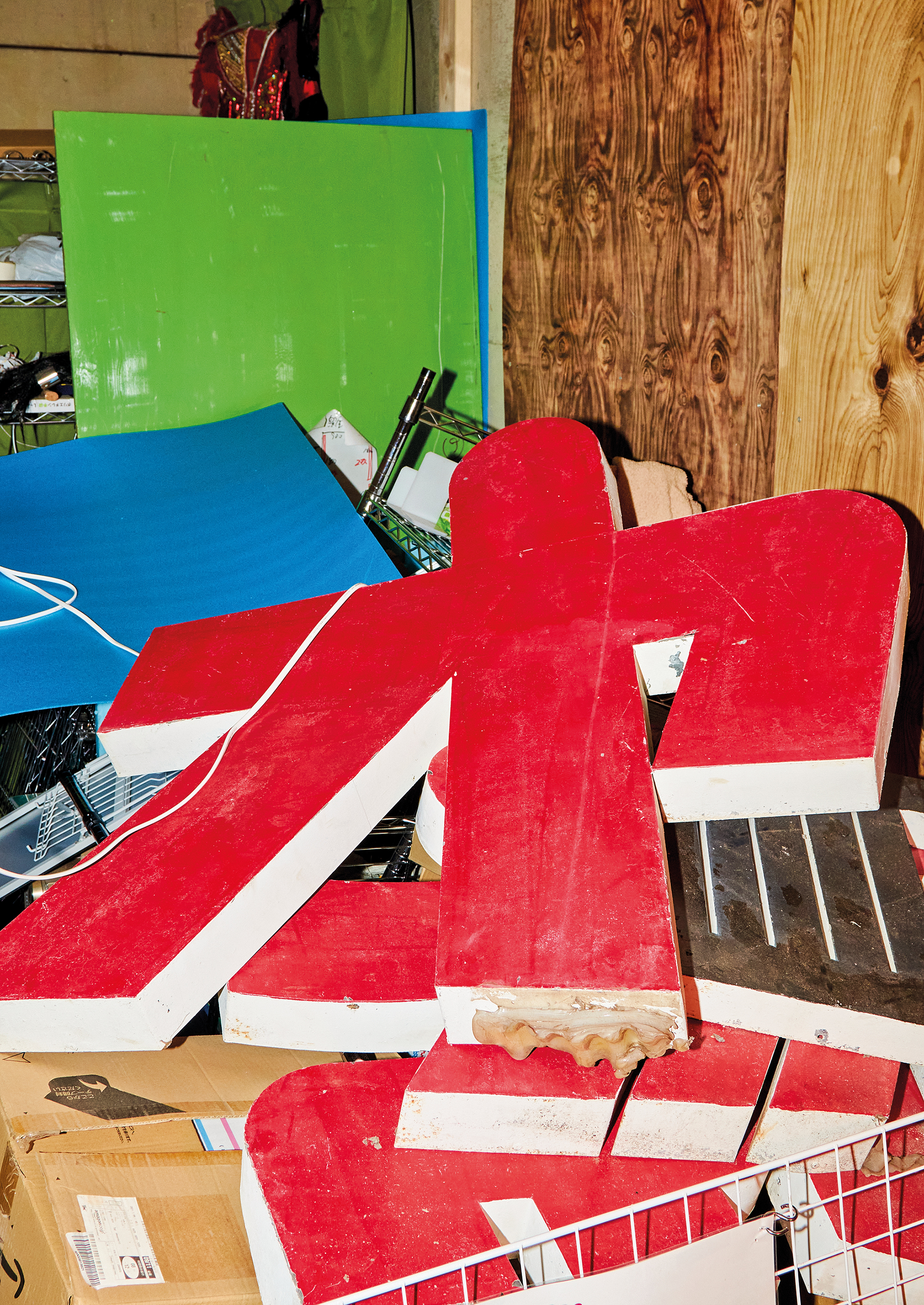
“The artificial light exposes a hidden intensity, like digging through sand and unexpectedly making an archaeological discovery” – Kohei Maekawa
Maekawa returned with his camera. Bathed in bright light, this clutter and chaos is the subject of a series of zines, all forming part of a wider body of work titled Yard. “The artificial light exposes a hidden intensity, like digging through sand and unexpectedly making an archaeological discovery,” says Maekawa. “These houses aren’t just regular homes, they’re statements. They project their owners’ personalities and beliefs outward. The light emphasises these personal obsessions, egos and unique aesthetics.”
Some houses appear aggressive, covered in cranky notes aimed at authorities or neighbours; others are dreamlike, decorated with Disney characters and handcrafted totems. “There’s also a connection to Japan’s ‘mottainai’ culture,” says Maekawa, referencing the Japanese ethos of repurposing objects to avoid waste. “People can’t throw things away, so they display them outside their homes instead.”
Many of these images were taken around the outskirts of Tokyo’s neighbouring prefectures, in-between spaces that are neither urban nor rural. Since graduating from Nihon University College of Art in 2018, Maekawa’s works have often explored the overlooked, abandoned and uncanny. One was a topographical series of close-ups of street signs; another documented a former institution in which people with leprosy were forcibly isolated. More recently, he worked on Carved Land, a project about Japan’s scarecrow village, where life-sized straw figures outnumber the residents 10-to-one.
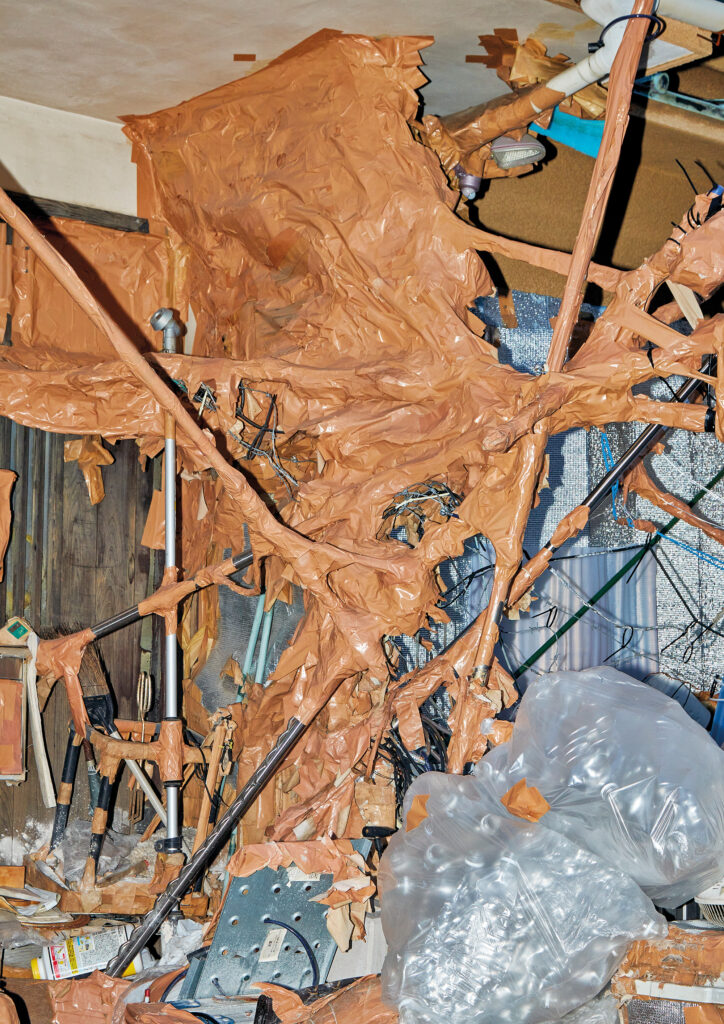
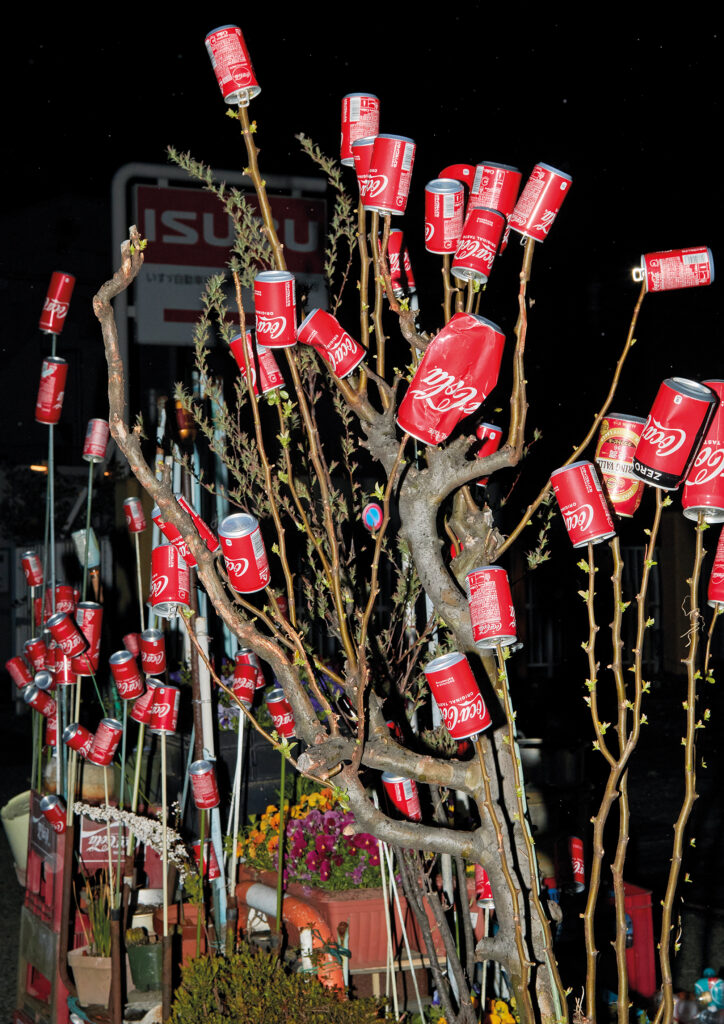
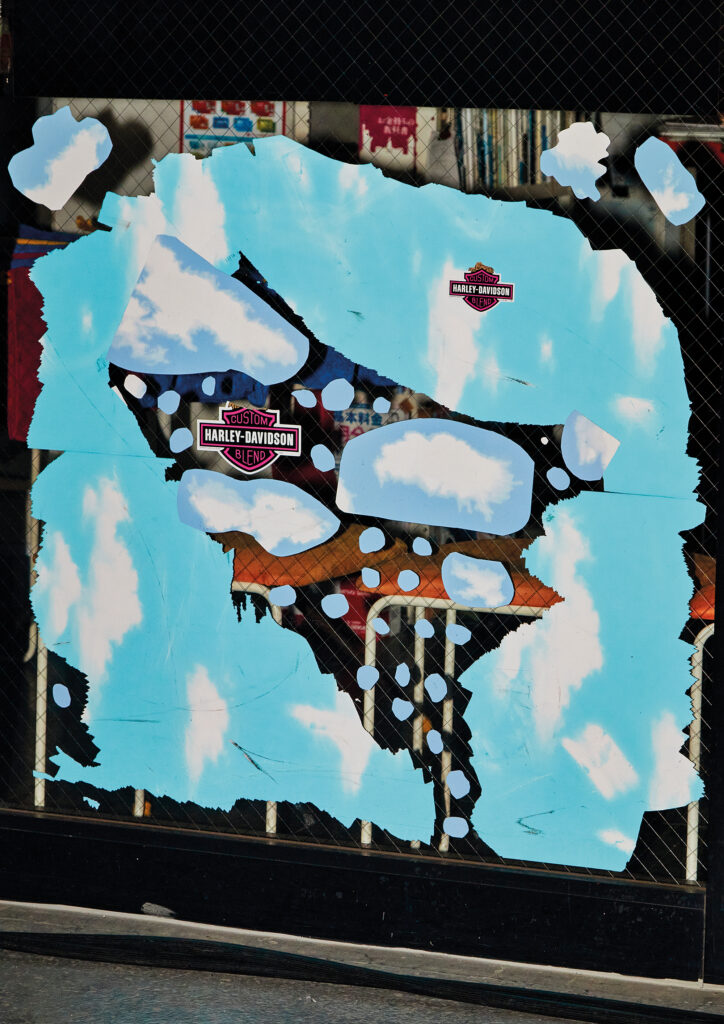
“All of these works – including those I will create in the future – are widely driven by the overarching question: What does it mean to be human?,” says Maekawa. Yard is his largest body of work to date, and the one that caught the attention of two Ones to Watch nominators. The artist David O’Mara found Maekawa’s work through his tactile zines, which are often wrapped in duct tape or made out of cardboard to reflect their contents. O’Mara interprets these photographs as a documentation of “spontaneous outbursts of creativity”, within the context of late capitalism and a consumer-driven culture. “Maekawa doesn’t patronise or stigmatise its creators, but speaks more broadly of the uniquely human impulse of creativity,” he reflects. For the writer Jörg Colberg, Maekawa offers an alternative view of Japan. “It shows a country at odds with the strict order and serene cleanliness that it is so often associated with,” he says. “Here, the country is ‘a mess’ – but a lively, charming, idiosyncratic one.”
Conceptually rich and strong in narrative, Maekawa’s work is also gaining recognition at home. Nonetheless, he did not always want to be a photographer. The Tokyo-born artist once dreamed of making films but, rejected from the course at university, took photography as a second choice. “Once I started, I realised how much I enjoyed being alone,” he says. “There were times when I collaborated with others, but I always preferred creating on my own, in my own space.”
It is the same reason he enjoyed delivering pizzas, which he did for seven years. Maekawa now works as a photographer for an e-commerce website, but picks up the occasional delivery shift on the weekends. “I couldn’t live off delivering pizzas, but I enjoy it a lot as a job,” he says. Like photography, it is a solitary pursuit, with the potential to discover an unexpected story. “I’ll probably keep doing it as long as my health allows.”
