

All images © Özge Sebzeci
Every year, BJP publishes its Ones to Watch issue – our selection of the artists who epitomise the talent and creativity in international photography today, as nominated by a global network of curators, editors and artists.
Here we look at Özge Sebzeci, who was nominated as part of the 2025 cohort by the artist Mert Acar.
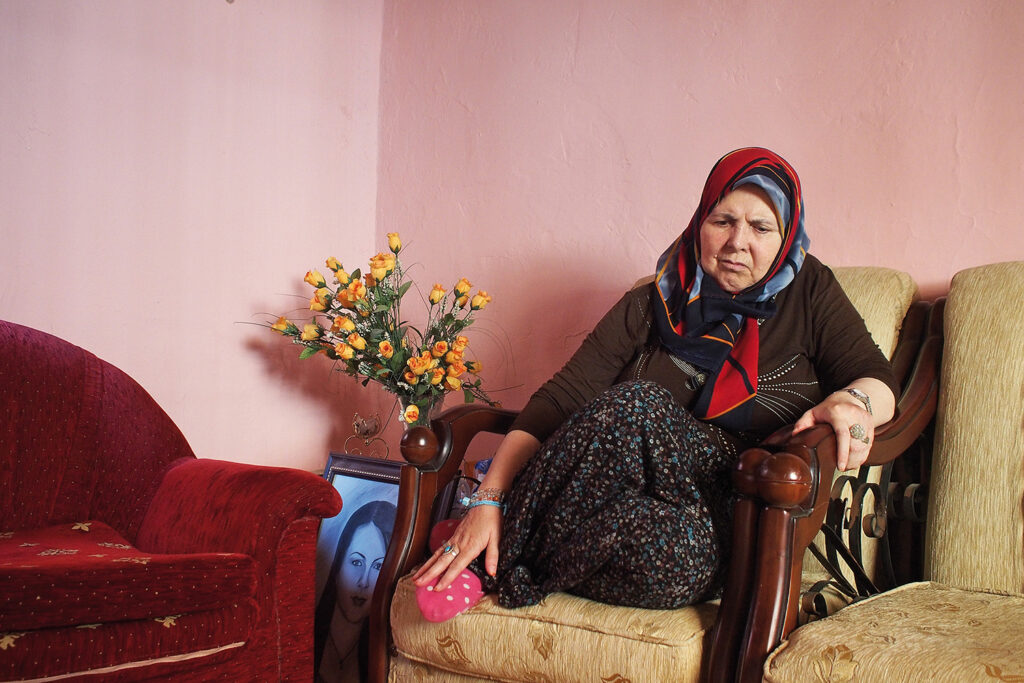
In February 2015, the brutal murder of Özgecan Aslan triggered an outpouring of rage across Turkey. The 20-year-old student was killed by a bus driver after resisting rape, and in the weeks that followed, thousands of women took to the streets in protest. These events sparked a movement to end violence against women, but a decade later Turkey’s femicide rates continue to rise. In 2024, a record 394 women were killed by men, and there were 258 suspicious deaths of women, according to Turkey’s We Will Stop Femicide Platform.
Özge Sebzeci has been documenting the human cost of this crisis, connecting with families of murdered women. Her project, Cries and Whispers, blends documentary images with evocative, abstract shots, exploring the ripples of grief and the silences that follow. “There are so many stories that go unnoticed,” says Sebzeci. “Femicides in Turkey receive attention, but then after a while, it just dies down. I wanted to show that side through photography.”
“I’m interested in people’s stories. I’m there as a journalist, but I also try to form a relationship – a long-term one” – Özge Sebzeci
Based in Istanbul, Sebzeci has been working on long-term, deeply immersive documentary projects for the last decade. She also works as an editorial photographer, focusing on stories about gender, migration and ecology for publications such as National Geographic, Time, Die Zeit and The Atlantic. Sebzeci was nominated for Ones to Watch by artist Mert Acar. “Özge’s work stood out to me for its rare balance of documentary depth and artistic refinement,” he says. “Her photographs are intimate yet powerful, capturing complex stories with honesty and a strong visual narrative.”
Academically, Sebzeci’s background is not in photography. She studied international relations, and was initially drawn to film, working as an assistant for film-makers. A collaborative project between Turkish and Armenian students at university changed her trajectory. Visiting villages in both countries, she realised how powerful the camera could be. “I was very shy, so communication was not easy, but then I realised the camera was a way to get to know people,” she says. This trip led her to pursue photography seriously, joining a workshop for documentary photography, where she learnt about the philosophical and ethical dimensions of storytelling.

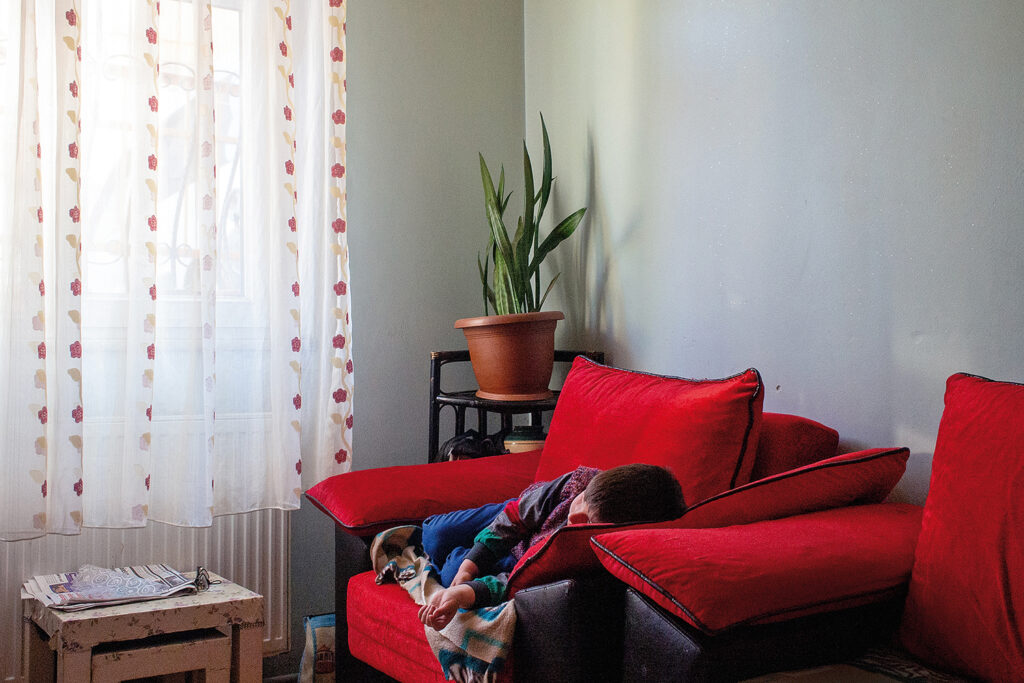
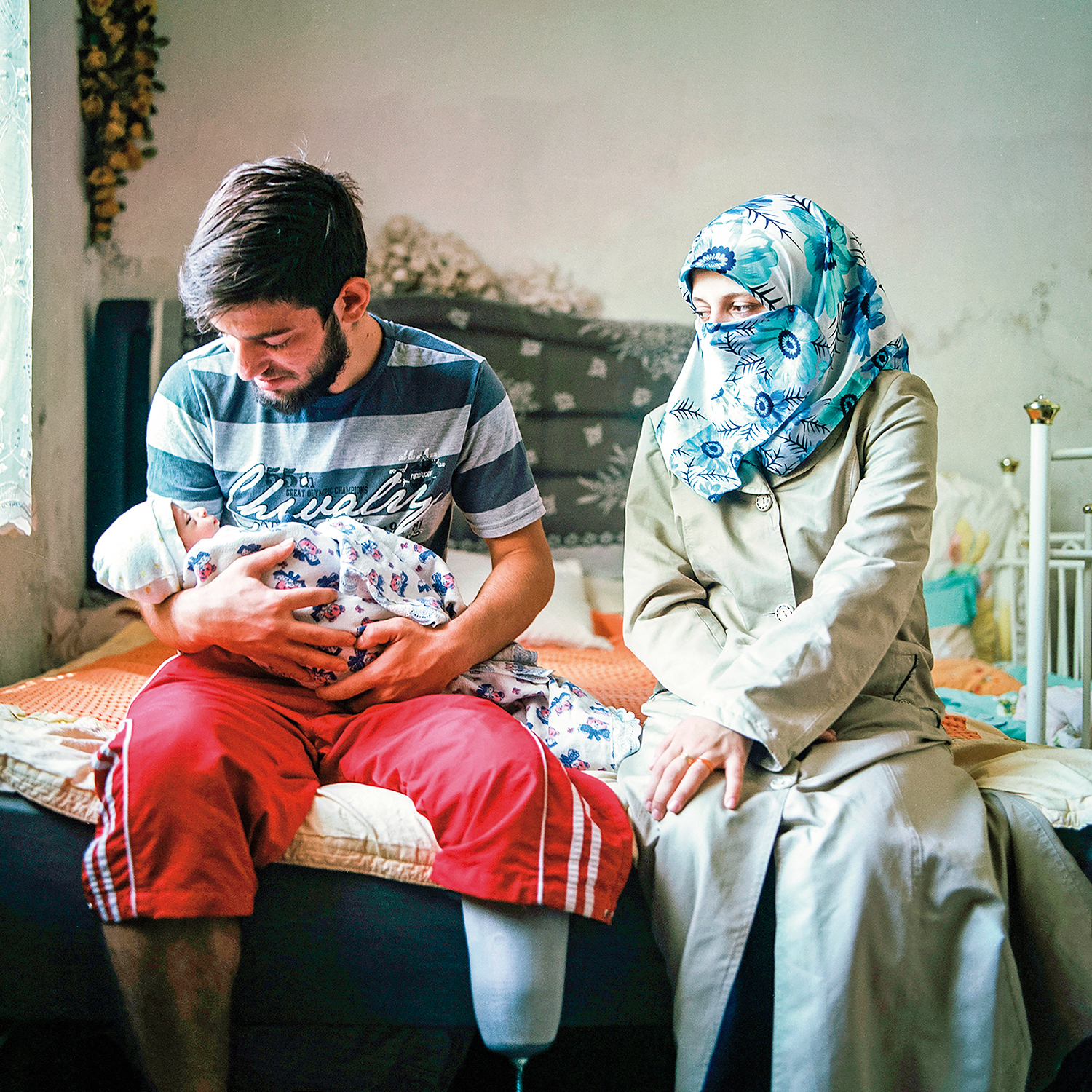
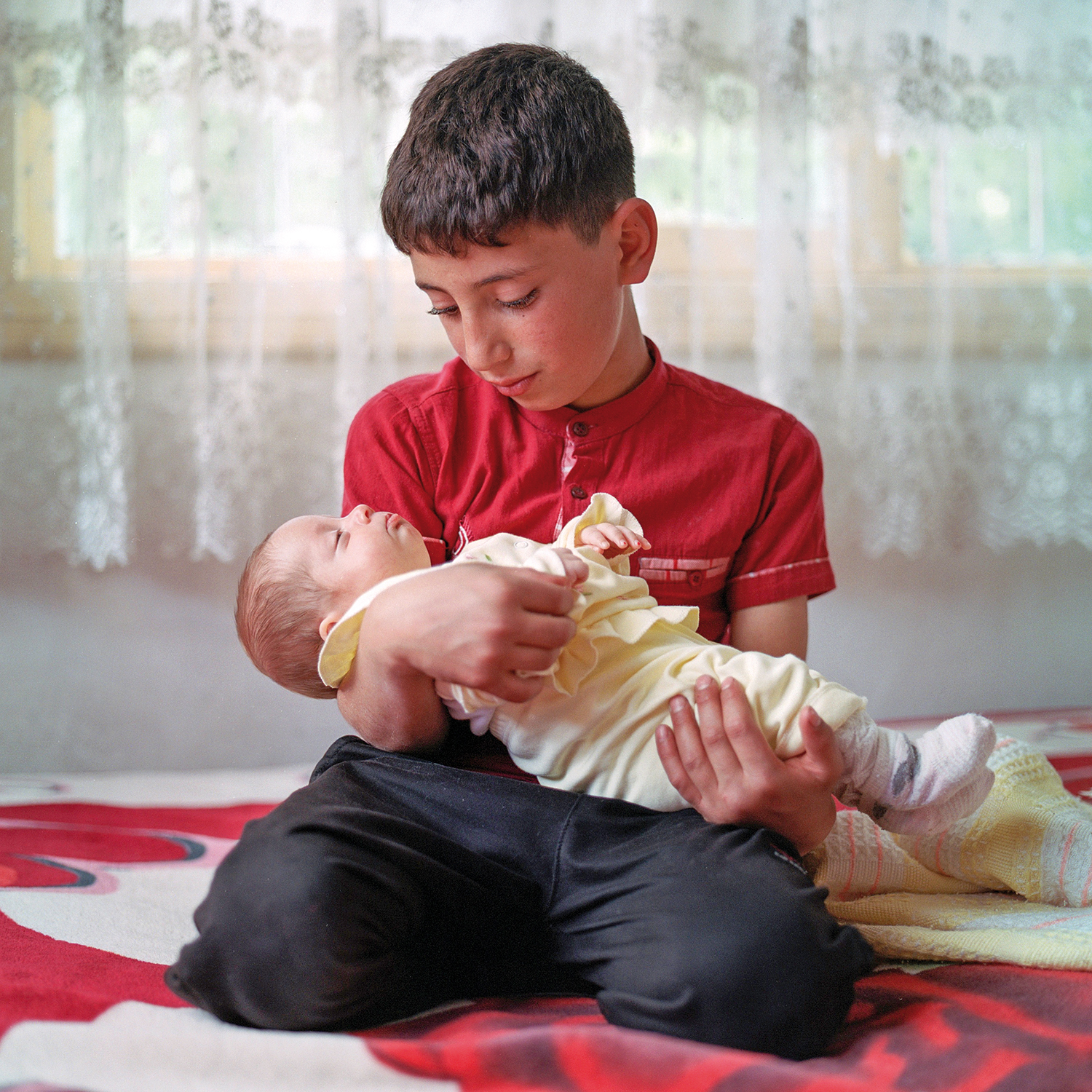
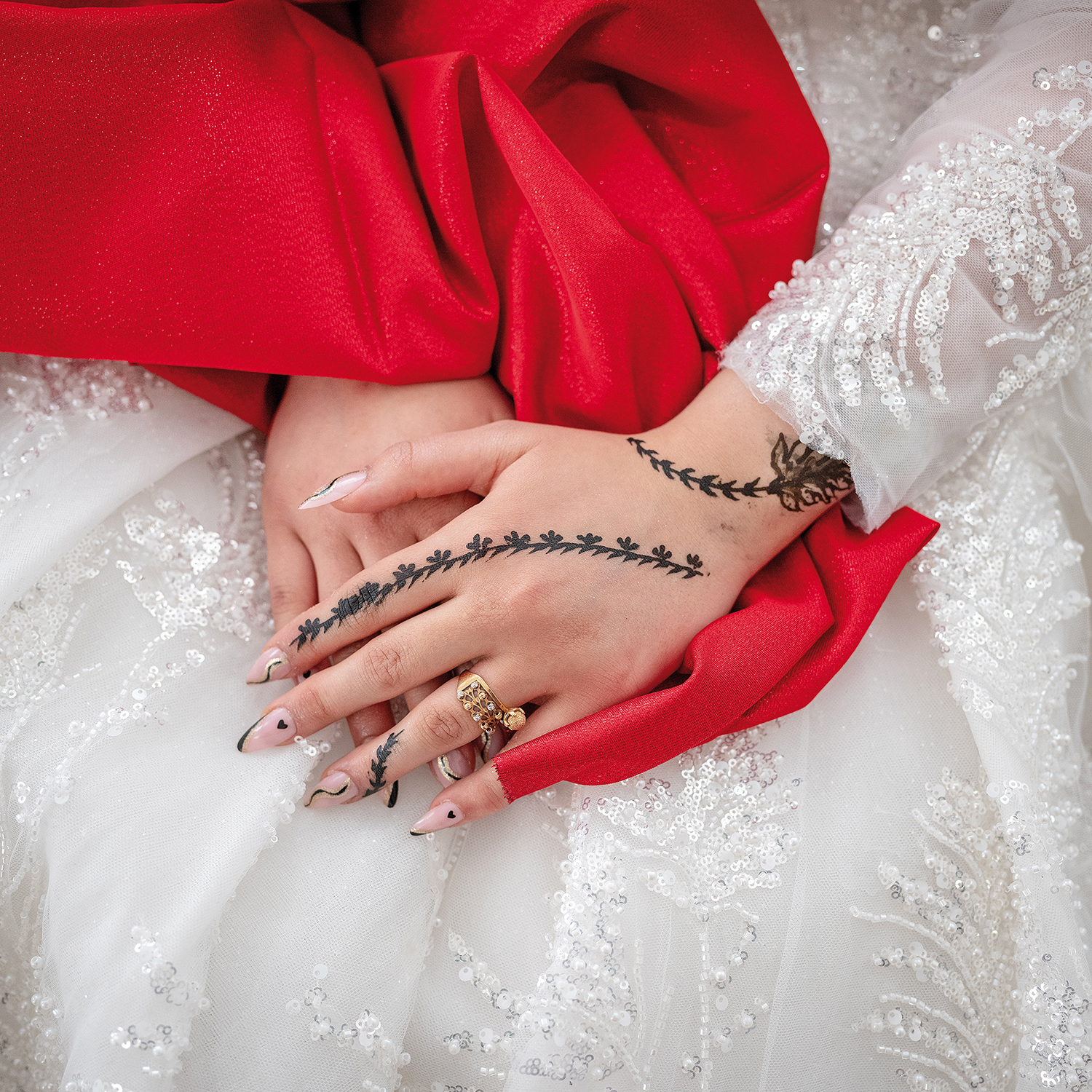
Sebzeci went on to intern at a photo agency, but it did not last long. “I’m not a fast-paced photographer,” she admits. “I don’t like photographing people if I don’t know their name or their story.” Instead, she worked as a fixer for foreign journalists, learning from them while building connections. Through these formative years, she developed the femicide project, as well as another major long-term body of work, I Am Beautiful but My Destiny…, focusing on young Syrian girls. Turkey has the world’s largest refugee population, and the vast majority are Syrian; in difficult circumstances, many girls are forced into early marriages to secure stability for their families.
“The women have almost no support,” says Sebzeci. Her images of them are made with a medium format camera, and intentionally obscure their faces in an act of care and protection. “I wanted to respect their boundaries,” she says. “They’ve been through so much – fleeing war, arriving in Turkey without speaking the language.” The deep conservatism of these communities also imposes strict limitations on their autonomy. “There are many things they simply cannot do,” she adds.
Building connections is at the core of Sebzeci’s practice; she never photographs someone without getting to know them first. “I’m interested in people’s stories,” she says. “I’m there as a journalist, but I also try to form a relationship – a long-term one.” Trust, she believes, is what makes a photograph truly powerful. “They forget about the camera after some time, and I feel like I’m able to witness them actually in their own world, living their own life.”
Sebzeci sees both of her projects as ongoing, because the issues she documents have not ended. “Right now, it feels like things are going in the opposite direction,” she says. “The number of femicides remains the same or is even increasing.” Some of the Syrian girls she photographed may return home this year. If they do, Sebzeci hopes to travel with them. “Syria’s situation is incredibly complex, so I don’t know how some of them will manage to return. But I’m still in touch with them, and if they go back, I’ll try to continue to follow their journey.”