

All images © Jade Joannès
Every year, BJP publishes its Ones to Watch issue – our selection of the artists who epitomise the talent and creativity in international photography today, as nominated by a global network of curators, editors, and artists. As we finalise this year’s list, to be published in Issue 7926 this June, we’re revisiting the 2025 Ones to Watch. Today, Jade Joannès, as nominated by Jean-Christophe Godet
Paris has a larger-than-life mythology, but the sprawling banlieues surrounding the city are less represented – even though the ‘suburbs’ are around eight times the size of the 20 arrondissements inside the Boulevard Périphérique. The capital is within relatively easy reach by train, yet these locales stand firmly outside, both literally and symbolically.
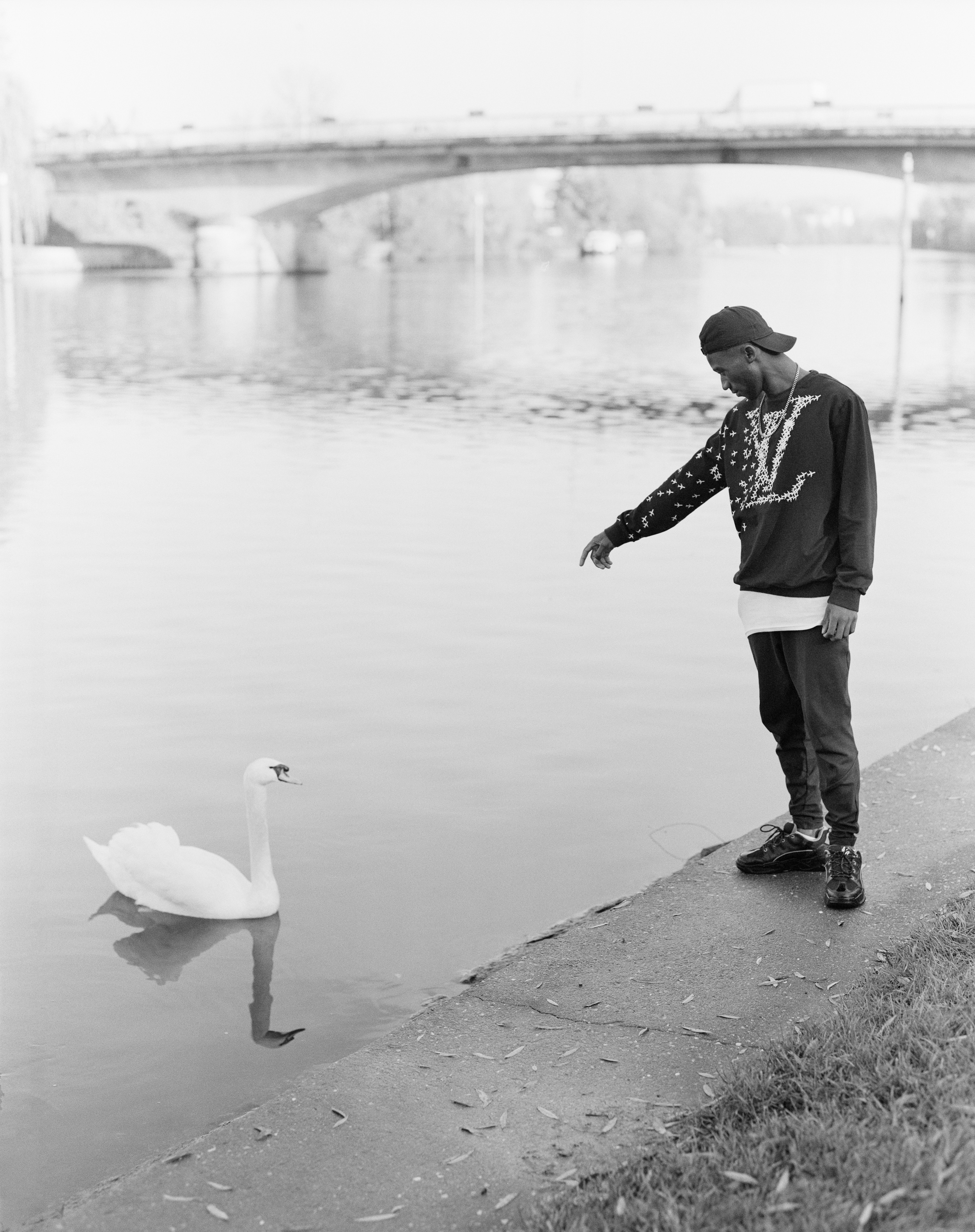
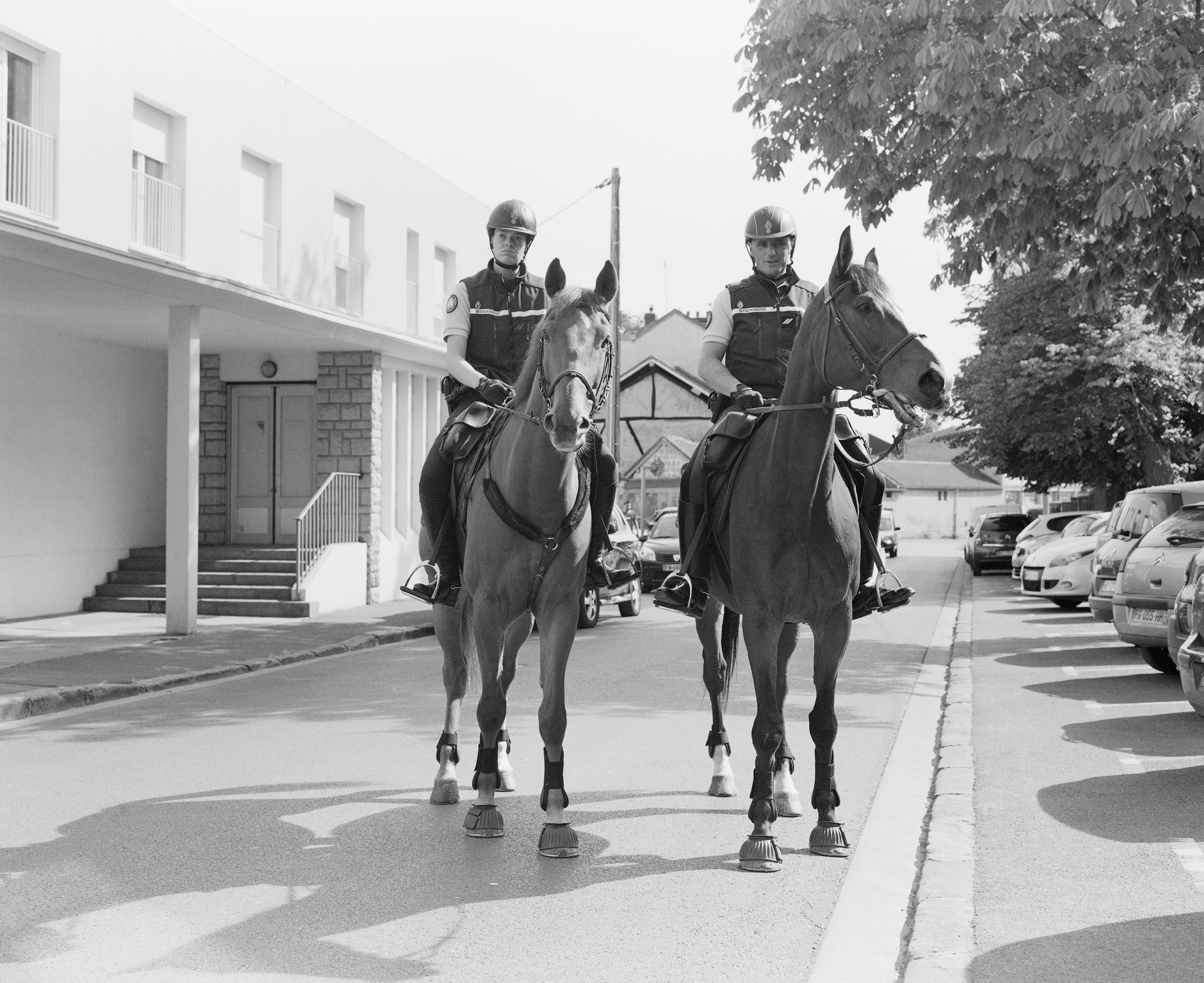
Jade Joannès wanted to dismantle the “caricature” of the banlieues, whose reputation is often far more fraught than the leafy suburbia of Britain. In her ongoing series Royaumes d’incertitudes (‘Kingdoms of Uncertainties’), she aims to portray the reality of two small cities north of Paris: Persan and Beaumont. Surrounded by fields and split by the river Oise, these areas were once industrial, and traditionally rivals, and remain working class.
In her text accompanying the project, Joannès repeats a phrase she overheard: ‘There’s nothing to photograph here’. “I wanted to valorise the beauty of these places and the rebellion within them,” she says. Jean-Christophe Godet, artistic director of Glaz Festival and Guernsey Photography Festival, who recommended Joannès for Ones to Watch, feels she does just that. “With precision, sobriety and a multi-layered narrative, she highlights the social struggles and the disillusionment faced by younger generations in cities that are in a constant state of flux and in search of their own identity,” he says.
“I wanted to valorise the beauty of these places and the rebellion within them.” Jade Joannès
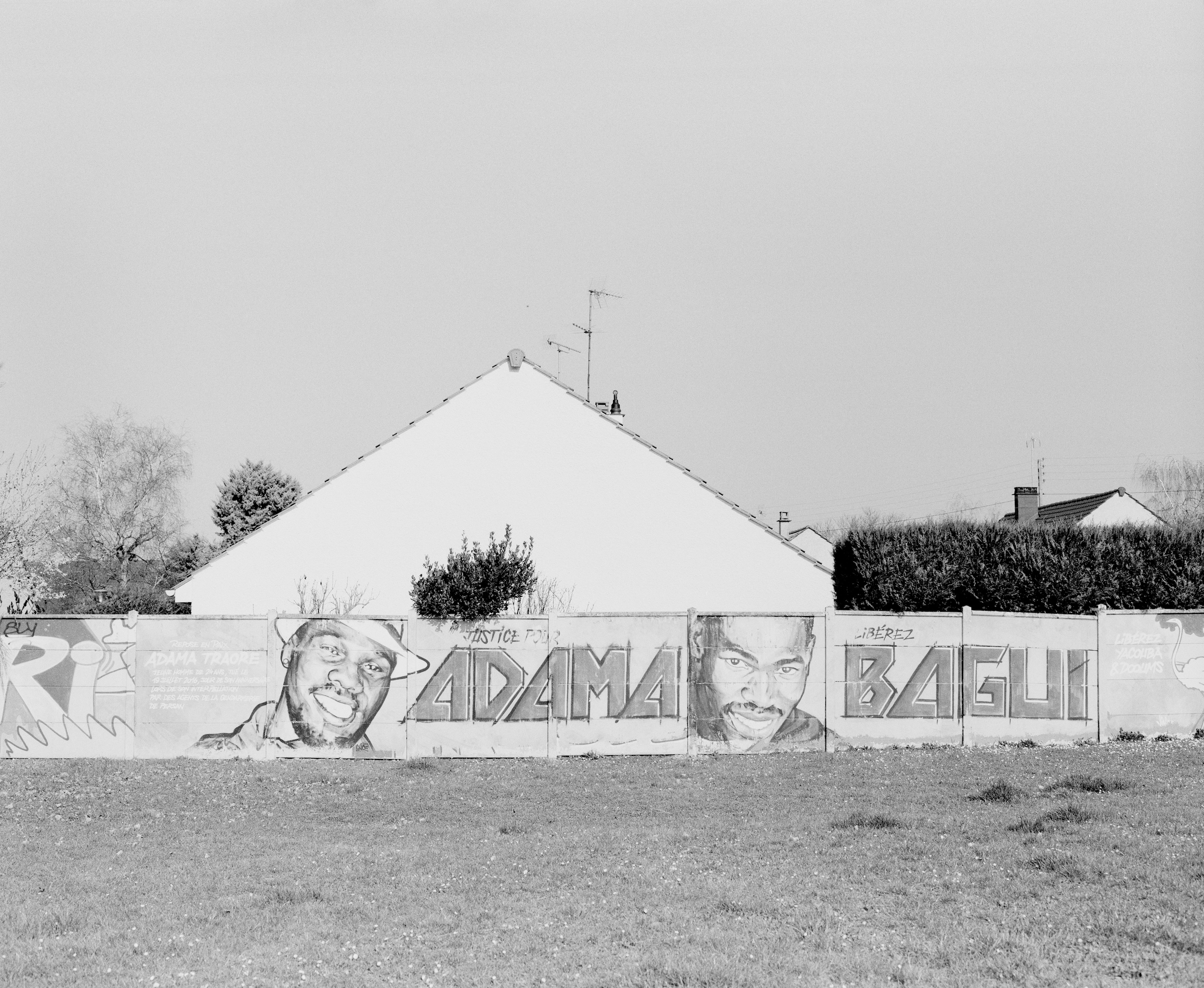
Joannès lived close to Persan and Beaumont for the first 20 years of her life, and watched them explode into protest in July 2016 when Adama Traoré, a 24-year-old Black man, died in custody in a Persan police station. In the aftermath, the police presence increased in the suburbs, while demonstrations erupted across France. Assa Traoré, Adama’s sister, became an activist against police brutality and developed the Truth and Justice for Adama Committee, helping orchestrate marches and political pushback against the disproportionate violence suffered by marginalised communities. In May 2020, legal authorities cleared the three officers involved of wrongdoing, cleaving the issue further. Assa features in Joannès’ black-and-white series in a tightly framed portrait, and the images document references to Adama via protest signs and murals.
Royaumes d’incertitudes also reflects a broader sense of national disquiet. There is a teddy bear wearing a ‘France en colère’ shirt (‘France is angry’), and graffiti articulating ‘bientôt fin du monde‘ (‘soon the end of the world’). Also included are a voter registration card, scratchcards, motorcycle helmets and murky rows of trees, a mix alluding to politics, economics, transportation and suburban remove. Joannès often places image details and landscapes alongside portraits, because the “non-figurative is still a sort of portrait – it can have the same influence in terms of what it can evoke. Objects wouldn’t exist without human impact”.
Joannès started photographing as a 14-year-old, using her dad’s digital camera, which was otherwise reserved for family snaps. Over the next 10 years she made Une histoire inachevée (‘An Unfinished Story’), which features her family, friends and surroundings in portrayals of limbs, leaves, long hair, shoes, syringes and shadows; a project completed just before she graduated from École nationale supérieure d’arts de Paris-Cergy in 2019.
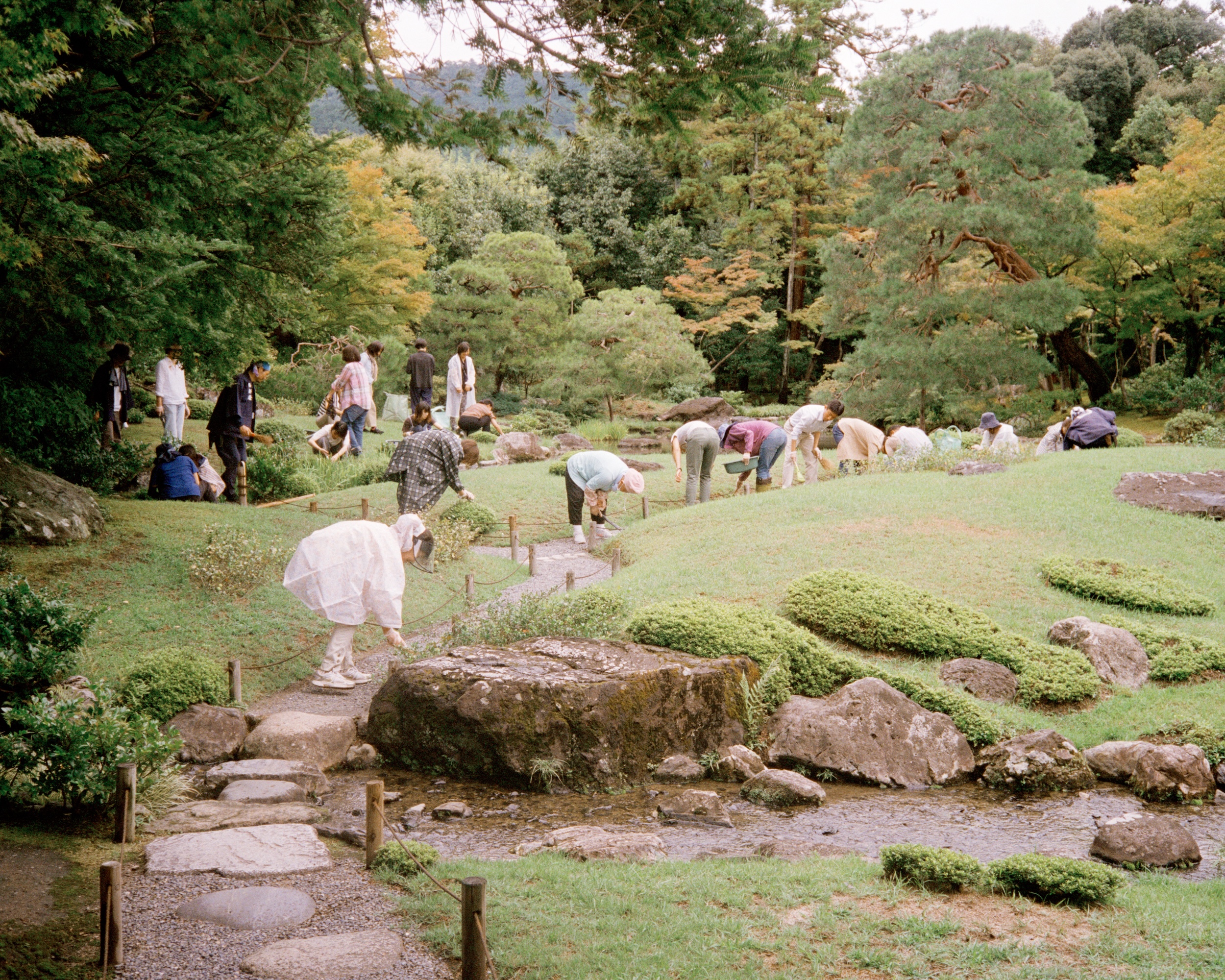
She then went beyond her immediate reality in La saison des murmures (‘The Whispering Season’) during a 2018 stay in Japan. For four months, she shared a traditional home with two Japanese women, close to Mount Higashi and its forests; there, she focused on nature and its cherished place within Japanese culture. This ‘dépaysement’ – uprooting from one’s country – enabled her to discover a new environment, and she was moved by the locals’ endurance in the face of earthquakes and typhoons.
Joannès returned to her loved ones for Une étrange attraction (‘A Strange Attraction’), a series made across France between 2019 and 2023 exploring the depths of imagination through everyday objects and familiar surroundings. Joannès describes her work as having a “documentary style with an artistic approach”, allowing her to mix subjective perspectives and reportage, diaristic insights and sociological scope.
Working primarily on long-term projects, when she is exploring a subject it sometimes feels “inexhaustible”, she admits. But, she adds, “I like to create sequences in my work, so when I have all the human elements and landscape moments that say what I want to say, I realise I’m done.”