


© Sara Bezovšek
Started in 2006, Fotografia Europea returns to the northern Italy city of Reggio Emilia with cutting-edge exhibitions exploring what is real and what refuses to be buried
“Ghosts are a perfect metaphor for how we are living right now,” says Tim Clark. “We live in an era of haunting that is crowded with unresolved pasts – colonial histories, erased communities, ecological breakdown, personal and collective trauma. Similarly, contemporary photography is bound up with questions of what’s real, what’s missing, what lingers. How to make visible those tensions is what’s thrilling creatively.”
He is discussing this year’s Fotografia Europea and in particular the festival theme – ‘Fantasmi del quotidiano’, or ‘Ghosts of the Moment’. Developed by Clark with co-curators Arianna Catania, Luce Lebart and Walter Guadagnini, this motif suggests the peripheral and the overlooked, he says, the flip side to our “hyper-visible, Instagram-obsessed world”. “Consider how artists routinely utilise blurred figures, traces, empty spaces, multiple exposures to summon what refuses to stay buried,” he adds. “These thoughts press harder when we weigh up current practices and politics around digital manipulation, AI, archives and the notion of endlessly reproducible images.”
Fotografia Europea features a solo show of Felipe Romero Beltrán’s Bravo, for example, which challenges systems of classification and identification used to organise images – and people – on the Mexico-US border; it includes a solo video installation by Salvatore Vitale titled Automated Refusal, part of his Death by GPS project on unseen digital labour. Mohamed Hassan will show Our Hidden Room, meanwhile, which mixes contemporary and archival work to explore his relationship with his father – a photographer, who lived with bipolar disorder at a time when mental illness was misunderstood and stigmatised.
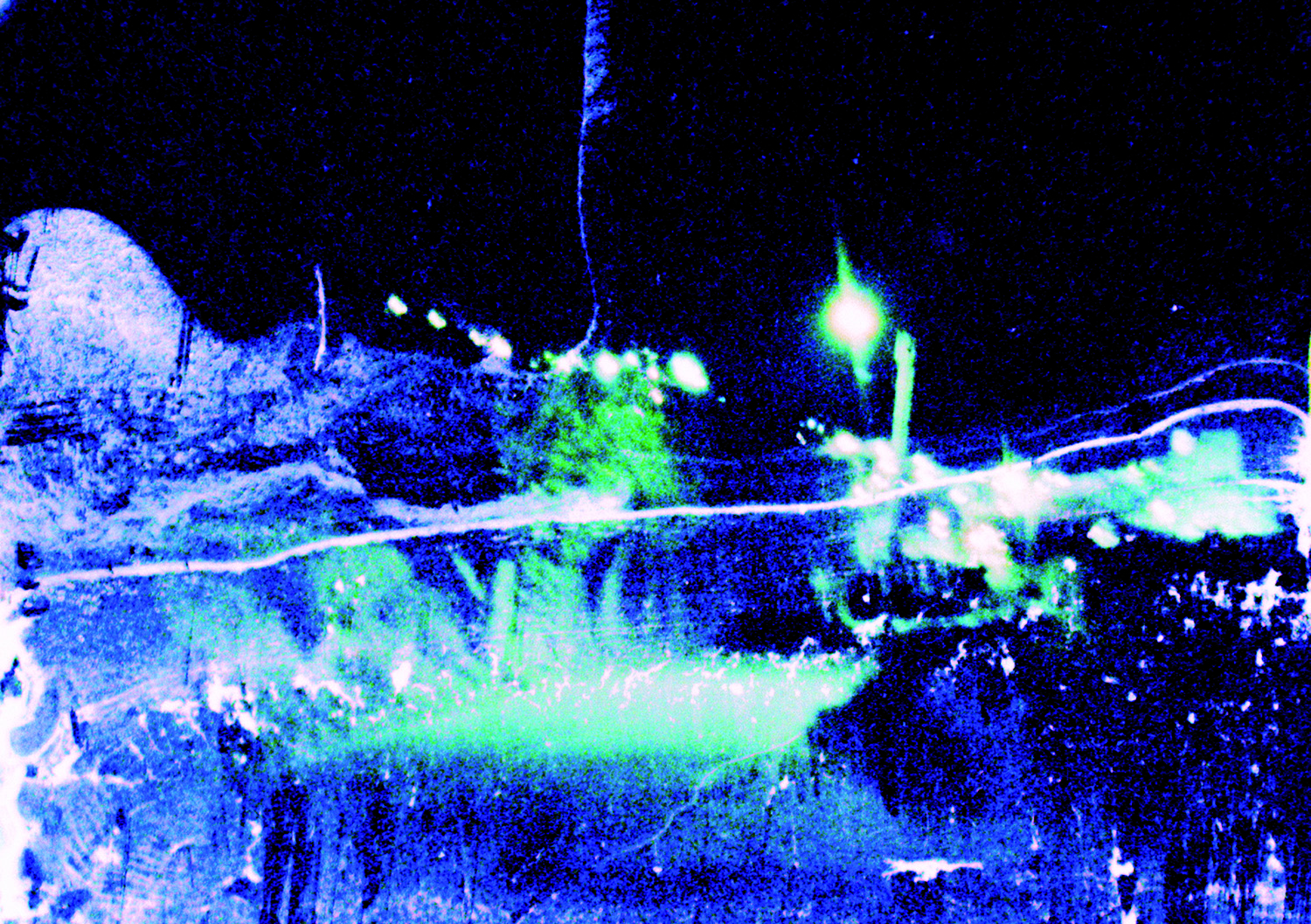
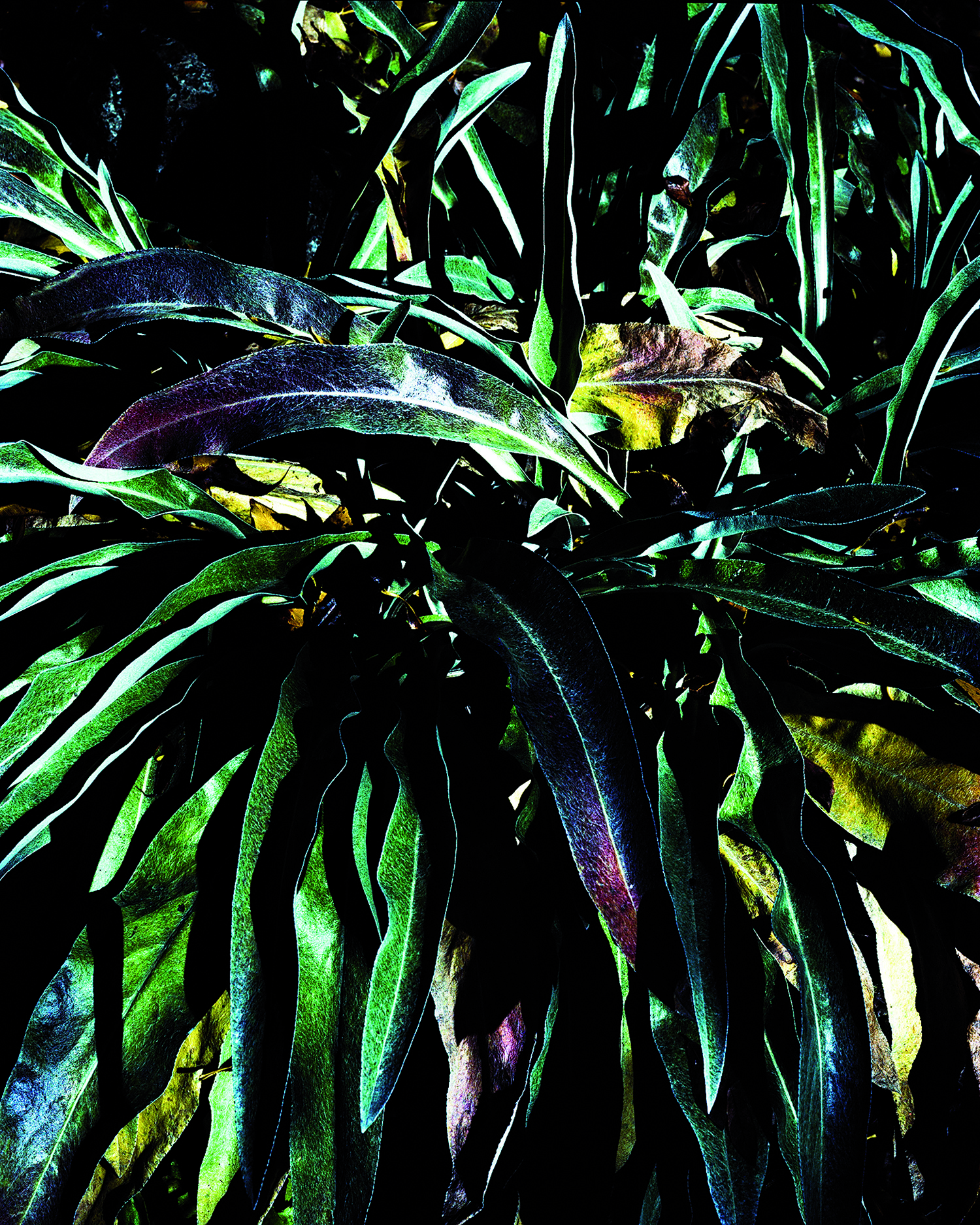
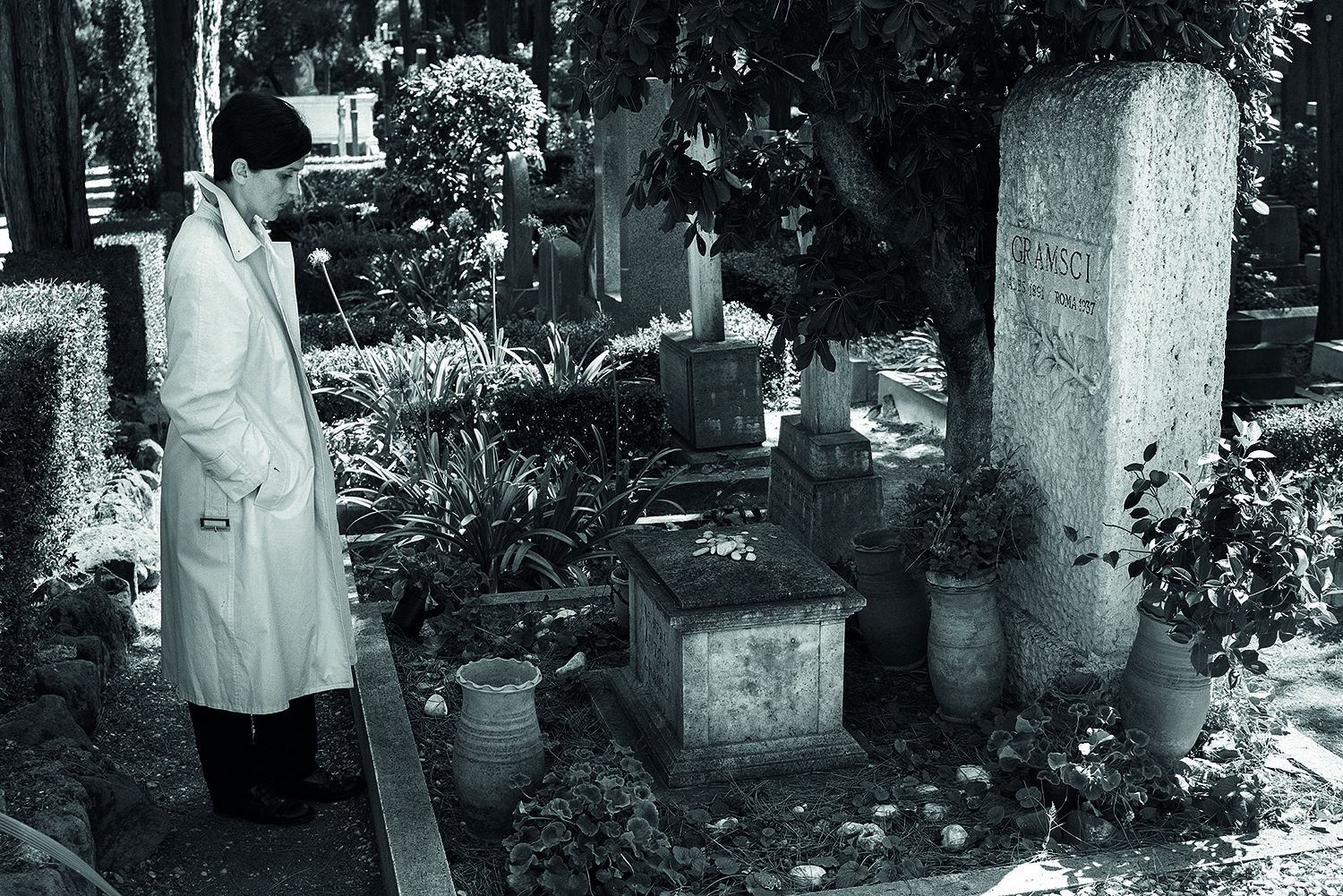
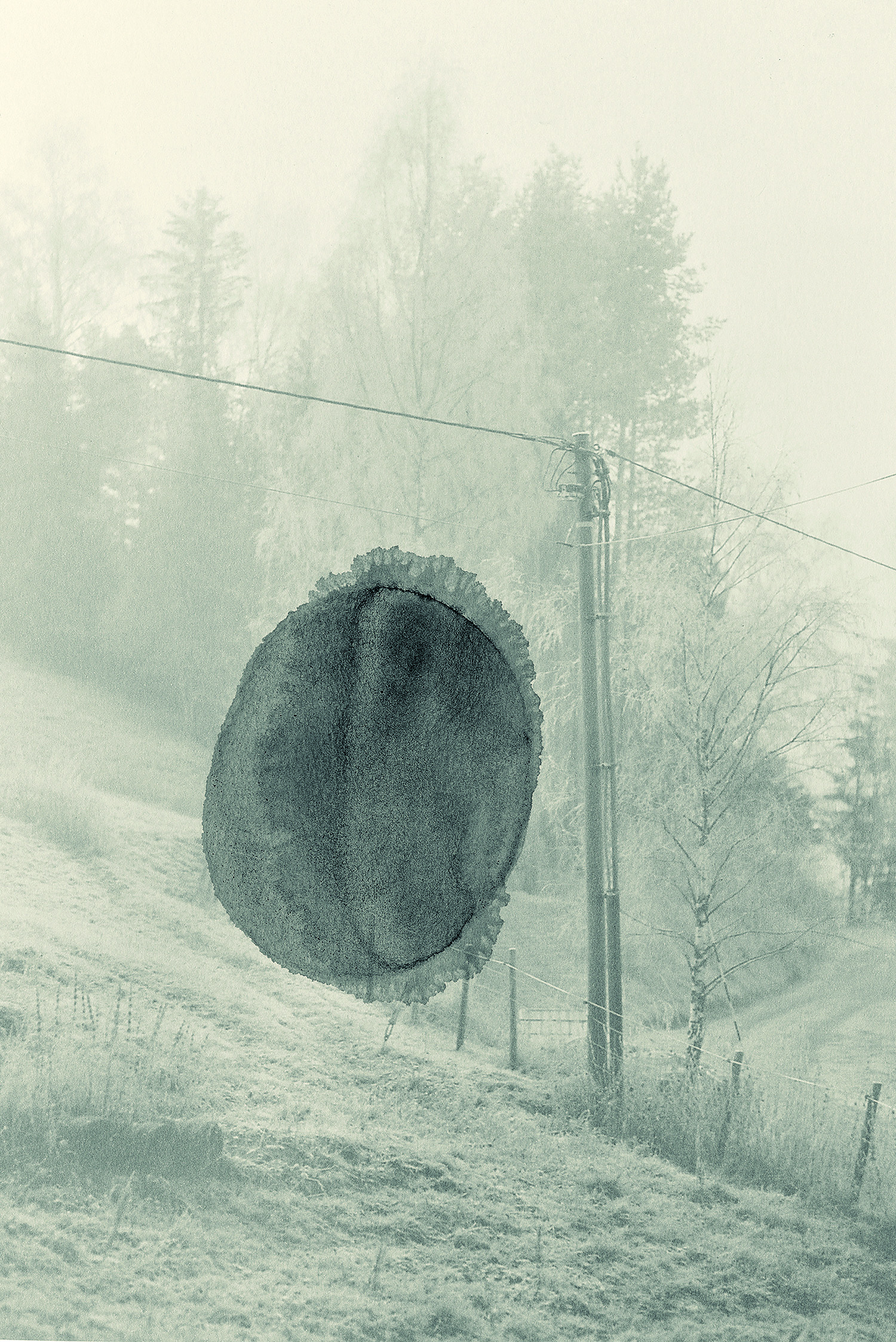
Marine Lanier’s Le Jardin d’Hannibal weaves together strands from oral tradition, scientific study and historical image-makers such as Karl Blossfeldt and Anna Atkins, to consider how we picture – and therefore approach – nature; Frédéric D Oberland’s Vestiges of the Future is multisensory, psychedelic and kaleidoscopic, aiming towards immersive experience over documentation or evidence. Elena Bellantoni’s Ghostwriter, curated by Fulvio Chimento, draws on tropes of photography and art-house cinema to picture the uncanny, and Ola Rindal’s Stains & Ashes incorporates blotches, blur and abstraction to express how images, rather than bringing us close, can create distance.
“As curators, we appreciated how many contemporary photographers deliberately avoid clarity and play up to the medium’s ambiguous qualities”
“Ghosts are appealing because they are subtle,” says Clark. “They’re half-seen, quiet, slow. As curators, we appreciated how many contemporary photographers deliberately avoid clarity and play up to the medium’s ambiguous qualities. In this sense, ghosts allow artists to work against the demand for instant legibility.”
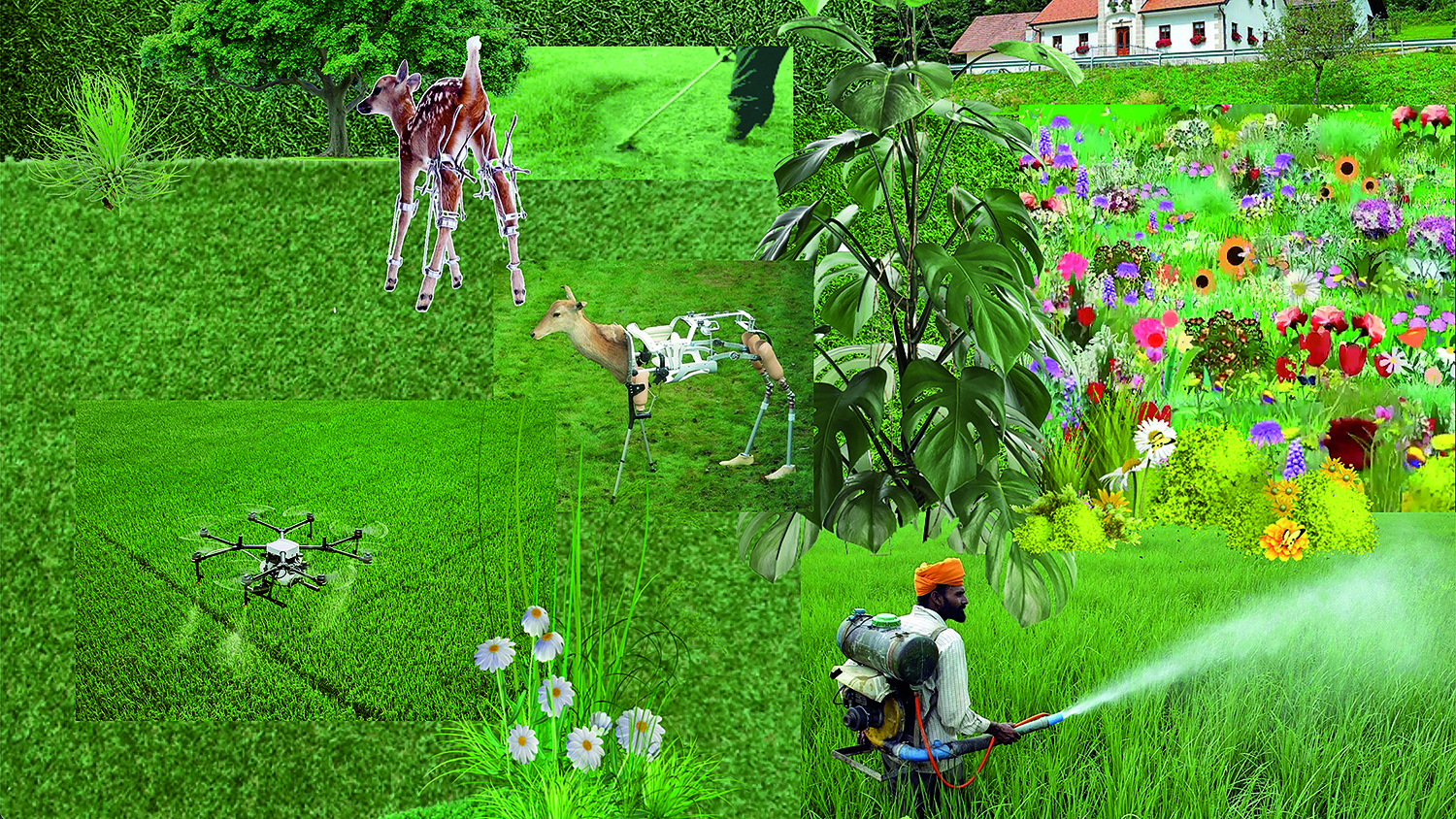
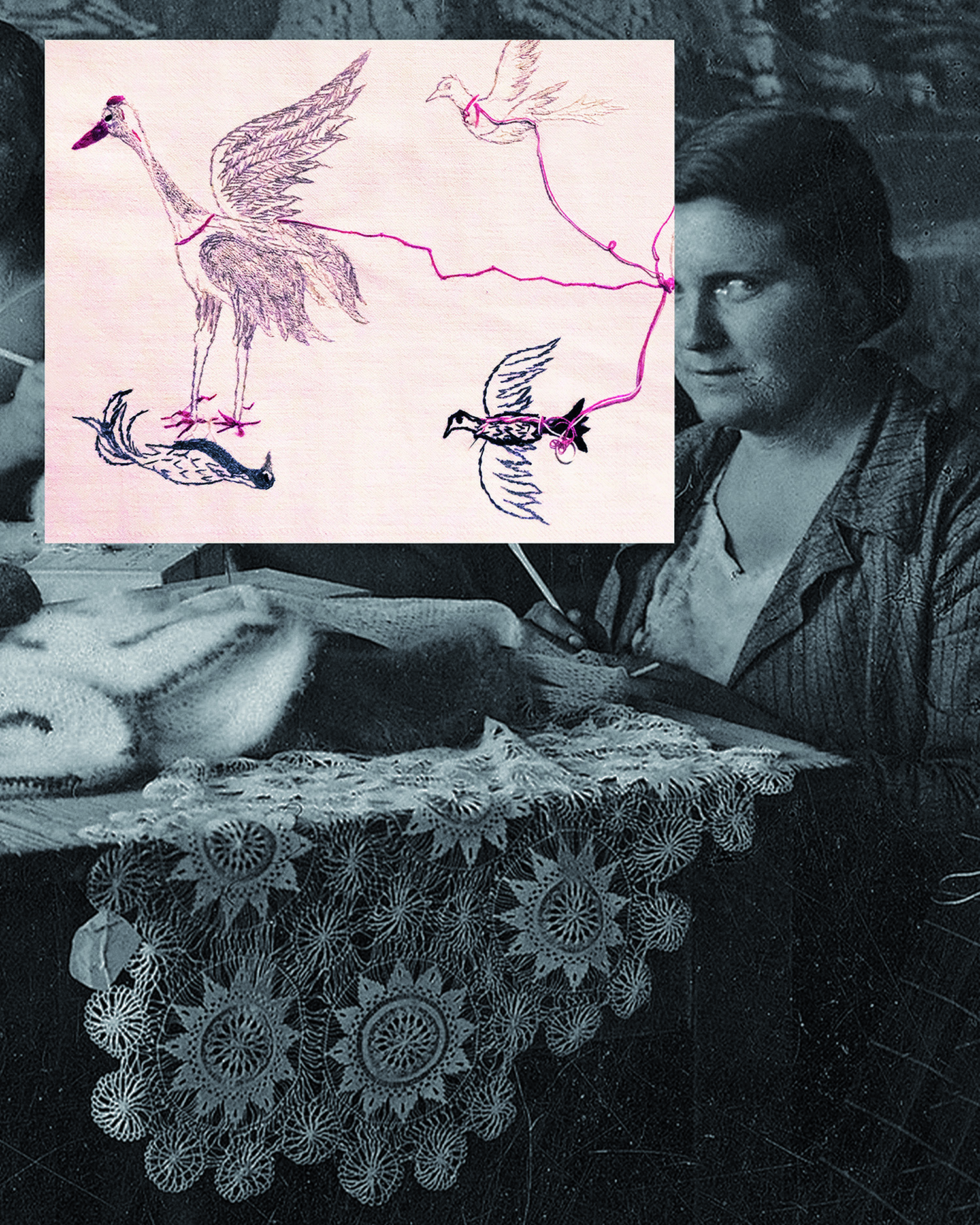
The group show 200×200: Due secoli di fotografia e società (‘Two Centuries of Photography and Society’) is an ambitious alternative history, including images dating back to the medium’s invention and development by William Henry Fox Talbot and Eadweard Muybridge. Arguing that photography has shaped the collective imagination, the exhibition also includes newspapers, posters, films, smartphones and more to highlight image proliferation. Ghostland, another group show, includes contemporary artists such as Sara Bezovšek and Vaste Programme, meanwhile, to consider how images – and screens – interweave with the world in contemporary life. Curated by Arianna Catania, it argues that, in our hyper-mediated age, reality appears as a ‘spectral’ territory
“Arianna is both a visionary director and extremely skilled curator,” says Clark. “Her distinctive Ghostland exhibition will activate the Palazzo da Mosto venue through strong, atmospheric encounters with some really exciting and experimental photographic bodies of work.”
Cutting-edge and contemporary, Fotografia Europea also welcomes new voices; Emilia Martin [3] and Federica Mambrini both won exhibitions in the festival via an open call, for example, while Simona Ghizzoni has been commissioned to make new work by the Palazzo Magnani Foundation and the Municipality of Reggio Emilia. The city also supports the festival by opening up historic venues, this year including a new addition, the Palazzo Scaruffi, a former nobles’ palace. And local cultural institutions also get involved, with the related programme including an exhibition at the Palazzo dei Musei by Luigi Ghirri, exploring what he called “the strange and mysterious relationship between sound and image”.
Ghirri was based in the region, and his archive is now stored in Reggio Emilia, and Clark says his collection, and a history of anti-fascist struggle and child-centred pedagogy, give the city an incisive take on art and critical thinking. “The people of Reggio Emilia are a sophisticated public for photography,” he comments. “It’s a very special context to work in”.
Fotografia Europea takes place across Reggio Emilia, Italy, from 30 April to 14 June 2026.