
Alquimia Textil © Nicolás Garrido
Through light leaks, natural dyes and ancestral Andean knowledge, the artist’s Alquimia Textil becomes a meditation on chance, craft and the quiet resistance embedded in traditional textile practices
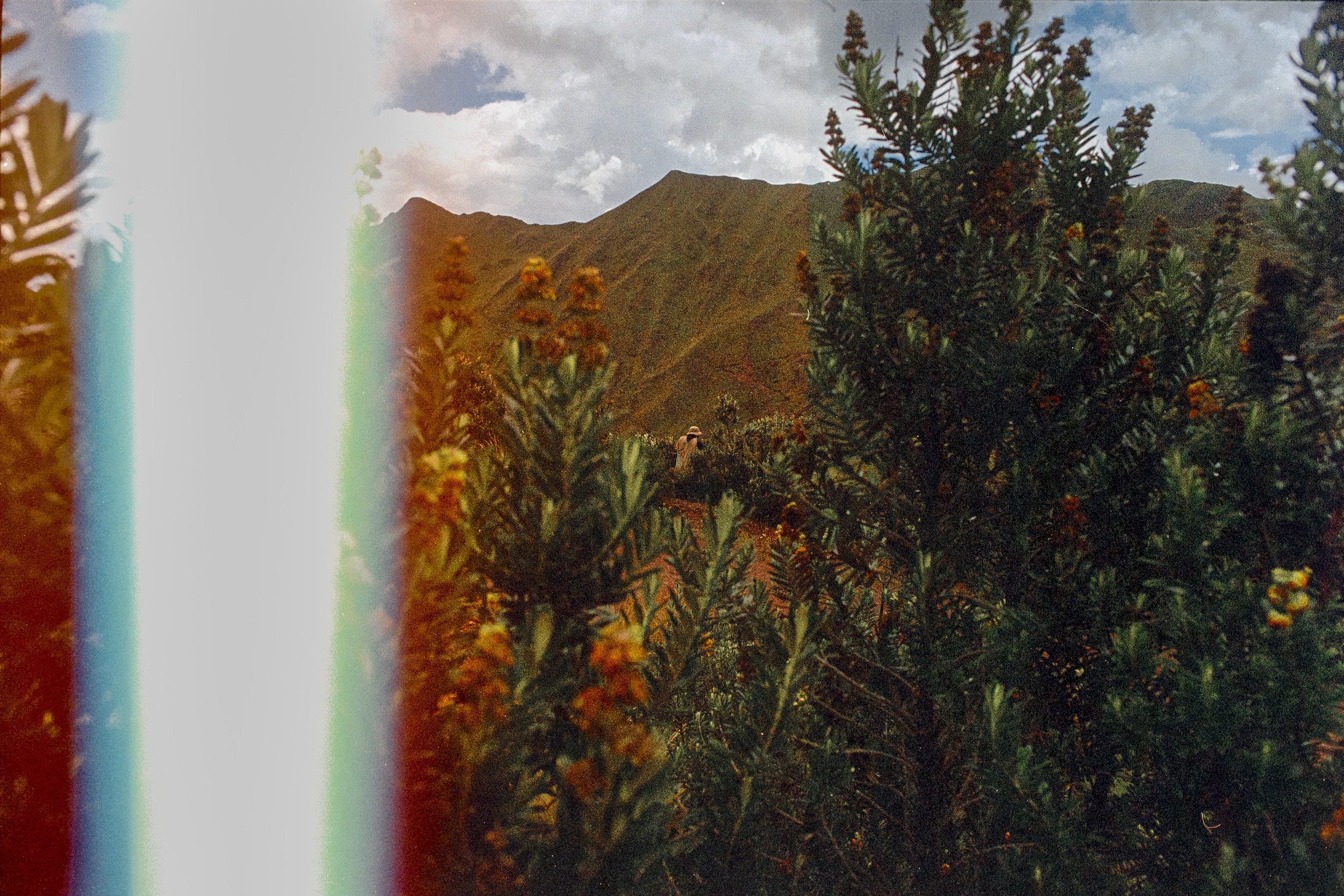
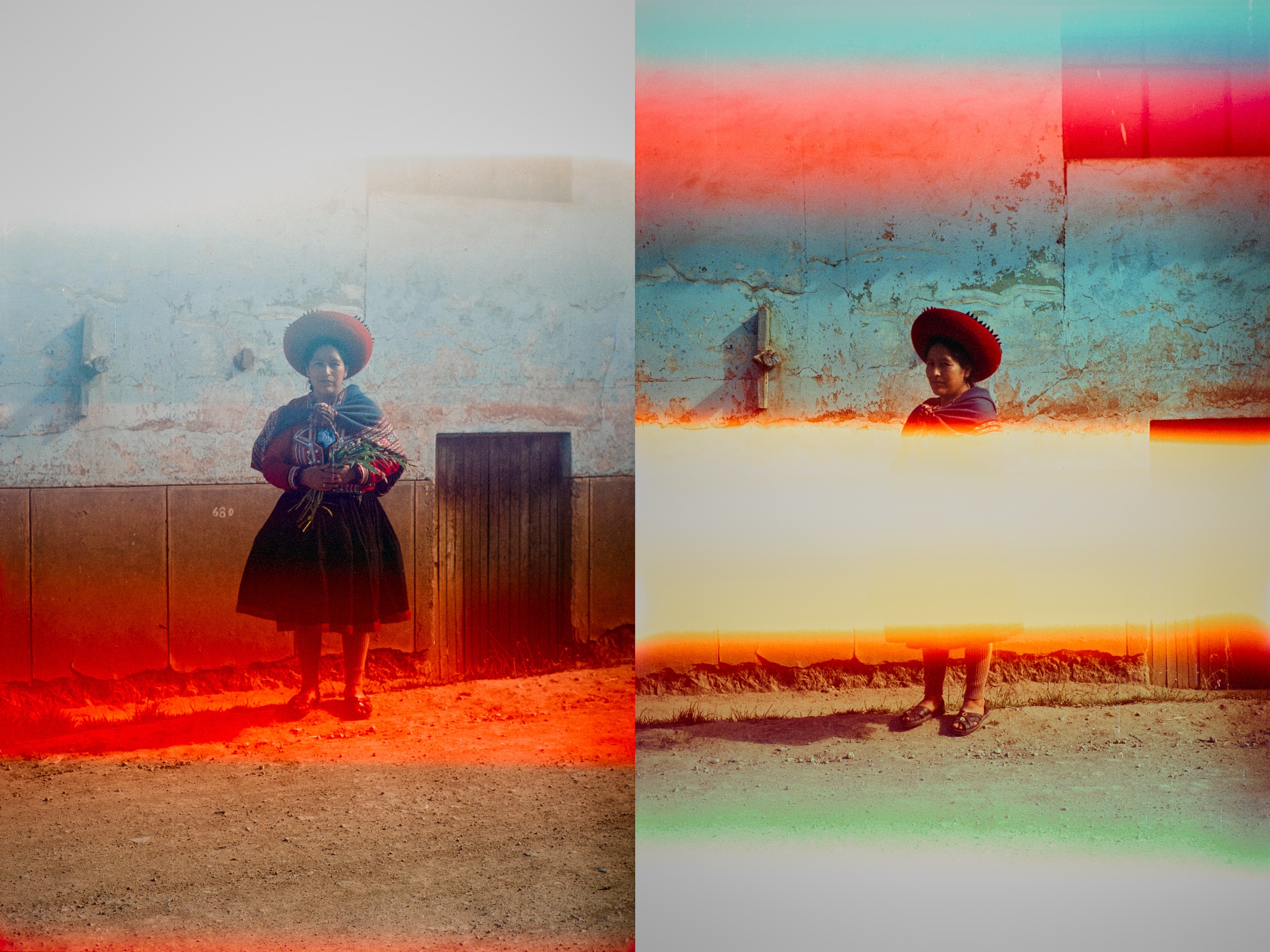
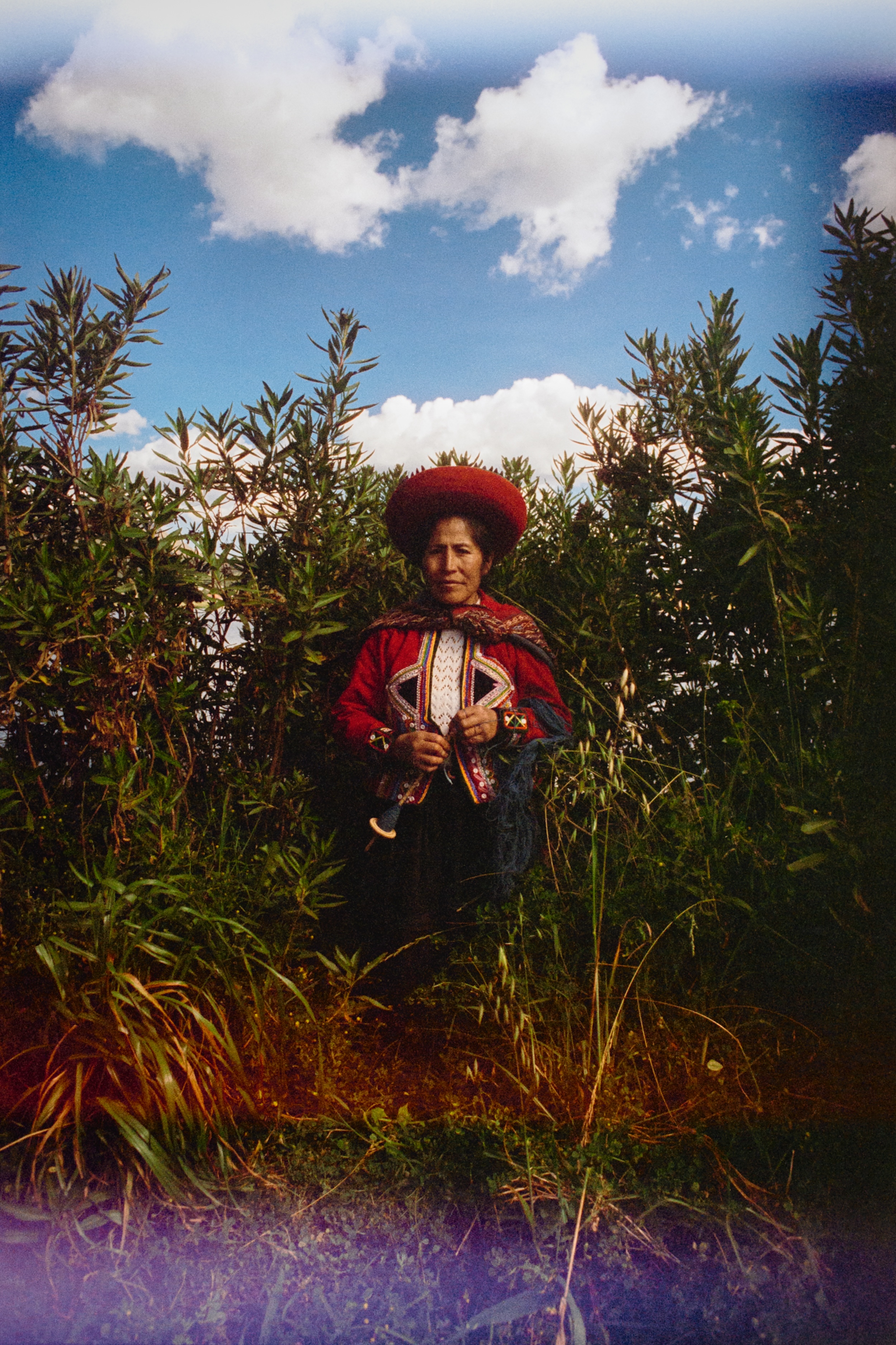
Alchemy is a European word derived from Arabic, which refers to philosophies of quasi-magical change and transmutation aimed at positive, surprising encounters or endings. Accordingly, alchemists are those who preserve and perform the knowledge sustained by alchemy. The project Alquimia Textil (‘Textile Alchemy’) by Peruvian photographer Nicolás Garrido documents the magic of traditional Andean dye extraction and textile dyeing, as safeguarded by an artisan women’s cooperative in Chinchero, Cusco, Pumaqwasim (‘House of the Puma’ in Quechuan). With this project, Garrido creates a visual dialogue with ancestral traditions, memory, the natural environment and materiality.
Garrido took a leap into photography just three years ago from a career in digital marketing, and Alquimia Textil “was born out of the personal need to engage with a long-term project after having done numerous short stories”. To access the Pumaqwasim cooperative and document the ancient technique, he collaborated with the sustainable clothes designer María Lucía Muñoz, who was already researching the Indigenous women’s work. She later became essential in both the conceptual and material features of the project.
The photographer used two film cameras borrowed from friends – a Nikon M-35 and a Mamiya RB67 – but unbeknown to him, the cameras were faulty. When he collected the photographs from the lab, he realised the negatives were flawed, presenting unexpected light leaks that were subtle in some cases, extremely obvious in others. Initially he was disappointed but, after discussing with Muñoz, appreciated that the resulting images echoed the fundamentally unpredictable nature of traditional dyeing techniques. “We realised that these faults added layers of meaning to the work, rather than detracting,” he says. “The digital photographs I took felt too polished.”
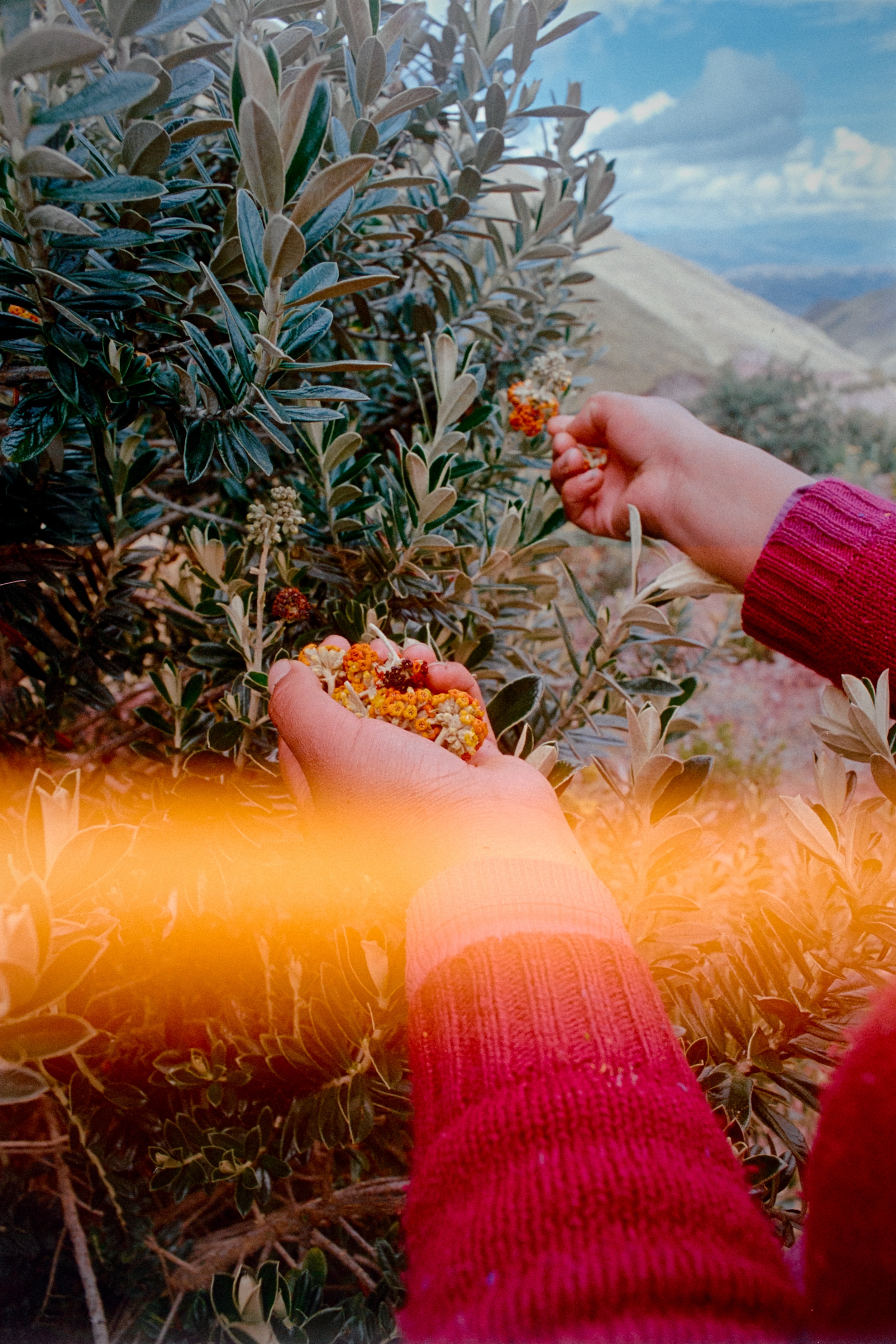
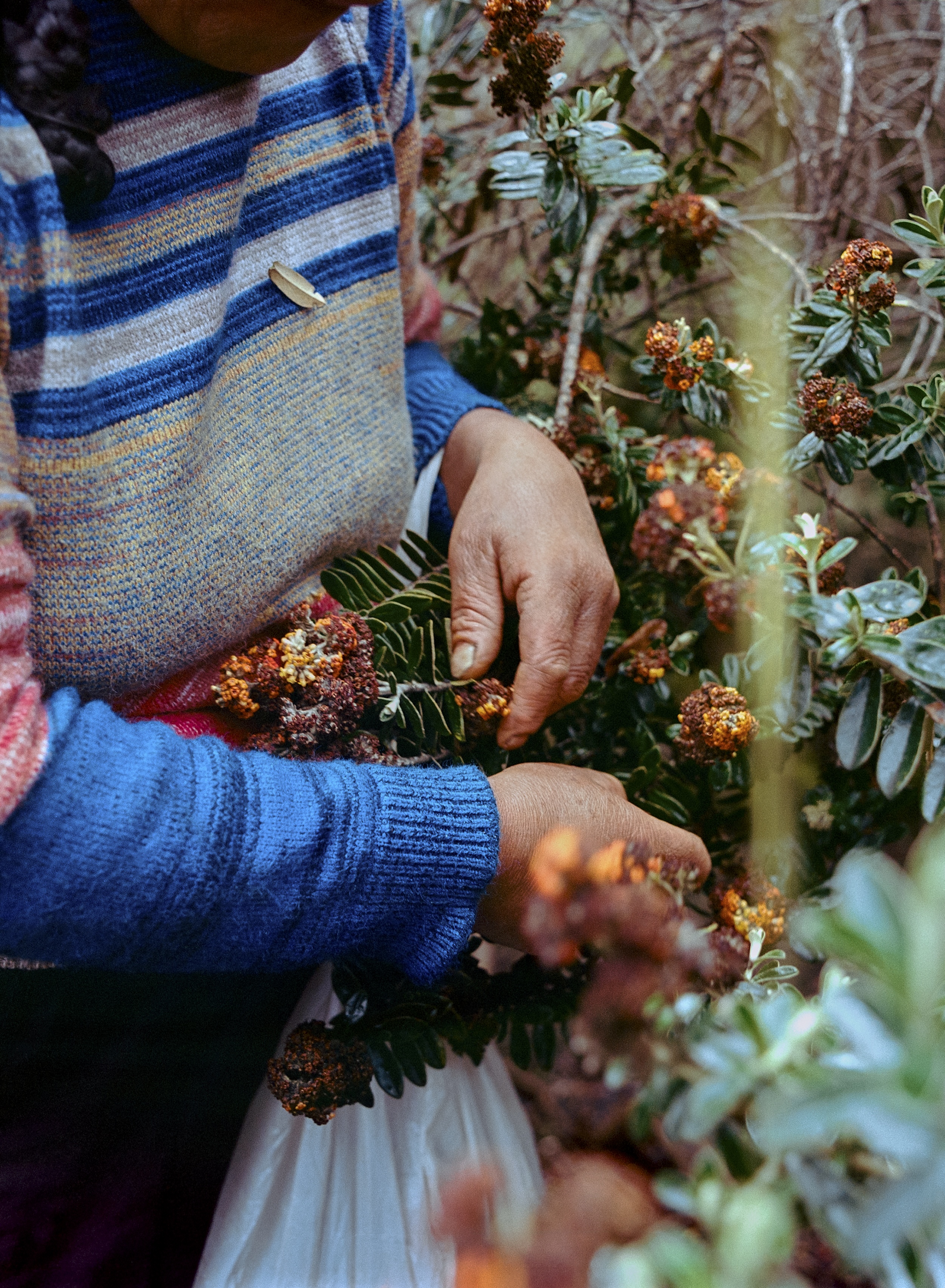
“I’ve learned a lot from chance and letting yourself go”
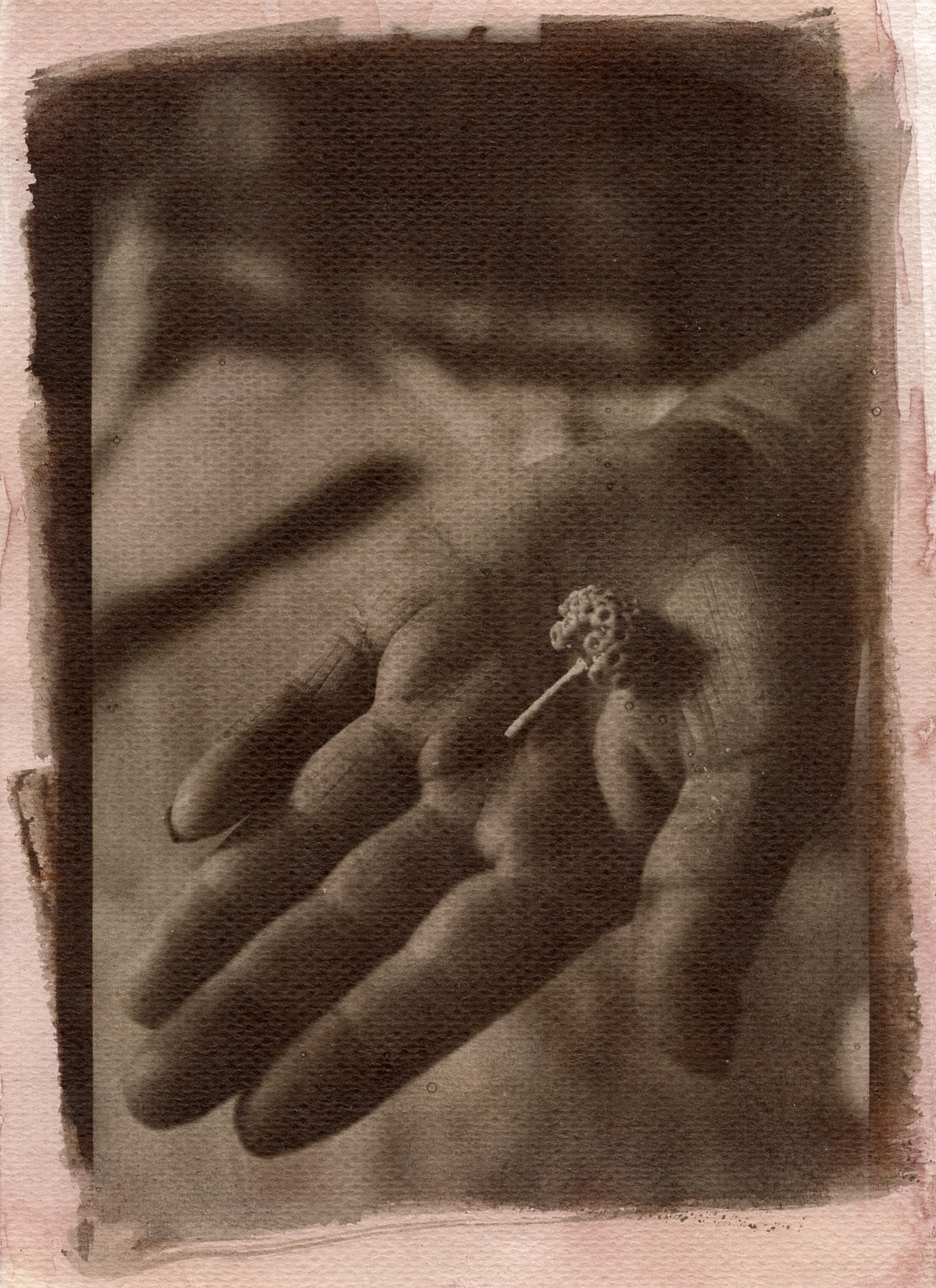
Interested in exploring these ideas of trial-and-error still further, he began to experiment with the natural dyes procured by the women. They specialise in harvesting cochineal insects, and the fruits of qolle and ch’illka, two native plants endemic to the High Andes. All three are then transformed into red, ochre and green tints respectively, and used to dye natural fibres. Garrido used the colours extracted from the plants and insects to prepare his materials, trialling fabrics and paper and allowing the materials to lead the process. He then printed using the early Van Dyke process. The volatility of the natural inks made each image unique, further connecting his work to the conceptual unpredictability of the dyeing process. “With this project I’ve learned a lot from chance and letting yourself go,” says Garrido. “Also, how to listen to what the project requires of you.”
The artisans’ work is not only about natural dyeing, it also covers resilience, humility, environmental stewardship and ancestral knowledge, and the importance of preserving such insights for future generations. Equally, Alquimia Textil does not just document an ancient process. The photographs become vessels to celebrate slowness, emphasising the craft that goes into image-making as well as dyeing. The photographs also visualise the Indigenous women’s quiet resistance against the industrialisation of textile processes, and its ultimate manifestations – fast fashion and the climate crisis. But these traditional processes are not untouched by these negative effects. Each year the blossoming and therefore harvest of the flowers and plants happens later, owing to climate change.
In 2025, Alquimia Textil was awarded a Sony World Photography Award in the Environment category. It has been both a personal and professional affirmation, reassuring him about leaving a secure job to pursue photography, and about exploring and trusting the process. “I want to continue researching the materiality of photography,” he says. “While making it all more environmentally sustainable.”