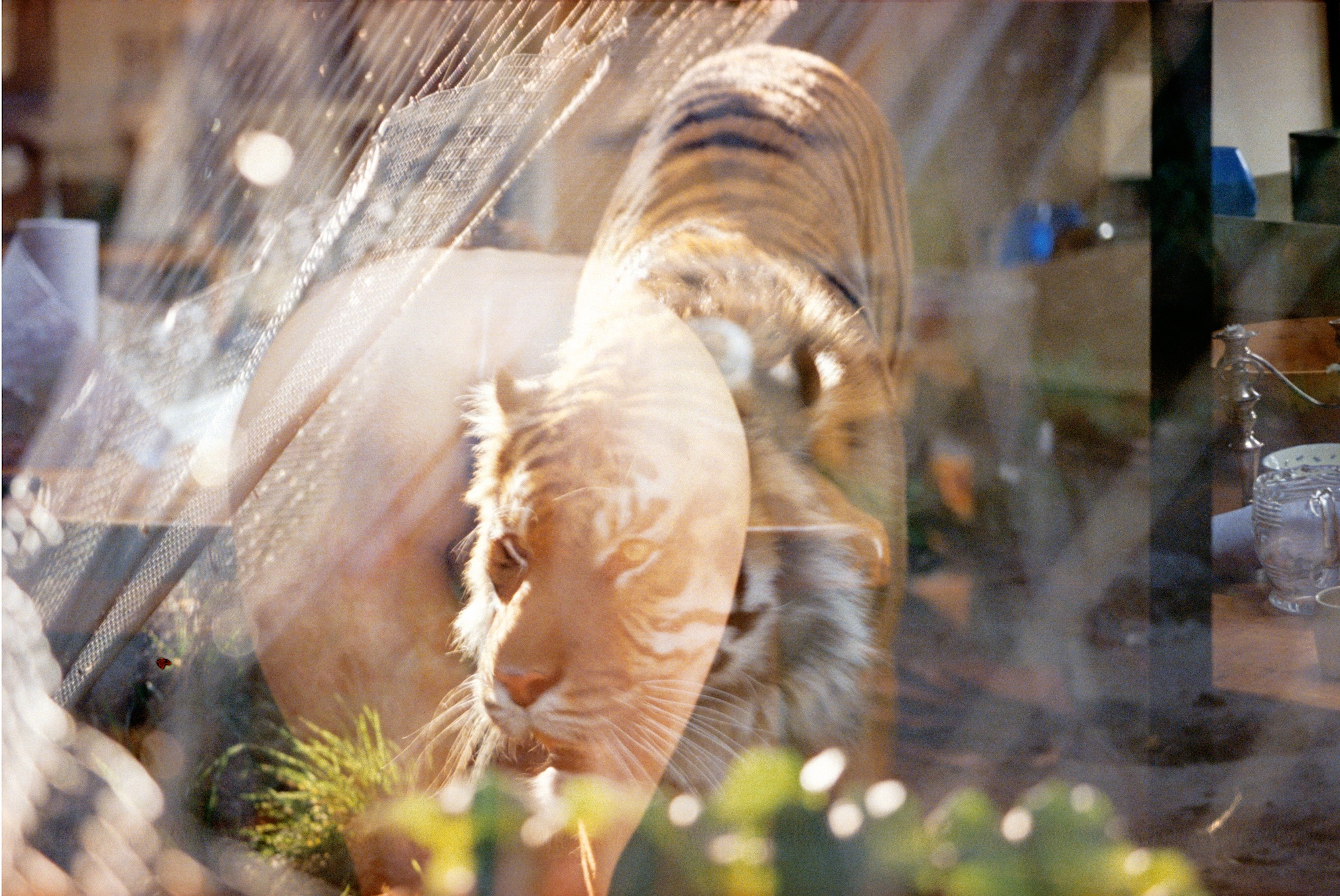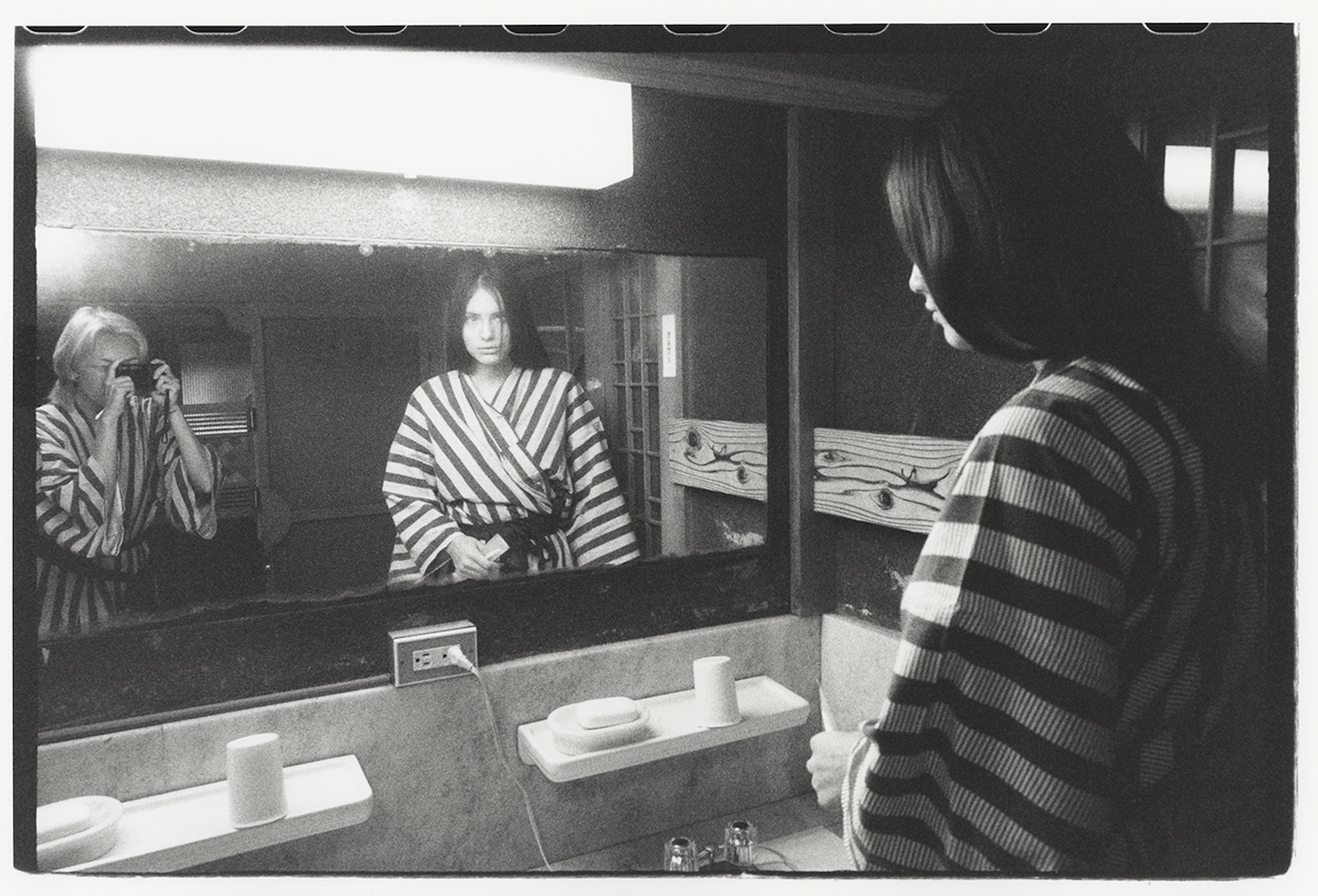

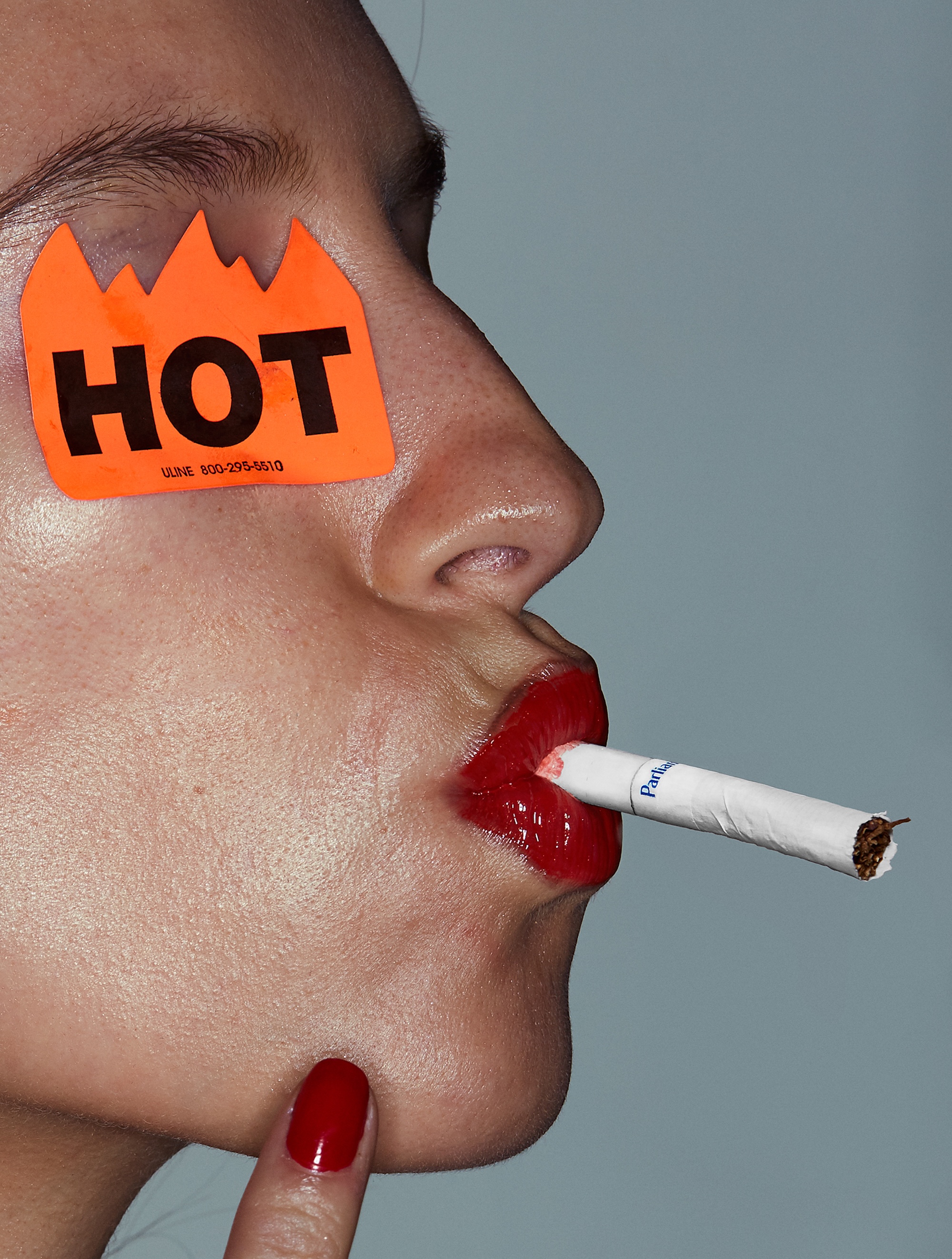
Image © Donna Trope.
Hanna Moon, Moffy Gathorne-Hardy and Sarah Dawe join forces to set up a multigenerational agency to challenge the industry’s status quo
The Other Room is a new agency, set up by photographer Hanna Moon, writer Moffy Gathorne-Hardy, and agent and artist advisor Sarah Dawes; its name is inspired by Virginia Woolf’s A Room of One’s Own, which argues that “A woman must have money and a room of her own if she is to write fiction”. The Other Room aims to give female creatives that space, and therefore the opportunity to pursue their work on their own terms; the opening roster includes photographers Donna Trope, Leigh Johnson, Sandy Kim, and Hanna Moon, plus artist Frances Waite.
The project includes a publishing platform, The Other Times, which features an opening essay by Gathorne-Hardy, and will soon add an interview with author Chris Kraus and an essay by curator Charlotte Cotton. Cotton helped launch the project at London’s ICA in October, in an event also featuring editor and creative consultant Isabella Burley, and writer Gem Fletcher. “It was really special,” says Moon. “It was an interesting crowd, three men out of 100 people.
“People really wanted to get advice, but also share what they thought on some quite sensitive subjects. So they asked practical questions, but also brought up topics such as shame, and why do we feel it, and how can we get through it as artists. It felt like it was a safe space, that people were able to open up.”
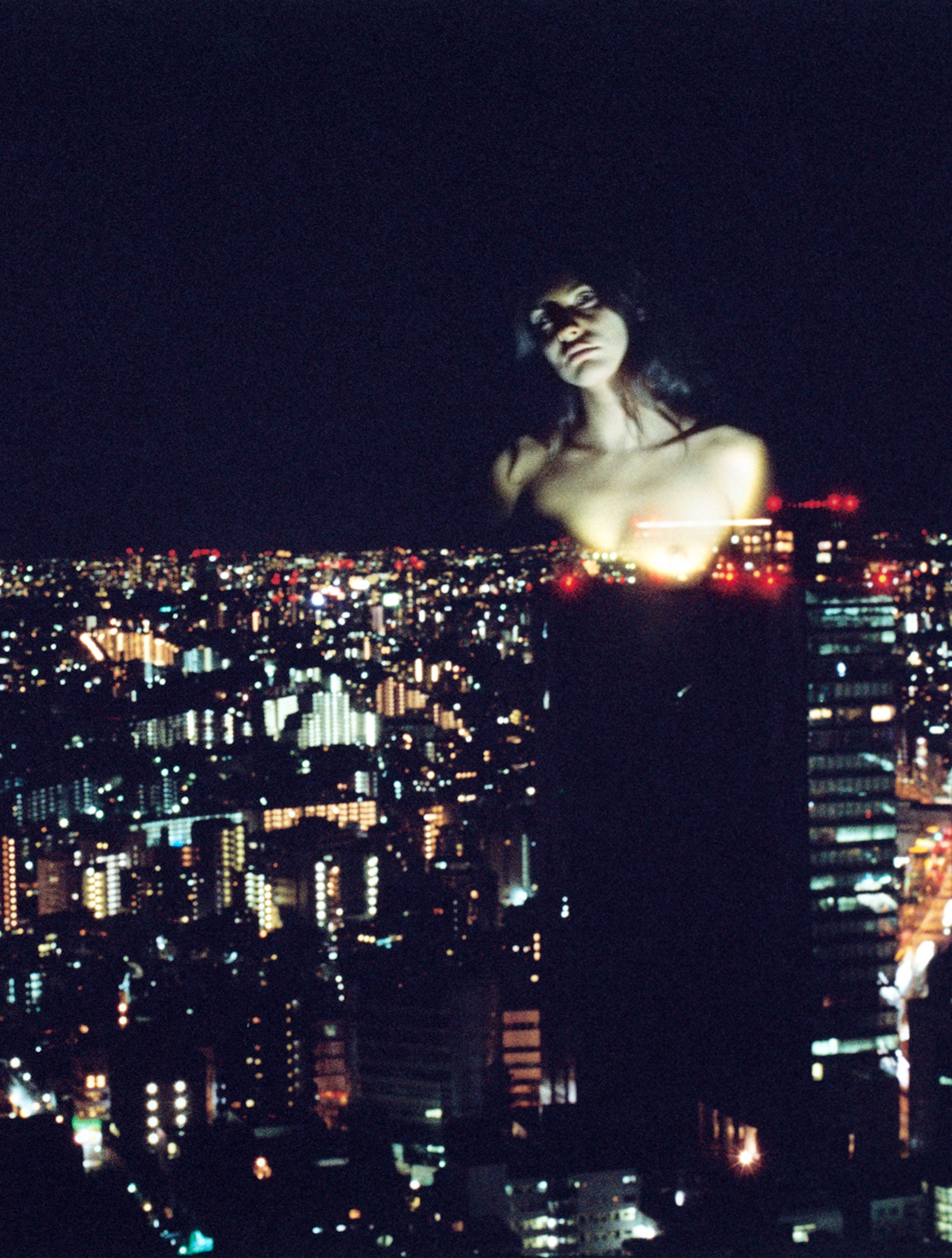
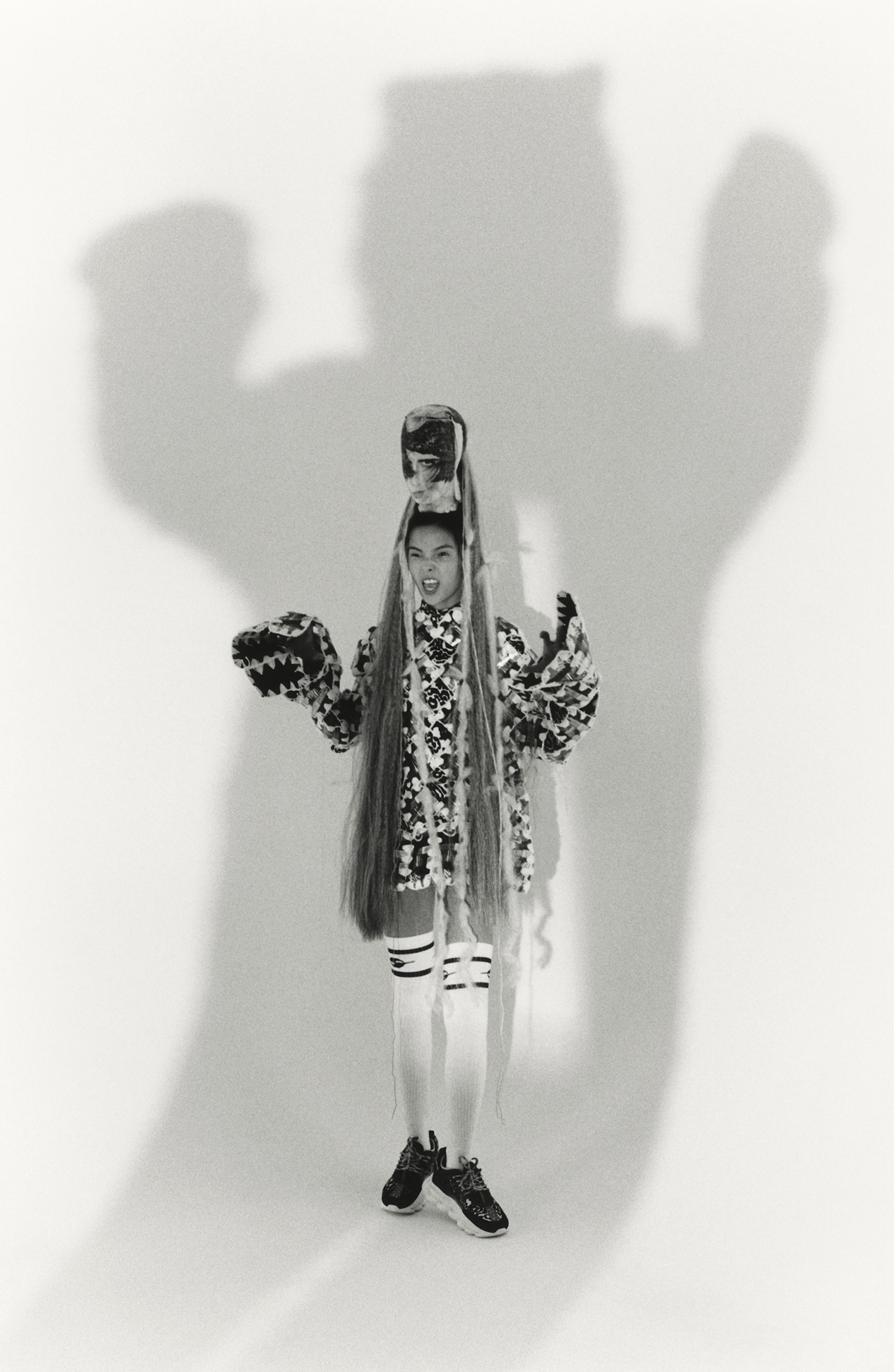
“We are kind of midway, things are happening but we have to take the next step. Which is towards female ownership” – Hanna Moon
Moon and Gathorne-Hardy have worked together for about 15 years, dating back to when Gathorne-Hardy modelled and Moon liked to photograph her. Keen to set up something made for women by women they toyed with opening a gallery, then landed on an agency as “something we could do that would actually be useful”, says Gathorne-Hardy. Looking for an agent to help they “got really fucking lucky” that Dawes was interested, she adds; Dawes is a well-established industry figure, known for her long association with David Sims. “She knows how to get through the industry, and how to have a career as a mom, which is such a big part of running a female-only agency,” says Moon. “It’s inspiring to have her on our team.”
Moon is a dynamic image-maker, whose clients include brands such as British Vogue, Dazed, AnOther, Marc Jacobs, Miu Miu and Nike; she also publishes A Nice Magazine, which recently returned after a hiatus, and has included issues on the female gaze. In 2018 she joined forces with another friend, Joyce Ng, and they exhibited their work together at Somerset House. Female-only exhibitions, galleries, and editorial projects have some precedents, but a female-only agency is something new; the industry is still dominated by male photographers – and behind-the-scenes bosses and financiers – and where women photographers, and those from other underrepresented groups, have progressed they are often still underpaid.
“Currently I think we are kind of midway, things are happening but we have to take the next step,” says Moon. “Which is towards female ownership.”
The artists represented by The Other Room span generations, including image-maker Donna Trope, who is in her seventies; this is common among female creatives, say Moon and Gathorne-Hardy, because women’s careers often do not follow linear trajectories, especially if they have had children. Part of The Other Room’s work is therefore in combating ageism, in questioning what it means to be ‘emerging’ and in reaffirming an artist’s worth after she has taken a break. Moon and Gathorne-Hardy point out that seniority can bring benefits, such as experience and knowledge, though they add it does not determine how an artist’s work looks. Trope’s images are brightly coloured and punky, says Moon; she is, says Moon, “the coolest”.
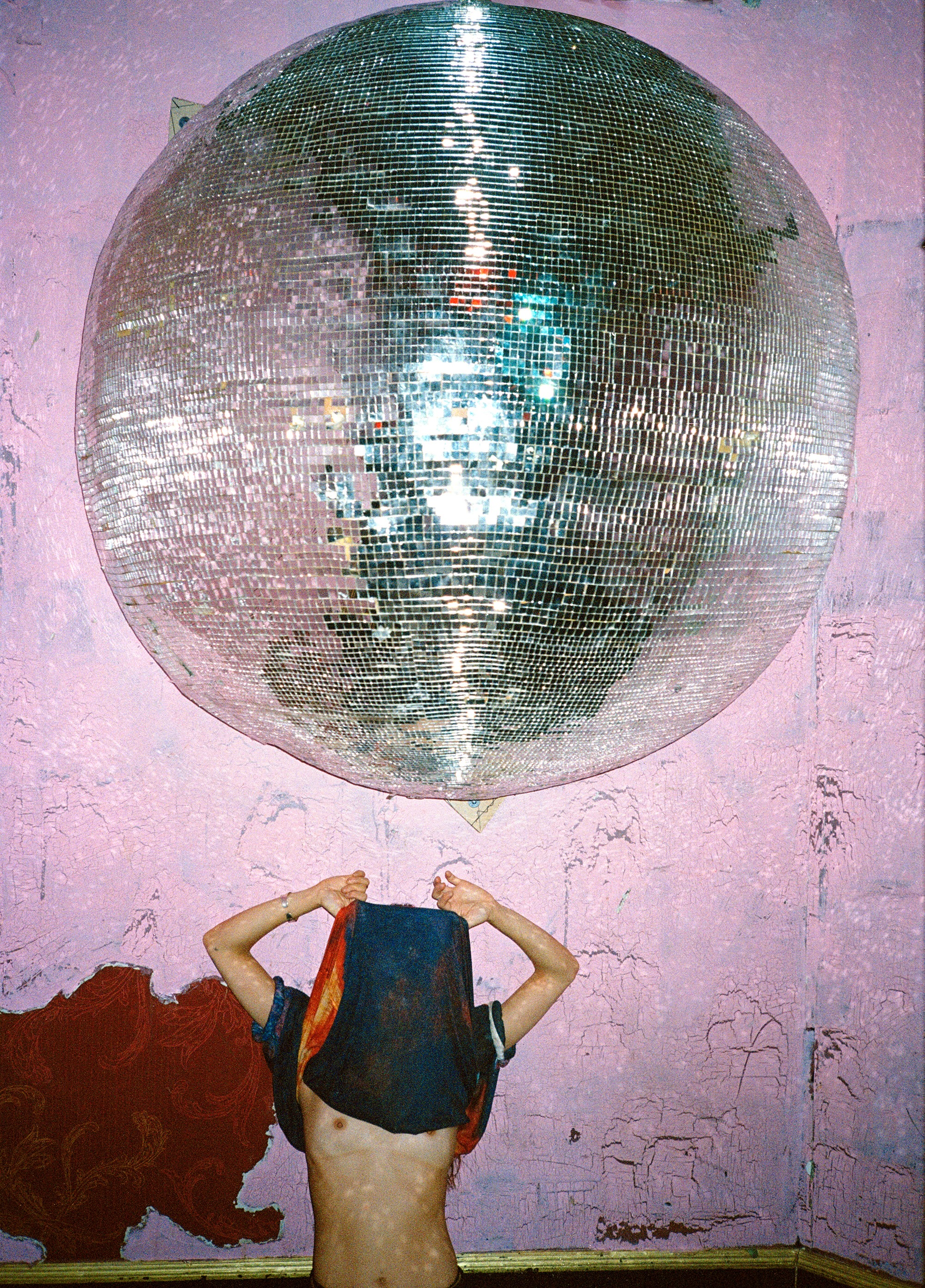
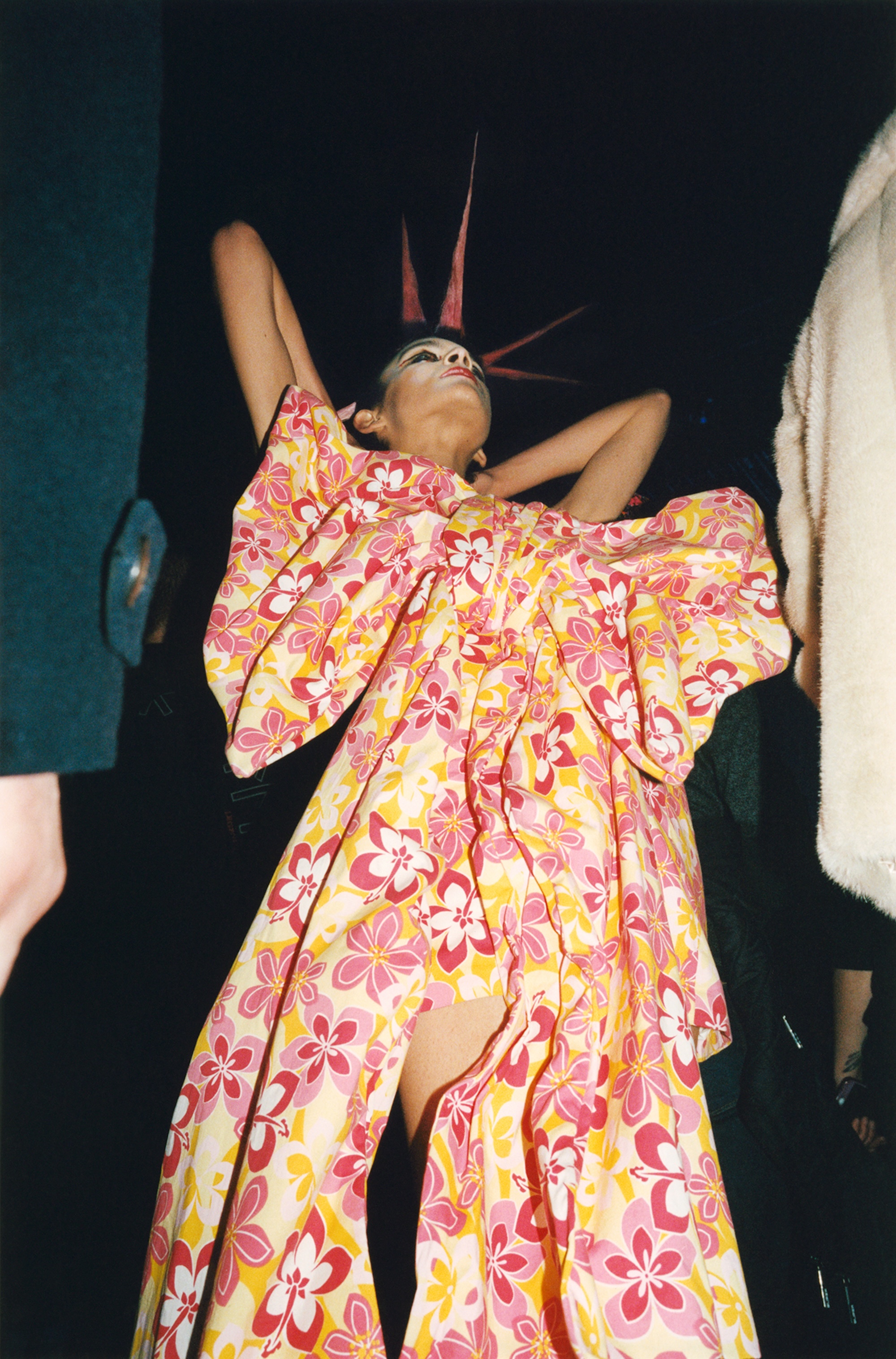
Moon and Gathorne-Hardy want to make changes, but are also realistic about the pace of change, and about everyone’s need to earn a living; they are keen to start making things happen, they say, rather than just complaining, or fantasising about dream scenarios. “We are a business, so we have to make it sustainable,” says Moon. “We have to find the balance of what can actually work in this industry. We can’t be fully punk, we still have to operate within the system, while changing it.”
“It’s not social work!” adds Gathorne-Hardy. “Everyone we have signed, we want to represent because we think they are great artists making meaningful and exciting work.”
The Other Room is charging artists 20 per cent of their fees, a standard rate in an industry where some agencies go as high as 50 per cent; it has adopted a looser contract than the norm, allowing artists to immediately stop paying fees if they leave, rather than tying them in for months after exit. The agency has started out with five artists as this is “what we can really afford”, says Gathorne-Hardy; they are keen to keep the numbers small, so that everyone gets proper attention. They are also keen to keep the workloads manageable, rather than pushing creatives to pump work out. “That’s what I experienced when I was a fashion photographer, just working back-to-back, and then the quality goes down,” says Moon. “We want to be more strategic about what artists do.”
She believes the whole industry needs a rethink because the old business models no longer fit; she points to the time and money photographers put into making editorial shoots, arguing that they no longer necessarily win money jobs off the back of them. “We have to stop overproducing and think about where the resource is going,” she says. “Now there are key events in key cities, art fairs and fashion weeks which everyone goes to. For example, Donna is showing work in Paris Photo, so we will be there. We have to read the industry and adapt.”