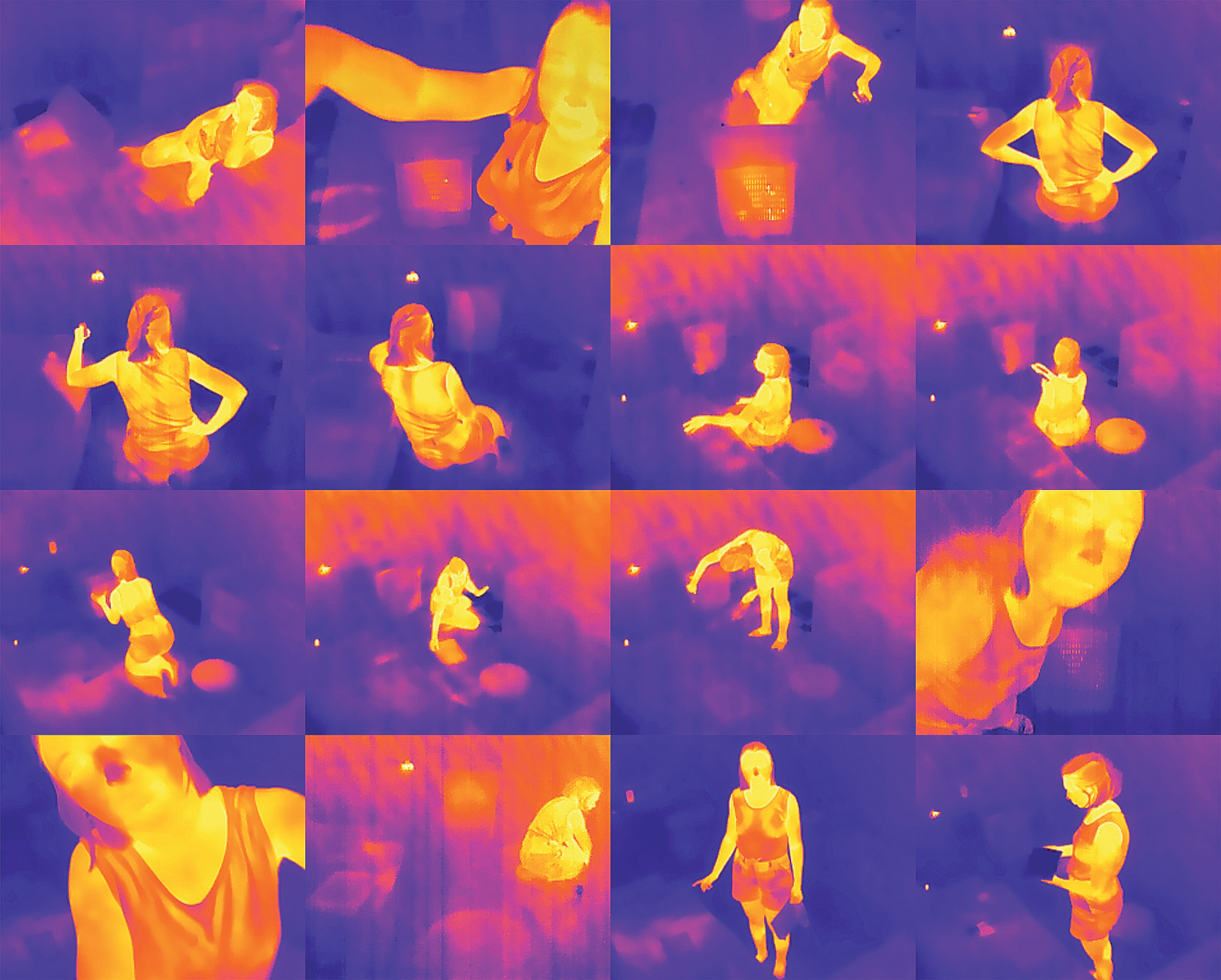

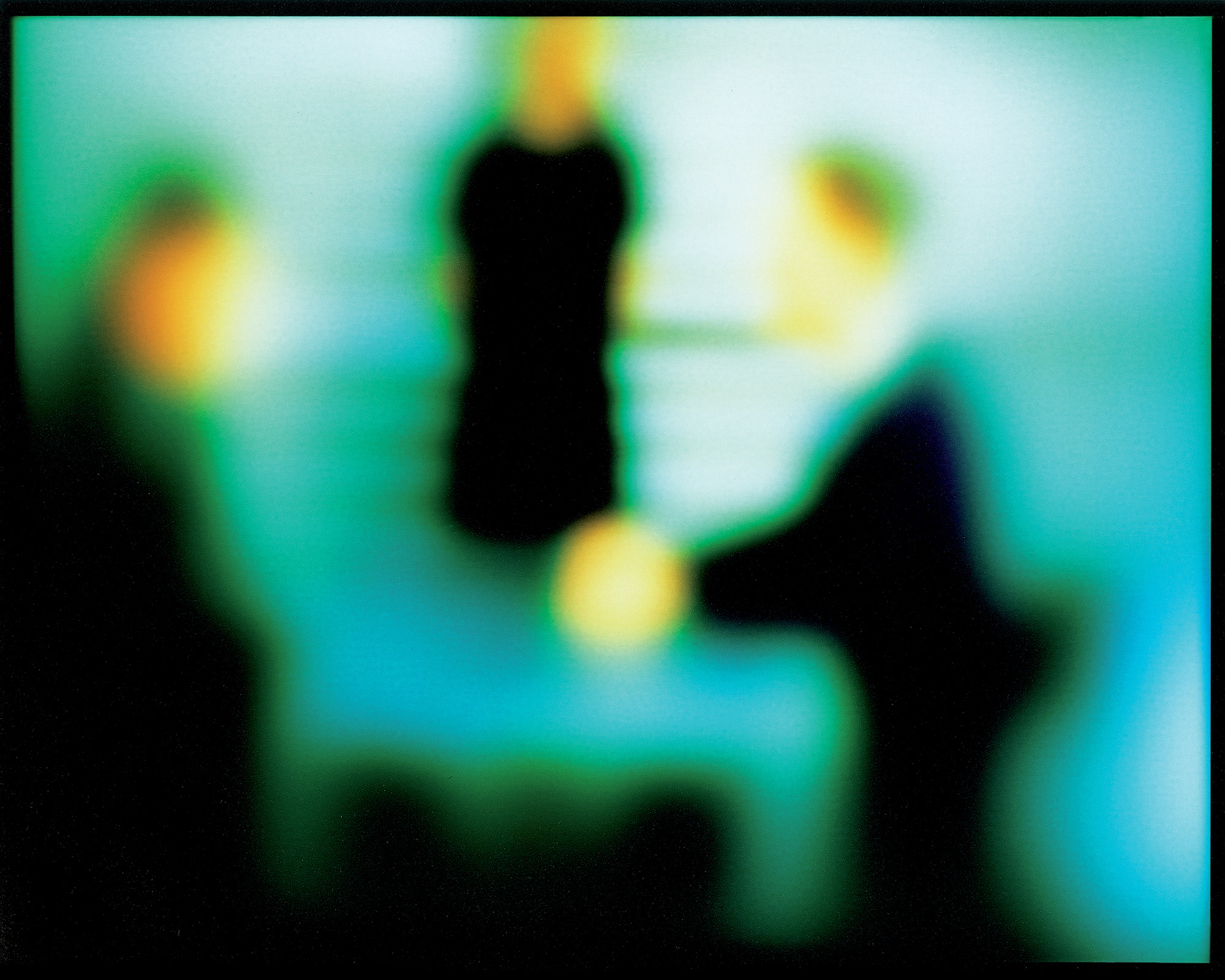
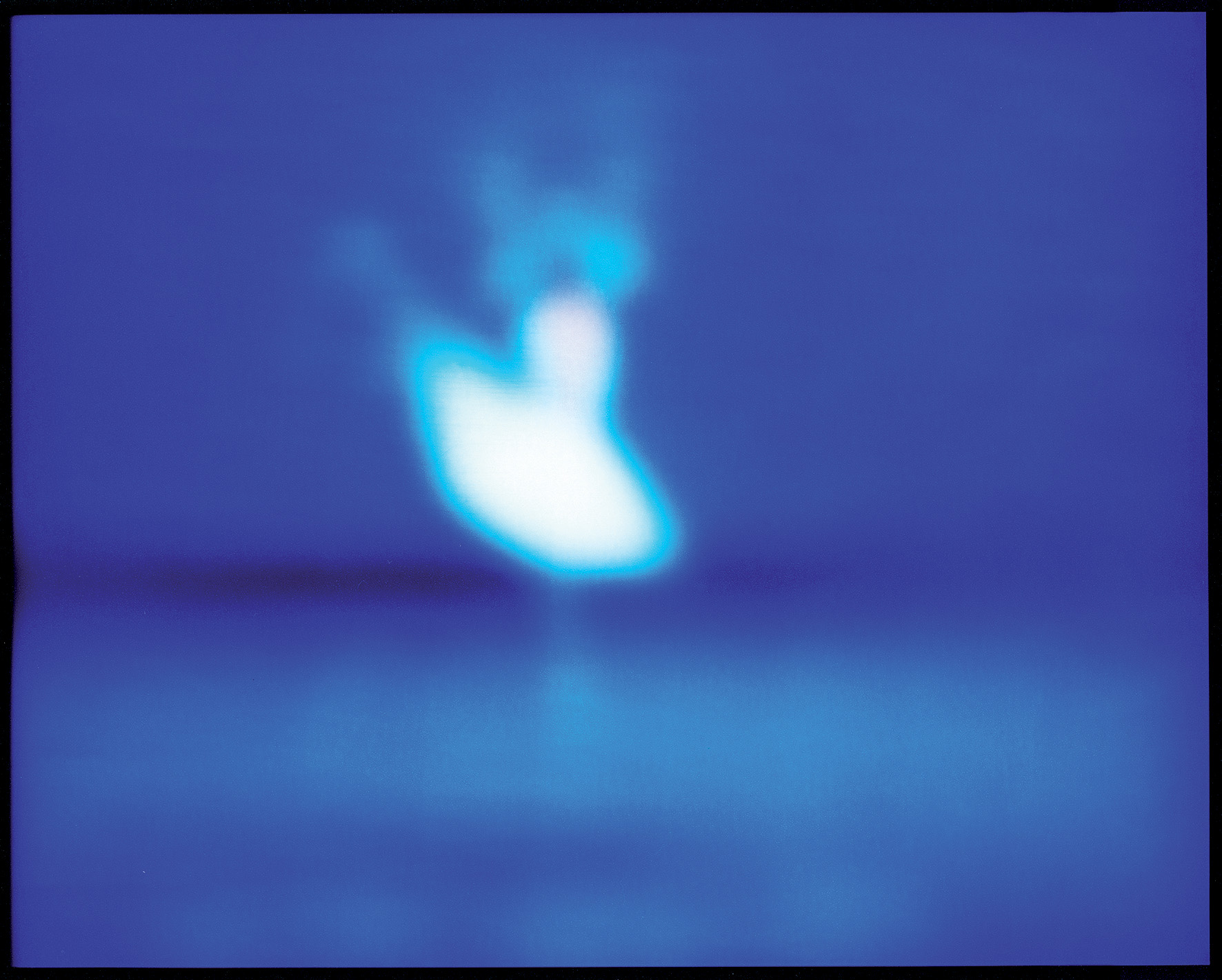
All images © Maria Quigley.
Unique images are created inside her grandmother’s St Petersburg apartment
In Russia, Maria Quigley’s grandmother is known as a ‘Блокадница’ (‘siege survivor’), a name given to those who lived through the Siege of Leningrad. She was just a baby when the blockade began in 1941, and its brutality over two years and five months left her deaf in one ear. Today, she lives out her days in a small Soviet-era apartment on the outskirts of St Petersburg, watching TV with headphones at such a high volume that Quigley can hear the fuzz of drama through her bedroom wall.
“In this apartment there is always a television on,” says Quigley, who was born in St Petersburg in 1995 and moved to London aged five with her mother. She has returned to visit her babushka at least once a year ever since and, following the escalation of the war in Ukraine, has become preoccupied with how ideology creeps into people’s homes, relationships and everyday lives through the media.
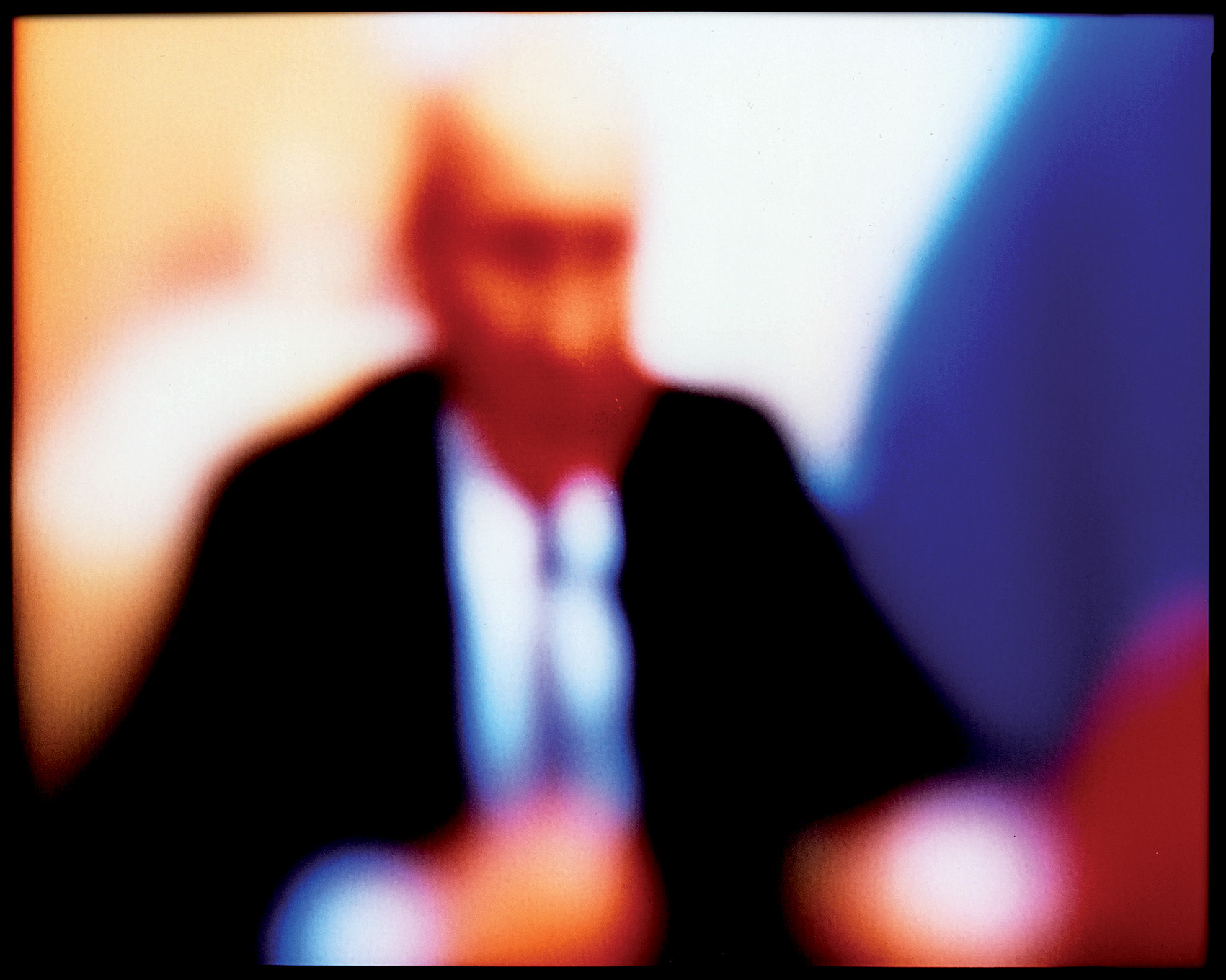
“The actuality becomes a sign of itself, removing itself from its original truth to replace it with a message that feels true because it’s based in a signal of emotion” – Maria Quigley
After years of research and trying to figure out how to capture this, Quigley landed on the idea of placing photographic paper directly onto the TV screen. Blacking out her childhood bedroom, she set up the TV set she watched as a child – “my first real understanding of the wider world” – and followed her grandmother’s viewing schedule, tuning in to the films, spy dramas and game shows she had circled on the daily listings.
The process takes around 30 minutes per print, and Quigley has now amassed over 600; they belong to her project and photobook Eighteen Moments of Spring, which explores how media, state-curated narratives and screens generate “prosthetic memories”, ones that “were never ours through organic means, but through inorganic means, such as screens”.
The title references Seventeen Moments of Spring, a Russian TV series from 1973, which blended Second World War archive footage with fiction, drawing in millions of viewers; it is often rescreened on Victory Day, when Russia commemorates the end of WW2.
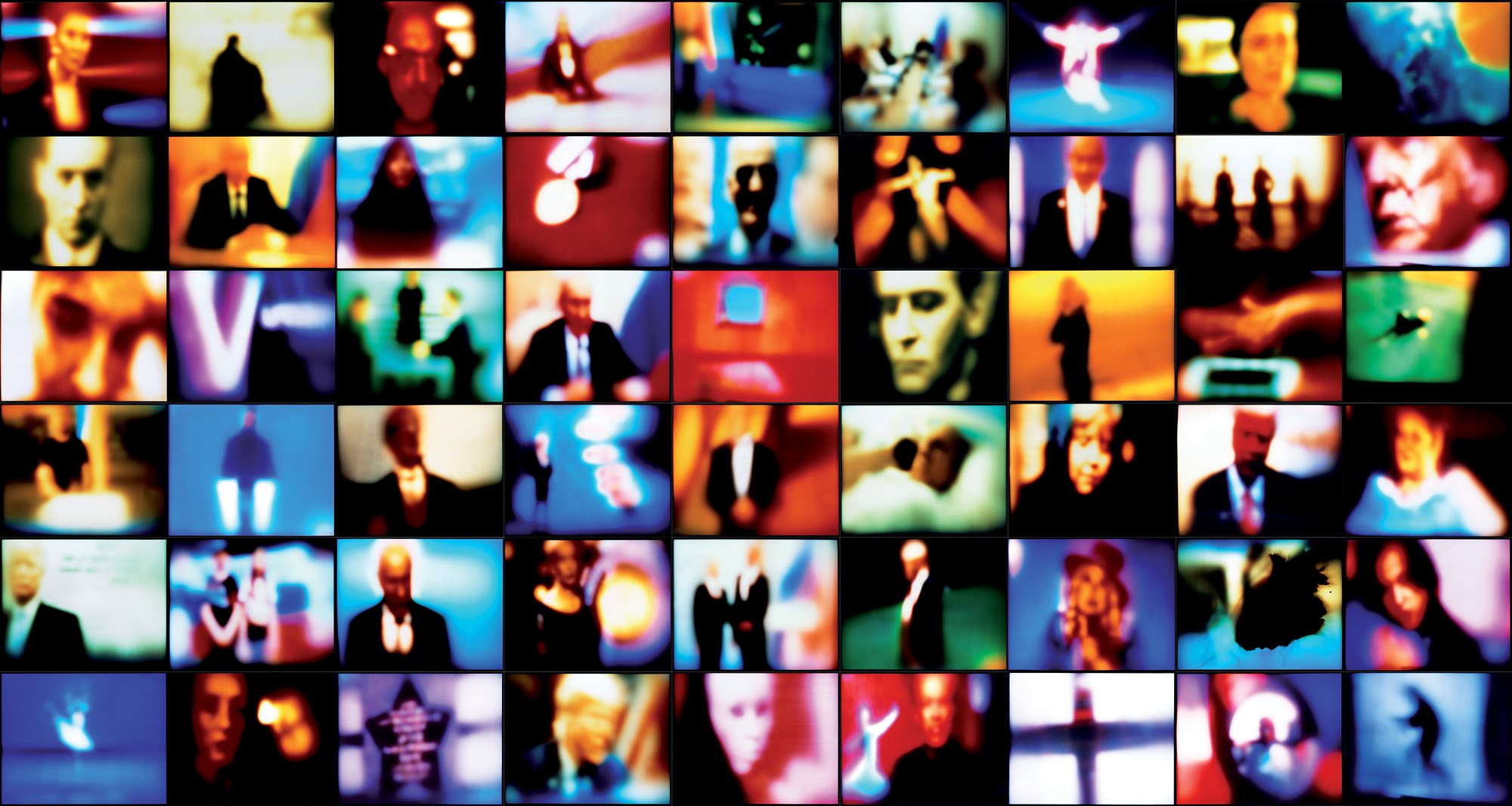
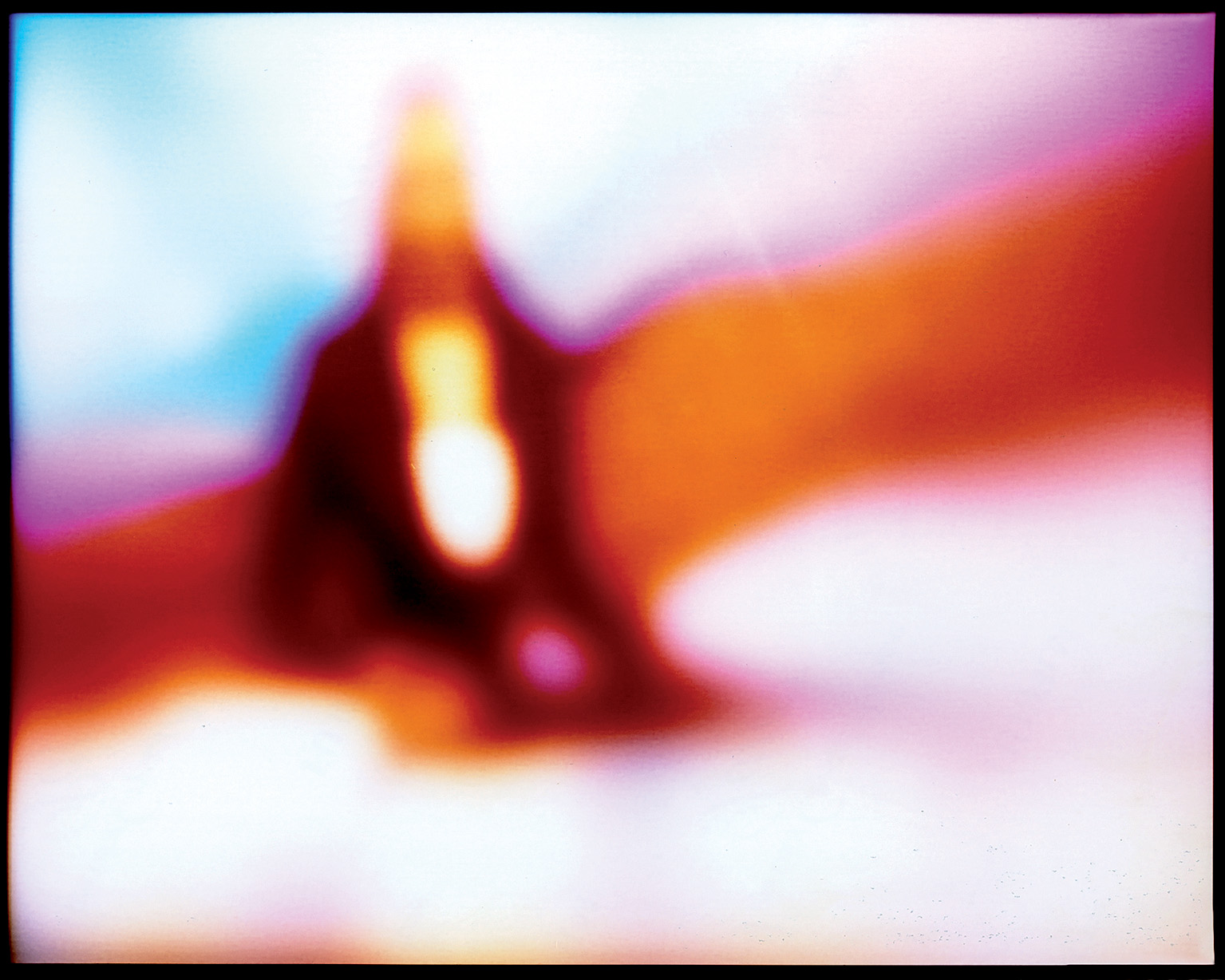
Nostalgia is an important strand in the project, says Quigley, because, if managed, it can become an emotional shorthand, pushing viewers’ buttons to make what they see feel true, even when it is detached from reality. “The actuality becomes a sign of itself, removing itself from its original truth to replace it with a message that feels true because it’s based in a signal of emotion,” she muses.
Quigley is publishing her project as a book with GOST, but plans to continue making prints until the war ends, working against increasingly difficult travel restrictions to visit her babushka. “Our family home is the only Russia I’ve truly known,” she says. “The wider Russia I have experienced is through the screen, here or in the UK.” The project is not an attempt to explain Russian propaganda; rather it explores how mediated narratives shape memory and history, as they play out in real time in one home.