

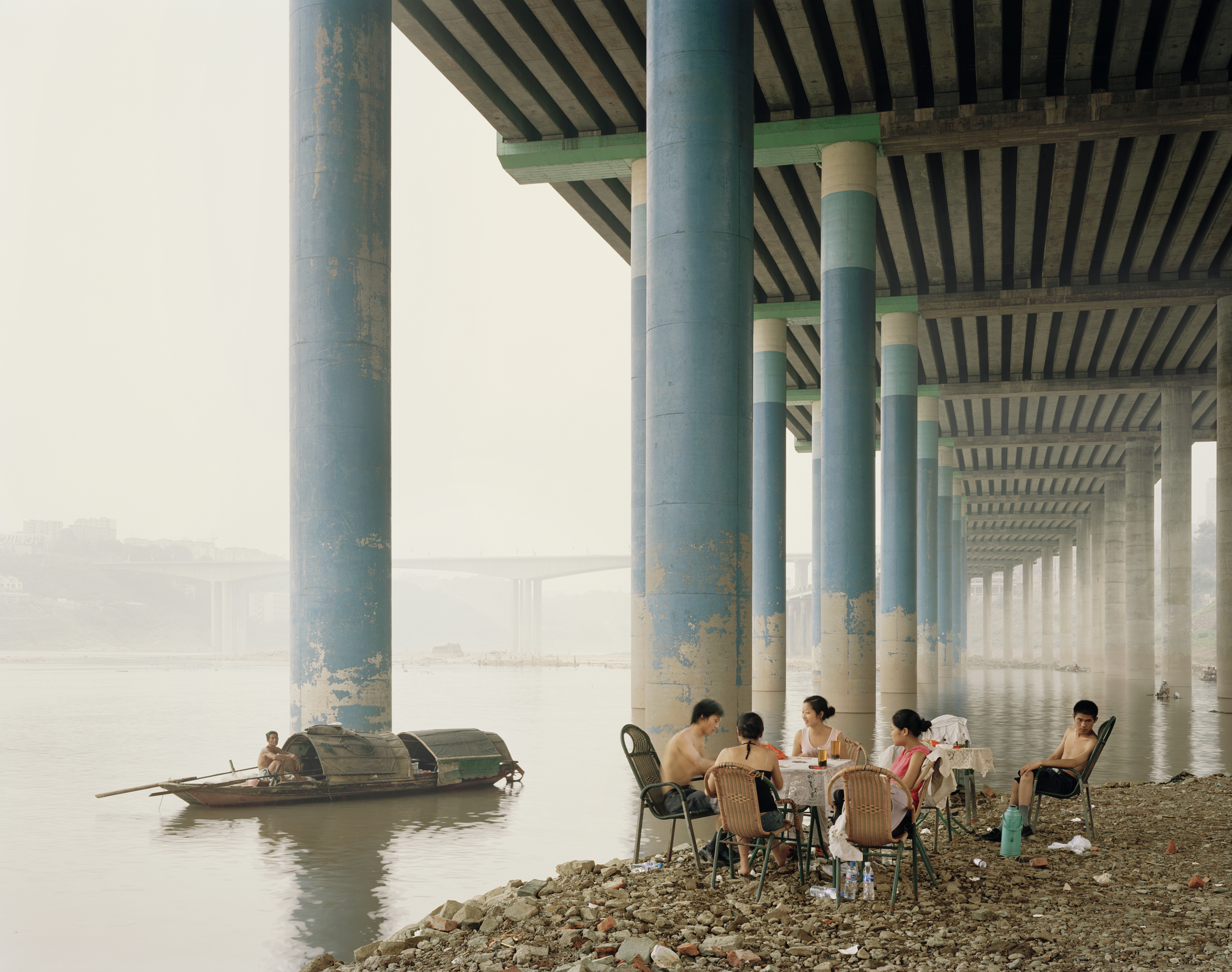
© Nadav Kander
As photography marks its bicentenary, the 11 Prix Pictet laureates demonstrate the different ways an image can draw us into the environmental and social questions shaping our world.
Two hundred years after Nicéphore Niépce fixed the view from his window, what can a photograph reveal beyond the scene in front of the camera? And what can photographers do to get our attention in an age when we are deluged by images alongside a continuous flow of fake news and misinformation? Can artists cut through all this to help us face the urgent challenge of climate catastrophe? Environmental destruction is extensively photographed, yet familiarity can dull our response. Does photography retain the power to bring about change, or to bring audiences into meaningful dialogue with the issues it depicts?
The 11 laureates of the Prix Pictet offer different approaches to these pressing questions. Founded by the Pictet Group in 2008 to draw attention to sustainability, the prize has recognised work encompassing documentary observation, constructed images, collaborative portraiture, thermal imaging and historical processes. Its successive themes, from ‘Water’ to ‘Storm’, connect environmental pressures with the societies that produce and experience them.
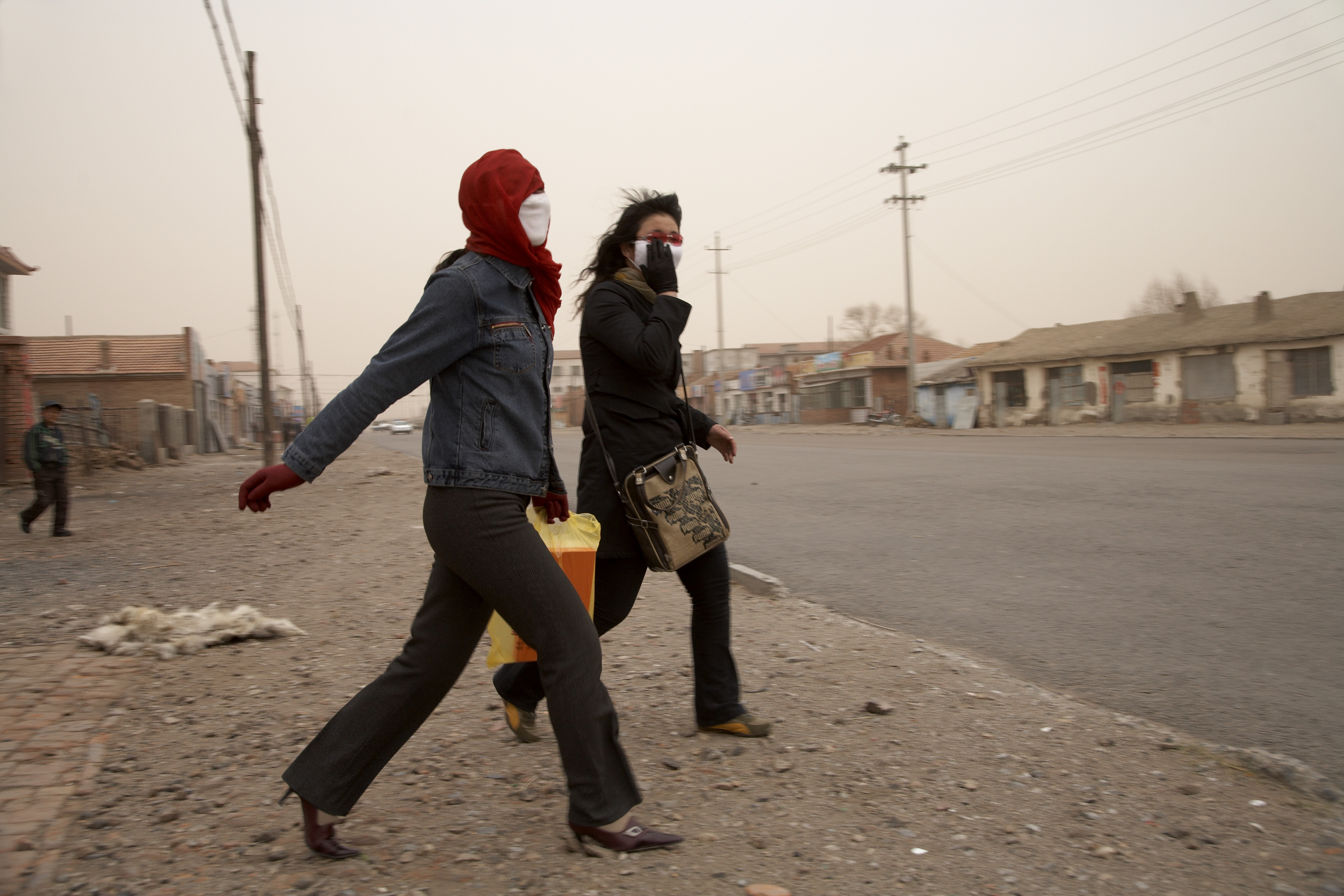
The inaugural winner, Canadian photographer Benoit Aquin, approached the issue of desertification in China through its effects on the people living with it. His winning series, The Chinese ‘Dust Bowl’, traces the consequences of intensive cultivation, overgrazing and depleted water supplies. Aquin’s photographs show people going about their lives amid dust storms caused by the loss of fertile soil. Carried by the wind, that soil becomes airborne pollution, spreading the consequences far beyond the region.
Nadav Kander’s Yangtze, The Long River (winner of the ‘Earth’ cycle) also considers the environmental and human costs of China’s rapid development. The London-based photographer shows people dwarfed by the infrastructure transforming the river landscape and displacing established communities. In Chongqing IV (Sunday Picnic), a gathering beneath a vast bridge gives these changes a human measure. The contrast raises a question running through the series: what is lost when economic progress depends on the destruction of communities and habitats?
Mitch Epstein (winner of the ‘Growth’ cycle) locates that relationship within his own country. His series American Power captures energy production among homes, roads and recreational spaces in the US, revealing how thoroughly its infrastructure shapes everyday experience. The title also directs us towards the political and corporate interests determining these landscapes. With writer Susan Bell, Epstein subsequently extended the project through billboards in Ohio and a website, taking its questions beyond the gallery.
Luc Delahaye, a former war reporter who turned to a more subjective approach, examines how power is exercised and whose lives it shapes. The French photographer’s winning portfolio (for the ‘Power’ cycle) brings political and economic gatherings into the same frame of inquiry as conflict and disaster. The large, detailed photographs invite sustained attention to the people within these events, connecting decisions made by political and business leaders with the unequal conditions in which others live. They extend the prize’s concern with sustainability to questions of authority, inequality and our responsibility towards one another.
Michael Schmidt’s Lebensmittel examines the industrial systems behind the food we eat. The German photographer documented farms, processing plants and packaged products, revealing stages of production usually hidden from consumers. Seen together, the images question the distance between food as a supermarket commodity and the animals, land and labour required to produce it.
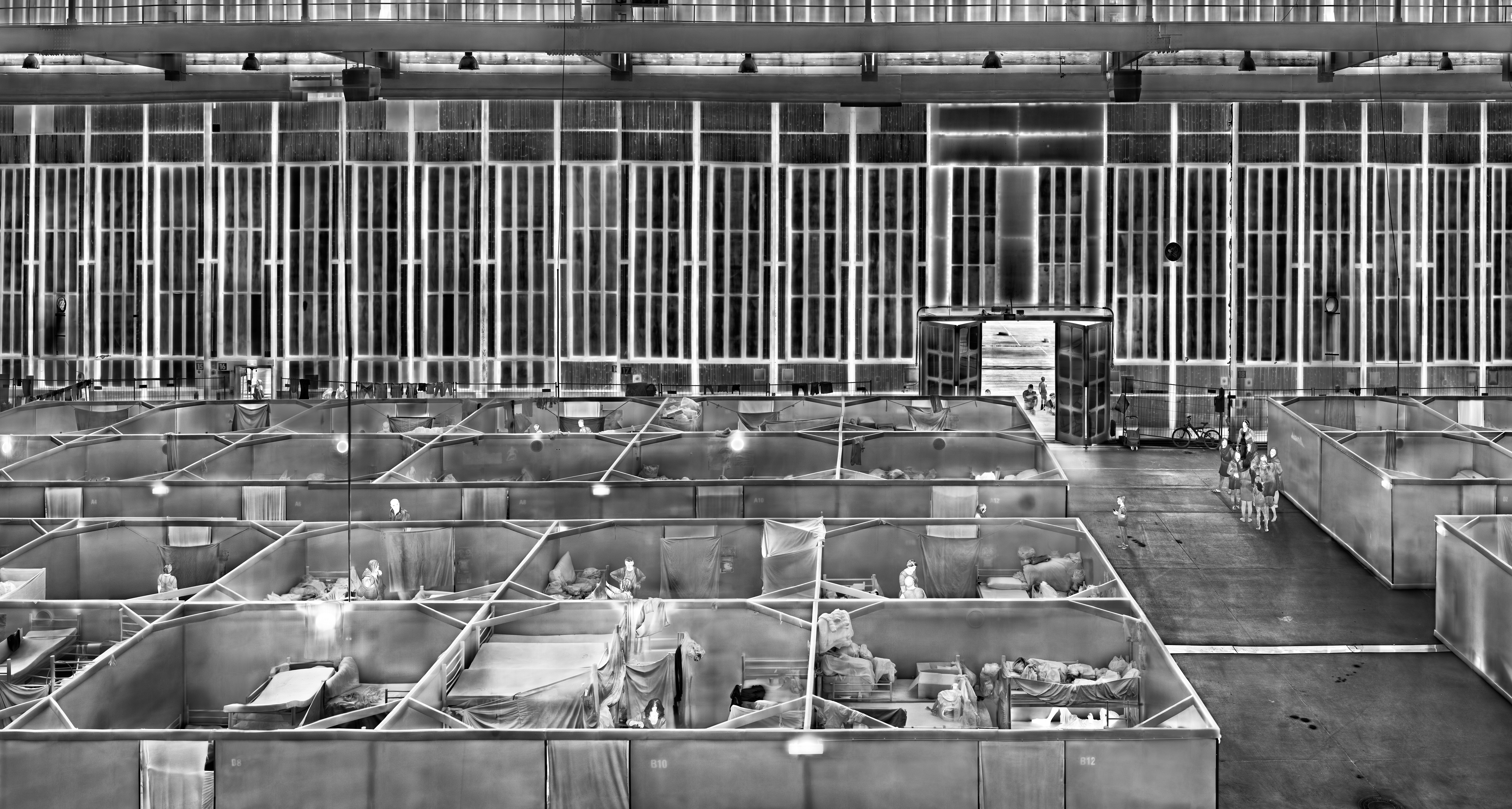
Richard Mosse’s Heat Maps brings forced migration and the treatment of displaced people into the prize’s consideration of sustainability. The Irish artist used a military thermal camera to photograph refugee camps and temporary settlements, recording body heat rather than visible light. Designed for surveillance, the equipment renders people as anonymous heat signatures. His unsettling panoramas ask how societies accommodate those seeking refuge, and what happens when vulnerable people are treated as populations to monitor rather than individuals with rights and needs.
American photographer Sally Mann reaches into the medium’s past. Her Blackwater tintypes depict the Great Dismal Swamp, a refuge for people escaping slavery and a landscape subsequently scarred by extensive fires. The photographs’ dark, troubled surfaces suggest the difficulty of separating a place from the histories it holds. A 19th-century process becomes a way to consider the persistence of racial violence within the American South.
Ivorian artist Joana Choumali’s Ça va aller considers how people recover from collective trauma. Three weeks after the 2016 terrorist attack in Grand-Bassam, she used her iPhone to photograph subdued streets and solitary figures, then embroidered colourful thread directly onto the prints. The slow, repetitive stitching became a way to process her own grief and address feelings that often went unspoken. Awarded the prize under the theme of ‘Hope’, the series connects the wellbeing of a community with the difficult work of acknowledging suffering and finding ways to live with it.
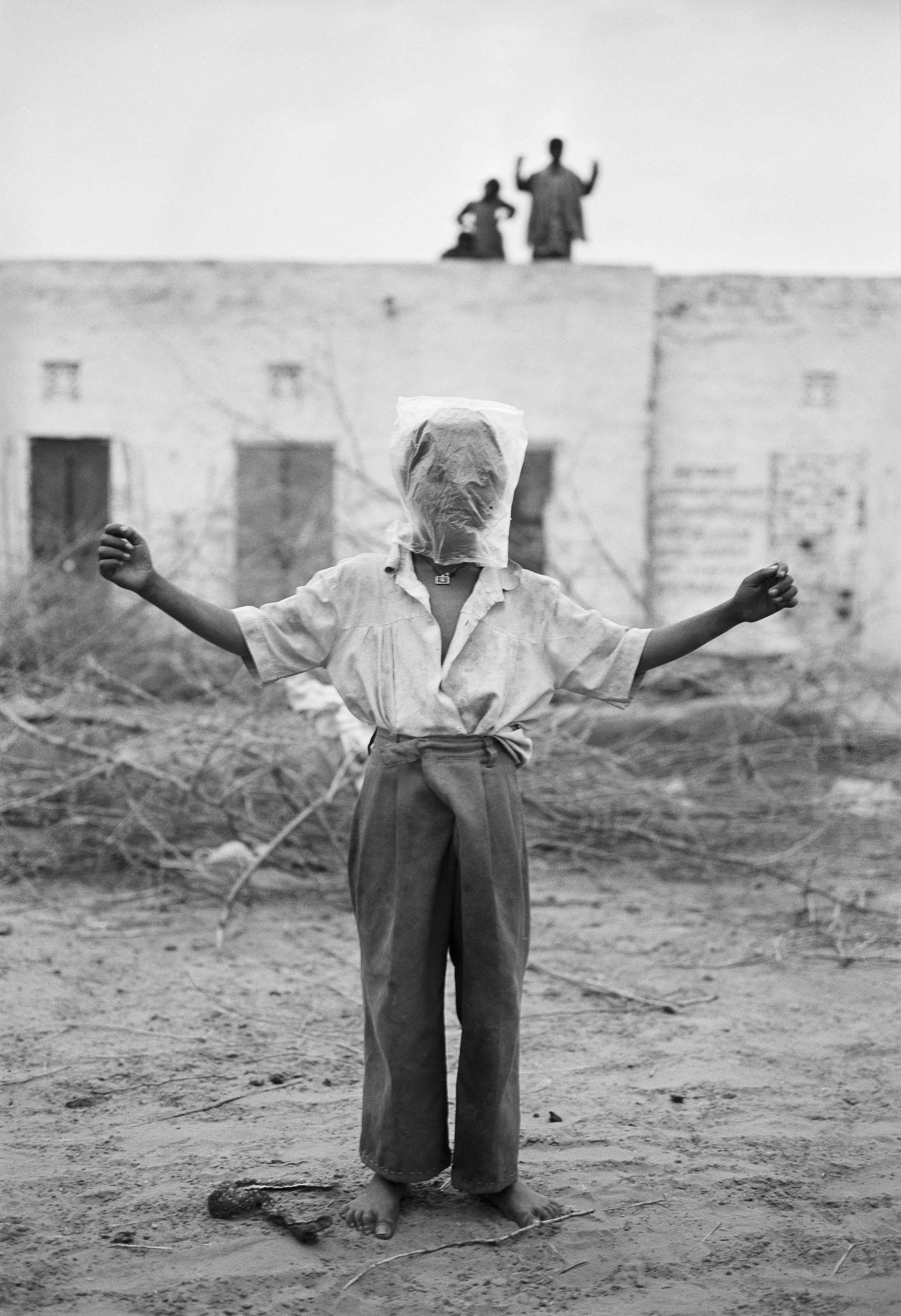
Indian photographer Gauri Gill’s Notes from the Desert explores how marginalised communities sustain their lives in rural Rajasthan. Begun in 1999, the project records births, deaths, work and celebrations alongside the pressures of drought, poverty and limited access to healthcare and education. Through repeated visits and friendships, Gill shows how survival depends on relationships with one another and the natural environment. Awarded the prize under the theme of ‘Human’, the series places people often overlooked at the centre of questions about resources, inequality and collective wellbeing.
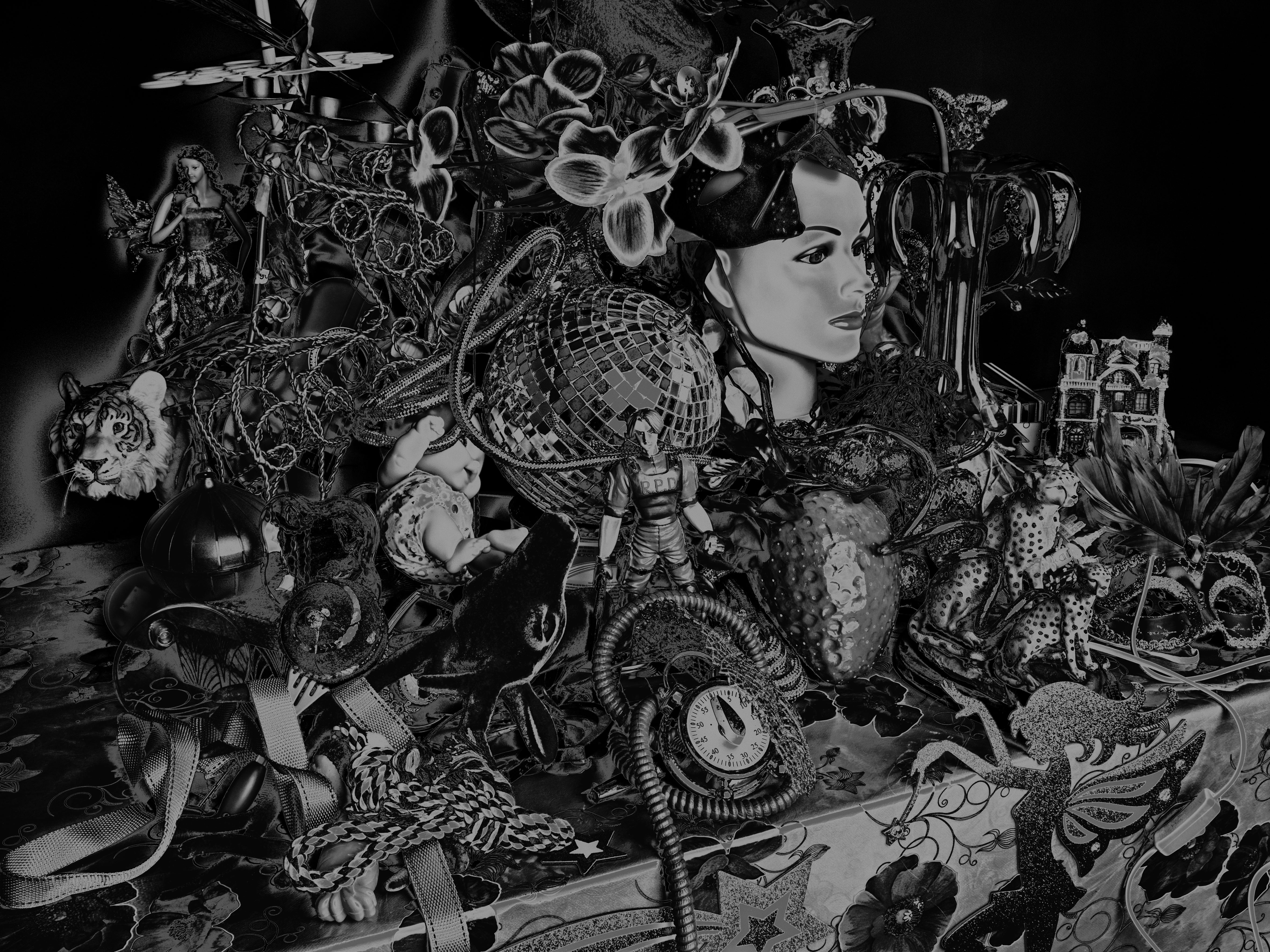
Valérie Belin approaches our relationship with resources through the things we acquire. The Frenchwoman’s Still Life compositions bring cheap, predominantly plastic consumer objects into the vanitas tradition, in which possessions become reminders of mortality. Their glossy abundance attracts the eye, while mannequin fragments suggest a human presence overwhelmed by accumulation.
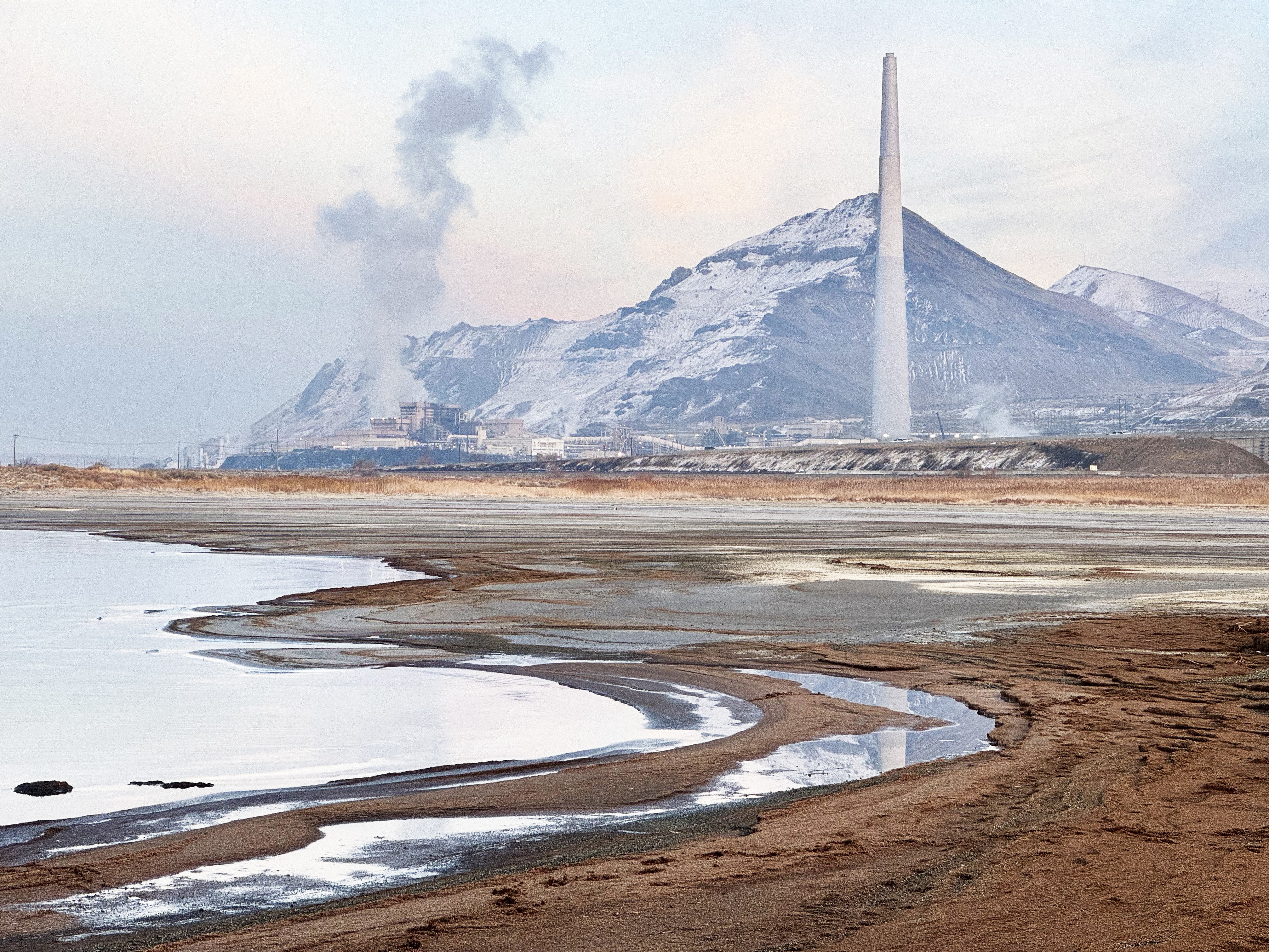
For Chilean-born artist, architect and filmmaker Alfredo Jaar, the response to the environmental crisis takes a more restrained form. The End depicts Utah’s Great Salt Lake, threatened by excessive water extraction. He chose to print the photographs at a modest size, describing them as a “visual whisper”. The scale requires an approach: viewers must move closer to encounter the immensity of what is being lost.
This month, The End and Belin’s Still Life will meet in conversation at Paris Photo, marking Pictet Group’s new official partnership with the fair. Their juxtaposition – exhibited together on the Promenoir at the heart of the Grand Palais – connects manufactured abundance with ecological depletion, using the familiar genres of still life and landscape to make us reconsider what beauty contains.
Neither attention nor understanding guarantees action. Across these 11 practices, however, photography creates occasions to question what we consume, how we live and whose experiences enter public view. Two centuries into its history, photography can still make familiar subjects newly visible, prompting us to reconsider what we thought we understood.
Prix Pictet presents Valérie Belin and Alfredo Jaar on the Promenoir at Paris Photo, Grand Palais, 12–15 November 2026, with a preview on 11 November.