

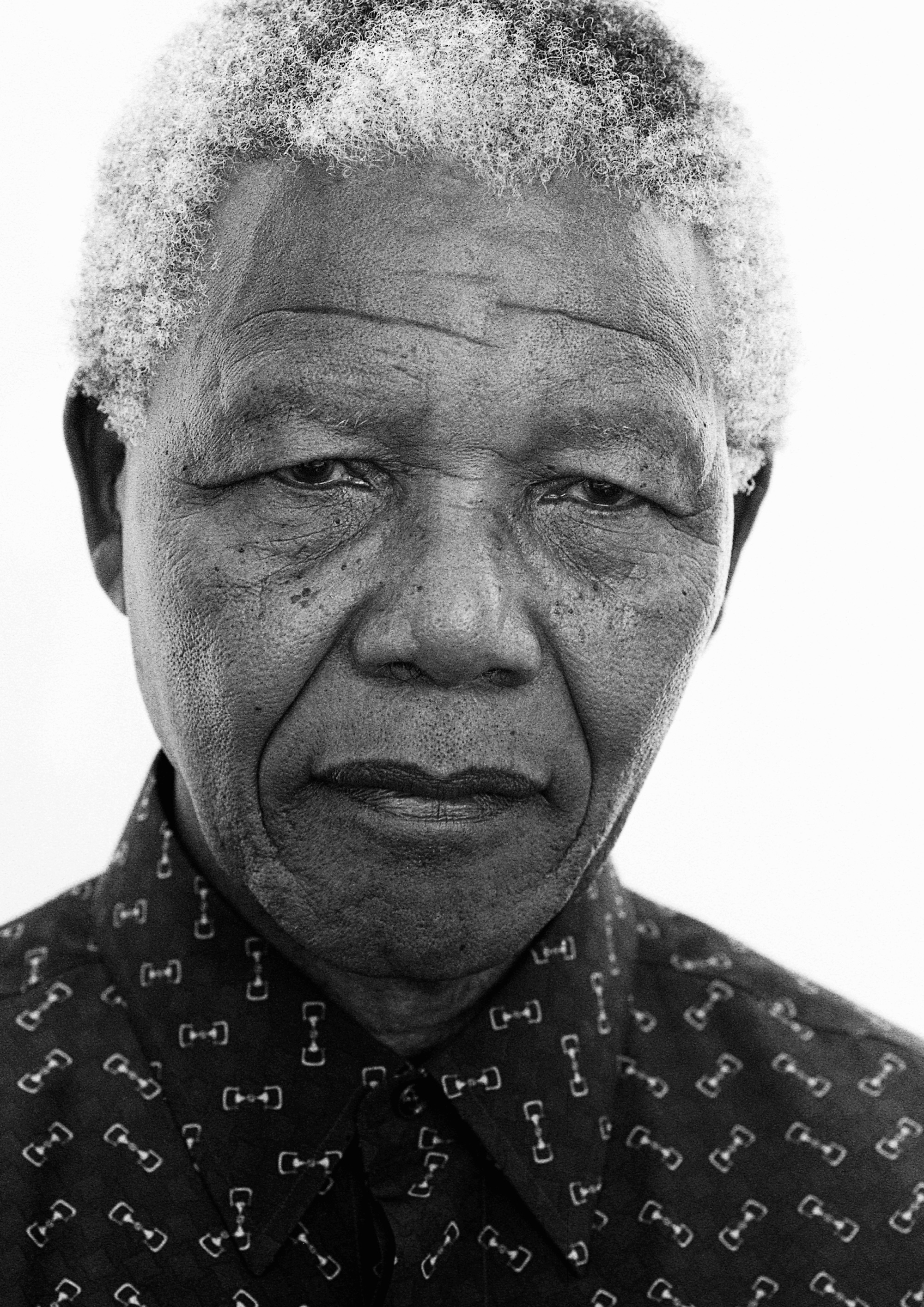
President Nelson Mandela, Tuynhuys, the Presidential house. From the series Truth and Lies, 1996-2001 © Jillian Edelstein
Now extended until the end of October, Jillian Edelstein’s retrospective at Stills Gallery, Edinburgh shows her deep engagement with people, from those at South Africa’s Truth and Reconciliation to swimmers at Hampstead Heath
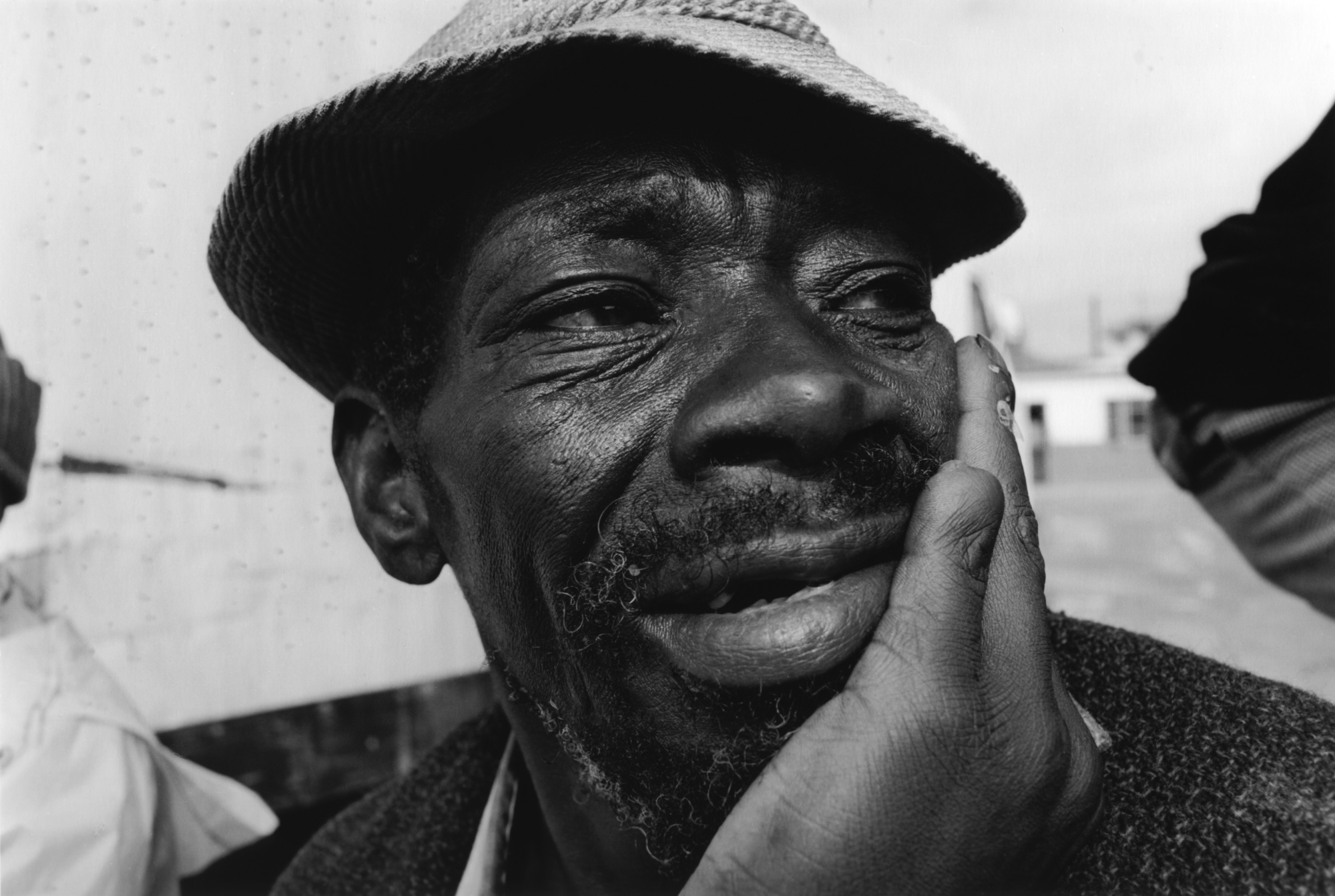
Born in Cape Town, Jillian Edelstein is best-known for her work on South Africa’s Truth and Reconciliation Commission. Photographing perpetrators, victims, and other individuals involved in the public hearings which grappled with the country’s Apartheid history from 1996-2002 – and some of the landscapes involved – Edelstein worked on the project for four years. When she published it as a book in 2002, Truth and Lies included endorsements from Archbishop Desmond Tutu, Gillian Slovo and Pumla Gobodo-Madikizela (Research Chair in Studies in Historical Trauma and Transformation at Stellenbosch University in South Africa), plus extensive text and reflections written by Edelstein.
But though Truth and Lies is important, it’s also not the only thing Edelstein has made. In fact when she made it she wasn’t living in South Africa any more; she has now been a UK resident for much longer than she lived in Africa. Edelstein’s retrospective at Stills Gallery includes Truth and Lies, but it also includes other projects from across her five decades of work. Curated by Tracey Marshall-Grant, it’s titled Jillian Edelstein – Among People to mark the photographer’s commitment to individuals from many different communities, and includes early images from Johannesburg and Cape Town, and from an anthropological project in Portugal, right up to recent work from 2020-22, showing the community of swimmers who use Hampstead Heath’s ponds.
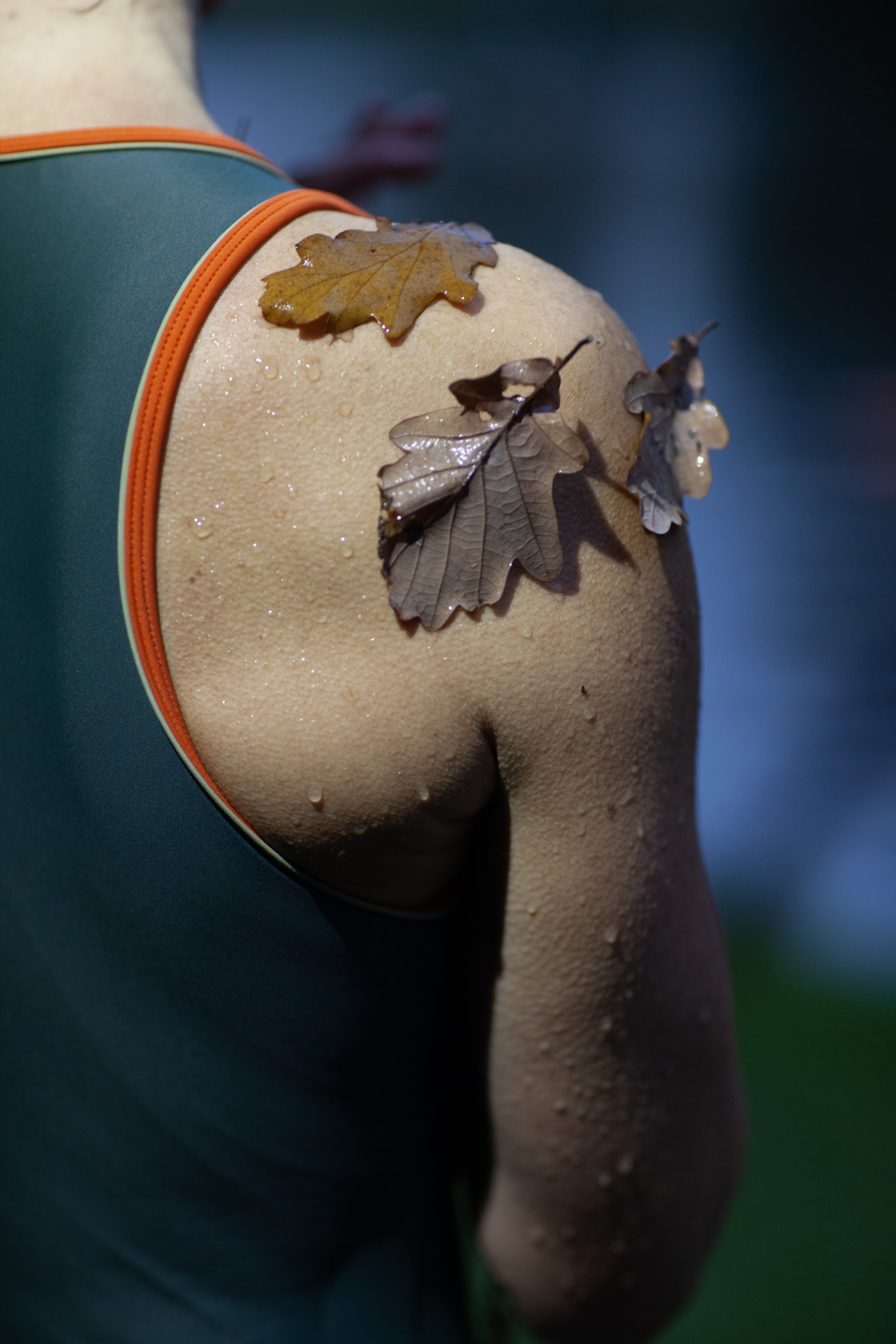
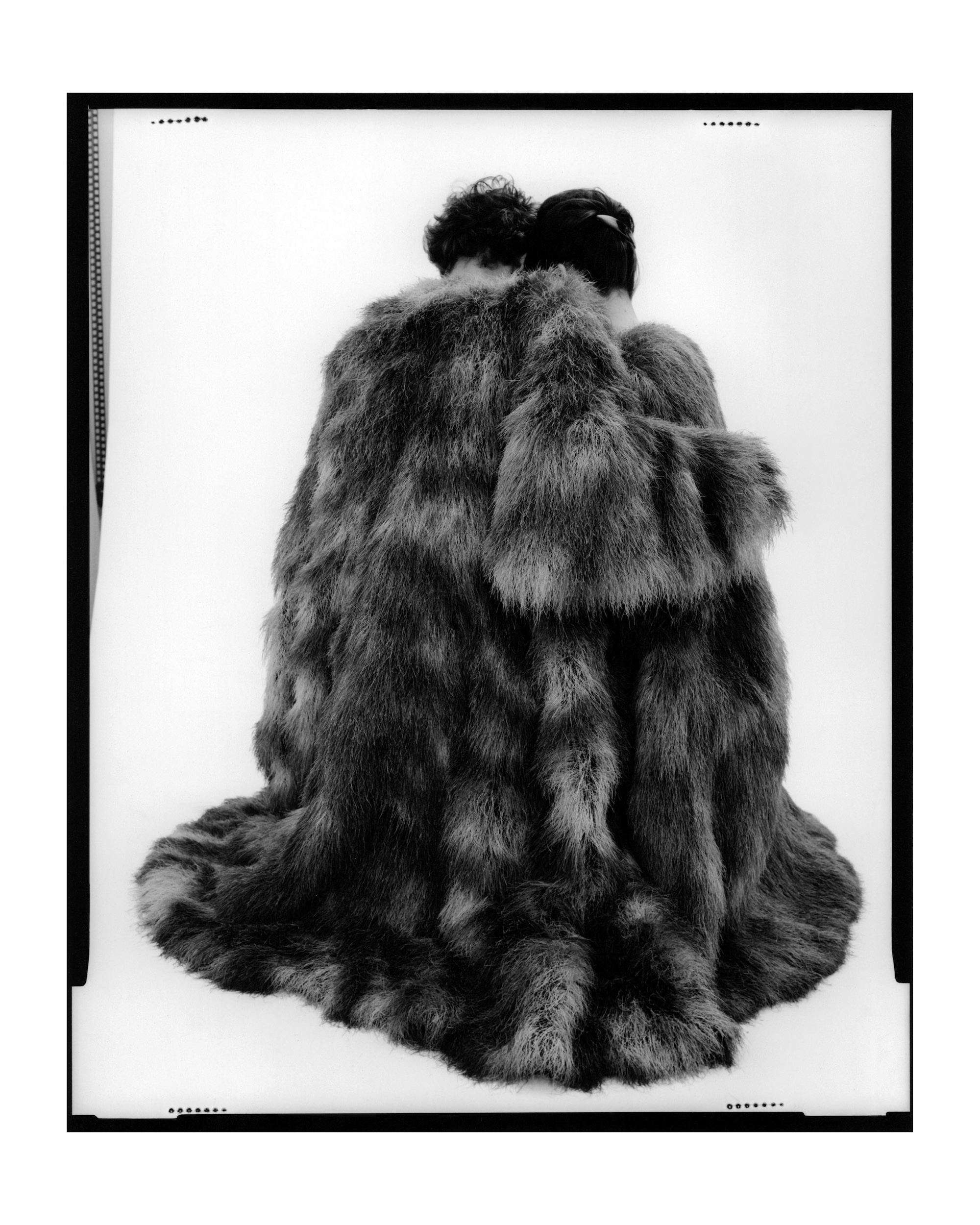
“People are people and you can learn from everyone. I try to treat everyone with equality.” Jillian Edelstein
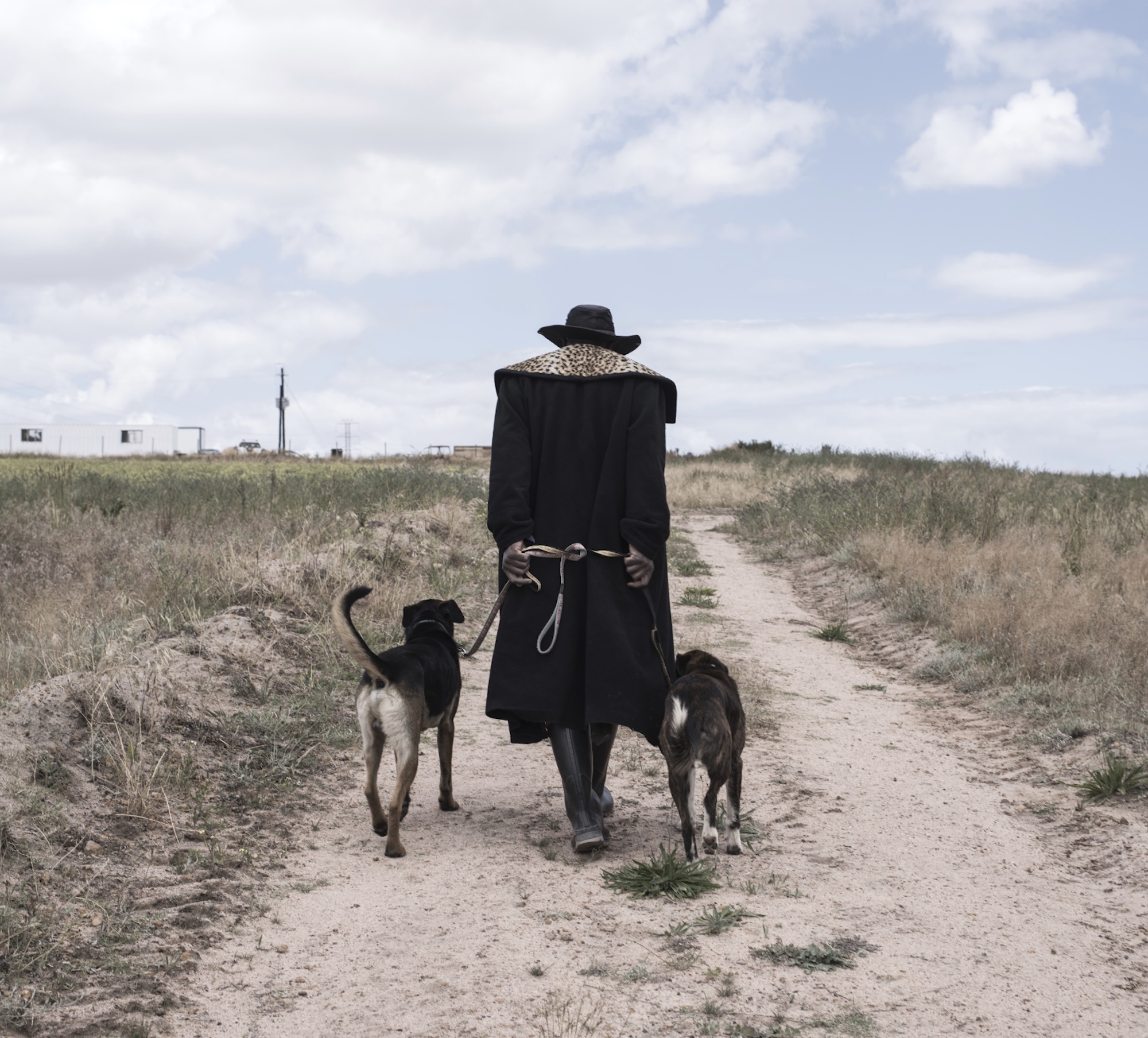
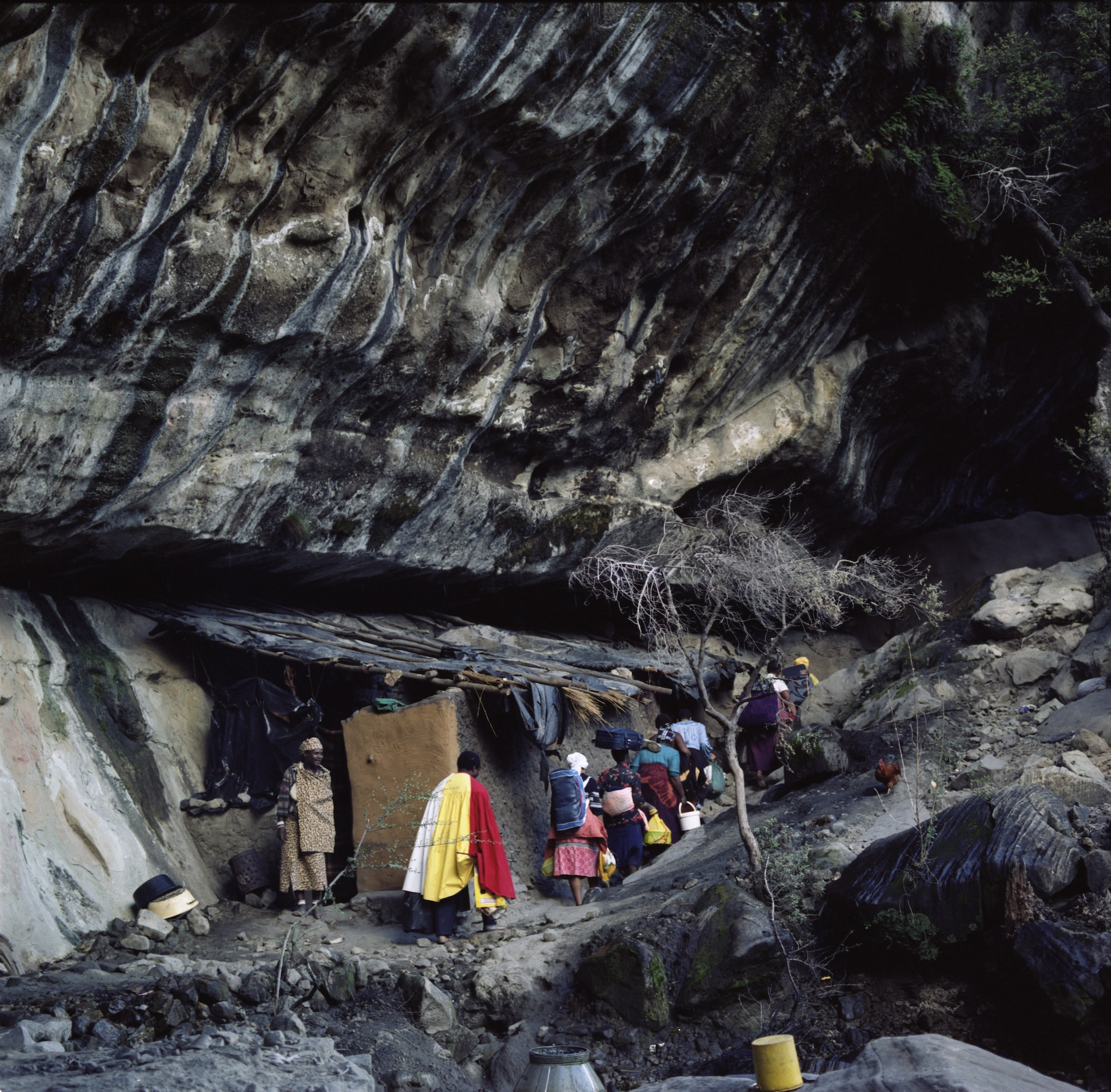
It also includes images from Edelstein’s long-running portrait series Affinities, which explores creative partnerships; her long term project on the Sangoma, traditional healers on the Lesotho-South African border; and portraits taken from Ukraine, from her book Here and There: An Expedition of Sorts, published by GOST in 2024. Edelstein has also made work about male suicide, migration, the West Bank, and poverty in the UK, and has shot portraits for publications such as The New York Times Magazine, The FT Weekend Magazine, Vogue, GQ, and Esquire. The National Portrait Gallery holds more than 100 of her prints.
She has shot people from wildly different communities and walks of life, in fact, from those immersed in wealth to those facing very hard times. “It’s a privilege, because people are people and you can learn from everyone,” says Edelstein. “I try to treat everyone with equality, I think that can show something really powerful…In South Africa I remember thinking how fascinating it was that the perpetrators put themselves forward to be captured, in a vain kind of way. That was very striking. I think there is quantifiable experience, and you have to face that and think how to portray it.”
Born in 1958, Edelstein originally studied social work rather than photography; her first job was at the National Institute for the Crime and Rehabilitation of Offenders in Cape Town, where she worked with mainly men who were in prison, or had recently been released. There was energy and compassion in this work, but she had discovered photography at university and soon decided that shooting documentary and portrait images was a way to continue social work “without having to write out the case report”, she says.
Working as an assistant during the week, which allowed her to learn technical skills as well as how to use lights and print, she started to work as a press photographer at a time of great unrest in South Africa, as people struggled to overthrow Apartheid. Eventually she became a photojournalist, working for The Rand Daily Mail in 1982–83, and The Star newspaper in 1984. She worked alongside Black colleagues and was well aware of her privilege compared to them, she says; she was able to take greater risks as a White, “because the costs for them would have been so much higher, they had to keep in line”.
Edelstein won awards for her work but in 1985 decided to leave to formally study documentary photography at the London College of Printing [now the London College of Communication]. She lasted six months before Michael Cranmer, then-picture editor of The Sunday Times, came to do a guest lecture and saw some of her work. “He said ‘What are you doing here?!’” Edelstein laughs. “He gave me a commission and then Andrew Neil [then-editor of The Sunday Times] saw the portrait and said ‘Offer her a contract’. It was sort of extraordinary even then.”
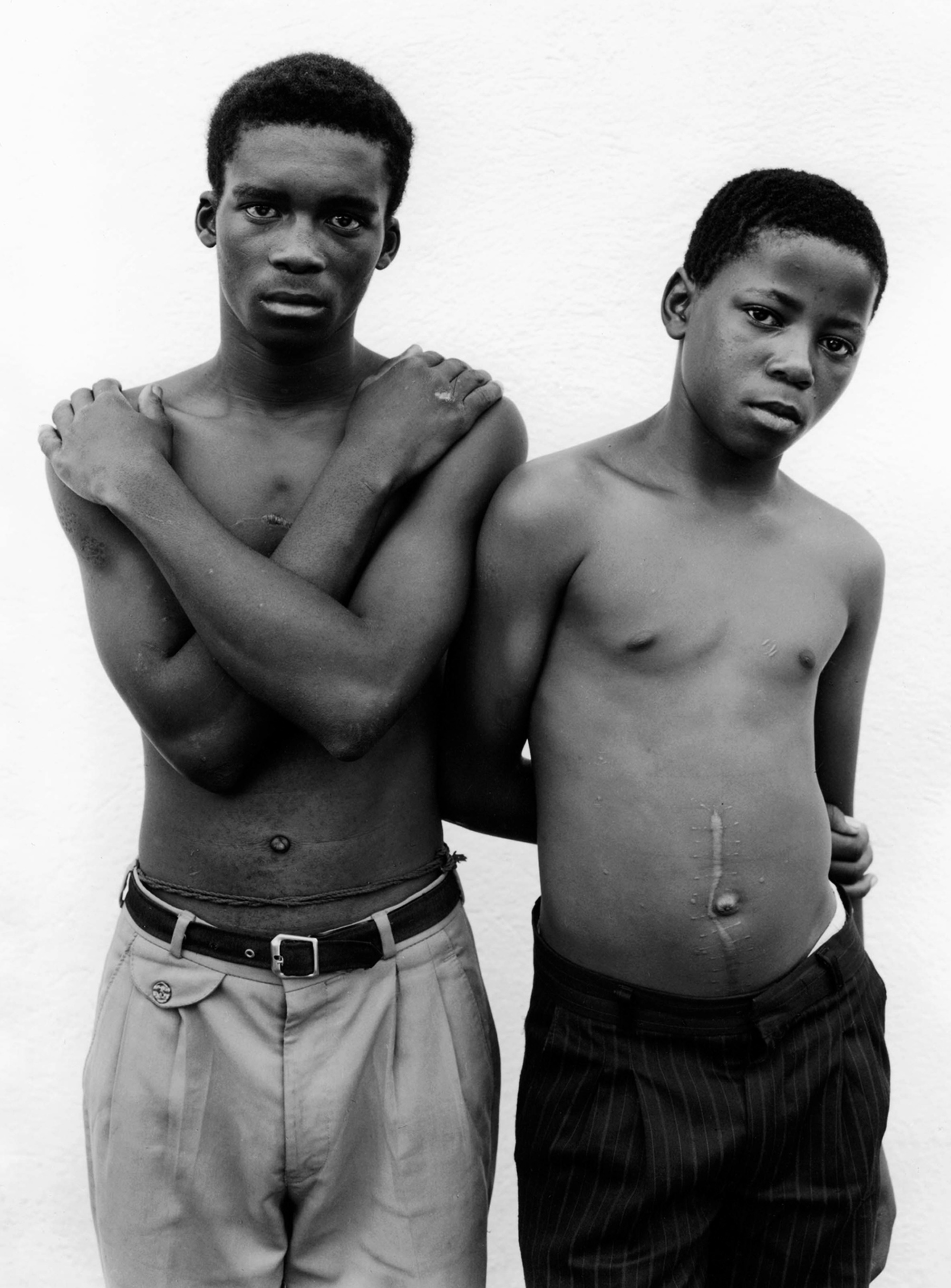
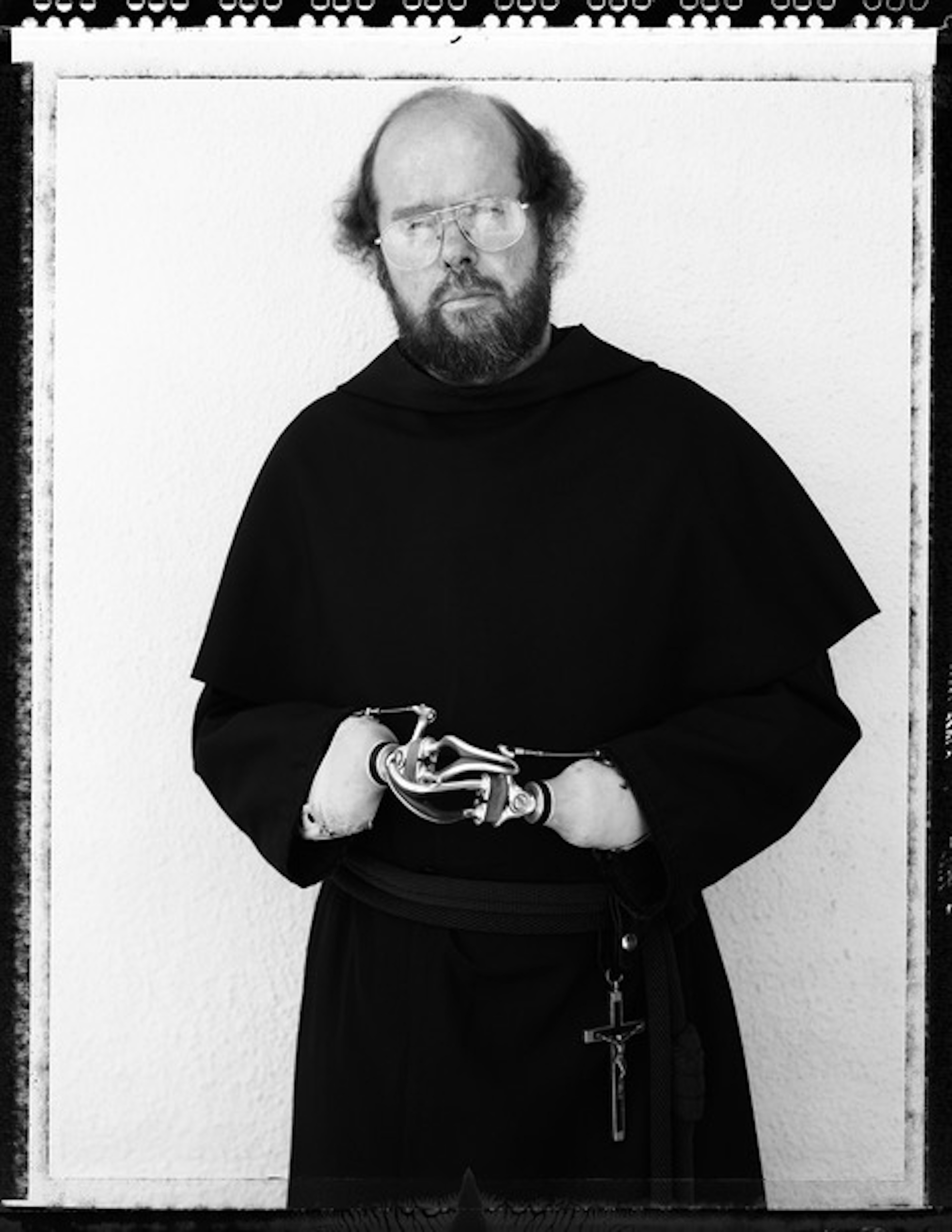
Edelstein says she is grateful to have been a press photographer then though, when staff jobs did exist and commissions were more generous; she could support herself with this work, and the commissions also helped her access to hard-to-reach individuals. Many of her personal projects include commissioned elements, such as the portrait of Nelson Mandela in Truth and Lies, or the comedians French and Saunders in Affinities.
But her success also wasn’t just down to luck or the structures of the day; working in an extremely male-dominated environment – and as a single mother – she still tried to leverage her work to help others. In fact she’s acutely aware of power, and how it’s unfairly brought to bear. “Looking back across these photographs, I’m struck by how much my work has been shaped by my early engagements or interactions with inequality and subjugation,” she states in Stills’ press material, “one asserting an unjust superiority over another”.
She tells me that her training in social work, anthropology, psychology and sociology helped her refine these insights; she thinks about power at both a macro and micro level, in terms of the interpersonal and the societal. There’s the delicate balance between directing a shoot and giving her subjects space, for example, but then there’s also authority and how it plays out. She tells me an anecdote about photographing five members of the security police in South Africa, for example, who were testifying before the Truth Commission for the murder of one of their Black colleagues, who they had decided was informing on them to the ANC; it was a difficult, intimidating shoot but a few days later she saw one of the men on his own in the airport, lacking all the bravado of his strength-in-numbers.
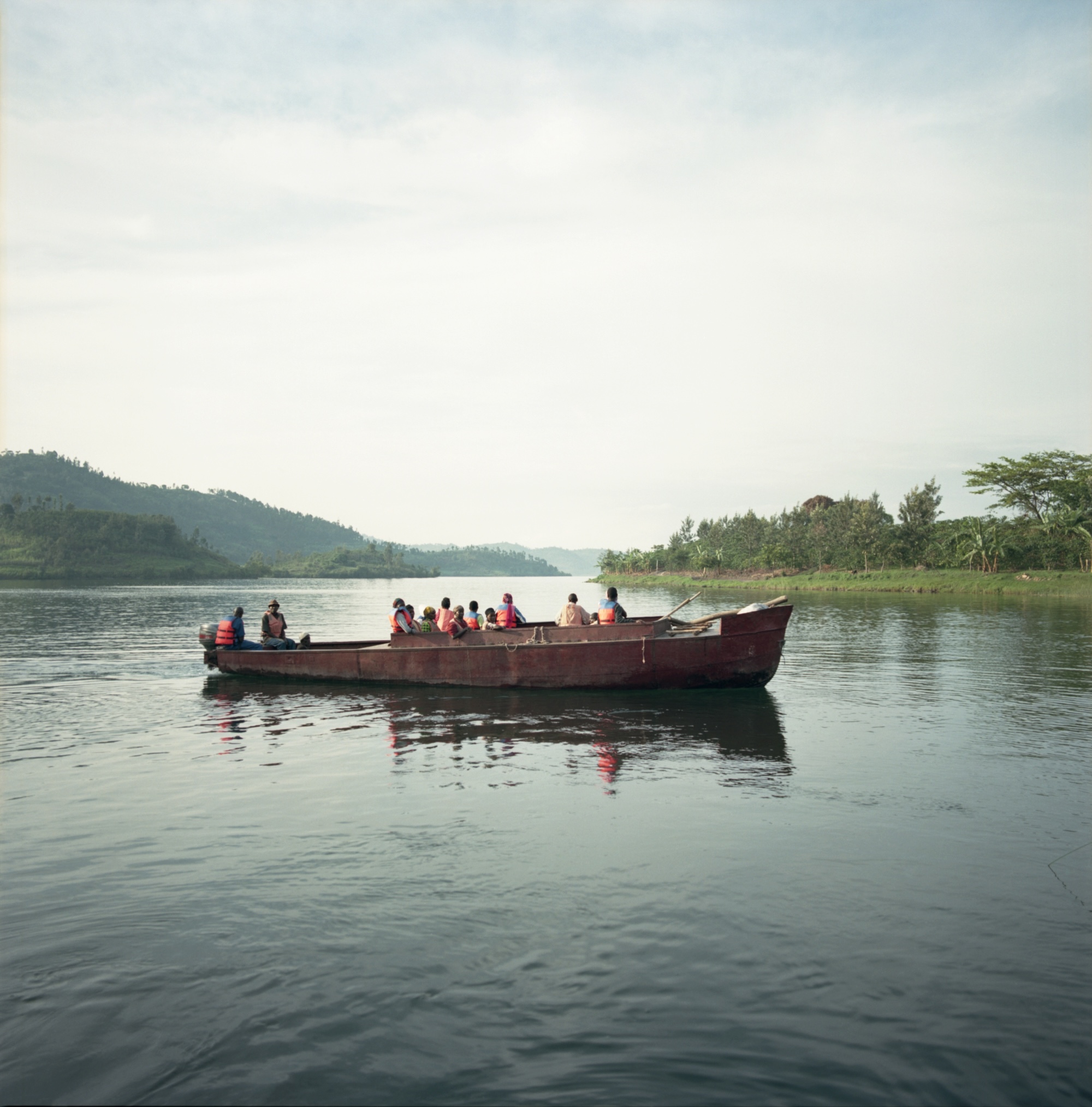
Edelstein is also well-attuned to the role of photography and observation, however, the negative ways in which the gaze can be used, and she can therefore be implicated. In Truth and Lies she writes about the bright lights which illuminated the townships in the 1970s and 80s, the ‘eye of the state’ which kept residents under surveillance. In the West Bank she noted something similar in the turnstiles, she says, which allows Israeli soldiers to control peoples’ movements. “This practical handiwork that autocratic governments put in place, it operates and it’s horrifying,” she says.
Edelstein is also saddened by the current state of the world, the fact that terrible things happen and that “no matter how present the camera is, it hasn’t stopped them”. Even so, she’s still enthusiastic about her current work, which includes a commission photographing women who have survived sexual violence and abuse. “It’s the challenge of photographing someone, the dance that you have to do,” she says. “What you give is what you get back.” Then she smiles and asks me about myself.
Jillian Edelstein – Among People is on show at Stills https://stills.org/exhibitions/exhibition-jillian-edelstein/