


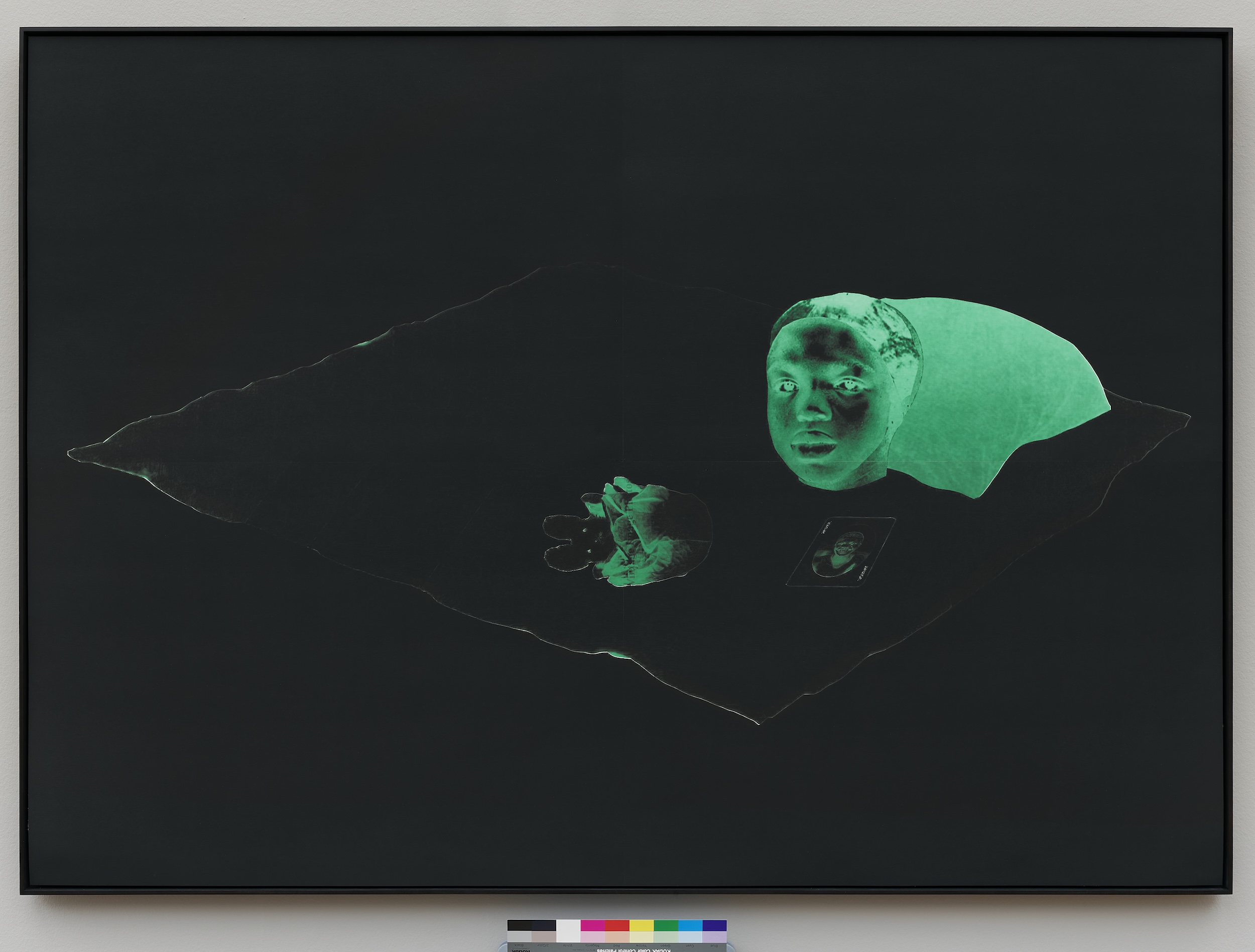
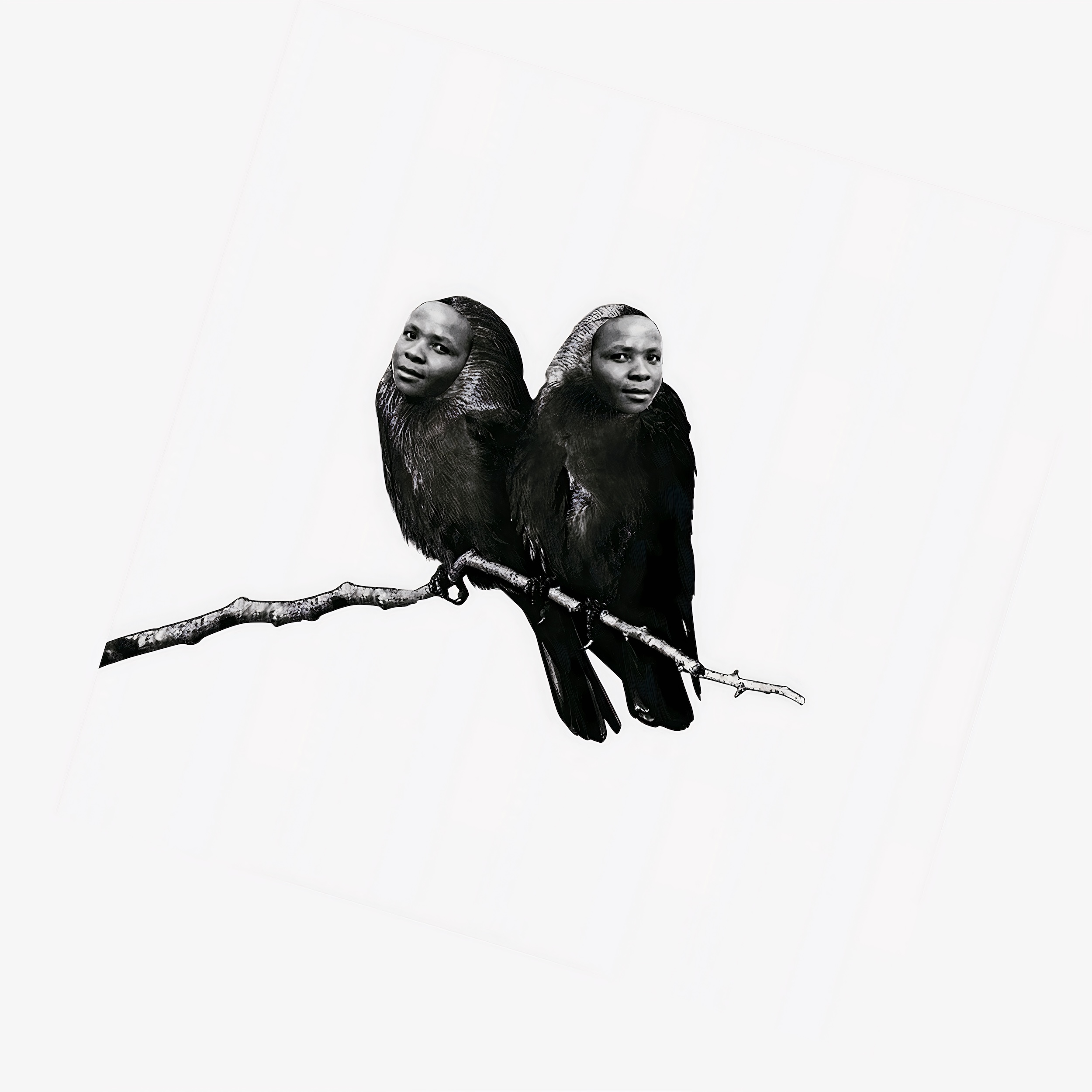
Picnic, 2024 © Frida Orupabo. Heliogravure on four sheets of Somerset paper; Museum Rietberg was able to purchase this work with funds from the City of Zurich
The Museum Rietberg’s first curator of photography and head of the photo archive, Nanina Guyer is helping the institution rethink its approach to images from the colonial era and beyond
How do museums handle photography archives? And what do they do with images from the colonial era? These questions are moot points for the Zurich-based Museum Rietberg. Founded in 1952, it was originally conceived for the collection of Baron Eduard von der Heydt, a financier who collected artefacts from Africa, America, Asia, and Oceania, primarily in the 1920s and 30s. It now holds traditional and contemporary artworks from across the majority world, including some 32,600 objects and nearly 50,000 photographs. But it only appointed a curator of photography and head of the photo archive in 2018.
“Before I joined, there was no strategy or concept for the photography collection,” says Nanina Guyer, who took up the post. “It was more incidental. Photographs were understood as contextual documents that could bring more to the artworks, there was no systematic way to think what else they could bring to the museum, or how studio photography from the majority world could add important insights for our understanding of the history of photography.”
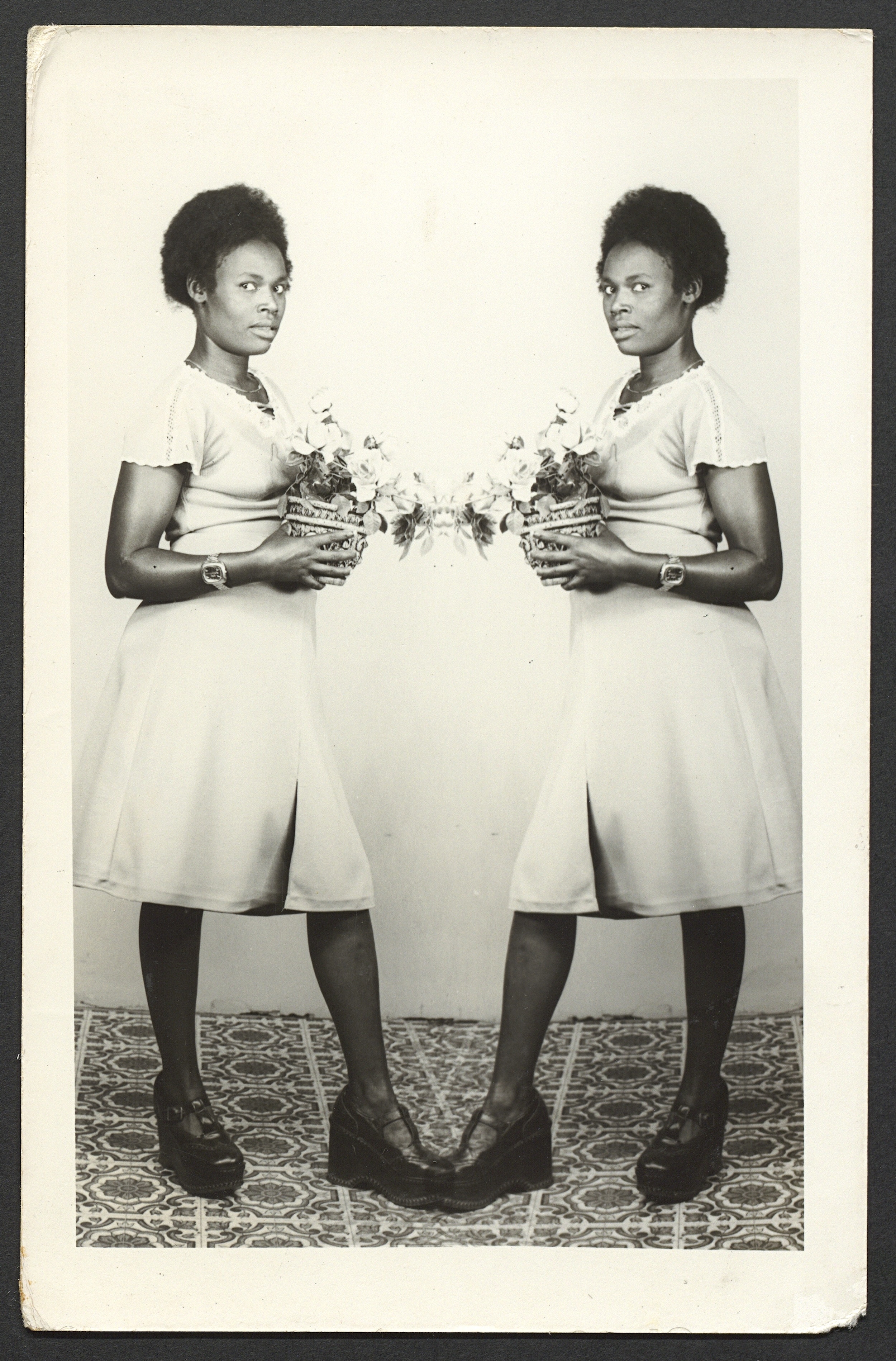
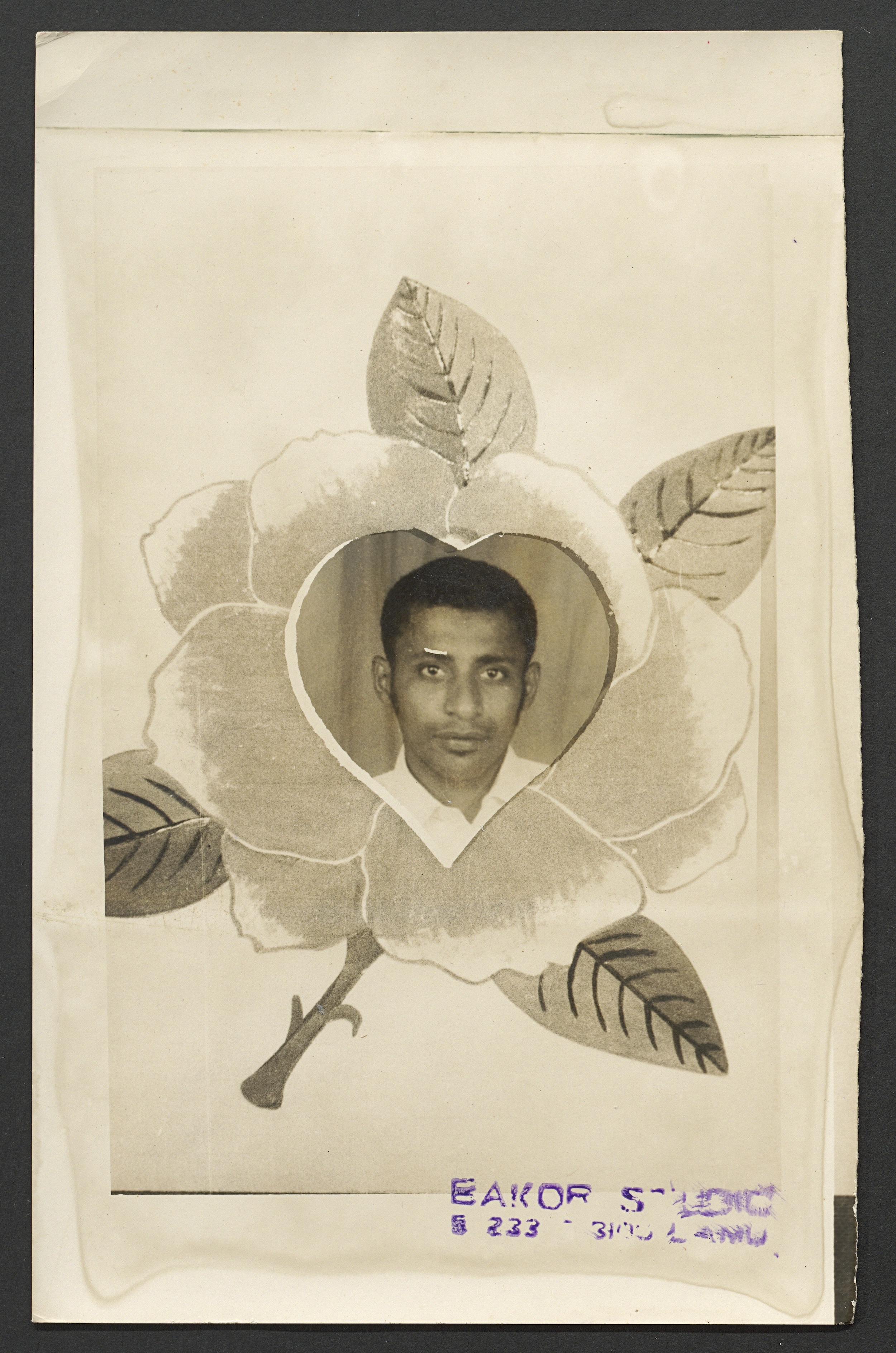
“That’s the beauty of photography – it has been a very colonial tool, but you can also see it as a tool for self-representation and emancipation.” Nanina Guyer
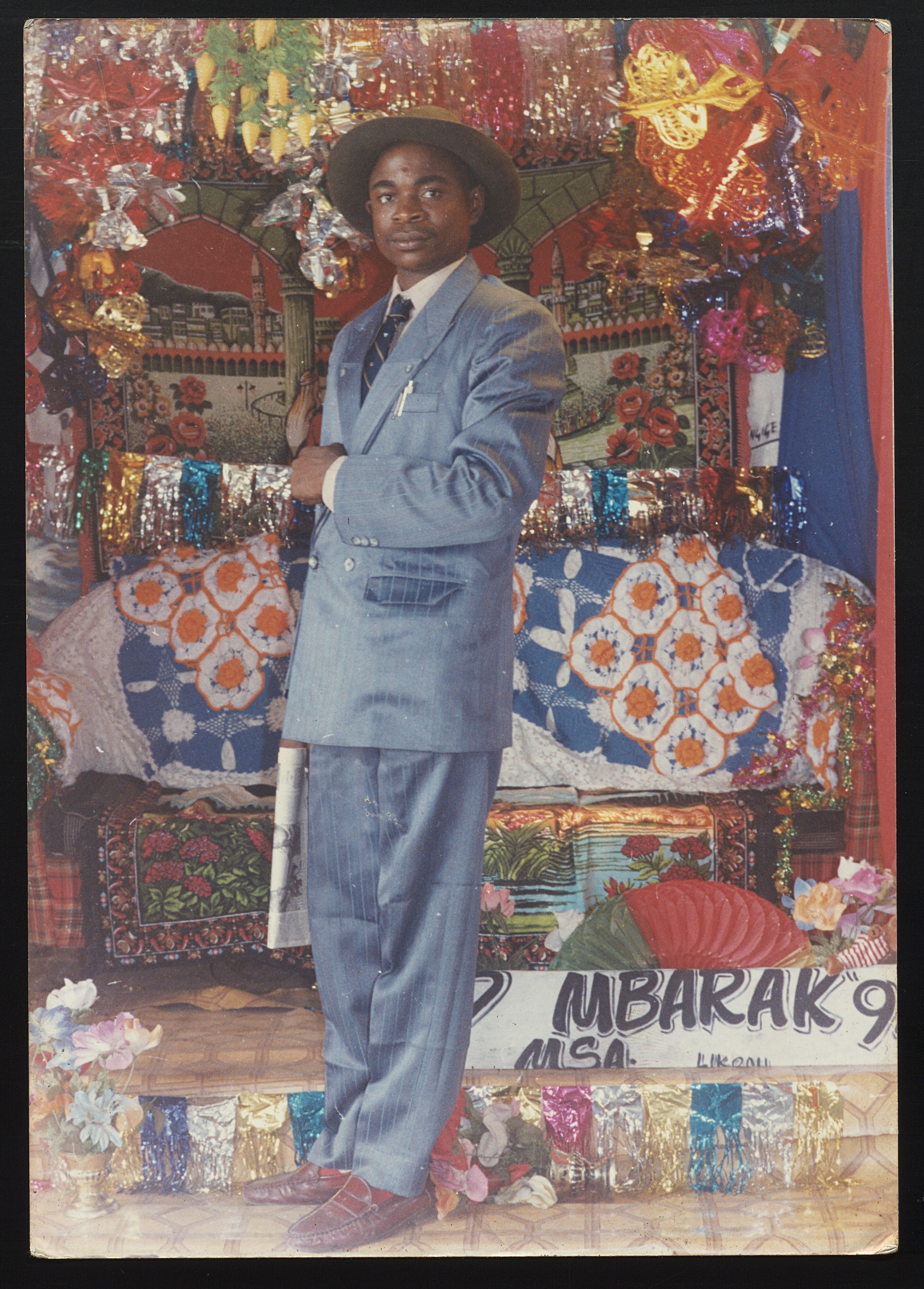
Thus Guyer has systematically expanded the collection, with special interest in portraiture by image-makers from outside the west. And as she points out, Rietberg holds some fascinating photography. She feels fortunate to have acquired two important collections of African studio photography, Collection Christraud M Geary and Collection Behrend, for example, the latter the archive put together by Heike Behrend, an anthropologist who co-curated Snap Me One! in the late 1990s with Tobias Wendel. One of the first shows on the genre, it toured Germany and went on to America’s National Museum of African Art. The Collection Christraud M Geary, meanwhile, gathers some 4500 postcards, hundreds of which were made with images shot by West African photographers.
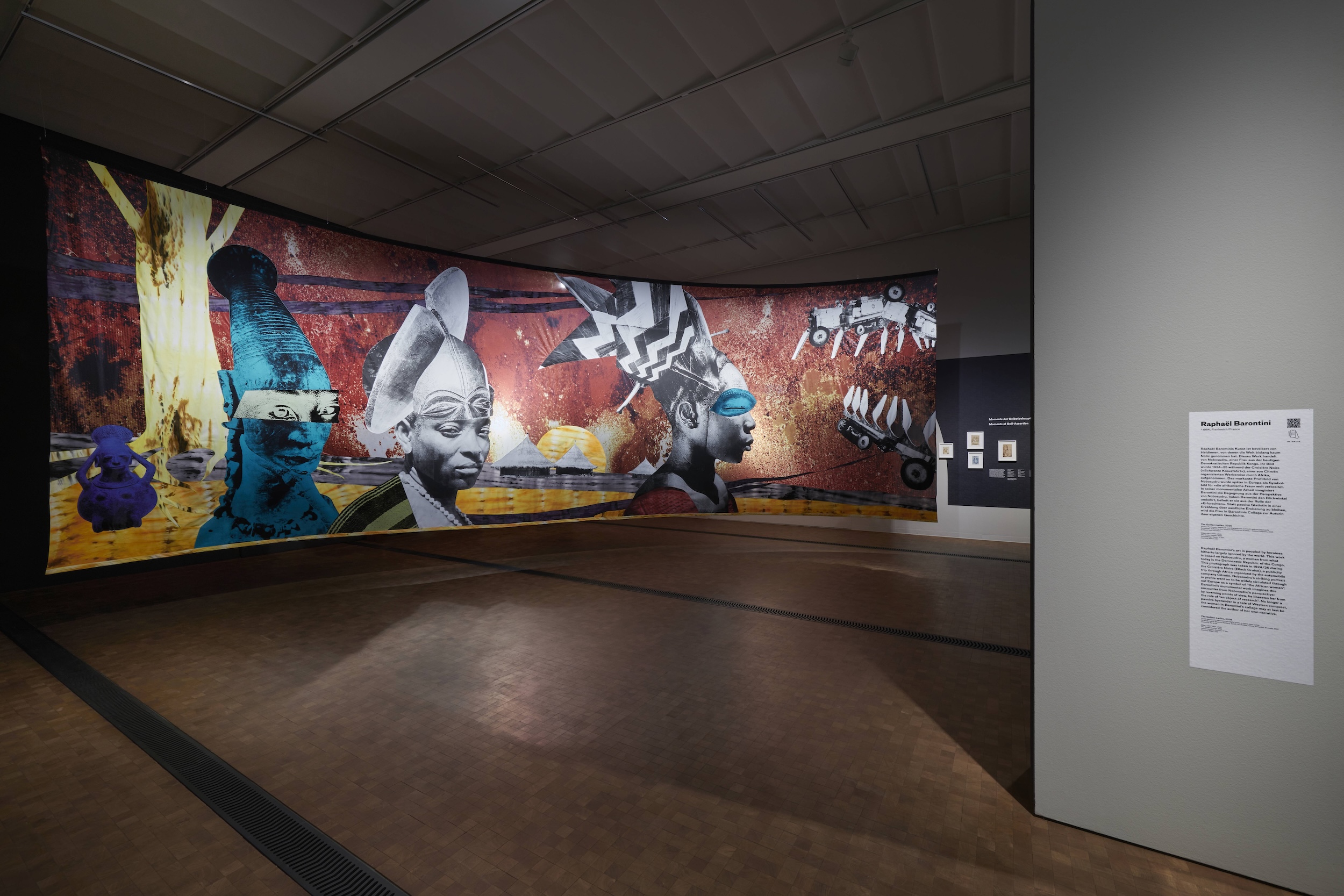
More recently Guyer was able to acquire works by contemporary artist Frida Orupabo, who is included in the group show A Kind of Paradise – Colonial-Era Photography in Contemporary Art, open from 16 April – 06 September. And Guyer is now considering what to do with a large number of travel photographs, mostly shot from the 1950s-80s and not catalogued so far. “I really want to think about what they can bring to the museum,” she says. “How can they enrich the collection? What can we do with them?
“My wish list is still long. I would be especially interested in Indigenous photography from South and North America, and am in touch with an Indigenous American researcher. That would be very interesting as it would help break visual stereotypes about Indigenous American generated through the colonial lens.”
Guyer has an unusual background, which has shaped her innovative approach. Originally training in anthropology, she rankled against its colonial hangovers from the start, and point-blank refused to do ‘field work’ on her Masters. “To me, the idea of observing people in a village felt neocolonial,” she smiles. “So I was given the option to do a museum internship instead.”
The internship was at Museum Rietberg, working with the former curator of African art on an exhibition about traditional Cameroonian culture; one of the catalogue essays was by Christraud M. Geary, former archivist of the Eliot Elisofon Photographic Archives held by the National Museum of African Art, who described how Cameroonian kings used photography to their own advantage. “And it struck me like lightning, this is what I wanted to do”, says Guyer. “I fell in love with old photos, and how the then can become the here.”
She went on to write a PhD on historical photographs by women in Sierra Leone, images depicting so-called ‘secret societies’ which were actually sororities and female-led communities misconstrued through colonial eyes. Guyer studied primary sources to discover how these incorrect assumptions had been made, and in her thesis argued that the Sierra Leonean women had used photography to expand the stage for existing rituals. “That was my main finding, that these images were an extension of the final ritual of presenting themselves publicly at the end of their initiation,” she says. “Previously they presented themselves to the village after initiation, but now they had a photographer so they could extend their stage.”
This deceptively simple idea suggests something more radical; that, rather than simply adopting cameras and imperial perspectives, non-Westerners used the technology in culturally-specific ways. Adapting it to their existing practices, they re-appropriated the medium and form – and were then misinterpreted by others. Guyer points to the postcards held at Rietberg as an example. The images made in local African studios had been commissioned by individuals, and showed specific people in specific ways. The stereotyping only came in later when – before the introduction of copyright – these images were sent to the colonial centres and reformatted for postage with generic captions.
“Of course these captions then shape how you read the image,” Guyer says. “But people were bringing their own ways of presenting the self to the images. For me that’s the beauty of photography – it has been a very colonial tool, but you can also see it as a tool for self-representation and emancipation. That’s where my interest lies, in this polycentric history of photography.”
Guyer understands historical photography as a non-Western artform; this means she’s cautious about perpetuating older interpretations, and has for example avoided showing the original captions on Rietberg’s postcards. She’s also interested in contemporary rereadings of archive images, such as the works shown in A Kind of Paradise, and has encouraged Rietberg to acquire this kind of work. “When we have all these colonial photographs in the collection, it’s imperative we have contemporary answers,” she explains.
The time frames in which the museum operates pose interesting and related philosophical problems; Baron Eduard von der Heydt believed he should collect works predating the colonial era, such as objects used in traditional rituals – but this reading makes assumptions about where and when modernity started, Guyer points out, and about how distinct Europe was from the rest of the world. In fact African merchants traded with Europeans well before the 16th century, and our histories and cultures have long been entwined.
“For me there’s a very equal articulation of one’s modernity,” Guyer says. “The west coast of Africa, or India, or Japan, have also always been modern. So with the photography department here I am trying to think about the history of photography not from the West, but from the many centres there have been.”
Effectively it means Guyer’s remit covers the entire majority world, over the last 200 years; she laughs she has her work cut out, the only curator at Rietberg whose role is not location-specific. But she adds it’s a good time to be at the museum, as it rethinks its collection and approach, and points out that, in terms of photographic objects, the flow of images has rapidly slowed. “From around the start of the 21st century on, there are fewer and fewer prints,” she says. “That’s when digital mobile phones started to become available, and after that there are less images left.”
A Kind of Paradise – Colonial-Era Photography in Contemporary Art is on show at Museum Rieberg until 06 September https://rietberg.ch/en/