

All images © William Lakin
Every year, BJP publishes its Ones to Watch issue – our selection of the artists who epitomise the talent and creativity in international photography today, as nominated by a global network of curators, editors and artists.
Here we look at William Lakin, who was nominated as part of the 2025 cohort by the photographer and educator Kalpesh Lathigra.
William Lakin grew up in a small town in rural Bedfordshire; disenchanted by school, he left for college in Stevenage, where he chose to study photography almost by accident. He is now studying for a practice-based PhD in the medium at London College of Communication, by way of an MA in photography at Middlesex University, where he also taught until recently. “Previously I wouldn’t have considered myself ‘arty’, and I wasn’t aware of many photographers,” he reflects. “Then I was introduced to Joel Sternfeld and found his work amazing, a different type of photography than I had ever seen before.”
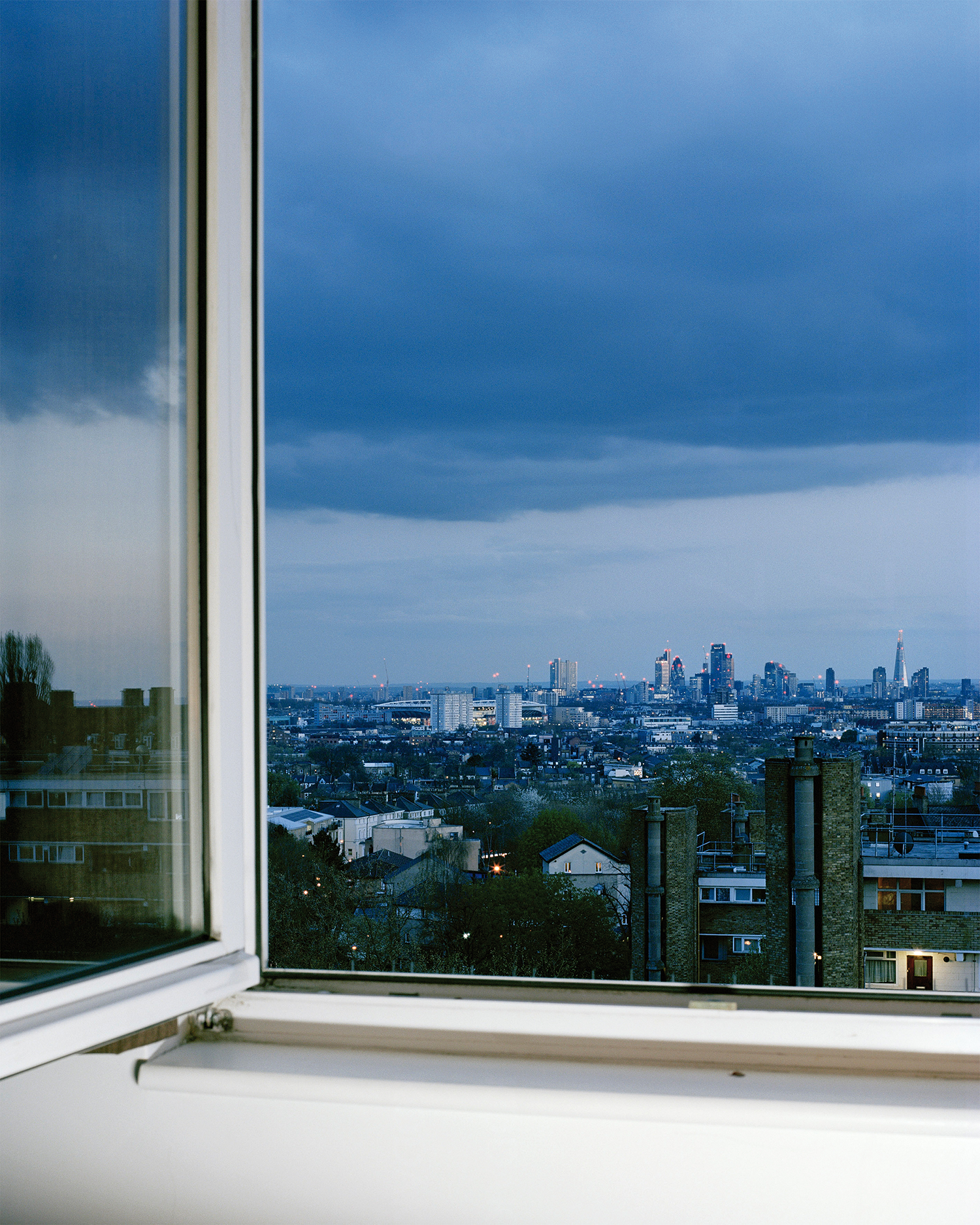
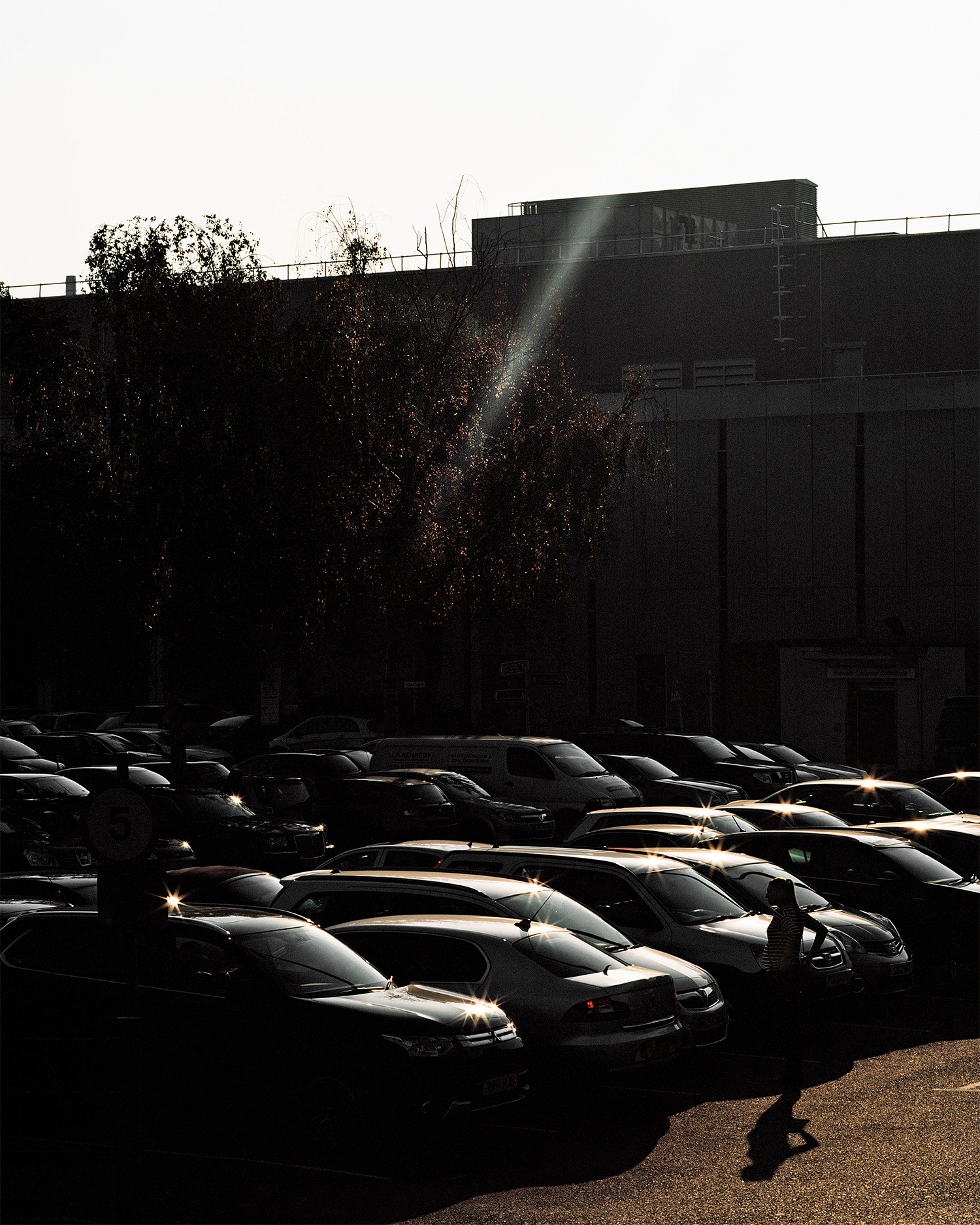
Lakin’s work was initially portrait-centred, but gradually he felt “more uncomfortable with representing people” and became interested in depicting concepts and ideas. His early series, Alternative Facts, is a quiet look at London made from 2015–17, before and after the UK’s Brexit referendum. The title comes from an infamous statement by US Counselor to the President, Kellyanne Conway, but for Lakin it also sums up his unease about that vote. More precisely, it sums up his unease that Londoners found the decision to leave the EU so surprising, when to others it must have been obvious. Realising the capital was in a bubble was “sobering”, he says.
“Taking away those easy linguistic shortcuts… demonstrates how difficult masculinity is to define” – William Lakin
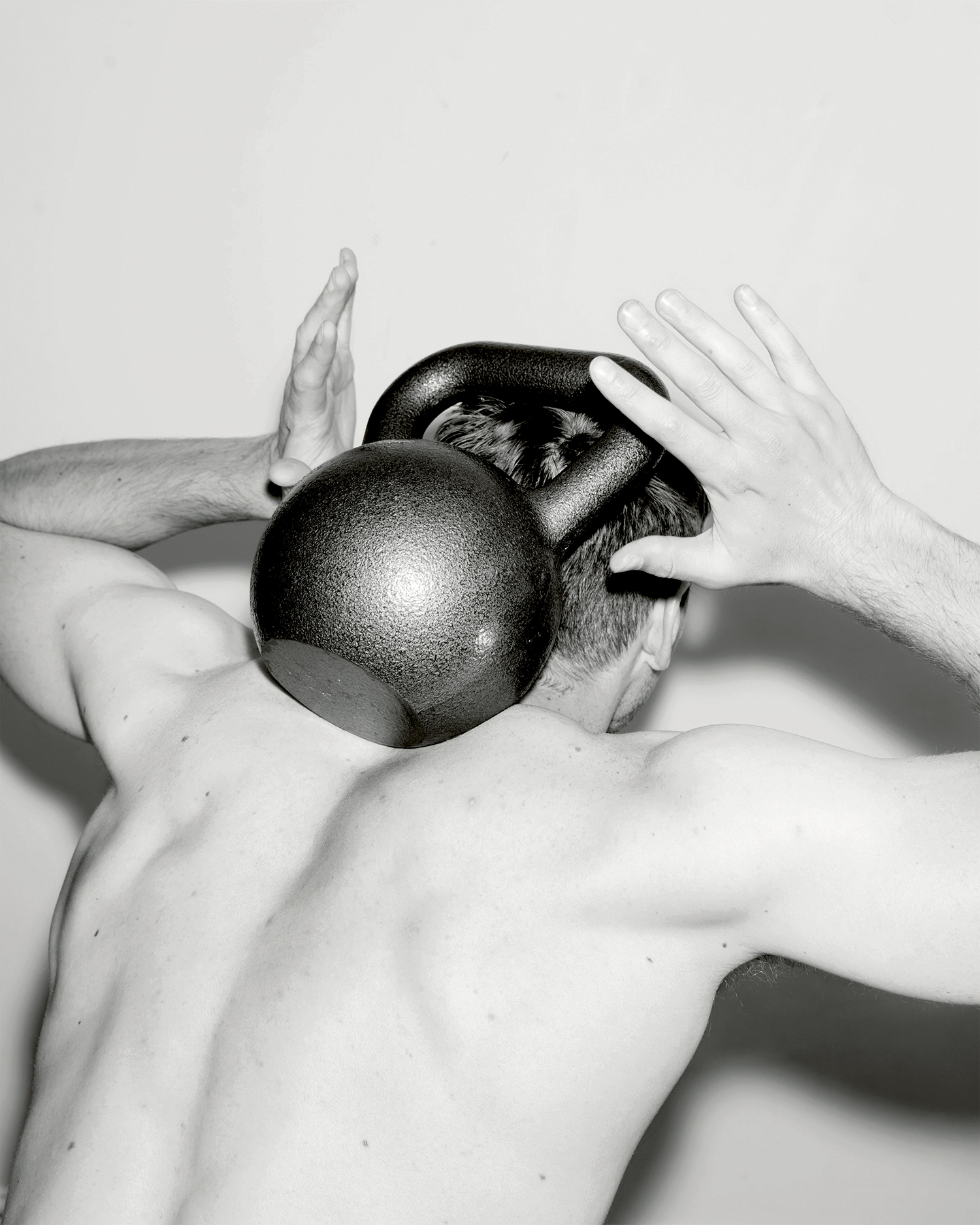
His second major project, Five Minutes After Birth, explores masculinity and the ways in which it is performed in the UK. This work includes quotes from interviews with British men, in which Lakin asked them to describe masculinity without using words such as masculine or feminine, and man or woman. “Taking away those easy linguistic shortcuts” meant people often struggled to articulate the idea, he says, and many of the resulting texts feature heavy black redactions over the forbidden words. “It demonstrates how difficult masculinity is to define,” he points out. “How it is familiar, but also not.”
Lakin won a spot on the prestigious Paris Photo Carte Blanche Students prize in 2017 with Alternative Facts, and showed Five Minutes After Birth at the Boutographies and Format festivals, as well as in a show staged in Arles alongside the Rencontres in 2023. In 2018, he was shortlisted for the Mack First Book Award, and in 2021 for the Grand Prix Images Vevey. Meanwhile, he started his PhD, and is now writing a 30,000-word dissertation as well as making new work titled Plastic Control. This project is about conspiracy theories, and the ways in which people try to decipher the world; in particular, it focuses on so-called Pizzagate, the 2016 viral claim that the US Democratic Party had links to a paedophilia ring.
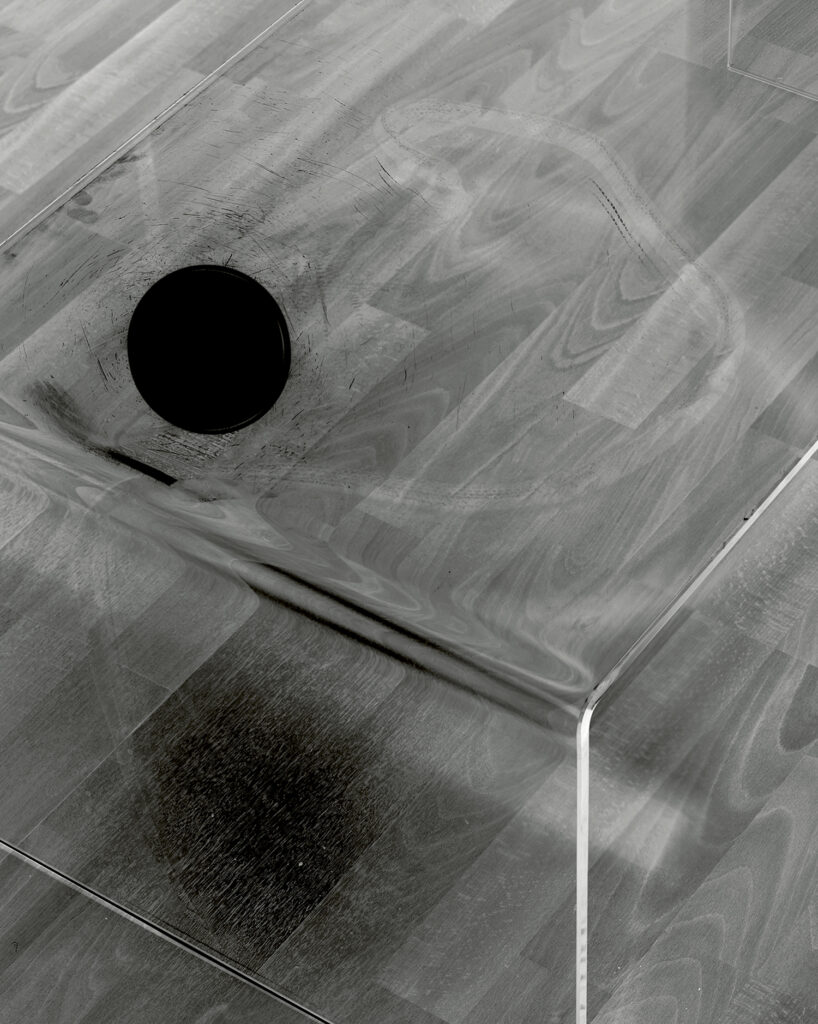
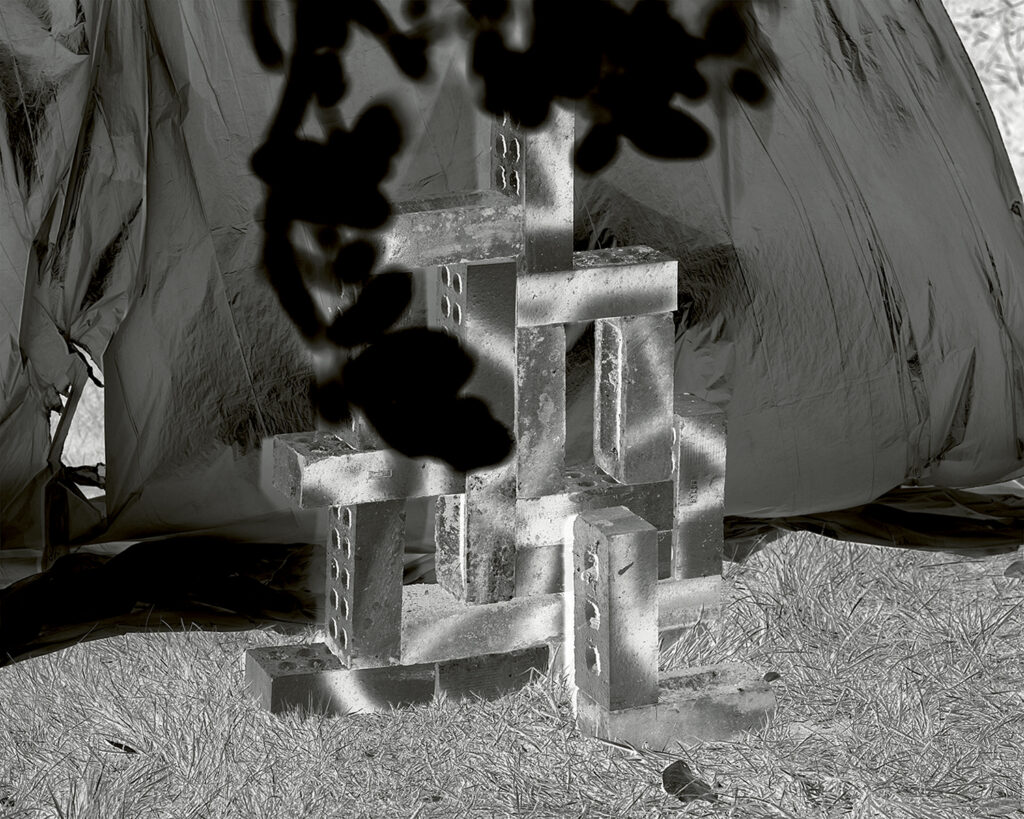
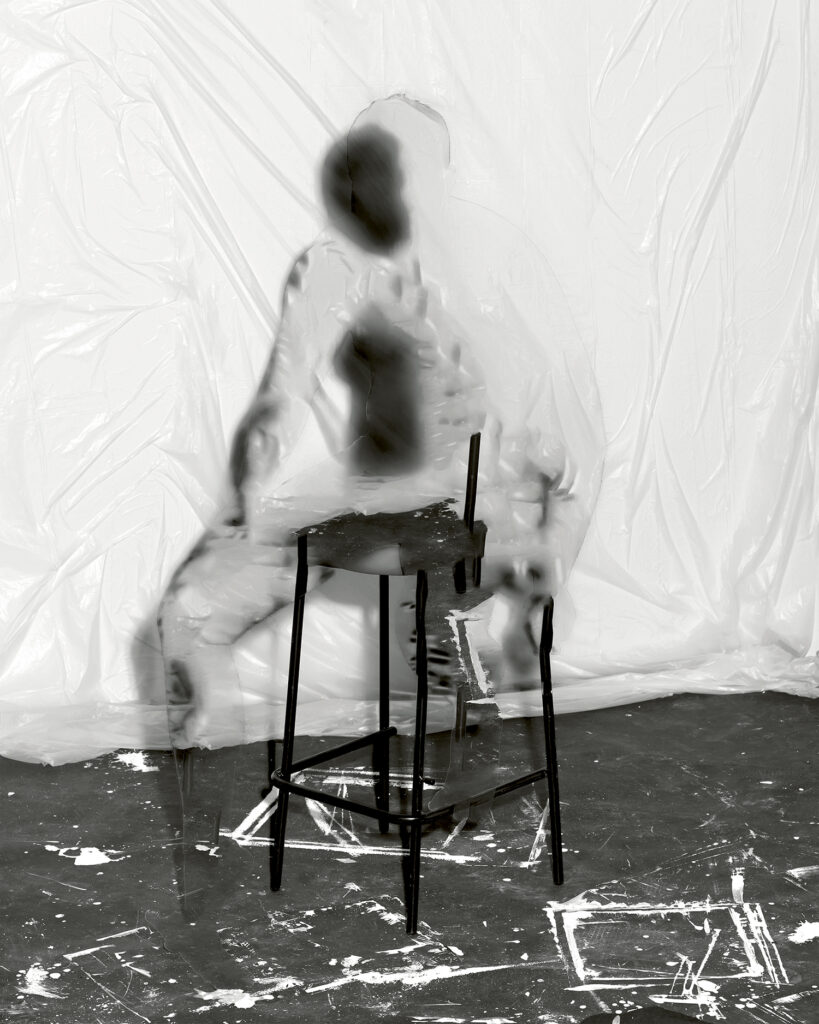
Lakin is working with a data set about Pizzagate, compiled from forum sites such as Reddit and Voat by the University of California, Los Angeles. This set shows the theory is an act of collective storytelling, he says, with many people contributing in a range of different ways. “Plastic Control is about the language; the language and communication of conspiracy theory,” he explains. “It’s working out how conspiracy theories are constructed and communicated, using a case study. There are definitely different motivations. There are characters on there who are keen to be the ones discovering, and to be seen as experts. Then there are people using it as a way to express their anxieties and fears about the world.”
As with Five Minutes After Birth, Lakin includes text with his artworks, short snippets of language revealing something about those involved. His images often play with construction metaphors, or literal ‘plastic control’, or small, inscrutable details which suggest problems of interpretation and epistemology. Lakin has exhibited this work at LCC and London’s Four Corners gallery, where he etched text onto glass and made sculptures, which also evoke construction, or perhaps framing and layers of meaning.
“It’s rare for me to be surprised by new talent – an artist has to make me question my own limitations in my work, and Will does that by making me ask questions,” says photographer and educator Kalpesh Lathigra, who recommended Lakin for Ones to Watch. “For me, that’s him all over. His ongoing PhD work, Plastic Control, is an evolution in his practice – he is pushing at his limits, which is what I love about his work. There is a singular beauty which radiates through each of the images he exhibits and as a whole, a cohesive narrative allowing the audience to navigate intricate lines of reasoning without bearing down upon them.”