

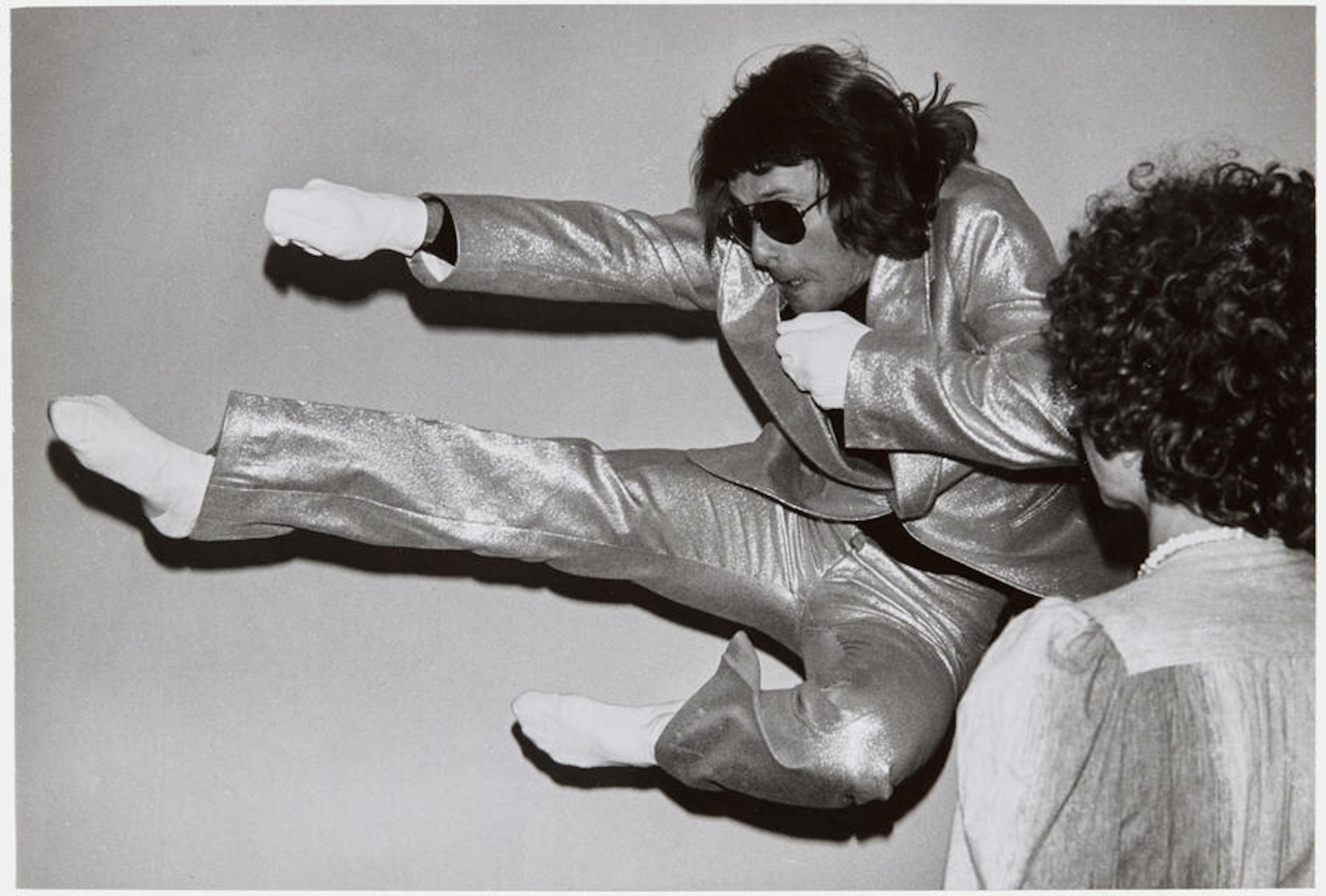
Bluff © Zygmunt Rytka, 1978. Image courtesy of the artist and Galeria Monopol, which is showing in the Main section
Photo London returns for its 11th iteration in a new venue, the refurbished Olympia. But the team behind the fair has known each other for years, with Sophie Parker involved since almost the start before becoming director in 2024, Charlotte Jansen returning for the third time to curate the Discovery section of emerging galleries, and Tristan Lund joining to curate a new initiative, the Source section of solo presentations – having previously curated Discovery from 2017-19. Their longevity has helped them bond with galleries, collectors, and photographers but also each other, they say, and they invited BJP to find out more
BJP: Sophie, you mentioned it would be good to get you guys together to discuss Photo London. Why did you want to do so?
Sophie Parker: We have a unique approach. Our collaborative approach to curating, our relationships with each other, and what we want to build – all of this makes us unique. We have a unified vision of how we want Photo London to be, and that feels special.
Charlotte Jansen: We have a shared passion for this medium. Though we all have our slightly differing individual tastes, and we’ve all arrived here via slightly different paths, discussing photography with Sophie and Tristan is always such a pleasure. Having our own perspectives is a real strength. We are a real team, and we just get along!
Tristan Lund: Something that’s really notable is our consistency – we don’t have a rolling guest curator programme, we’re all involved year on year, and that allows us to actually build. There are galleries we have had conversations with for two or three years before they committed to coming, especially to Discovery. That allows them a real sense of achievement and growth.
SP: The galleries in Discovery are less than eight years old – they’re emerging galleries, so sometimes it does take a few years for them to say yes. We’ve also had exhibitors participate in their first year of business; it’s always an incredible honour that they want to join us.
CJ: That means sometimes we’re getting involved in absolutely everything, from suggesting framers to what edition numbers would work. it’s an ongoing relationship with galleries, as well as artists. We want to know what they’re doing all year round, to get to know their programme and get a deep sense of what they’re trying to do, and where they fit, what their needs are. Fairs can be so much more than just a commercial entity.
SP: It’s so much more than the five days of the fair, we want everyone to feel supported all year round. We highlight their programmes, take VIPs and collectors to their galleries, and offer talks for their artists all year round. The photography ecosystem is relatively small in comparison to the contemporary art world, so everybody wants to support each other in growing the photography market.
“Fairs play an important part in the ecosystem of the art world but I think Photo London will be even more important both as a space for artistic expression and in terms of the survival of art practices.” Charlotte Jansen
BJP: Is Photo London bigger now?
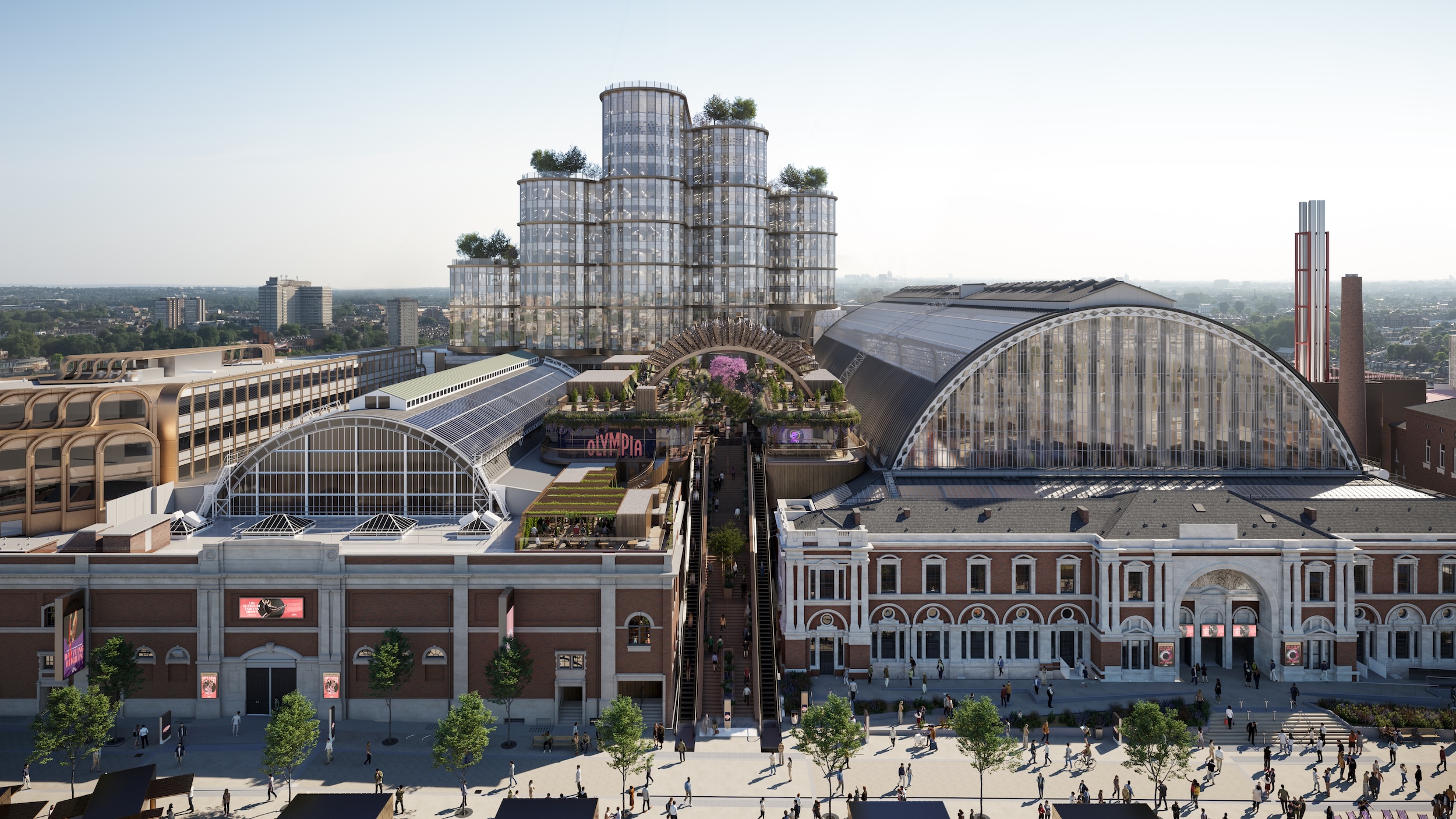
SP: In terms of square meterage it’s only slightly larger, but because of the building and how we can build in it, we can now really utilise every square metre. So we will have more Discovery galleries than ever before, more publishers than ever before, a whole separate space for Positions, our section for unrepresented artists curated by Maria Sukkar. In the main section we have been able to create a focus section for galleries from Central Eastern Europe and Latin America, and give them the opportunity to participate by taking a smaller space than before. We basically get given a shell, a very beautiful shell of a building, and we can build everything we want. I’m excited to have a screening room for films this year, a new thing we haven’t been able to do before, which will sit separately from our talks auditorium.
BJP: Who comes to Photo London to collect work?
SP: One of the things I find exciting about photography is its accessibility. So exhibitors might sell to a bank’s collection, we host a number of events for those adding to corporate collections. But we also really push growing new collectors, making people realise that you don’t have to be “A Collector” to have a conversation with an exhibitor, and most galleries have something accommodating to many budgets. We often encourage Discovery galleries to consider producing prints unique to photo London, that are slightly smaller in size and have a higher edition number. Some of those prints can be £100. Publishers play an important role too, and this year we will have about 50 publishers; some publishers also bring editions, so that’s a great place for emerging collectors to go and find an affordable edition that comes with a book as well.
TL: Going to Photo London can feel like going to a temporary museum, but fundamentally it is a commercial entity and it only survives if the galleries feel that it’s worth their while. It’s worth their while if they sell work, and they sell to new people. That sale might be six months down the line, but they first met the person in London in May. I want to invite galleries if I believe in what they do, and take them seriously. But I’m also aware I can’t ask them to bring something very esoteric that will be lost in the noise of an art fair.
SP: That’s why we’ve often championed solo presentations, so it’s really exciting that this year that we’re putting a real emphasis on solo presentations [in Source, curated by Lund]. We know they work very well for our collectors.
TL: Also we realised that so many of the bigger names in photography are represented in mixed media galleries – they may not have enough photographic artists on their roster to come and do a salon hang. So to emphasise just coming with one of their artists, that gives them more reason to engage with the fair.
BJP: Do galleries have to say exactly what they will bring?
SP: We don’t ask for a stand plan of how they’re going to hang the work, but we do ask them to submit an application with a brief about the theme, the curatorial message of their booth, and 10 images; if they’re going to show multiple artists, we need to see all of the work. If there are posthumous prints, we need to understand exactly how they’re made. Then during install, the curatorial committee does a vetting tour, checking everything over. If we feel a gallery is maybe overhanging, or something’s not quite working, we’ll feed that back and ask them to slightly adjust. Usually they respond really well.
CJ: In Discovery there’s a little more input from us maybe, we speak to them more, because they’ll have more doubts and worries, as they’re often very new. We advise, while being mindful they might not have the budgets to do certain kinds of presentations or take huge risks.
BJP: Does Photo London have a certain personality, in terms of the fair and the collectors?
SP: Photo London is representative of London – we’re very international and really diverse. Our audience is also very international, we’ve always had collectors come from all over the world, and we have a diverse audience that lives in London. It’s important for us and we know it’s very important for our galleries too. If they’re coming from another part of the world, they can meet collectors that might never set foot in their gallery; we even have galleries that don’t have a year-round physical space. We understand how important it is to bring people together so we do events around the year internationally, from visits to museums and private collections to openings and cocktails.
TL: It’s difficult for a fair to survive on a domestic audience alone, and no fair can grow without international visitors. Every fair tries to become a point in people’s calendars. But a big part of what we’re trying to do is educate and grow a home audience. We are working with educational institutions such as the RCA, to join the dots between people who are at the beginning of their career in making work, and people in their 20s who might buy something. London feels different in that sense.
CJ: Photography is also different in London because it embraces so many media, photography is seen as an expanded practice here. But to me, photography is everything. All art is photographic now, because that’s how we see, how we think, everything we do to an extent is shaped by photography. So therefore everything can potentially come under this umbrella of ‘photography’. One of our aims is to challenge the definition of the medium and its potential.
BJP: What is the vibe at the moment in London, is it positive?
TL: It’s no secret that the art world and other creative mediums and even luxury goods have struggled over the last few years. There is money out there, it’s just that people are being more cautious with it. But in Source, we are asking galleries to take a risk by just showing one artist. It’s all or nothing. So we were aiming for 10 to 12 galleries, and we have ended up with 19. And they aren’t necessarily showing easy work – Galerie Julian Sander is showing Rosalind Fox Solomon’s Portraits in the Time of AIDS from 1988. I find it interesting and curious and heartening that galleries are still prepared to take a risk.
CJ: It’s about values, there’s a push for higher standards. Collectors are demanding more, and artists are also speaking out more, so galleries need to show what they really stand for. Some of the artists blue-chip galleries are representing now, you would not have seen in those spaces ten years ago. And it’s worth pointing out that not all solo presentations will be in Source. In Discovery, many of the artists are completely new to audiences, they have never shown before, so a solo presentation allows that space to get further into their practice.
SP: There is also a good proportion of collectors who want to invest in a gallery as much as an artist. They want to support and nurture the gallery, so maybe in the first year they will just discover it, in the second year they will see it again, in the third year they may think ‘OK this gallery has a consistent practice and an interesting roster, I will support them’.
CJ: I think wealthy philanthropists and private galleries are going to become increasingly important in the future. Institutions are getting less and less government funding, due to cuts; artists are getting less funding. Fairs play an important part in the ecosystem of the art world but I think Photo London will be even more important both as a space for artistic expression and in terms of the survival of art practices. And we are independent, so we don’t have a set of rules around what can and cannot be shown; we don’t have restrictions about showing a certain kind of artist because we don’t need to adhere to the demands of government policy. The commercial space can be quite free in that way, and I think that side of it has historically been undervalued.
BJP: What are your hopes for the future of Photo London?
TL: The move to Olympia is the next phase, it is a big part of the reason I wanted to come back. We’re a relatively young fair, but we are maturing and evolving.
SP: It is the next step, going into our second decade. We have set down a solid foundation of who we are and what we want, and now we’ve got a space that will help us create something that really feels like a fair, a place to come and collect. It’s going to make the fair feel much more joined up and coherent – as soon as you walk in, you are going to be able to get that sense of an overview. It’s going to be ‘Wow!’
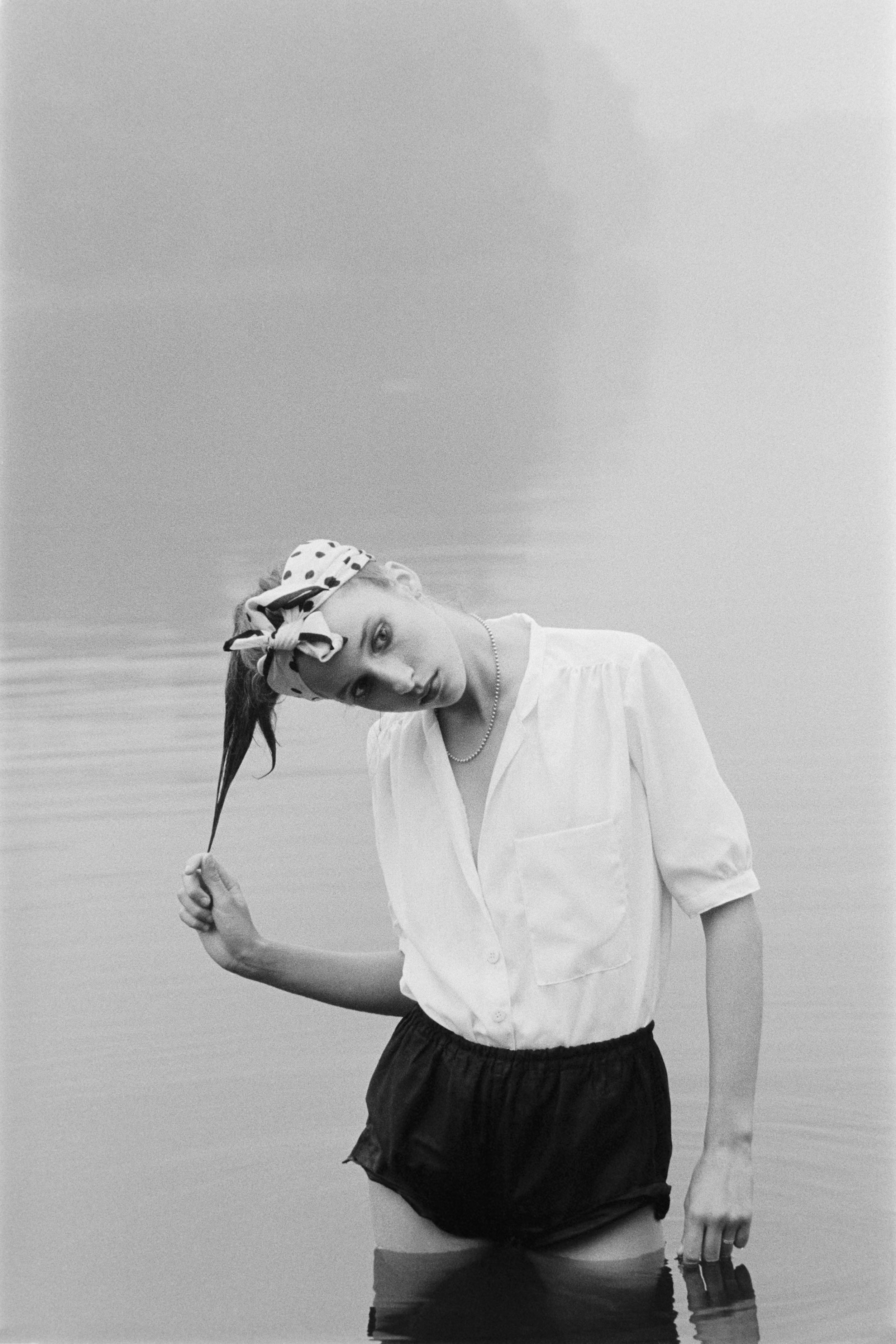
Photo London is open from 13 – 17 May at National Hall, Olympia, Hammersmith Road, London W14 8UX photolondon.org