

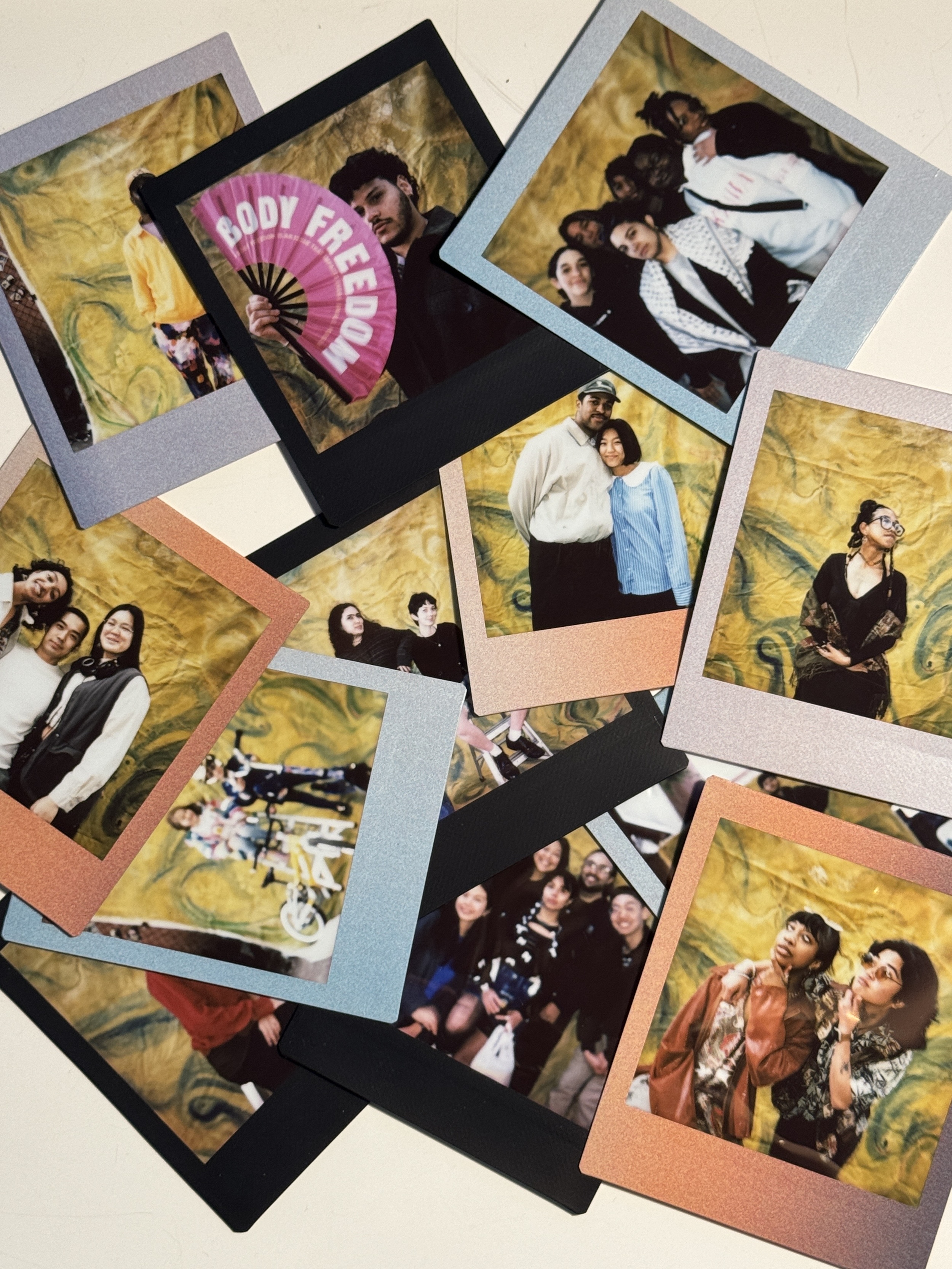
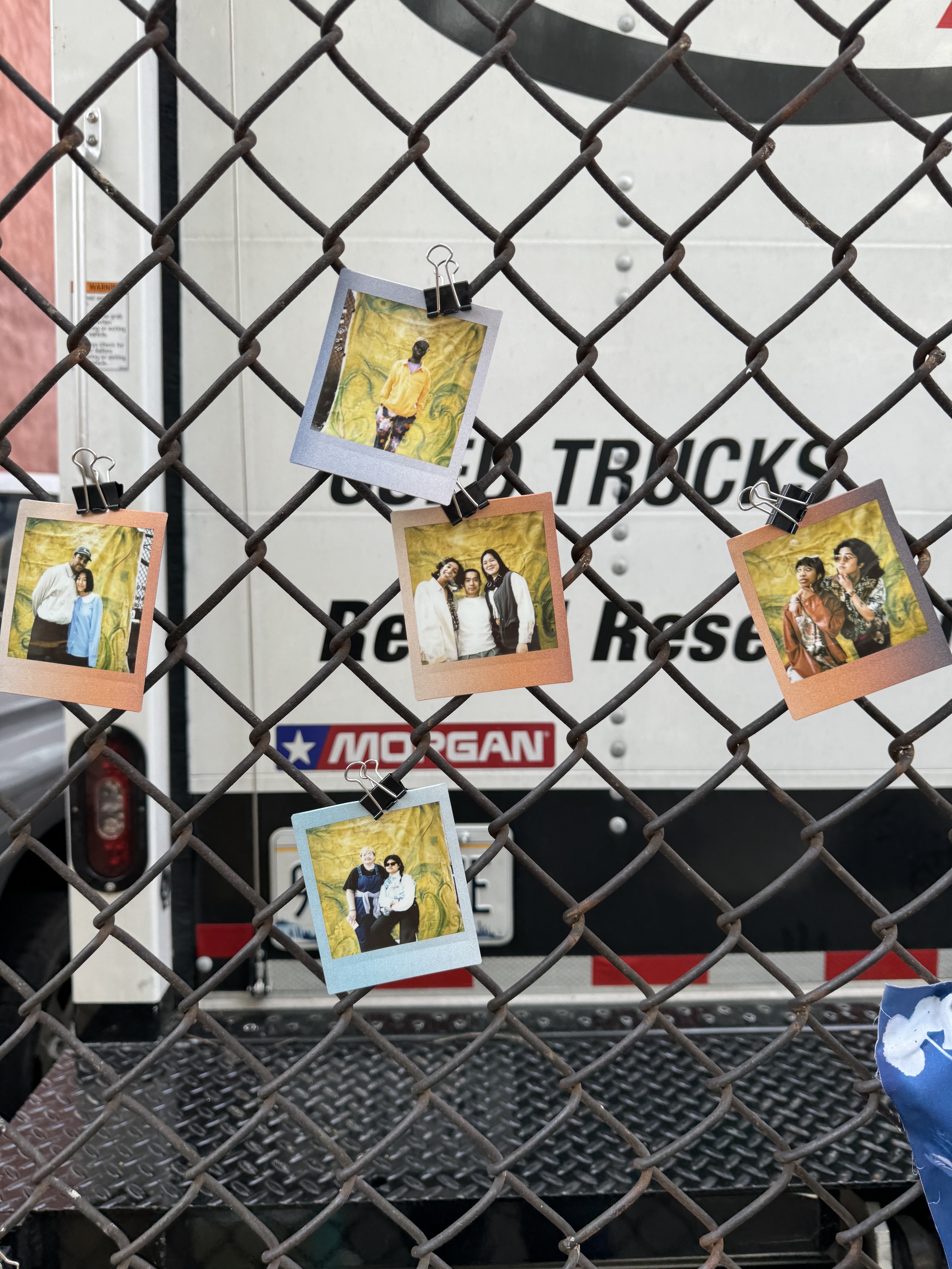
From the Baxter Street community block party, spring 2024, which invited vendors from the local area. Courtesy of Baxter St
The renamed Camera Club of New York builds community in both photography and its local neighbourhood, say director Jil Weinstock and president Michi Jigarjian
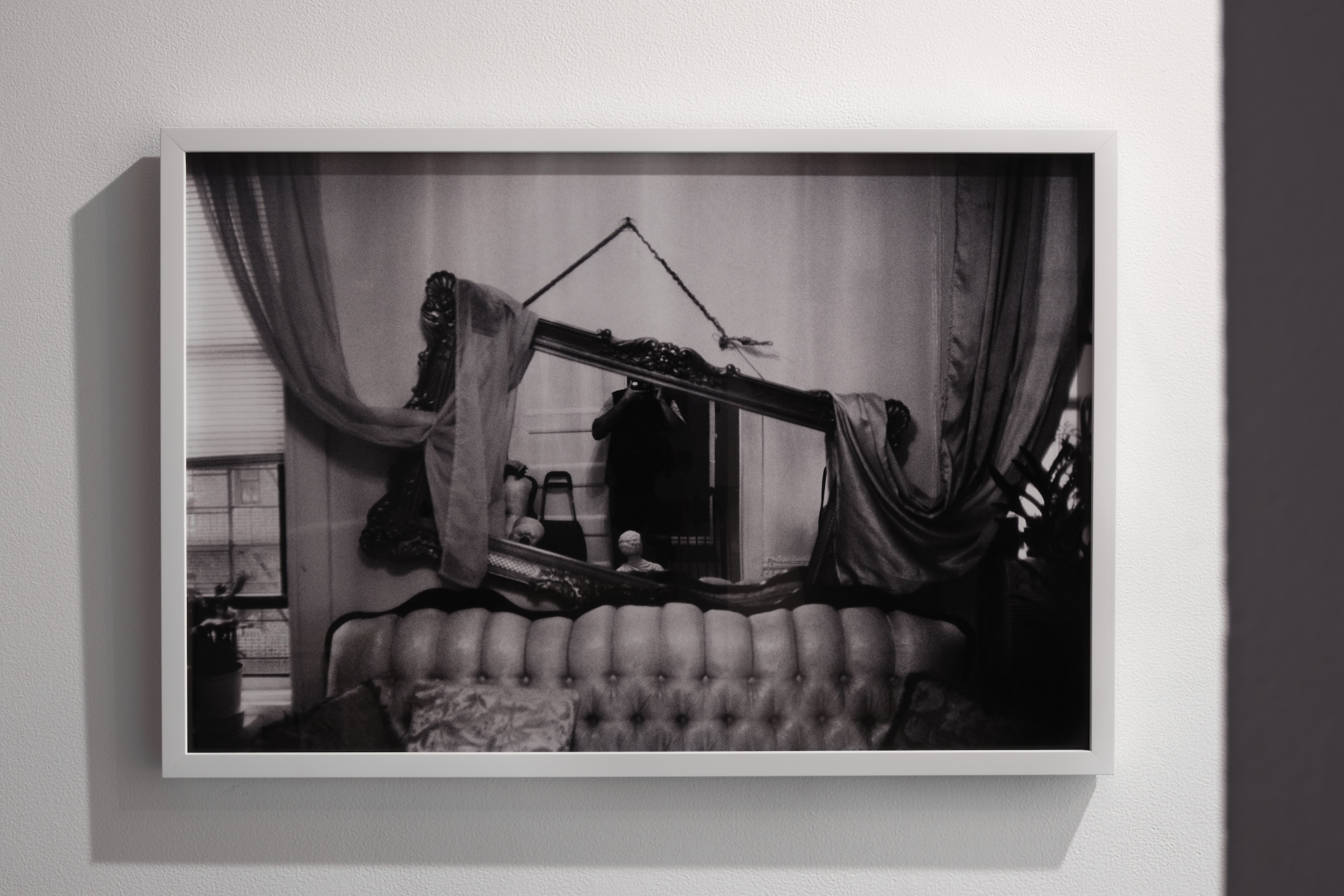
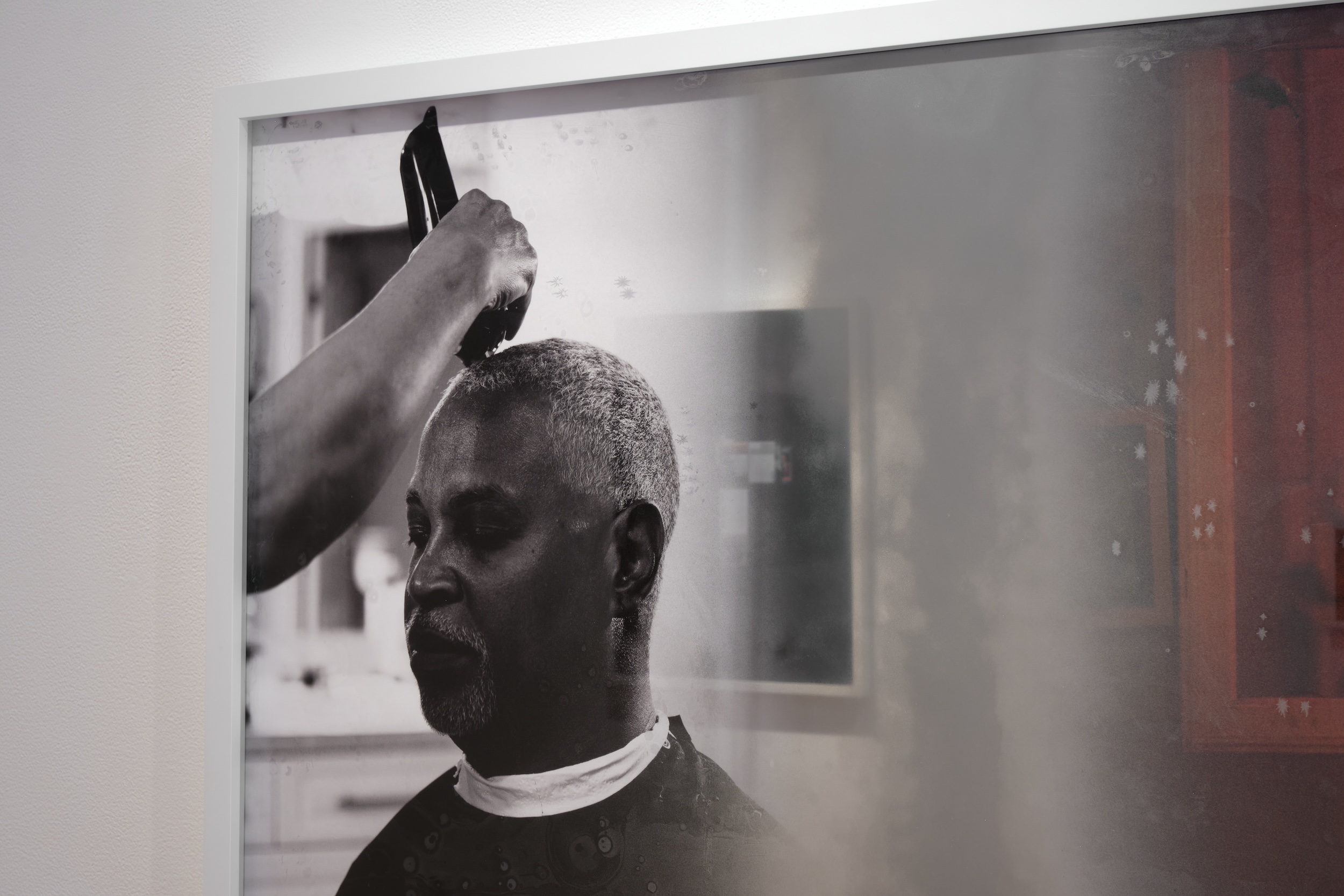
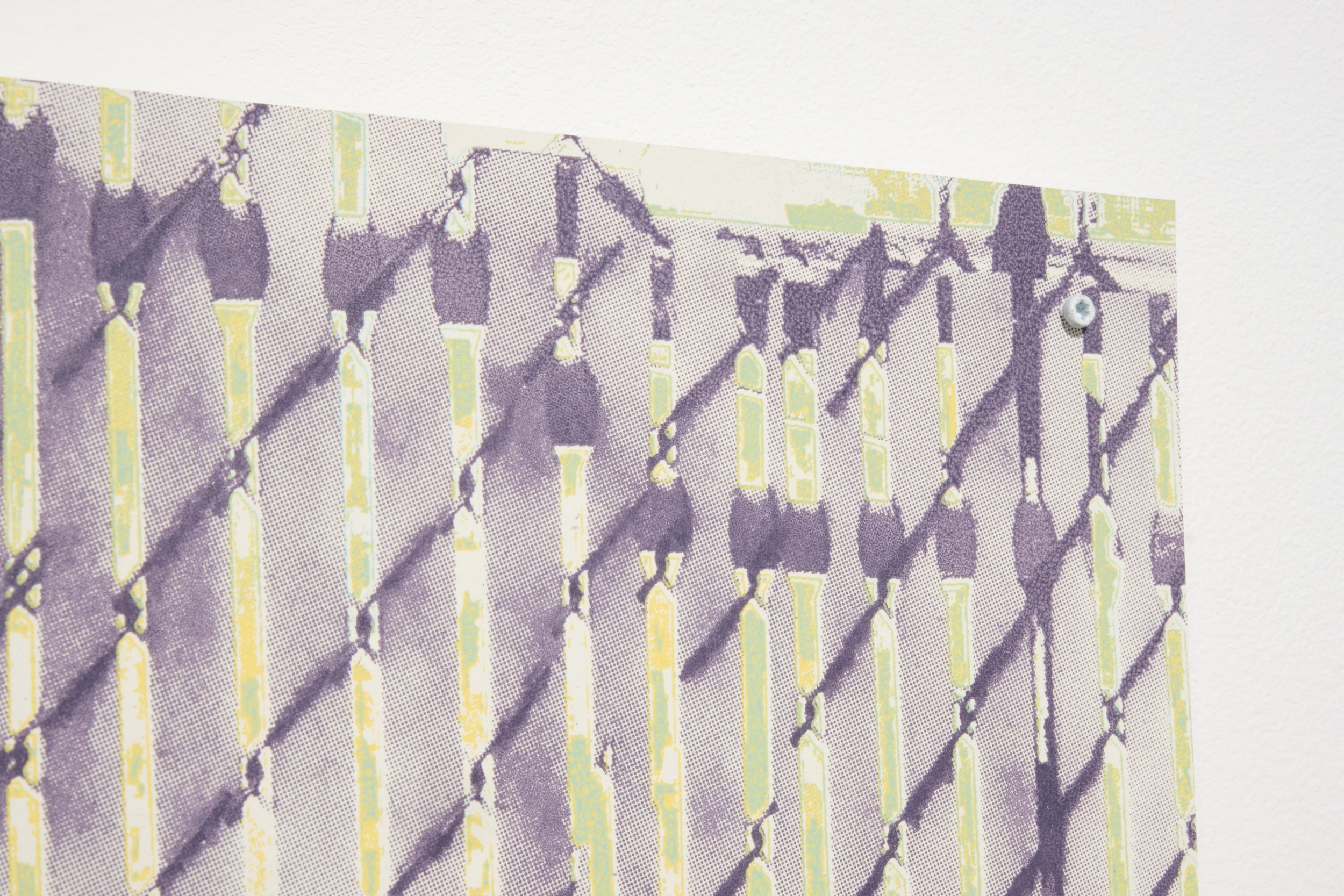
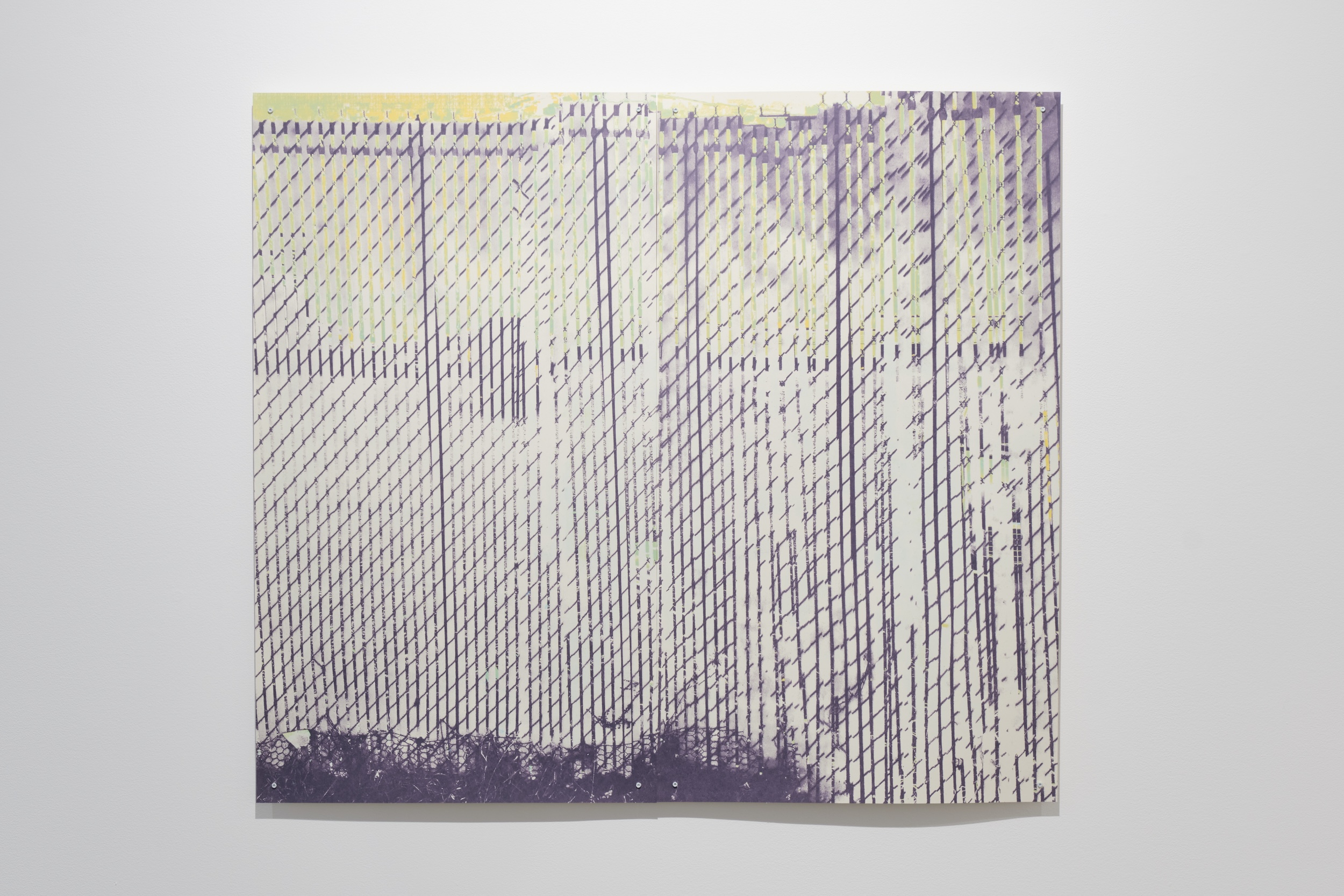
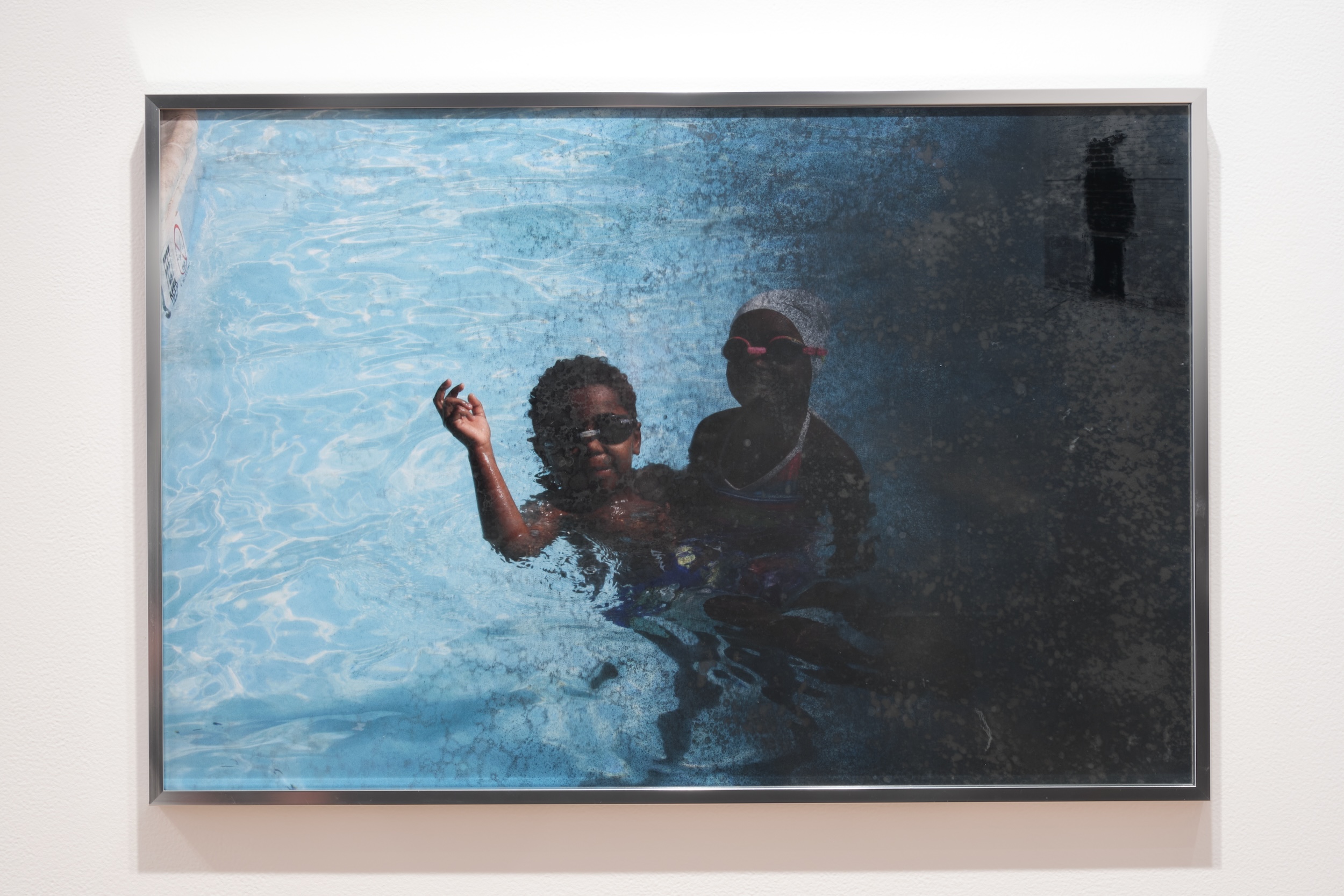
Nestled in New York City’s Chinatown, two humble galleries sit side-by-side in classic Lower East Side architectural fashion. They house the Camera Club of New York, renamed Baxter St at the Camera Club of New York since its relocation to 126 Baxter Street in 2014. Jil Weinstock, executive director, takes me on a tour around the current shows – Brandon Foushée’s Y’all don’t wanna hear me, you just wanna dance and Enclosure Lateral Movement by Bill Abdale. Both projects are experimental in sensibility and multimedia in form; while Abdale utilises screen-printing, Foushée’s work uses the archives and photo transfers on plexiglass. In Baxter St, photo artists such as these find a home they otherwise might struggle to locate in the city. It is “a place for lens-based artists to go that don’t necessarily fit into those moulds of traditional photography”, explains Weinstock.
Since its inception, the Camera Club of New York has been asking questions around what photography is, and what it looks like. As the oldest camera institution in the city – and one of the oldest arts organisations in the United States – it has been championing experimental photographic work for years, pushing the medium beyond its boundaries. The focus is on artists who work with a lens in any way, and the diverse breadth of work it has exhibited is testament to this.
“In community work, you never want to be the saviour… You need to listen to what they need and see if you can provide resources”
– Jil Weinstock
In the airy and bright backroom office, Weinstock relates her journey to Baxter St, which she joined almost four years ago. As a practising lens-based, mixed-media artist, she previously spent time at the Whitney Museum and the Children’s Museum of the Arts, where she curated 35 shows in under nine years, alongside other institutions. Throughout she maintained a focus on socially engaged arts and community work. “I pushed the boundaries, I brought in contemporary work,” Weinstock says of her time at the Children’s Museum. “I brought artists that were really saying something about what was happening globally, politically, [on] gender. It was very important to have those conversations.”
She brings her expertise to Baxter St to curate shows which demand attention to and reflect vital global conversations on our rapidly changing epoch. Weinstock joins Michi Jigarjian, president of Baxter St, who started as an intern 14 years ago. Since moving the gallery downtown, Jigarjian has also helped update the nonprofit organisation’s mission; to focus on breaking barriers to art and photography, removing membership fees, and encouraging access for local communities. Jigarjian says that the move to Chinatown aimed to help make the organisation sustainable, but also provide more of what artists need; the previous second-floor, midtown location was inaccessible to many, she notes. The space is now not only a gallery, but also a communal workspace, a studio for resident artists, and a venue for events such as this year’s spring block party, a gathering which hosted over 70 vendors ranging from food to crafts and presses from the city.
“When [the board] moved [the organisation] here and started being intentional with the gallery and the residency programme… they realised a lot of artists really just need space and support showing their work,” says Weinstock. Baxter St’s competitive residency programme – initiated by photographer Allen Frame, previously the board director – has only three annual spots and receives over 400 applications each year. The successful ones are selected by a different jury each time. “We’ve had artists who tried three, four, even seven times, seven years in a row before they received the residency,” says Weinstock.
The programme is open to lens-based artists who have never had a solo show, and they receive an artist fee, materials fee, production funds and a three-month work space. Artists also get a mentor, paired to them from Baxter St’s art advisory board, which is made up of 25 professionals, curators, academics, other artists and collectors. The focus is on professional development, which is particularly crucial for artists from less-privileged backgrounds or at the beginning of their career.
During their time at Baxter St, residents also meet with the gallery’s communications consultant to discuss marketing strategies, and with an art handler who helps them to understand how to put a show together. For each of its resident artists, Baxter St produces a video interview on the occasion of their show, and the conversation is made available online permanently. Additionally, Weinstock often helps with pricing advice. “Once they go through all that,” she says, “then they have anywhere from six to nine months to [make] a body of work for their first show. During their show – it’s up for six weeks – they do two public programmes as part of Baxter St’s Conversation Series.”
Baxter St’s programmes range from panel talks to workshops and more. One resident artist, Simon Benjamin, born in Jamaica, remembers ‘Saturday soup’ as a special moment that he shared with his family, says Weinstock. “So he and his sister made a big pot of soup. We put it outside in the backyard, and we had him talk to a curator and myself about the work and the show while people had soup,” she recalls. Artists-in-residence are also given an online viewing room, which they can populate with installation shots and ephemera such as music they listened to while creating, books that inspired them, poetry they wrote, work-in-progress images, and any press they received. Throughout, the aim is to equip artists with knowledge, connections and experience which will help them continue the work after their time at Baxter St.
Baxter St also offers mid-career and guest- curated programmes, and in each case the end goal is the same – to incubate a space in which artists can create work and express themselves, without commercial constraints. The organisation is intentionally democratic in structure, with artists and the community ecosystem leading decision- making. Jigarjian admits that – although she respects them greatly – Baxter St is not the next International Center of Photography or Aperture. Instead she and her team aim to fill a gap in the existing structure, sometimes by partnering with those institutions. “We understand our place,” she says.
The focus is on building an equitable, circular and sustainable model that can lead by example in the art and photographic industries. Baxter St makes sure to pay artists for any labour, for example, giving them 50 per cent of the proceeds from their fundraisers, and 70 per cent of artwork sales. “Photography is one of the most equitable mediums. We all have phones now, we can all take photos. So how do we translate that into a practice?” posits Weinstock.
A generous $1million grant from the Mellon Foundation in February 2024 has allowed Baxter St to address its needs by increasing capacity and gearing up for new ideas. “We were a small organisation, so in order to support our community, we needed to double staff, double exhibitions and double programmes,” says Weinstock. The Mellon support also helped to fund a new role: a community outreach coordinator. “We are so much part of the fabric of not only the photography community, but all the community where we sit,” echoes Jigarjian. “We’re good neighbours. And we have always dreamed about being able to have a position dedicated to that role.”
Jigarjian and Weinstock are looking forward to deepening ties within their neighbourhood with potential community programmes and exhibitions lined up; they are also hoping to work with smaller, independent presses on pop-ups, and on events such as zine and collage workshops, and even film screenings. “In community work, you never want to be the saviour,” says Weinstock. “You’re not saying, ‘This is what I think you need’. You need to listen to what they need and see if you can provide resources for that. You may not be able to, but if you can’t, you might know someone who can.”
Baxter St’s garden has even been used as a training ground for Saturday-meetings of the Sisters in Self-Defense, a local group teaching women preservation skills. “[When] we moved into Chinatown [we] really wanted to know our neighbours, it’s important,” says Weinstock. “Which is why we did the block party. Because we wanted them to know that we’re here for them in any way they need it.”