


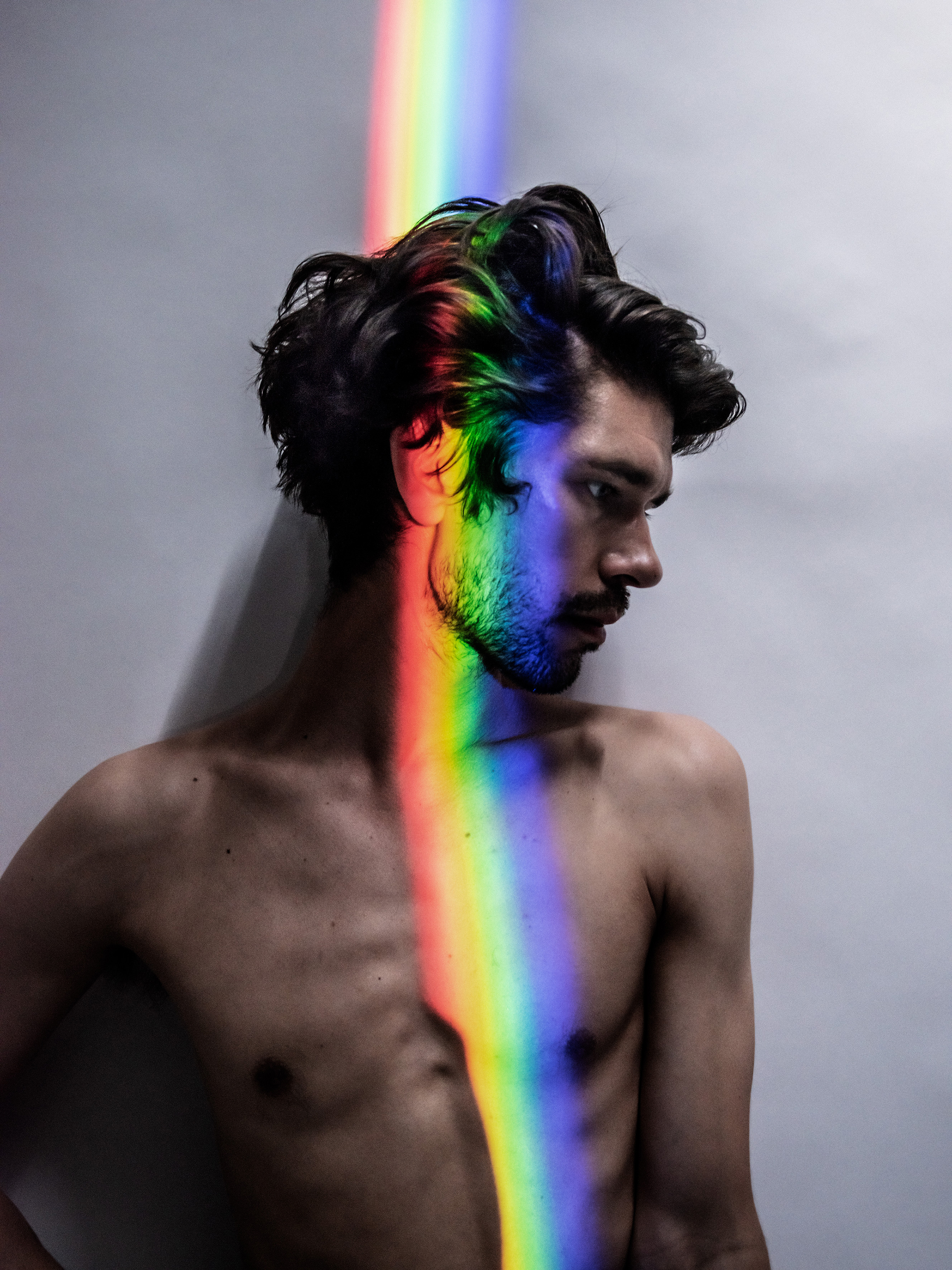
Ben Whishaw in Crystal Prism, London, 2020,
by Tim Walker © Tim Walker.
Tim Walker’s Fairyland: Love and Legends honours the pioneers, icons and activists who have inspired the photographer on his life journey
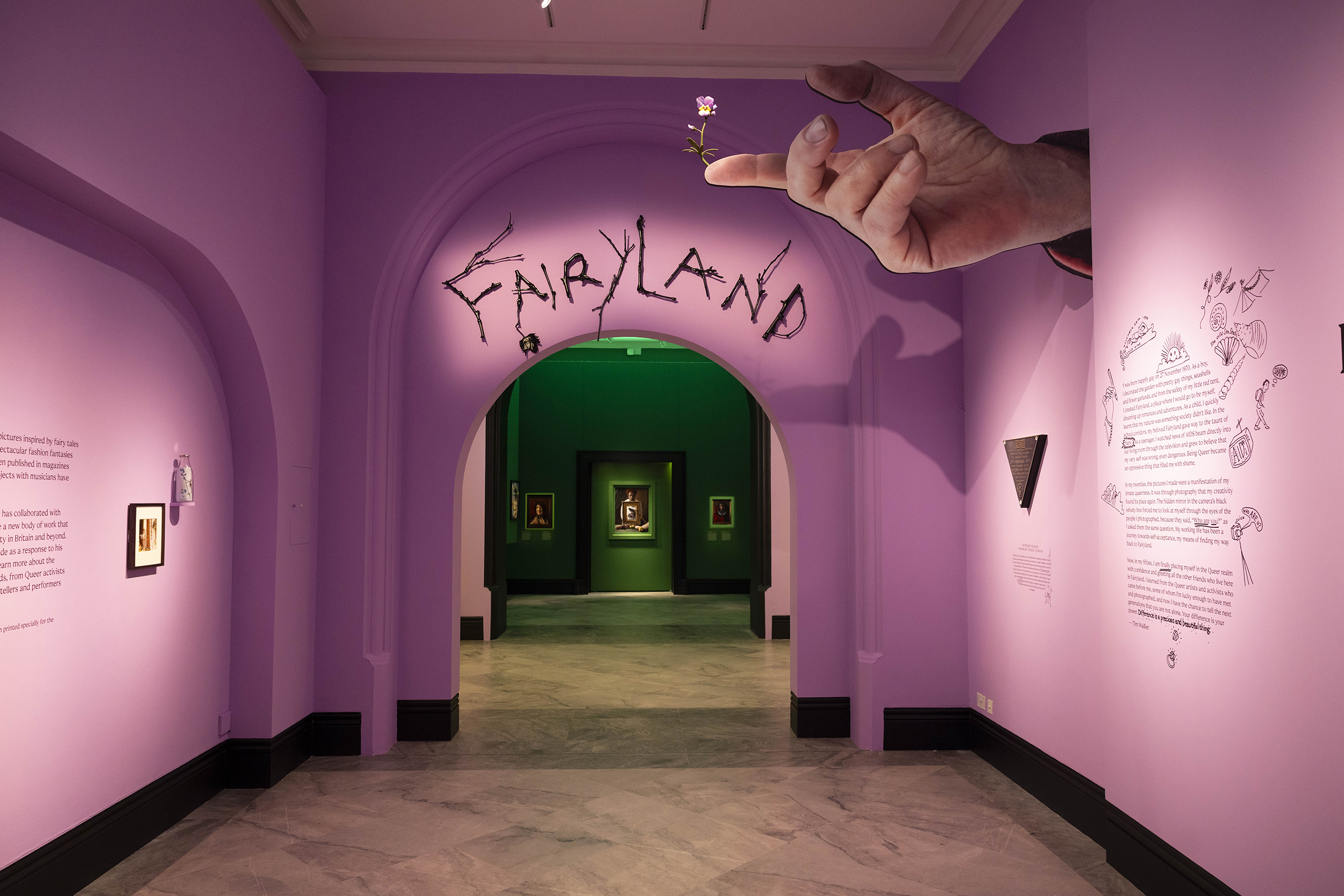
Entering Tim Walker’s Fairyland is, as the title suggests, like entering another world. The stark minimalism of the white-cube gallery is banished, the established formality of the National Portrait Gallery fades away. Instead the opening room is painted bold lavender and a giant hand reaches out from one wall, holding aloft a flower. The introductory wall text includes squiggly doodles and illustrations, and is written in the first person; there is a sweet family photograph, showing the artist as a young boy, proudly sporting fairy wings. “It’s a picture of Tim from 1975, taken by his mum Lorna,” smiles Susanna Brown, curator of Fairyland. “When Tim showed it to me last year I said, ‘We need to open the exhibition with that because it sets the scene for the whole project’.”
In his introduction, Walker writes he was “born happily gay” on 27 November 1970. Creative, imaginative, nurtured by his supportive mother; he soon learned that “society said my nature was wrong” and invented Fairyland as an escape, “a place where I would go to be myself, dreaming up romances and adventures”. Later, the word ‘fairy’ also became tainted, used as a homophobic taunt by his peers; growing up and watching news of HIV and AIDS’ spread – including the UK’s grim public health campaign on it – Walker started to feel that being Queer was dangerous, even shameful. It is only now, in his fifties, that he feels able to publicly embrace his sexuality with this exhibition, which he has been working on for six years. Subtitled Love and Legends, it includes portraits of Queer icons and fellow-travellers who have inspired Walker over the years; the selection of sitters is firmly subjective, a personal take on those who have helped build the world he now lives within.
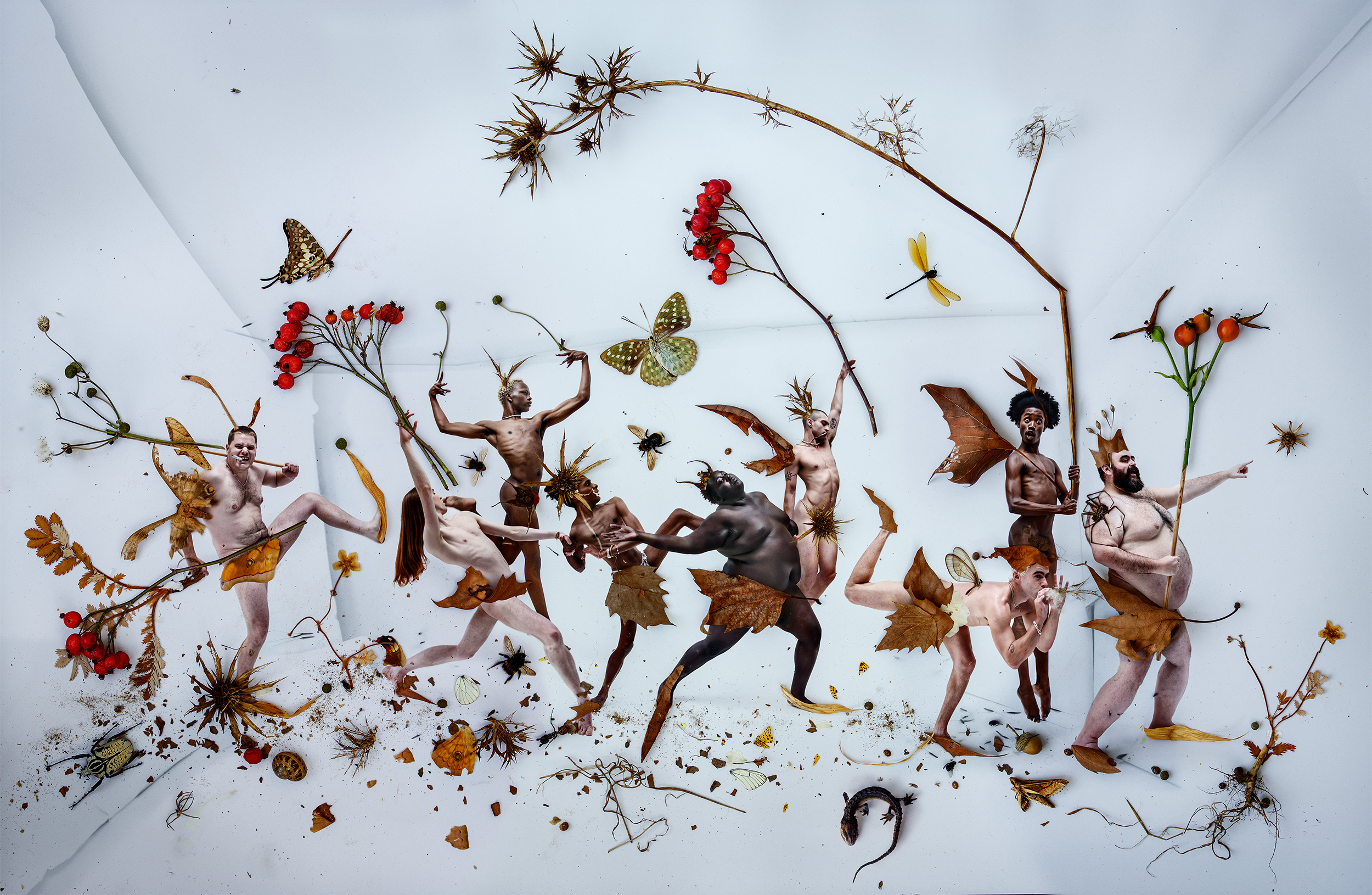
“I have the chance to tell the next generations that you are not alone. Your difference is your power. Difference is a precious and beautiful thing”
– Tim Walker
“It’s not a who’s who of all the brilliant Queer people today,” says Brown. “That would be an impossibly huge exhibition! It’s about Tim and his journey, both as a photographer and a creative, and the progress of his work.” Brown has known Walker for over a decade, and has previously worked with him on the exhibition Tim Walker: Wonderful Things at the V&A in 2019-20; the exhibition design is by Shona Heath, who has collaborated with Walker for 30 years. Flamboyant colour tracks through the exhibition, with rooms painted in rainbow hues from bright red and yellow to more sombre black and dark green. It is joyful but there is a serious edge, the first half of the show honouring and acknowledging the activists who fought for the right to love, and the hard years of the AIDS crisis.
In fact Fairyland looks back to these early years. In 2020 Walker stumbled on a plaque in London’s Highbury Fields commemorating the UK’s first public gay rights protest and realised he was born on the same day. The effort to create the world in which Walker now flourishes had been going on his whole life, and this discovery sparked his curiosity about those civil rights pioneers, and he set out on an odyssey to photograph them. This show stems from that impulse, and the fact it is taking place in the NPG is important, because the NPG is a national institution dedicated to celebrating individuals’ contributions to the UK. Walker’s exhibition reads as intervention, questioning who gets to be honoured, and why.
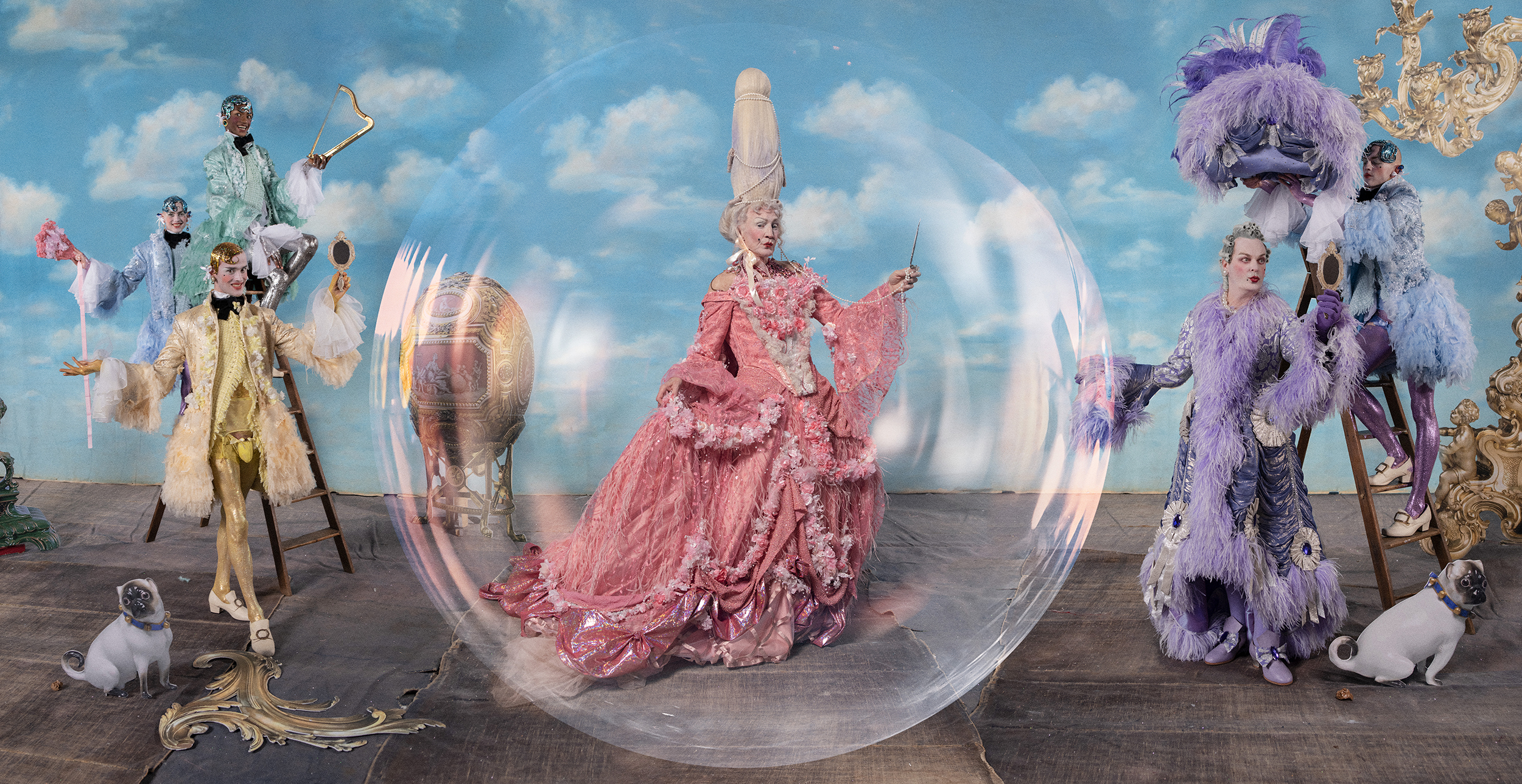
Walker plays with this setting in his portraits; in the first room of photographs he references oil paintings in the NPG’s collection dating back to the 1500s. “Holbein and Hilliard memorialised the movers and shakers of the Tudor aristocracy for hundreds of years to come,” he writes in his introduction. “The trailblazers I photographed made history and deserve to be on our gallery walls too.” The first room in Fairyland features Shân Veillard-Thomas and Lisa Power, among others, early activists with the Gay Liberation Front and Stonewall; they are photographed in the style of these paintings, and also framed the same way, the NPG gamely embracing the effort to ‘queer’ its space. “The NPG very kindly allowed us to use some of its beautiful historical frames,” says Brown. “Several of the ornate frames we used [in the show] are hundreds of years old, and then Tim included antique frames within the photographic compositions, so we end up with stunning trompe l’oeil effects.”
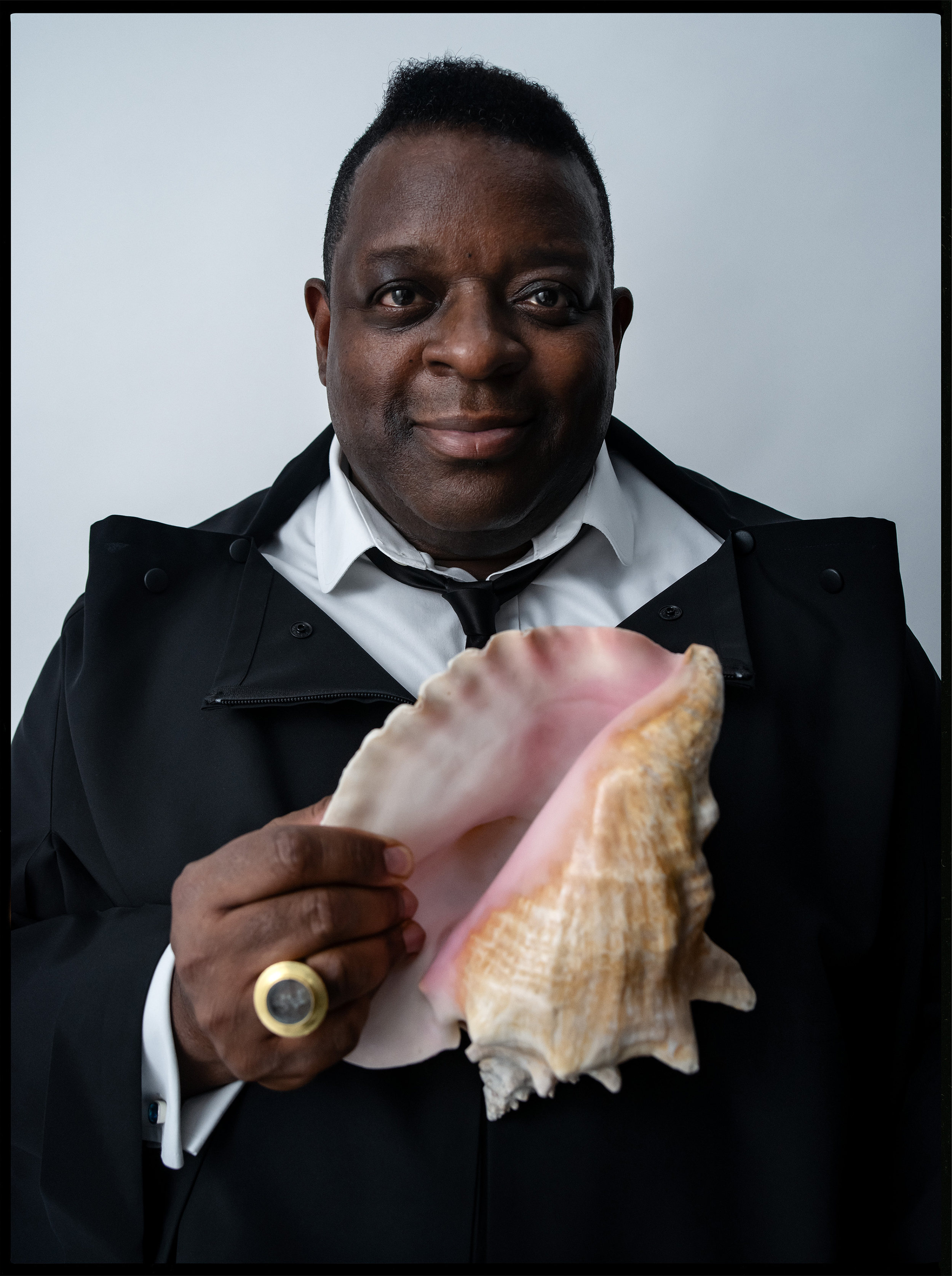
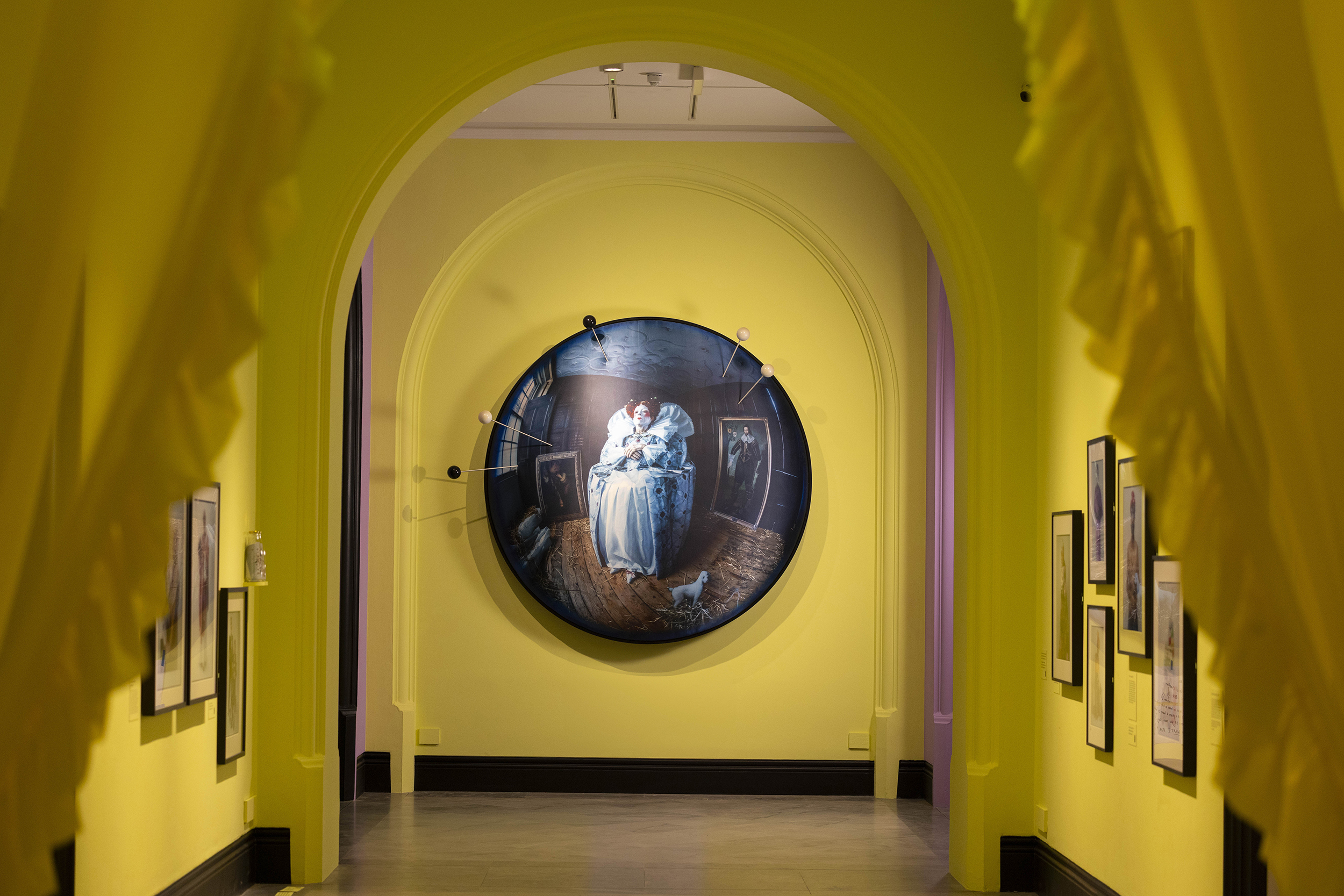
All the portraits in Fairyland are creative collaborations between Walker and the sitter, as Brown points out. Gay actress and activist Liz Carr, for example, explained to him that when she was growing up her teachers often cast her as the monarch in school plays due to her wheelchair, lazily reasoning she was already sitting in a kind of throne. Carr and Walker collaborated on an image depicting her as Queen Elizabeth as in the famous ‘Ditchley Portrait’ held by the NPG and dating back to around 1592; the image allows Carr to reclaim her queenliness on her own terms, and it also comes with a twist. “Every single thing in the picture is made of paper – her dress, her shoes, her earrings, the little dog, all of the walls, the ceiling, it’s all wallpaper,” says Brown. “As Liz explains in the audioguide, the paper is a metaphor. When people look at Liz, a Queer disabled woman, they might make certain assumptions, but we know that those assumptions and biases are paper thin. Liz has the power to scrunch up every bit of paper and tear down every wrong assumption, and be exactly who she is.”
Walker sometimes suggested ideas to his sitters, but remained open to their wishes on how to represent themselves. He and Brown have also welcomed sitters’ own voices into the exhibition, by including many quotes in the biographical image labels and 15 different sitters’ voices on the free audio guides, rather than the more conventional artist-curator dialogue. “It was more work to do it that way but I’m glad we did,” says Brown. “It adds a beautiful layer to the exhibition. We’re not only showing people’s faces, we’re also bringing their voices into this building.”
This sense of dialogue runs through the exhibition. The project grew organically, says Brown, sitters recommending friends who Walker could photograph, the portraits therefore representing an interconnected web of people. Queer people in the UK faced – and still face – discrimination, but Fairyland testifies to their ability to create community. Another important strand in the exhibition is intersectionality, because many of the individuals depicted were also fighting off other discriminations – Carr fending off ableism, for example, and Sunil Gupta and Aariana Rose Philip campaigning against racism. As Walker puts it in his introduction; “I have the chance to tell the next generations that you are not alone. Your difference is your power. Difference is a precious and beautiful thing.”
Gupta, who helped found Autograph, the association for Black photographers, is represented in a rakish portrait, in which he holds his camera; he has been living with HIV since 1995, so his portrait acts as a bridge – or further connection – between the one room of the exhibition and the next, which gathers stories connected to the early HIV and AIDS crisis in Britain. The NPG space has a slightly tricky layout, says Brown, with one gallery acting as a central corridor with interconnected galleries leading off it, so she carefully considered where to present these images. Including portraits of individuals who survived the crisis and those who cared for them, as well as shots of high-profile campaigners such as singer Jimmy Somerville, this room may evoke difficult memories for visitors. Brown wanted to wanted to honour them with a space that felt like a refuge and a peaceful sanctuary, slightly removed from the busy central flow of the exhibition.
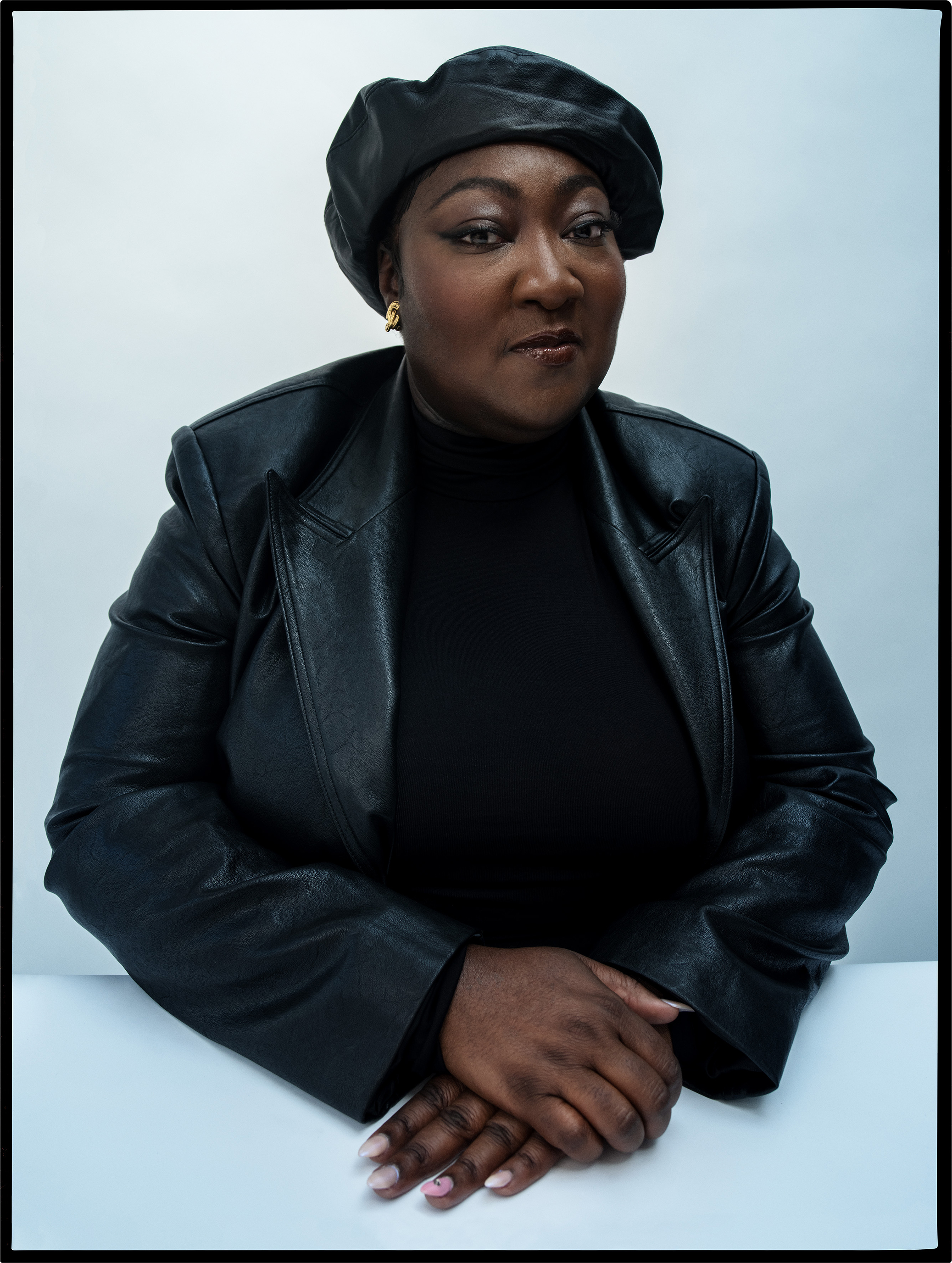
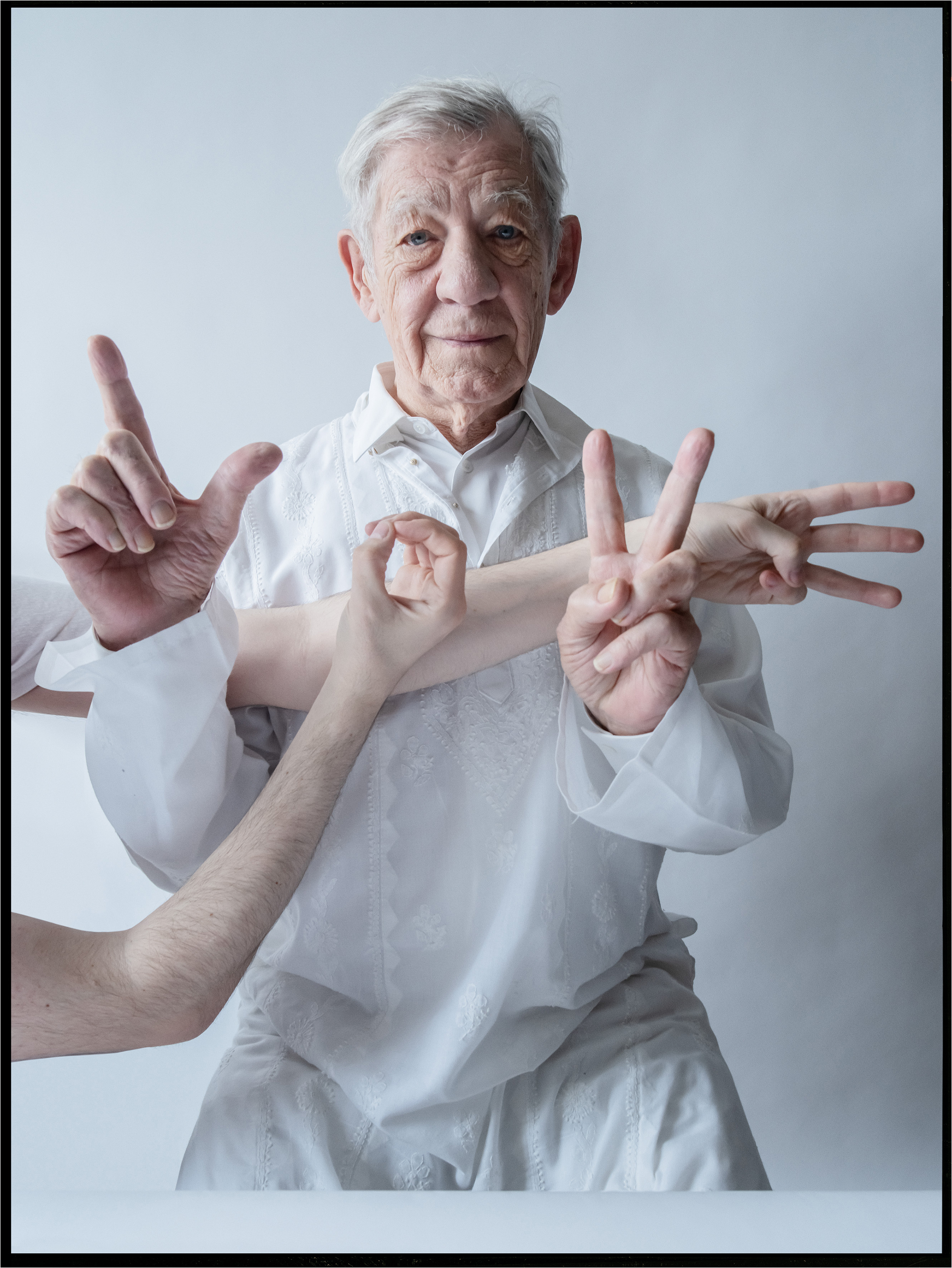
“For me, as a curator, it was so important to make space for people to express their emotions,” says Brown. “Often we go to galleries and museums and feel we have to behave in a very particular sort of way. There’s also a fear around other people’s judgement when we get emotional in public. But here in Fairyland, I hope visitors feel it’s safe to shed some tears as they recall the AIDS crisis, and that it’s also a place where we can remember those we lost and celebrate their lives with joy. We thought a lot about where to place these portraits and knew we wanted the room to feel peaceful and very special, a quiet reflective space. Designer Shona Heath created exactly that atmosphere.”
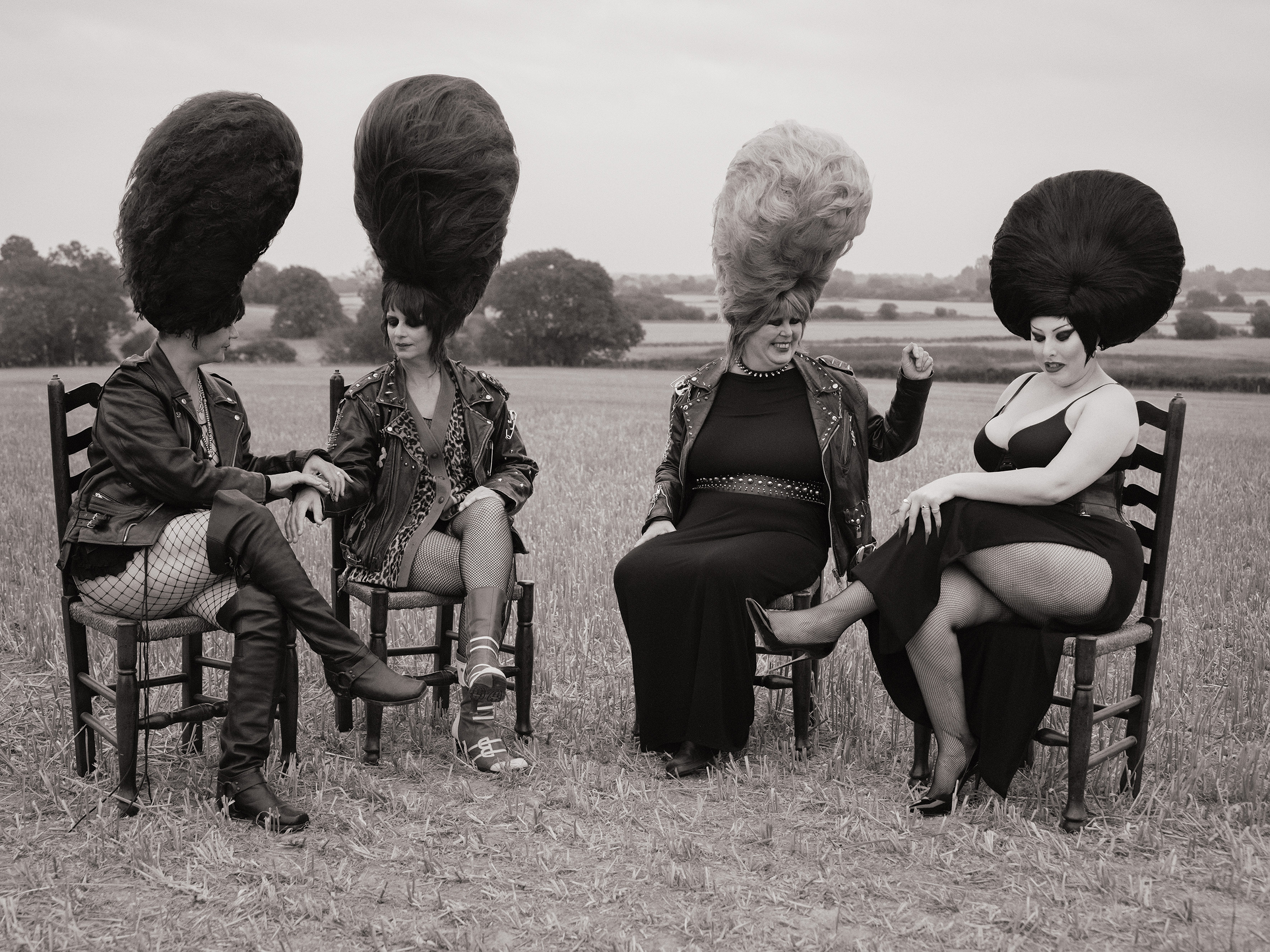
In the second half of the show the focus moves to the present; the room titled Queer Today features contemporary artists, writers, designers, and other creatives, depicted in sleek contemporary style which contrasts with the Holbein-inspired approach. Walker is a consummate photographer, says Brown, able to master any technique; this section includes artist Jesse Glazzard, pictured carrying a live falcon. Another room is devoted to an ambitious photoshoot with the Rebel Dykes, and is painted dramatic black. The Rebel Dykes forged their community through the Greenham Common protests and ran the lesbian club Chain Reaction in Vauxhall, which included leather nights and performances with motorbikes. Walker drew on Karlheinz Weinberger’s photograph of a 1960s biker girl, and on rockabilly iconography such as leather jackets, motorbikes, and batwing eyeliner, to emphasise the Rebel Dykes’ strength, power and sex-positivity. “I felt they needed a whole room for their big personalities and their big hair,” smiles Brown. “We wanted to make these massive prints.”
Towards the end of Fairyland is a room gathering Pinups, portraits of famous individuals from Elton John and Chappell Roan to Björk and Kate Bush. Not all identify as gay but they are allies and icons to Walker, and to many others; again, the emphasis is on community, connection, freedom and subjectivity, not ghettos or strict categories. The last room is daring, particularly in a gallery such as the NPG, which welcomes many families and school groups; a celebration of sexuality, including it felt essential to both Walker and Brown. Brown points out that Fairyland celebrates the right to express love so it has to include physical as well as emotional forms. This final room is carpeted and the furniture is covered in tactile velvet brocade fabric, lending it a hushed, boudoirish feel; the images draw on art history, from Aubrey Beardsley’s erotic illustrations and Japanese Shunga woodblocks, to exuberant French painter Fragonard and figures from much older mythologies.
Same-sex relationships have a very long history, Walker reminds me, and contemporary affairs take place within a much wider context. “Queerness is as old as humanity, and these images are so joyful,” says Brown. “It’s an ecstatic finale to the show.”
Tim Walker’s Fairyland: Love and Legends is on show at the National Portrait Gallery, London, until 07 February 2027.