


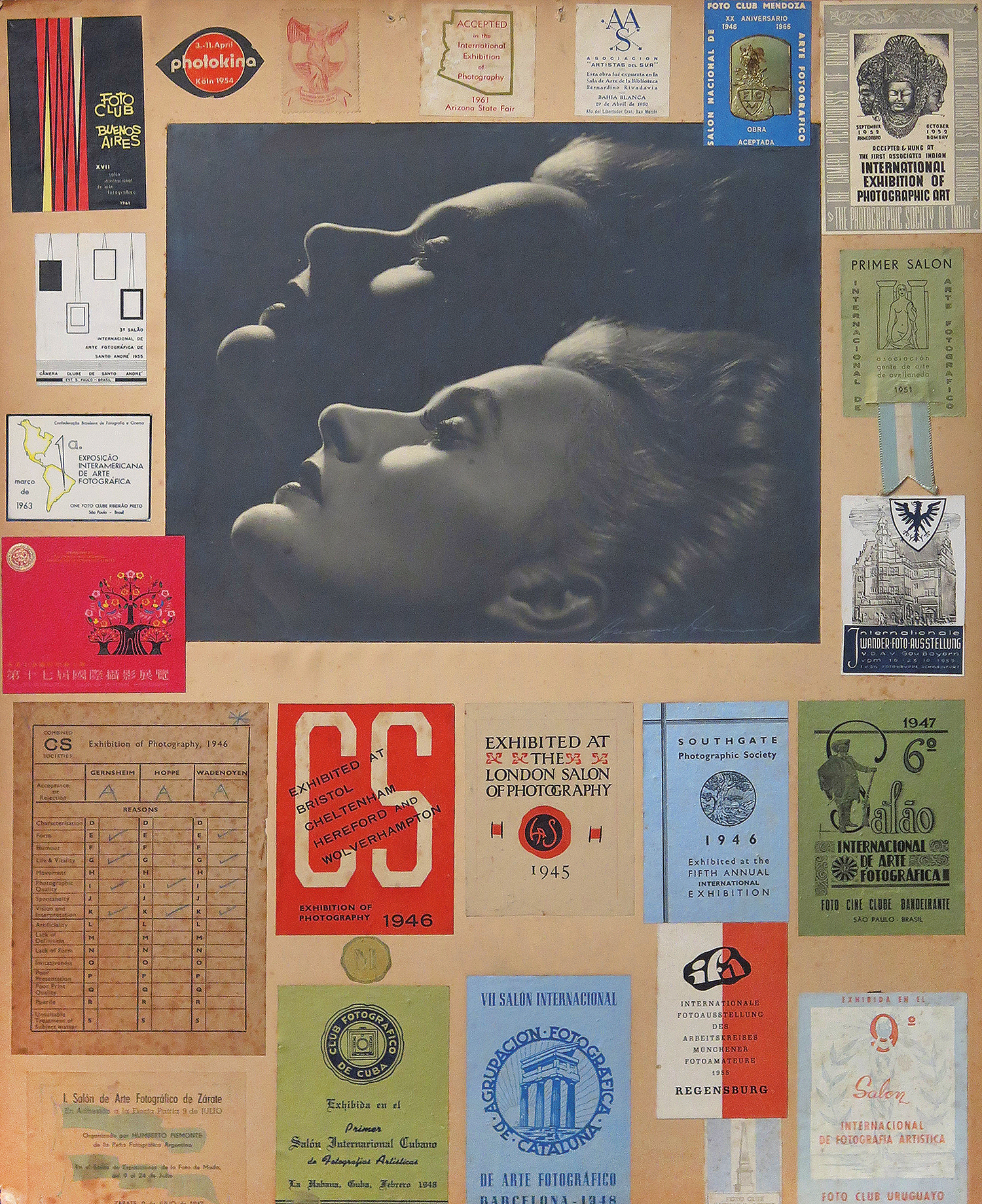
Doble perfil, 1942 © Annemarie Heinrich/Estate of the artist.
Light and Magic: The Birth of Art Photography, a new exhibition at Tate Modern, showcases the history of pictorialism and how it expanded the possibilities of photography as an art form
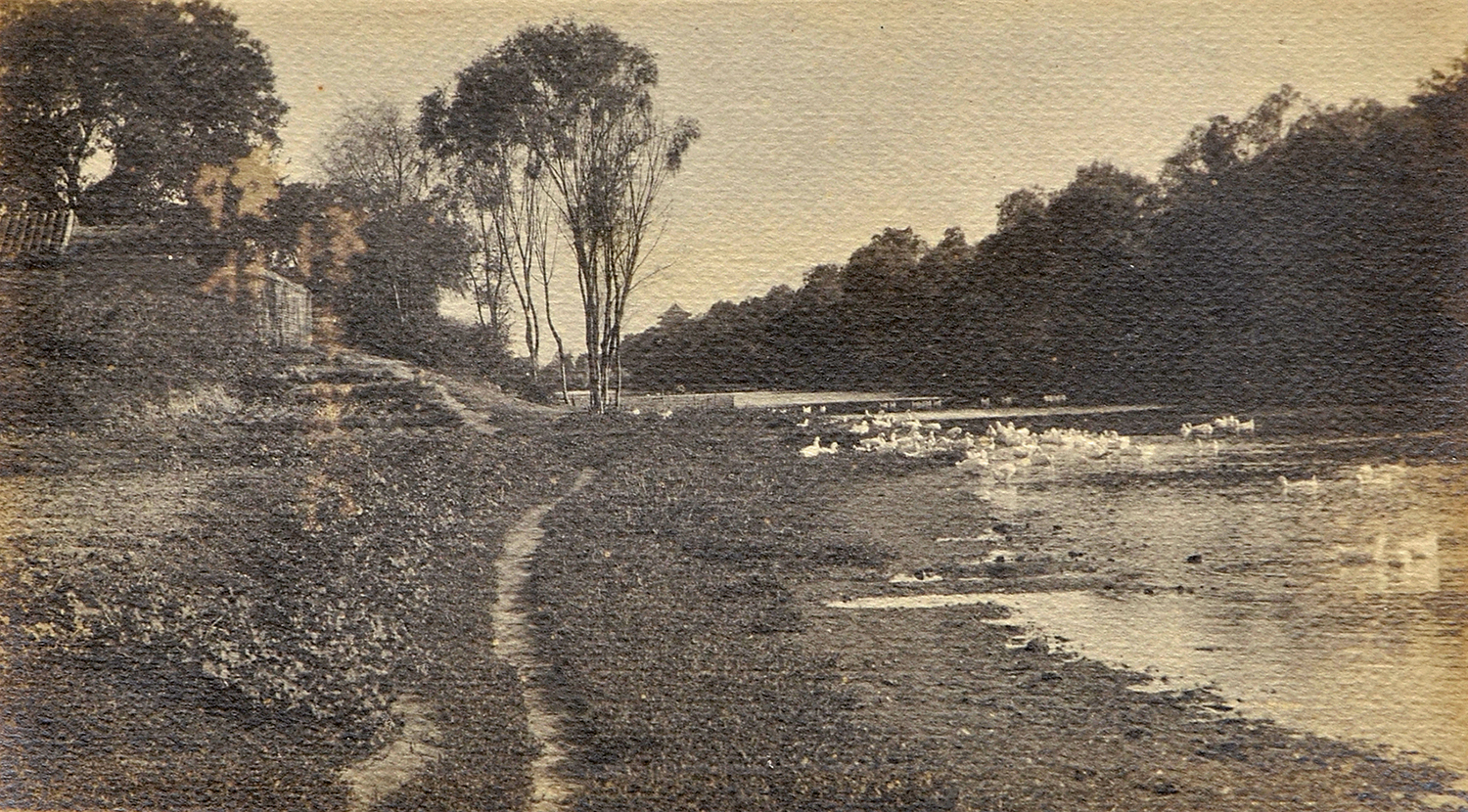
A serene landscape showing splashing white ducks who seem to merge seamlessly with the babbling water, shadowy trees looming like dark mountains. This photograph, part of Tate Modern’s exhibition Light and Magic: The Birth of Art Photography, was taken by Liu Bannong in 1927 after the Chinese photographer returned from studying linguistics in Paris, where pictorialism was pursued by artists running their own salons, and publishing magazines on art photography. Pictorialism was the first move towards proclaiming photography an art form yet, until now, its impact on image-making practice in south-east and south Asia has been relatively unknown. The Tate’s exhibition fills these lacunae by looking at this movement as transcontinental.
Pictorialism was initially theorised by English photographer Henry Peach Robinson, whose 1869 instructional book Pictorial Effect in Photography urged image-makers to follow the order and composition in painting, rather than simply documenting reality. Armed with such influences Bannong produced a text of his own – Bannong tanying (‘Bannong’s Comments on Photography’) – which drew from the aesthetic discourse of traditional Chinese painting. It argued for photography as an expressive medium revealing an inner world of emotion. This dialogue was continued by others, including Long Chin-San, whose essay Photography and Chinese Painting (1955) advised ‘choosing’ the good parts of a photograph, emulating the approach of traditional Chinese art.
“Contemporary photographic art is where it is today due to the efforts by pictorialists to carve out a space for photography within fine art” – Charmaine Toh, curator
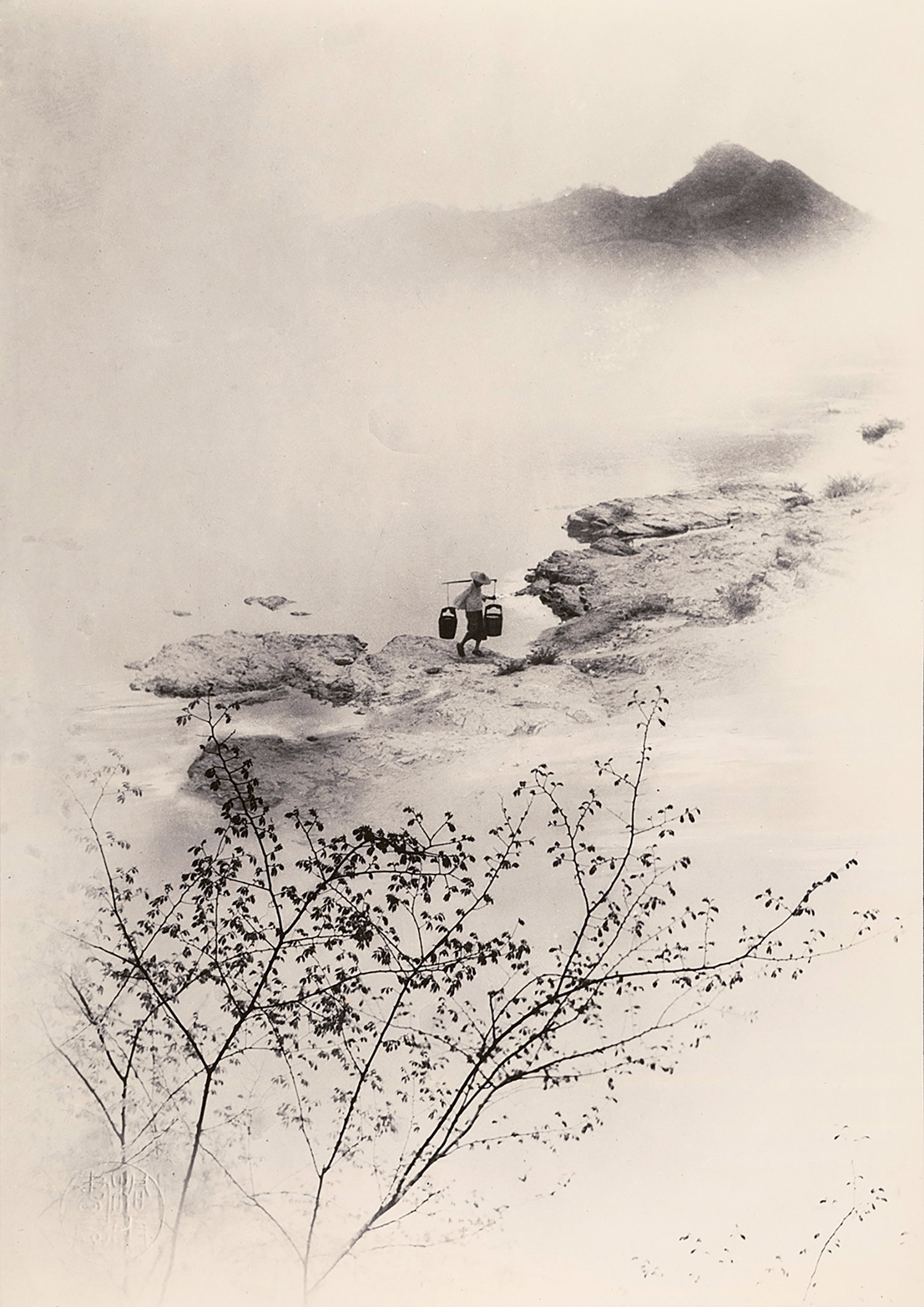
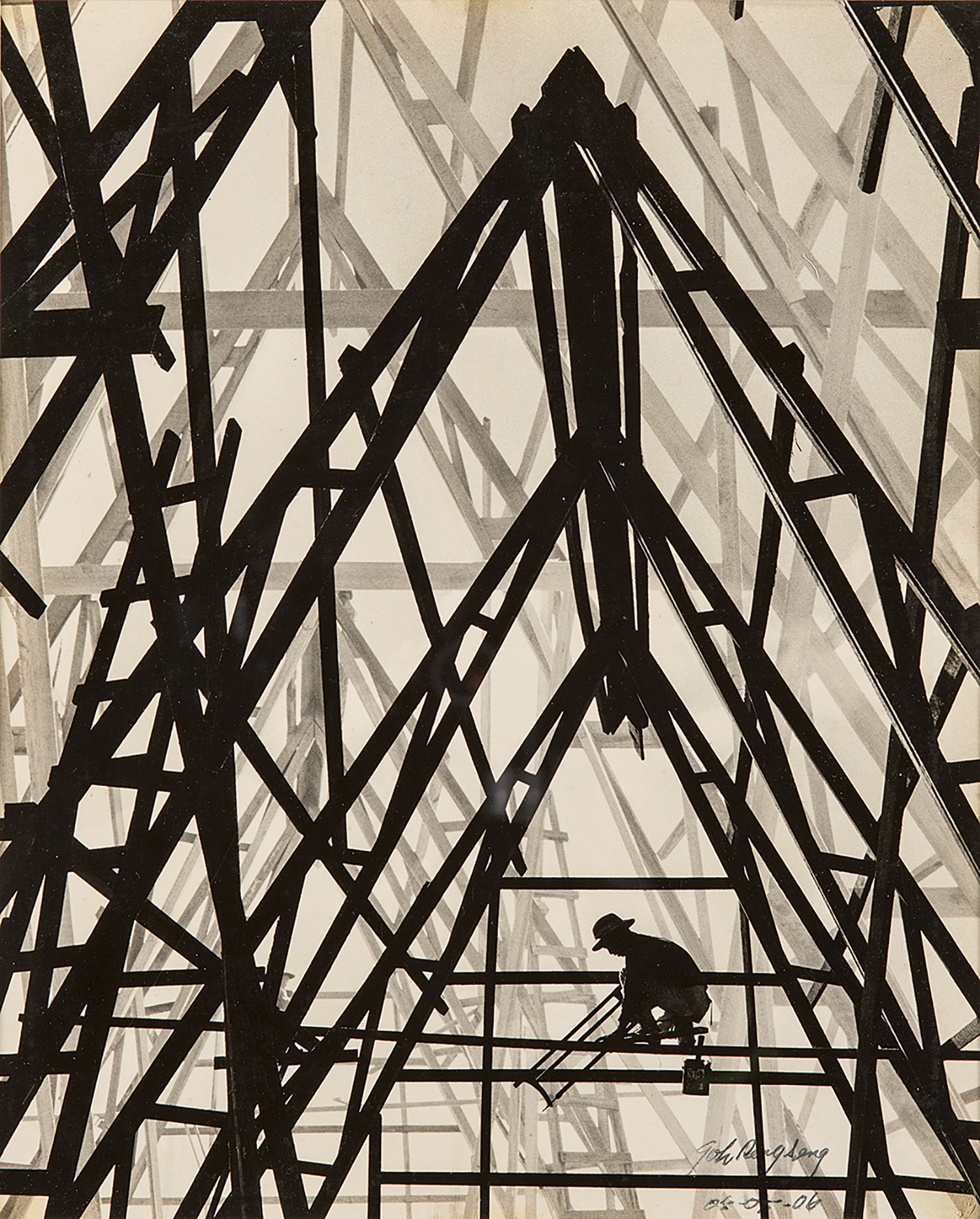
The ‘selection’ Chin-San referred to is seen in Singaporean Lee Sow Lim’s early work, which uses layers of photo negatives to arrive at a single image. Transferring an ethereal quality from Chinese ink paintings into photographic imagery, Sow Lim even stamped the results with a traditional painterly red seal. His later works are abstractions in colour – Singaporean artist Tan Lip Seng’s works were figurative but, created with layers of high contrast and highly saturated colour transparencies, were equally innovative. Not all pictorialists were in favour of manipulated images. British writer and photographer PH Emerson favoured naturalism, controlling light and composition to create beauty – as did Singaporean Yip Cheong Fun, in his portraits of fishermen and children.
None of this was happening in isolation, but within photo clubs and salons in south-east and south Asia with an interest in pictorialism that continued long after modernist photography had taken over in the West. Many camera clubs had initially started as forums for colonial officials and local amateur photographers, building information for British administrators; Photographic Societies of Bombay (1854) and Bengal (1856) conducted ethnographic studies, for example. But, points out Charmaine Toh, senior curator of international art (photography) at the Tate and curator of the Tate Modern show, “these clubs started at a time when most of south-east Asia was on the verge of independence”, and pictorialism for many offered a deviation from the surveying gaze. It also allowed the opportunity to showcase worldwide as these salons had access to journals with details for open calls.
While pictorialism changed the language of ethnographic photography in Elli Sougioultzoglou-Seraidari’s images of refugees in Attica in the mid-1920s, it also allowed photographers in the colonies alternative approaches to self-representation. They set up other societies, such as the Photographic Society of India (1937), co-founded by mill-worker Dhirajlal R Mody, or the Photographic Society of Ceylon (1935) by Sri Lankan photographer Lionel Wendt. Wendt’s portraits of the male body in the 1930s and early 1940s introduced fluidity and homoeroticism, depicting men far beyond their castes and professions. The images departed from the buttoned-up ethnographic representations – though Toh warns against drawing easy conclusions, pointing out that the body was still performing in Wendt’s work, re-rehearsing privileged stereotypes.
“Some photographers would continue using colonial ‘tropes’, like photographing someone in a sarong in Malaysia, to get accepted into exhibitions overseas,” explains Toh. “It was a certain agency as they played up to Western expectations and then won awards at international salons. This was important to see themselves as entering a new era of postcolonial modernity.” Wendt sent his works to London or Paris, the colonial centres at the time; even so, his works and images by others have not been included in the history of pictorialism.
“Piecing together this history is on-ground work and opening boxes,” says Toh, whose research included meeting with photographers’ families to find long-lost archives and prints. “The RPS Collection became a major resource as these photographers would send their prints to London for the RPS annual exhibition – and didn’t ask for them back,” she adds. “Behind these prints is an entire history of where it has travelled to, even between countries who weren’t getting along diplomatically.”
And, while pictorialism arguably never went away, contemporary preoccupations with the ideology of a certain photographic gaze, or with questioning the medium more generally, owe much to these predecessors. “Contemporary photographic art is where it is today due to the efforts by pictorialists to carve out a space for photography within fine art,” reflects Toh.