

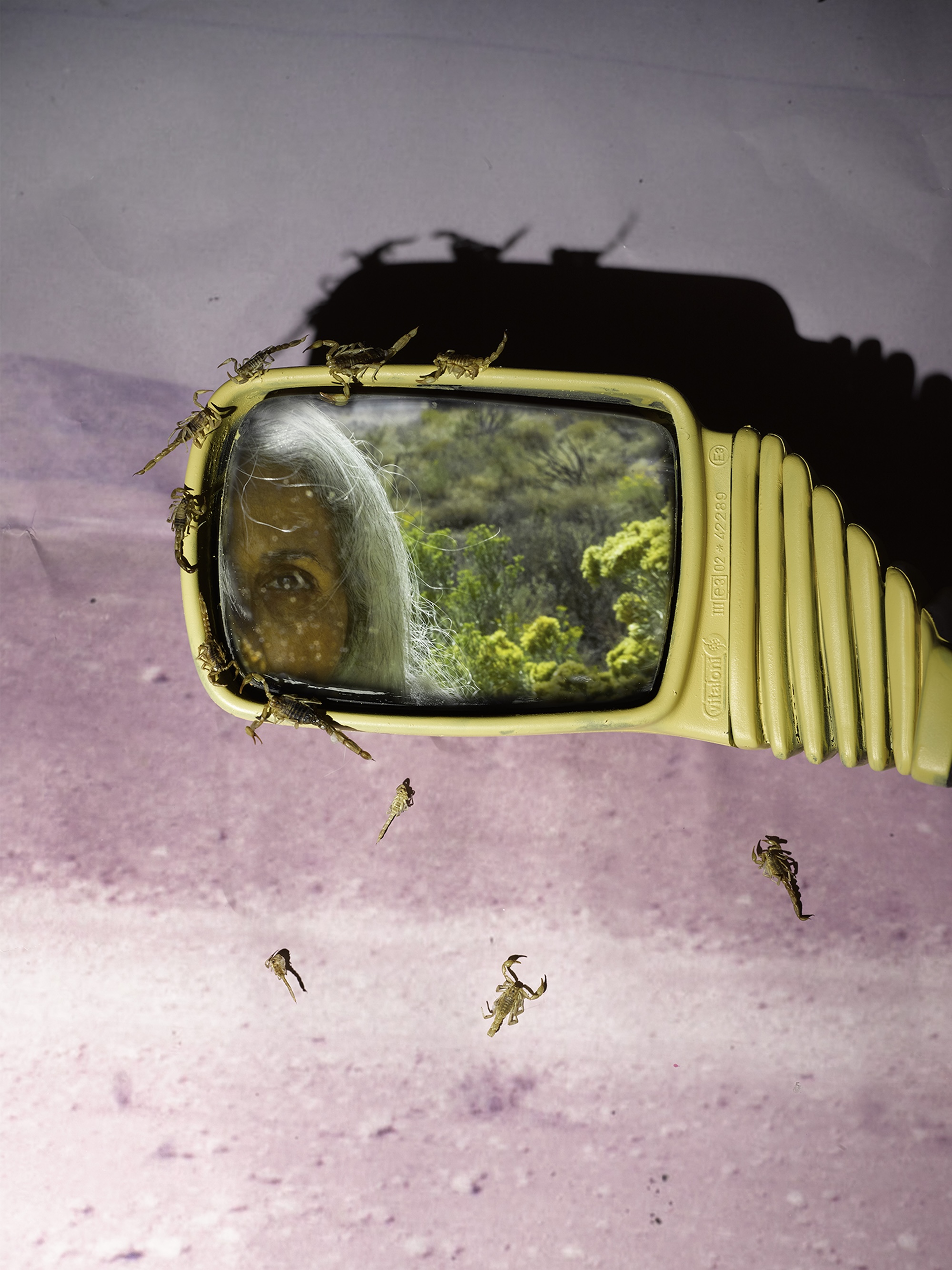
Deltang, 2024 © Sheida Soleimani. Courtesy the artist and Edel Assanti
Get ready get set for Frieze week, as London opens the art fairs, new shows and Autumn seasons in the big institutions
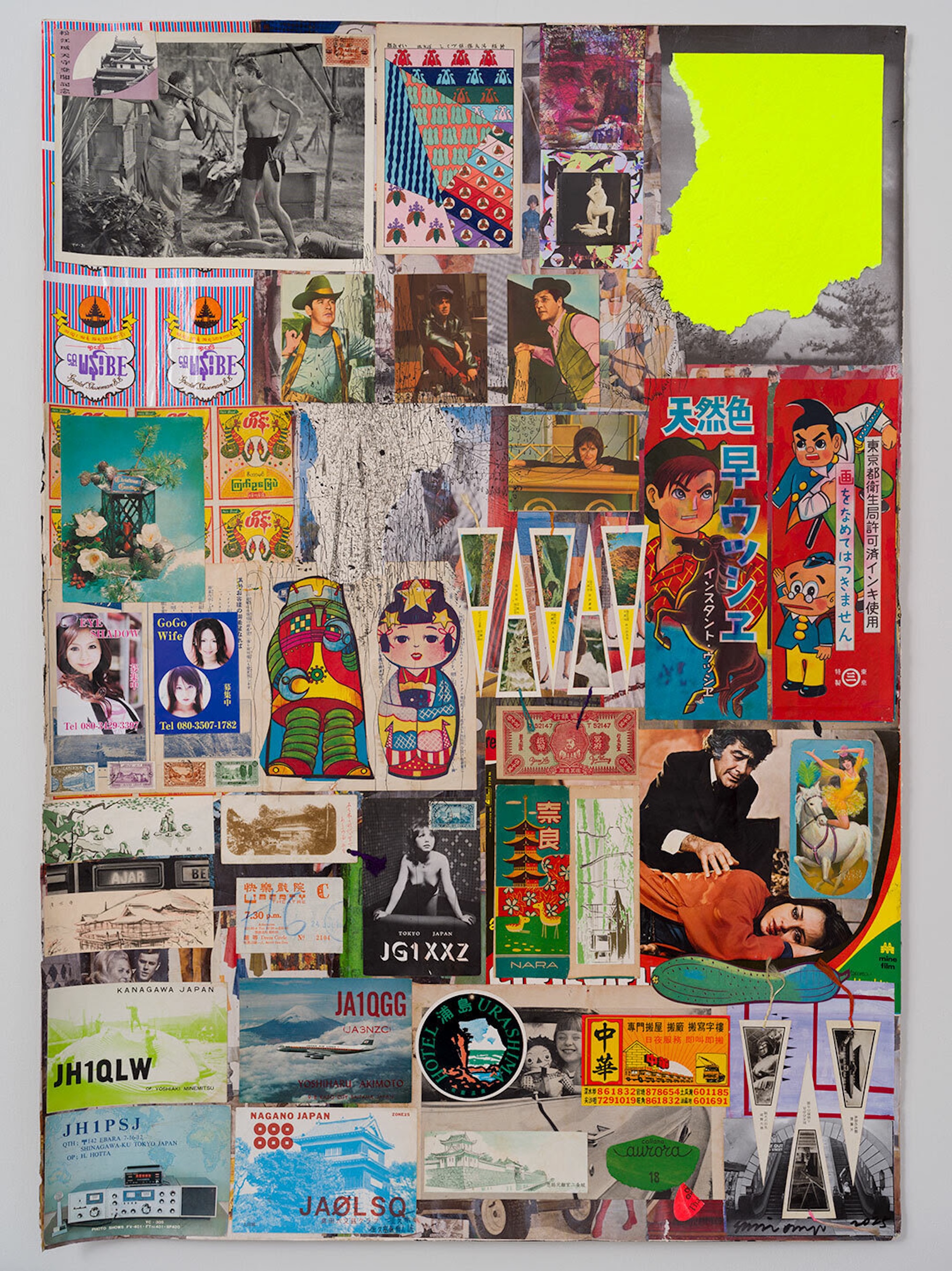
The art world is gearing up for Frieze London and Frieze Masters fairs next week, which are open in Regent’s Park from 14-18 October. Photography, lens-based media and image-adjacent presentations figure large, with Frieze London featuring a curated programme including The Code Universe: Artists Interrogating a Post-Digital Age, selected by Carol Yinghua Lu, director of the Inside-Out Art Museum, Beijing, and co-curator of the 19th Istanbul Biennial (2027). Including work dating back to the late 1970s, it considers popular culture and the way it is produced, circulated and consumed, and includes Japanese artist Shinro Ohtake (presented by greengrassi and Take Ninagawa), who works across media to create collages and sculptural pieces. It also includes a new multi-channel video installation by Payne Zhu (Spurs Gallery), which explores the relationship between human perception and machine cognition.
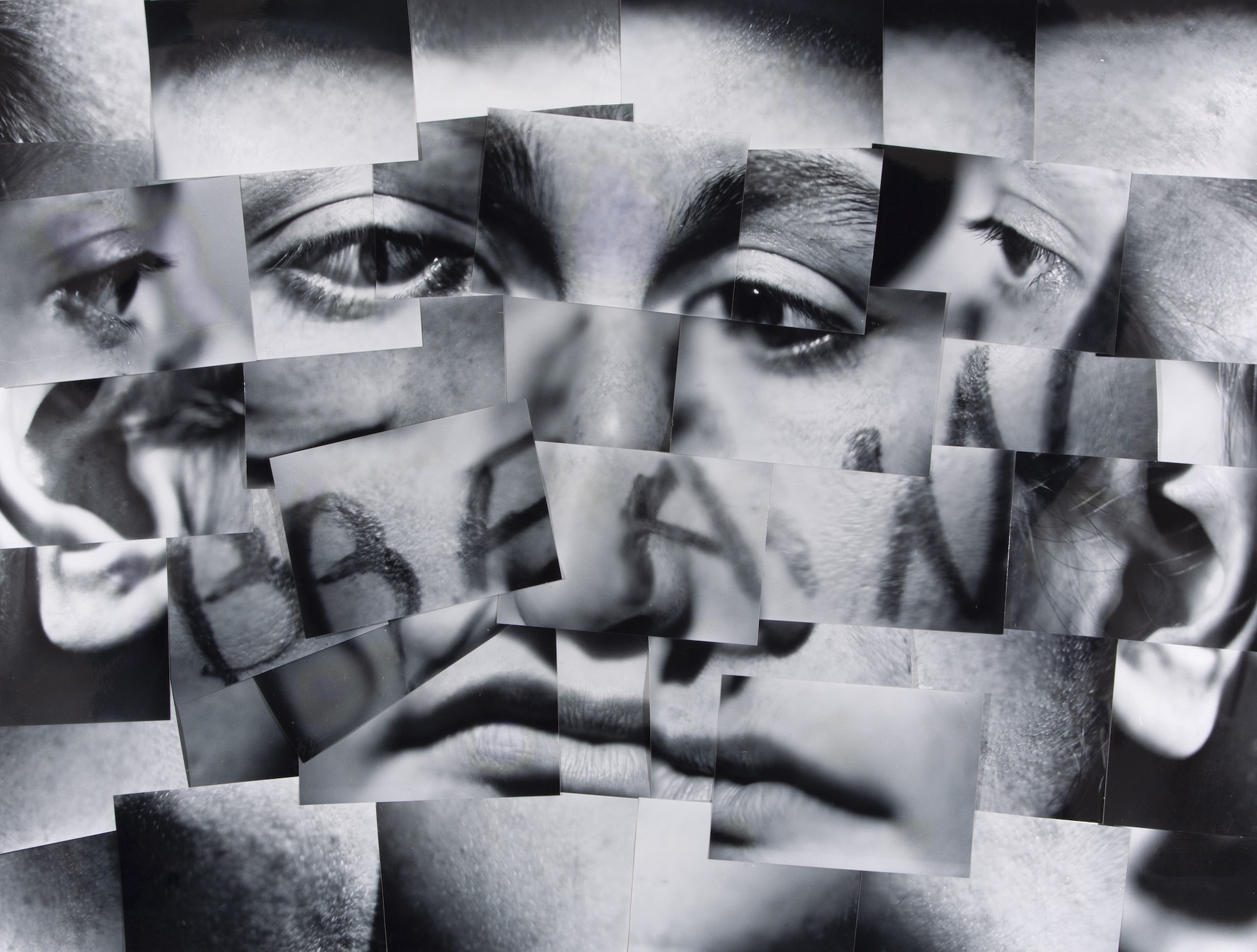
Outside the curated section at Frieze London, PM8 / Francisco Salas will present historical colour photographs by Lithuanian artist Algirdas Šeškus, which were taken on the only official commission he received during Soviet times, but rejected as they did not fit the given standards of ‘official art’. Edel Assanti will present a ‘memory box’ booth designed by Polish artist Marcin Dudek after his childhood home, and show works by artists such as Vinca Petersen and Sheida Soleimani. Maureen Paley’s presentation will include Anne Hardy, Peter Hujar and Wolfgang Tillmans, while Soft Opening’s artists will include Ebun Sodipo, whose work includes mixed-media photographic collages.
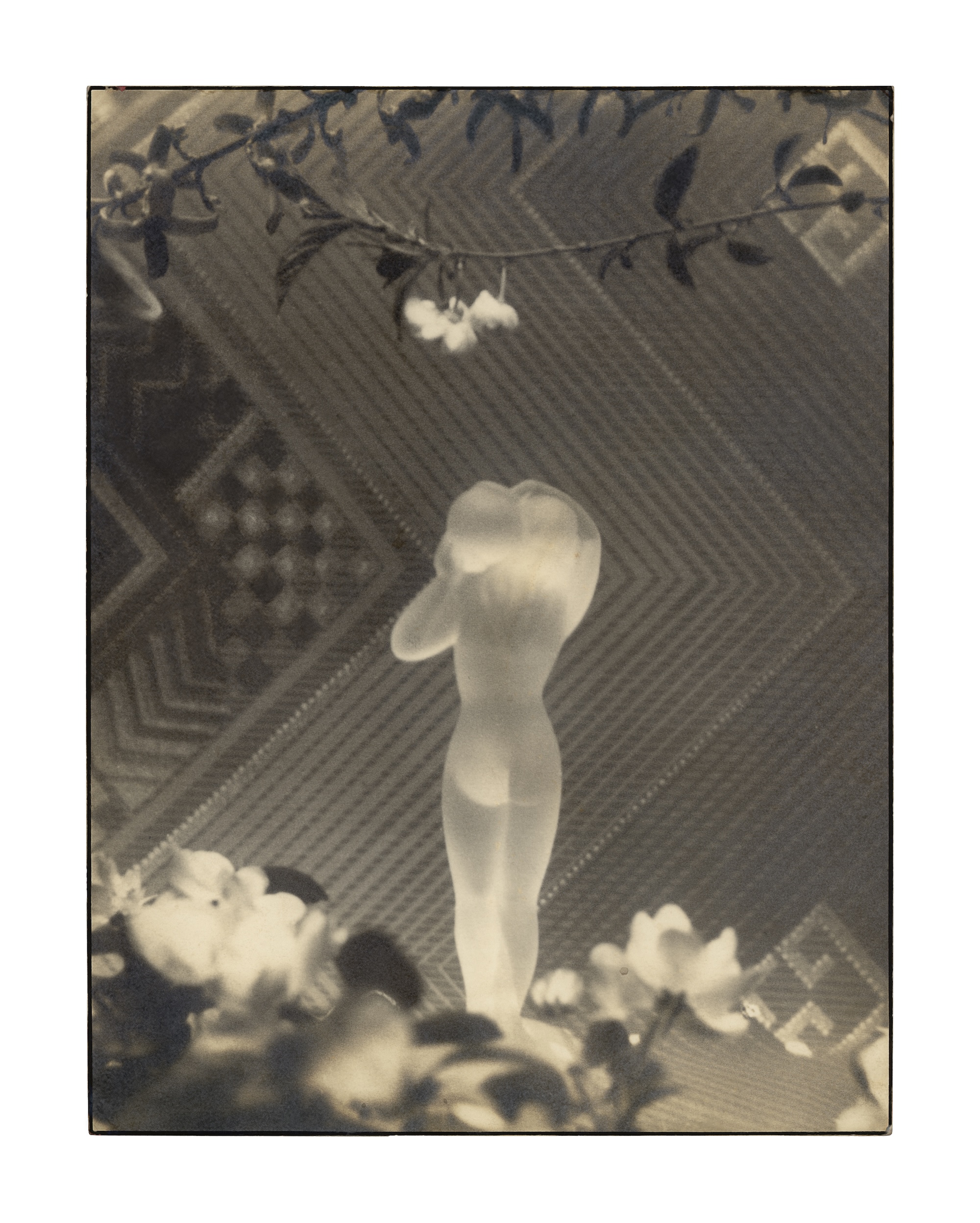
Frieze Masters includes a trail titled Queering Modernism: A New Visual History, conceived of by German curator Anke Kempkes and featuring image-pioneers such as Claude Cahun (presented by Alberta Pane Gallery) and Ruth Bernhard (Galerie Albrecht). The spotlight section at Frieze Masters includes other artists neglected by the Western canon, including Chinese image-maker Lang JingShan (Each Modern) – a pioneer of composite photography in the 1930s and 40s, who combined multiple negatives with painting, inscription, and scratching. Frieze also returns to the Institute of Contemporary Arts with a new programme of artists’ film and moving-image works, screening on a continuous loop during Frieze Week and online at ica.art.
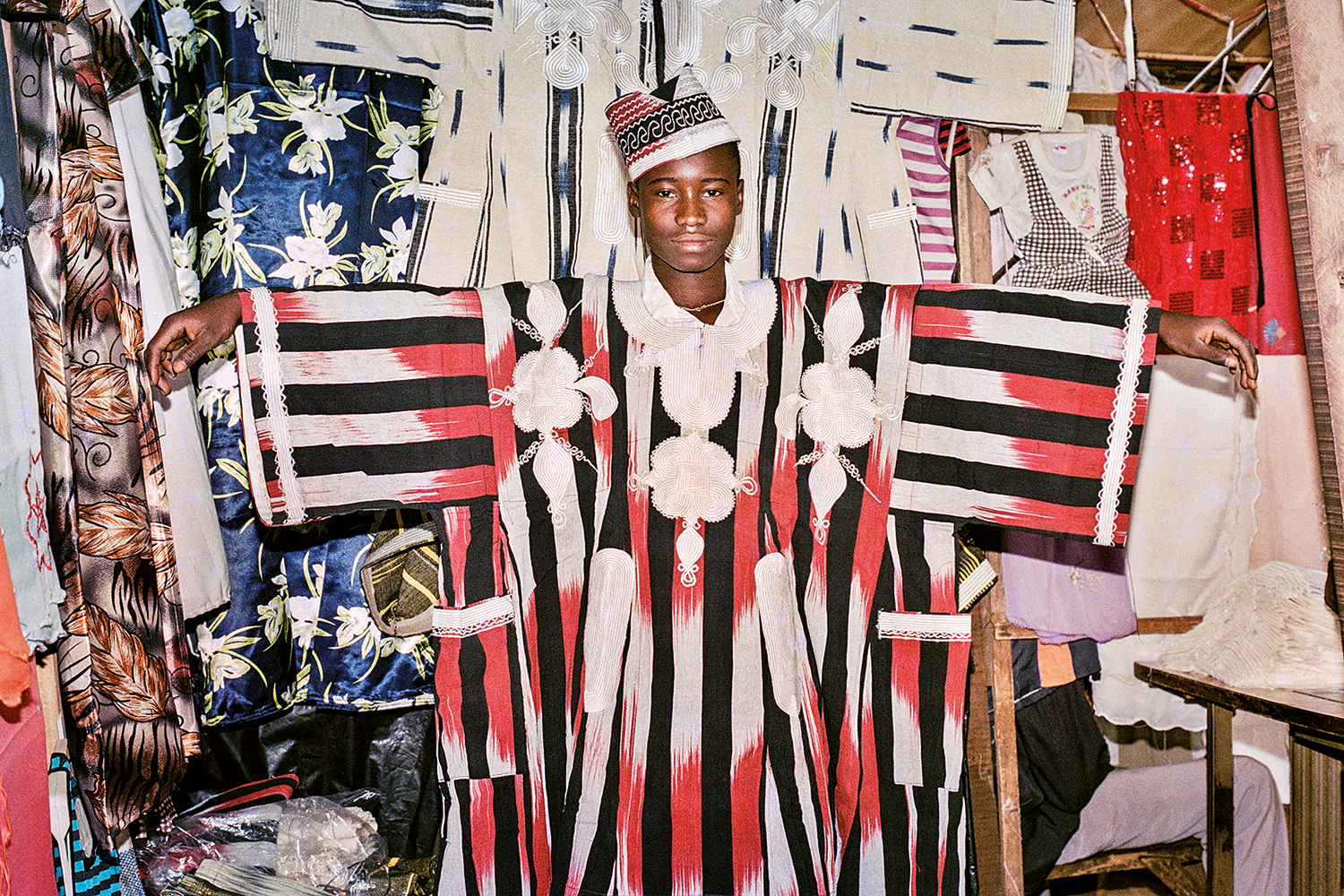
Beyond Frieze is a host of interesting shows in commercial galleries, plus new seasons opening across the big institutions. The Photographers’ Gallery puts the focus on colour this autumn, for example, with classic images by William Eggleston and colour portraits by Sanlé Sory, some of which are previously unseen. The National Portrait Gallery also embraces a rush of colour with an exhibition by Tim Walker, Fairyland, exploring queer identity, love and community. Tate Britain’s The 90s: Art and Fashion has just opened; the reviews have been mixed, it’s fair to say, but it features celebrated photographic projects by Juergen Teller, Eileen Perrier, and Nigel Shafran. Over at Tate Modern, Light and Magic: The Birth of Art Photography is a new show on Pictorialism which emphasises its international spread; a long-awaited exhibition, it looks set to revitalise interest in this long over-looked genre.
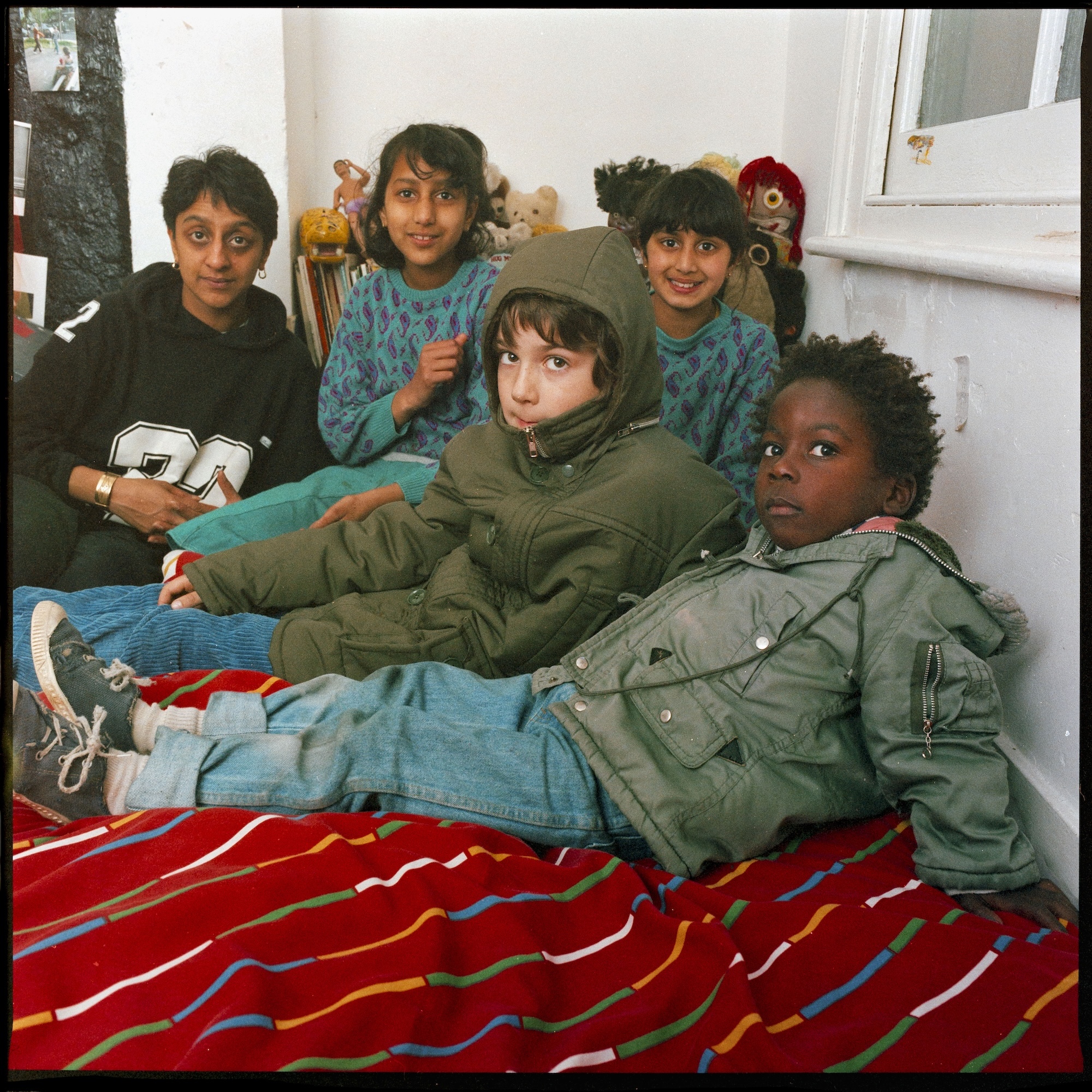
Graces Mews is presenting What Rose from the Cut, a new evolution of the hit feminist collage exhibition The Rose, put together by artist Justine Kurland, curator and collector Sarah Miller Meigs, the venue, plus Fiona Rogers, Parasol Foundation Curator of Women in Photography at the V&A and author of the recent book, Cut Out: A Feminist History of Photo Collage. Delving back into history with artists such as Claude Cahun, and right up to the present day with Keisha Scarville, it’s presenting an exciting take on an always-edgy form. Collage also features at Hauser and Wirth in a new presentation of Lorna Simpson’s work, which also features her paintings and sculpture; the exhibition is a double-hander and also features Cindy Sherman, including works from her new series Fabric Matrons.
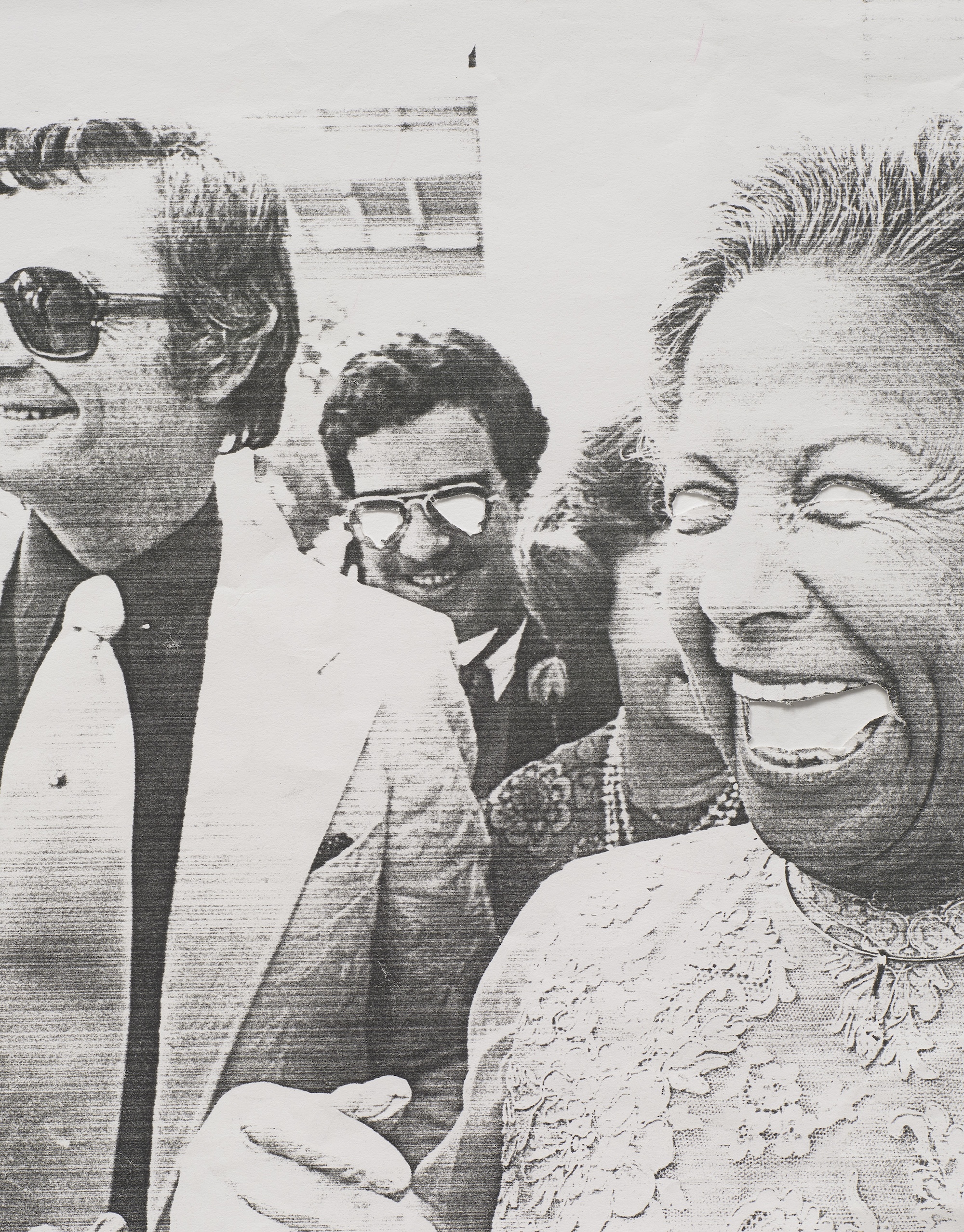
Over at Phillida Reid, there’s a solo presentation by Joanna Piotrowska; Wyrwa is an installation of new works including images of the town in which the artist grew up, mounted in bespoke aluminium and hand-blown glass frameworks. The show also includes childhood drawings, folded and overturns, and close-cropped fragments from her father’s negatives, shown behind tinted-glass. Katherine Hubbard’s The Great Room at Studio Voltaire delves into the artist’s experience of caring for her mother, the medium of photography, and a very interesting-looking architectural installation; Phaidon is also celebrating work by women, launching a new book Great Women Photographers, which is edited by Charlotte Flint and includes image-makers such as Letizia Battaglia, Myriam Boulos and Rinko Kawauchi. The book is accompanied by an exhibition, hosted at Dorchester Collection’s 45 Park Lane.
Large Glass is giving Italian photographer Mario Cresci a second show, People I Care About, documenting people in the Southern Italian town Tricarico, between 1966 and 1967; also dating back to the 1960s is an exhibition by Daido Moriyama at Hamilton’s Gallery, picking out Japan’s abrupt shift into hypercapitalism, and Andy Warhol’s influence on the photographer’s work. Over at No.9 Cork Street, Frieze’s permanent gallery space in Mayfair, To Seek, To Find celebrates photographic commissions by the Mr & Mrs Smith hotel group, including classic commissions by Tina Barney and Martin Parr, and brand-new work by Kalpesh Lathigra.
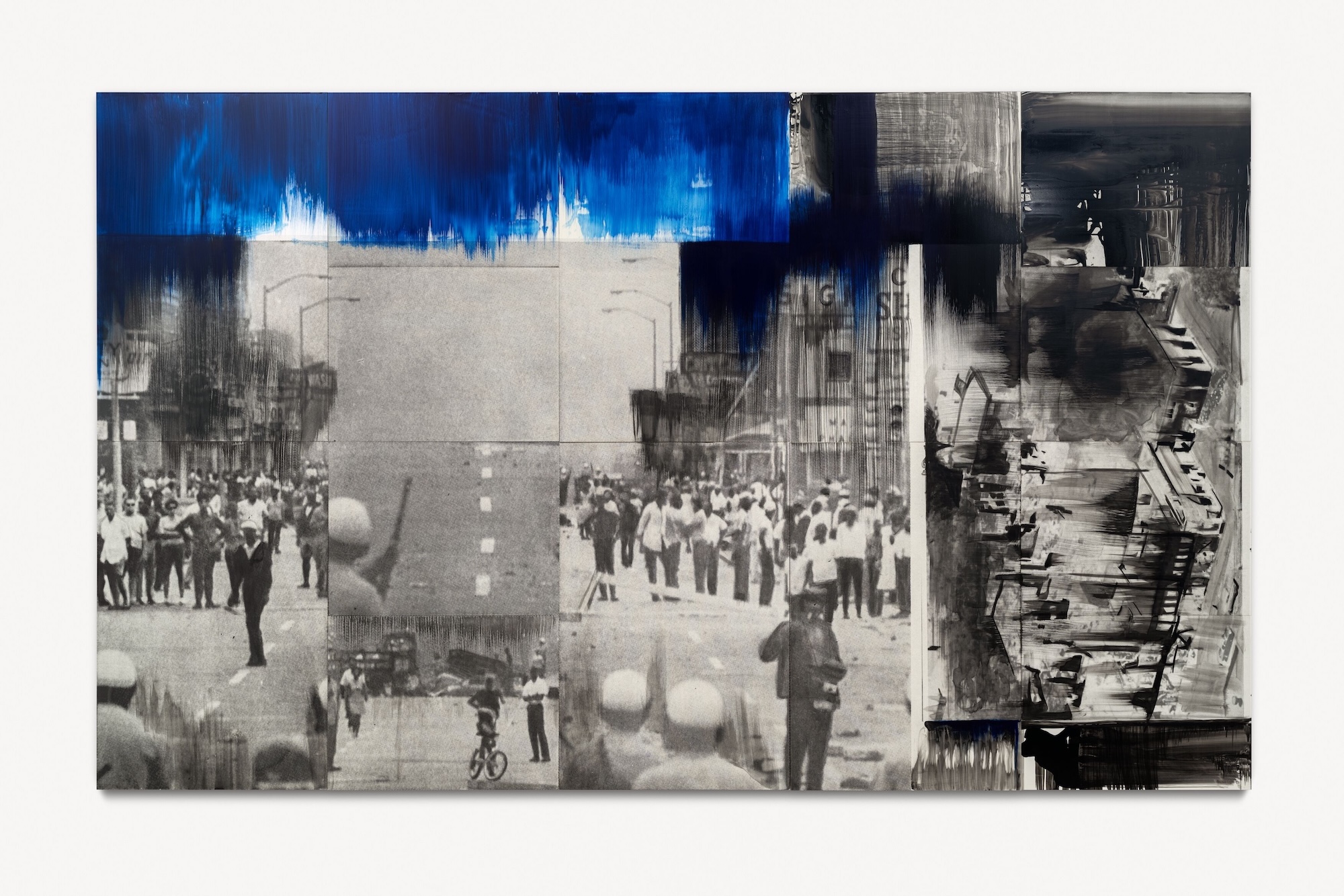
And of course there’s much else to see beyond photography alone. Radical Living in the UK at William Morris Gallery is an interesting – even inspiring – survey show into alternative communities, dating back over the last 200 years but including Dial House, the self-sustaining anarcho-pacifist open house founded in 1967 by Penny Rimbaud and Gee Vaucher of punk band Crass. Es Devlin: Other Worlds at the Design Museum is a retrospective of the innovative artist and designer’s work with space, which has included installations, set design and kinetic sculptures. Cady Noland at Gagosian’s Davies Street gallery is the artist’s first UK exhibition in over 30 years; featuring new work conceived for the space, it explores the material and symbolic architecture of American identity, power structures, celebrity and racism. This Is Still Not a Pipe: The Afterlife of Magritte at Gagosian Gallery Grosvenor Hill is a reappraisal of the Surrealist painter which pairs his work with contemporary artists’, and emphasises his continuing relevance in our ever more image-saturated lives.
Frieze London and Frieze Masters are open from 14-18 October in Regent’s Park www.frieze.com/fairs/frieze-london