


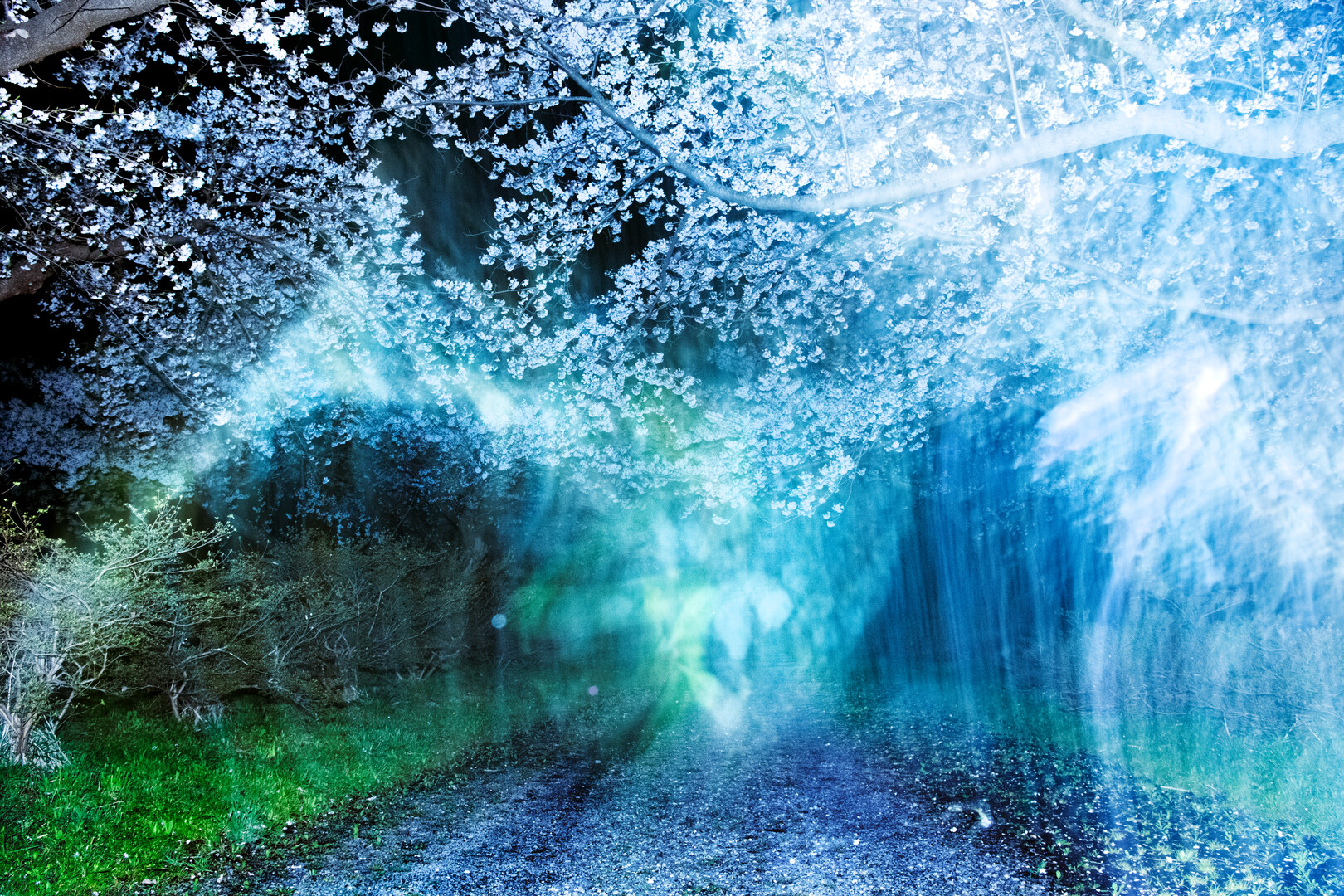
From the series A New River © Iwane Ai
Moving work by artists from two generations is evocatively installed at Japan House
In London for Frieze? Luckily you can still see Kyotographie: Kawada Kikuji x Iwane Ai, on show at Japan House London until 18 October. Organised by the celebrated Japanese photography festival, the exhibition brings together two image-makers whose work resonates with shared concerns about how we place ourselves in the world, how we travel through life, and how photography can represent both.
Kawada presents works from the 1950s until today, including his series Chizu (The Map); published as a book in 1965, exactly 20 years after the US dropped an atomic bomb on Hiroshima, it records munitions bunkers, Special Forces soldiers, and survivors with facial scars. It also shows Lucky Strike cigarettes and Coca-Cola bottles, American consumer goods Kawada found in the wrecked city.
Kawada came to prominence in the 1960s, after founding the VIVO collective with image-makers such as Eikoh Hosoe and Shōmei Tōmatsu; eschewing the quasi-objective documentary photograph they embraced an “are-bure-boke” – “blurry and out-of-focus” – approach that evoked a deeper reality. “I don’t start out with a title or theme in mind,” Kawada says in a video made with Kyotographie. “But then suddenly, unexpectedly, something really not logically, but intuitively, appears out of nowhere. That’s how it works.”
His installation also includes a projection room, flicking through shots he recently posted on Instagram; Kawada continues to play with his medium, still restlessly experimental though he’s now nearing 100 years old. “Since photography inevitably cuts out a single moment, that also means you can reconstruct time in any way you like,” he says. “When various layers of time overlap, then human psychology, the atmosphere of an era, the state of society, even my own mental state – all these emerge. That’s why I always take this approach.”
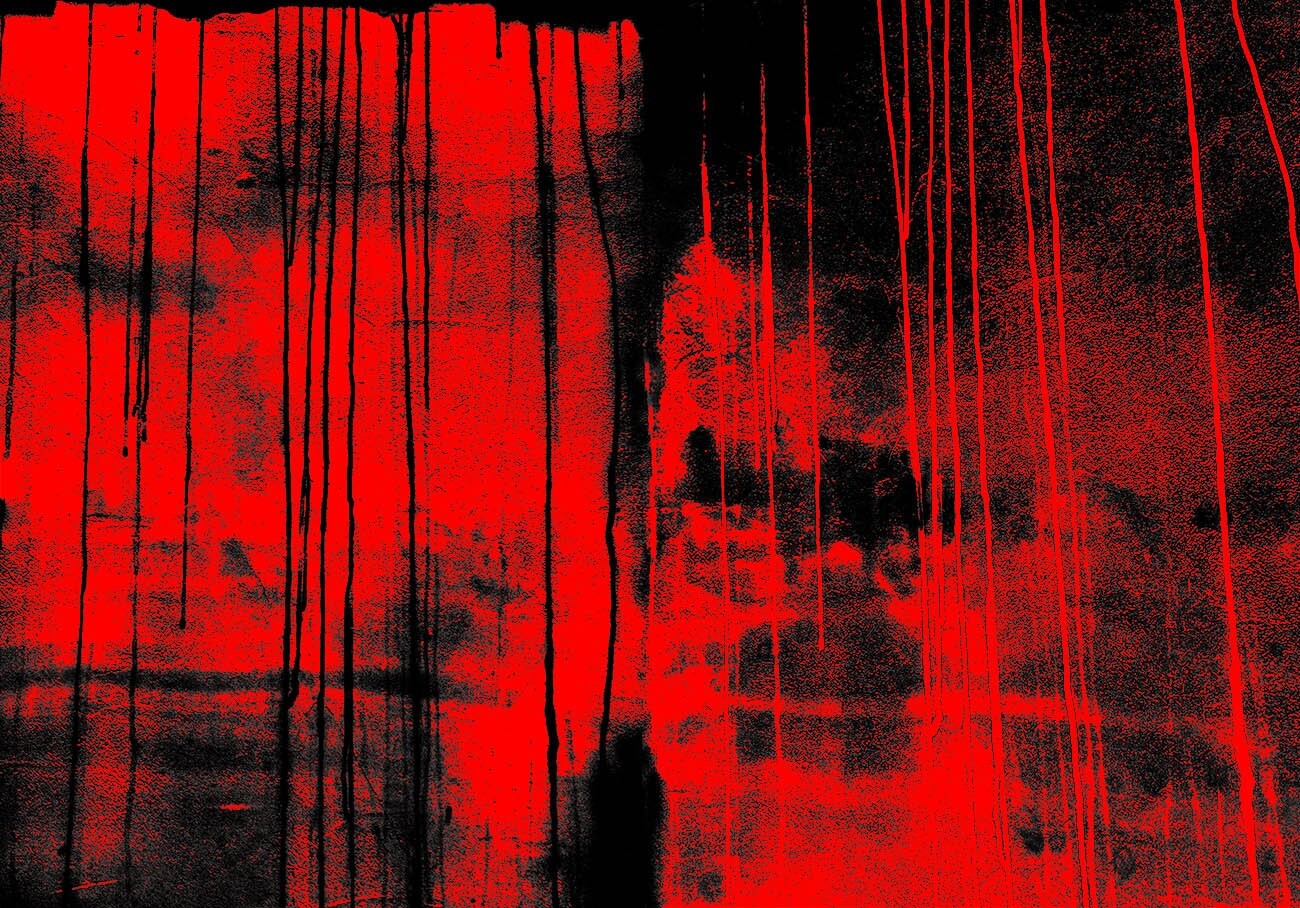
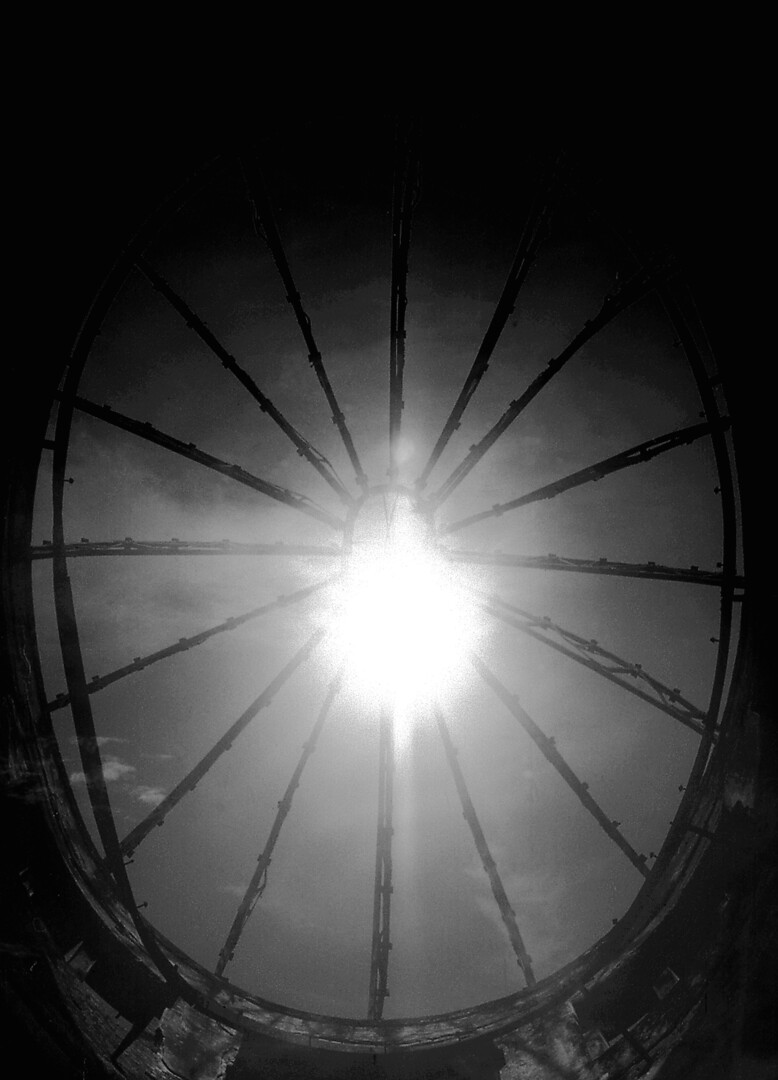
“I don’t start out with a title or theme in mind. But then suddenly, unexpectedly, something really not logically, but intuitively, appears out of nowhere.” Kawada Kikuji
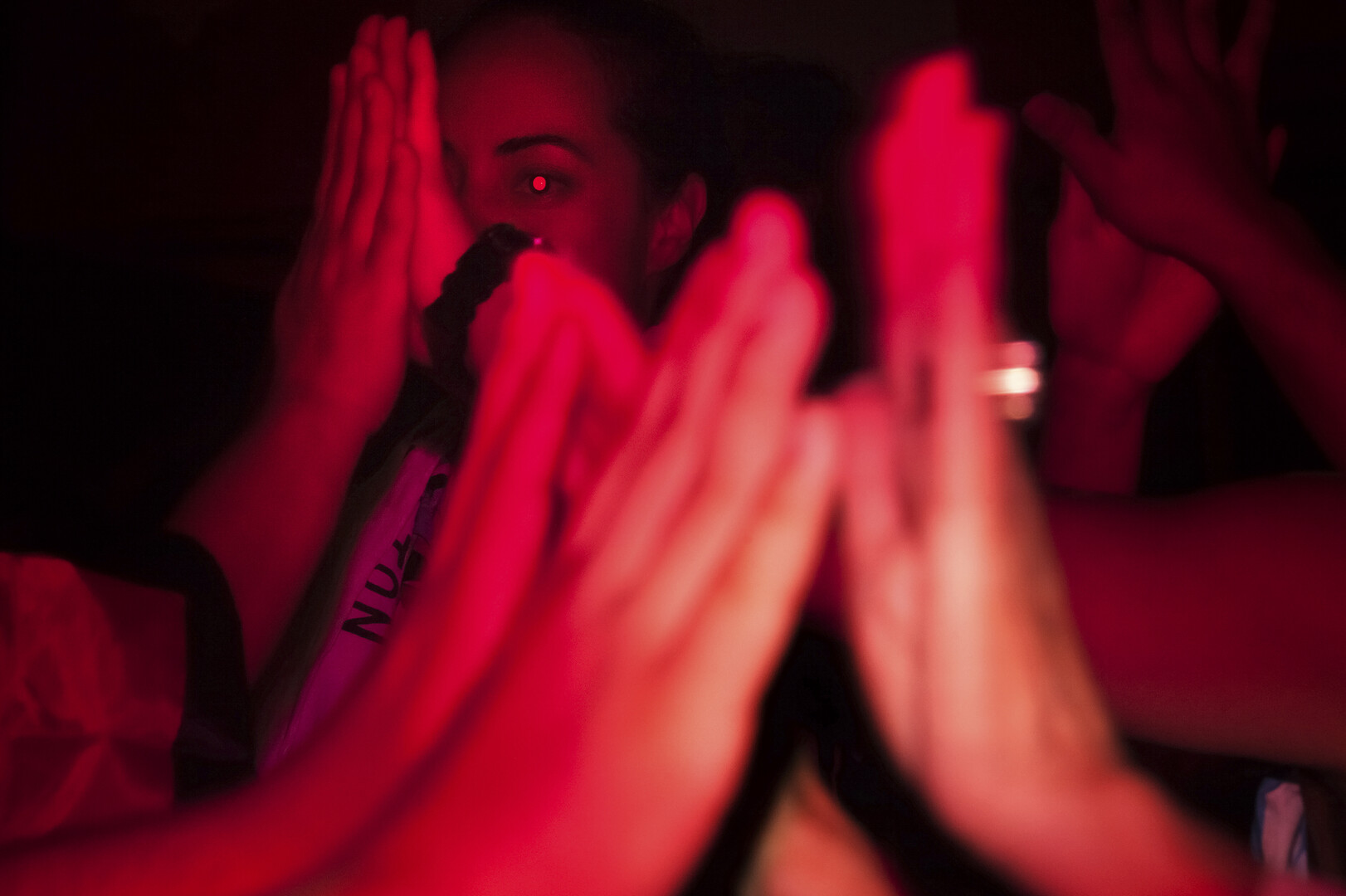
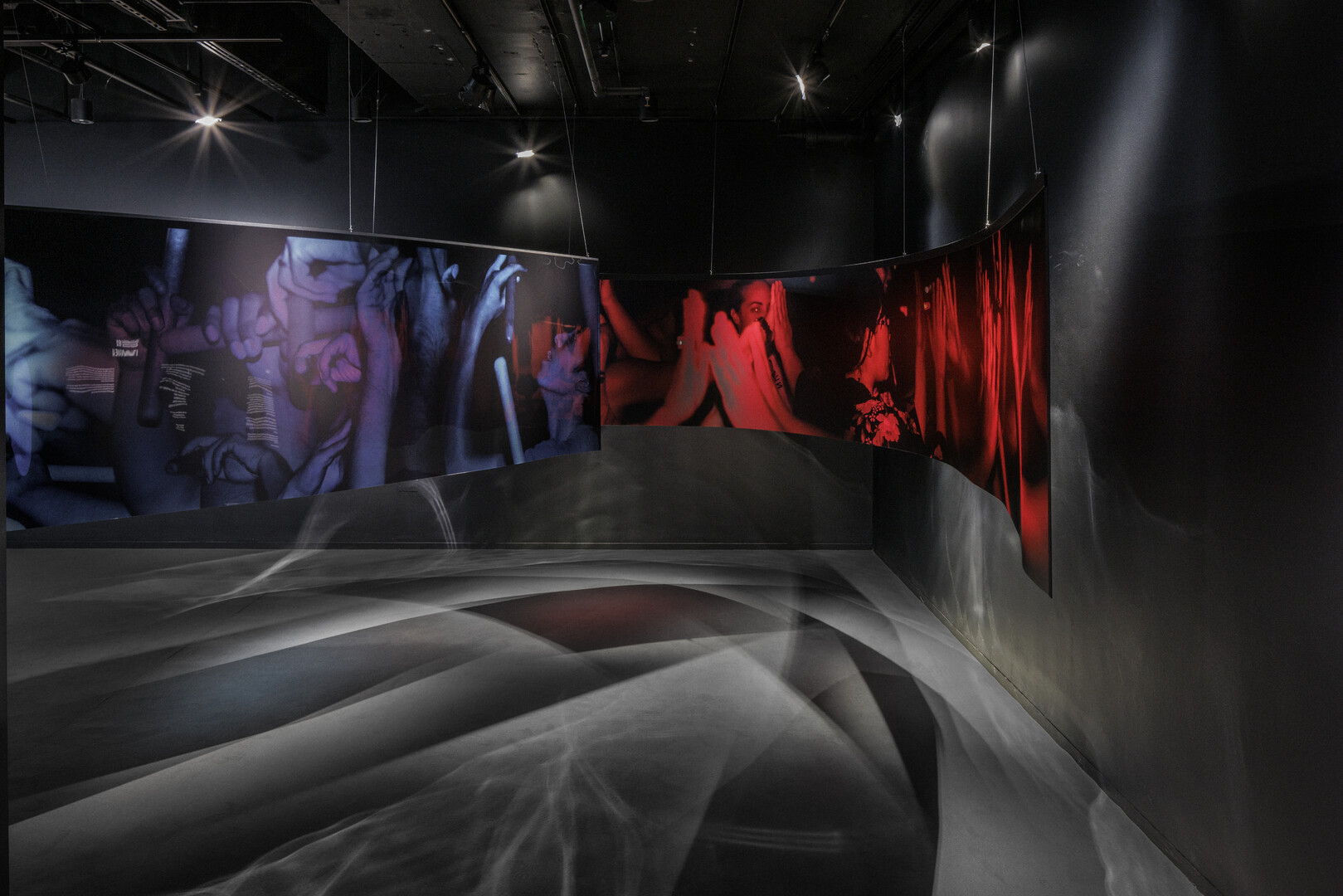
Born in 1975, Iwane is from a different generation yet testing limits runs through her practice too. She’s showing a work titled Kipuka, which she shot in 2018; focusing on Japanese immigrant communities in Hawaii, it centres on the o-bon, a festival for honouring the ancestors and the dead. The festival includes a circular dance, and a particular song, the ‘Fukushima Ondo’, originally from the area devastated by the 2011 earthquake, tsunami, and nuclear accident.
Using a rotating panoramic camera – traditionally used by these communities to photograph funerals – Iwane gathers the many individuals at the festival, and displays the resulting long prints as curling walkways. The visitor must walk in between, immersing themselves in the crowd. Her images also include panoramic shots of cemeteries, and of the destruction wrought on quiet streets, by a nature that’s beyond human control.
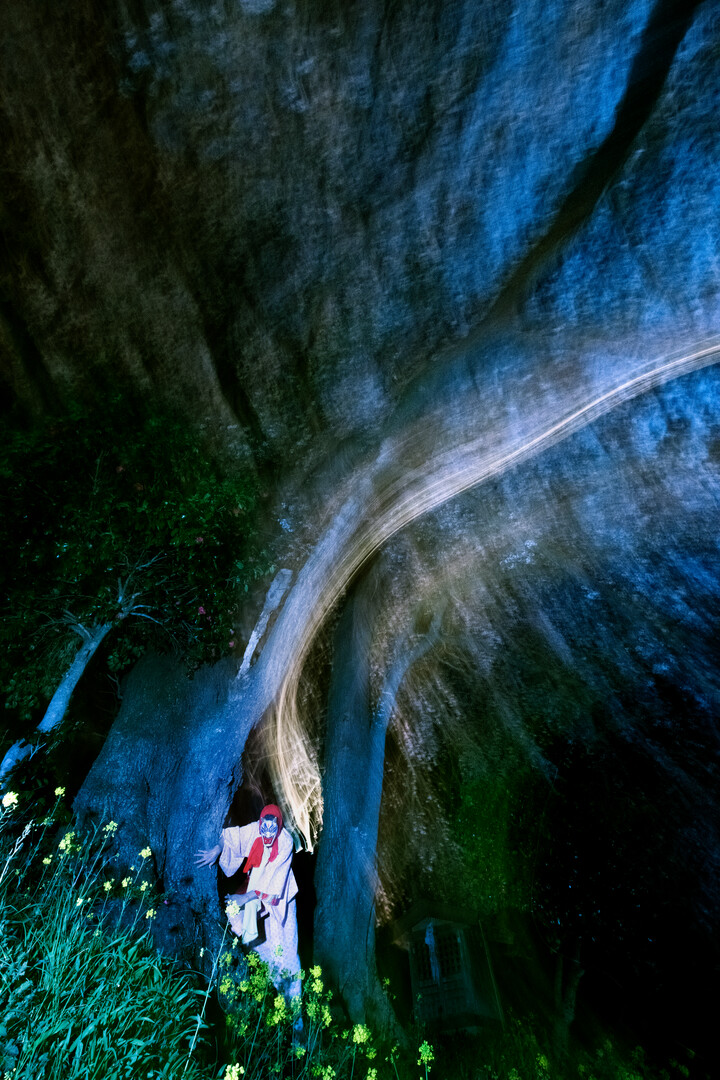
Iwane is also showing her series A New River, shot during the Covid pandemic in 2020. It shows cherry trees in bloom, something celebrated in Japan with outdoor parties which include family and friends but also a bittersweet sense of transience; Iwane includes figures from Japanese folklore too, suggesting a respect for nature and spirituality that photography, and the scientific worldview from which it emerged, tried to sideline. A New River is also underpinned by a very personal grief, because Iwane was under a blossoming cherry tree when she found out that her sister had died. Images of her sister also feature, in a moving projection of shots gathered after her death.
“It was a very hard time for me for a long time, and I kept thinking about her every day,” says Iwane, in a video made by Kyotographie. “Maybe after one or a couple of years, there was the day that I realised ‘Oh today I never thought about her’. So during the making of A New River, I recalled the day that I realised I forgot about her and I thought ‘Maybe I will forget about this strange time of the state of emergency’, and about how easily people can forget about things. So then I started to search for photographs that I have taken of my sister and my family, because I won’t be able to photograph my sister or anyone who has passed but the picture and the memory stay.”
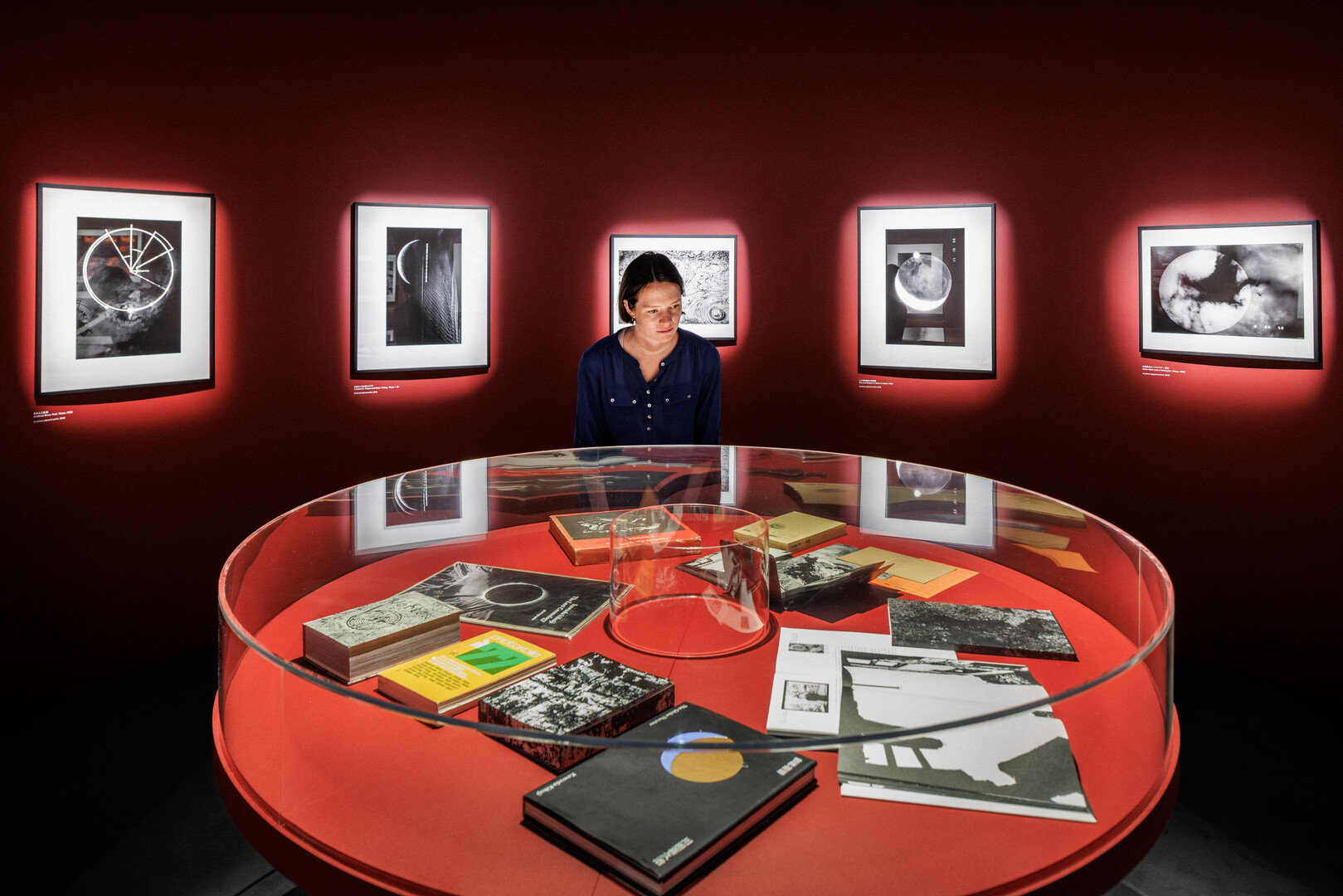
Kyotographie festival is noted for its innovative approach to installation and the exhibition at Japan House is no exception; made with the help of spatial designer Hiromitsu Konishi, it includes the circle as a motif. A round table gathers Kawada’s publications in a room devoted to his The Last Cosmology, for example, which features celestial phenomena such as eclipses. In Iwane’s show, the panoramic shots snake through the gallery, while images from A New River hang in concentric waves round the visitor.
Throughout, the exhibition is darkly-lit, spotlights picking out the photographs; the viewer’s first-hand reality is thrown into shadow and the world of the images surfaces, but this is less photography as observation, and more evocation of emotion.
Kyotographie: Kawada Kikuji x Iwane Ai is on show at Japan House London until 18 October. www.japanhouselondon.uk