In the Studio with Scarlet Page
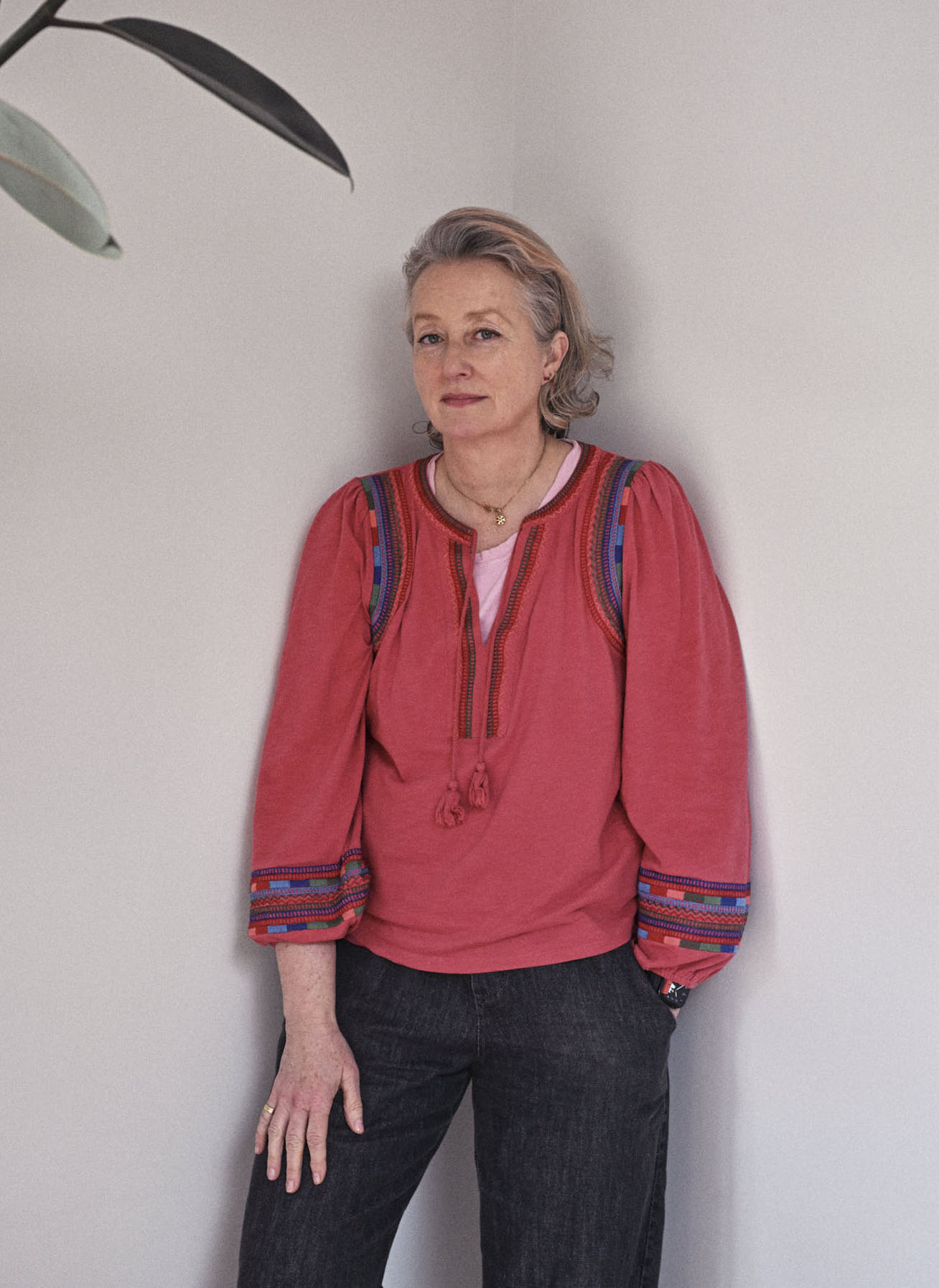
Shot on Nikon ©Hayleigh Longman
Source: Shot on Nikon ©Hayleigh Longman
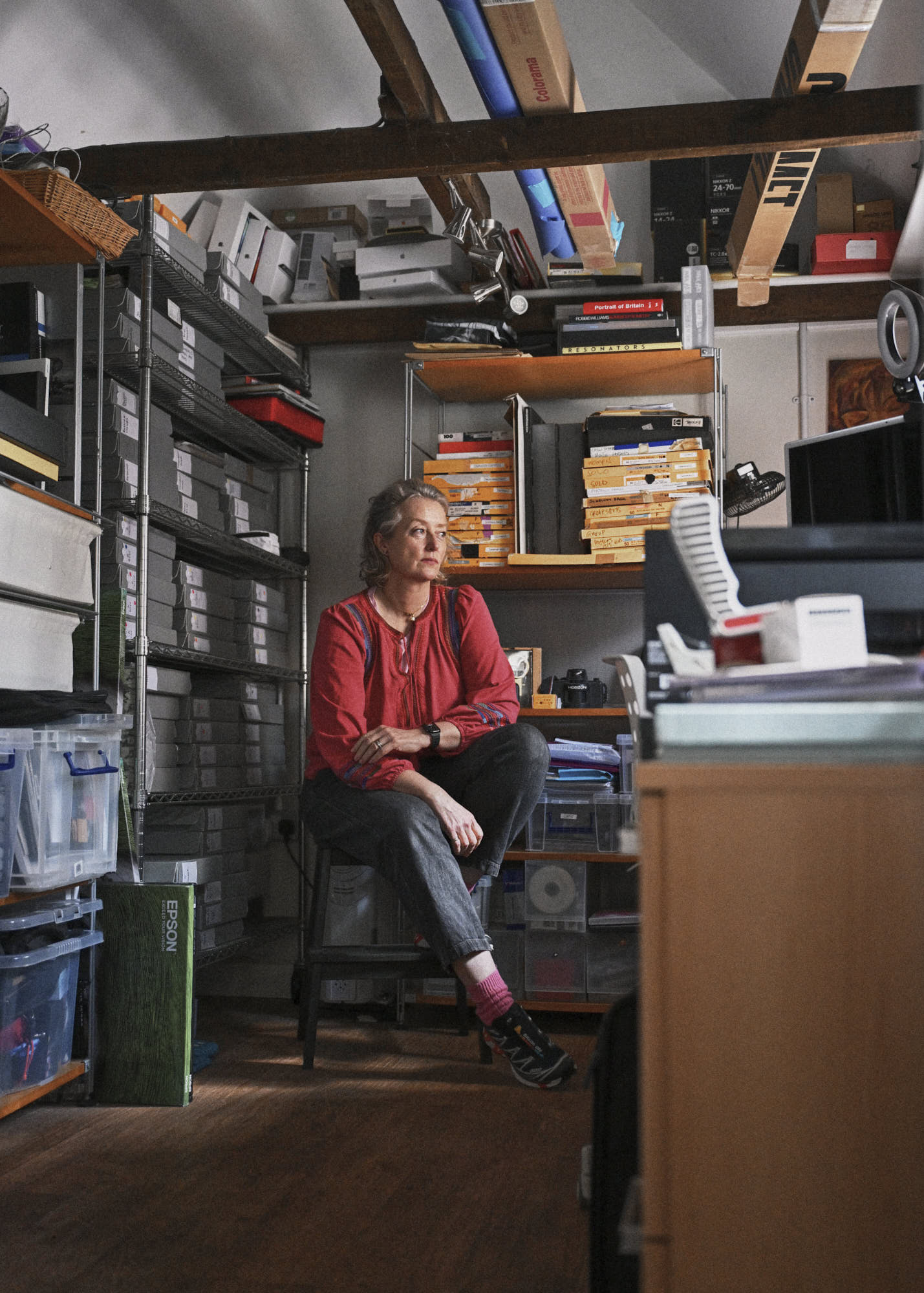

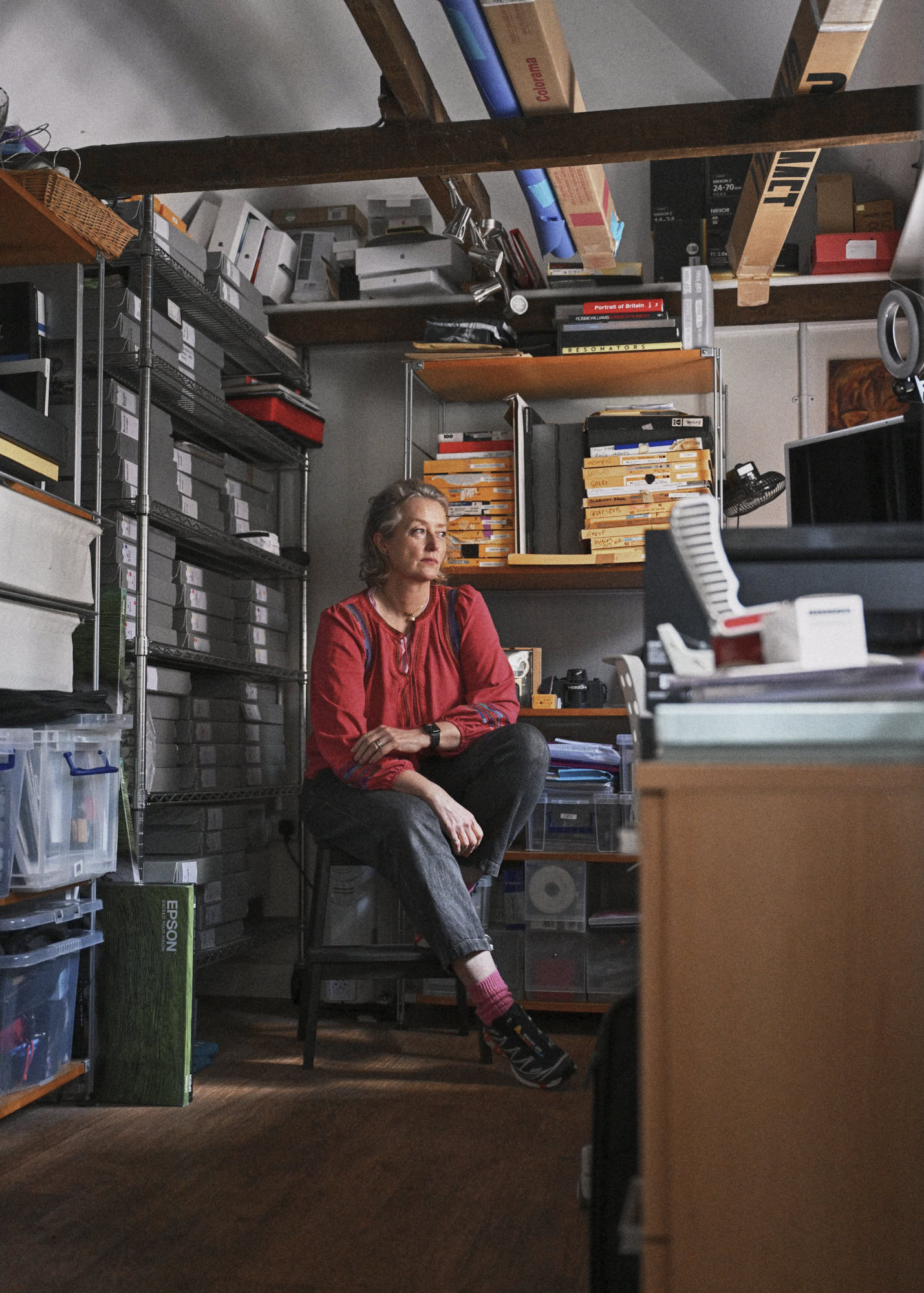
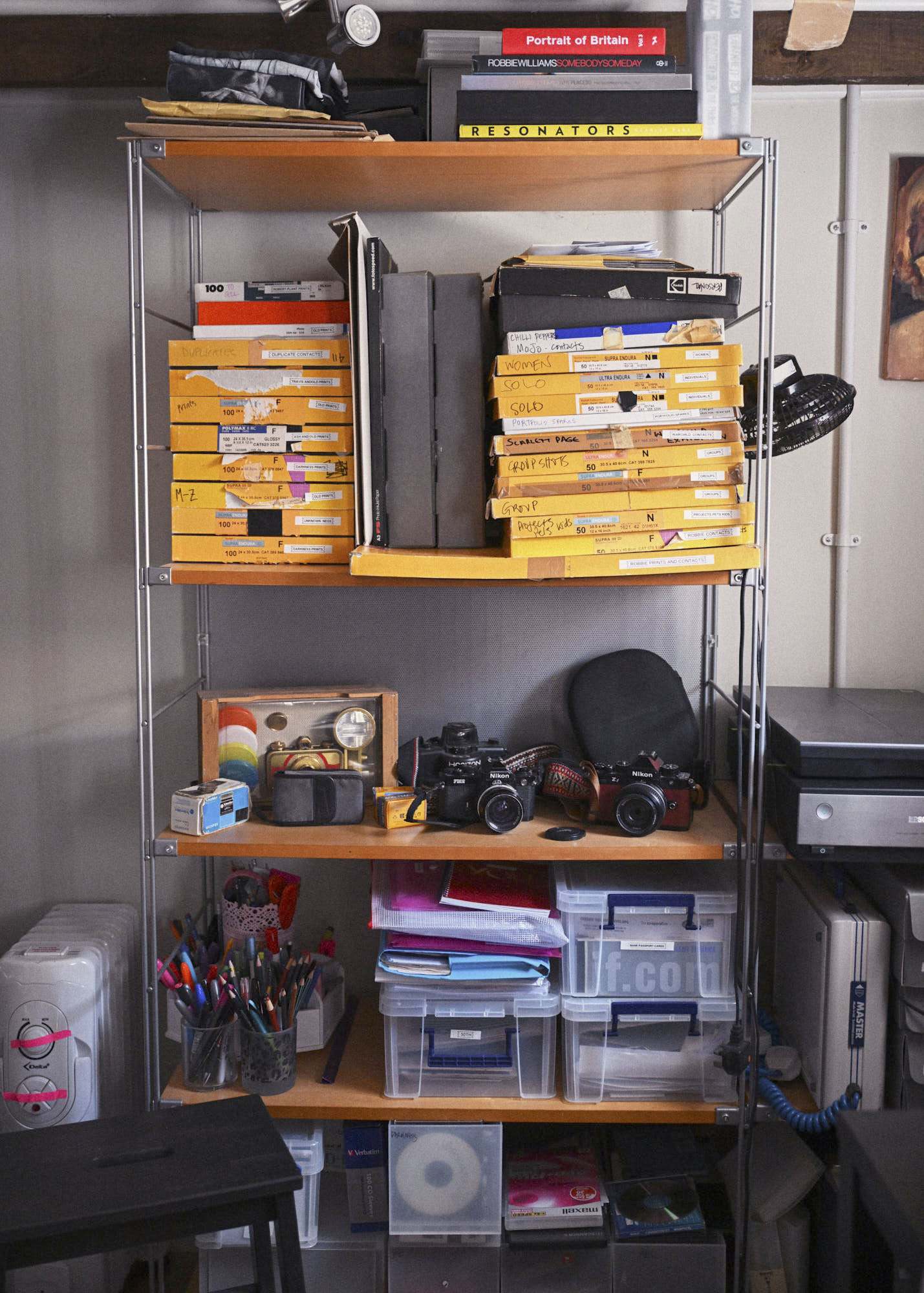
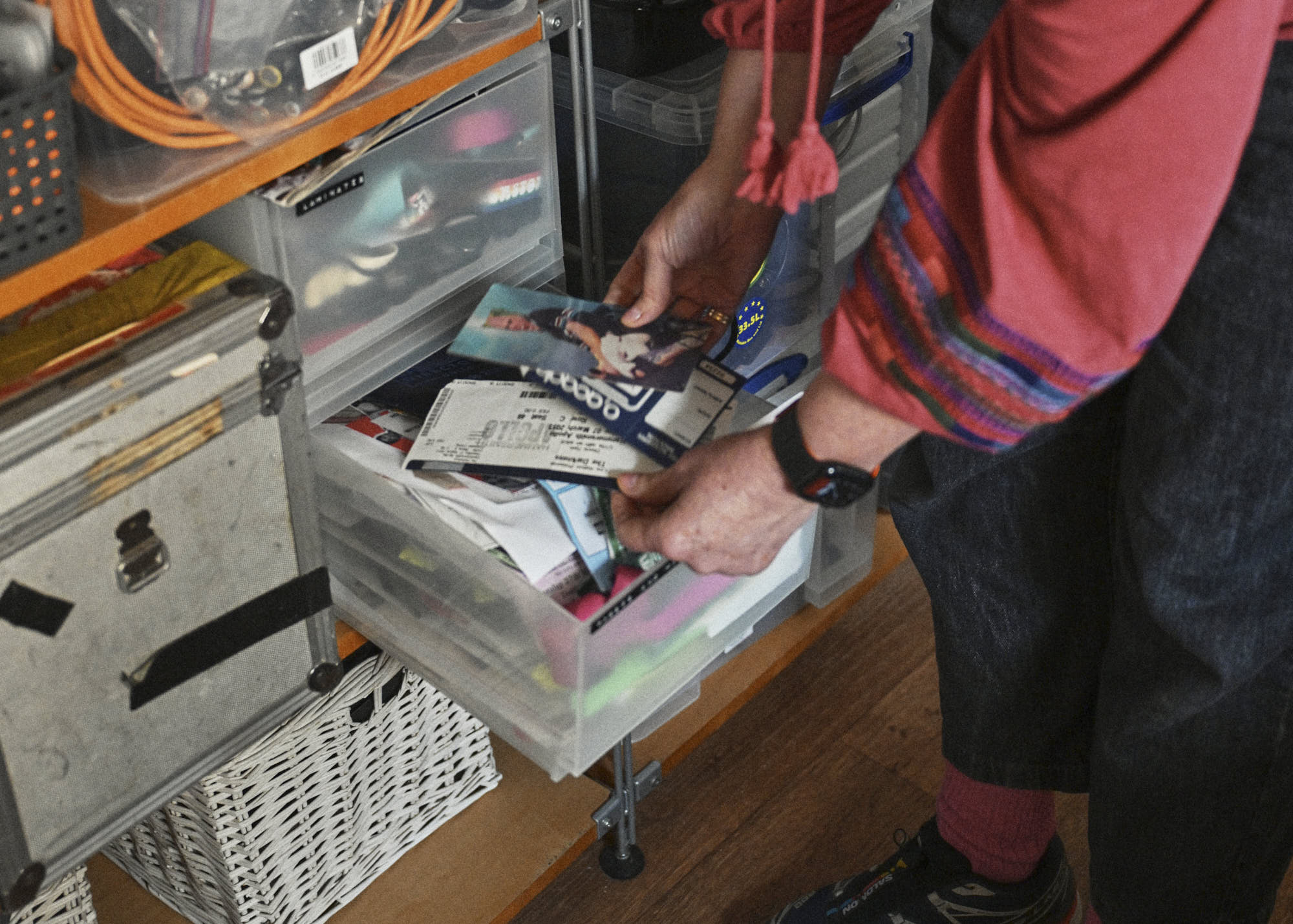
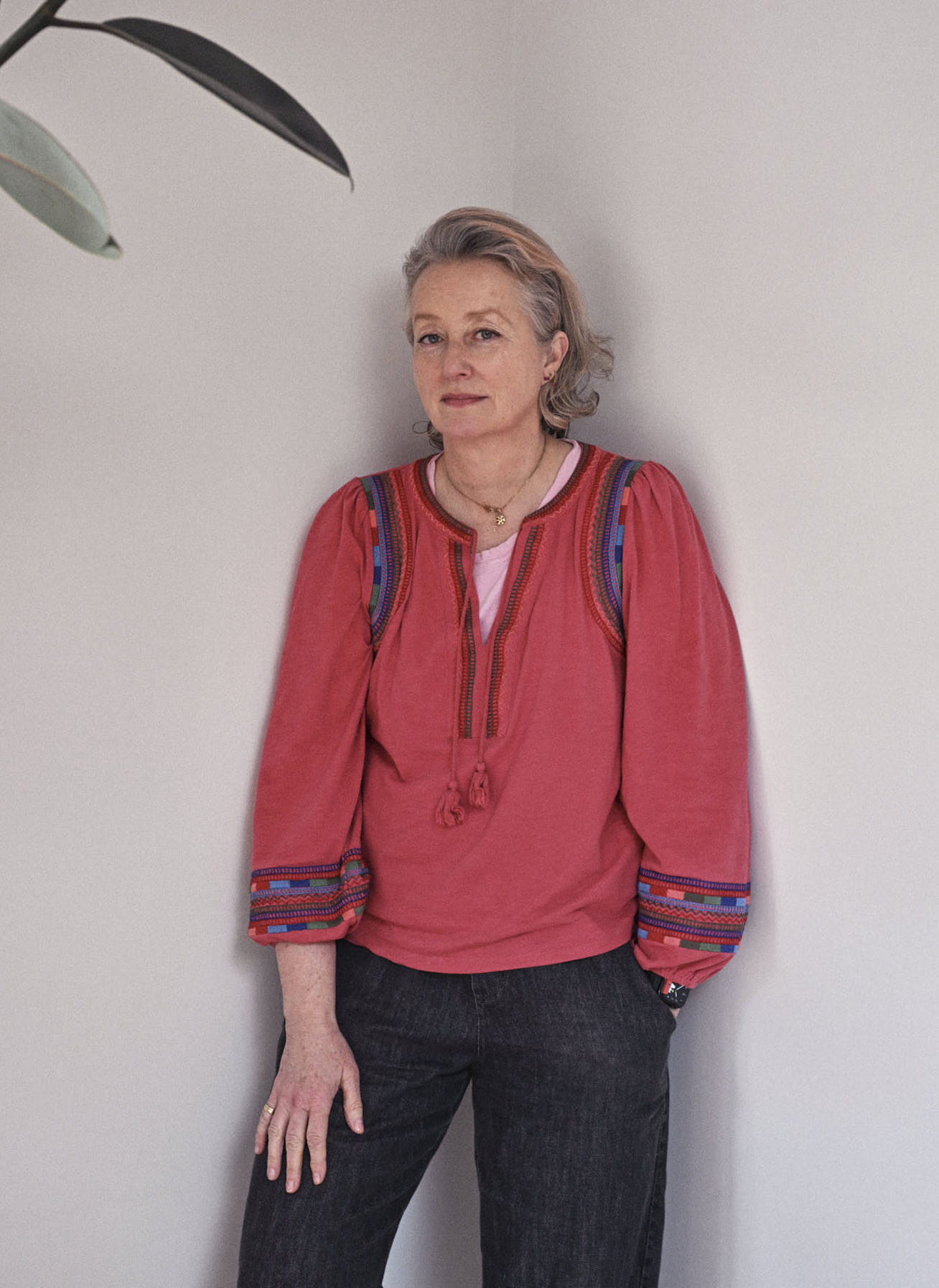
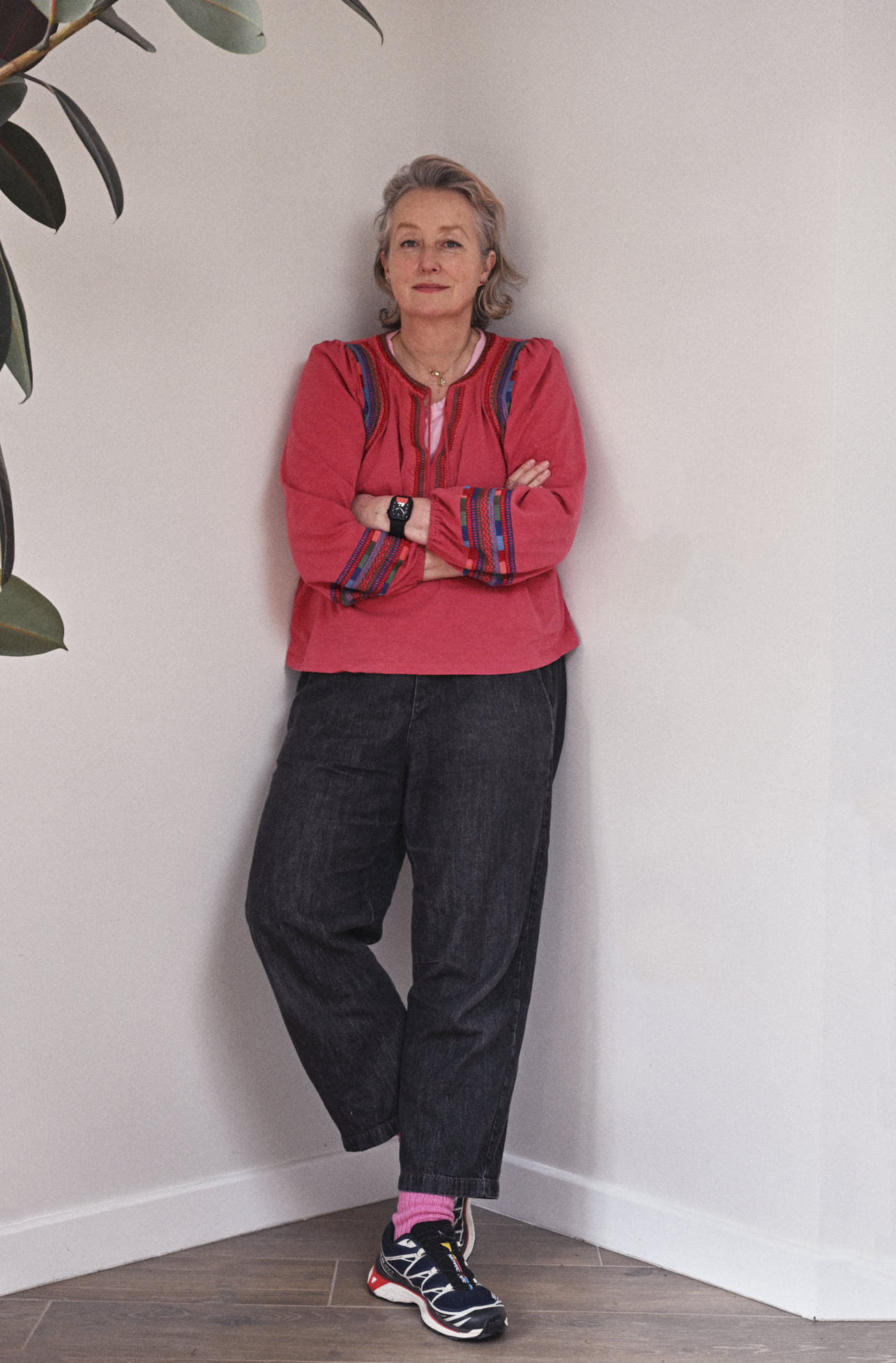
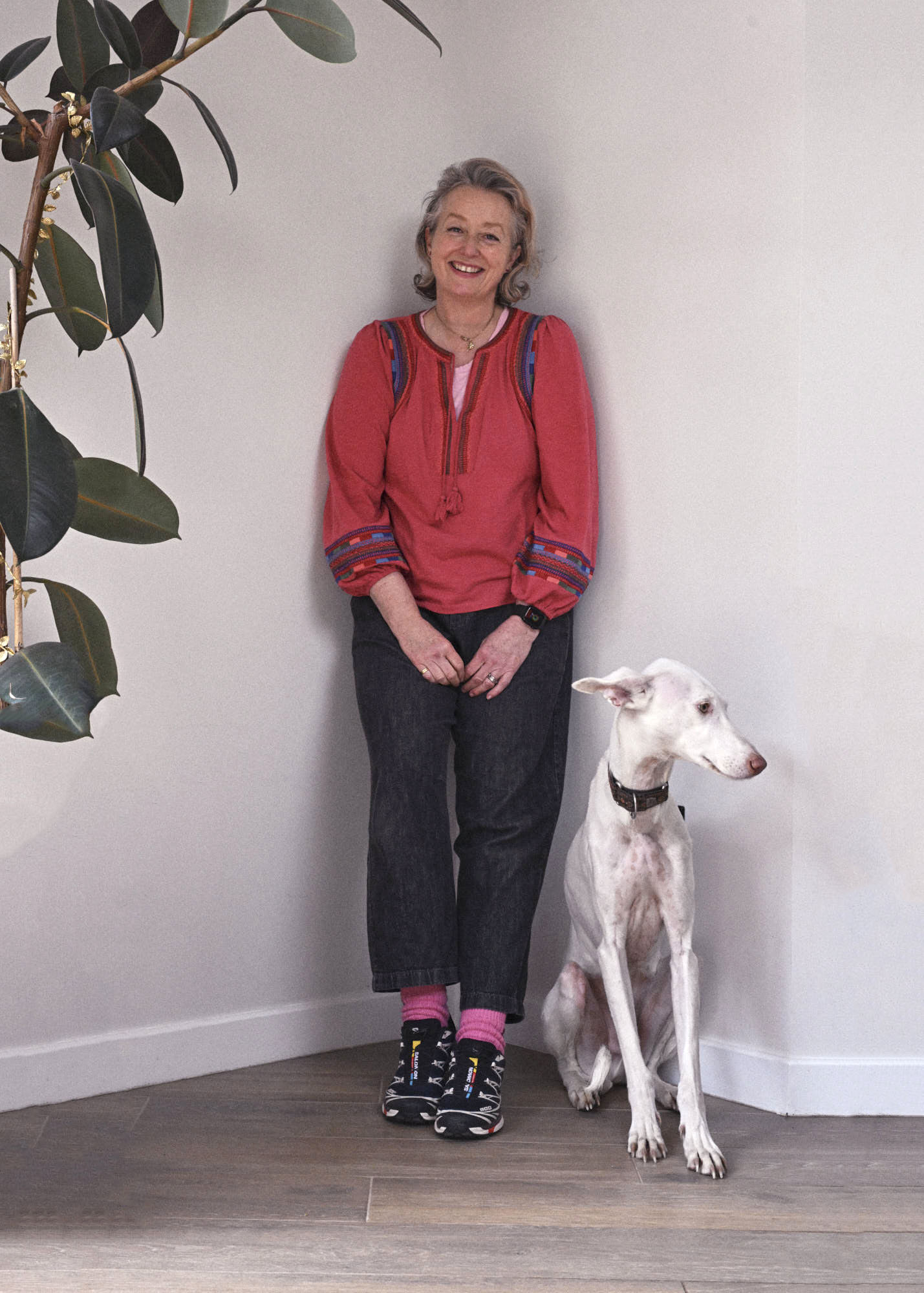
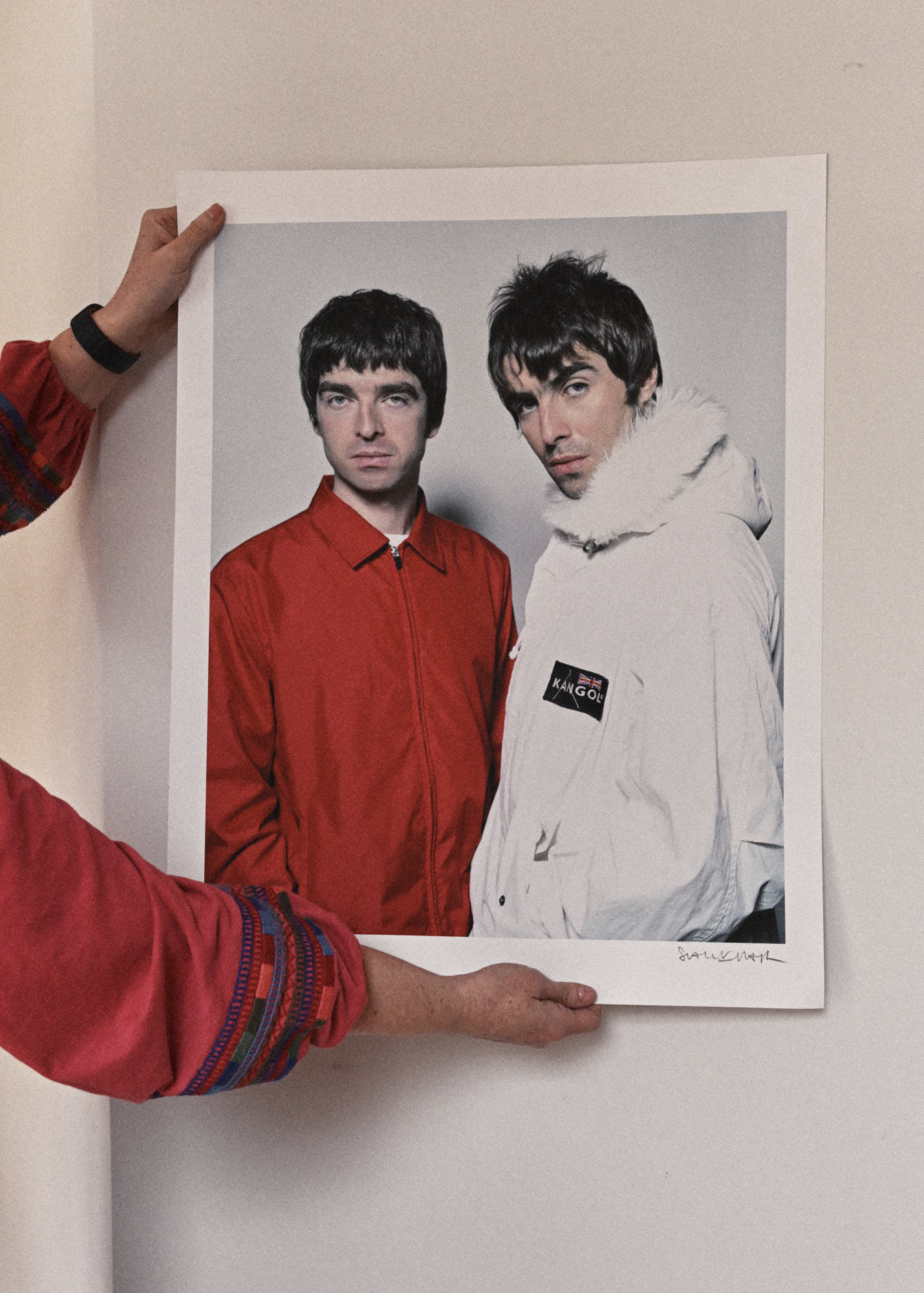
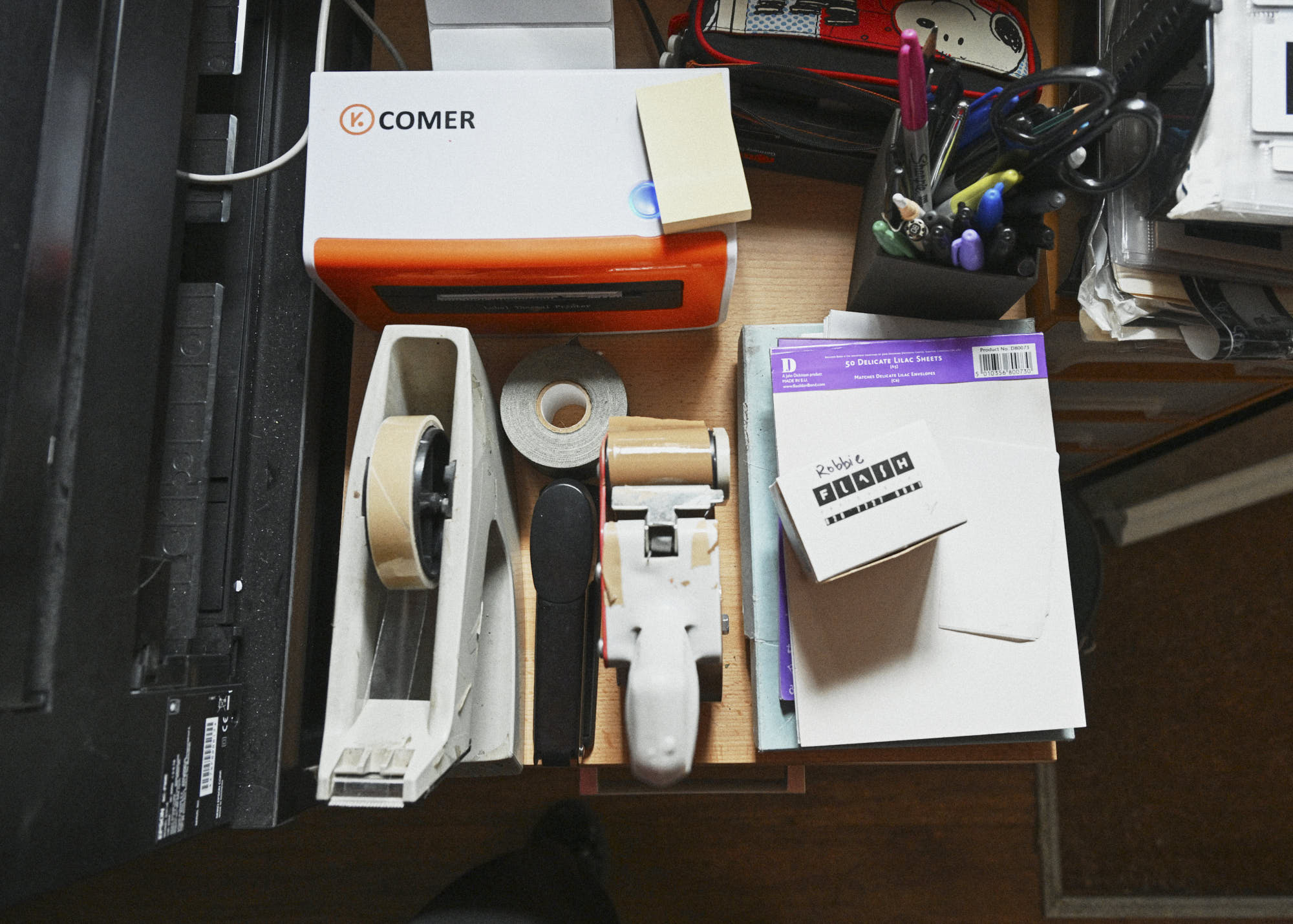
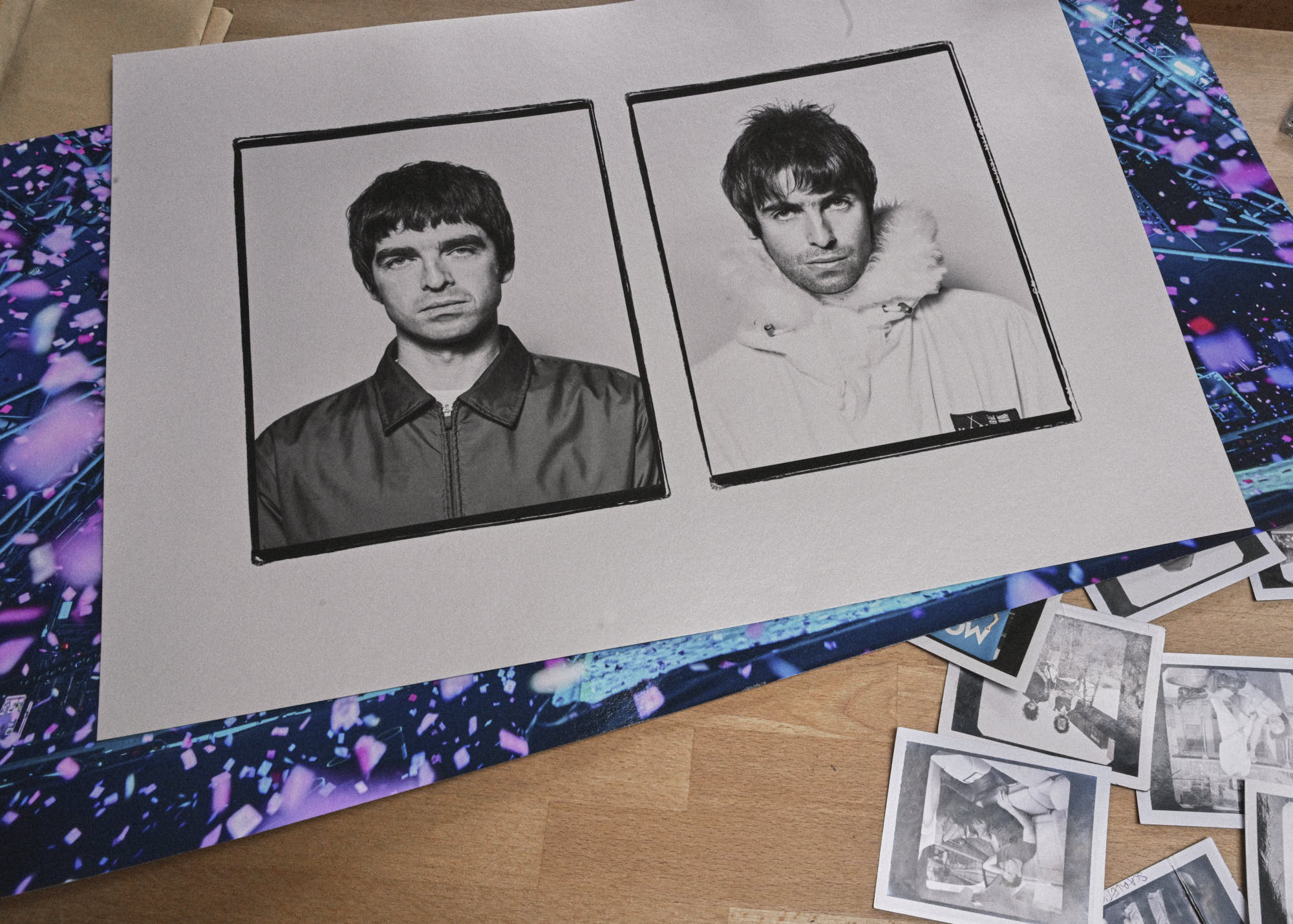
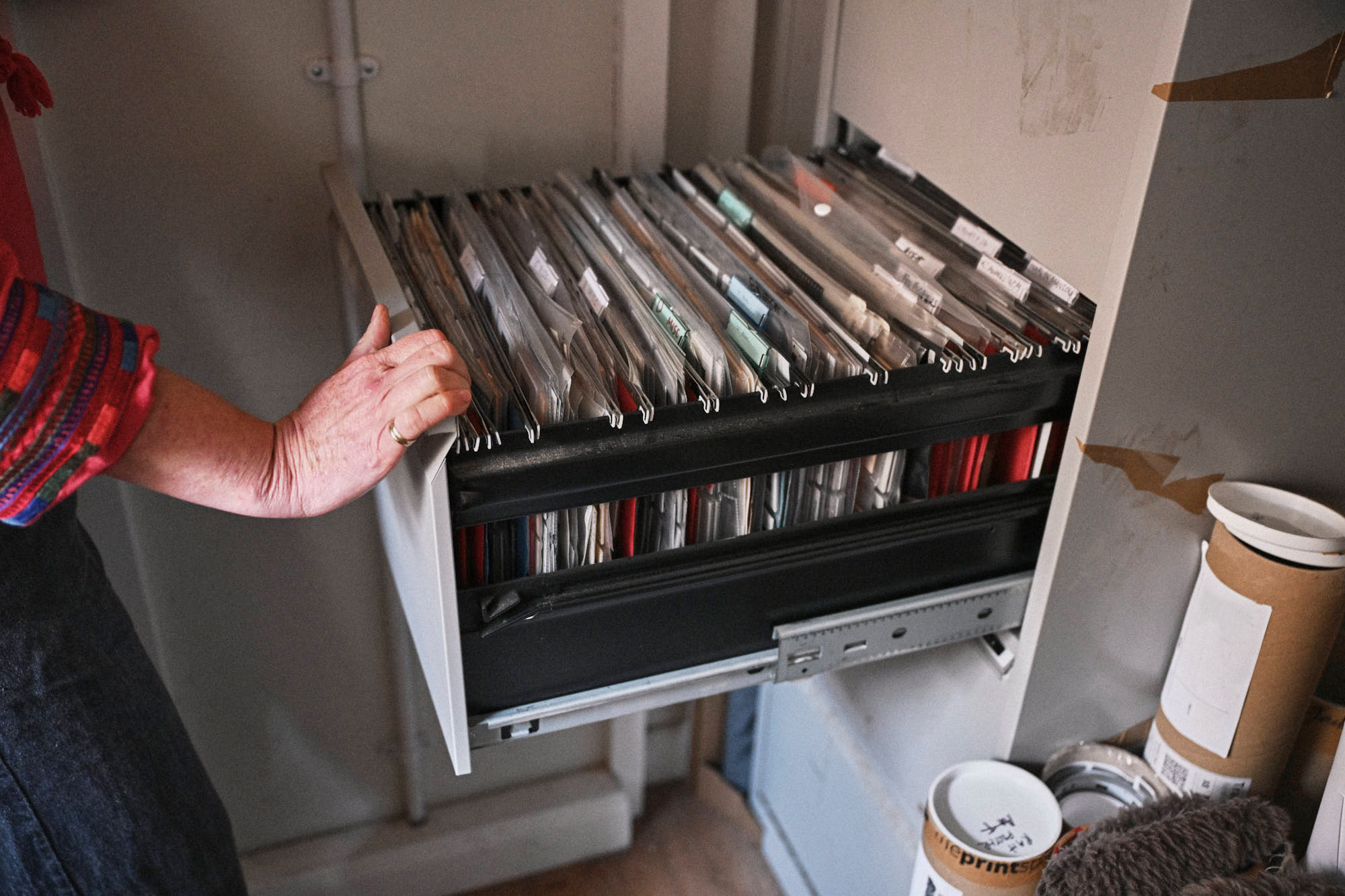
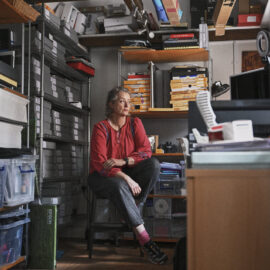
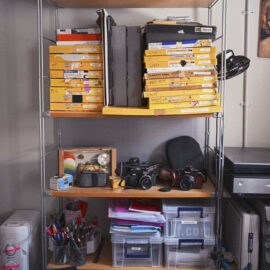
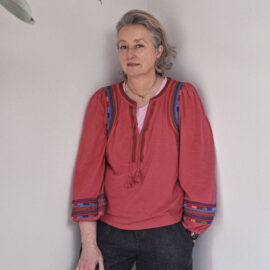
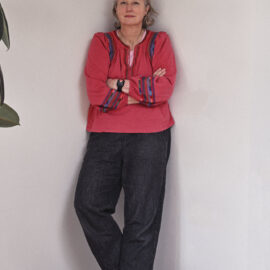
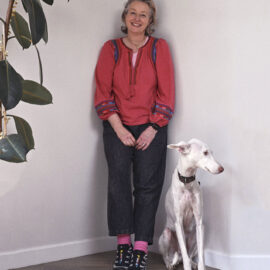
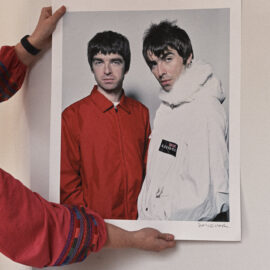
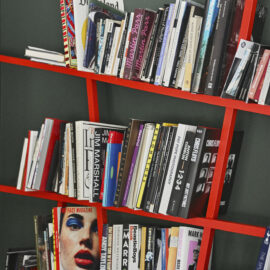
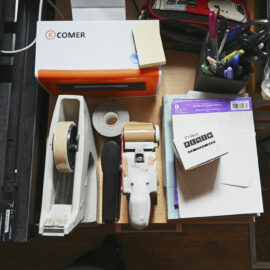
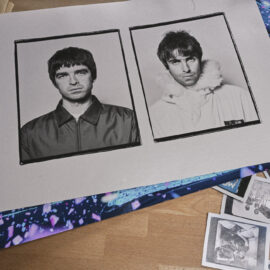
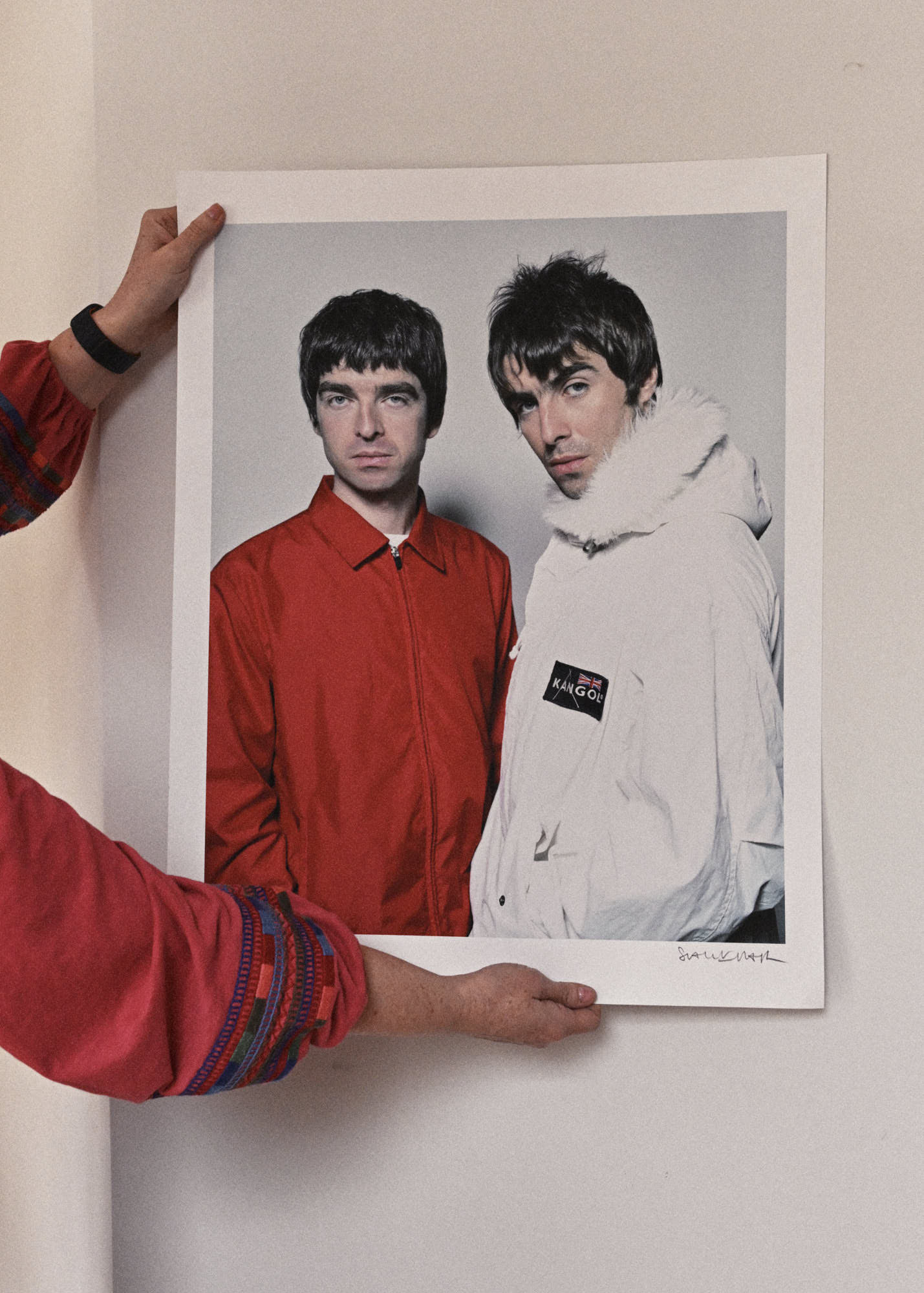
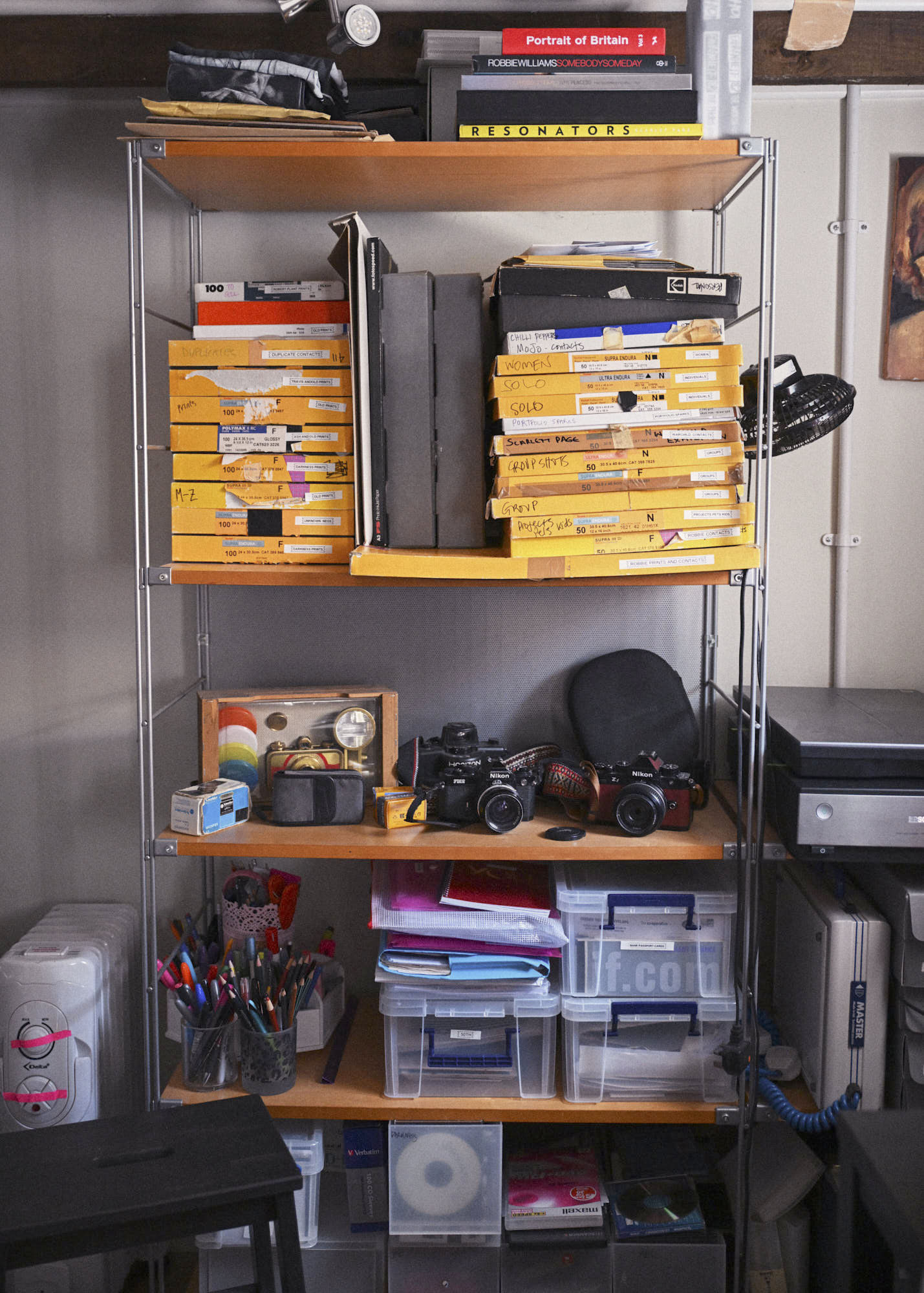
Even editorial studio shoots are infused with the kind of relaxed intimacy that is only possible with an understanding of the real-world context of a subject’s life. Her ‘studio’ therefore – situated in an outbuilding in her home in the countryside outside of London – is more of a working office/archive, with decades of filed negatives, transparencies, kit, and the accumulated material of a prolific career. A pink Liam Gallagher print – sparkling, having been treated with diamond dust in a collaboration with artist David Studwell – is a clue that speaks to Page’s contribution to music iconography.
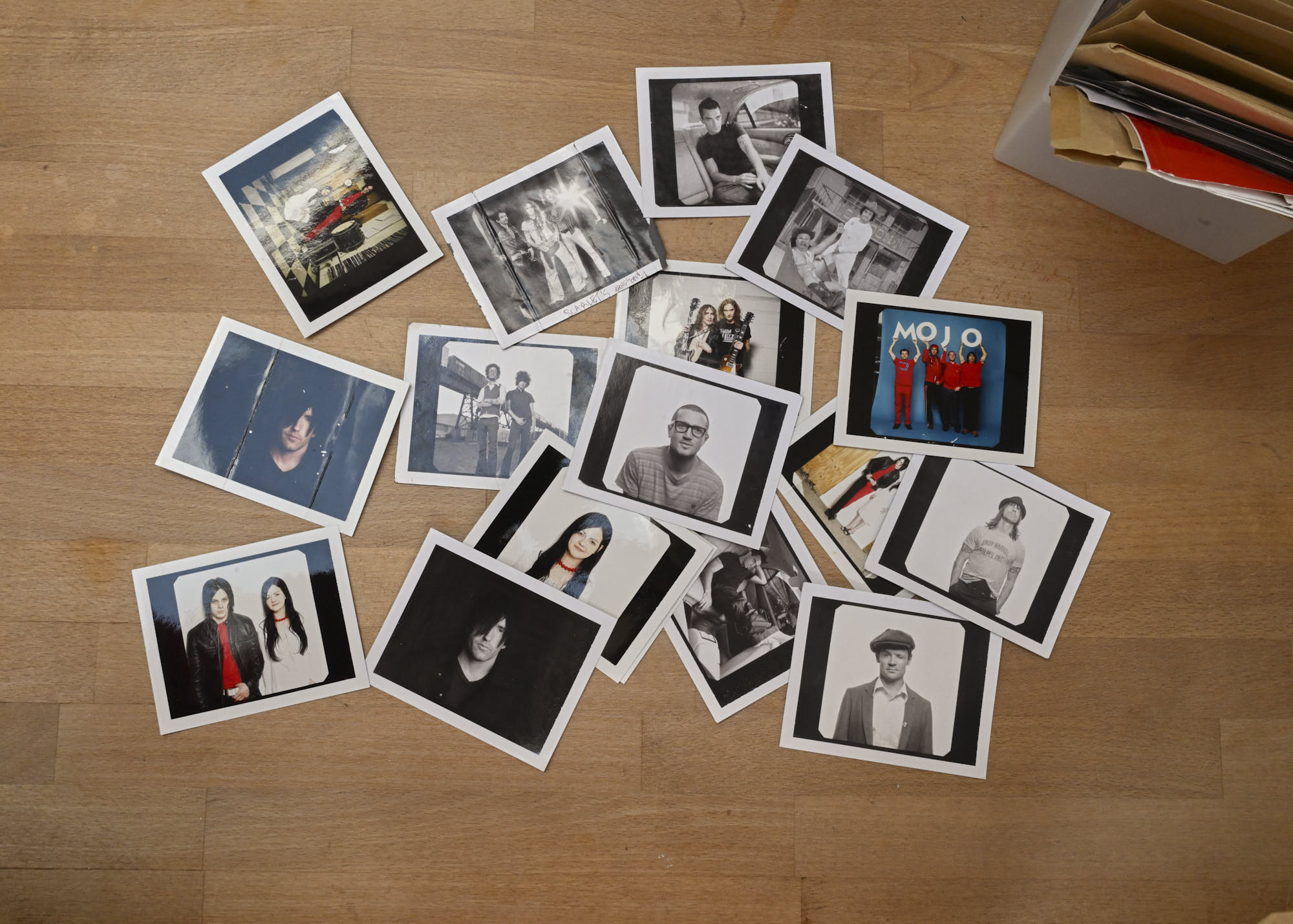
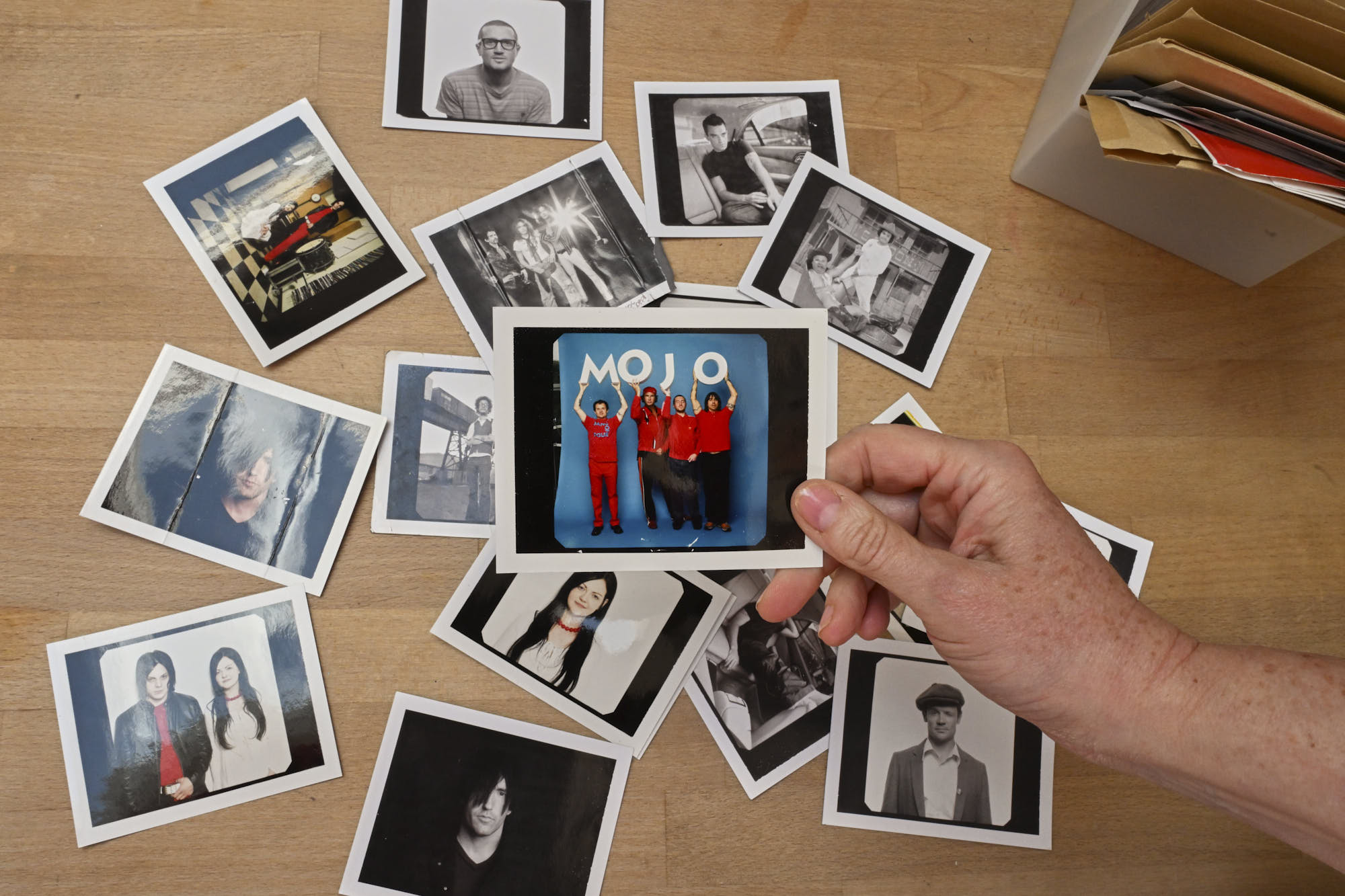
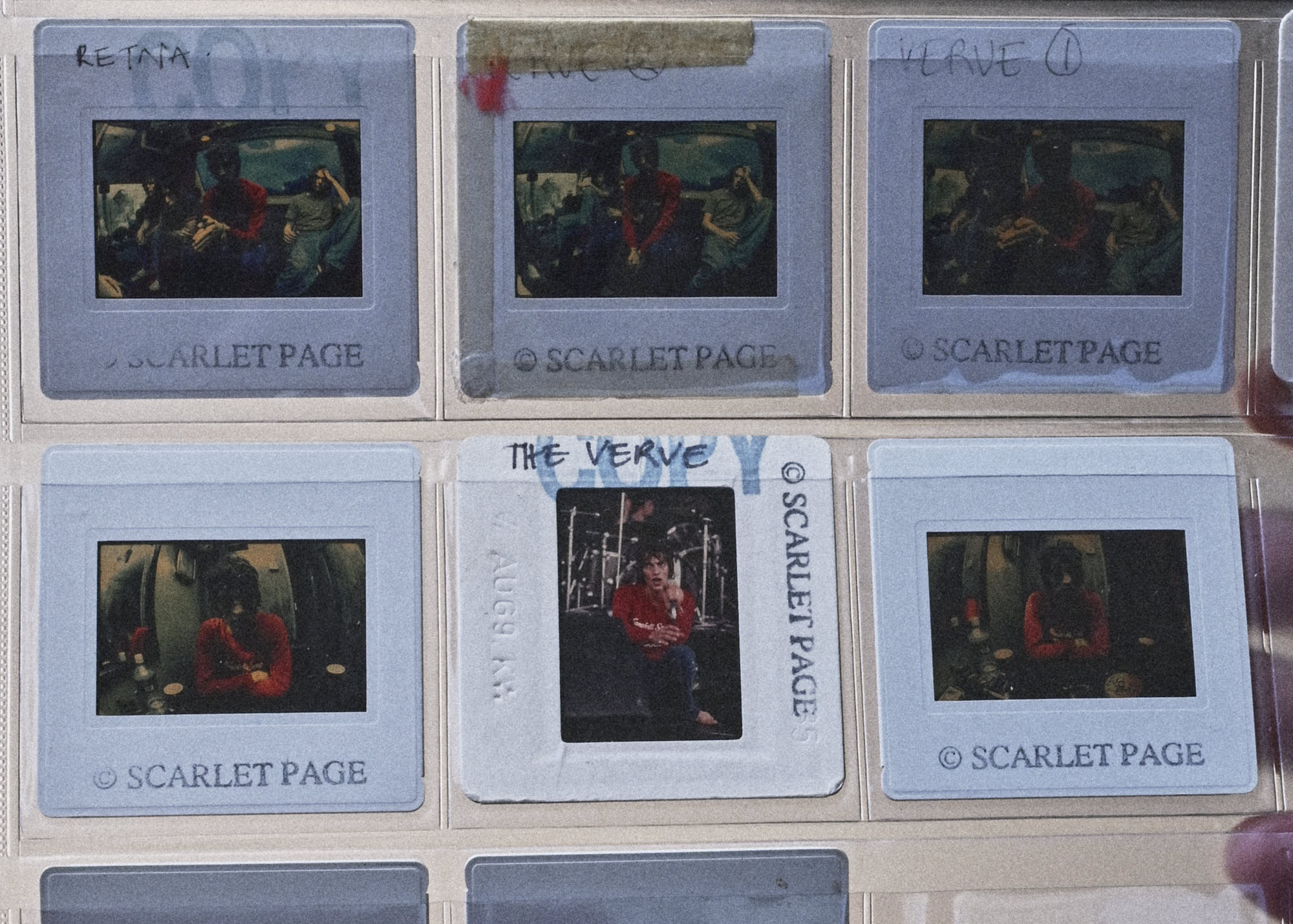
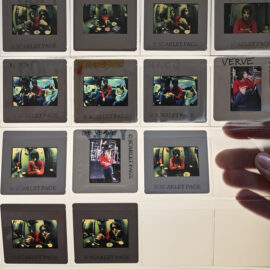
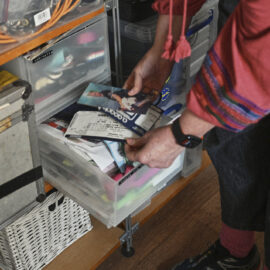
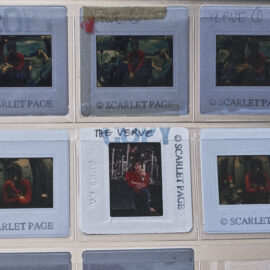
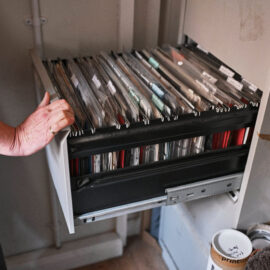
Lately, Page has been spending a lot of time here organising her archive. Working with an assistant, she is methodically moving through decades of negatives alphabetically, matching contact sheets and slowly digitising. “Being organised doesn’t come naturally to me,” she says, but she is motivated out of a “respect of my work and legacy”. The process has brought rediscovery, going back to shoots where the brief had been a cover shot and three images for inside the magazine.
As she has worked through it, she has been surprised and delighted as hidden gems are unearthed. “When I discover some of the things I’ve shot, I’m like, when did I shoot Eminem live?” she says. “I don’t remember doing that, but I did, because it’s got my stamp on it!” Recently, she went looking for Jack White material and came across early White Stripes negatives from one of the band’s first UK dates. “You scan it and go, ‘Oh, it’s pretty good’. Or, maybe it’s not as good as I thought, but it’s still quite exciting.”
Sometimes the archive diving is given a specific focus by retrospective projects of her subjects. When Placebo announced RE:CREATED – a reimagined version of the band’s 1996 self-titled debut marking the band’s 30th anniversary – Page found herself pulling everything Placebo-related from the filing cabinets. Among the material was a portrait of singer Brian Molko in angel wings. “It became synonymous with the band and very representative of who they were,” Page says. The image was acquired into the National Portrait Gallery’s collection, demonstrating not only Molko’s significance in culture but Page’s role in creating an iconic image. The shot has recently appeared on a vinyl picture disc for the anniversary release. “Images that I love getting a real second coming,” reflects Page.
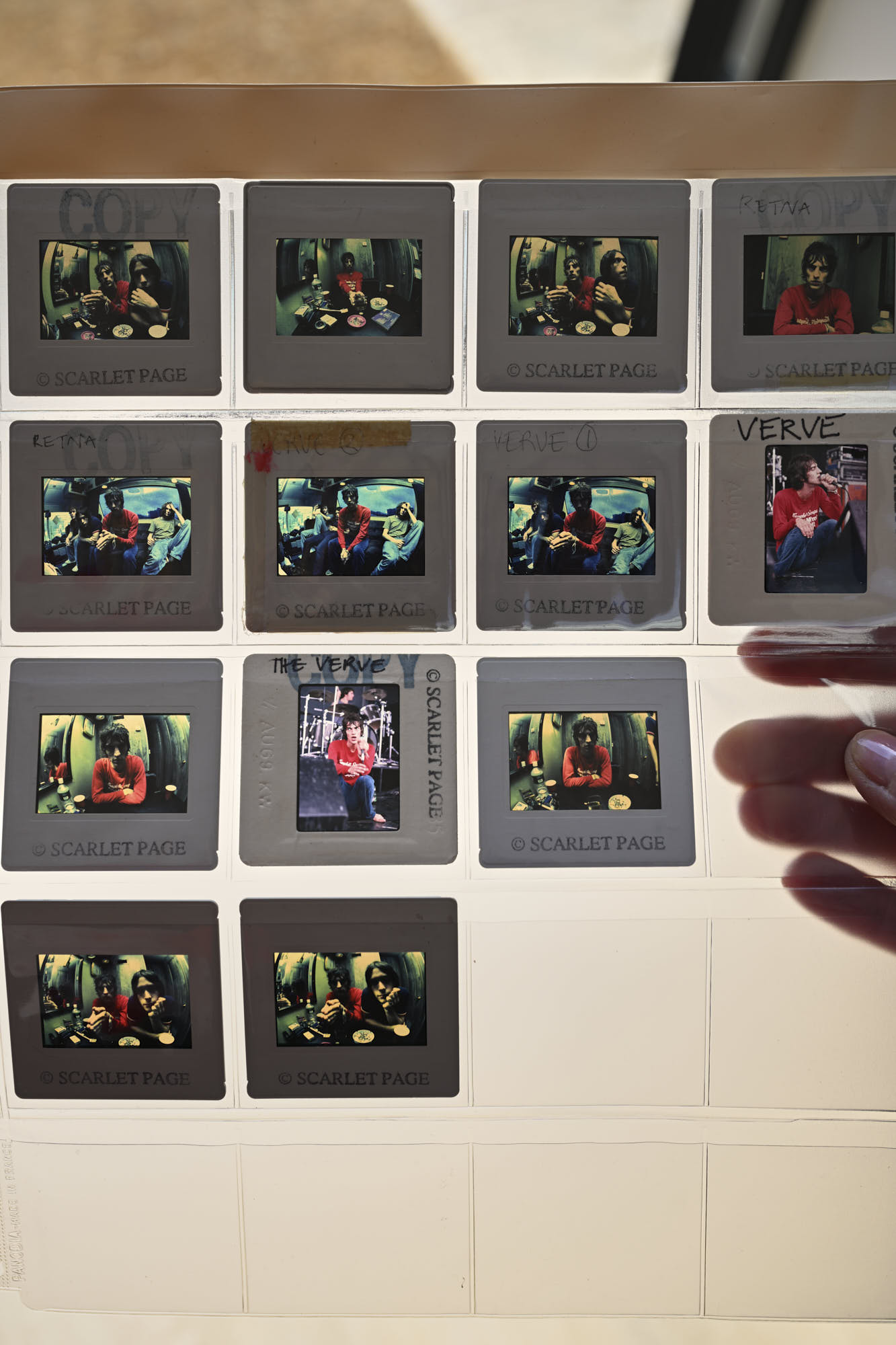
The archive also holds years of images made on the road with the band, backstage, in service stations and in dressing rooms. Page compiled much of this into a book, bringing a hidden side of the band to fans. The relationship has recently been rekindled; Page shot Placebo at the Teenage Cancer Trust’s week of shows at the Royal Albert Hall in London before travelling to Switzerland to photograph them again. “It’s funny how the relationship remains the same,” she says. “It’s just easy to go back in from where you left off.” Time, it turns out, has only deepened the trust: “More recently I feel like I’ve earned a bit of longevity respect,” she reflects, “for sticking at it and being loyal to my profession for so long, through thick and thin.”
For a photographer whose best-known work has been made through immersion – spending time with a subject or immersed at a festival – the studio presents a particular challenge. “It’s like being shot in the middle of a white space,” Page says. In order to conjure a laidback, organic feeling, her approach is to keep things moving, keep talking, and create enough ease that the camera becomes incidental to the subject. “Sometimes you’ve got to shoot before you can get to that point where they drop their guard. You just have to start the process,” she says.
Alongside commissions, Page makes space for personal projects, though she admits it is not always easy. “You have to be self-motivated and you have to make a lot of these things happen,” she says. “I wish I did more of it.” One project began during lockdown, when she photographed children with their comfort toys – the items they held onto in an uncertain time. Five years later she went back and photographed the same sitters again, in the same spots, now five years older. The comfort toys were gone, and instead she found herself “holding that space and exploring the passing of time and how it looks”.
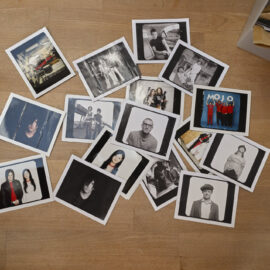
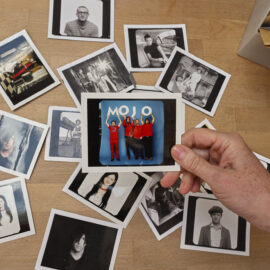
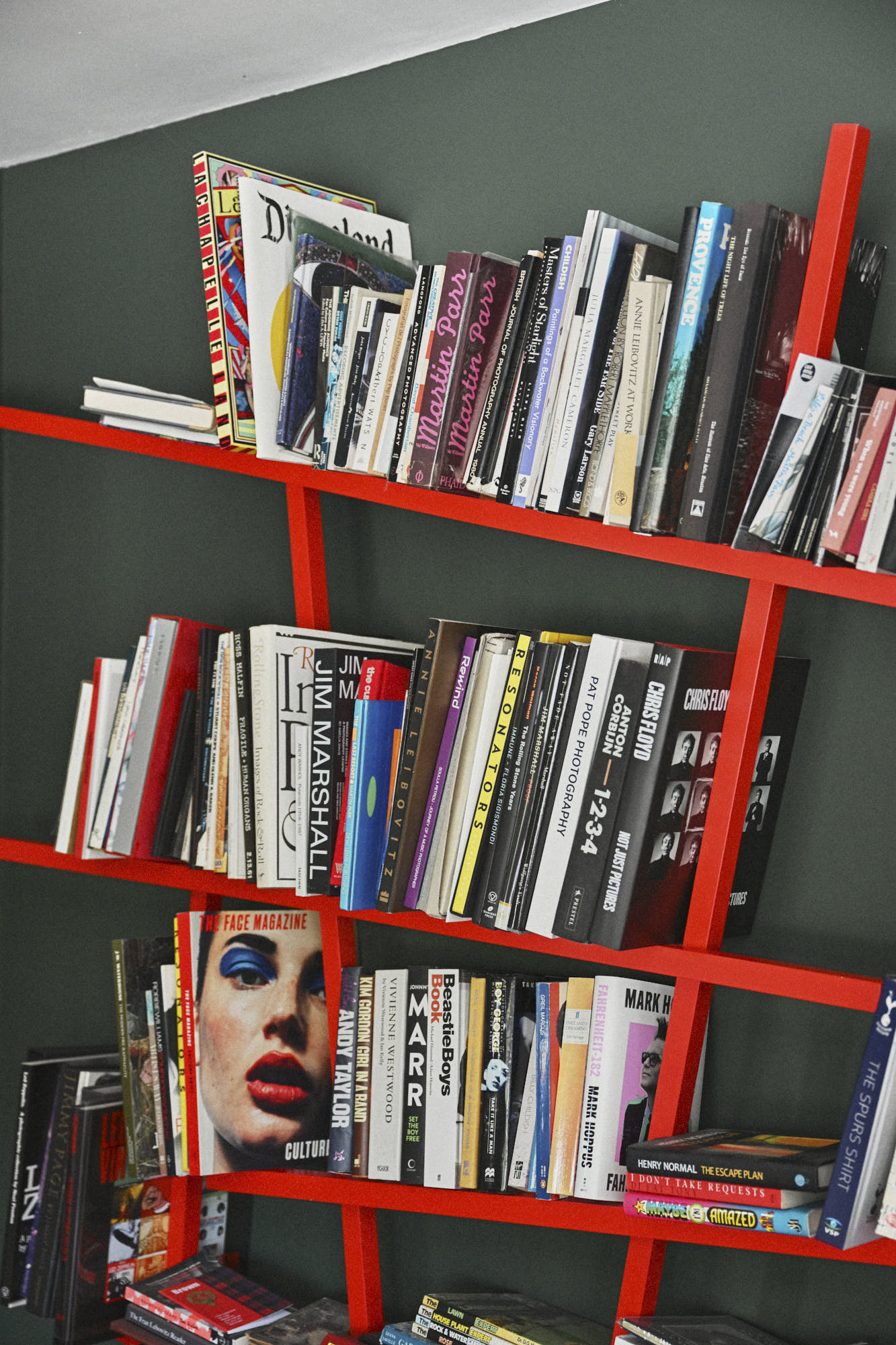
As is often the case with self-started projects, it is the kind of work that reveals where deeper interests lie. Page is also an ambassador for the Museum of Youth Culture, in Camden. She is drawn to its vernacular material, “from photo booth images to pictures of kids in their rooms in the 1970s, 80s or 90s,” which capture the emotion and nostalgia of a time gone by.
“I think it’s really important as a jobbing photographer to still stay in touch with the magic and the reason why you do it”
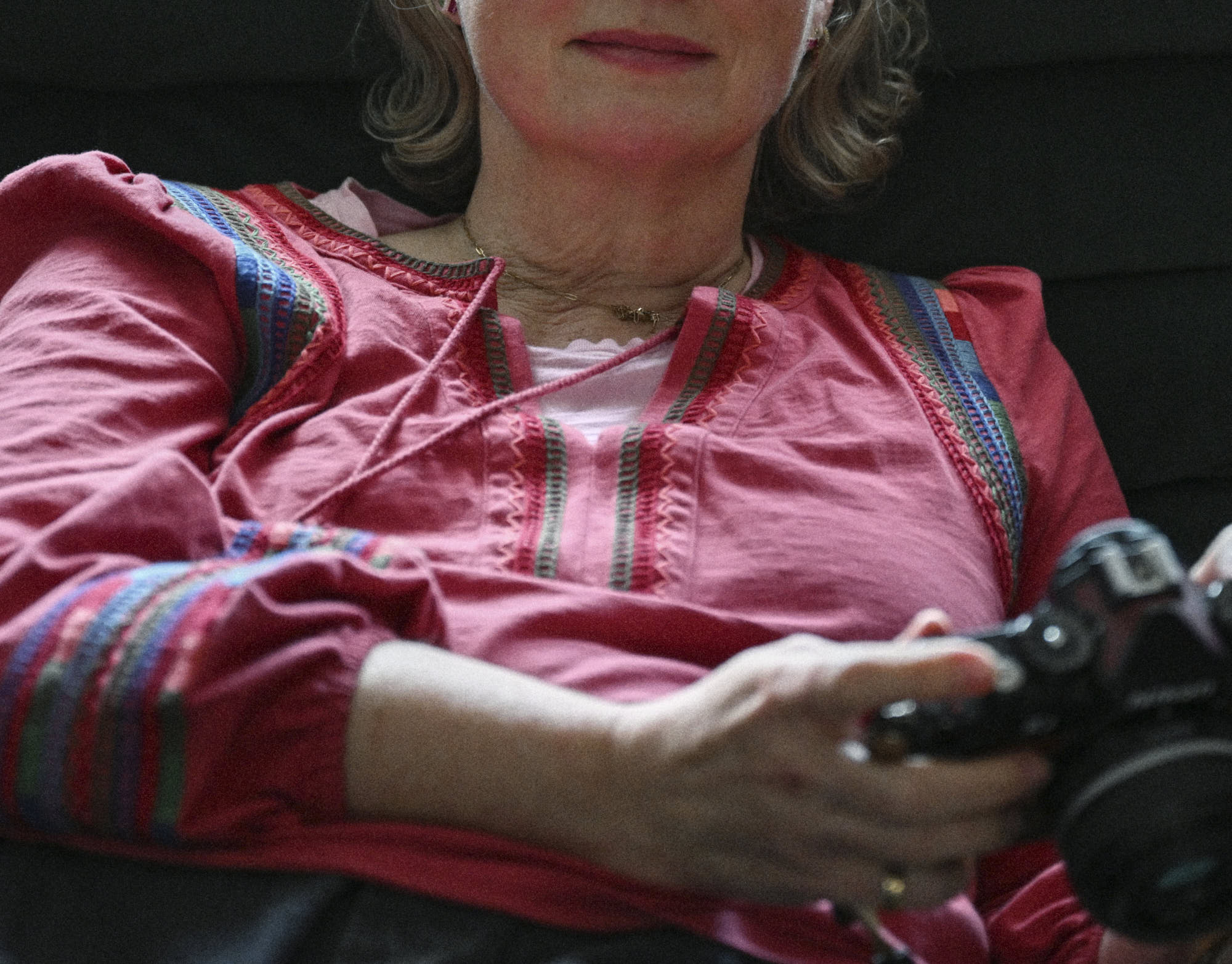
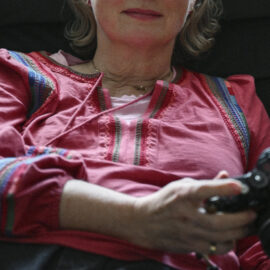
Page’s first camera was a Nikon FM2 with a 24mm lens, which she still owns. In her early career, the kit she worked with was built up gradually through years of assisting, and included prime lenses inherited from the photographer she worked under. Now, as a Nikon ambassador, her standard is two Z8 bodies – a set-up she can rely on when time is tight, although she has recently found herself returning to an earlier way of working. At the Teenage Cancer Trust shows at the Royal Albert Hall she put aside the go-to kit, reaching for a Plena lens and experimenting with filters, slow shutter speeds and double exposures. “You can play a bit more when you’ve got more time on your hands,” she says.
That spirit of play has taken her back further still, all the way to the FM2. Page recently loaded a roll of film through it for the first time in around 30 years, taking it on a trip to Margate over the Easter holidays. “Actually, some of them were in focus, which is a bonus,” she laughs. It is a deliberate choice to stay connected to the love of the craft itself, which can get lost in the rhythm of professional life. “I think it’s really important as a jobbing photographer to still stay in touch with the magic and the reason why you do it,” she says. “To stay interested and inspired.”