
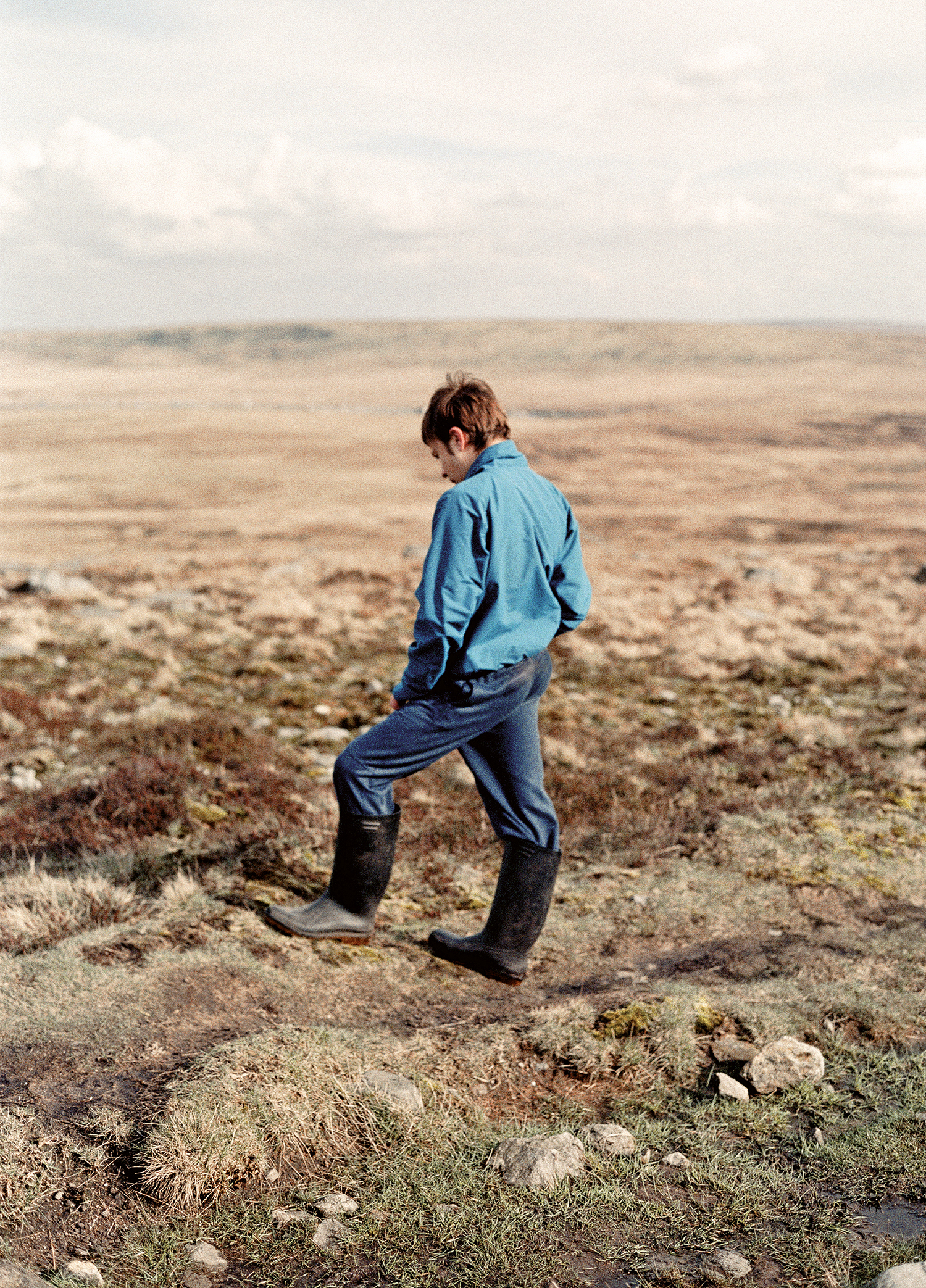
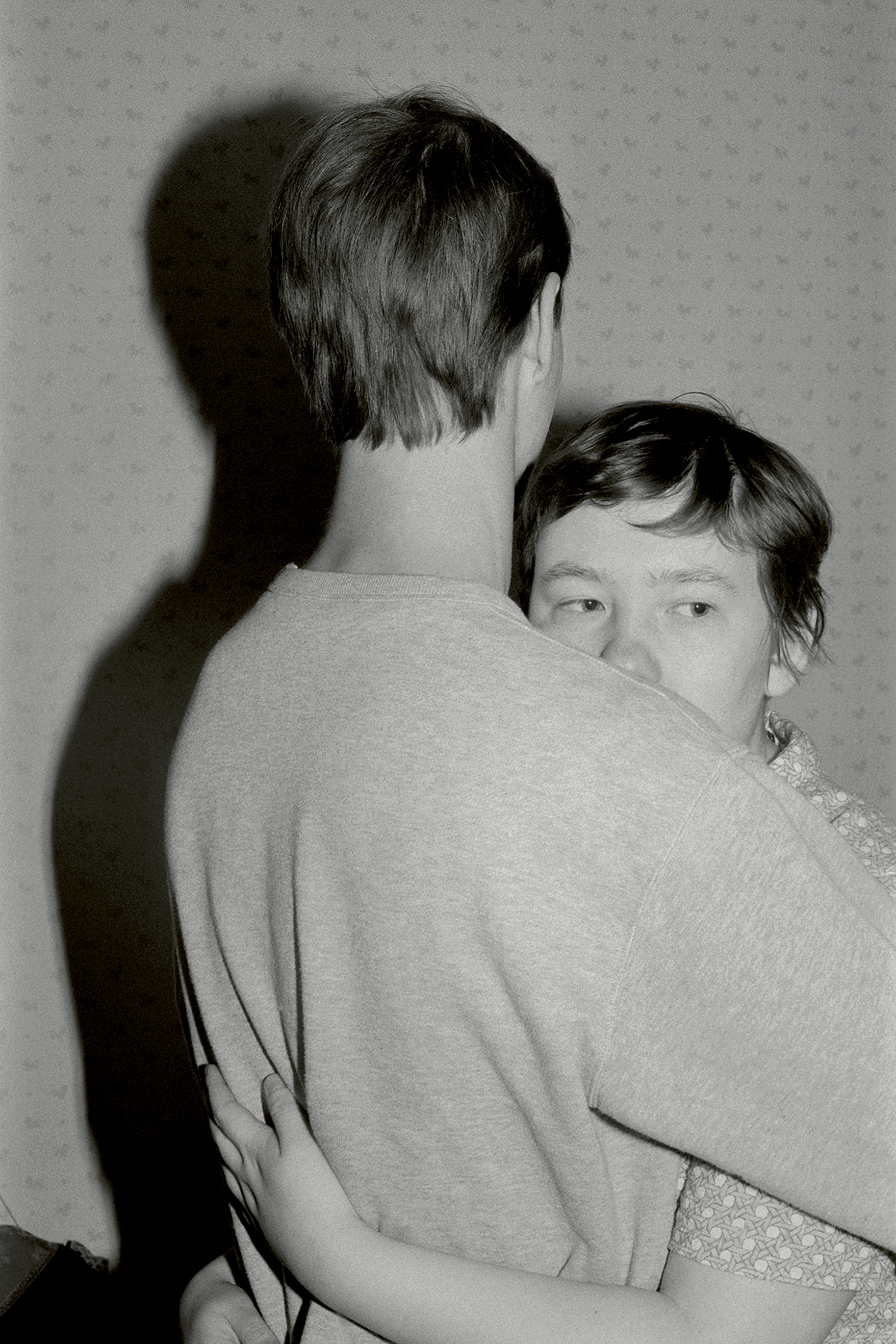
Forage, 2023 © François Jonquet
Themed Sédimentation(s), the seventh edition of the biennial festival in Mulhouse takes a layered approach to images and the land in exhibitions throughout the French city
Located in Alsace, north-eastern France, Mulhouse sits on land which was once seabed, on thick layers of limestone deposited by the water. So the theme of the seventh Biennale de la Photographie de Mulhouse is wholly apt, though Sédimentation(s) has been broadly interpreted to map the topographical and geological onto psychological realities. Featuring a dozen exhibitions, created in collaboration with six curators, the festival explores stratification and the landscape in nuanced, evocative ways.
Tiago Casanova’s Which Way the Wind Blows, on show in Saint-Jean Chapel, posits a distant-future perspective from which to view the Mediterranean, for example, speaking of the migrant crisis but also encompassing the myths and folklore native to this region. Jenia Fridlyand’s Limits of Control, at the Fine Arts Museum, depicts Cuba, drawing on her experiences growing up in the Soviet Union and the echoes of its political system in the otherwise unfamiliar landscape. Altiplano by Pablo Castilla, on show on the banks of Berges de l’Ill/Quai des Cigognes, explores the sparsely populated Spanish region of the same name, meanwhile, and was made with the guidance of a shaman to sometimes near-psychedelic effect. The biennale also includes six group exhibitions, gathering artists to explore Sédimentation(s) more thematically. Curated by Anne Immelé, Sédimentation(s) – A constellation brings together both contemporary and archival works around rocks and stones, with new images added over the exhibition cycle so that it quite literally evolves. The constellation includes a site-specific installation by Eugénie Shinkle, as well as images from the Nicéphore Niépce Museum’s collection. Sédimentation(s) – A constellation will be on show in the Fine Arts Museum. Bruissments (Whispers) is curated by Magali Avezou, meanwhile, in a 14th-floor apartment.
“[The artists] give us a possibility to understand our landscape and be poetic about how we can make history, because they propose a different perspective about how we can see ourselves” – Ange-Frédéric Koffi
In the glass-and-steel building of La Filature, on the site of a former cotton mill, Settled attempts to look at the landscape from beyond the Western gaze. Curated by Ange-Frédéric Koffi, who was born in the Ivory Coast and has his own artistic practice, the exhibition explicitly addresses what he considers to be the gap in discourse around art from the Global South. In particular, it aims to address a perceived distance between theoretical texts, archival projects and contemporary work on the region.
“We don’t have a Georges Didi-Huberman,” Koffi says, referring to the French philosopher and art historian who “thinks image practices deeply and rigorously”. “I had a feeling something in the middle was missing,” he adds. “So I [myself] was interested in producing something in this ‘middle’.”
Koffi has gathered artists who build an understanding of producing images today, in relation to the Global South. “They give us a possibility to understand our landscape and be poetic about how we can make history, because they propose a different perspective about how we can see ourselves,” he explains. Koffi adds that the overarching theme of Sédimentation(s) readily relates to nature and the environment, but that visitors may be used to seeing these topics via specific kinds of imagery. “My proposal was to show a different gaze, show a different possibility through poetry,” he says.
Koffi adds that the region in which artists work can affect their practice in very practical ways – in the Global South image-makers are more likely to contend with humidity and the sun, he points out, which may also lead to more of an issue with dust. “All those things interact with your film, and it was important for me to also present artists who are showing, or aware of, that to produce knowledge about the specificity of producing images,” he says.
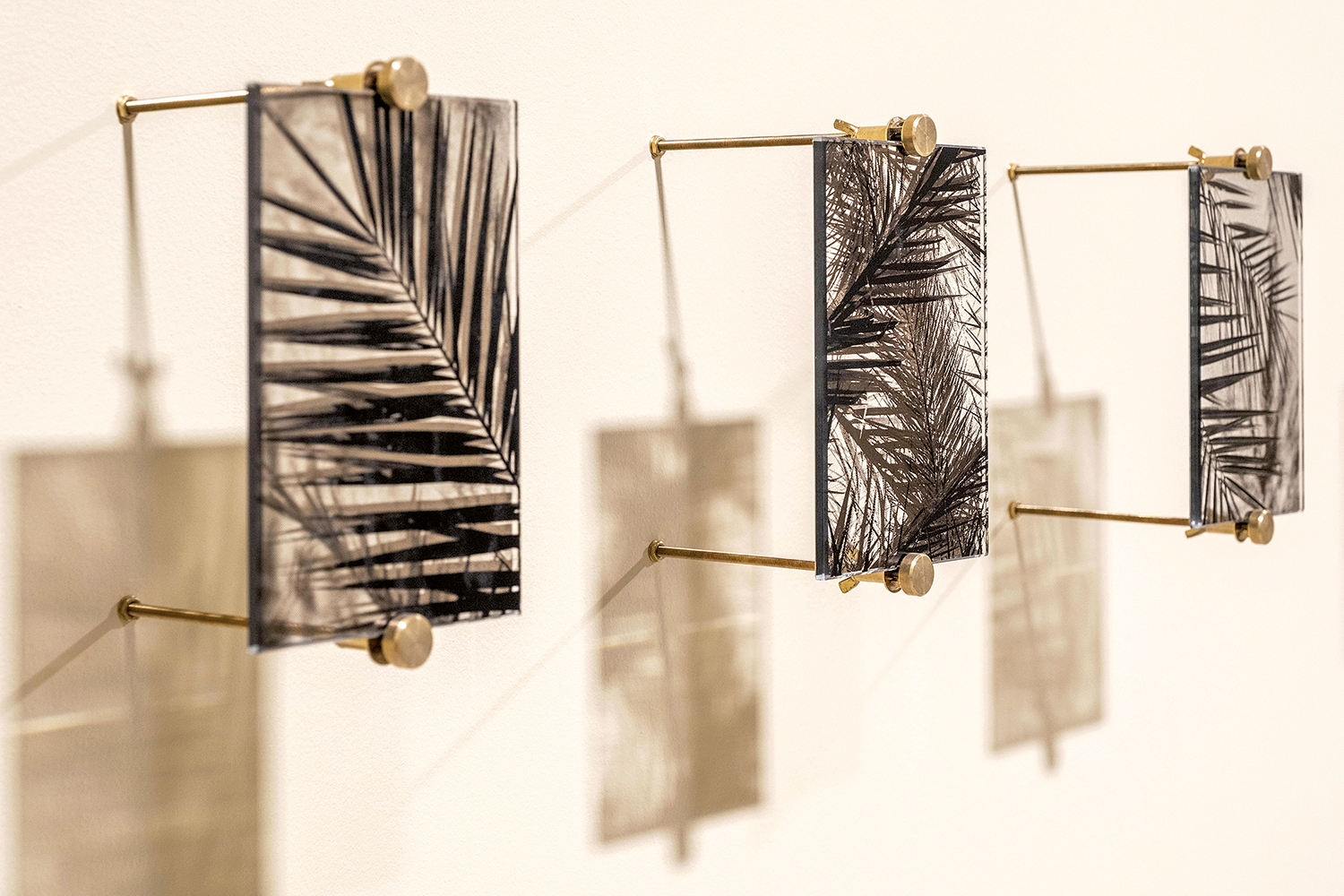
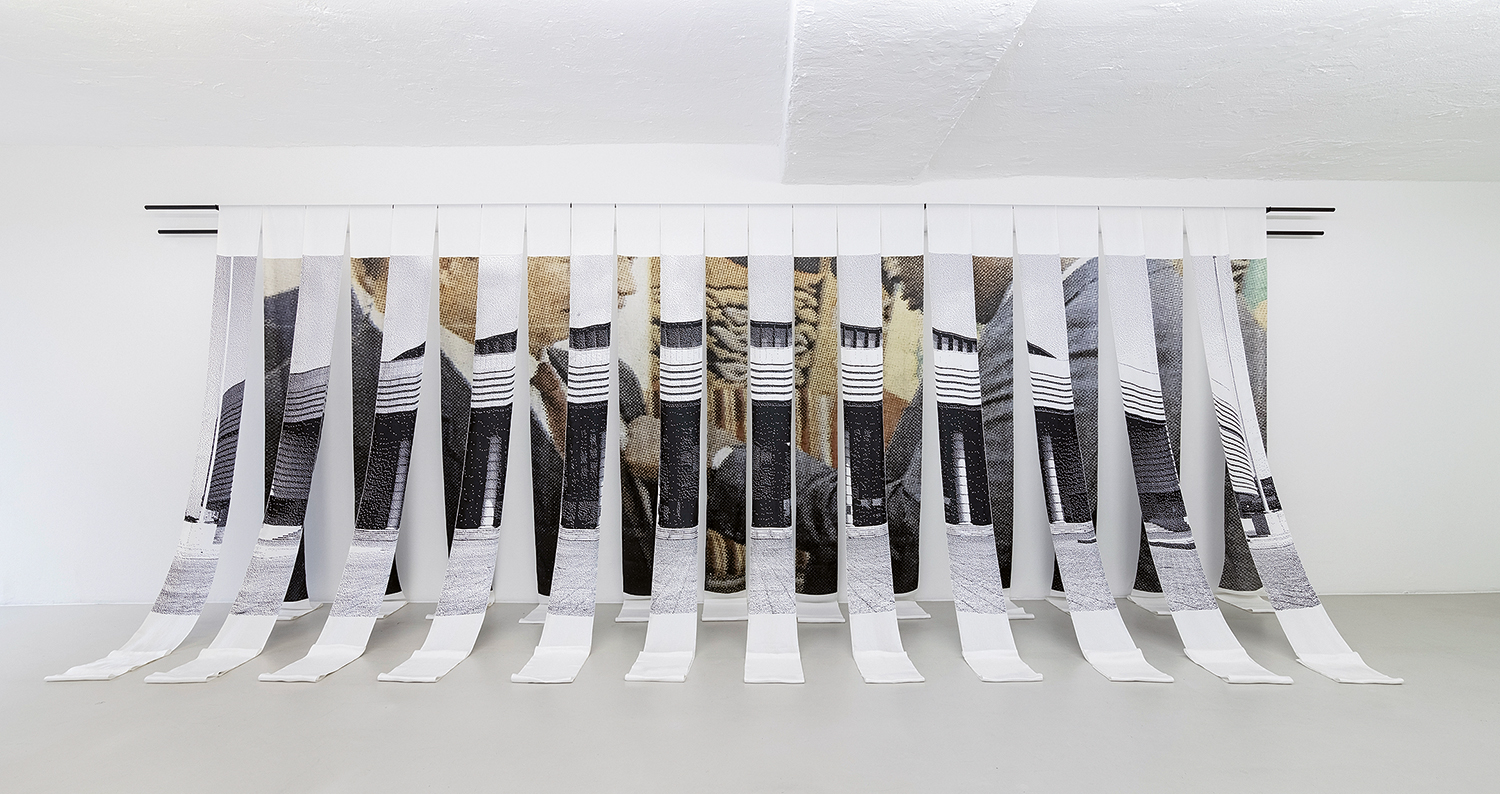
The exhibition title, Settled, pivots on this specificity – in French the loose equivalent of ‘to settle’ is ‘installer’ (to move in), or ‘enraciner’ (to take root). But Settled is also anchored in the history of photography. At the entrance to the exhibition, which opened before the rest of the biennale on 16 May, are 16 silkscreen transfers on glass by Paris-based Jennifer Douzenel. Taken from her 2023 series Mirage, they reference early glass-plate image-making. Elsewhere is cutting-edge work, such as an overhead projector piece by Ghana-based Eric Gyamfi which allows visitors to play with the visuals.
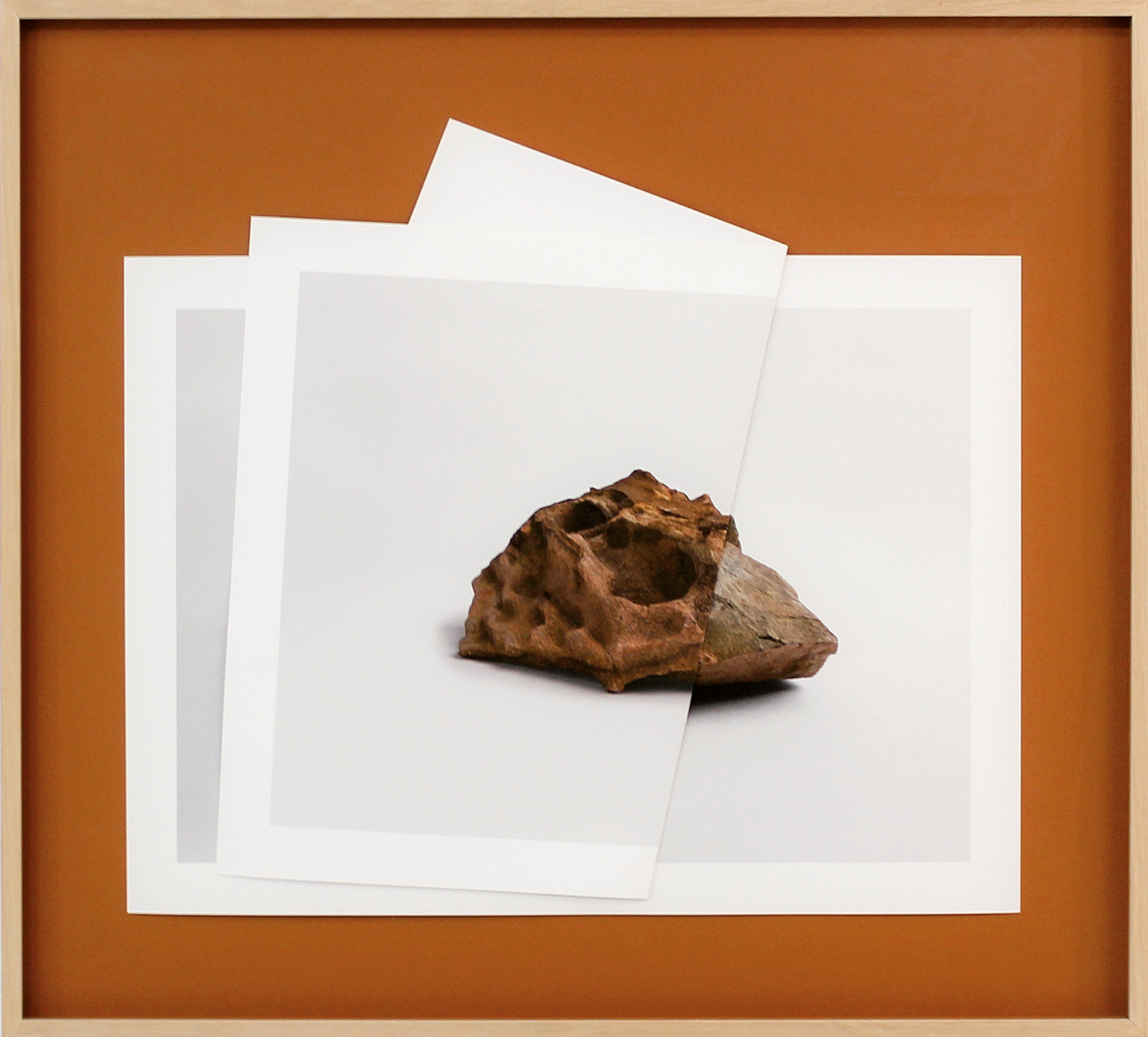
There will also be multiple light-wood installations by Otobong Nkanga, shown with pale stones scattered on the floor. Nearby, Canadian artist Kapwani Kiwanga will show framed excerpts from Subduction Studies, a series that collages disparate images of stones into heterogeneous wholes. Senegalese-Italian artist Adji Dieye’s textile pieces are sculptural and voluminous, turning photographic materiality into something three-dimensional, while an experimental 2023 film by Léonard Pongo, Tales from the Source, encompasses Congolese scenery and traditions via multispectral imaging.
In a separate room, the collected archive of South African George Mahashe’s PhD will be on show, translated into an art practice; Mahmoud Alhaj, a Palestinian artist, was a late addition to the exhibition but, remarks Koffi, is a welcome one. He examines “how people are engaging with a land”, the curator says, “and how a land can say a lot about history”.
Biennale de la Photographie de Mulhouse takes places until 05 July 2026; Settled is on show at La Filature until 11 July.