
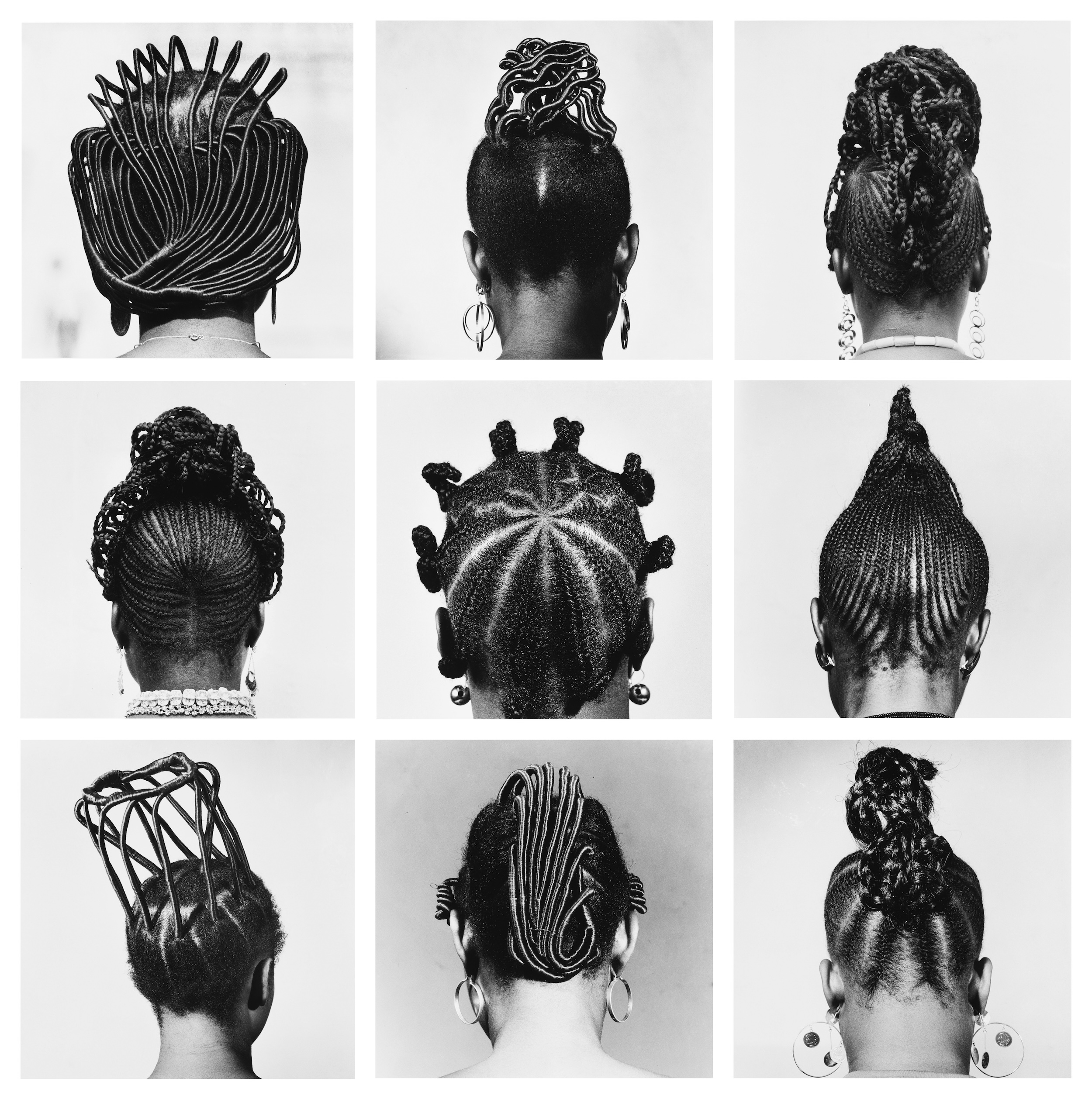
Agaracha; Suku Sinero/Kiko; Abebe; Udorji; Star Koroba; Beri Beri; Onile Gogoro; Brush/Kiko; Modern Suku, from the series Hairstyles, 1970–1979 © JD ‘Okhai Ojeikere. Courtesy of Amaize Ojeikere
Artur Walther’s gift of 6500 photographs from predominantly Africa and Asia reimagines the role of lens-based art at the New York institution
When New York’s Metropolitan Museum of Art announced the gift of over 6500 photographs from collector Artur Walther and the Walther Family Foundation, Jeff L Rosenheim, the Joyce Frank Menschel curator in charge of the department of photographs, and the assistant curator Virginia McBride, were both excited by the potential and faced with plans extending several years into the future. Spanning Africa, China, Japan, Europe and the Americas, and from 19th-century vernacular photography to contemporary experimental works, the collection promises to reshape how The Met presents photography and how it engages audiences with the world beyond NYC.
Rosenheim describes the gift as a rare opportunity. “With this collection, we can tell more complete and diverse histories of photography than we have before,” he says. “It brings together areas where our collection had been episodic, such as contemporary African and Chinese photography, and allows these works to sit alongside historical and contemporary material across the museum.”
The aim is to integrate photography as a part of the art collection, while respecting its unique qualities; the first step to incorporating such a vast and varied collection was taken by the curators, who both visited it in Germany. “Together with Artur Walther and his team, we began physically going through the holdings, thinking about how they might be presented at The Met,” says McBride. “We’re thinking about photography not as an isolated medium, but in dialogue with other parts of The Met’s collection. Some of these works will appear alongside painting, sculpture and historical objects. Photography can be a lens on the world, showing us social, political and economic circumstances in ways that painting or sculpture alone cannot.”
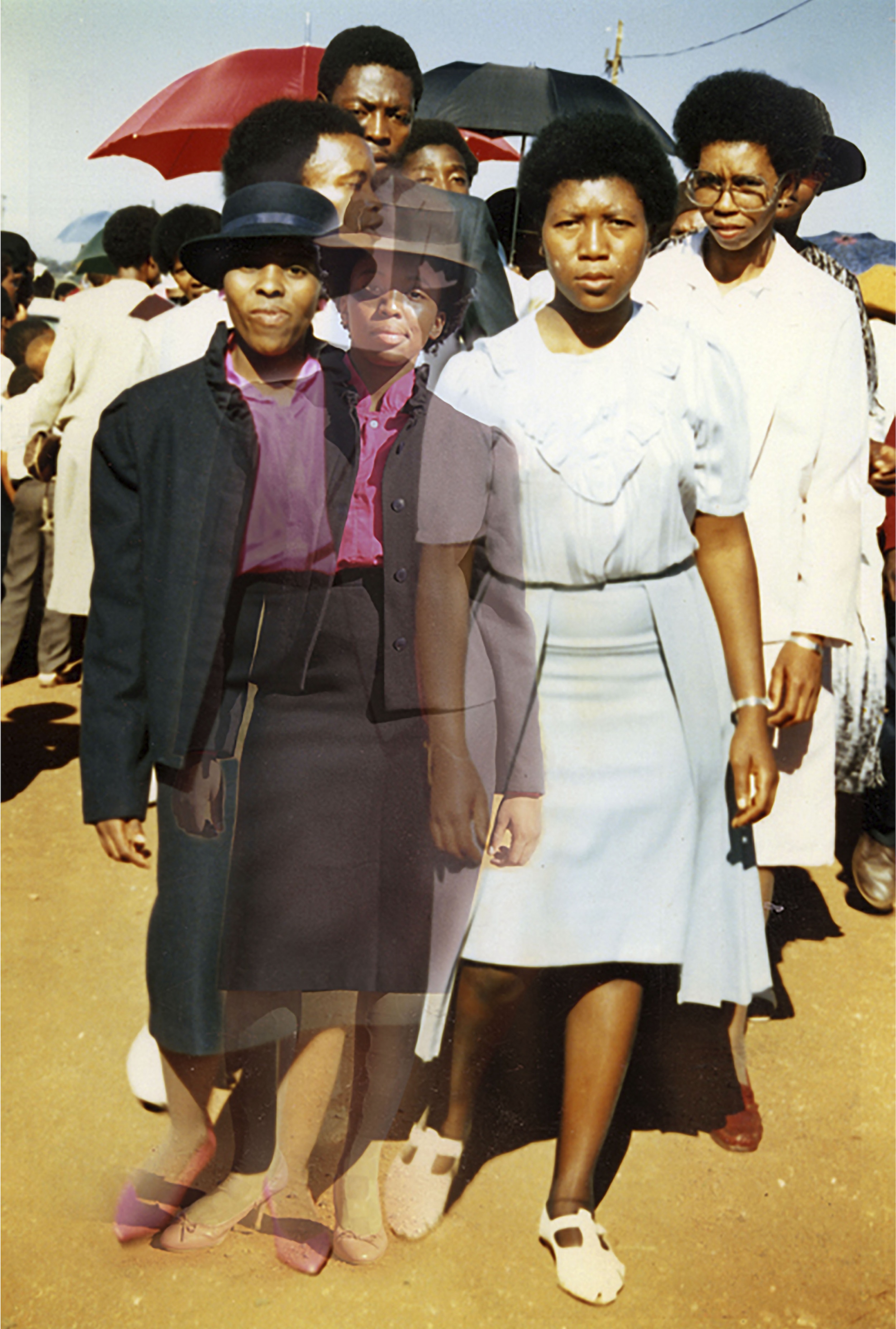
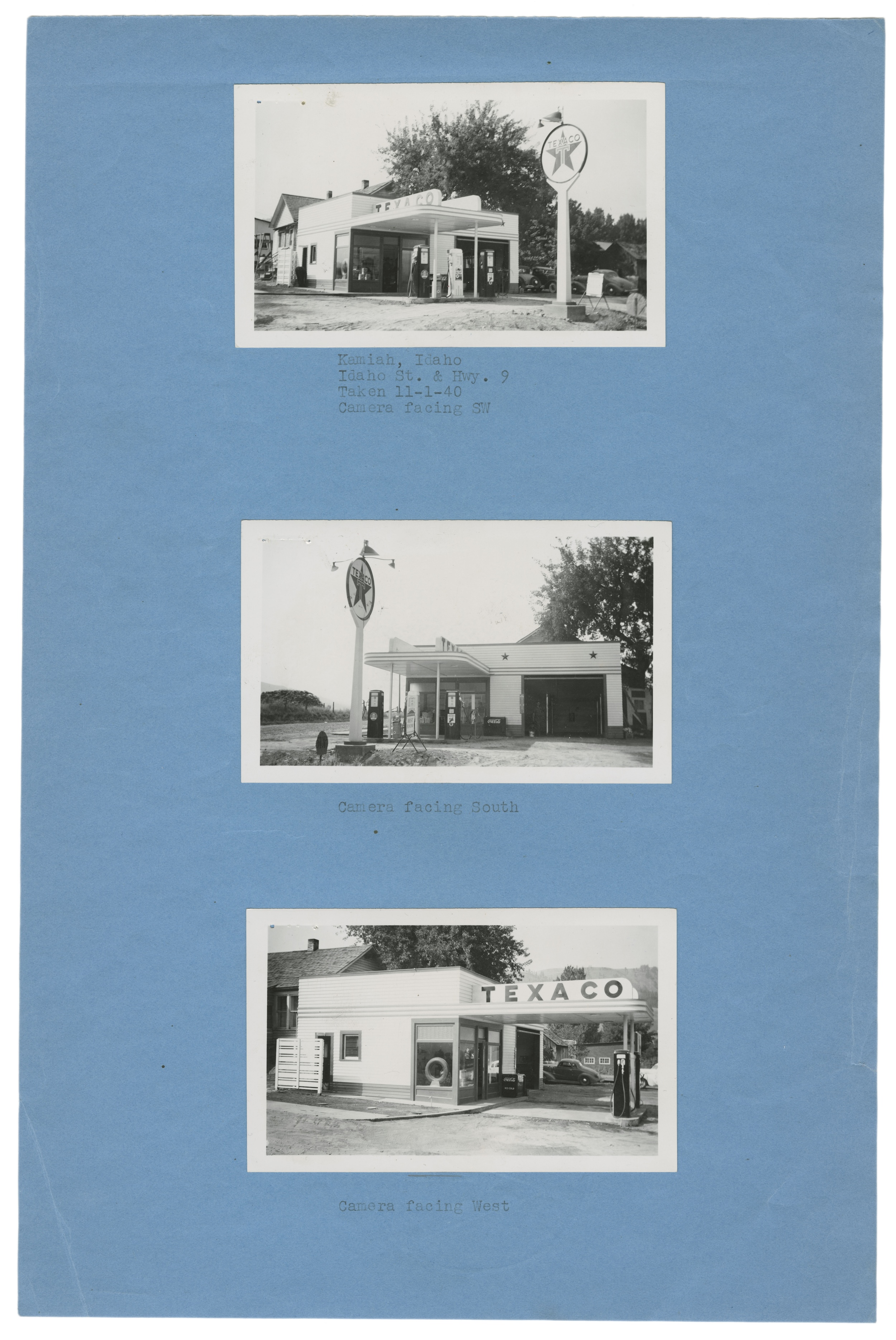
“This collection allows us to integrate these images into larger narratives, connecting them to sculpture and painting”
On 27 October, the museum opened View Finding: Selections From the Walther Collection, co-organised by Rosenheim and McBride, a selection of around 40 images. “View Finding is a small introduction, a sort of sampler to hint at the collection’s range,” says McBride. “But in 2028, we will present a much larger, holistic exhibition that will travel the world, with a catalogue to match,” adds Rosenheim.
The gift includes some of the most celebrated photographers of the 20th and 21st centuries – Seydou Keïta, Malick Sidibé, Samuel Fosso, Zanele Muholi and David Goldblatt from Africa; Ai Weiwei, Hai Bo, Hong Hao and Zhang Huan from China; and Bernd & Hilla Becher, August Sander and Thomas Struth from Germany. Beyond the familiar names, the collection features vernacular and historical photographs, as well as what Rosenheim describes as “time-based media”; slideshows and video which expand the notions of photography.
Rosenheim emphasises the need to foreground individual makers, pointing out that artists from the Global Majority, particularly from Africa, have too often been invisible in museum displays. Here, the works are tied to real artists with vision and intention, rather than their works relegated to “objects”, he says.
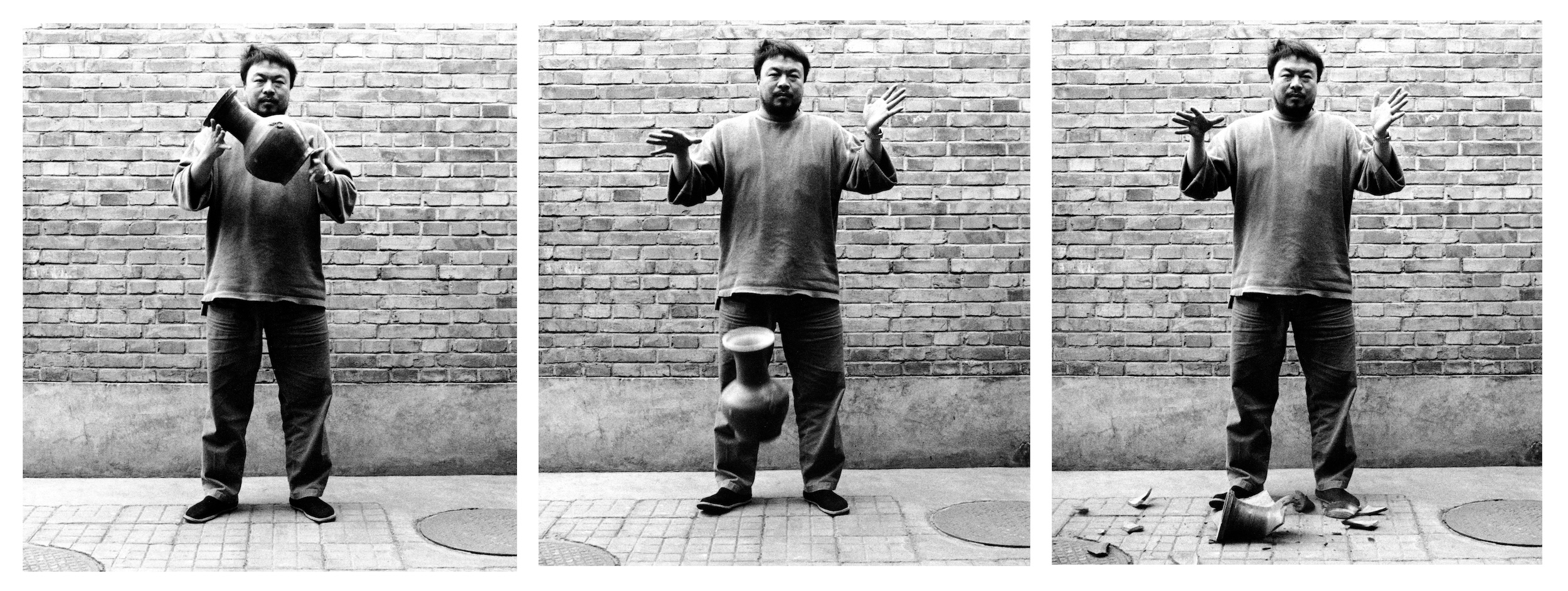
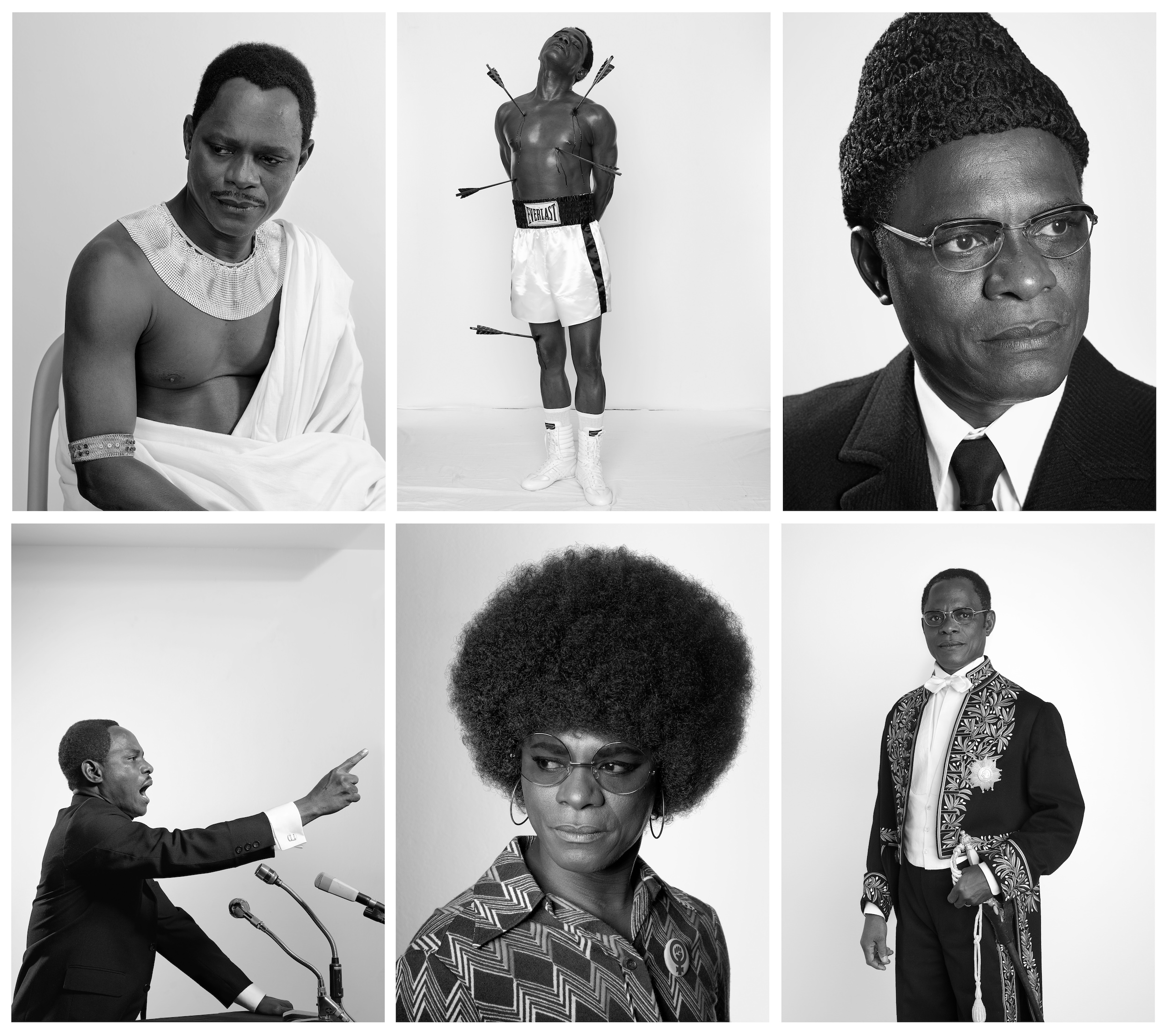
Some of the first works on view illustrate the collection’s conceptual range, with one montage by Luo Yongjin depicting the day-by-day construction of a luxury plaza in Beijing in the 1990s, rendered on rice-paper scrolls. McBride describes it as “a fractured montage of urban transformation”, and the curators are pairing it with images of Saturn captured by Nasa’s Viking probes in the 1970s, in a dialogue across scale, context and technology. Similarly, Aida Silvestri’s conceptual portraits explore migration, identity and displacement, creating resonances with contemporary social realities while connecting to photographic traditions.
The gift also strengthens The Met’s global mission. While the museum has previously collected African, Asian and vernacular photography, those holdings were often fragmentary or episodic. “This collection allows us to integrate these images into larger narratives, connecting them to sculpture and painting,” Rosenheim notes. “It’s about situating photography within the wider world of artistic expression.”
Public access and digital engagement are central to the gift’s impact and most works will be catalogued and posted online, the museum working closely with artists and estates to ensure accurate representation and rights. McBride highlights their collaborative approach. “We’re building on a foundation that Artur Walther established, scholars and artists worldwide have already contributed to understanding these works,” she says. “We continue that approach to ensure proper context and cultural sensitivity.”
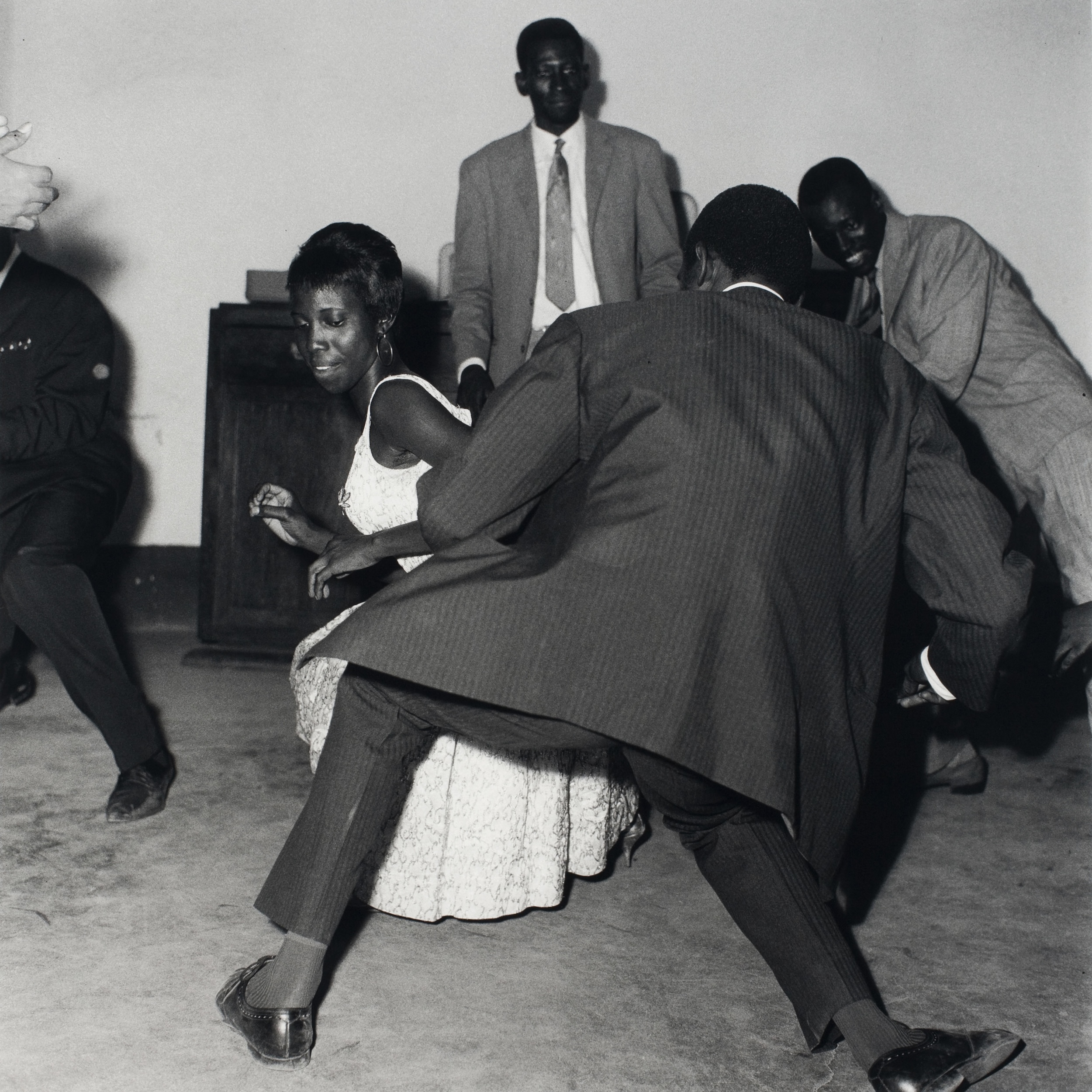
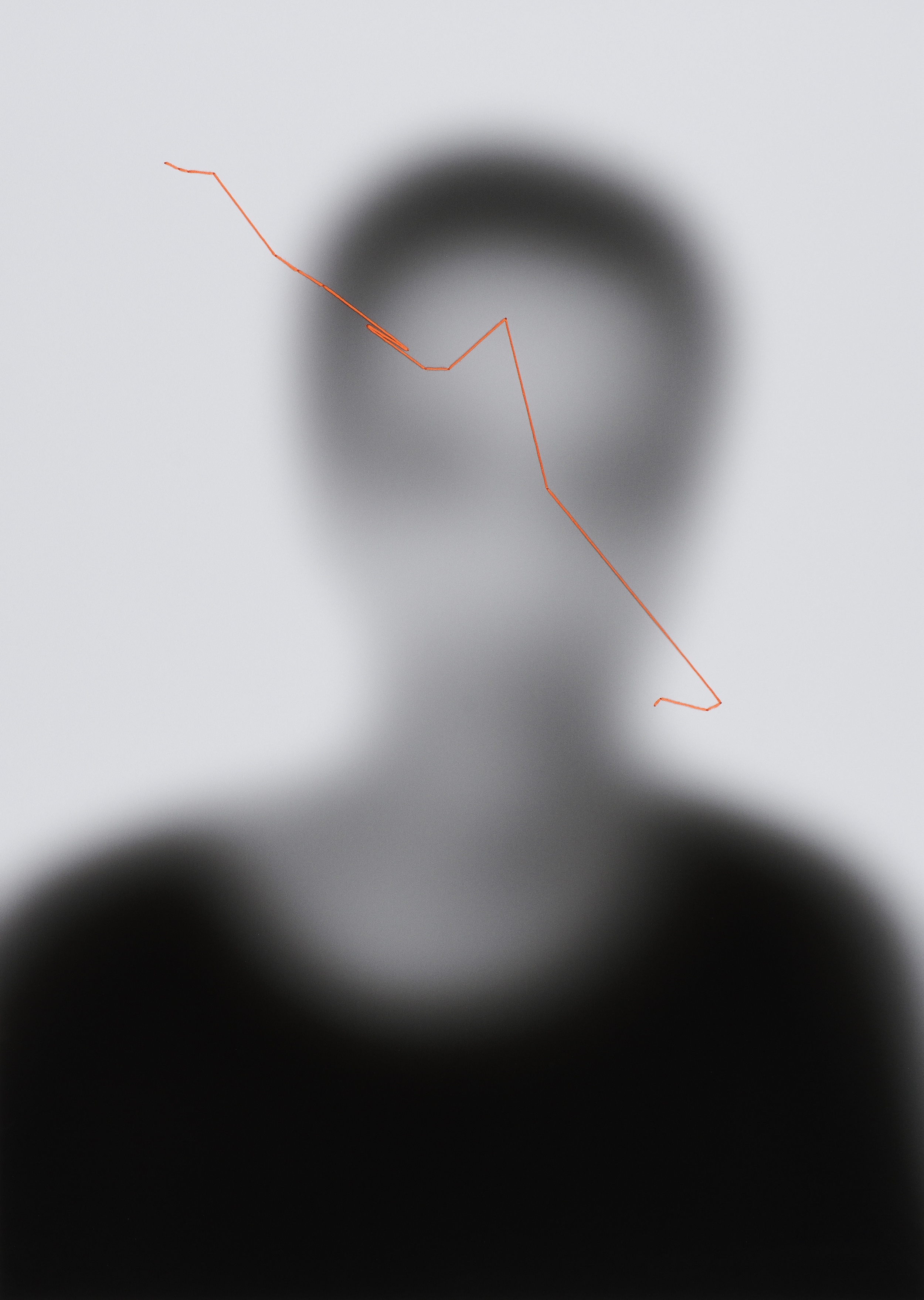
One of the potential challenges is the ever-changing nature of geographies and borders, as well as some language barriers. As Rosenheim acknowledges: “These are super complicated geopolitical issues, but you want to allow these pictures to tell their own stories.”
As the first works go on show, visitors can experience photography not as a secondary medium, but as a central, integrated part of The Met’s global narrative. Through Walther’s vision, the museum invites audiences to witness histories, ideas and perspectives from across time and space – and to see photography, for the first time in this context, as a powerful bridge between art, culture and lived experience.