


© Lina Scheynius
A boutique event in an arty, post-industrial city, Leipzig Photobook Festival takes a punky approach to publishing
Leipzig Photobook Festival returns with a new theme Power/Fragility, qualities which seem at odds but both relate to resisting authority. The theme was dreamt up by festival director Calin Kruse and artistic co-director Jenny Starick, after “I came up with power and she came up with fragility, and we realised that these opposites fit together”. “There’s power as in corporate power and how that impacts the individual, how those who are under the powerful are fragile,” Kruse explains. “But then there’s also power in everyday life and self-empowerment.”
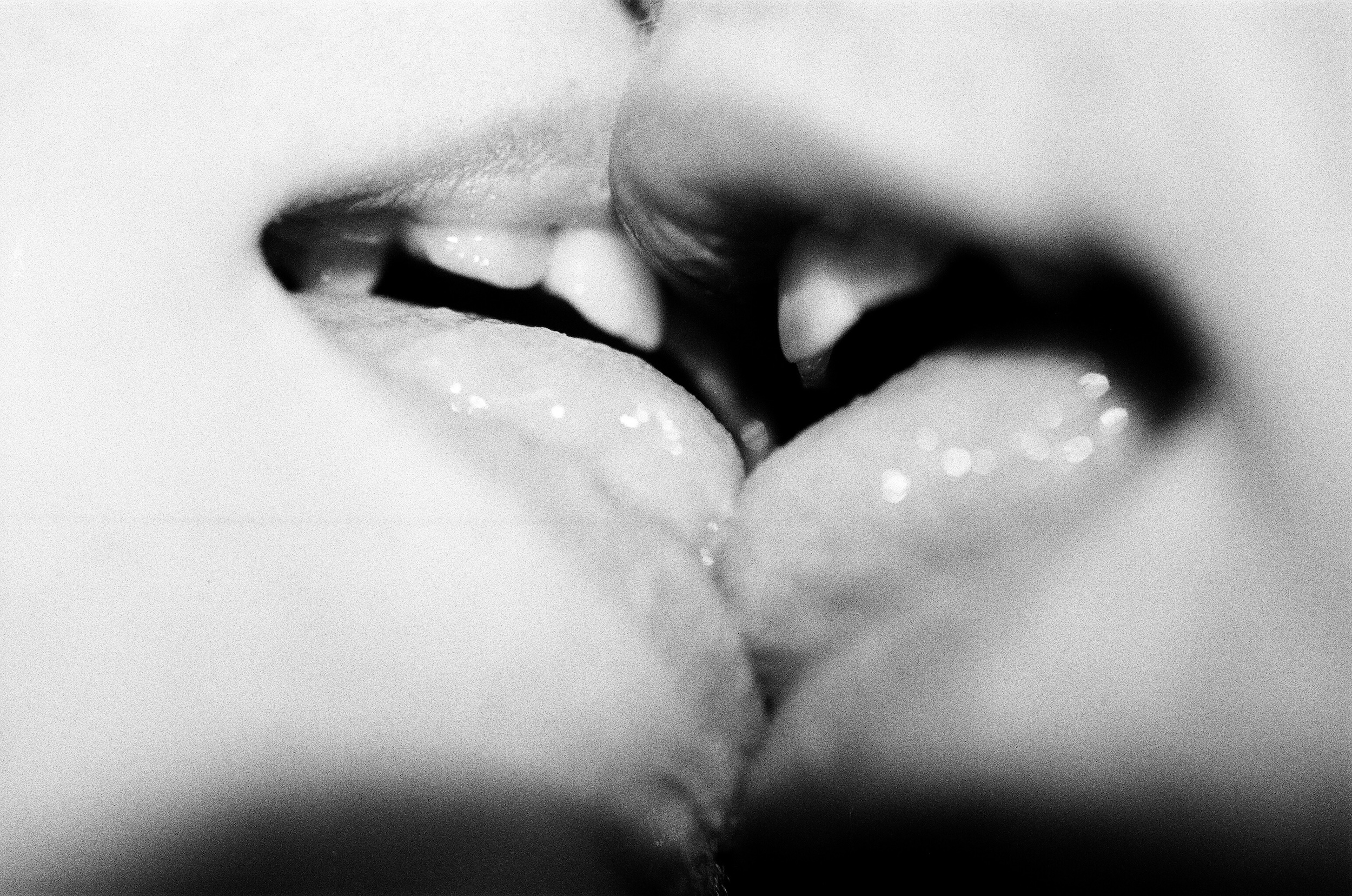
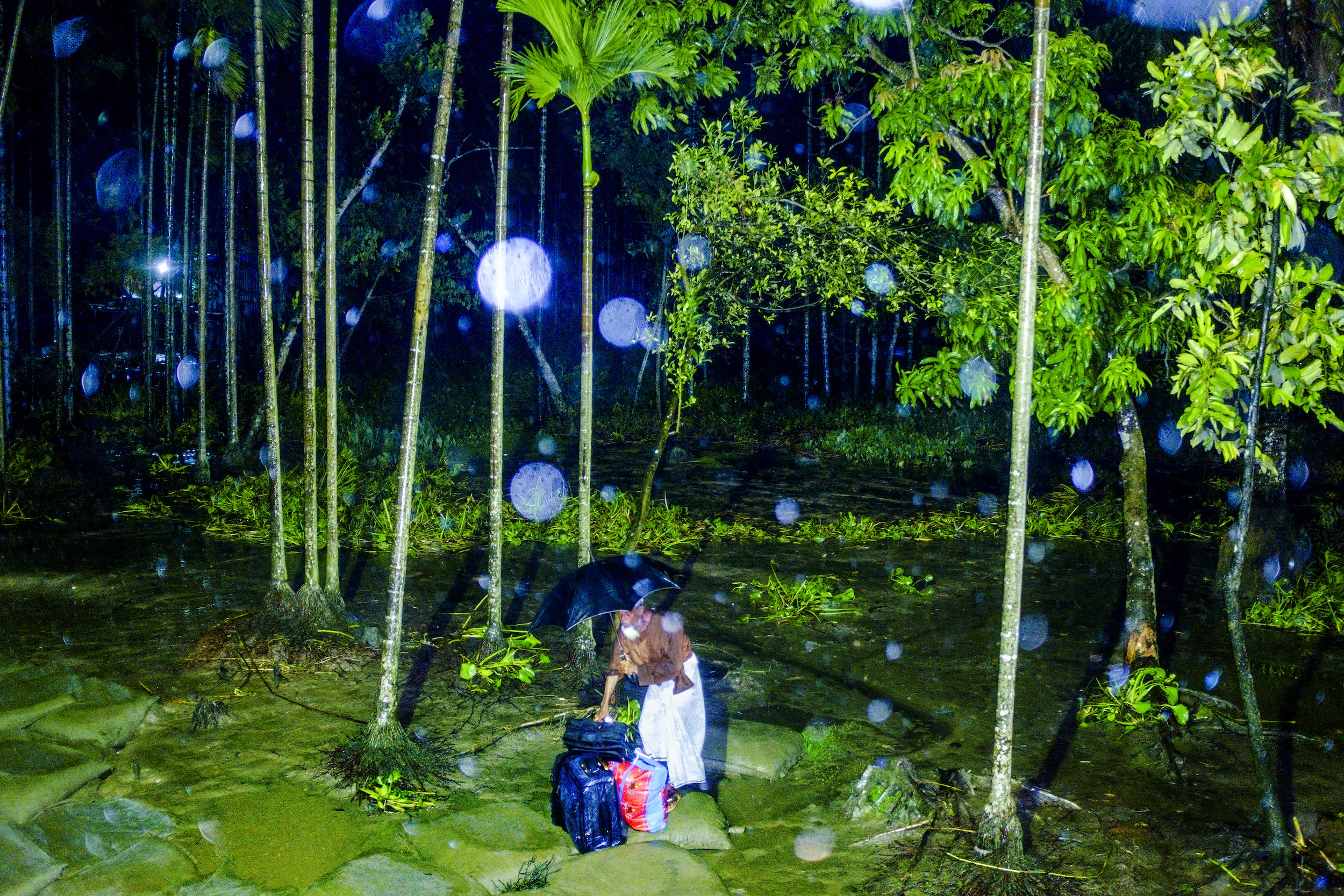
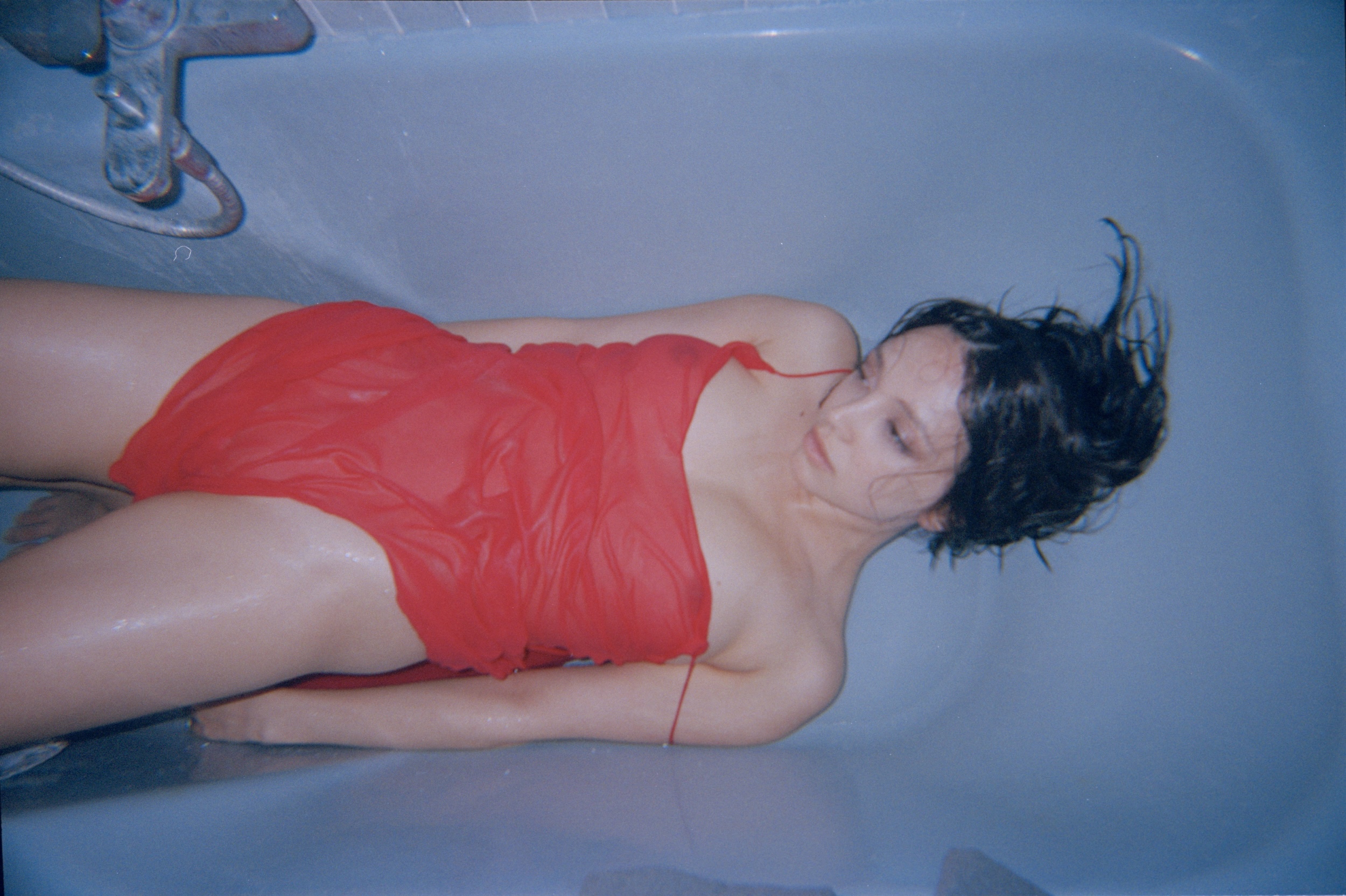
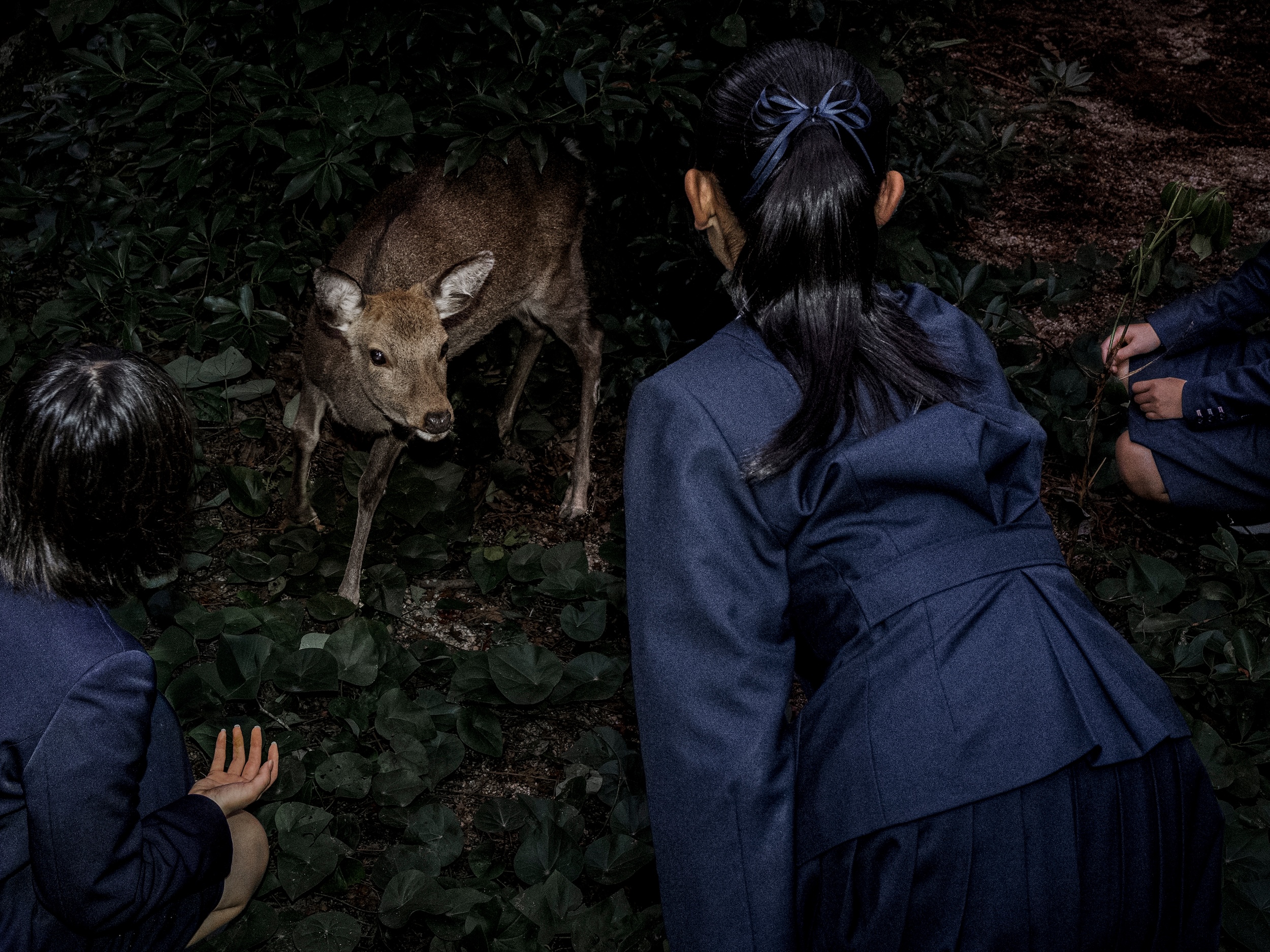
These elements will play out across the festival from 7–8 March in HALLE 14 – Centre for Contemporary Art, which is housed in a former cotton mill and includes an artbook library headed up by Starick. Arko Datto will exhibit work from Where do we go when the final wave hits? showing the destruction of the Sundarbans mangrove forest in the Bengal Delta, while Lina Scheynius will present Intimacies, deeply personal images of friends and lovers. Datto’s work is documentary and Scheynius’ is diaristic but, says Kruse, both suggest power and fragility in their own way – Datto in recording the human impact of climate change, and Scheynius because her work is regularly censored by Instagram.
And power/fragility are inspiring Kruse’s curation too, in which he aims to disrupt comfortable gallery experiences and re-engage the viewer. Datto’s images are shot with flash at night to create an eerie vision of what might be the end of the world; Kruse will show these works in a darkened room and give visitors torches. Some of Scheynius’ censored images will be printed on fabric and hung together in the centre of the gallery, meanwhile, forcing visitors to publicly flip through and confront any emotions they feel. Some of Scheynius’ censored images will also be printed on tshirts, which volunteers will wear around the festival and out on the streets beyond. “We want to take these images that have been deleted from Instagram and put them back into the public space,” says Kruse.
“I’ve always been interested in showing alternative views from around the world.” Calin Kruse
Linda Zhengova’s work will also be on show, in a guerilla exhibition visitors will find for themselves, and in projections at a rave at the festival. Showing erotic encounters and scenes, her work explores the limits of freedom, and Zhengova will run a workshop titled Empathetic Vision; Building connections with strangers through the power of photography. Antoine d’Agata will screen two of his films in a cinema near HALLE 14, followed by a discussion with Zhengova; often photographing the marginalised and the illicit in his personal work, d’Agata’s images are often described as depicting the taboo.d’Agata is also a Magnum Photos member who shoots more conventional work though, and he will join a panel on Magnum’s ongoing collaboration with the Nobel Peace Center, along with Emin Özmen, titled Framing the Fragility of Peace.
Leipzig Photobook Festival will also include a panel on Power and Fragility in the Context of Photobooks, chaired by BJP Editor Diane Smyth and including Scheynius, Datto, and London-based Iranian artist Amin Yousefi, who explores authority and surveillance, and strategies to resist via images. Other talks included in the programme include a presentation by Nikita Teryoshin on his compelling project, Nothing Personal, which looks at the business of war; Teryoshin published a book of the same name in 2024, but continues to work on the project.
A workshop run by Mathieu Asselin will emphasise collaboration and working without hierarchy, meanwhile; Asselin is known for his photobook Monsanto: A Photographic Investigation, and for the subversive street posters his Double Dummy Studio creates during Rencontres d’Arles. Photobooks also figure in an exhibition curated by Starick titled Fragile Volumes, gathering projects made with unconventional materials, such as glass or a View-Master toy; Starick’s experience with wider art-books, and the proximity of a specialised course in Book Art at the nearby Burg Giebichenstein University of Art and Design means the festival can expand beyond the photobook bubble, says Kruse.

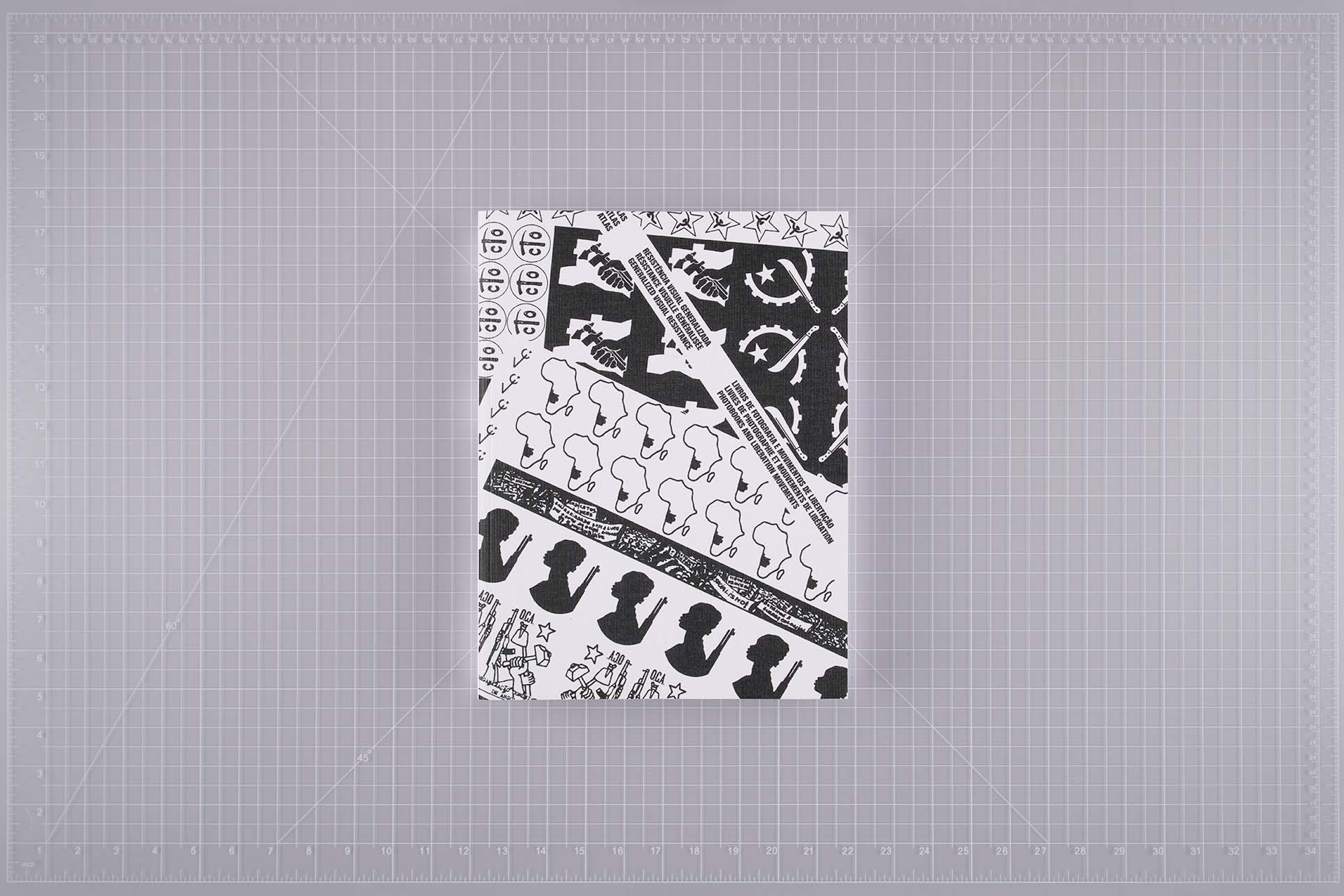
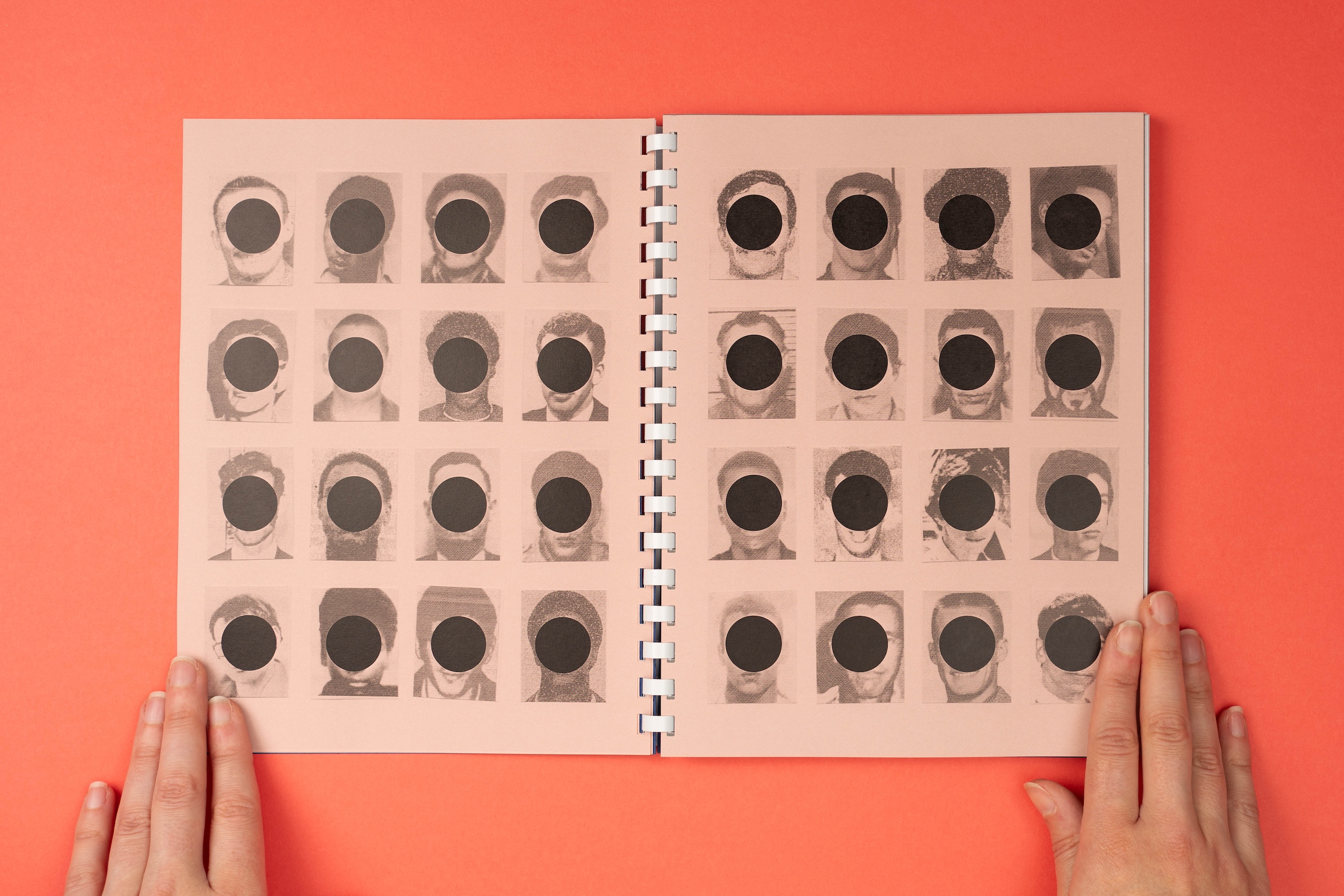
There will also be the opportunity to see cutting-edge photobooks though, in two browseable displays. The Hong Kong Photobook Dummy Award shortlist will be on show, including Roz Doherty’s winner, The Golden Age of Hijacking, a satirical look at an era and the warped logic that underpinned it. And the publications shortlisted for the 2025 Paris Photo-Aperture PhotoBook Awards will also be exhibited, including the Best Catalogue category winner, Generalized Visual Resistance: Photobooks and Liberation Movements (Angola, Mozambique, Guinea-Bissau and Cape Verde, 1960-1980), edited by Catarina Boieiro and Raquel Schefer, and published by ATLAS.
Previously on show at Paris Photo, this display is open for free in Leipzig, which is an entirely unticketed festival. It’s an approach that suits the event’s anti-hierarchical stance, but Kruse laughs that it’s also important for the 40 or so publishers in the photobook fair. “Publishers don’t love it when there’s an entrance fee, I know this as a publisher myself,” he laughs, referencing his publishing company dienacht. “And, while we have plenty of programming, we also leave free time so people can flip through books. I want to make it nice for the publishers, even just with simple gestures like making sure they have water and snacks.”
Kruse set up dienacht publishing in 2012, after founding dienacht magazine in 2007; the title means ‘the night’ and, like the festival, puts the emphasis on stories which are often hidden, overlooked or shrouded in darkness. “I’ve always been interested in showing alternative views from around the world,” he says. “With our photobooks and the festival, we try to do things that are international, and very high quality.”
Leipzig Photobook Festival is open from 7-8 March in HALLE 14 – Centre for Contemporary Art https://dienacht.eu/leipzig-photobook-festival