
All images © Elsa Leydier
The French-born artist unmakes images, intervening in their materiality to expose racist, sexist and capitalist tropes and challenge dominant Western aesthetics – all while questioning her own gaze
At first glance, Elsa Leydier’s work seduces. Vivid hues bloom from lush, green forests, heat-scorched vines, magazine covers torn by seedlings, and ghostly spectres of films soaked in hibiscus tea. But behind this surface, a friction emerges. Leydier is unmaking images; through a radical reworking of photographic norms, she exposes the invisible forces that govern how we picture the world and who gets to do the picturing.
Born in France and previously based in Brazil for eight years, Leydier’s practice dissects the visual tropes we absorb without thinking – those that flatten complex geographies into stereotypes and that render ecological and social violence invisible. “I don’t know if I’m really a photographer anymore,” she says. “I destroy images more than I create them.” Whether manipulating photographic materials until they disintegrate or burying iconic imagery beneath toxic bureaucracy, her work critiques and complicates the authority of the image itself. “Photography is racist, it’s sexist, it’s colonial,” she says. “So I try to distort all of that through the medium.”
This critical stance is rooted in a strategy of disrupting hegemonic visual languages that carry a veneer of objectivity – maps, portraits, landscapes. “Maps are some of the most authoritarian images that exist,” she explains. “They don’t describe a place, they enforce a version of it.”
It is not surprising then that one of Leydier’s earliest works, created during her time at photography school, involved mapping a walk from the city of Arles to the sea. Except the map was temporary, printed on transfer tattoo paper and affixed to a friend’s back. As they walked the seven-hour route, Leydier photographed the ink fading, breaking down through physical exertion and sun exposure. “The idea was that the embodied experience of a place dissolves the imposed image of it,” she says. “That’s something I’ve never stopped exploring.”
“I take codes from dominant imagery for my photographs of the forest. The images are very clichéd, they’re very stereotyped, the colours I use are fake because I really want to show in my work that my gaze is very situated”
For Leydier, the intersection of feminism, ecology and decolonisation is clear: everything “became so obvious” for her when she began exploring and analysing feminist discourses, “that we will never achieve a feminist world if we don’t live in an ecologist world, if we don’t fight against racism, and it was so clear why fighting for the right of only a few women, for only white women, will never work. We need to fight for the rights of all women.”
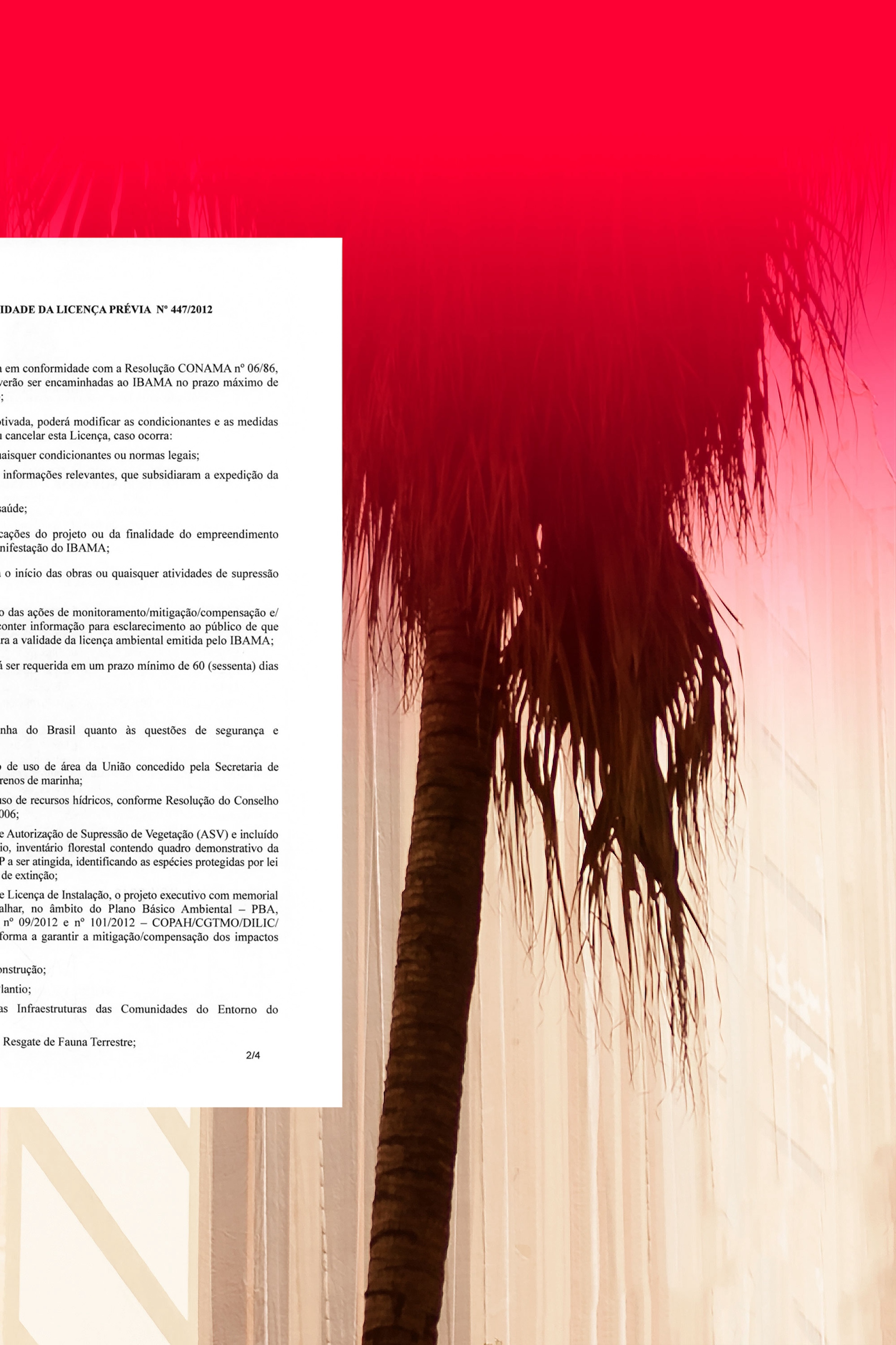
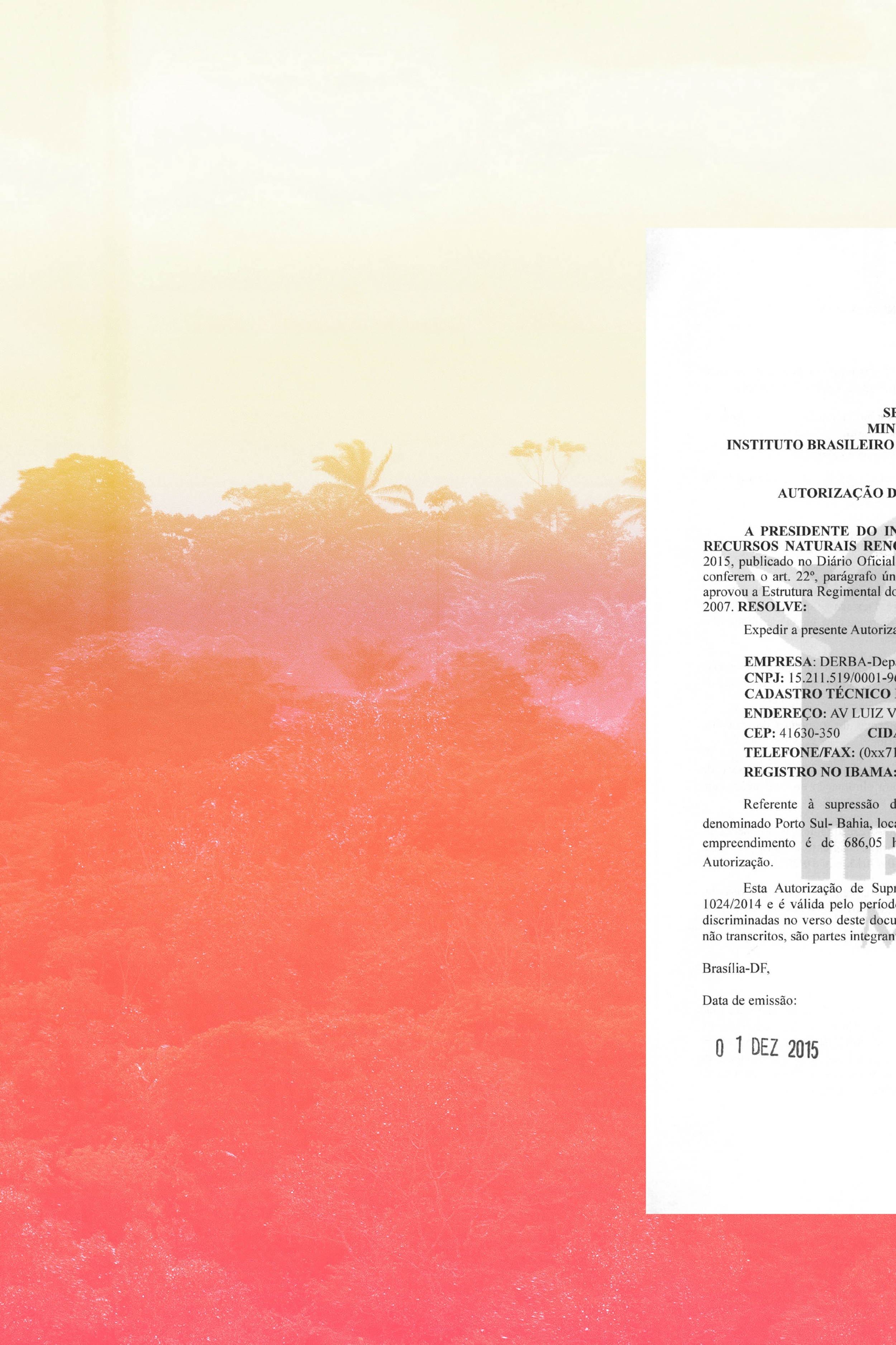
In her 2022 project Luto/a, Leydier documents the decimation of Brazil’s Atlantic Forest, a site near her former home that was razed for a shipping terminal. At first the images seem like postcards, saturated green, tropical abundance framed in gold. But these tropes are undercut by a series of aggressive interventions. Overlaid are official documents – permits that legalised the destruction – printed on the same kind of cheap white paper she once used for street postering for a feminist collective in Brazil. “I was shocked by how a simple PDF could be the door to destroy an entire ecosystem,” she says. “So I printed those documents, and I used them to partly obscure my own images. I wanted to show my complicity, because even as I mourn the forest, I know I’m a part of the system that is destroying it,” she says, referring to the problems of sustainability within art and photography.
The work is an elegy, but also a reckoning. The paper becomes both shroud and seedbed, the mourning (luto) transforming into a struggle (luta). It is this interplay between grief and resistance that defines much of Leydier’s practice – a deeply ecofeminist framework that refuses to separate environmental justice from social or racial justice. “It’s all connected, capitalism, patriarchy, racism, environmental destruction.” The saturated colours are a satirisation of Leydier’s own distanced lens, she adds. “I take codes from dominant imagery for my photographs of the forest. The images are very clichéd, they’re very stereotyped, the colours I use are fake because I really want to show in my work that my gaze is very situated,” she says.
In Les Marques (2020), Leydier brings these intersections into even sharper focus. Here, she turns her gaze to the female body and the commodification of both women and agriculture. Inspired by the work of ecofeminist scholar Vandana Shiva, the project involves planting heirloom seeds, illegal for sale in France, into glossy pages of women’s magazines. Over time the plants sprout, wither, tear through, and mould the pages, physically deforming the idealised images they cover. The aim is to challenge monoculture and the capitalist decimation of biodiversity, encouraged by agricultural corporations such as Monsanto, which has accelerated rapidly in the last few decades of industrial agriculture and ecological exploitation. “I wanted to give back unpredictability to these bodies,” Leydier says. “To lose control, to let nature intervene. Because control is the essence of both patriarchy and industrial agriculture.”
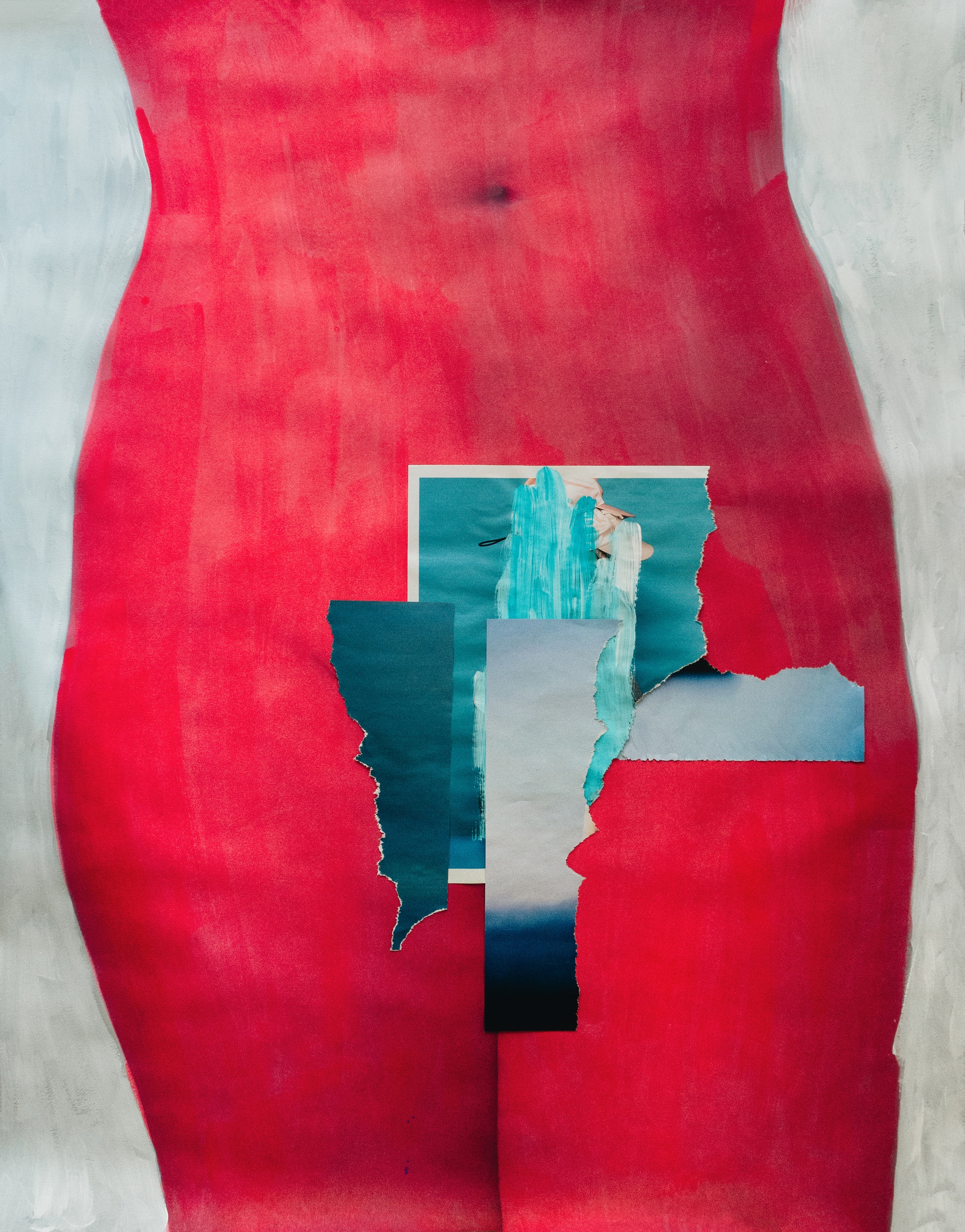
Here the intersection between feminism and ecology becomes manifest, Leydier hoping to mirror the loss of biodiversity in nature with the lack of diversity in women’s bodies in mainstream media and advertising. The work unravels the clinical precision of commercial photography by introducing organic chaos. “Photography is so much about control – how you frame, light, retouch. I wanted to work against that. To let the process be messy. To let it be alive.” This resistance to an aesthetic control over women’s bodies also fuels Infinita, a self-portrait series in which Leydier paints over photographic prints of her own body. “Photoshop, for me, is a dangerous tool. I know I would use it to make myself ‘better’, to erase what I think are flaws,” she admits.
“So instead, I used my hands, my clumsiness, my gestures.” The emphasis is not on the final image, but the act of making. “It gave me peace,” she says. “I could look at myself differently. Not through a lens of how I should be, but how I might be.”
In Togo Exotique (2023), Leydier addresses the ethics of representation directly. When commissioned to photograph women hairdressers in Togo for a French magazine, she initially accepted. Then doubts crept in. “I’m white. I’ve never been to West Africa. I’m not a hairdresser. Why me?” The project was ultimately cancelled, but the ethical dilemma lingered. “If I had more financial stability, I would have said no from the start,” she reflects. “Because I knew I wasn’t the right person.”
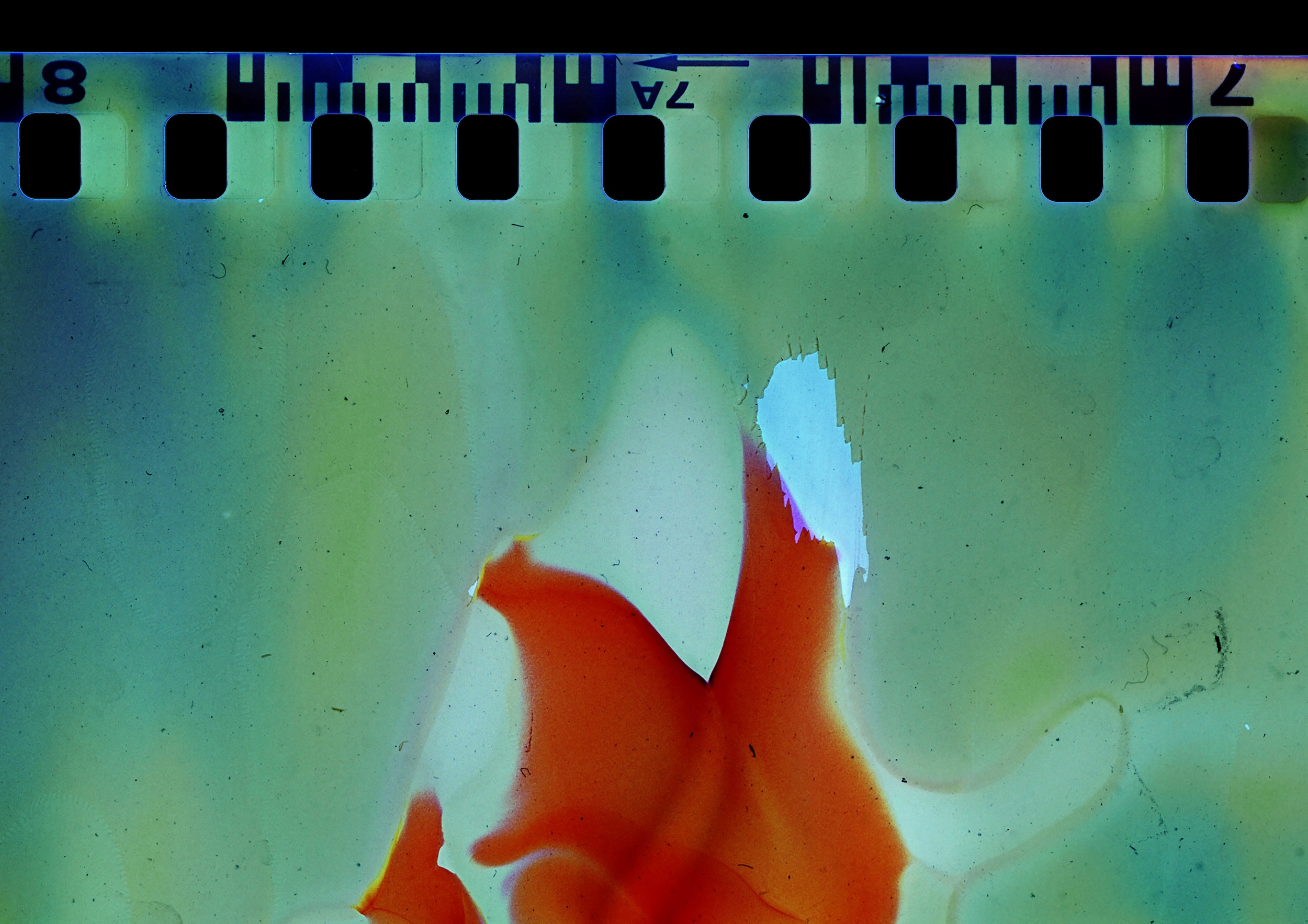
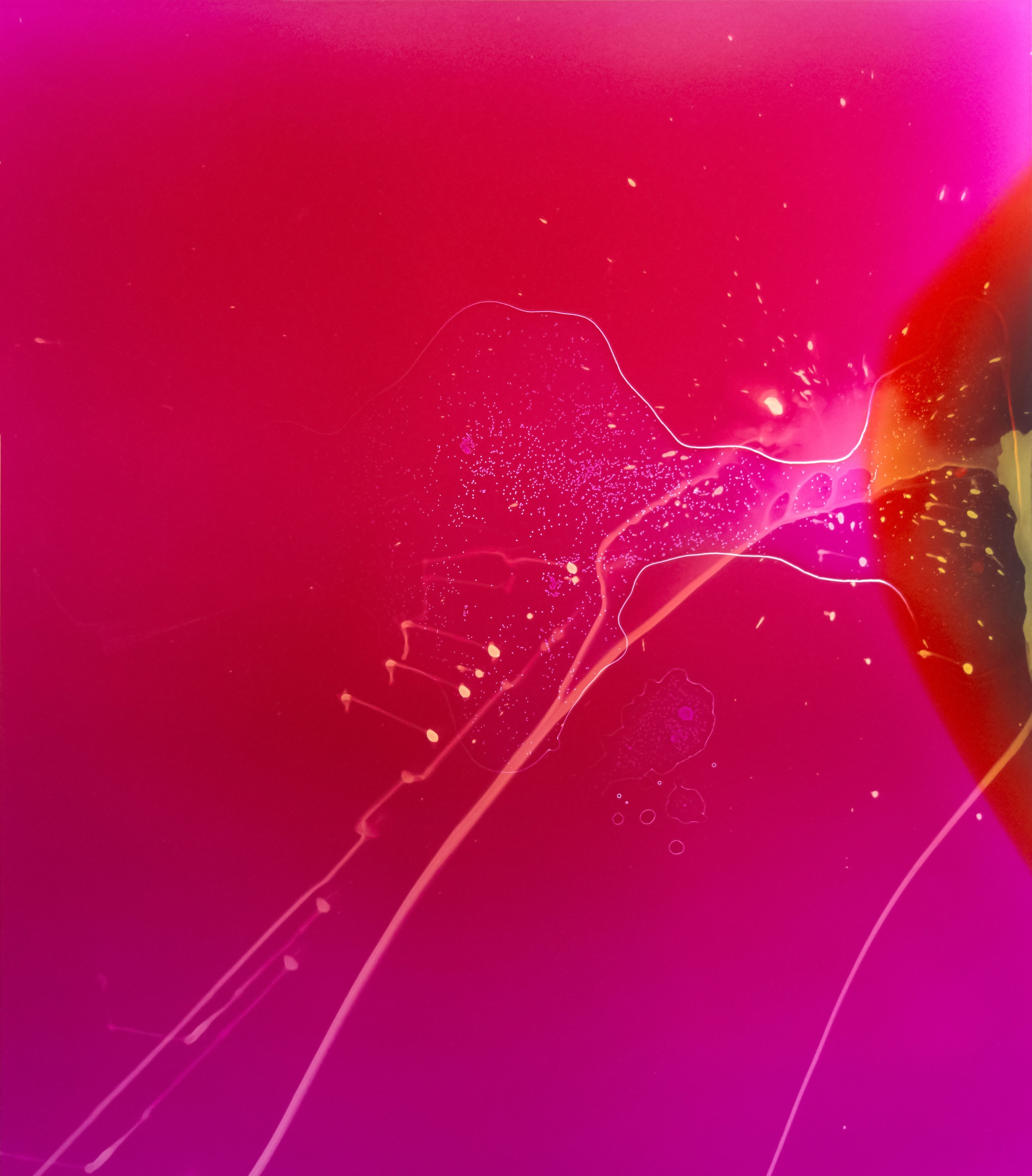
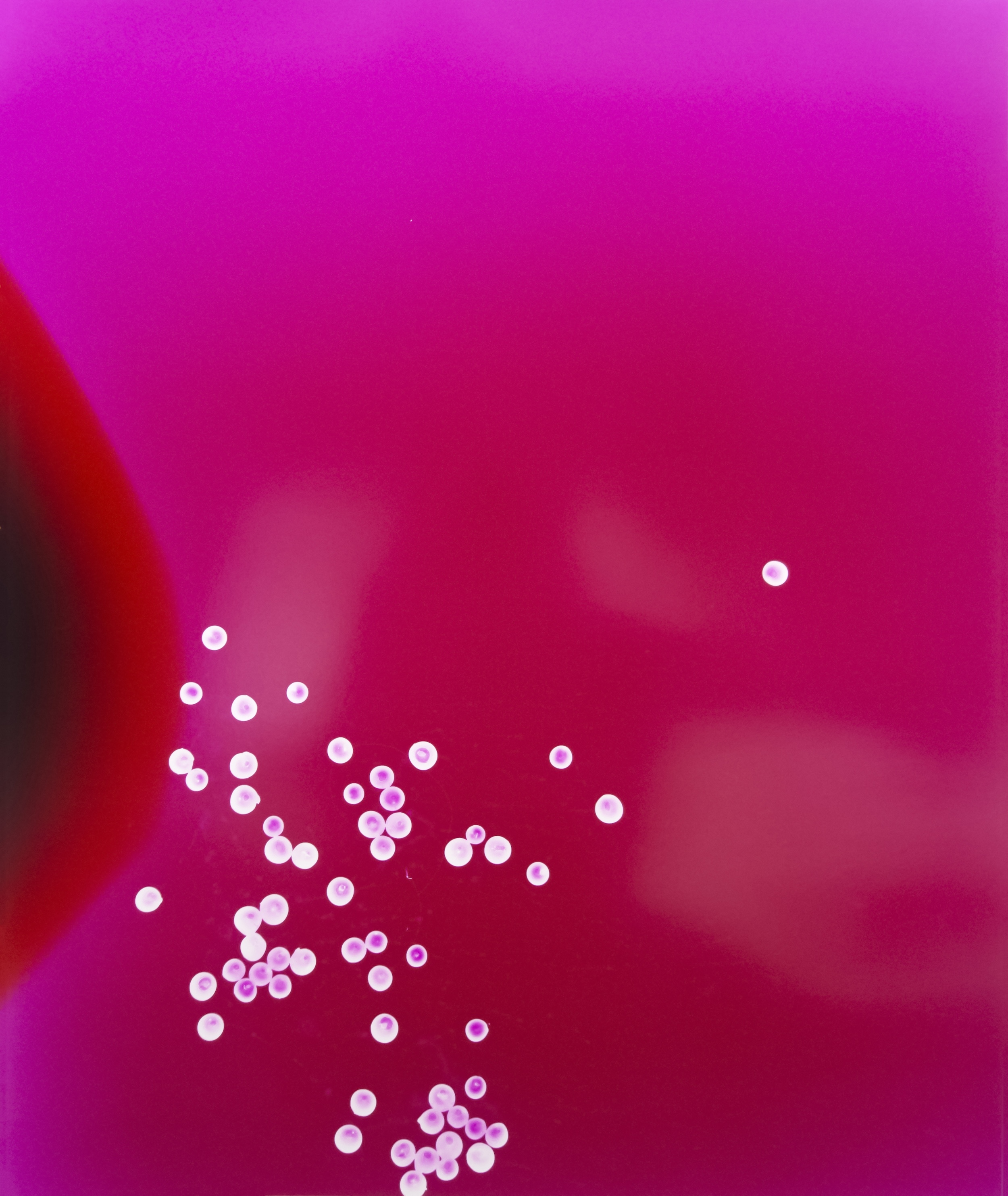
Instead she visited a shop in Paris called Togo Exotique, buying ingredients such as bissap and chilli and using them to create “film soups”, submerging undeveloped rolls in pigment-rich liquids to distort them chemically. The resulting negatives – abstract, painterly, unanchored – are metaphors for the photographs she did not take. “I wanted to show that no matter how well-intentioned I am, I carry a colonial gaze,” she says. “It’s not about guilt. It’s about awareness. I wanted to visualise that tension.” The project will be exhibited for the first time in Paris this autumn, alongside jars of bissap-stained film still submerged.
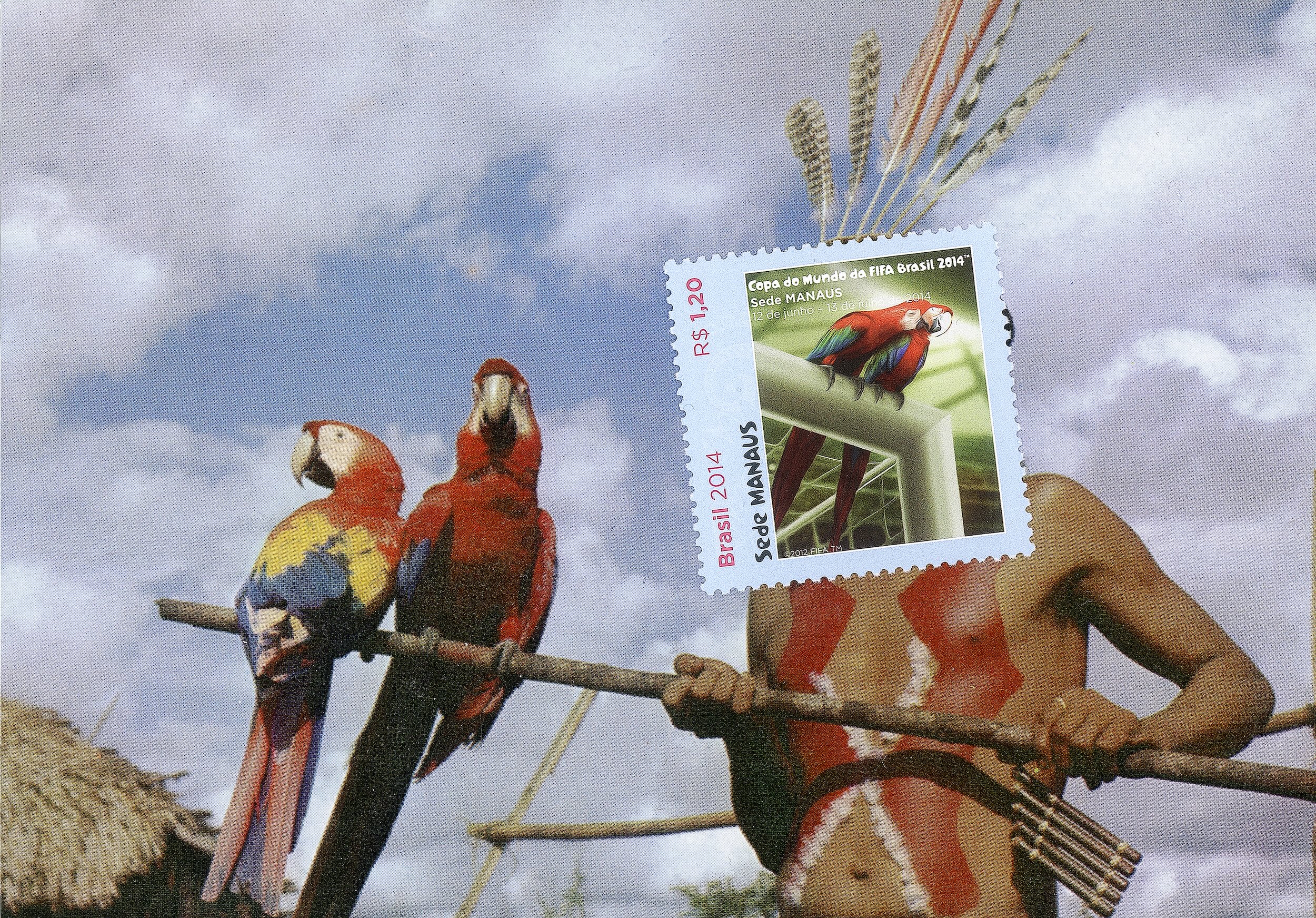
This ethic of transparency, complicity and undoing of the Western gaze permeates Leydier’s portfolio. In Esgotados (2014) she interrogates the problems with mapping a place through images, sticking stamps on the faces of Indigenous people depicted on postcards. The postcards were printed during the 1970s and 80s, in an effort to portray Brazil’s diversity; the stamps were produced by the Brazilian post office in the run-up to the 2014 World Cup. But near the Maracanã stadium in Rio de Janeiro, which hosted some matches during the tournament, the Antigo Museu do Índio – the country’s only site dedicated to Indigenous culture – faced demolition to create space for car parking, restaurants and World Cup merchandise shops.
Ultimately the museum was not demolished, but the Indigenous communities it purports to represent have no access to the government-controlled space. By bringing together these clashing perspectives and realities, Leydier intervenes in the damaging aesthetics around modern tourism, and asks questions about symbols of national identity. “A portrait of a person and a postcard of a country are as much far away from the country or person they try to represent as a map is far away from the territory it tries to represent,” she notes.
Leydier’s most recent work is a collaboration with photography students in Brazil, in which images were printed onto seed-infused paper and pasted around the city. As the weather destroys the prints, flowers may grow in their place. “I don’t care if there’s no photography left,” she says. “If the image disappears but something else grows, maybe that’s better.”