

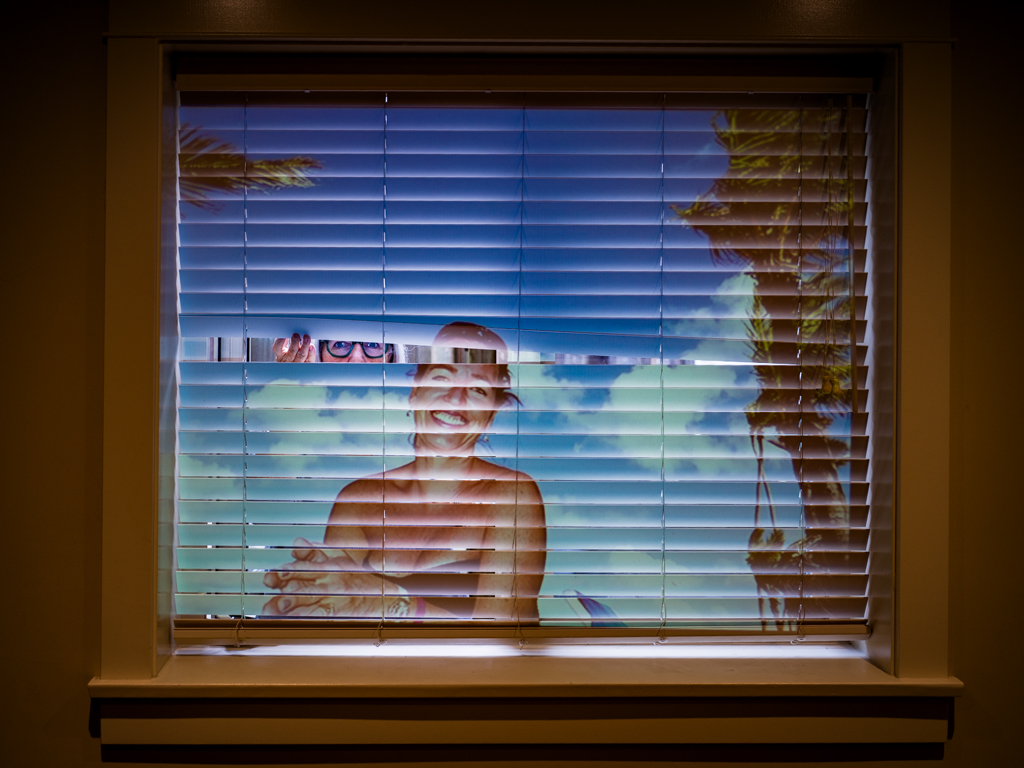
© Geoffrey Bird
Falmouth University, drawing on more than 120 years of art and design teaching, offers an online Photography MA that addresses the urgent questions facing image‑makers today.
Taught remotely, the programme attracts international practitioners and students whose pluralistic perspectives challenge conventional approaches to the medium.
The two-year, part-time structure allows students to maintain professional and personal commitments while studying. Embedded within the internationally recognised Institute of Photography, four components – covering critical enquiry, professional experience and independent work – ask students to engage with photography, critically and ethically. “An educational environment offers time, support and collective space to experiment,” says Georgia Metaxas, who lectures on the course. “Students can take risks, challenge dominant ways of seeing and making and learn alongside peers and staff who are asking similar questions.”
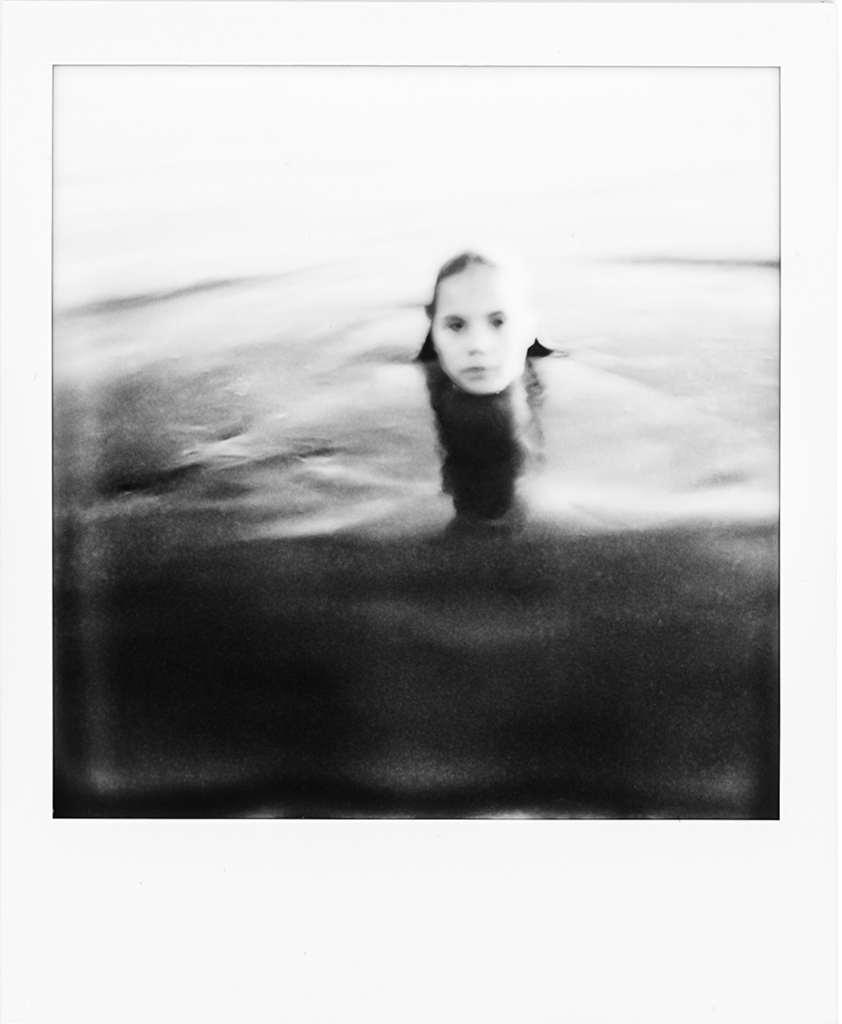
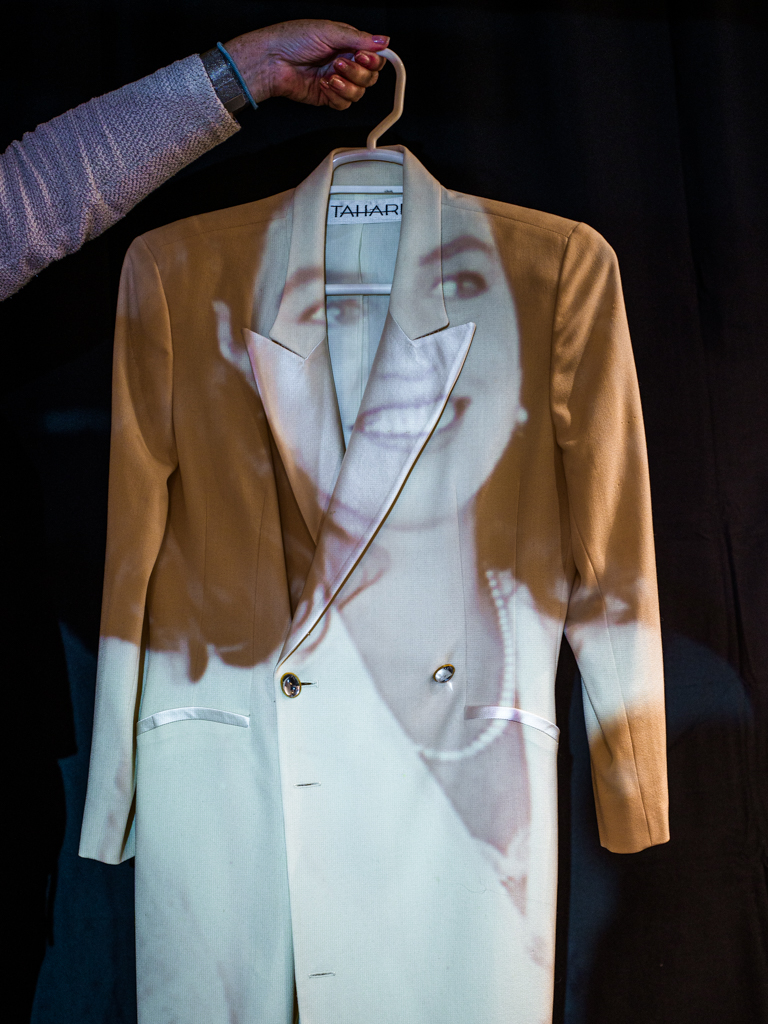
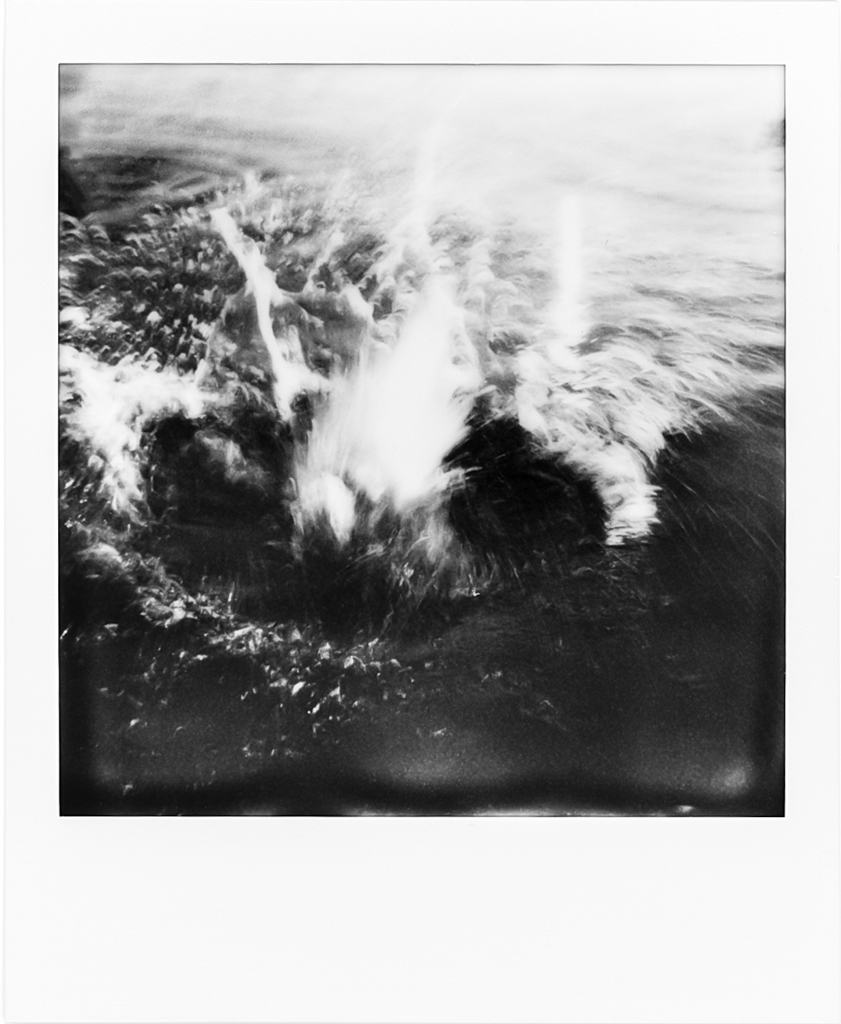
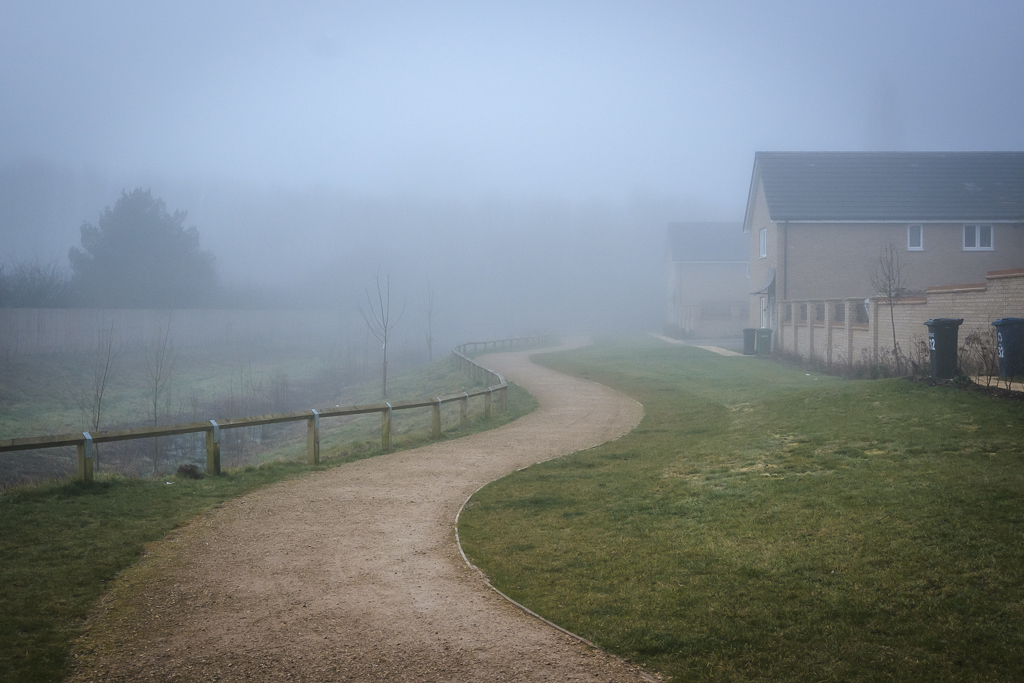
Nina Kostamo Deschamps, a student on the MA, spent nearly two decades living across Europe, before she moved back to her native Lapland, which became the focus of her independent project. Exploring the concept of place attachment, her series Usva (‘mist’ in Finnish) revolves around the photographer’s grandparents’ home near the Arctic Circle, and the gaping void that was felt with its eventual loss. Although she previously studied Documentary Practice and Visual Journalism, studying on the MA allowed her to experiment with layering archival imagery and contemporary portraits to create emotional charge and nuance. The project not only earned her a place on the 2025 Photo London ⨯ Hahnemühle Student Award shortlist, but is currently being developed into a photobook.
Geoffrey Bird, an educator at the British Columbia Institute of Technology, took a different approach to loss for his MA work. For My Wife began on an autumn walk through his suburban neighbourhood, where he noticed hydrangeas, despite having faded and frayed petals, still had a wondrous beauty, reminding him of an Alzheimer’s patient: his wife. Diagnosed with early-onset Alzheimer’s at the age of 55, her diagnosis is the basis of the series, which turns an invisible, abstract disease that affects around 40 million people globally, into a tangible image of memory, identity, loss and connection. The project – recently published as a photobook Stolen: Flowers For My Wife – became a shared expression between the married pair; an alternative mode of storytelling that shows how by tackling a difficult topic, it is possible to find new perspectives.
For Keith Mason the MA course opened up ways to connect his practice and research with the broader social, political and ecological landscape through exploring ways documentary photography can illustrate the relationship between the farmer and the land. His project, The Last Harvest, circles around a family of tenant farmers, during their last growing season, as their small arable farm in Cambridge is sold to a property developer with plans for 2500 homes. Capturing their reality on the precipice of change, an emotional essence runs through the images, epitomised by a photograph of an empty tractor seat, or gathering about the cobwebs surrounding family photographs. The project aims to serve as a “future record of farming life in the early 21st century”, and Mason continued the conversation with the local community through an exhibition in St Neots Parish Church, Cambridge.
“Photography is deeply entangled with systems of extraction, energy use, data infrastructure and representation, many of which would remain invisible unless we actively question them,” notes Metaxas. The photographer and lecturer leads the Sustainable Strategies module, which asks students to “be attentive to what images are made from, what they depend on and what they leave behind – materially, socially and culturally”. Preparing graduates to navigate contemporary social issues conscientiously makes for a stronger photographic practice.
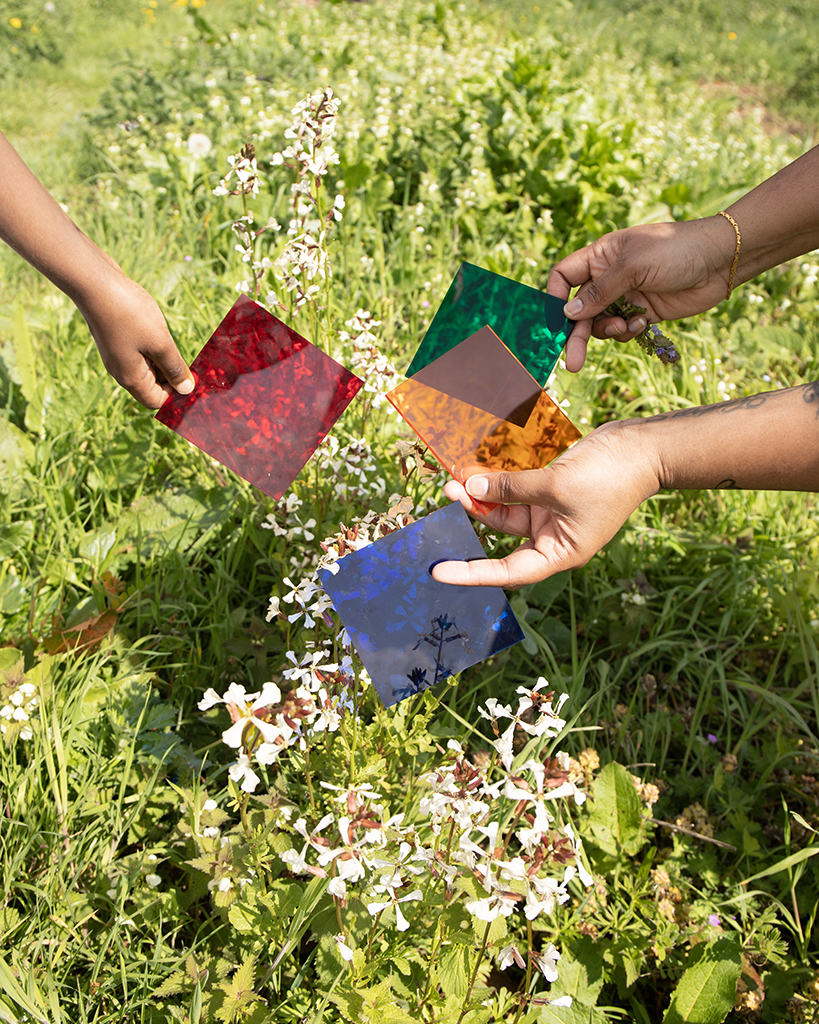
Sanctuary, the final MA project by George Bull, explores the precarious lives of residents staying at British government-funded asylum hotels. Unable to document any defining characteristics for the participants’ own safety, the Reading-based photographer’s portraits say something of each sitter’s individual, and often painful, experiences. Sustainability and ethical practice were central to each collaboration. With careful negotiation of the photographer-subject relationship, the series developed around interviews with the refugees, asylum seekers and migrants to become a document countering the lenses of discrimination and misrepresentation these communities are viewed through in some sectors of society. One particularly powerful photograph shows hands holding out an array of coloured filters.
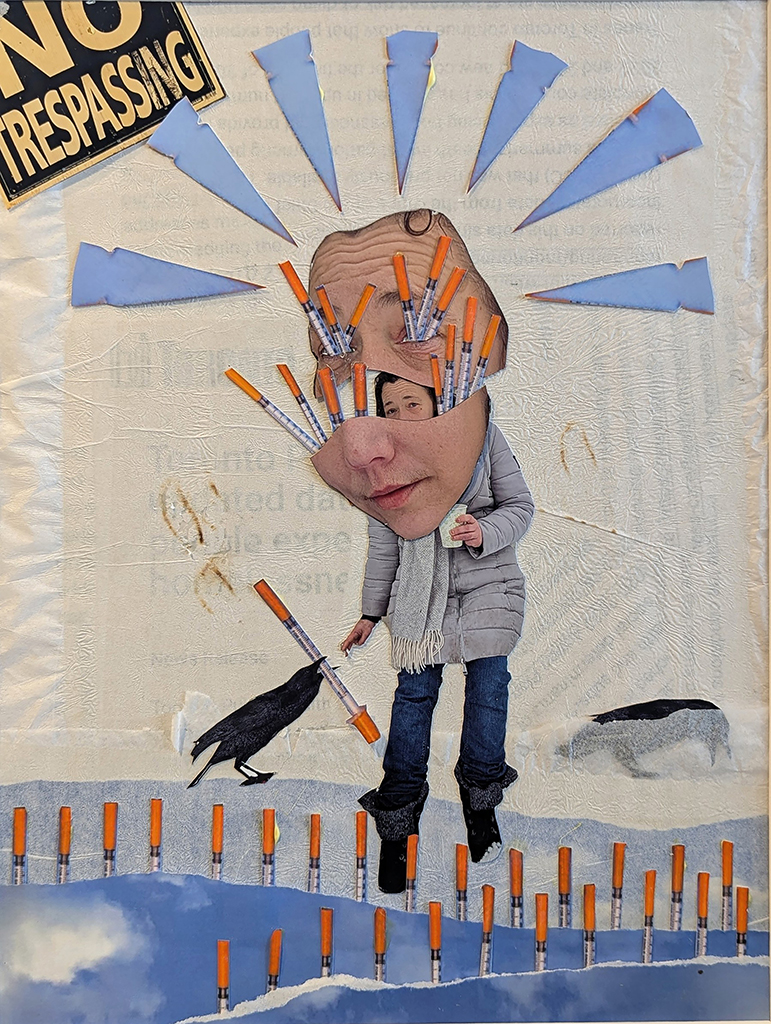
Ethics, diversity and social responsibility also guided Catherine Hawthorn throughout the course. In UnBroken: The Feminine Homeless, she examined one of society’s most visible, yet invisible, communities. Joining the course from Canada, she continued her long-term research into the experiences of homeless women living rough on the streets of Oshawa, Ontario. Over two years, she experimented with a mixed-media collage technique that disrupted the ‘one-dimensional’ portrayals of homelessness. By collaging and repainting each woman’s portrait, she presents a richer, more fractured image that better reflects their internal world. “This project was not about fixing or observing,” she writes, “but about witnessing, sharing space and listening.”
That’s something I hope our graduates carry with them – a strong, thoughtful sense of ethics in their work
The course beginning in September 2026 will be the third iteration of the MA. “When we started developing it around 18 months ago, it was during the height of anxiety about Generative AI,” says course leader Jesse Alexander. He explains how the department asked itself: “What do photography graduates need to distinguish themselves not just from other graduates, but as photographers specifically?”
“The whole conversation around Generative AI, and the ethical issues it raised, reinforced how central ethics are to creative practice. Being able to speak about ethics authentically, coherently and intelligently has become absolutely essential. It’s always been part of the course, but now it’s not a secondary concern, it’s a core component. That’s something I hope our graduates carry with them – a strong, thoughtful sense of ethics in their work.”
The online Photography MA at Falmouth University reimagines photographic education for a globalised, digitally connected world. It is not just led by award-winning lecturers, whose working knowledge of the industry is channelled into their teaching, but the alumni too, who form an international network that is a resource in itself. In 2025, Jesse Alexander and graduate Phil Hill co-curated These Poor Creatures, a photography symposium at Photo|Frome. Other recent graduates of the Photography MA (Online) have gone on to exhibit at FORMAT International Photography Festival, or organise the Women and the Photobook pop-up library at the Bodleian Libraries in Oxford – with co-curator Phillipa James later winning a commission to photograph 50 Years of Women at Jesus College 1974-2024.
A catalyst for creative work, the MA acts as an incubator. “It shifts people’s perspectives and that can be an intimidating prospect,” says Alexander. “But in this day and age it’s important to be critical of the environment that we’re in, the ideas and the experiences that we are being surrounded by, and the most important thing we can do at the moment as responsible human beings is to stretch ourselves intellectually.”
Find out more about Falmouth’s Online Photography MA here.
1854 members are eligible for a £1,000 tuition fee discount on all online master’s degrees, including MA Photography (Online) at their esteemed Institute of Photography. 1854 members can also benefit from a 10% discount on eligible Falmouth University short courses including all Adobe Certified Professional (ACP) training.
T&Cs apply. Contact Falmouth University for more details.
