

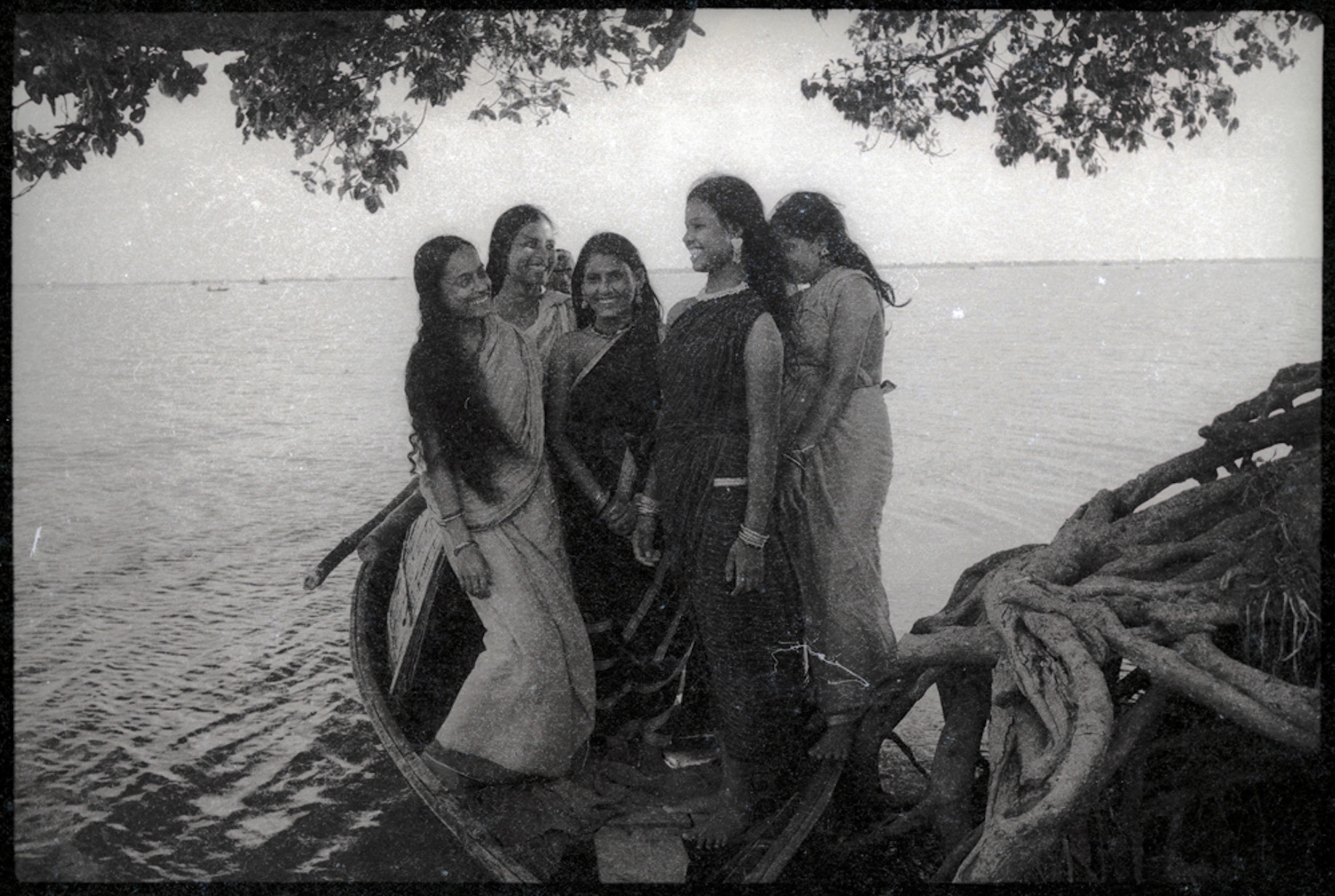
© Amanul Huq
The international festival set in Dhaka reemerges for its 25th anniversary with a staggering cast of lens-based artists from around the world
In his book The Burden of Representation, John Tagg argues that the camera, despite being used by the state as evidence since its invention, is never neutral. Instead, he insists that it has the capacity to produce representations coded with historical biases. Even in the hands of artists, the photograph is imbued with questions about who gets to take a picture and who or what becomes the subject of the camera’s subjective gaze. This year’s Chobi Mela International Festival of Photography, which will be held in Dhaka from 16 – 31 January, intends to grapple with these very questions and engage critically with the contradictions inherent to the medium.
Working with 58 artists and collectives from across five continents, most of them from the Global Majority, this year’s festival, led by artistic directors Munem Wasif and Sarker Protick alongside guest curators Tanvi Mishra and Shohrab Jahan, is centred on the thematic framework of ‘Re’. According to the curatorial text, ‘Re’ symbolises “repetition, reversal, and reopening”; it urges the visitor to bear witness, to confront and reconsider the order of things, insisting that doing so is how we can resist erasure. The photography and moving image on show, and the corresponding programme of lectures and other public events, are attentive to the imperial history of the lens-based practice, considering what is seen and what is left unseen, and how photography can resist or uphold the existing state of affairs.
Crucially, this year’s politically charged Chobi Mela succeeds July 2024’s protests in Bangladesh, which led to a mass uprising against then-prime minister Sheikh Hasina and inspired young people globally to remain hopeful and steadfast in their defiance. It also laid the groundwork for the festival, which the festival director ASM Rezaur Rahman describes as “a space for photographers and audiences to engage with urgent social, cultural, and political questions through images”. One such instance is in the group exhibition But a Wound that Fights, which borrows its title from Mahmud Darwish’s poem ‘Diary of a Palestinian Wound’ and displays work that encounters the psychic and emotional toll of loss, specifically as a result of political violence and displacement by artists such as Ernest Cole, Salma Abedin Prithi, and Myriam Boulos. Central to this display is the notion that image-making in moments of conflict and violence is an act of “reopening the wound” to grieve with it, care for it, but ultimately, as the title suggests, to resist and fight with it.
Another group exhibition Rights of Passage, curated by Tanvi Mishra problematises the logic of borders, nation-states and the violence that can accompany migration by illustrating both fictional and real confrontations with border regimes, such as in Iranian photographer Hoda Afshar’s series of portraits of refugees who fled their homeland to be mistreated by hostile border enforcement in Australia and detained in an offshore immigration centre in Papua New Guinea. Other works on show are Felipe Romero Beltrán’s Bravo, which photographs life along the Rio Bravo River in Mexico and the 270-kilometre stretch to the United States border, and Dhaka-based Sumi Anjuman’s photography project that highlights the suffering that thousands of women from Bangladesh face upon migrating to Gulf nations in hopes of employment.
Argentinian photographer Alessandra Sanguinetti’s The Adventures of Guille and Belinda and The Enigmatic Meaning of Their Dreams adds to this wonderful dialogue as one of three solo shows on display at Chobi Mela. The project, which started as a documentation of two cousins playing dress-up amongst other childhood games of make-believe, soon becomes a depiction of the two girls growing up in rural Argentina and of how their paths diverge as they grow older, become independent of each other and take on different roles as mothers and lovers. It is a long-term meditation on familial relationships, desires, female intimacy, and how these facets evolve over time. Together, these exhibitions, amongst nine others, spread across different venues in Dhaka, insist on situating photography as a restless language and not one of finality. Under the sign of ‘Re’, Chobi Mela reclaims the image as less a record than a site of encounter where one is invited to stay with an image and question it.
Discover some of the featured images below.
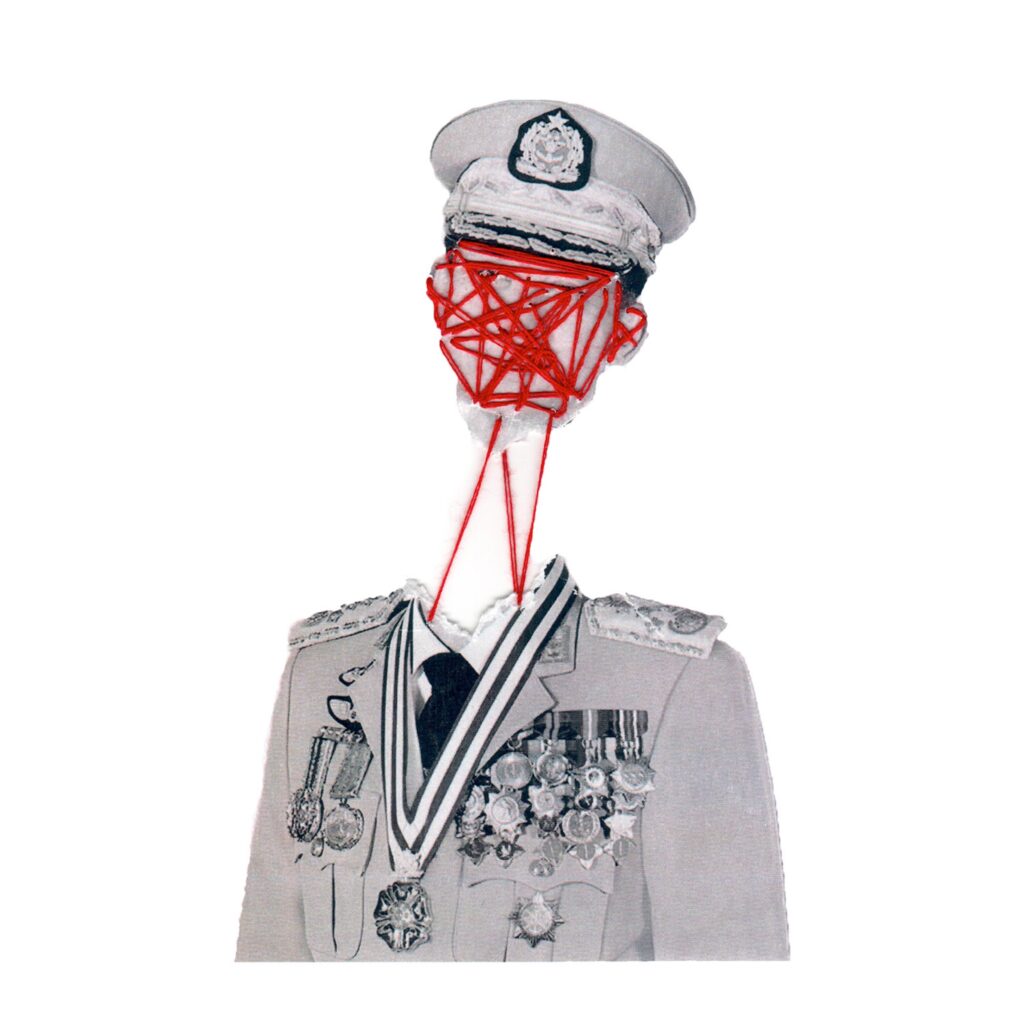
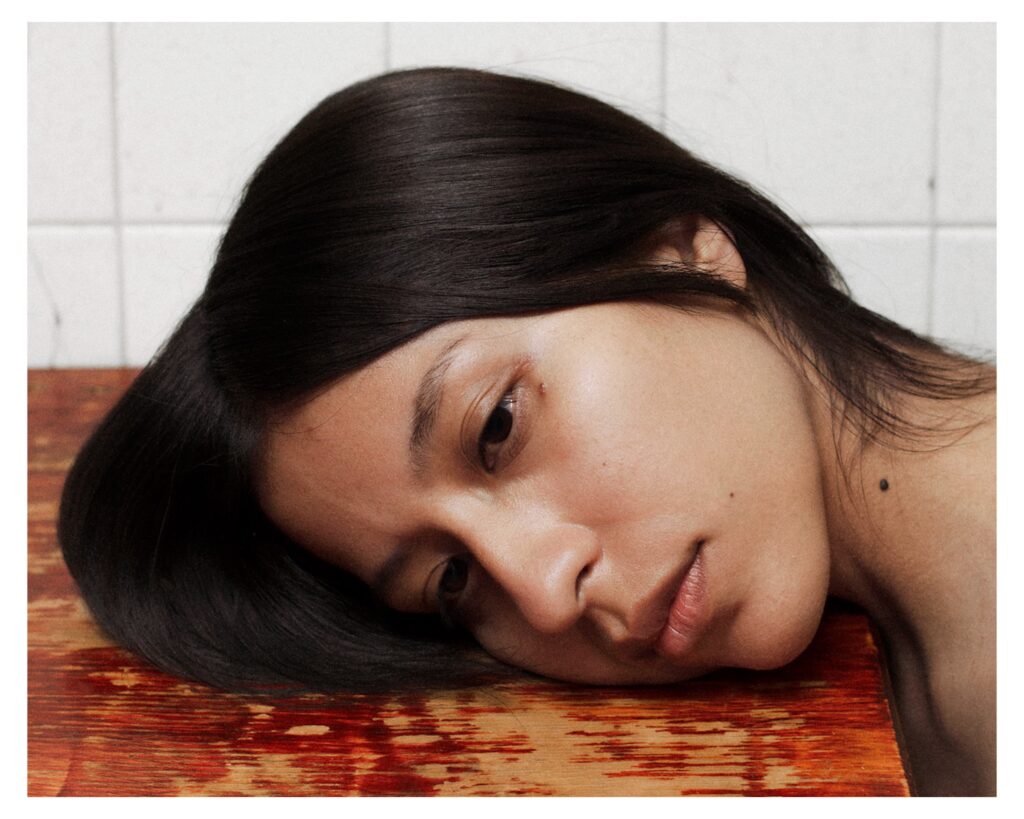
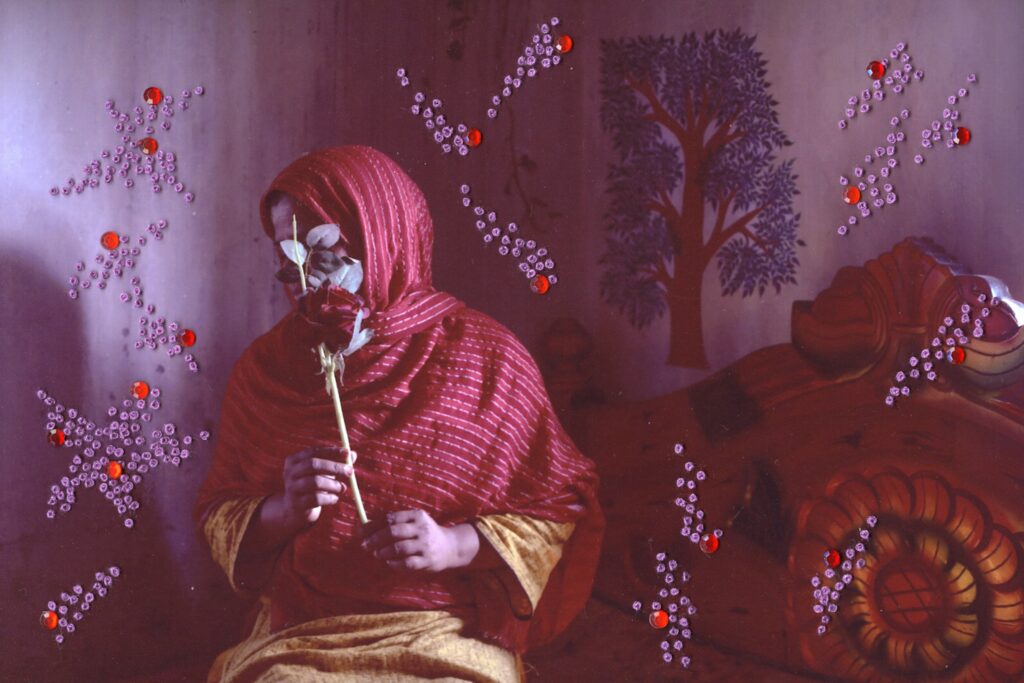
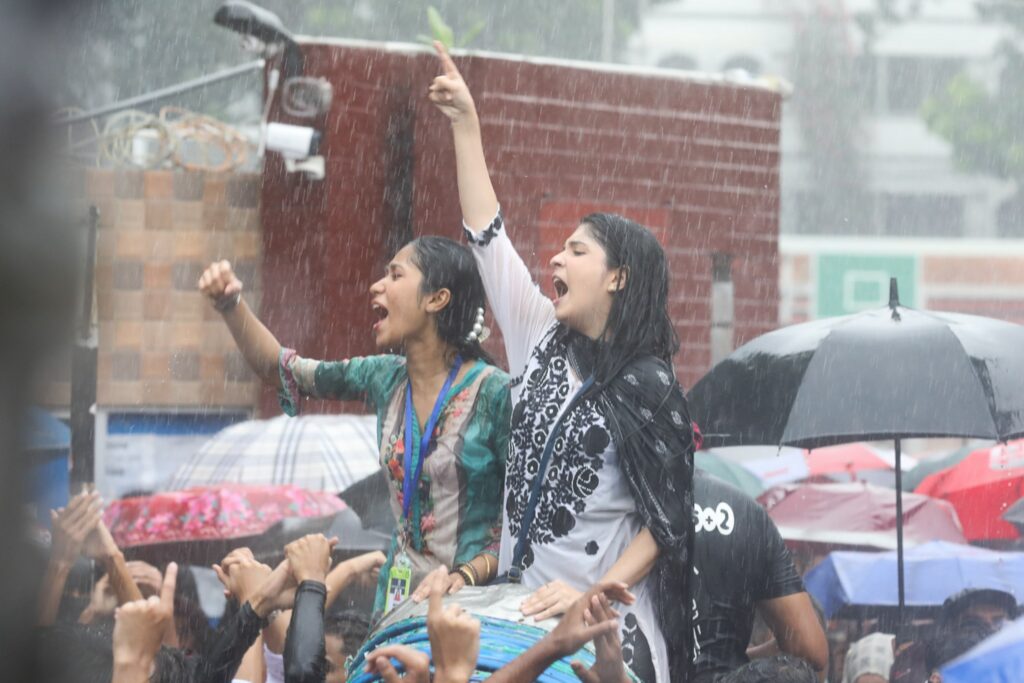
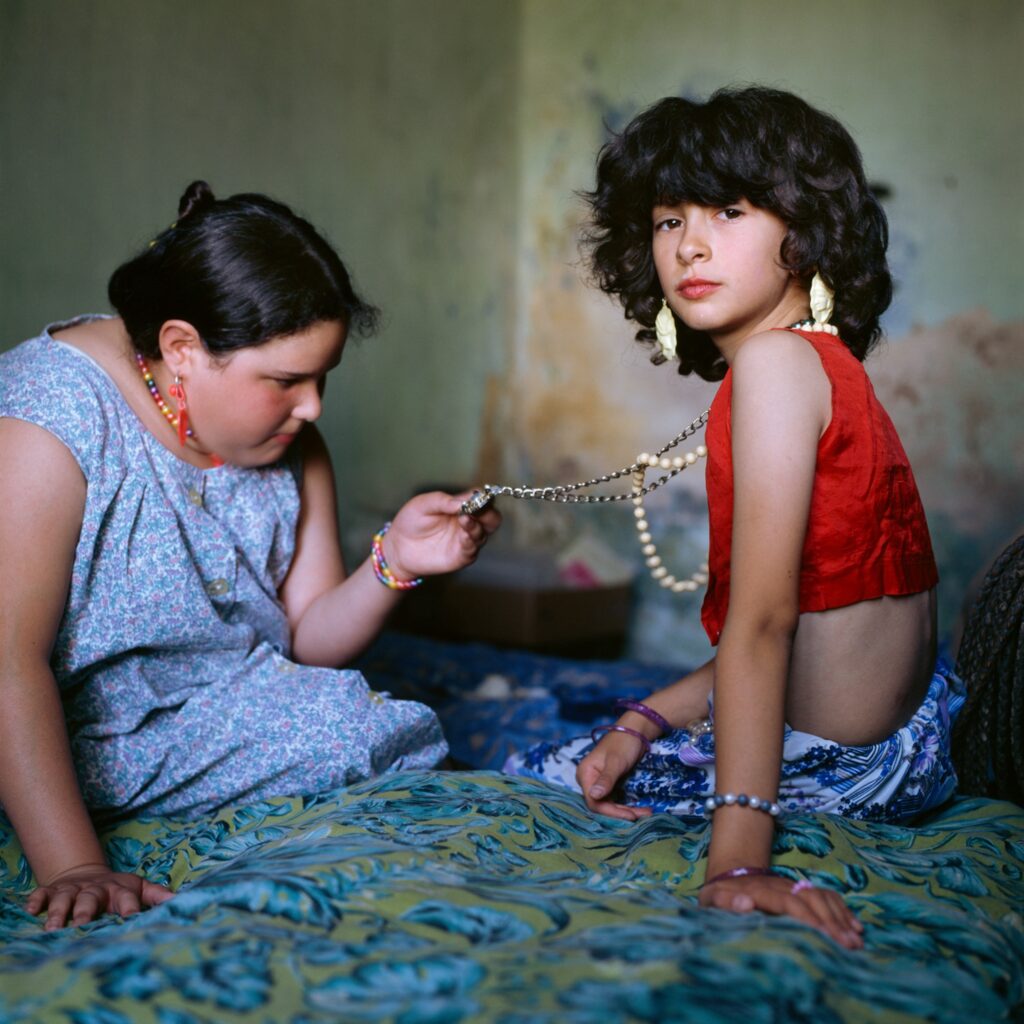
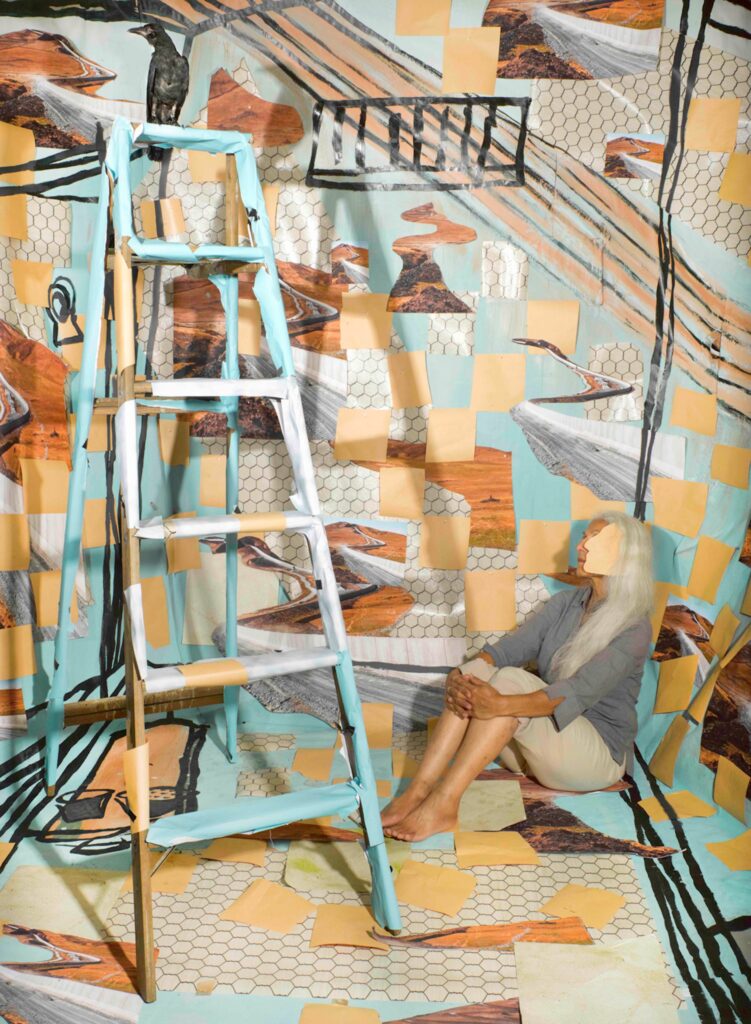
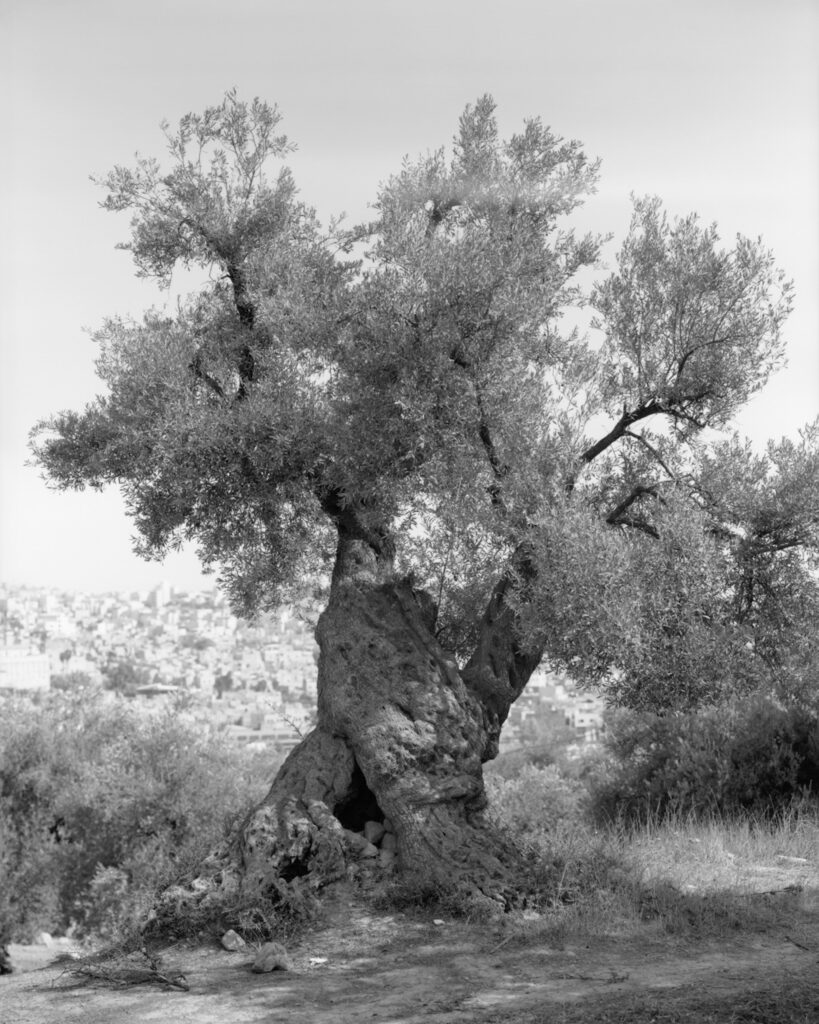
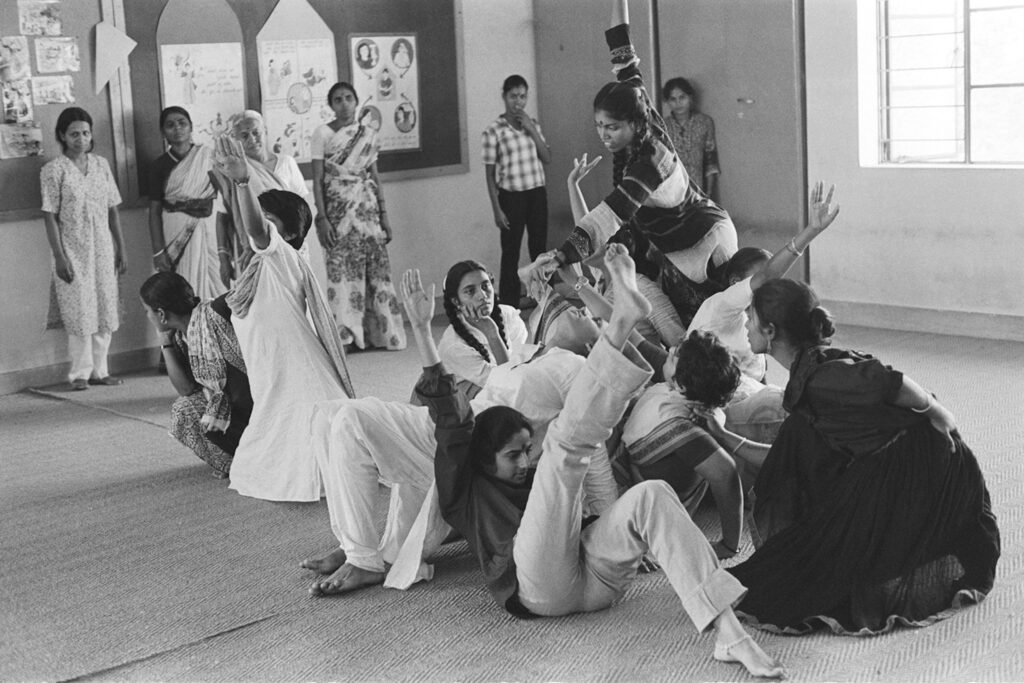
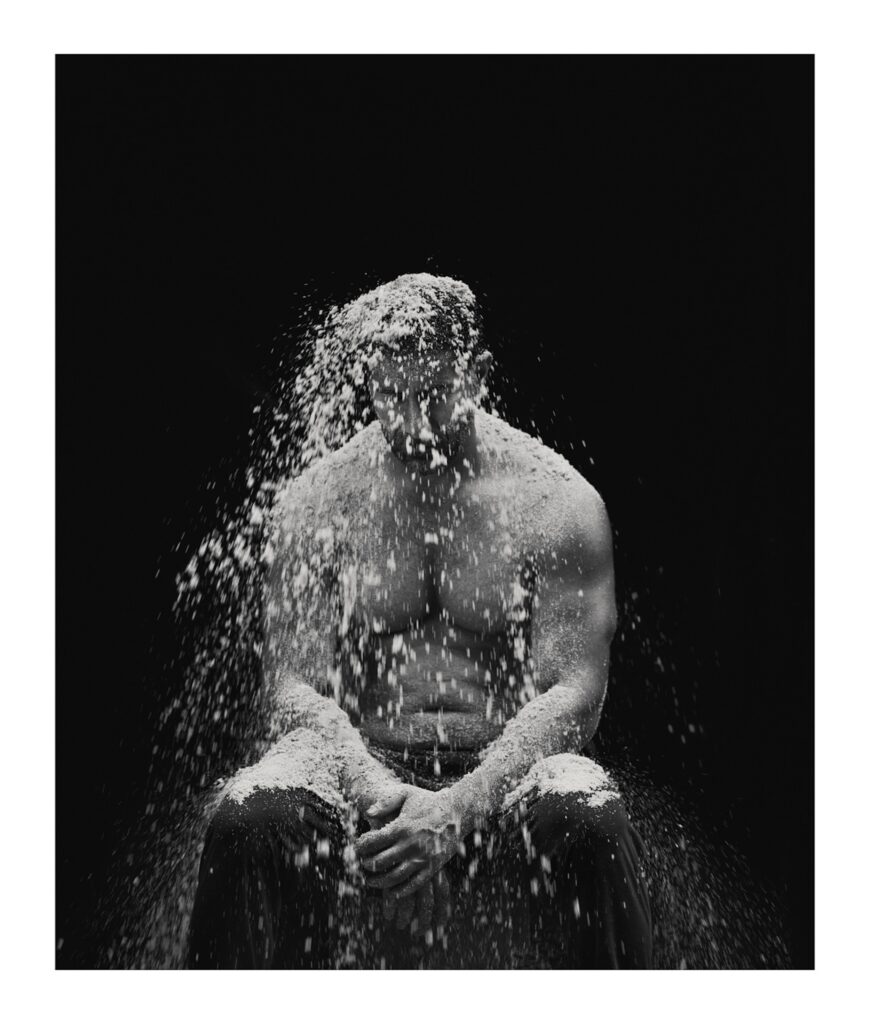
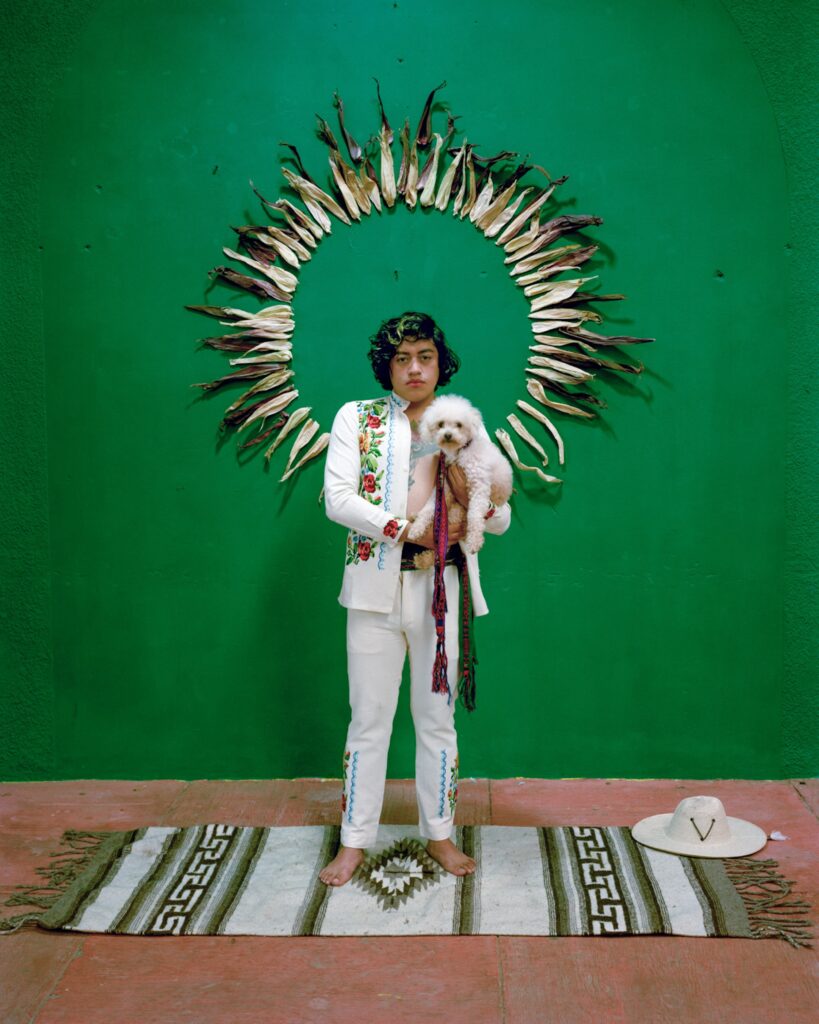
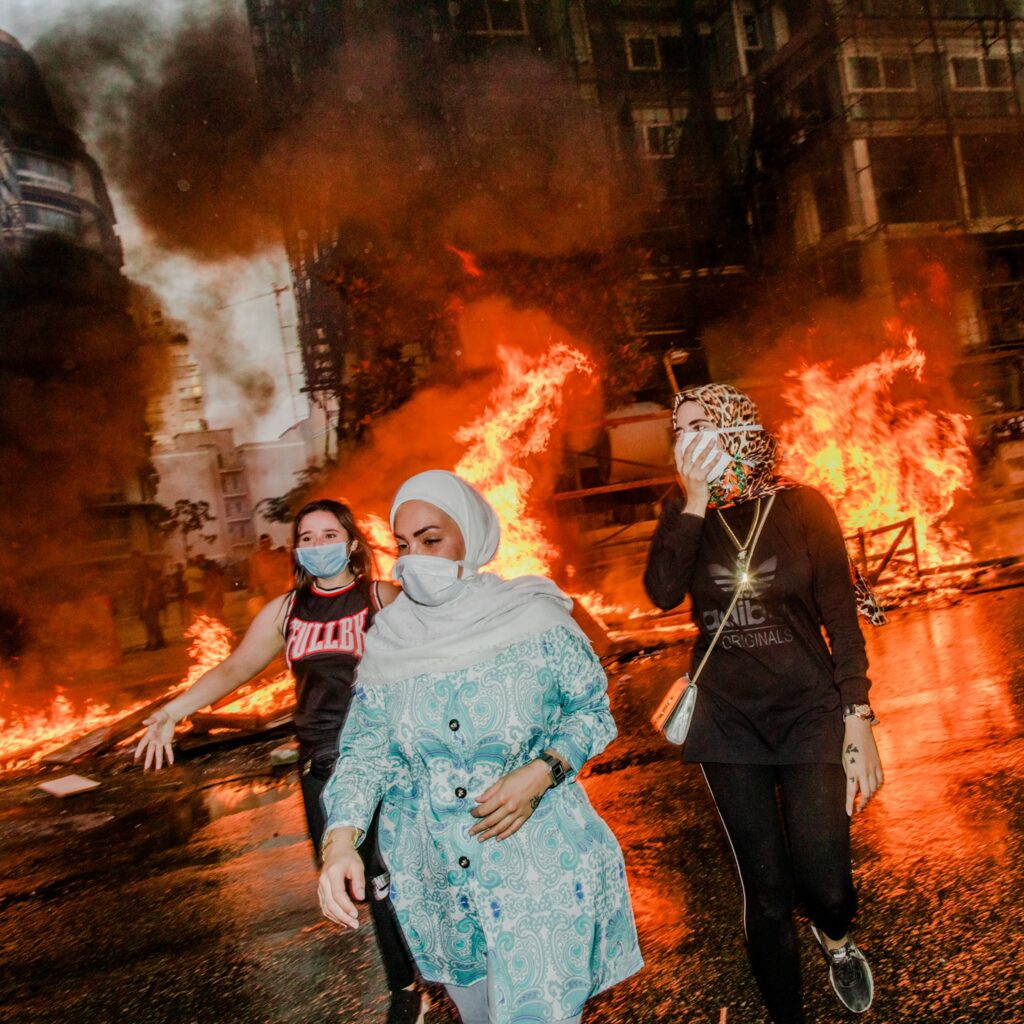
From left to right (©): Ri; Felipe Romero Beltrán; Sumi Anjuman; Ashraful Alom; Alessandra Sanguinetti; Sheida Soleimani; Adam Broomberg and Rafael Gonzalez; Asia Art Archive; Hoda Afshar; Ritual Inhabitual; Myriam Boulos
Chobi Mela International Festival of Photography Bangladesh, runs until 31 January, 2026