
Photobook

Q&A: Jason Fulford, photographer, book-maker, and educator

In adopting the photobook as his primary medium, using complex sequences as well as free ranging associations to create what’s been described as ‘open metaphors’, Jason Fulford is more interested in questions than answers. He invites readers to become active participants in his work, presenting an open enquiry in which the various interconnecting layers are often cryptic and complex, and the meaning is less important than the experience of looking and thinking.
3 August 2018

Dafydd Jones’ The Last Hurrah

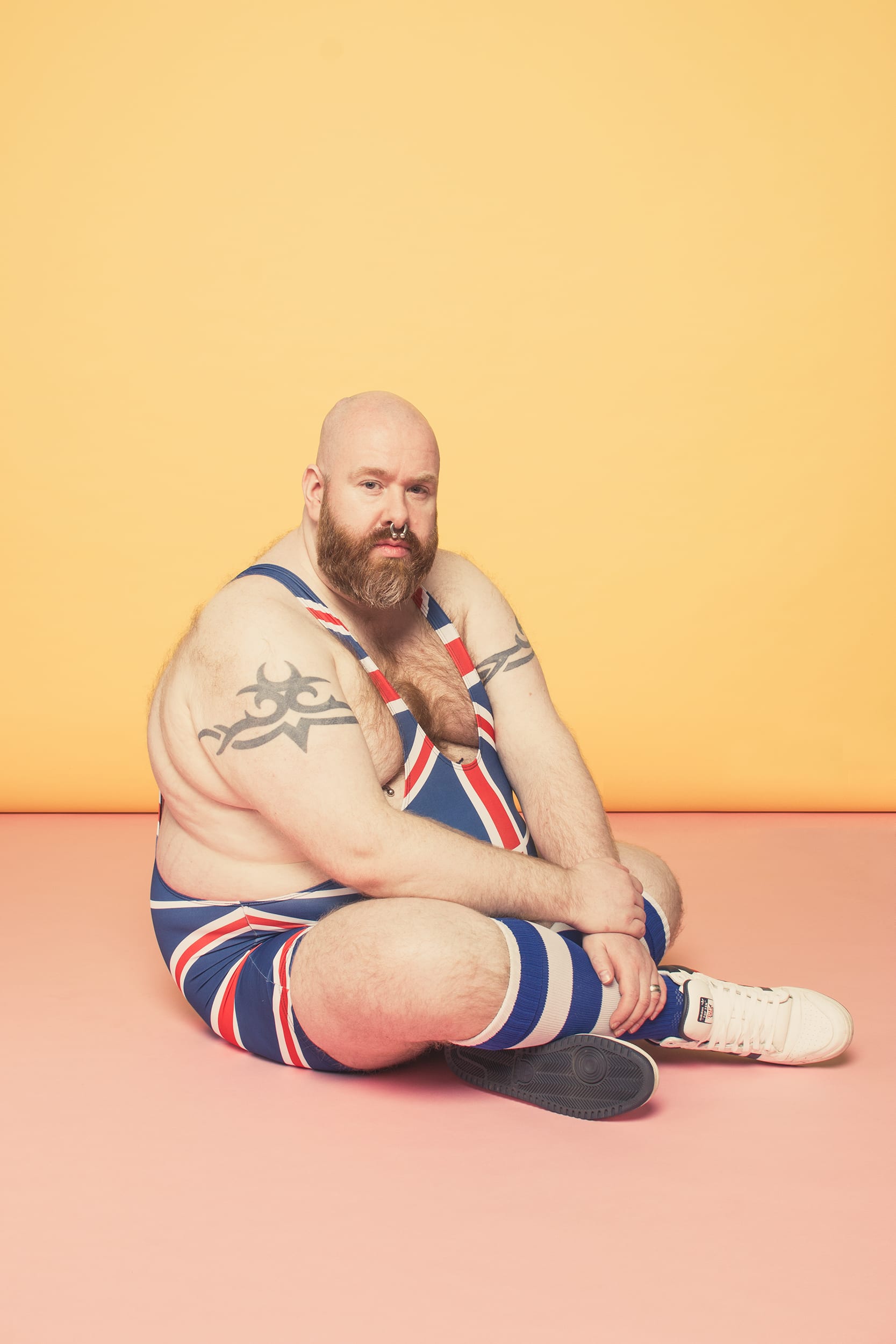
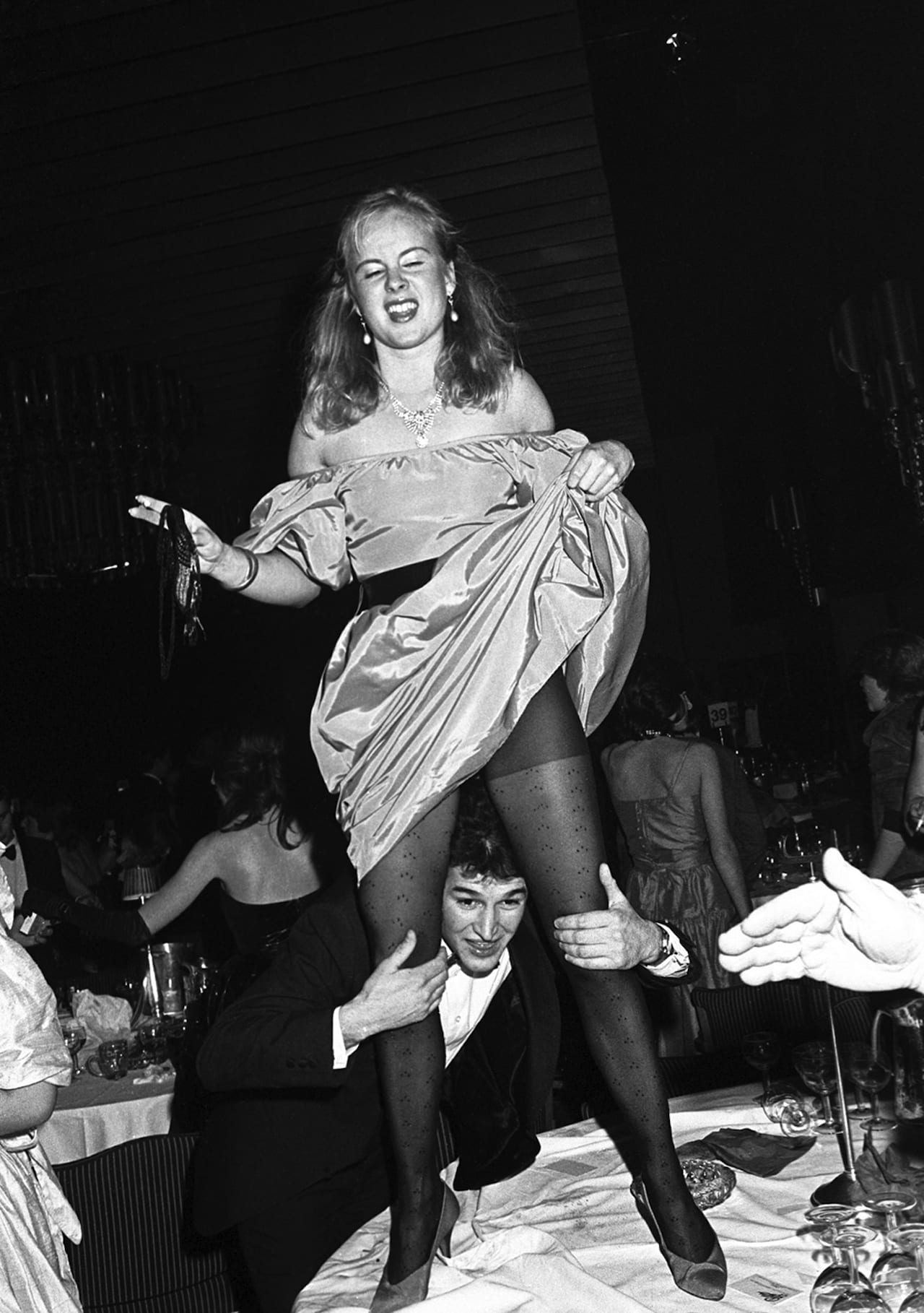
“I had access to what felt like this secret world,” says Dafydd Jones, who has worked as a social photographer since the 1980s for publications such as Tatler, Vanity Fair, The New York Observer, The Sunday Telegraph, and The Times. “I was taking pictures of elites that nobody had seen before. It was Thatcher’s Britain, a period of celebration for those that had money. People described it as the ‘last hurrah’ of the upper classes.”

In 1981 he won a photography competition run by The Sunday Times magazine with a set of photographs of “Bright Young Things”, named after the earlier group of hard-partying aristocrats immortalised by novelist Evelyn Waugh and photographer Cecil Beaton. Tatler editor Tina Brown hired Jones off the back of it, commissioning him to photograph the Hunt Balls, society weddings, and debutante dances that were a mainstay of the upper-class publication. Now Jones has put together a collection of his work for Tatler from 1981-89, titled The Last Hurrah and currently on show at The Photographers’ Gallery and put out as a publication by Stanley Barker. 

3 August 2018

Photobooks of the year (so far)

Foam founder Marloes Krijnen, curator Yumi Goto, and photographers Rob Hornstra, Mark Power and Mariela Sancari highlight the photobook that have impressed them most so far in 2018 – including Senta Simond’s Rayon Vert, Christian van der Kooy’s Anastasiia, and John Myers’ The Portraits

2 August 2018

On show at Foam – Senta Simond’s Rayon Vert

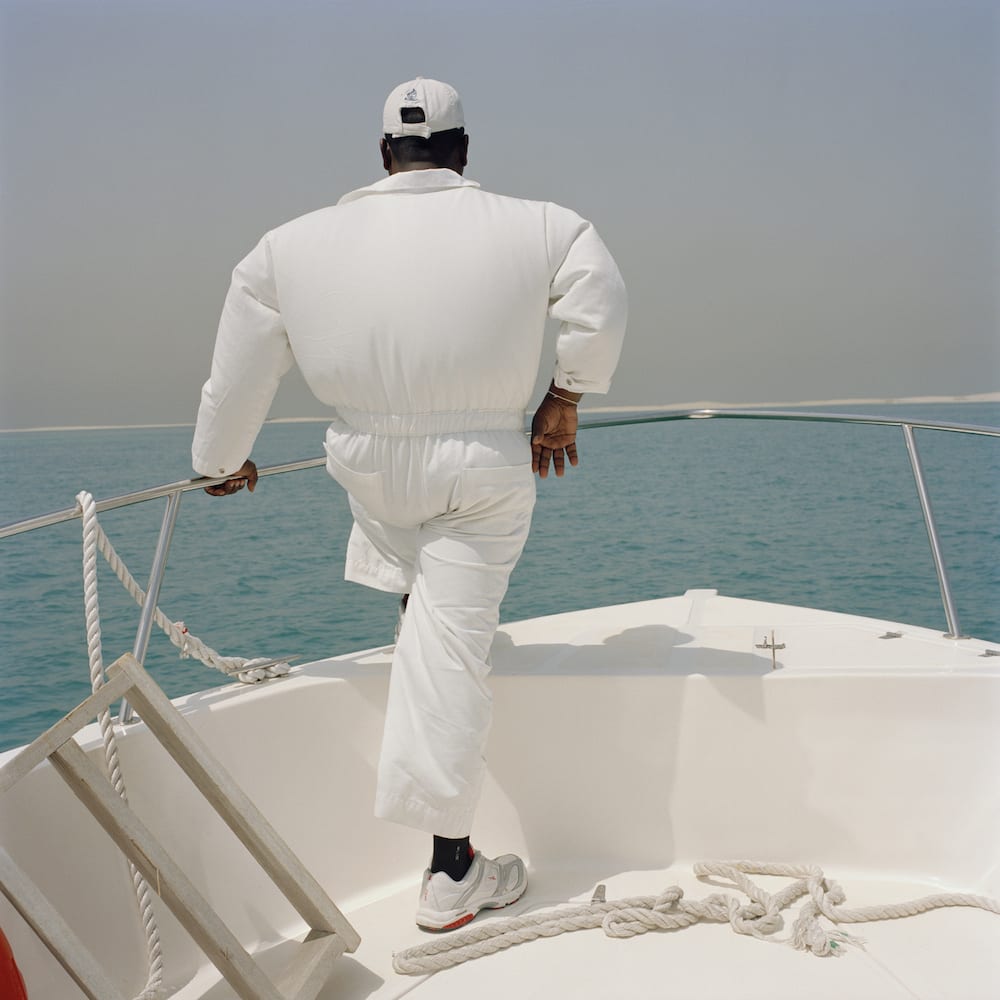
“Tu sais qu’est-ce que c’est le rayon vert?” Marie Rivière’s listless character Delphine asks, her legs swinging, in Éric Rohmer’s 1986 film Le Rayon Vert [The Green Ray]. The film – a portrait of its main character’s halting search for summer romance – was based on Jules Verne’s 1882 novel of the same name. While in theory its title refers to an optical phenomenon – in which the appearance of the sun as it rises or falls beyond the horizon creates a brief flash of green, and with it a supposed moment of mental clarity for all those who see it – in reality its subject matter is far more elusive. “I related the ‘rayon vert’ phenomenon to the process of photography – this special and quick moment that happens rarely,” Swiss photographer Senta Simond explains, referring to her project of the same name. Her series, which will be published by Kominek and shown at London’s Webber Gallery soon, adds a new, compelling layer to the meteorological event/Jules Verne/ Éric Rohmer mix of references. Indeed, Simond, a former student of ECAL, University of Art and Design Lausanne, from which she graduated last summer, first encountered the concept via the 1986 film.

2 August 2018

An index of inequality in St Louis, USA

“In St. Louis, ZIP codes matter,” says Piergiorgio Castotti, an Italian photographer who lived in the US for three years. “North of Delmar boulevard, 95% of people are black, and life expectancy is 67. A few hundred yards south, 70% of people are white, and there is a life expectancy of 82.”

Index G, a collaborative project he’s made with photographer Emanuele Brutti, explores the harsh reality of this segregation, which is measured with the so-called Gini Index. Where once racial segregation in the US was obvious, and even enshrined in law, it’s now peppered throughout cities on a micro level, from neighbourhood to neighbourhood, and can therefore be easy to miss. “There were unexpectedly very few literal barriers in St. Louis; this meant that our first trip was a disaster,” says Castotti. “I didn’t know what to take pictures of.”

23 July 2018

Frederik Busch photographs German Business Plants

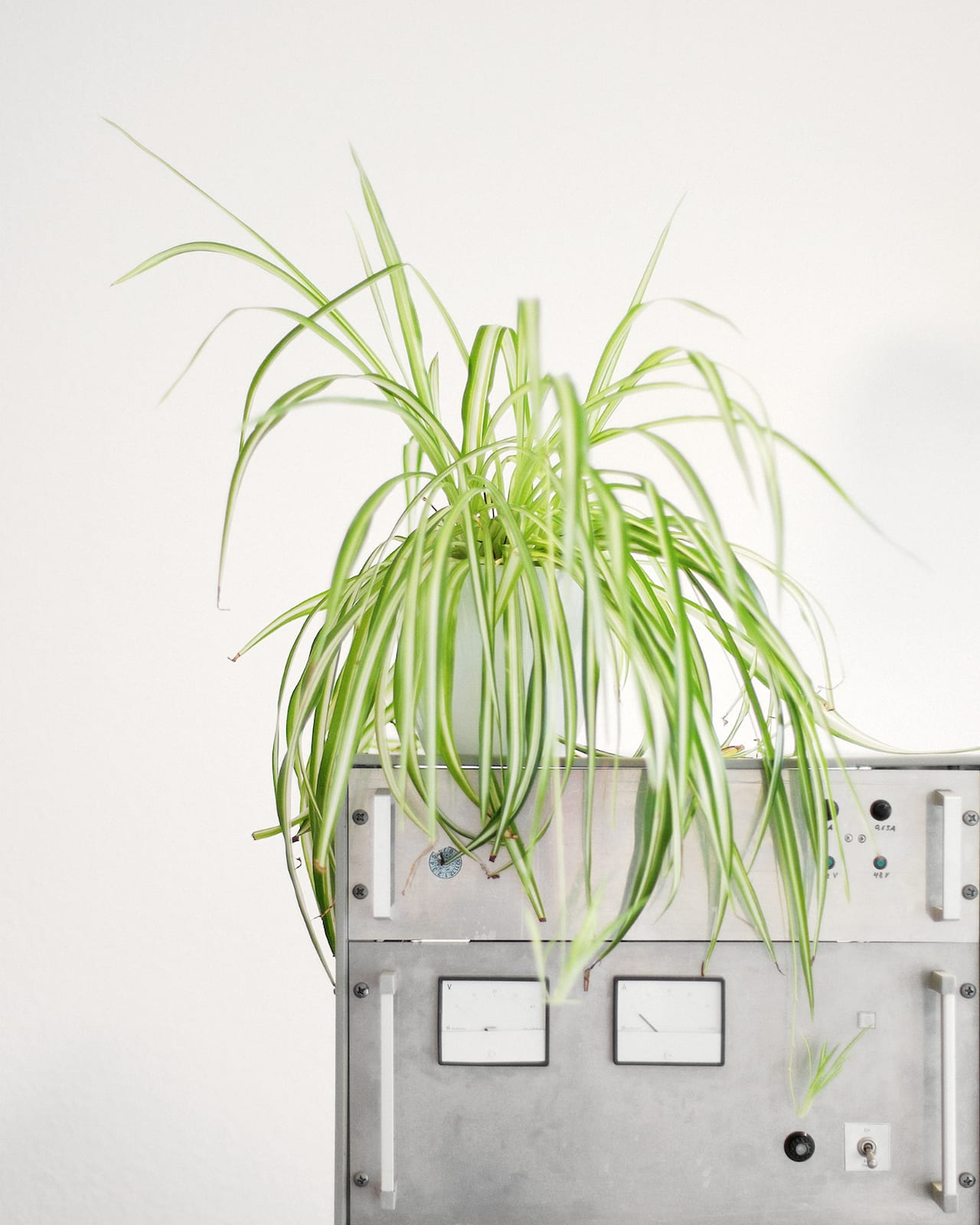
Ute is a daydreamer, Martin only talks about his vacation. Monika gets along on her own very well, but Heike is lonely. Sabine adores going dancing, and Helga likes techno music. To German photographer Frederik Busch, these office plants have personalities just like any other co-worker. “Plants have feelings too,” he says. “They are social beings, just like us humans.”

In 2008, whilst working on a corporate assignments, Busch noticed a row of plants in an office hallway. “It looked like an art space. It was so clean and sterile, and the plants looked like sculptures,” he says. “I have always been interested in how humans adapt to office-life, so I decided to apply portrait photography to plants to discover how they adapt too.”

23 July 2018

An insight into the Caspian by Chloe Dewe Mathews

In October Chloe Dewe Mathews is publishing a book titled Caspian: The Elements with the prestigious Aperture (New York) and Peabody Museum Press (Cambridge, MA). In 2011 she won BJP’s International Photography Award with images from her first trip to the region. In 2014 Dewe Mathews was awarded the Robert Gardner Fellowship in Photography by the Peabody Museum at Harvard University to complete the work.

“For me, photography became a solution because I could be independent, spontaneous and more creatively engaged,” she says. “In feature films, you always work within a structure and you have to plan every shoot carefully; I liked the freedom you have with a stills camera. Fine art gives you more independence, of course, but it can also become too self-referential, so I was attracted to documentary photography because it felt more outward looking. I was keen to explore what was going on around me, as well as stepping out into the wider world.”

13 July 2018

Lionel Kiernan exposes Melbourne At Night

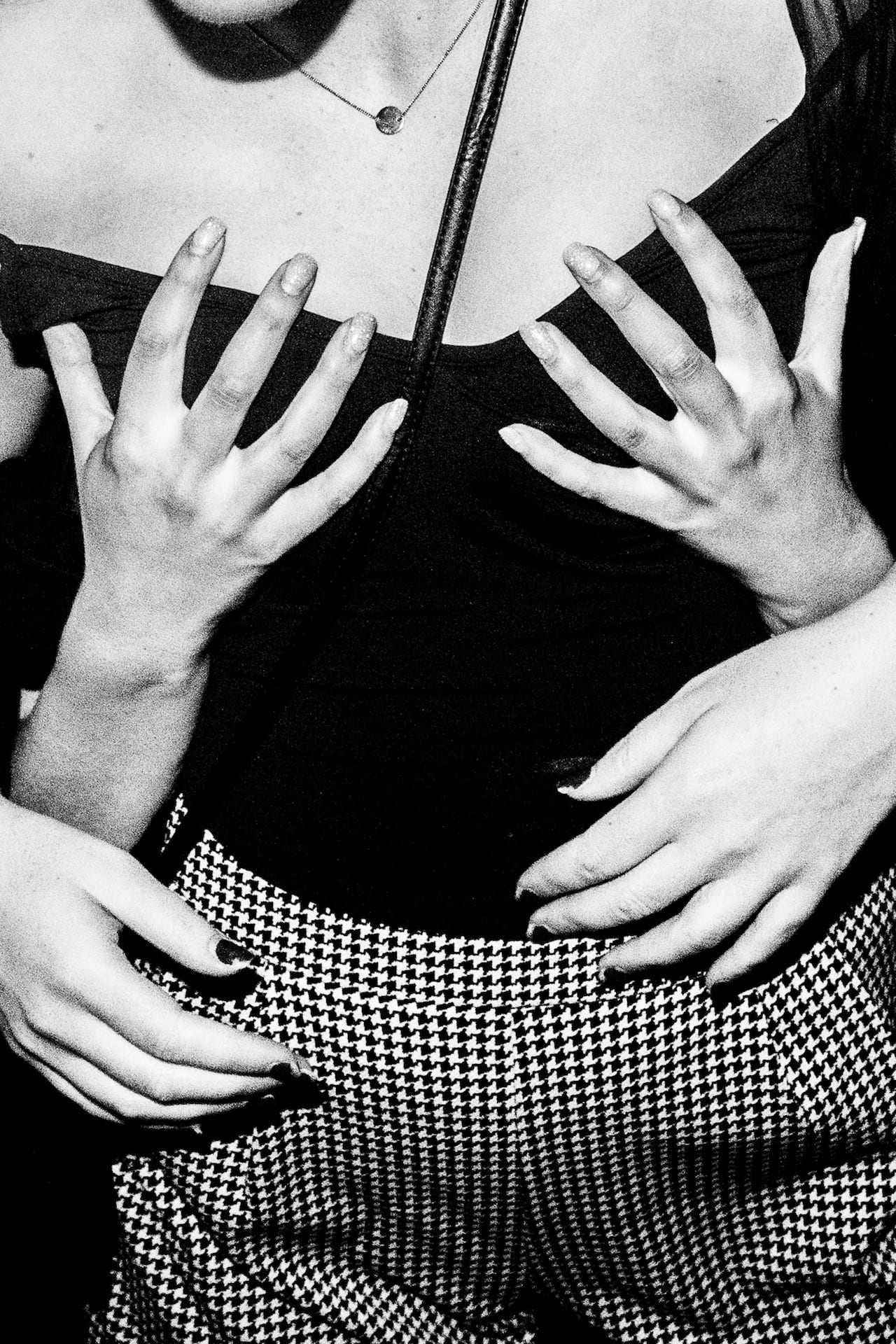
“I’ve spent so many hours on end in the dark, listening to loud music and just watching people, trying to see who I can take photos of and sussing out the environment” says Lionel Kiernan, “my work is a recording of what we can see with the naked eye in these constantly repetitive environments”.

At 21, Kiernan is the youngest photographer, and only Australian, to ever be shortlisted for the MACK First Book Award. After graduating from the Photography Studies College in Melbourne in 2017, Kiernan was nominated this year for his first major body of work documenting Melbourne’s nightlife scene, At Night.

12 July 2018