
Photobook

New Brighton Revisited by Martin Parr, Tom Wood, and Ken Grant

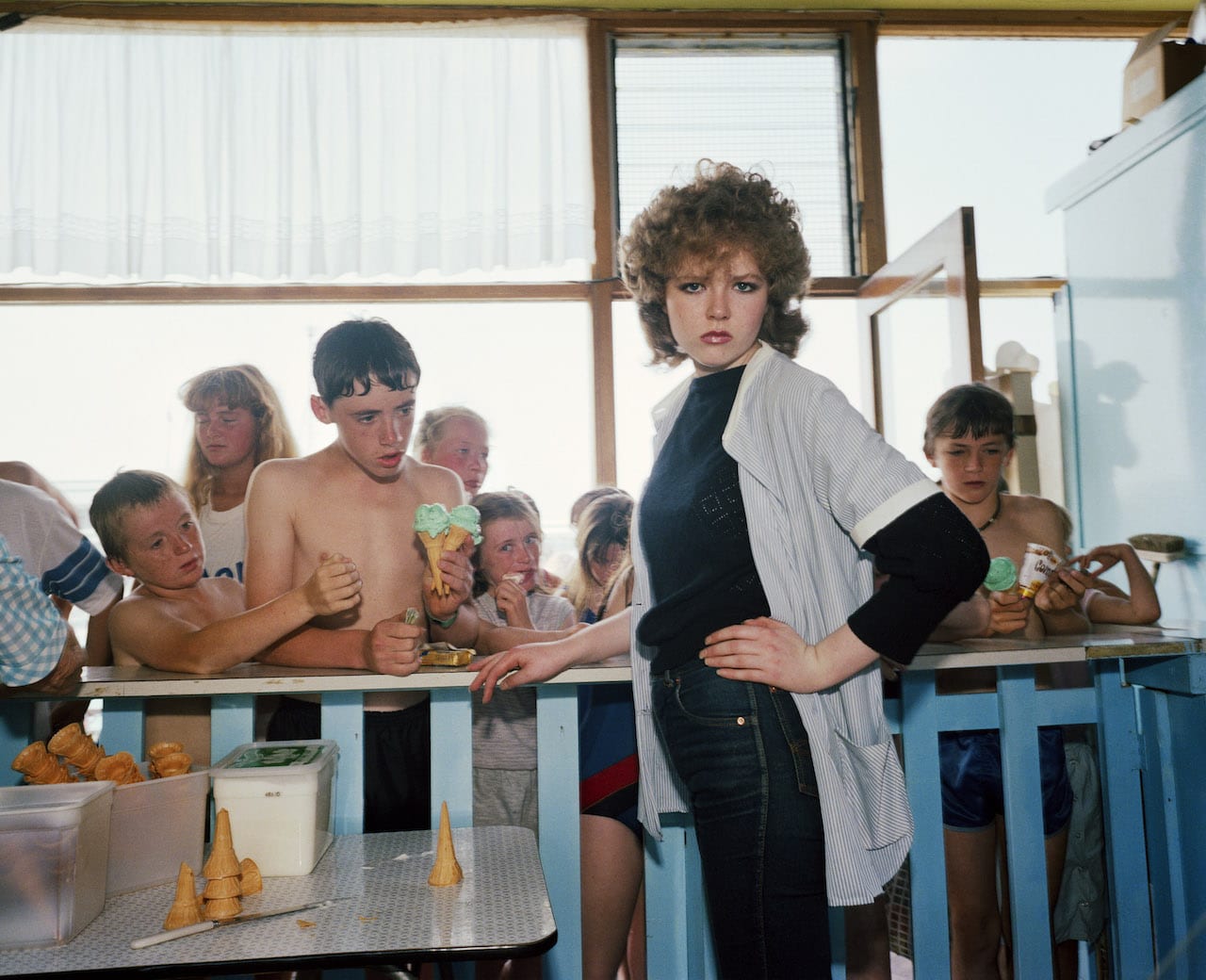
“I was the first to move to New Brighton, and it was by sheer chance,” says Tom Wood. “I studied fine art part-time [a Fine Art Painting BA at Leicester Polytechnic], then went back to the car factory where I had worked before. Then I found a job as a photo technician at the poly [now Wirral Metropolitan College, where he went on to teach], and we moved there in September 1978.”

Thus began a golden age for photography in New Brighton, which lasted until 2003 when Wood moved to his current home in North Wales. In the intervening 25 years, Ken Grant also lived in New Brighton from 1992-2002, studying for a spell at Wirral Met, and Martin Parr was based just 20 minutes away from 1982-1985. Between them the three photographers created a huge body of work on the seaside town, which is based just across the River Mersey from Liverpool in North England.
12 July 2018

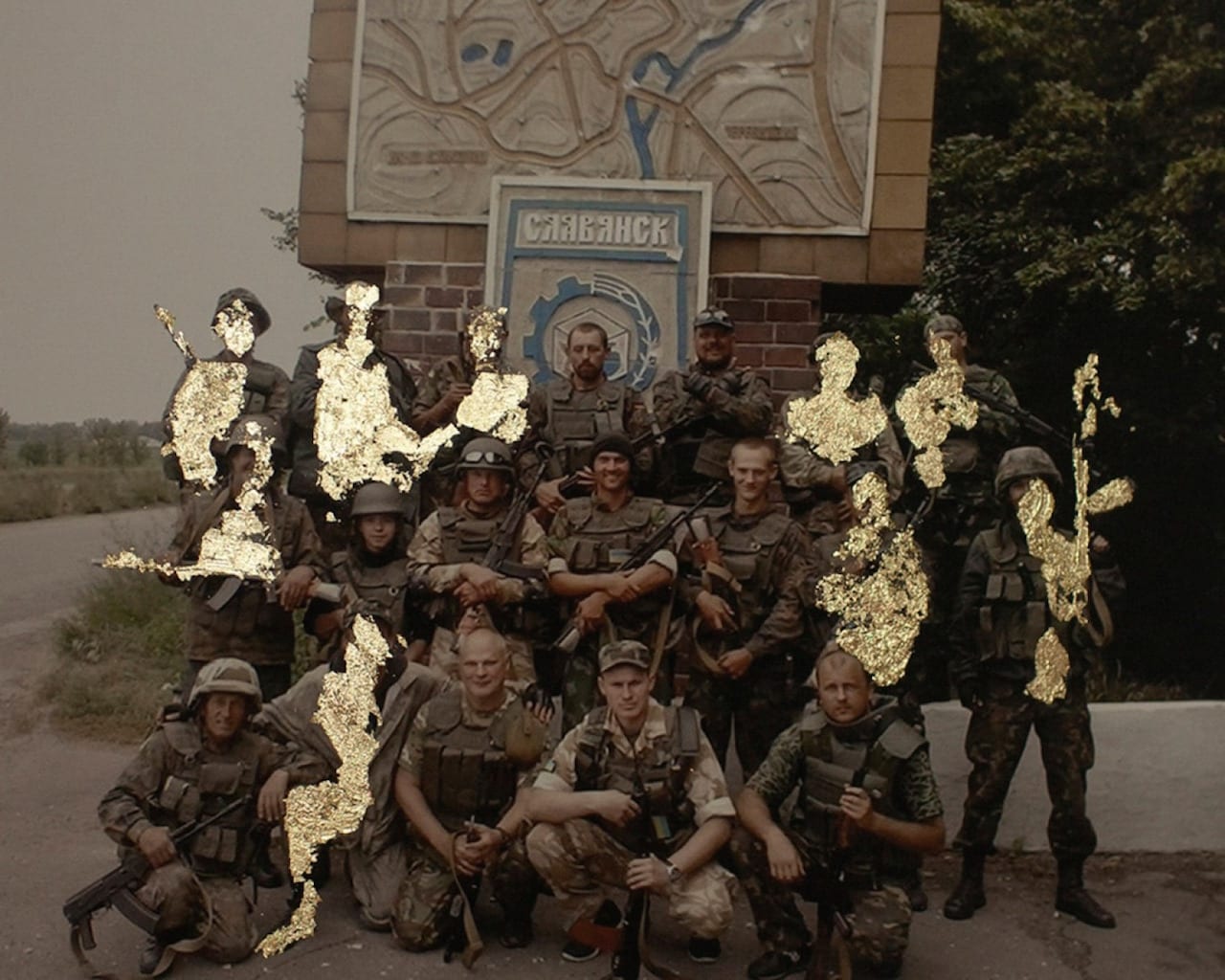
Arles: Wiktoria Wojciechowska’s Sparks from Ukraine

When Polish photographer Wiktoria Wojciechowska first heard about the ongoing Ukrainian conflict she was in China, shooting a project titled Short Flashes, which went on to win the 2015 Leica Oskar Barnack Newcomer Award. “I was cracking the internet but everything was so blocked I couldn’t get any information,” she says. “I was asking all my friends, then I realised not many people knew about it, even though it’s so close [as Ukraine borders Poland]. I was really inspired to go by fear, by wondering how I would react if the same thing happened in my country.”

9 July 2018

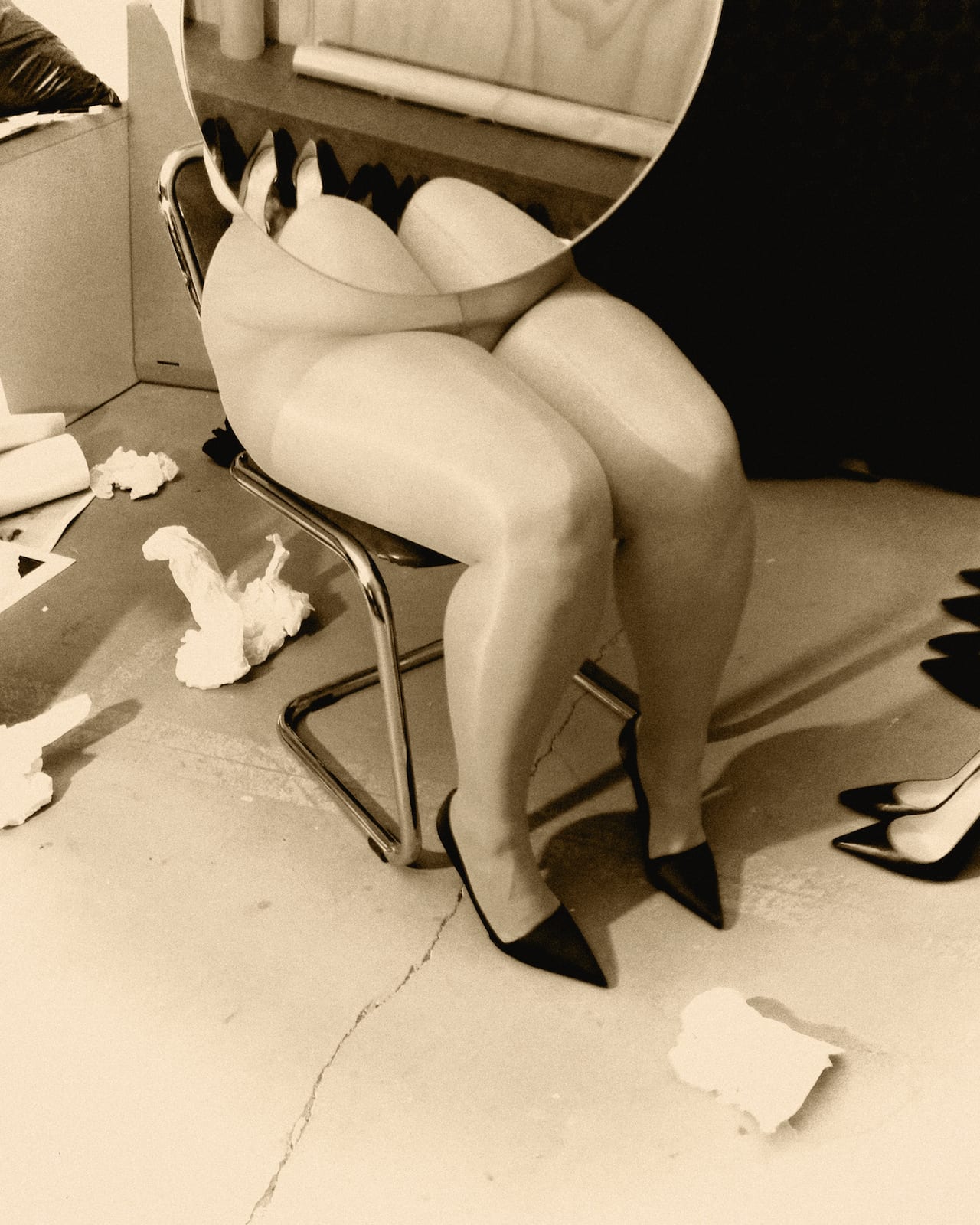
Photography and voyeurism in Paul Kooiker’s Nude Animal Cigar

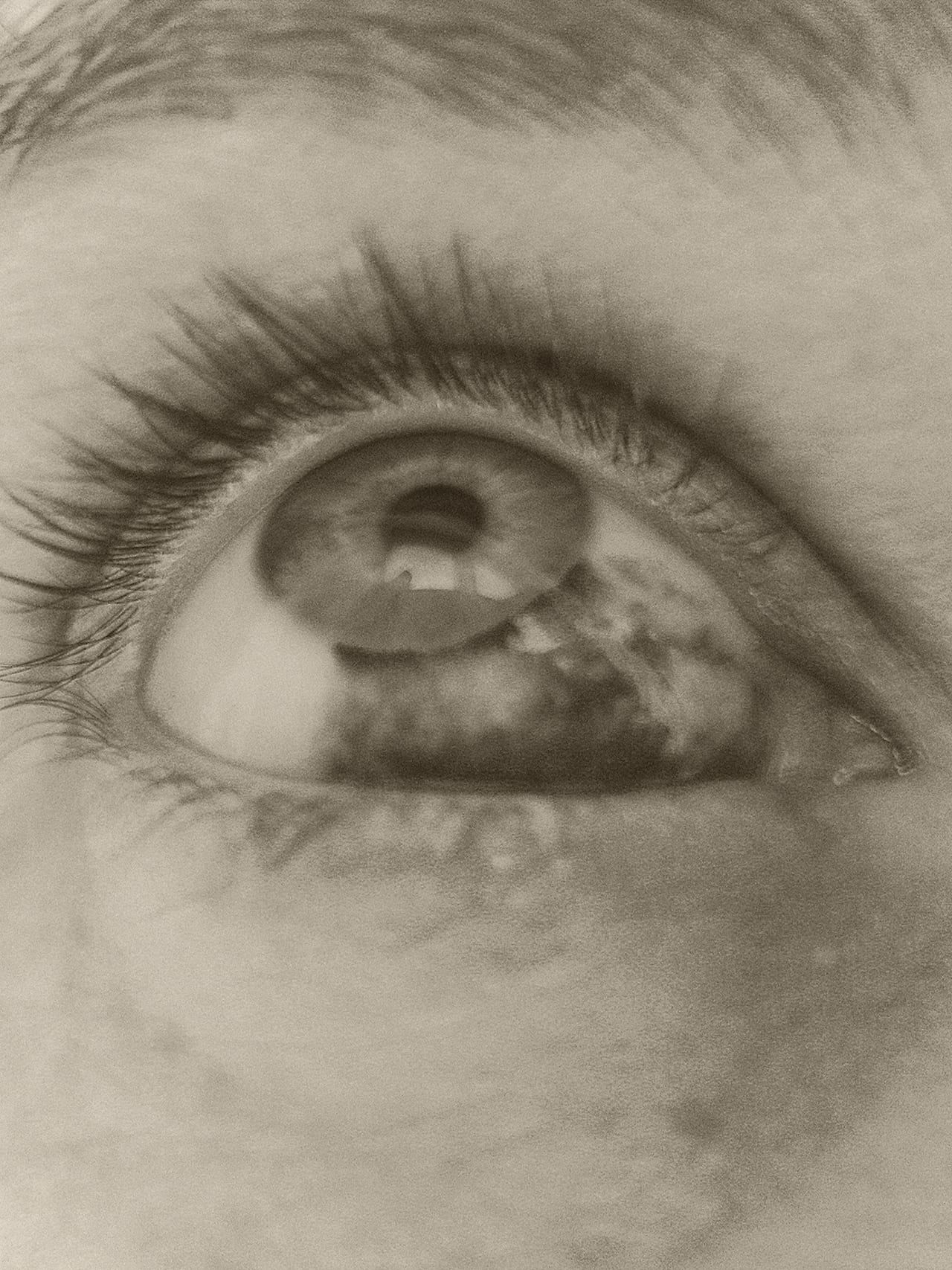
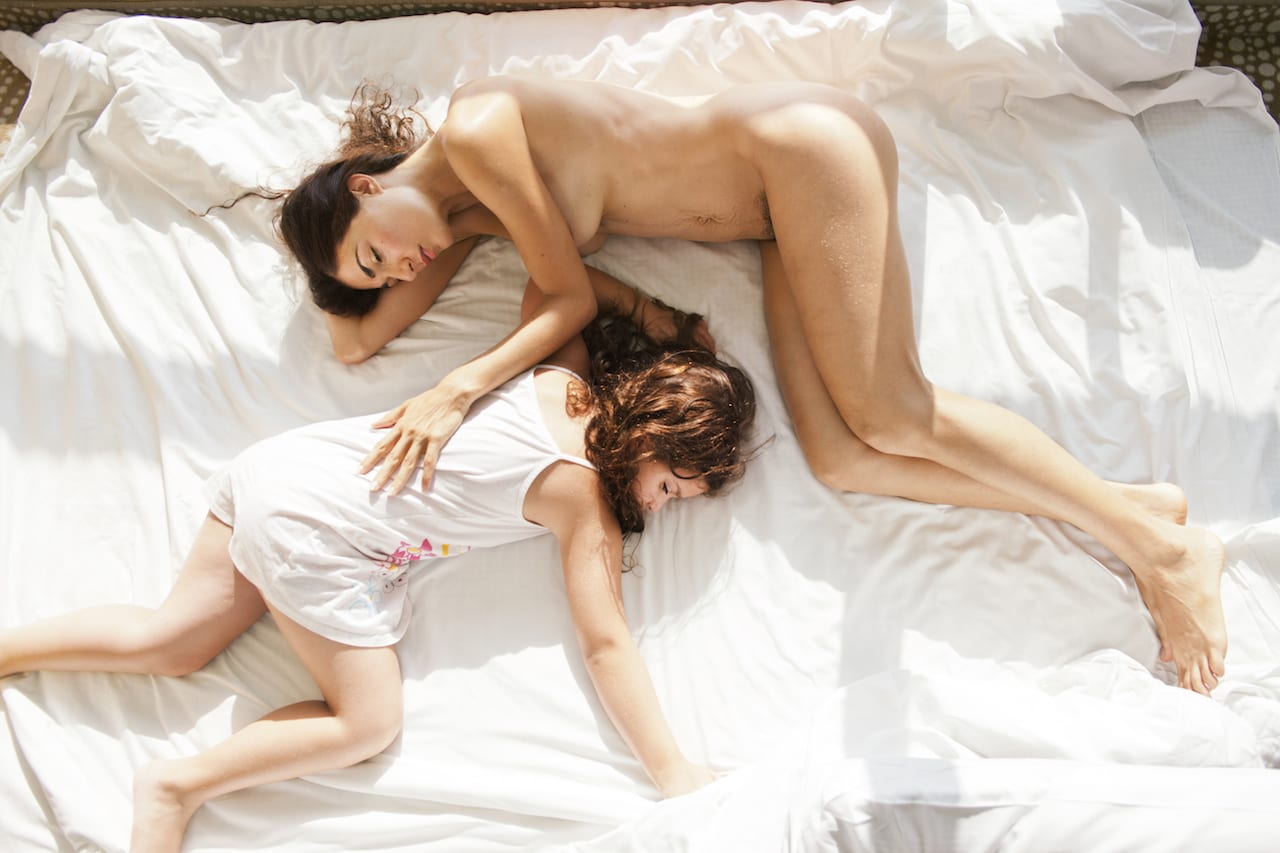
Paul Kooiker’s latest photobook, Nude Animal Cigar, is a peculiar hybrid made up of variations on the three themes revealed in the title. It’s as if the weirdest and most beautiful nudes, mournful animals and mysterious still lifes of cigar butts have been picked out from photography’s 176- year history. But although the images look old- fashioned, they have all been made within the past five years by this contemporary Dutch artist. Applying sepia filters to all the images, he lends the series a vintage and melancholy feel, and by virtue of the treatment knits this motley trio of monochrome motifs together.

“My work is successful if it is about looking, and about photography,” says Kooiker in his studio, located in a quiet street on the southern periphery of downtown Amsterdam. “Ultimately, my work is about looking, and looking is the ultimate act of voyeurism. It makes the work accessible, as everybody is able to recognise himself in this act. It also leaves the viewer confused. What I want to achieve is to make the public feel accessory to the images they witness.”

9 July 2018

Paul Kooiker gets a major show at FOMU

Born in The Netherlands in 1964, Paul Kooiker is known for creating unsettling, uncomfortable work. Focusing on themes of watching, voyeurism, and distance, his exhibition at FOMU, Untitled (nude), draws the viewer into a seemingly obsessive world, which shows on everything from nudes to eggs with the same sense of queasy intensity. “Kooiker raises questions,” reads the FOMU press material, “but rarely answers them, so it’s over to you.”

The exhibition is Kooiker’s first major museum show outside The Netherlands, and he’s created a new series specially for it titled Eggs and Rarities. When studying at art school (Koninklijke Academie van Beeldende Kunsten, Den Haag from 1982-1986, then the Rijksakademie van Beeldende Kunsten, Amsterdam from 1990-1992), Kooiker made a photographic ‘encyclopaedia of life”; now, 30 years on, he’s attempting a more comprehensive version.

9 July 2018

Arles: Marina Gadonneix wins the €25,000 LUMA Rencontres Dummy Book Award

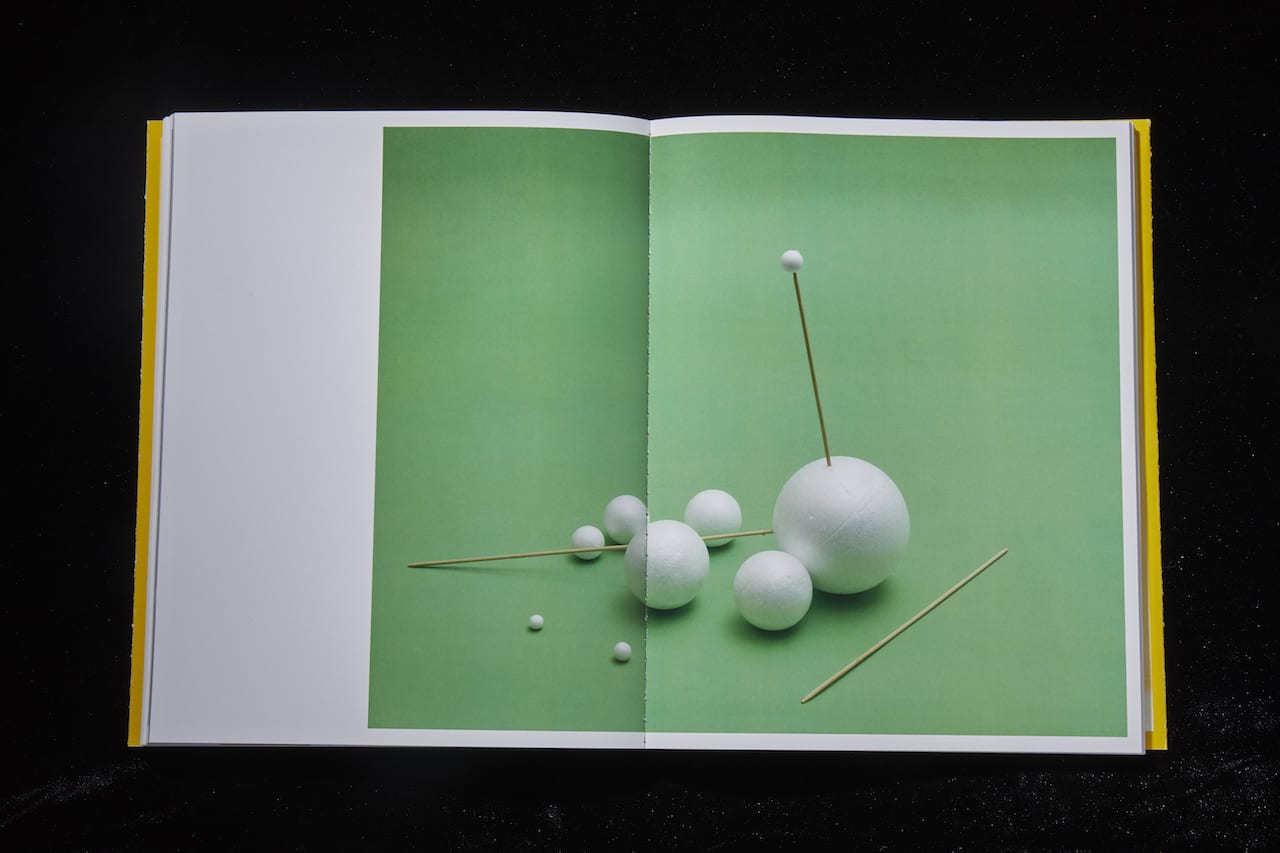
Marina Gadonneix has won the 2018 LUMA Rencontres Dummy Book Award and a €25,000 award to publish her project, Phénomènes. Shot in various laboratories, Phénomènes considers the paradox at the heart of these places – microcosms of larger environments, but microcosms in which nature is strictly measured and controlled.

Born in Paris in 1977 and graduating from the l’École nationale supérieure de la photographie d’Arles in 2002, Gadonneix specialises in creating photographing highly specialised and controlled zones, creating works which “play with the clash of document, simulation and fiction”. Gadonneix won the Prix HSBC pour la photographie in 2006 for a project called Remote Control, a series of empty TV sets.

6 July 2018

Kristine Potter’s portraits of masculinity

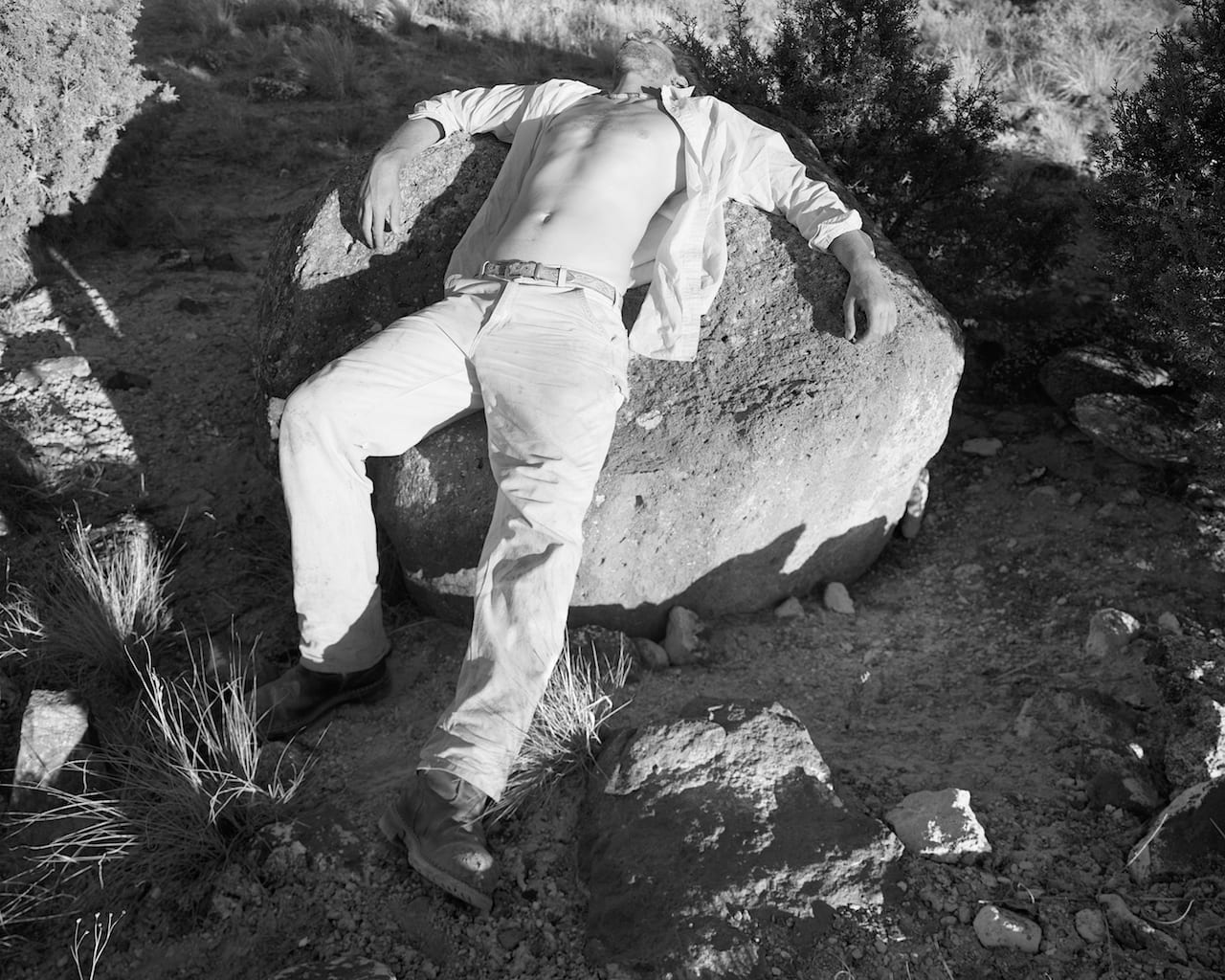
“What’s more American, iconic, and masculine than a cowboy?” asks Kristine Potter. “There is so much control within the military, so I wanted to pivot to a more lawless, unpredictable form of masculinity”.

Coming from a long line of military men on both sides of her family, Potter has long been interested in broadening the spectrum of permissible masculinity. After completing The Gray Line, a project that looks at young male cadets, she started to think about forms of masculinity other than that familiar from her youth.

5 July 2018

Arles: Archive and found photography sweeps the board in the 2018 Prix du Livre

Three winners and one special mention have been announced for the 2018 Prix du Livre at Rencontres d’Arles – and in all four cases, the books use archival or found photography. The Author Book Award went to Laurence Aëgerter’s Photographic Treatment, which is published by Dewi Lewis; the Historical book award went to The Pigeon Photographer, a collection of images by Julius Neubronner published by Rorhof; and – controversially – the Photo-text Book Award went to Adam Broomberg and Oliver Chanarin’s War Primer 2, which was first published by MACK in 2011 but reissued in paperback this year. A special mention went to Giorgio Di Noto’s The Iceberg in the Author Book Award, which is published by Édition Patrick Frey.

4 July 2018

Women lead at the 2018 Cortona on the Move festival

Every year, Cortona On The Move has a focus, and this time it reflects the festival’s mission more directly than before by placing the spotlight on female photographers. “My selection is never a list of ‘favourites’, but rather involves an attempt to listen to what is happening around me, globally, both on a political, social and economic level, as well as in the field of photography itself,” says Rinaldo.

“These past months, women and women’s issues have been at the forefront of discussion in various fields, often in the news and even more on the street – protesting, resisting, demanding. My small contribution to this ‘movement’ is to acknowledge the numerous women photographers who tread the world to tell stories; to give them space and make them protagonists.”

3 July 2018

Nina Berman’s insight into the life of Miss Wish

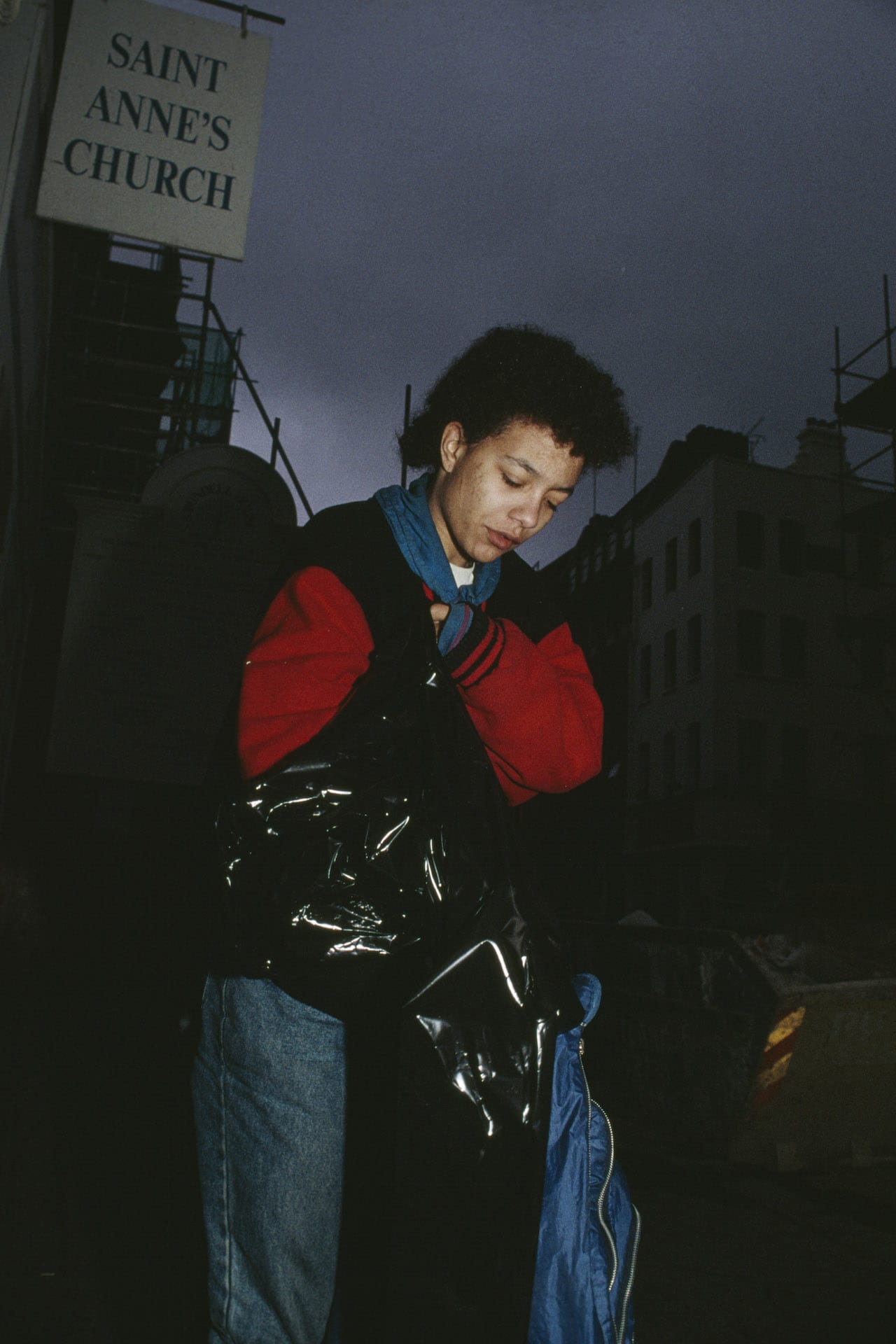
Every so often there is an opus that challenges received wisdom not just on a single subject, but on a range of them. An Autobiography of Miss Wish, the collaboration between Noor photographer Nina Berman and Kimberly Stevens, the protagonist, published by Kehrer, is one of them. The book reads many ways: as a memoir, a commentary on justice systems and social services, an indictment of our disregard for the less fortunate and a reflection on documentary photography.

The hefty volume is, first and foremost, the story of a black woman who once went by the name of Cathy Wish, who Berman met on the streets of London’s West End in 1990 while studying the legacy of Margaret Thatcher’s neoliberal policies. “I noticed her banging on a door, headphones in her ears and cigarette in hand,” the US photojournalist says.

2 July 2018

Arles: Les Rencontres d’Arles 2018 programme

It’s the biggest and best-respected photo festival in the world – it’s Arles and it’s back from 02 July-23 September, with a special opening week from 02-08 July. With the blessing of the French Minister of Culture François Nyssen – who declares that “Arles wouldn’t be Arles without photography” in her welcome to the festival – the 49th year of the festival is lead by director Sam Stourdzé, who took over its organisation in October 2014. As you might expect, the momentous events of May 1968 are commemorated at Arles this year, with a group of exhibitions titled Run Comrade, The Old World is Behind You. Considering events such as the student demonstrations and strikes in France, and the assassination of Robert F Kennedy that year, this section includes shows such as 1968, What a Story! which uses previously unseen images from police archives, Paris Match and Gamma-Rapho-Keystone. Elsewhere Arles looks to the future with a group of shows titled Augmented Humanity which includes work by Cristina de Middel & Bruno Morais, Matthieu Gafsou and Jonas Bendiksen; and in the Emergences section, which includes the ten photographers included in the New Discovery Award this year.

2 July 2018