
Photobook

Te ahi kā: The Fires of Occupation

When the Treaty of Waitangi was signed in 1840, most of the land in New Zealand belonged to the Māori tribes. The treaty prevented the sale of land to anyone other than the Crown, and was intended to protect the indigenous people against other European colonial forces. But within a century, the Crown had either bought, occupied, or outright confiscated huge portions of the country, leaving the Māori with only a few pockets of their sacred land.

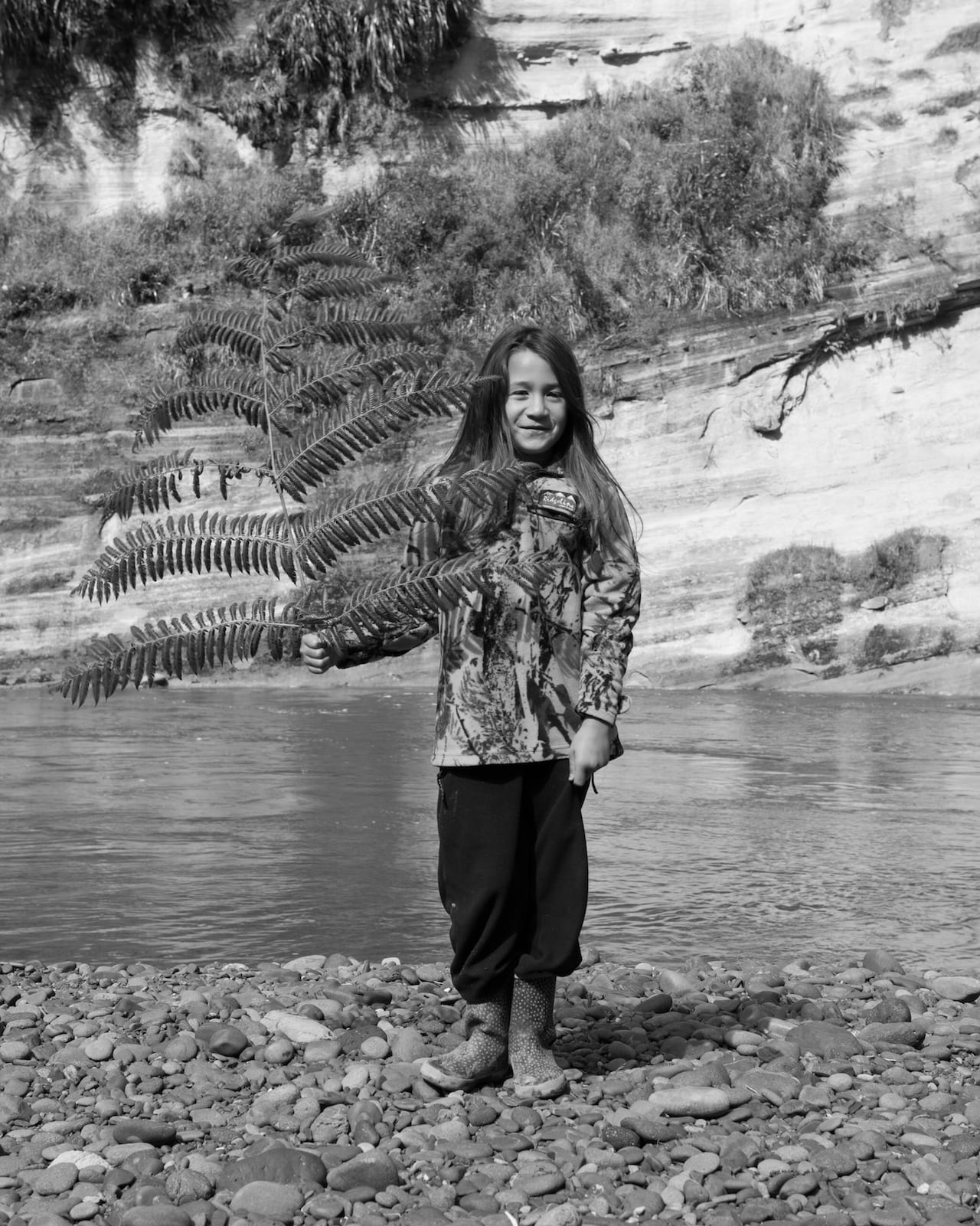
The Whanganui river is New Zealand’s third longest river, home to the Whanganui tribes and seen as both their ancestor and source of spiritual sustenance. The land surrounding the river was once one of the most densely populated areas in New Zealand. But with the arrival of colonial settlers, it became a major trading post.

On 15 March 2017, after 140 years of negotiation – New Zealand’s longest-running litigation – the Whanganui river was granted the same legal status as a human being, meaning it would be treated and protected as an indivisible whole. Hundreds of members of Māori wept with joy as the lifeblood of their tribe, from which they take their name, spirit and strength, was given recognition as one of their ancestors.

16 October 2018

Alec Soth on his classic photobook, Niagara

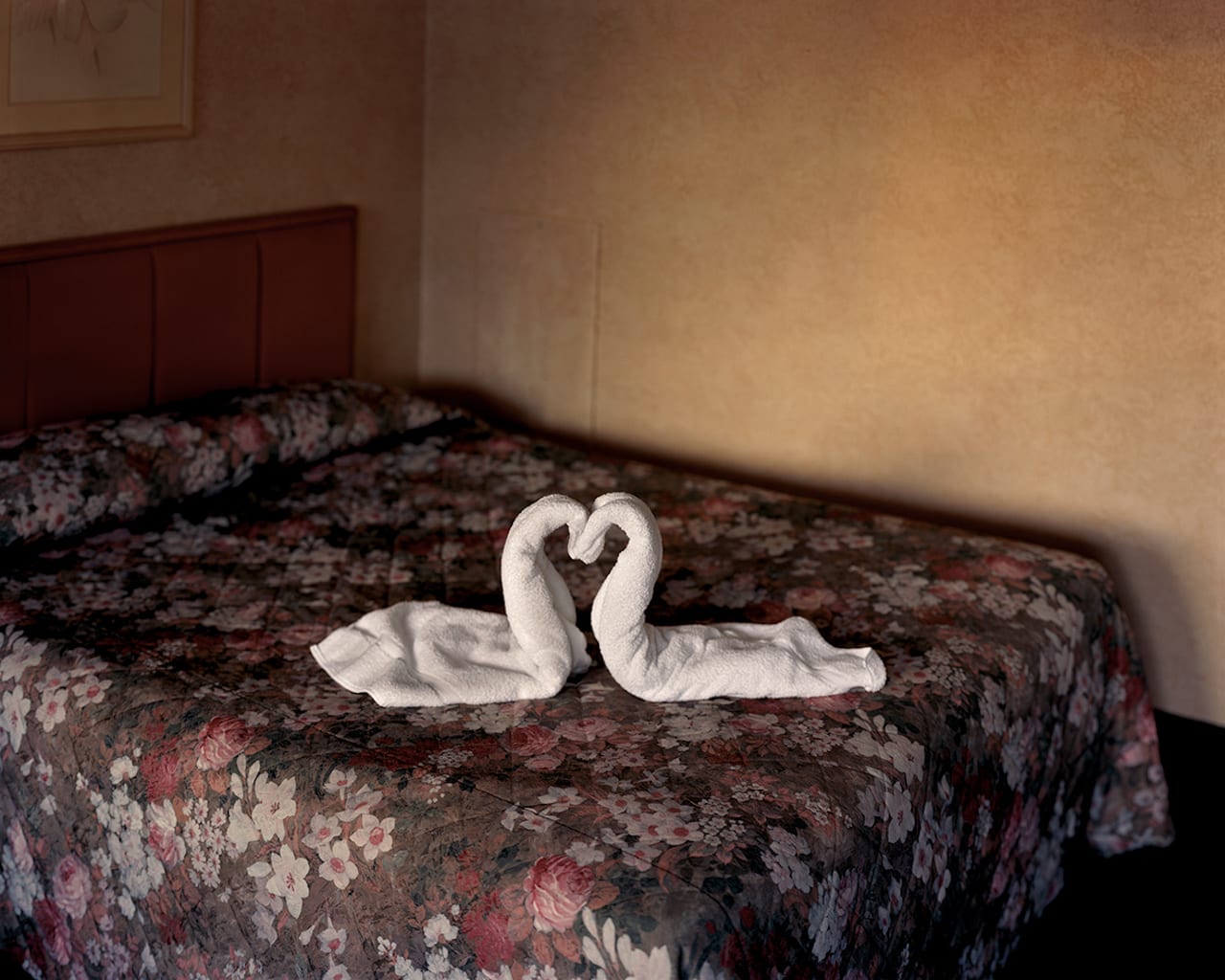
Alec Soth’s first book,  Sleeping in the Mississippi, was so sweeping in its epic statements, it seemed that Soth had nothing left to photograph. What could he do next? The answer is Niagara, a portrayal of the town that has traditionally been the romance capital of North America. In Niagara, Soth sets out to capture the grand passion of life, to do for love and marriage what Sleeping in the Mississippi does for the American Midwest.

“Niagara is part of American mythology. It’s a place of romance, where people go to get married,” says Soth. “But when I got there my view of the place totally changed. The American side is economically devastated. It’s bleak.” As Mack Books republishes Alec Soth’s classic book, BJP revisits our review first published in 2006

16 October 2018

Lviv – God’s Will by Viacheslav Poliakov

A white painted stone sits atop a pile of concrete from a fallen telephone pole. A seemingly random assortment of rubble, it has in fact been gathered to fasten a manhole cover in place. During a period of particular hardship in Ukraine in the 1990s, manhole covers were often stolen and sold for scrap metal, leaving dangerous open holes in the road. This makeshift device, erected over time out of miscellaneous materials, is one of the objects in Viacheslav Poliakov’s Lviv – God’s Will, a taxonomy of the “unexplored field of accidents” that make up his surrounding urban environment.

15 October 2018

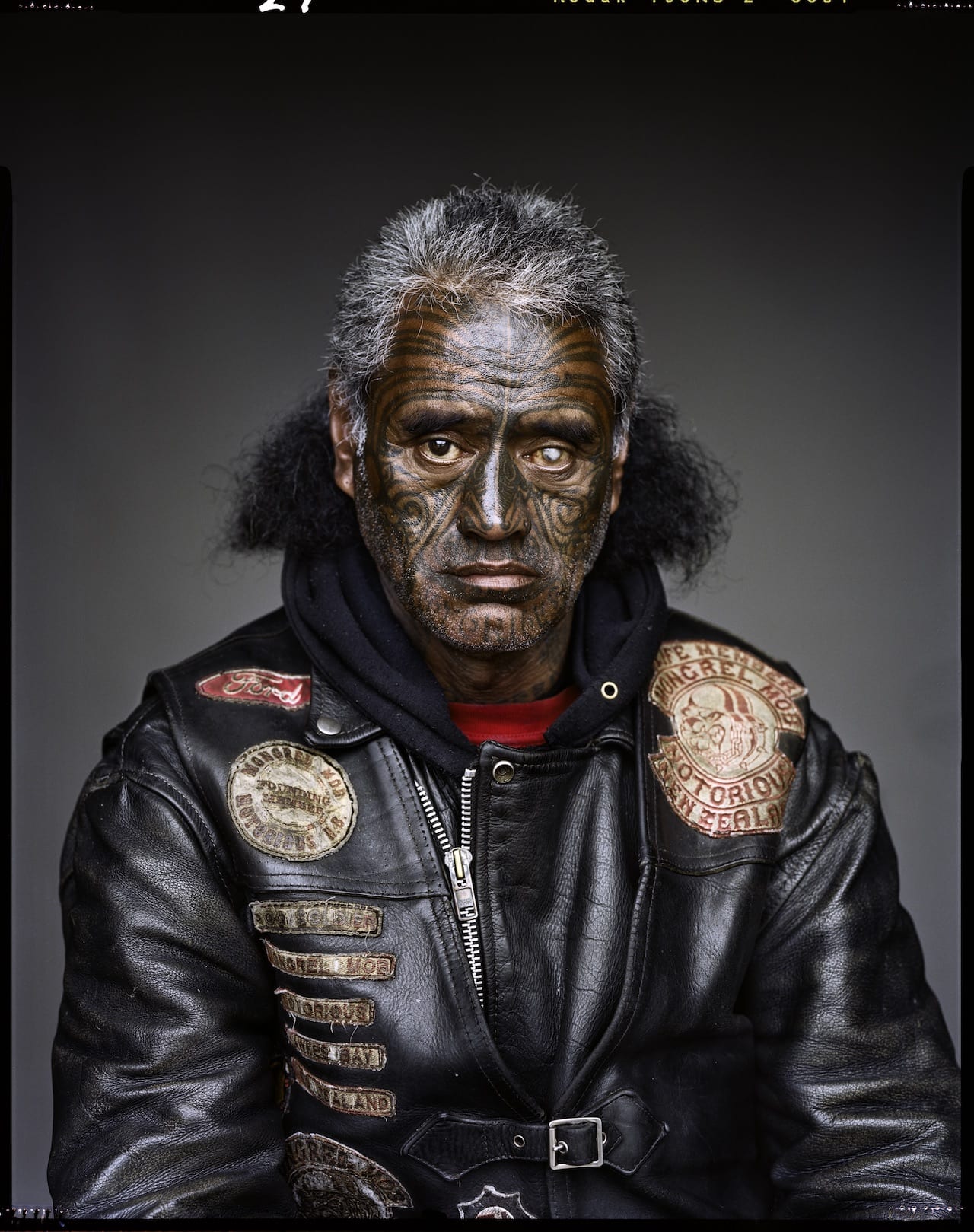
New Zealand’s Mongrel Mob gang, photographed by Jono Rotman

Arresting. Exquisite. Gripping. Chilling. Disgraceful. Unacceptable. These are all words people have used to describe portraits made by Jono Rotman. Created over the last decade, his project Mongrelism presents an intimate look at members of the Mongrel Mob – New Zealand’s largest, most notorious gang. Though he is looking at a subculture as an outsider – a domain regularly mined by photojournalists – Rotman eschews a traditional documentarian approach to his subject matter. In so doing, the project’s scope extends beyond the Mob itself to touch upon issues related to New Zealand’s charged colonial past and self-professed biculturalism, the politics and ethics of portraiture, and the intersections of seemingly disparate human experience.

The New Zealand-born photographer explains that since childhood, “I always felt certain violent and uneasy forces within my country”. In Lockups (1999-2005), Rotman photographed the interiors of prisons and psychiatric hospitals throughout New Zealand, exploring the medium’s ability to convey the fraught “psychic climate” embedded in these state-controlled institutions. The works are eerily devoid of people, a deliberate decision made, says Rotman, “because I wanted to encourage a direct, personal interaction with the spaces. With prisons, for example, as soon as you introduce people into the picture, it becomes easy to think, ‘Here’s the storyline: this place is for those sorts of people. And I can fit it all into my established worldview’.”

12 October 2018

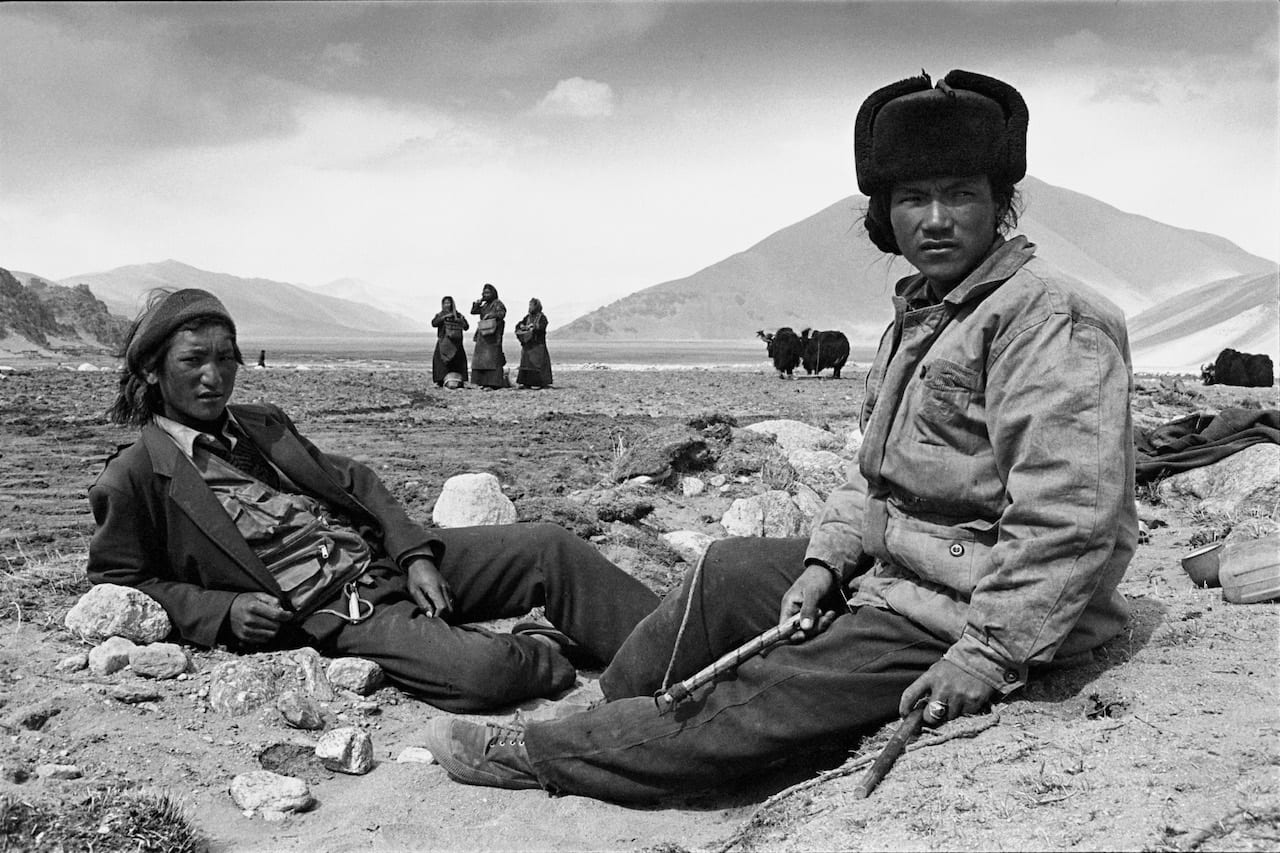
Lu Nan’s insights into China – and life

“In 15 years, not a day went by when I didn’t question my own work,” says Chinese photographer Lu Nan, in an interview included in his new book Trilogy. “That’s why I scrutinise what I was doing by means of reading. This mode of assessing action through thought and assessing thought through action helped me to complete these projects. 

“The trilogy is concerned with human beings. I hope that by looking into real life, I’ll find something fundamentally and enduringly human.”

Lu Nan isn’t well known outside China but this book, his first in English, should change all that. It collects together three projects he shot over 35 years – The Forgotten People, a look at the lives of Chinese psychiatric patients, shot from 1989-1990; On the Road, a look at the lives of Catholics in China, shot from 1992-96; and Four Seasons, a look at the lives of rural Tibetans, shot from 1996-2004.

11 October 2018

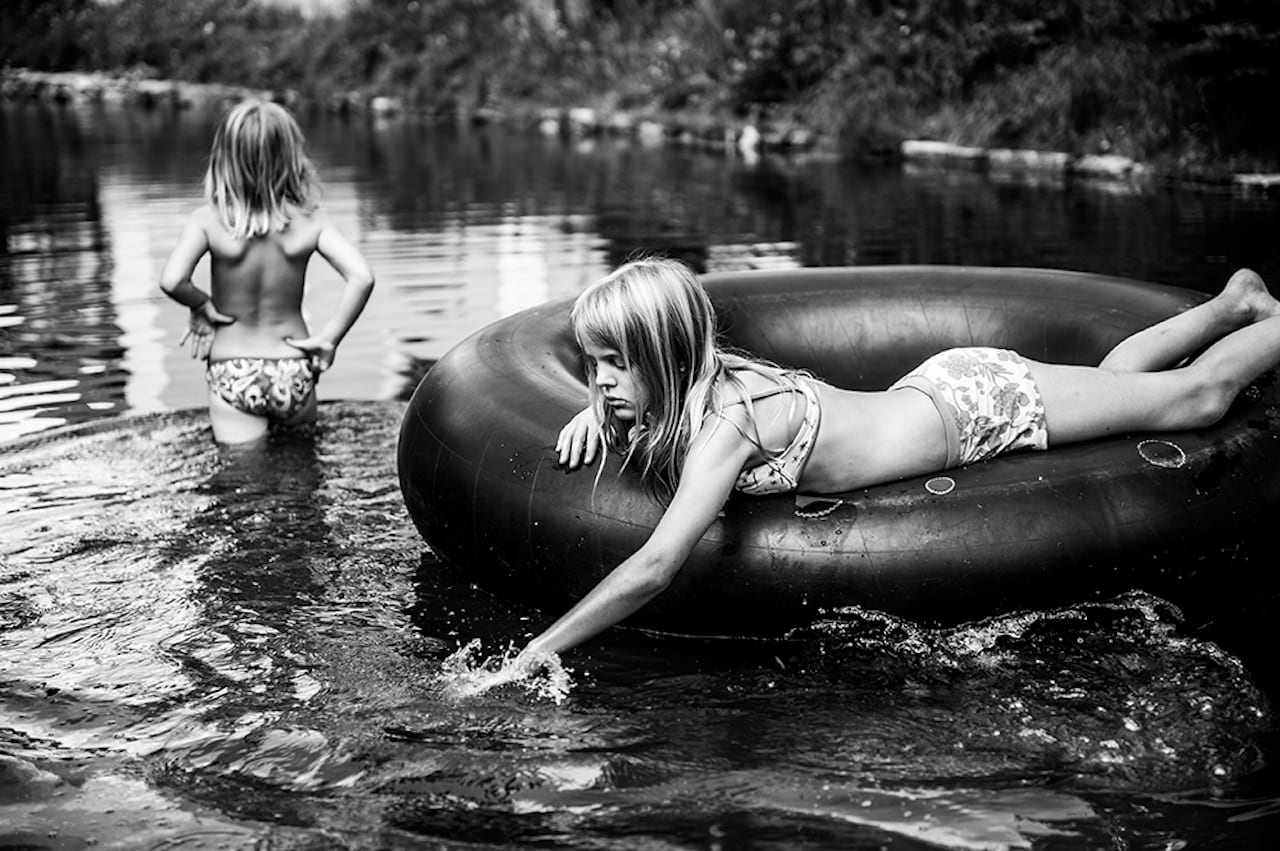
Carla Kogelman’s vision of childhood

Merkenbrechts is a small, rural village in Waldviertel, Austria, with a population of 200. It has a fire station, a church, and a large stretch of water where the village’s 35 children spend their summers swimming, climbing trees and playing hide and seek.

Carla Kogelman originally visited the area in 2012 while working on a documentary about the region for a commission. During her stay she met Sonja and Roman Liebhart, who invited her to come and photograph their children on their farm in Merkenbreacht.

Visiting the village, Kogelman found its residents were very conscious of how they produced and consumed resources. They powered their homes using solar panels, resisted using chemicals on their crops, and had community gardens in which children could learn to grow their own vegetables and herbs. “People over there, they just care about the soil, about the earth, about each other and the animals,” she says.

9 October 2018

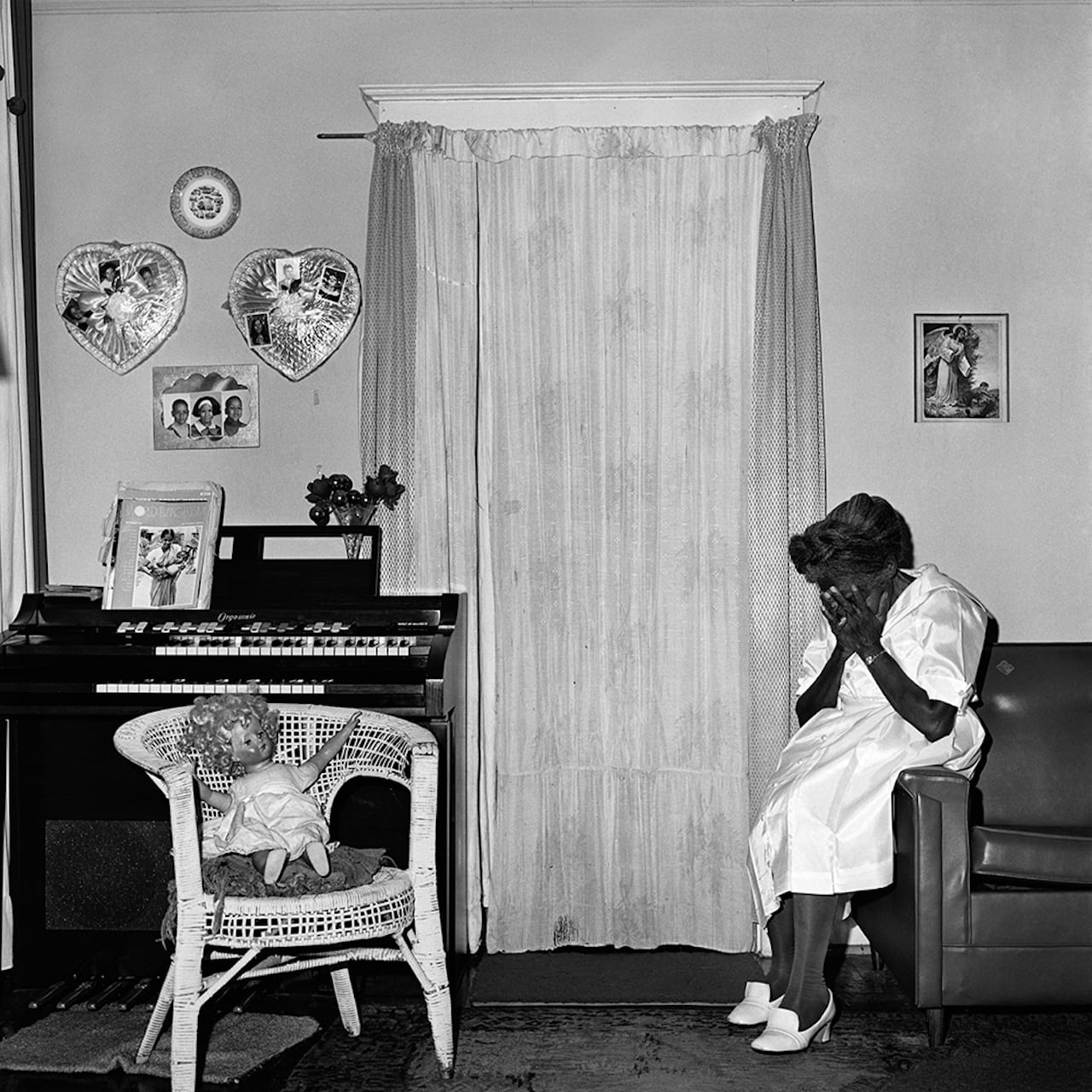
Race, segregation and violence in Rosalind Fox Solomon’s Liberty Theater

Between 1930 and 1964, Liberty Theater was the name of a non-whites only cinema owned by Rosalind Fox Solomon’s family in Chattanooga, Tennessee. “There was an irony in the name. I chose Liberty Theater as the title of this book because of its multiple meanings,” she says. “In a broader context, the title relates to performance and pretence in the theatre of life.”

The photographs Liberty Theater collects together were taken through the 1970s to 90s in the southern United States, and have never before been published as a group. From Georgia to South California, through Mississippi, Tennessee and Louisiana, Solomon captured the complexity of race, class, and gender divisions.

“I had no idea that photography would change my life,” says Solomon, who began photographing when she was 48, after graduating from college, getting married and raising two children. In 1977 she moved to Washington DC, where her husband worked for the General Services Administration, and visited New York City to study privately with Lisette Model.

8 October 2018

Q&A: Adrian Samson shoots for Frieze Art Fair

Born in the Eastern Bloc, Adrian Samson has lived in the US and Canada but is now based in London, where his appealing, contemporary work has won him commissions from clients such as Hermes, Miu Miu, COS, Vogue Hommes International, Numero Berlin, Wallpaper*, The Plant, The Gourmand, and The New York Times. His latest project is a shoot for the Frieze Art Fair, which opens in London from 04-07 October, and which saw him handling ancient and modern artefacts taken from the Frieze Masters section. His images will be presented in Frieze’s newspaper for its well-respected event, which includes a talk by Nan Goldin on 06 October and a presentation of work by emerging Polish photographer Joanna Piotrowska.

3 October 2018

One to Watch – Sebastián Bruno

After the economic crisis in Argentina in 2002, Sebastián Bruno’s family moved to a small town in Castilla La Mancha in central Spain. It was then that the photographer decided to re-read Don Quixote, the iconic 17th-century novel about a traveller who slowly converts from hero to bandit. The tale was foremost in Bruno’s mind when he returned to the region years later to retrace the 2500km route of the fictional legend, while studying for a BA in Documentary Photography at the University of South Wales in Newport.

“I thought it was a beautiful metaphor to re-interpret,” he says. “I was walking, cycling and hitchhiking, but no one ever really stopped. The landscape was very flat, the sun was hot and there was not a single tree to hide under.”

3 October 2018