

When Michelle Sank approached young people on the streets of Sandwell, asking to take portraits…

When Michelle Sank approached young people on the streets of Sandwell, asking to take portraits…
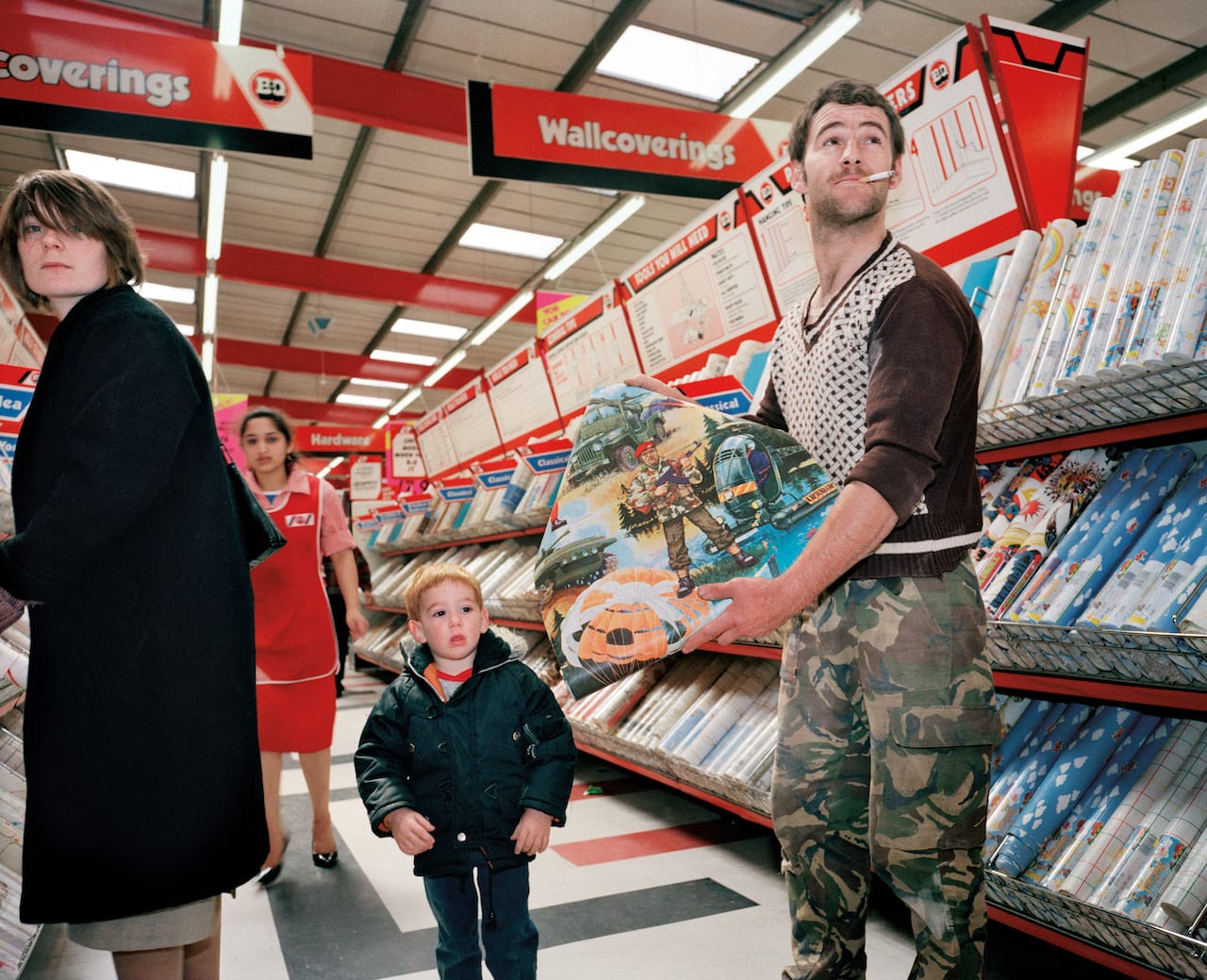
If you don’t get the reference, it’s a curious title for a photobook – Fables of Faubus, the 30-year retrospective by British documentary photographer Paul Reas. But if you’re a jazz fan you’ll know it’s taken from a song by Charles Mingus, written after Arkansas governor Orval Faubus decided to bar the integration of Little Rock Central High School in 1957.
To Mingus, and many others, Faubus stood for a dark force holding back progressive social change. For Reas, the title suggests the metanarrative that runs behind the many stories he’s shot in the UK on heavy industry, consumer culture, the heritage industry, and more – namely, the disenfranchisement of the British working class, “the years of decline of industry and the fall out from that, communities being de-centred and levelled”.
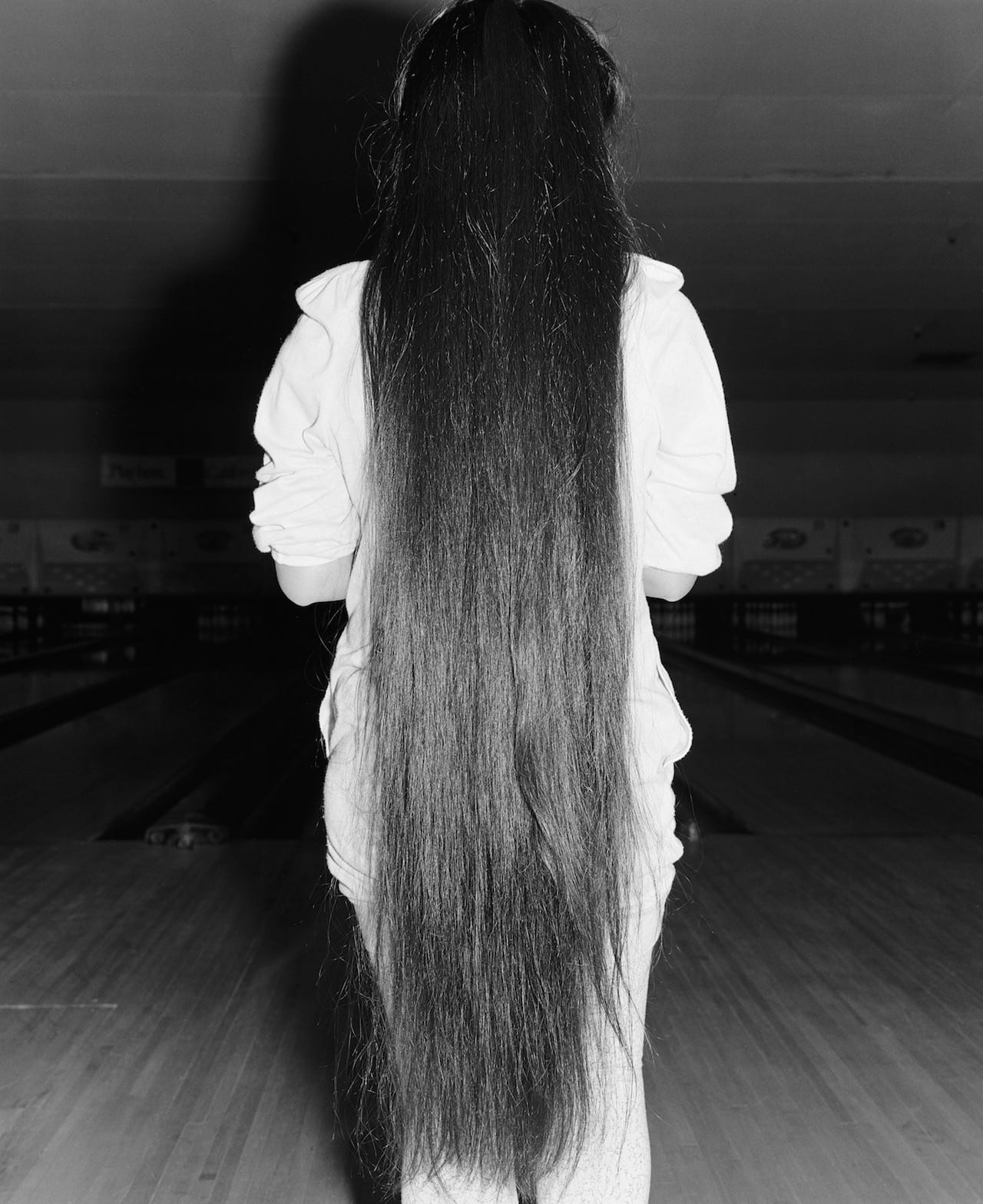
Born in Berkeley but raised in the East Bay suburb of Walnut Creek, Mimi Plumb has been a lynchpin in the network of photographers and educators who keep the region grounded in socially engaged documentary traditions. In her own photography, she has remained close to her roots, shooting long-term projects all over northern California. Many of those projects are only now beginning to see the light of day.
One of the reasons why her archive has lain dormant for so long is that she has been teaching photography most of her adult life at local institutions such as San Jose State University and San Francisco Art Institute, where she herself gained an MA, and which has played a key role in educating many photography students in the region. In 2014, her first body of work, Pictures from the Valley, was exhibited at City Hall in San Francisco. These pictures, taken in her early 20s when she was still a student, were a campaign for trade union rights among the Hispanic field workers of California’s farmlands.
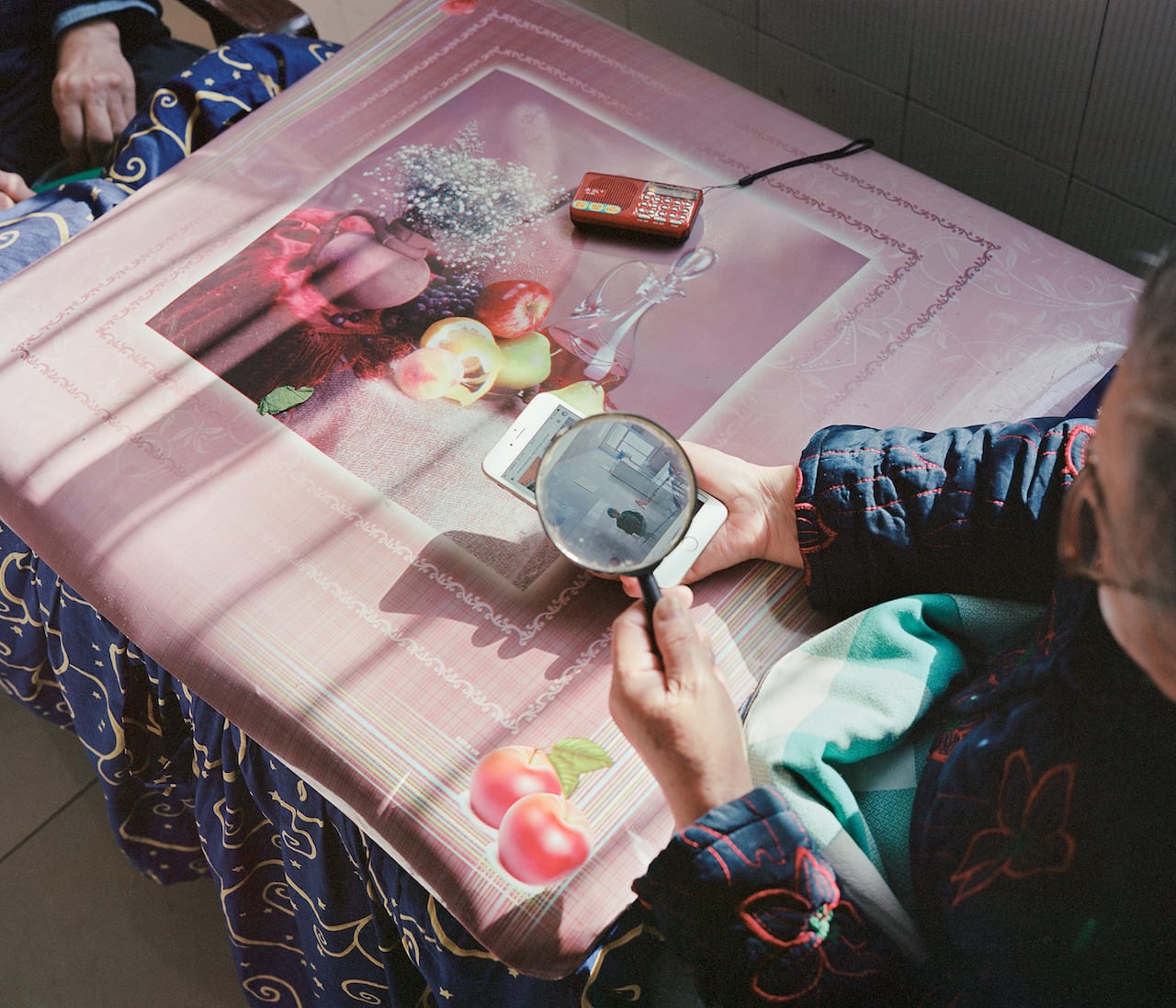
“I like objects that don’t have much of a style. Like patterns in colouring books, clean black lines, and primary colours. Things that aren’t trying to sell you an ideology or concept,” says Peng Ke, who calls from her home in Shanghai, where she has just closed her first solo exhibition in the city, I Have Seen Many People Although They Have Not Seen Me. “Most visual languages are so coded, so if I see things that are almost innocent, they really stand out to me.”
Peng Ke’s exhibition coincided with the launch of Salt Ponds, her first book published by Jiazazhi. The project has been ongoing for five years now, but only became a solid body of work after her friend and graphic designer Pianpian He approached her to collaborate on a book. It began in the cities where Peng’s parents grew up, and quickly expanded to other fast developing, smaller cities in China. Though they are shot hundreds of miles apart, her photographs are anonymous; you can never tell which city she is in. So the project became less about her own hometown, and more about the collective experience of Chinese people who live in these places, “because in a way, everyone comes from the same city”.

Laia Abril, Nina Berman, Sohrab Hura, and Carmen Winant are all in the running for the prestigious Paris Photo/Aperture Foundation Photobook of the Year Award, which will be announced on 09 November at Paris Photo.
In total ten books have been shortlisted for the award; in addition, 20 books have been shortlisted for the First Photobook, and five for the Photography Catalogue of the Year. All the shortlisted books will go on show at Paris Photo and at the Aperture Foundation in New York, then tour to various venues across Europe, as well as being featured in the Autumn 2018 issue of The Photobook Review. In addition the Photobook of the Year winner will receive $10,000.
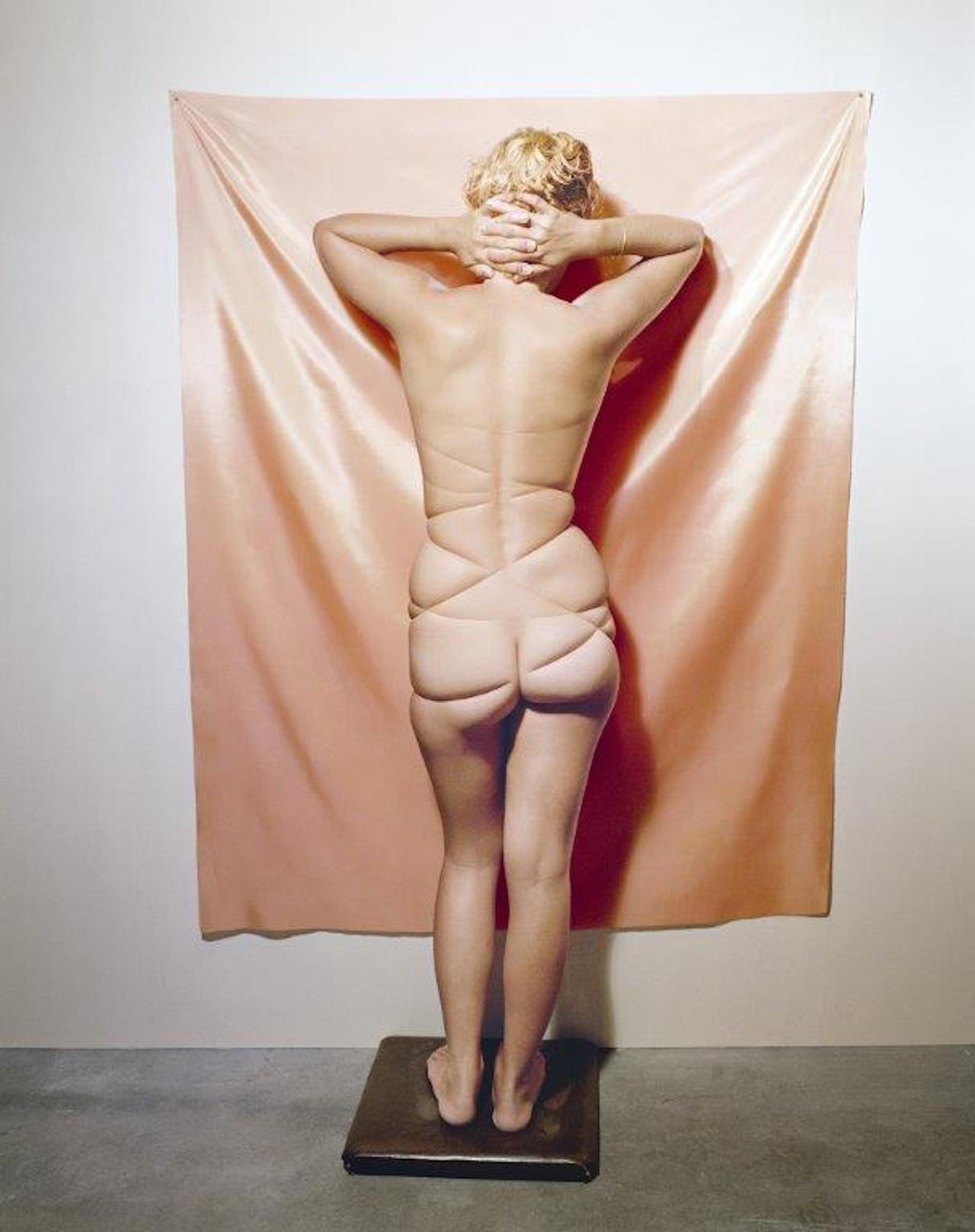
The biggest photo fair in Europe, Paris Photo returns from 08-11 November, with a new section on erotic images, and a walk-through focusing on female photographers.
Curated by Martha Kirszenbaum, curator of the French Pavilion at the 2019 Venice Biennale, the Curiosa sector will bring together intimate images by 13 artists such as Nobuyoshi Araki, JoAnn Callis, and Antoine d’Agata. Kirszenbaum hope to challenge the viewer’s gaze on the fetishised body, and tackle “relations of power, domination, and gender issues”. “There are images not everyone would like to see, which I think is good,” Kirszenbaum told BJP in an article published in our November issue.

In the yearly World Happiness Report, Denmark, along with its Nordic neighbours, continuously ranks in the top three spots. But what is it about the Danes that makes them so happy? “After three years, I still don’t really have an answer,” says Giulia Mangione, whose new book, Halfway Mountain, seeks to uncover this very question. Mangione started the project in 2014, as part of a photography course she was taking in at the prestigious Danish School of Media and Journalism. Her experience as assistant photo editor at Calvert Journal and interning at MACK Books had helped her “develop a taste for documentary photography” and photobooks, she says, and, after showing a dummy of her project to Corinne Noordenbos – a celebrated educator and former tutor of contemporary photographers such as Rob Hornstra and Viviane Sassen – she decided to expand on it.
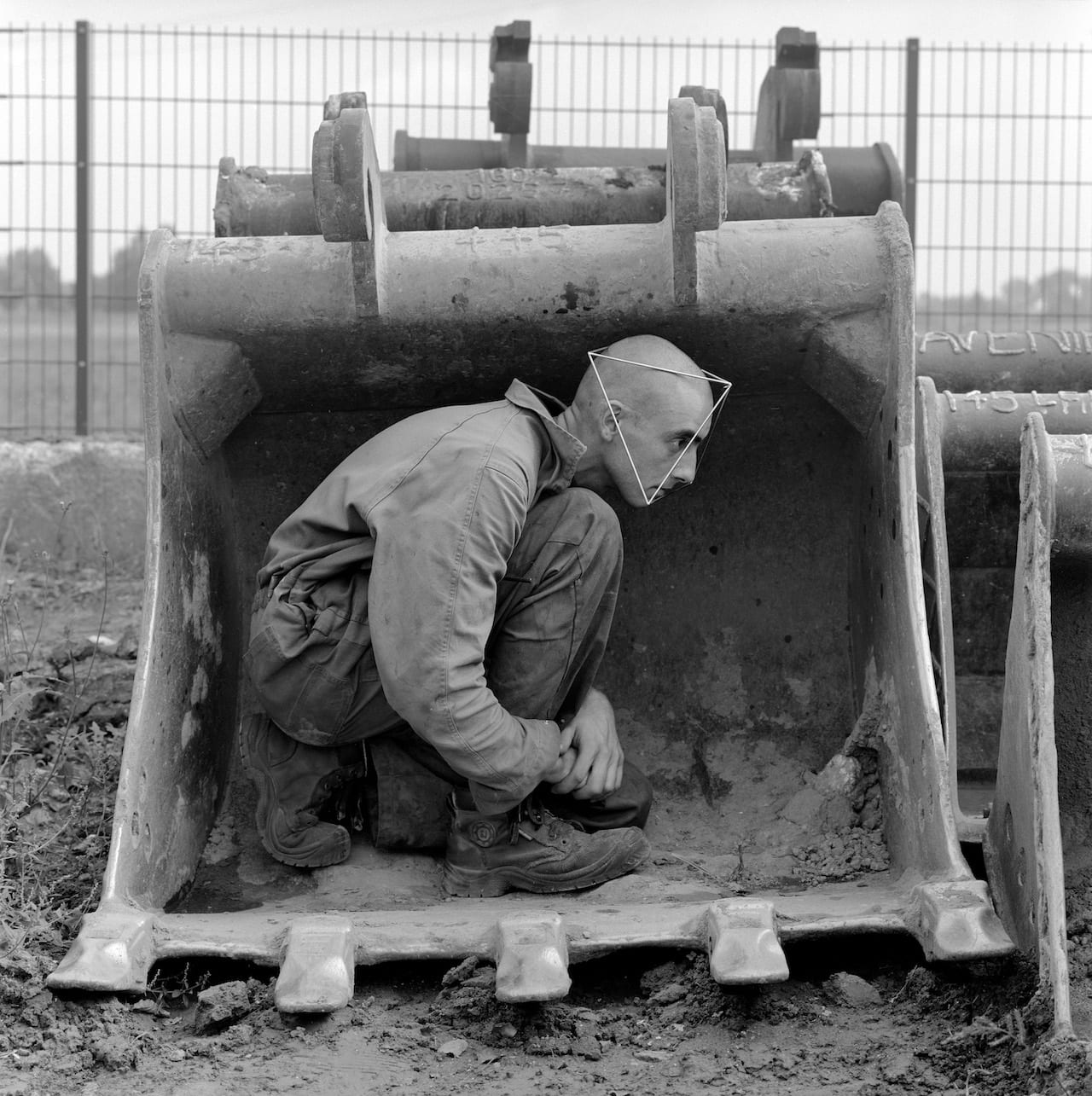
In 2017, Brian Griffin was invited to undertake an artist’s residency in Béthune-Bruay, northern France. Griffin, who is one of the most prominent British photographers of his generation, was initially selected because of the links between this region and his native Black Country, Midlands – both in terms of landscape and industrial heritage. But Griffin soon had other ideas, drawn from the fact that Béthune-Bruay was just ten miles from the Western Front during World War One. “I’m just a basic Black Country boy and I do make some obvious decisions, which do many times turn out to be fruitful,” he says. “So I decided to focus on the First World War.”
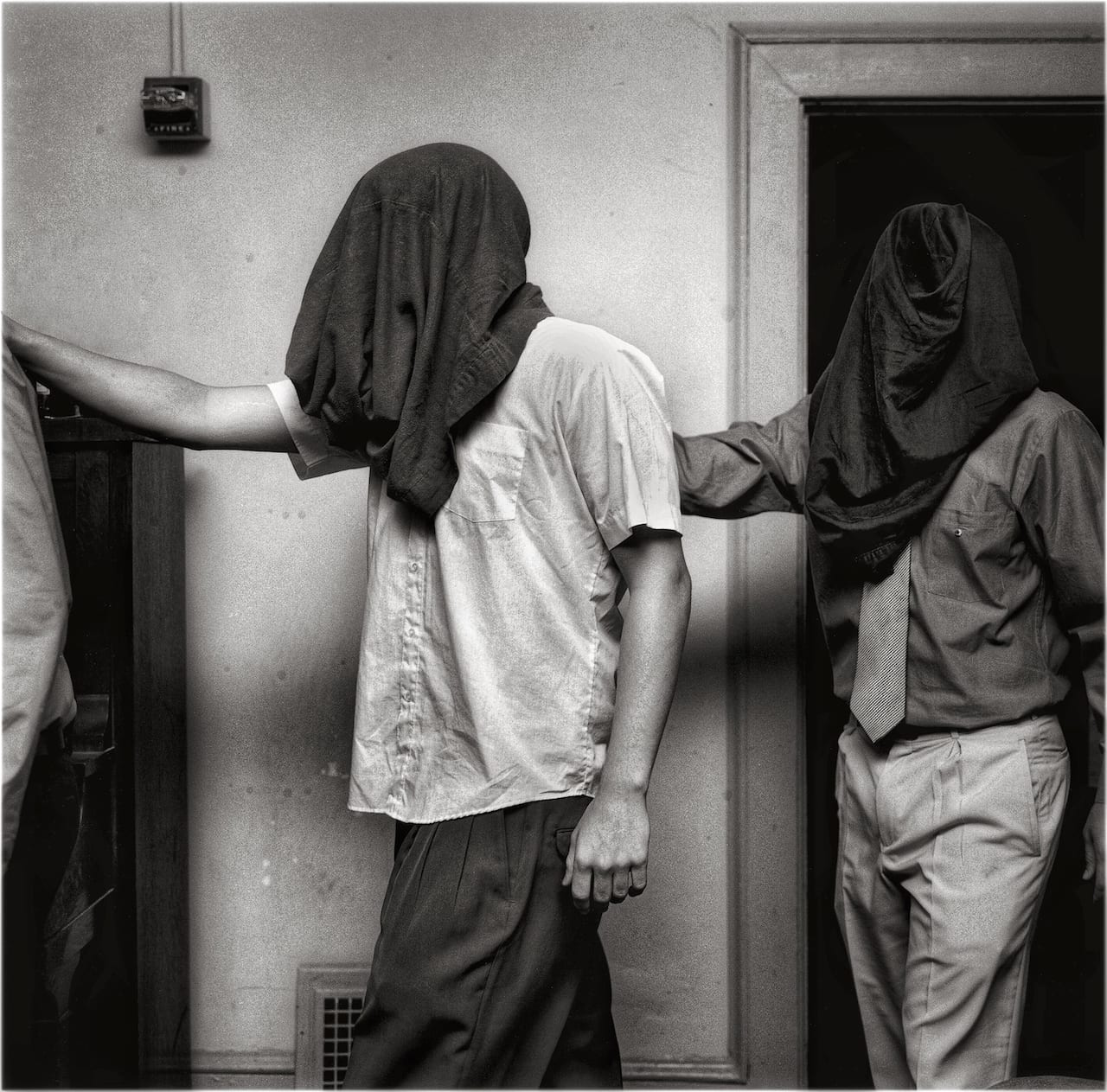
“I’ve waited a long time to bring this book out and between Donald Trump and #MeToo, I don’t see how it could possibly be a better moment,” says Andrew Moisey from his office at Cornell University, New York, where he is an assistant professor in art history and visual studies. The book, The American Fraternity: An Illustrated Ritual Manual, is published by Daylight, and is looks at the secretive, ultra-masculine worlds of the fraternity houses that dominate US university life.
The image we now have of fraternities is very different from how they were when they first set up in the late 1700s. The initial male collegiate organisations were literary societies, where university students gathered to debate politics. Many had mottoes and names in Greek lettering, such as the first and perhaps more poignant Phi Beta Kappa in Williamsburg, Virginia.
Over the years these gave way to social societies in more universities around the US, recruiting members according to their race, religion and social status. Their exclusivity, need to differentiate and tradition of privacy were traits that gradually reached extremes in the modern day, and have now earned them a reputation of encouraging misogyny, bullying and elitism.
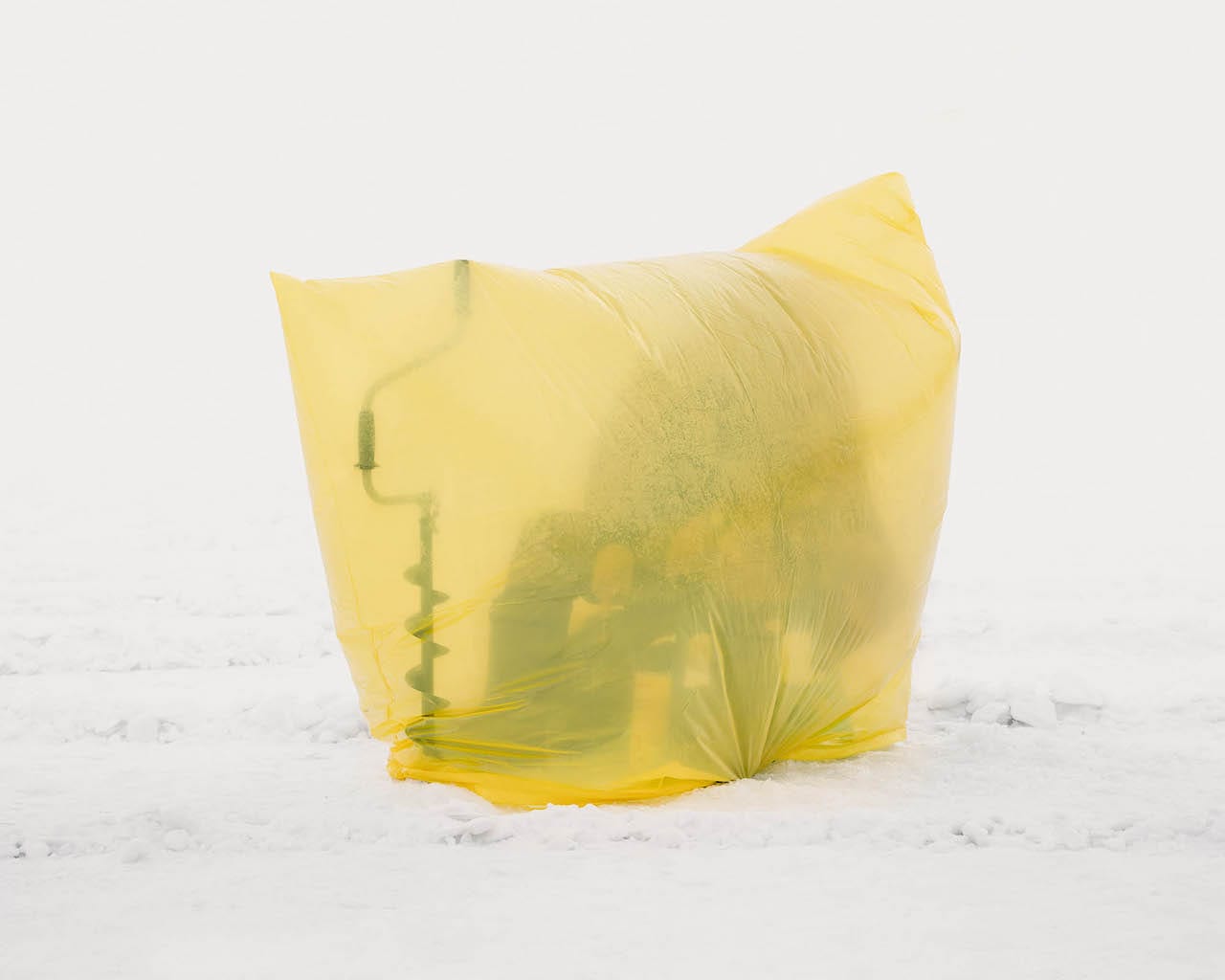
During the winter months in Kazakhstan’s capital city, Astana, fishermen park up on the frozen Ishim river, hoping for a bite beneath the ice. The tradition goes back for generations, back to when Astana was a small rural farming village, not the high-rise, futuristic city it is today.
When the country was part of the Soviet Union, fishing equipment was standardised and sold only at government-run hunting shops. But since the collapse of the USSR in 1991, the fishermen have been constructing their own customised fishing tents, sewn together out of plastic packaging found in the city’s markets.
Aleksey Kondratyev’s new book, Ice Fishers, examines the use of this salvaged material, mostly originally used to import Western, Chinese, and Russian goods, as a means of protection against the harsh weather conditions. Kondratyev, who has lived in America for most of his life, but is originally from Kyrgyzstan, first saw the fishermen when he travelling through Central Asia in 2015 for his project Formations. “I wasn’t sure what they were, but as I got closer I could make out what was going on,” he says.