
Photobook

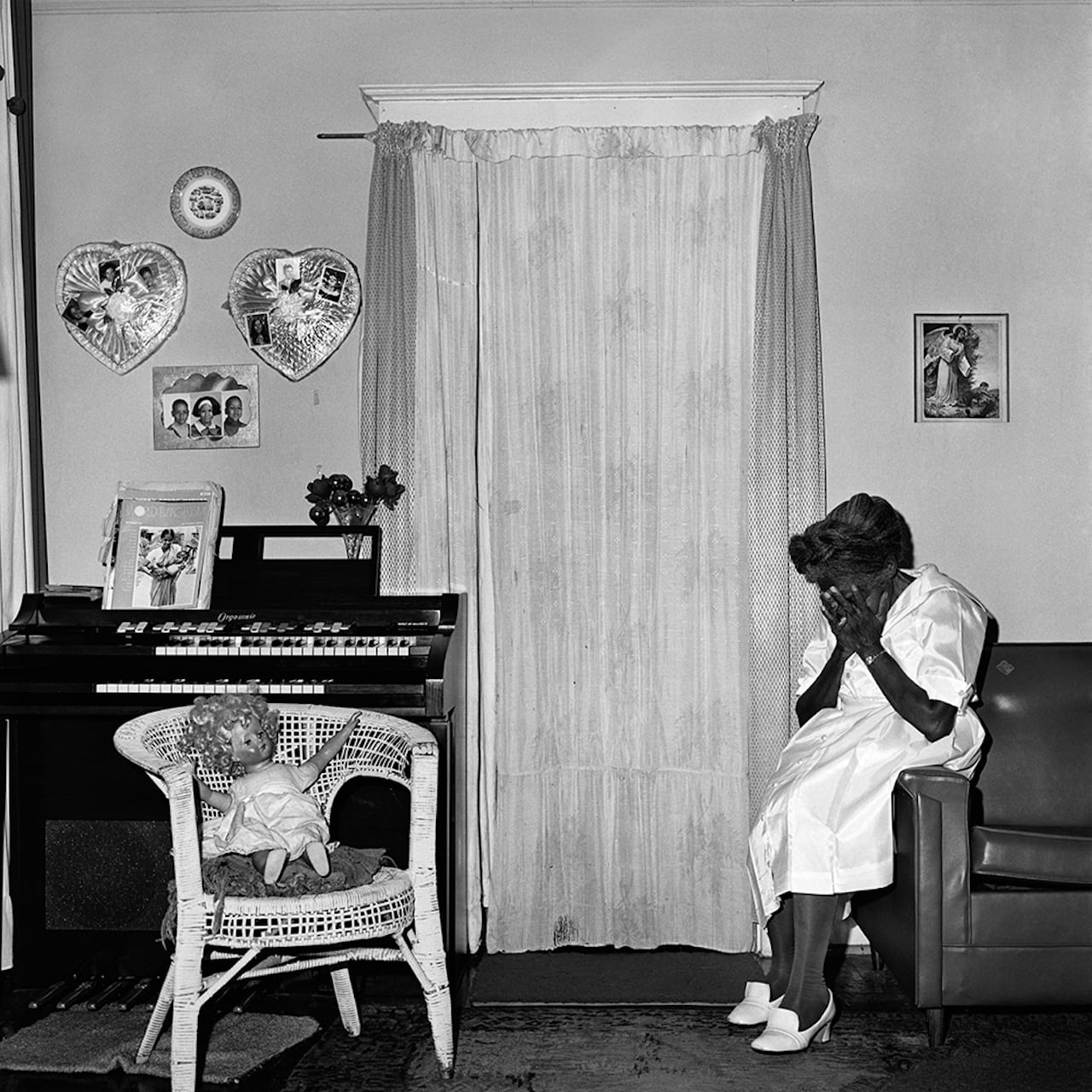
Race, segregation and violence in Rosalind Fox Solomon’s Liberty Theater

Between 1930 and 1964, Liberty Theater was the name of a non-whites only cinema owned by Rosalind Fox Solomon’s family in Chattanooga, Tennessee. “There was an irony in the name. I chose Liberty Theater as the title of this book because of its multiple meanings,” she says. “In a broader context, the title relates to performance and pretence in the theatre of life.”

The photographs Liberty Theater collects together were taken through the 1970s to 90s in the southern United States, and have never before been published as a group. From Georgia to South California, through Mississippi, Tennessee and Louisiana, Solomon captured the complexity of race, class, and gender divisions.

“I had no idea that photography would change my life,” says Solomon, who began photographing when she was 48, after graduating from college, getting married and raising two children. In 1977 she moved to Washington DC, where her husband worked for the General Services Administration, and visited New York City to study privately with Lisette Model.
8 October 2018

Q&A: Adrian Samson shoots for Frieze Art Fair

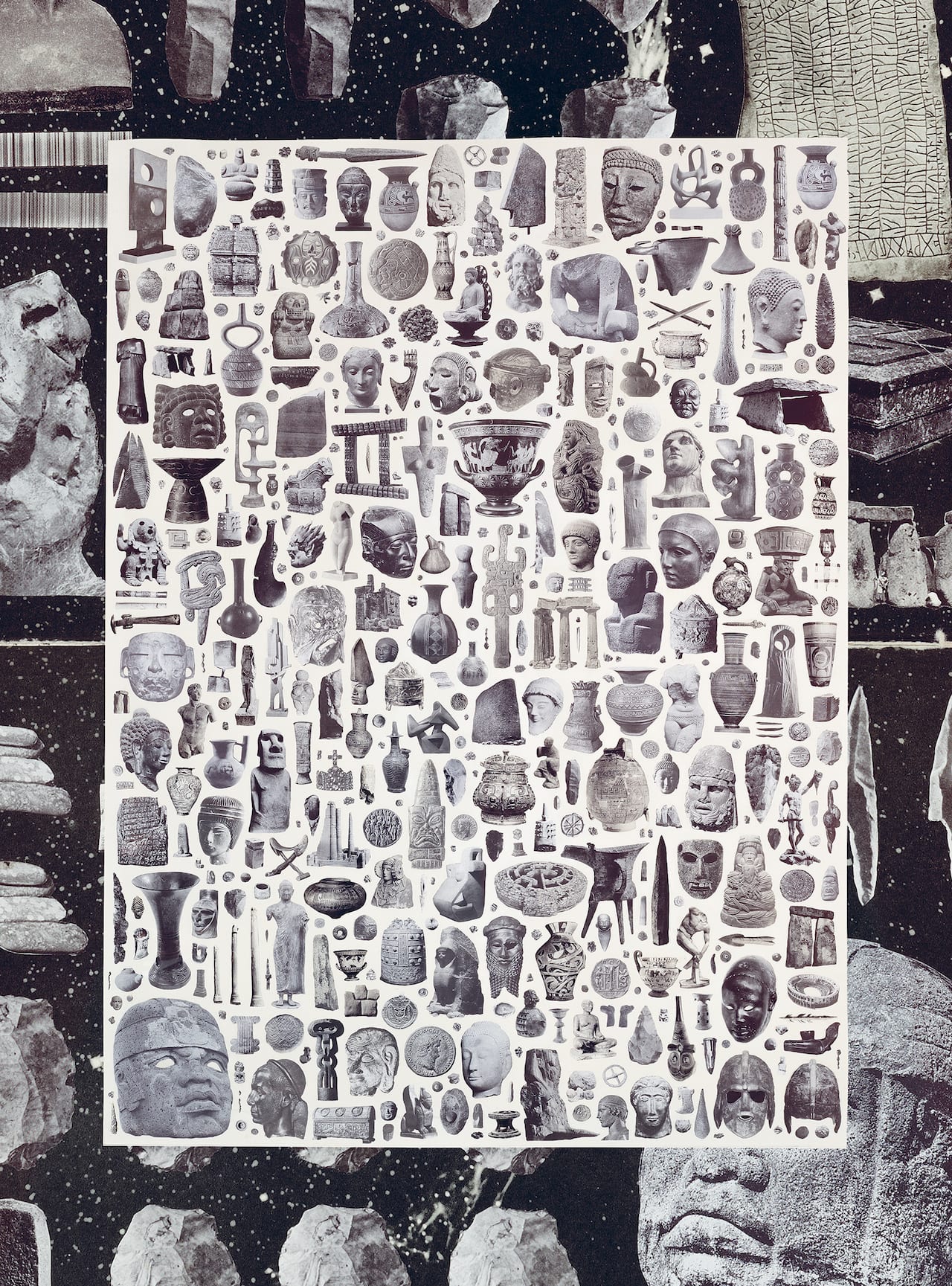
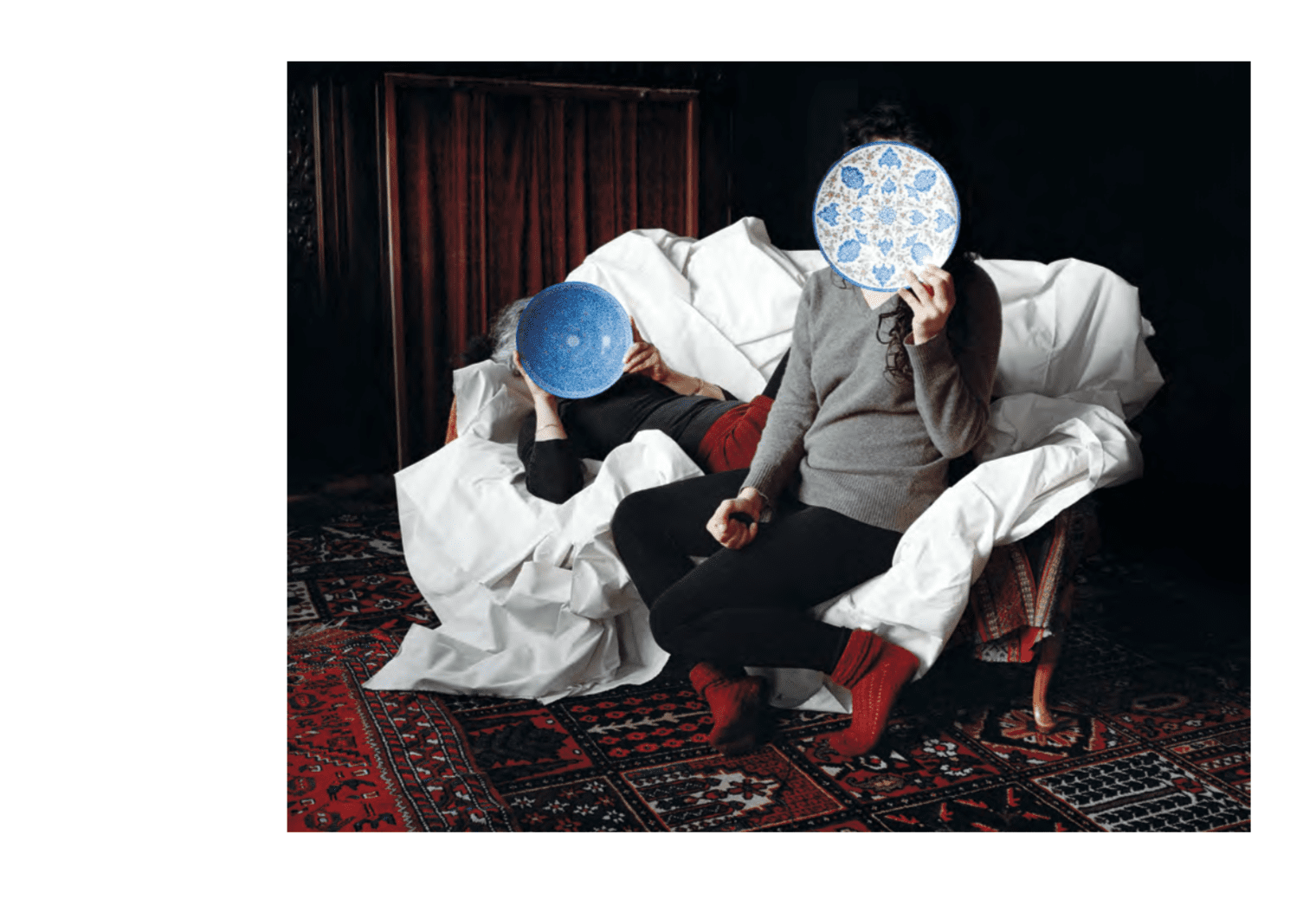
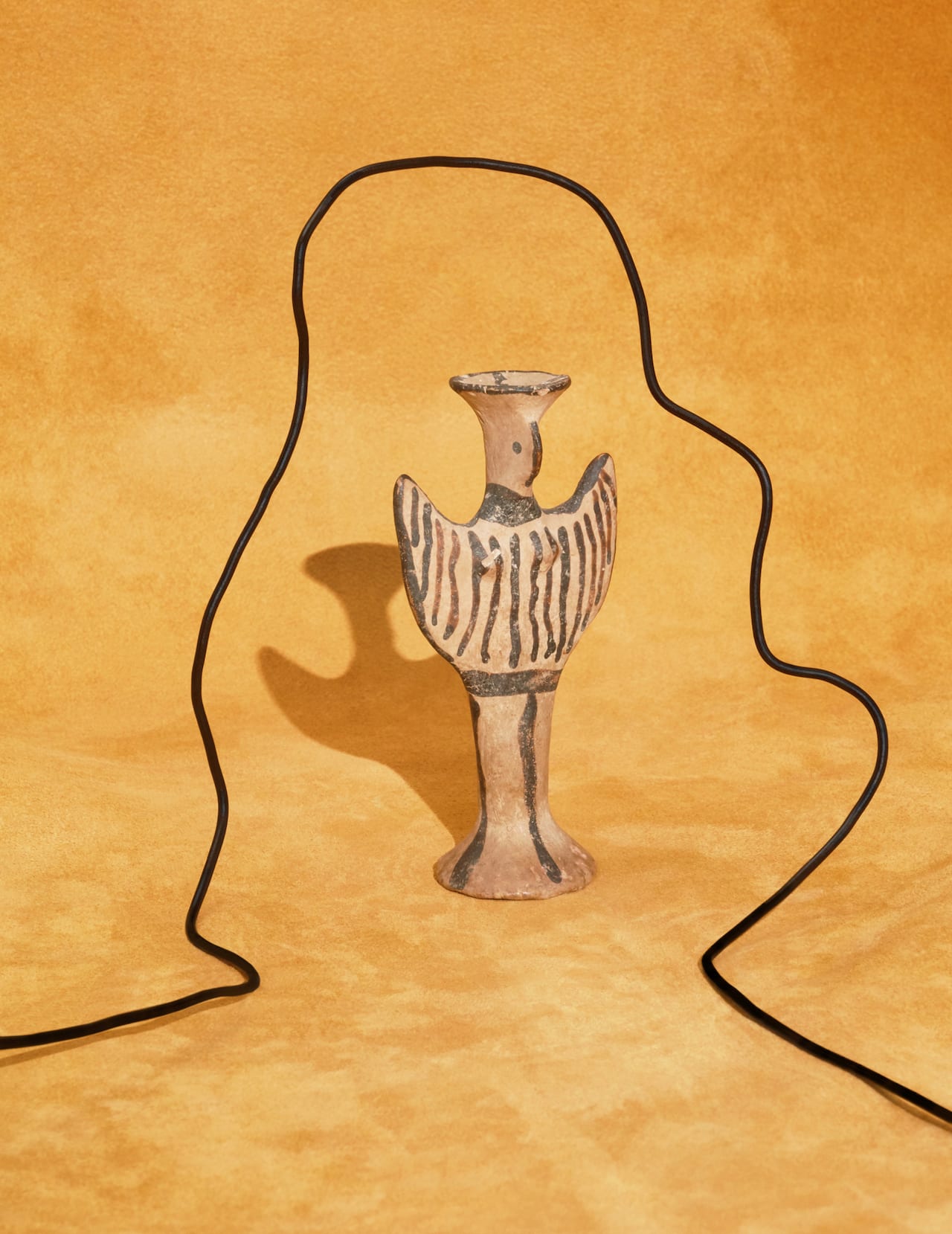
Born in the Eastern Bloc, Adrian Samson has lived in the US and Canada but is now based in London, where his appealing, contemporary work has won him commissions from clients such as Hermes, Miu Miu, COS, Vogue Hommes International, Numero Berlin, Wallpaper*, The Plant, The Gourmand, and The New York Times. His latest project is a shoot for the Frieze Art Fair, which opens in London from 04-07 October, and which saw him handling ancient and modern artefacts taken from the Frieze Masters section. His images will be presented in Frieze’s newspaper for its well-respected event, which includes a talk by Nan Goldin on 06 October and a presentation of work by emerging Polish photographer Joanna Piotrowska.

3 October 2018

One to Watch – Sebastián Bruno

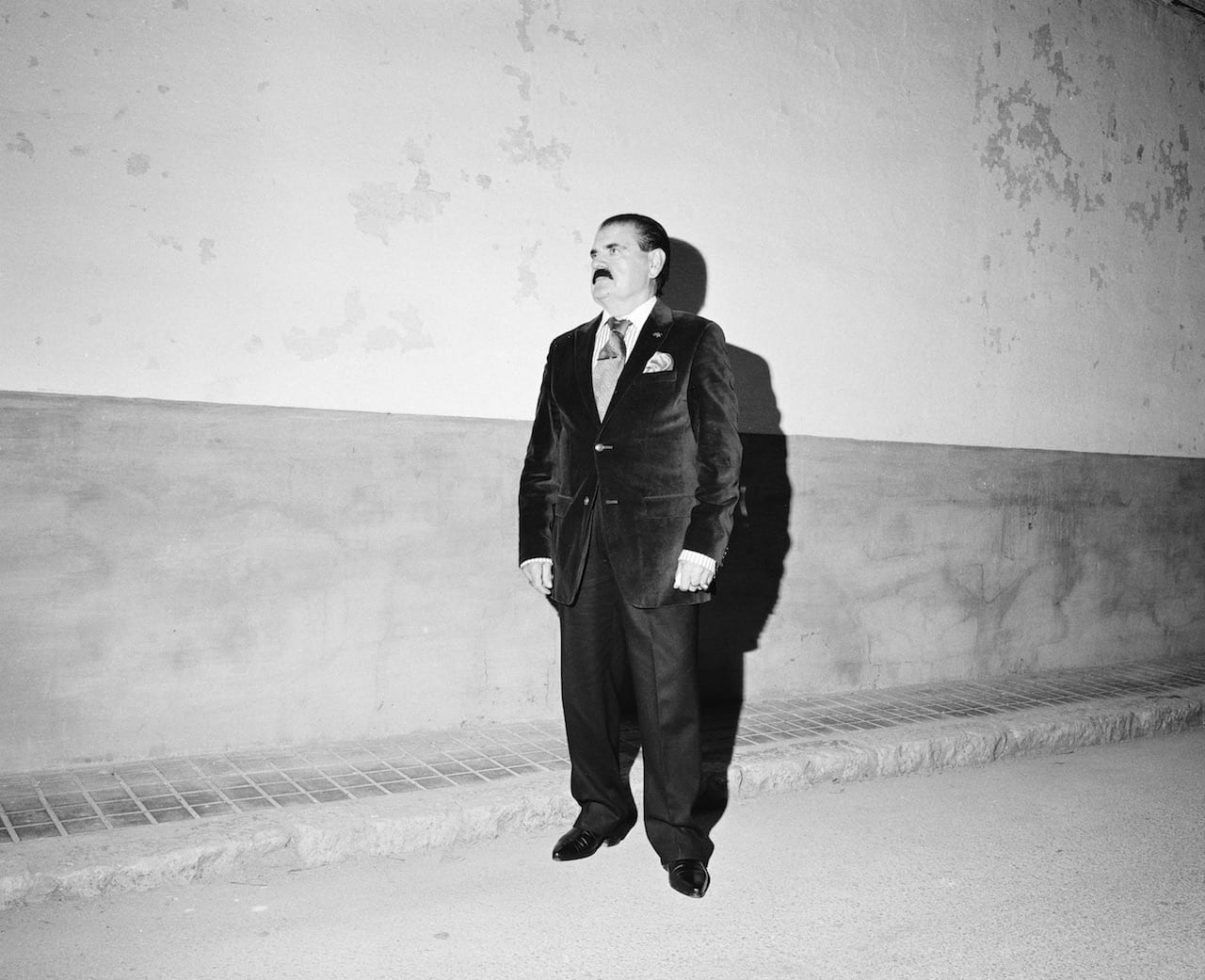
After the economic crisis in Argentina in 2002, Sebastián Bruno’s family moved to a small town in Castilla La Mancha in central Spain. It was then that the photographer decided to re-read Don Quixote, the iconic 17th-century novel about a traveller who slowly converts from hero to bandit. The tale was foremost in Bruno’s mind when he returned to the region years later to retrace the 2500km route of the fictional legend, while studying for a BA in Documentary Photography at the University of South Wales in Newport.

“I thought it was a beautiful metaphor to re-interpret,” he says. “I was walking, cycling and hitchhiking, but no one ever really stopped. The landscape was very flat, the sun was hot and there was not a single tree to hide under.”

3 October 2018

Eugene Richards: The Run-on of Time

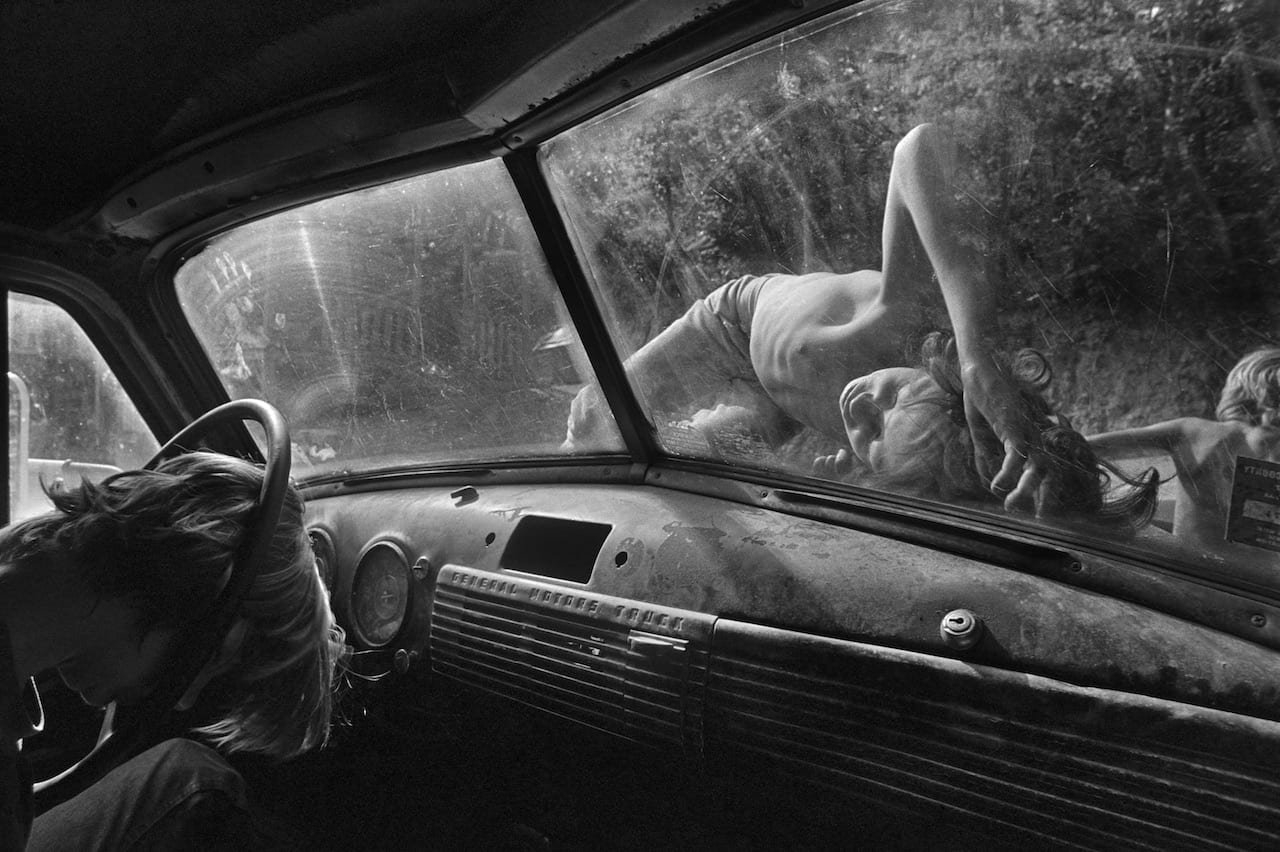
“You’re always looking for that time where everybody forgets you’re there and becomes themselves. Surprisingly, they do, sometimes to the detriment of what you knew about them,” says Eugene Richards, who has devoted his career to documenting social injustice in America, and injecting himself into intensely personal situations.

Richards’ style is up-close and unflinching, “ironically it’s the process of becoming as not there as you possibly can, if you hang around long enough people don’t care”, he says. Though his photography has been described as poetic and lyrical, he has never thought of himself as an artist. “I went in with some knowledge of photography, but mostly with the idea of providing information,” he says.

28 September 2018

The Wonderful World of Sean Hillen

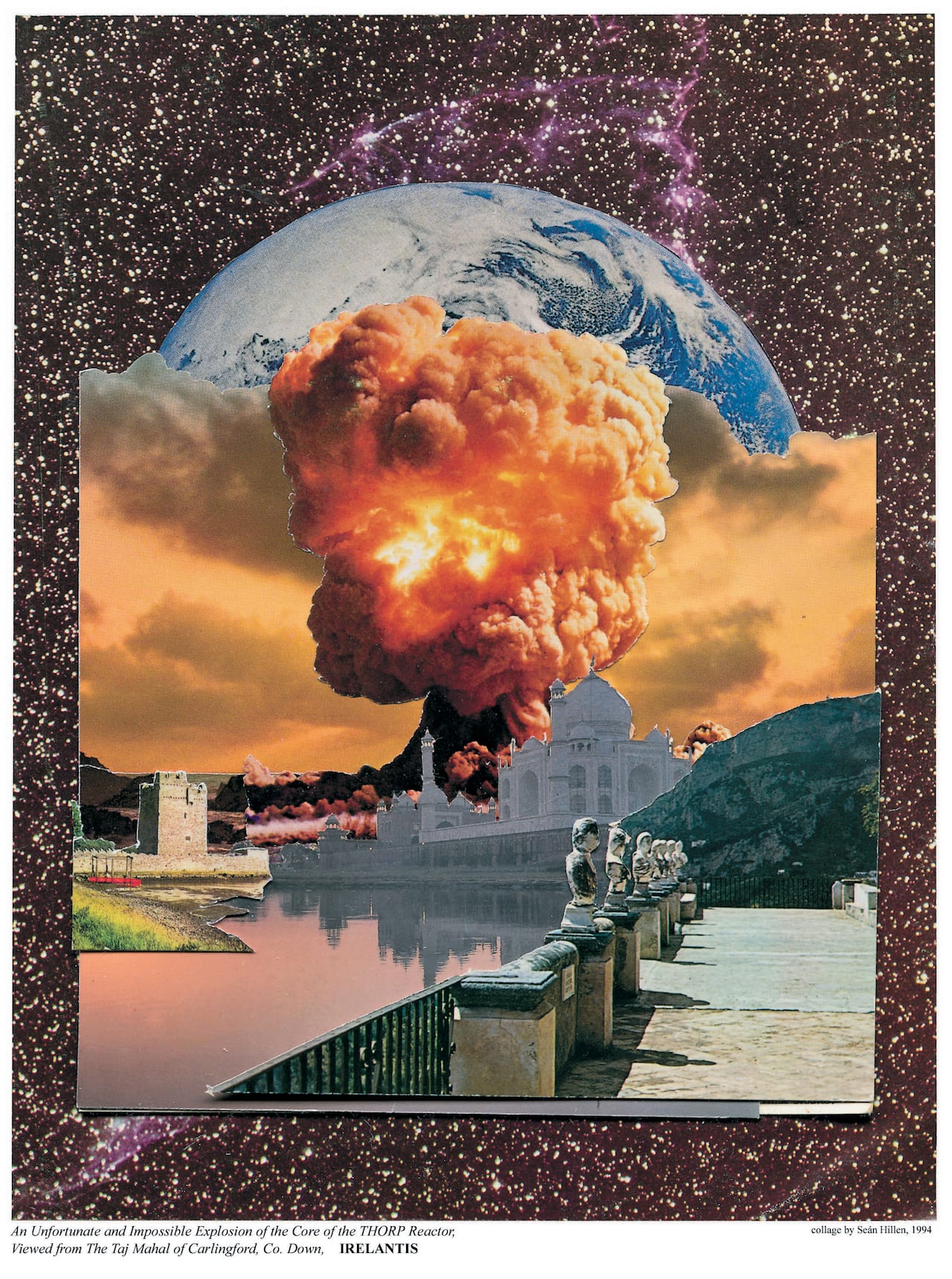
Before becoming a photographer, Sean Hillen was a tinkerer. As a young teenager, one of his favourite pastimes was to take apart his grandfather’s old cameras and then piece them back together again. It wasn’t long before he discovered that with a bit of tweaking he could fix a brand new 120 roll of film into an outmoded 620 camera. “I did that, I got them developed, and I was immediately addicted to photography”.

Hillen grew up through the Troubles in Newry, Northern Ireland, close to the border with the Republic of Ireland. “It was utter chaos,” he says. “I knew people who got killed, and I knew people who killed other people”. Hillen and his four siblings would lie awake in bed at night listening to gun battles, which were so frequent that they were able to distinguish between the sounds of different weapons.

27 September 2018

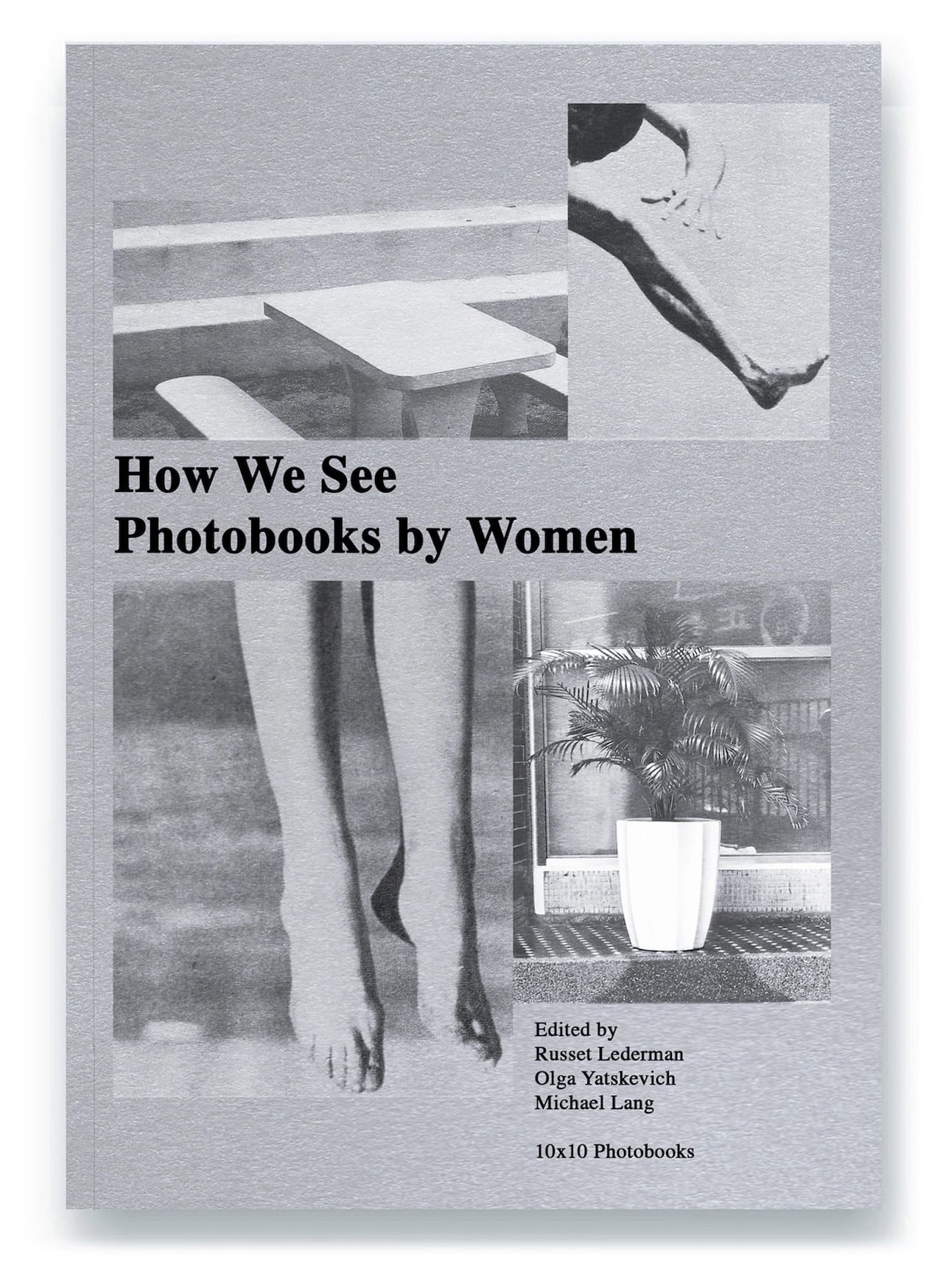
How We See: Photobooks by Women

History confirms it – the first photobook was made by a woman, with British photographer Anna Atkins publishing Photographs of British Algae: Cyanotype Impressions in 1843, a year before Henry Fox Talbot’s The Pencil of Nature. Still, many historians, including Allan Porter in his introduction to The Photobook: A History, dismiss Atkins’ work as “photographic prints” rather than photography.

“Unfortunately, this is far too often emblematic of the uphill battle women photobook-makers still encounter when we talk about their history,” says Russet Lederman, co-founder of 10×10 Photobooks. “As we conducted research for the How We See project, we discovered that although women photographers produce relatively equal numbers of photobooks to men, their representation in the higher-profile sectors was, and still is, disappointing.”

26 September 2018

Africa in the Photobook

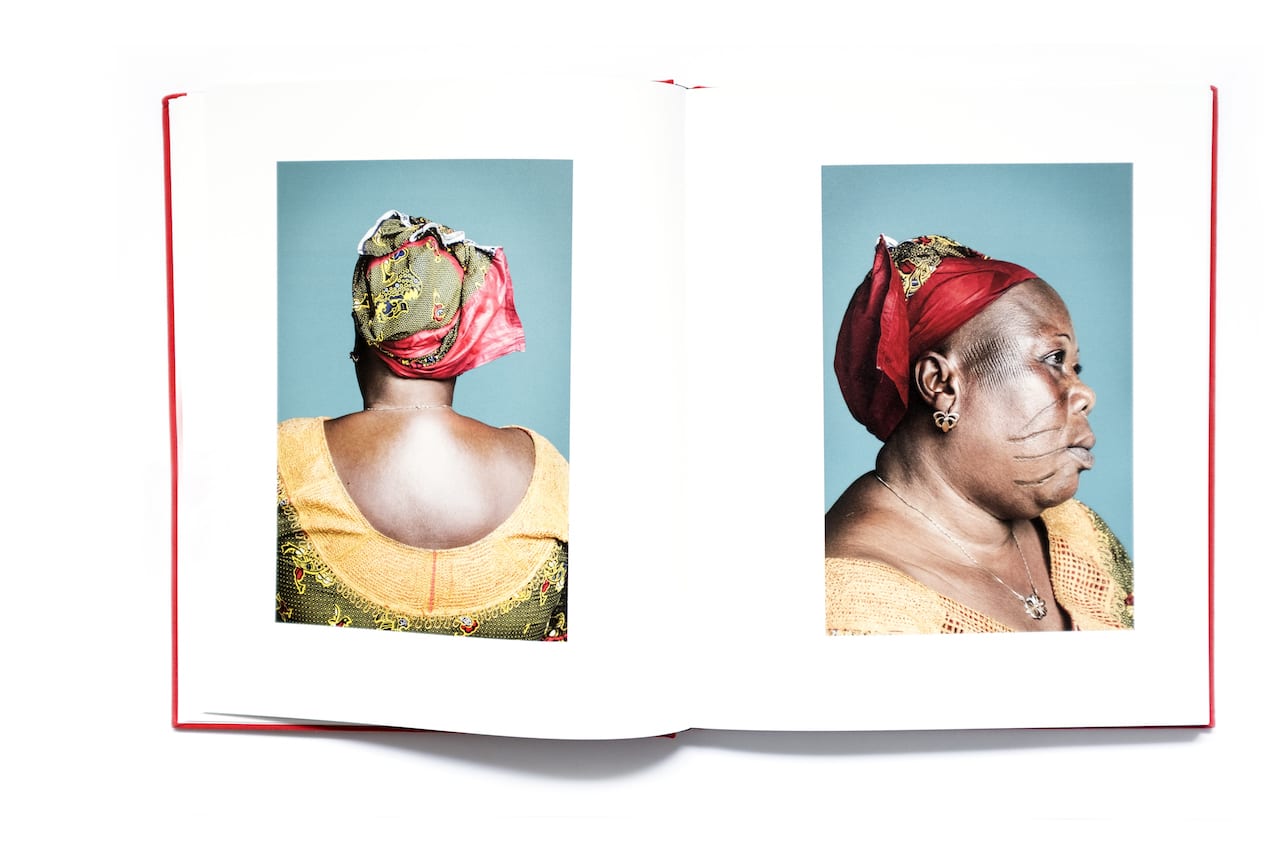
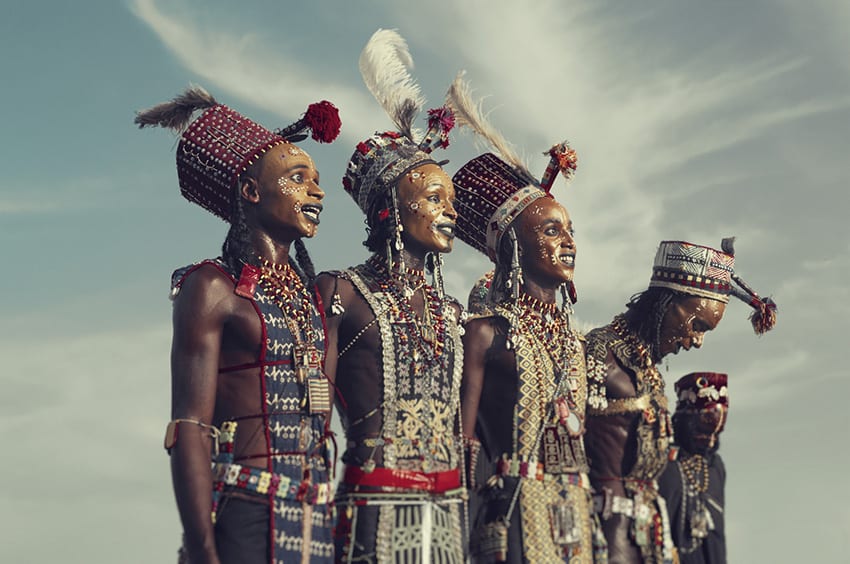
Only a small percentage of the 400 books that Ben Krewinkel has collected and featured on his website, Africa in the Photobook, are actually African. Many are historical publications, political pamphlets, or children’s books, written, photographed, and published by Europeans – including old colonial texts, which seem to obsess over hairstyles and traditions of scarification. Even the books by contemporary African photographers are mostly published in the West. As a collection that covers more than a century from 1897 to 2018, Africa in the Photobook follows the changing visual representations of the continent through the medium of the photobook – and soon it too will be transformed into a series of photobooks.

Krewinkel, a Dutch photographer, curator, and educator, is working with South African publishers Fourthwall Books on this series, and hopes to publish volume I by the end of 2019. Focusing on Africa under colonialism, it will include a long historical introduction, 40 case studies, and plenty of space to show large spreads from the books. Volume II will sketch a path from the beginnings of decolonisation in the 1950s to the late 1990s, marking the end of Apartheid and also the “re-evaluation of African photography”. Krewinkel then hopes to create a third volume, focusing on contemporary African photo books.

26 September 2018