
Fine Art

Contemporary Chinese photography stars at Jimei × Arles

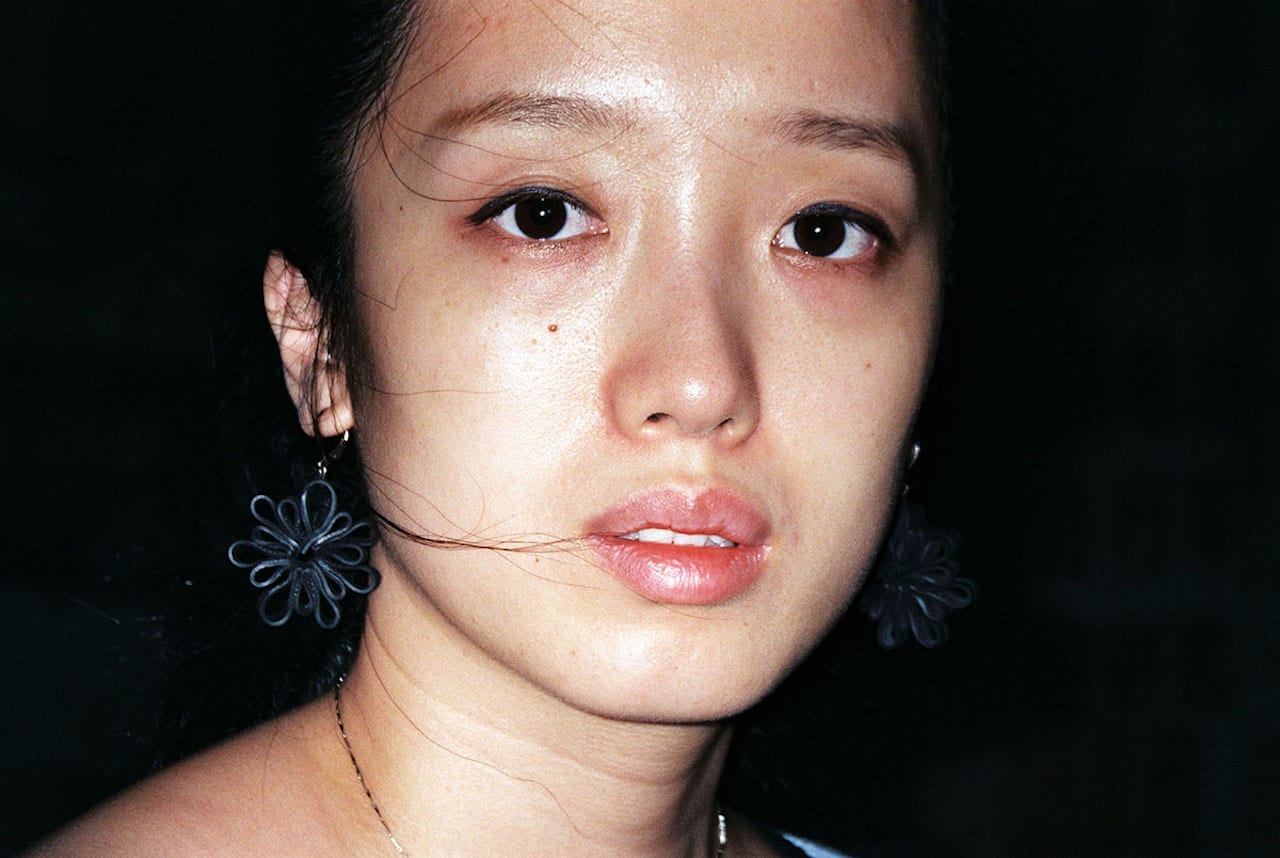
Founded in 2015 by Chinese photographer RongRong (who also also founded China’s first photography museum, Three Shadows Photography Art Centre) with Sam Stourdzé, director of Rencontres d’Arles, the Jimei x Arles International Photo Festival is the biggest of its kind in China. It returns this November with 30 exhibitions by over 70 artists, including shows brought over from Arles and exhibitions devoted to emerging Chinese image-makers.

The Jimei x Arles Discovery Award nominees features work by ten new Chinese photographers, for example – with one image-maker selected from the show to win 200,000 RMB plus a place in Arles’ prestigious Discovery Awards. This year the nominees are: Coca Dai (1976), Hu Wei (1989), Lei Lei (1985), Pixy Liao (1979), Lau Wai (1982), Shao Ruilu (1993), Shen Wei (1977), Su Jiehao (1988), Wong Wingsang (1990), and Yang Wenbin (1996)

25 September 2018

Intimacy and art embrace in Barbican’s Modern Couples

“From the 1890s through to just after the Second World War, modern artist couples forged new ways of making art and of living and loving,” Jane Alison, head of visual arts at London’s Barbican, says. She’s putting the final touches to Modern Couples: Art, Intimacy and the Avant-garde – a mammoth endeavour that examines how the work of individual artists and writers was shaped by the relationships they embarked on with each other.

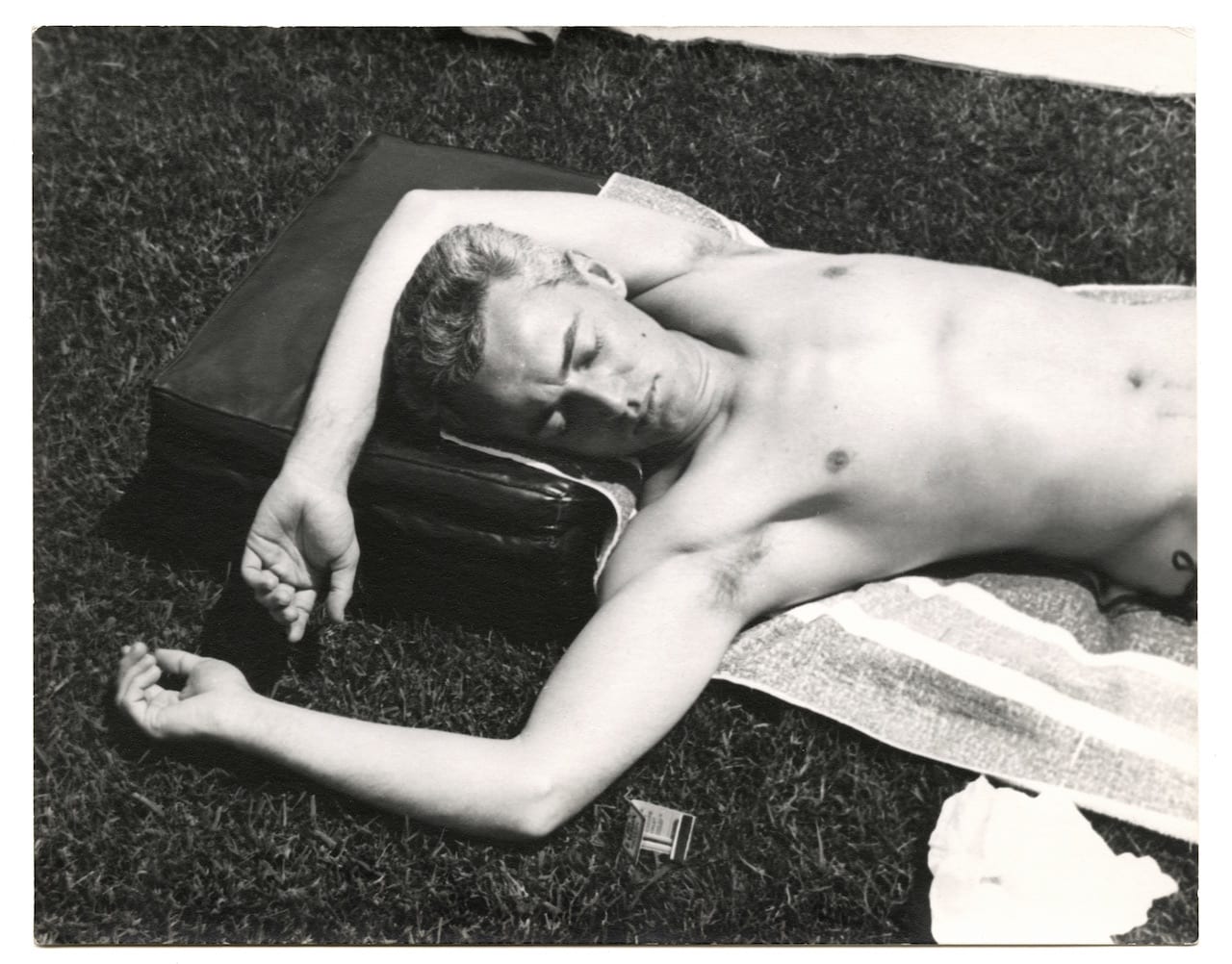
The show spans painting, sculpture, literature, dance, music, architecture and photography, and includes ephemera such as personal photographs and love letters alongside artworks. It’s also far from a cursory look at the history of art’s favourite romantic pairings. The likes of Virginia Woolf and Vita Sackville-West, or Frida Kahlo and Diego Rivera, have their part to play here, but so do lesser-known affiliations, from Claude Cahun and Marcel Moore to George Platt Lynes, Monroe Wheeler and Glenway Wescott, whose enduring ménage à trois turned their travels around Europe into an intensely fruitful creative experience.

21 September 2018

Martin Barnes on the V&A’s new photo centre

Those who have had the pleasure of ambling along the corridors of the 17th-century building at the heart of the museum district in Kensington, London, will recall the Victoria and Albert Museum’s high ceilings and impressive galleries, with polished floors and walls adorned with historical oil canvases, all connected by staircases embellished with intricate mosaics.

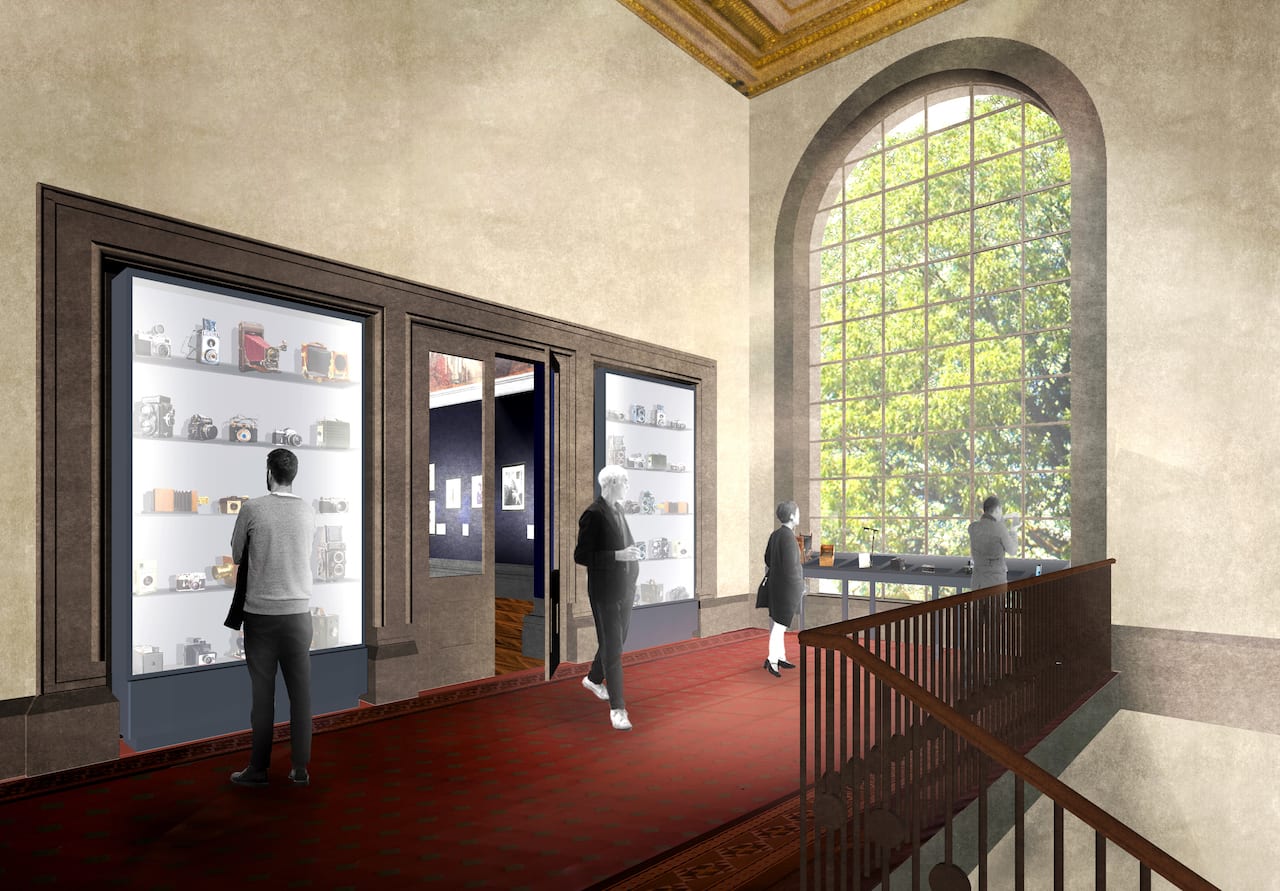
Climbing one such stairwell in a far corner of the building, you surface to face two tall, fudge-brown doors with shiny handles. The pair of robust glass cabinets framing these doors are currently empty, but will soon be packed with some 300 cameras and image-making devices. To one side, a long wooden table will be laden with models of some of the first cameras – a large format perched on a tripod, a Rolleiflex, a camera obscura and 35mm camera. Visitors will be invited to play around and put themselves in the shoes of the photographers who used these devices, pausing to peek through the lenses and take note of this new way of looking and constructing an image of the world on the other side. It is a sculptural array of the golden age of photography, the grand entrance to the new photography centre, opening its first phase to the public on 12 October.

21 September 2018

Q&A: Climate change in Iran by fast-emerging photographer Hashem Shakeri

Born in Tehran, Iran, in 1988, Hashem Shakeri studied architecture in TAFE (New South Wales Technical and Further Education Commission of Australia), and started his professional photography career in 2010. In 2015 he was Commended in the Ian Parry Scholarship, and in 2017 his images were included in the Rencontres d’Arles exhibition Iran, Year 38, alongside work by photographers such as Abbas Kiarostami and Newsha Tavakolian.

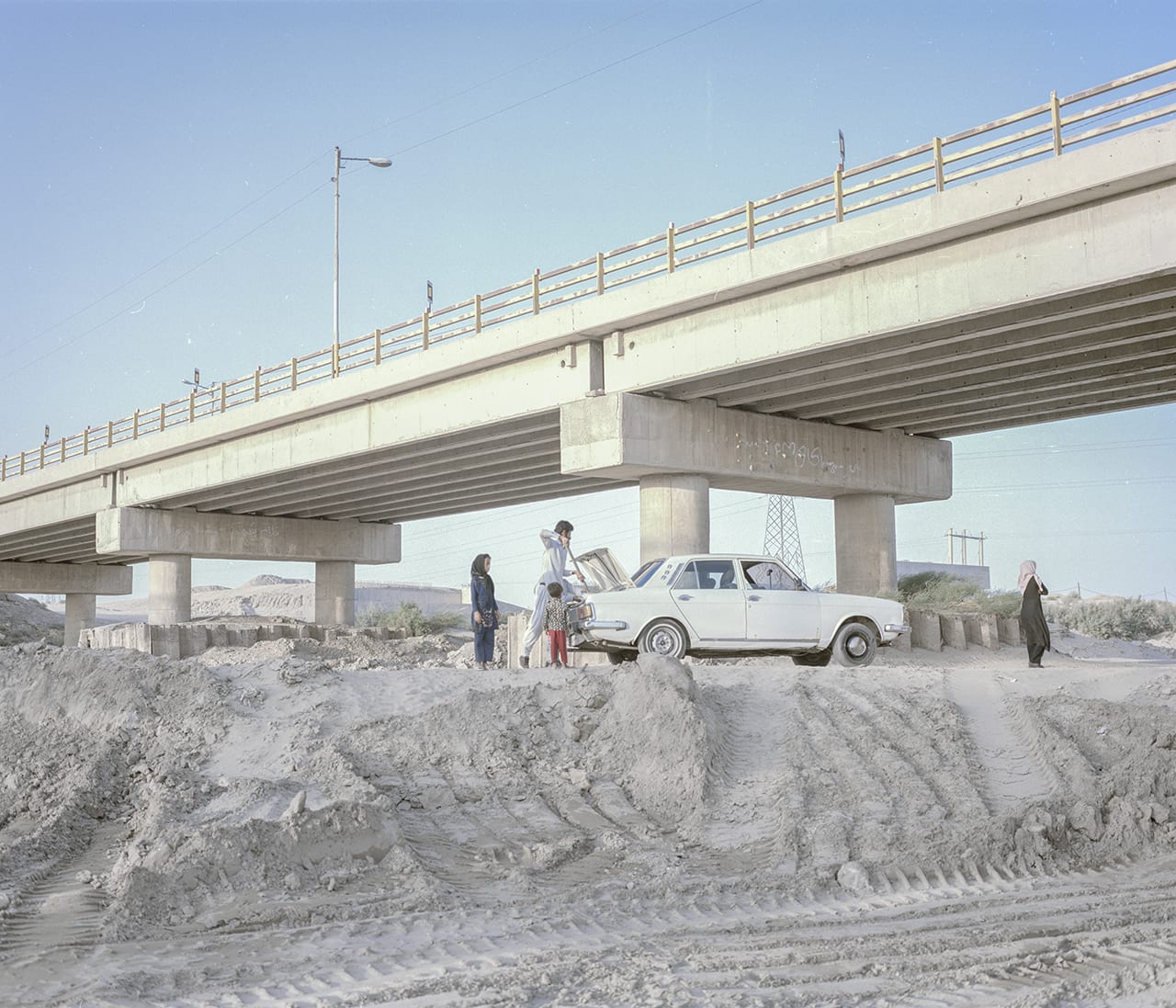
Shakeri’s ongoing series on climate change in Sistan and Balouchestan looks at the effect of drought in the Iranian province, which is located in the southeast of the country, bordering Afghanistan and Pakistan. It has been suffering from drought for the last 18 years, which has created severe famine in a region once famed for its agriculture and forests. “Nowadays, the Sistan region has faced astonishing climate change, which has turned this wide area into an infertile desert empty of people,” writes Shakeri.

17 September 2018

Her Take: (Re)thinking Masculinity

Last year, VII Photo Agency invited six women to join its collective. With seven female members in total, “the seven of VII” quickly became a phrase that stuck. After numerous email exchanges, and a big discussion at the annual general meeting in Barcelona in March, the seven of VII are now staging a group exhibition together – Her Take: (Re)thinking Masculinity, which opens at Photoville in Brooklyn, New York on 13 September.

The exhibition is made up of seven separate projects, each exploring the topic of masculinity. “The exhibition is a conversation, and it’s a conversation that we want to have with both women and men,” explains Sara Terry, whose project recreates Manet’s famous painting, Le Déjeuner sur l’herbe, with a naked man replacing the female nude.

12 September 2018

Ghana’s first photo festival opens 12-21 September

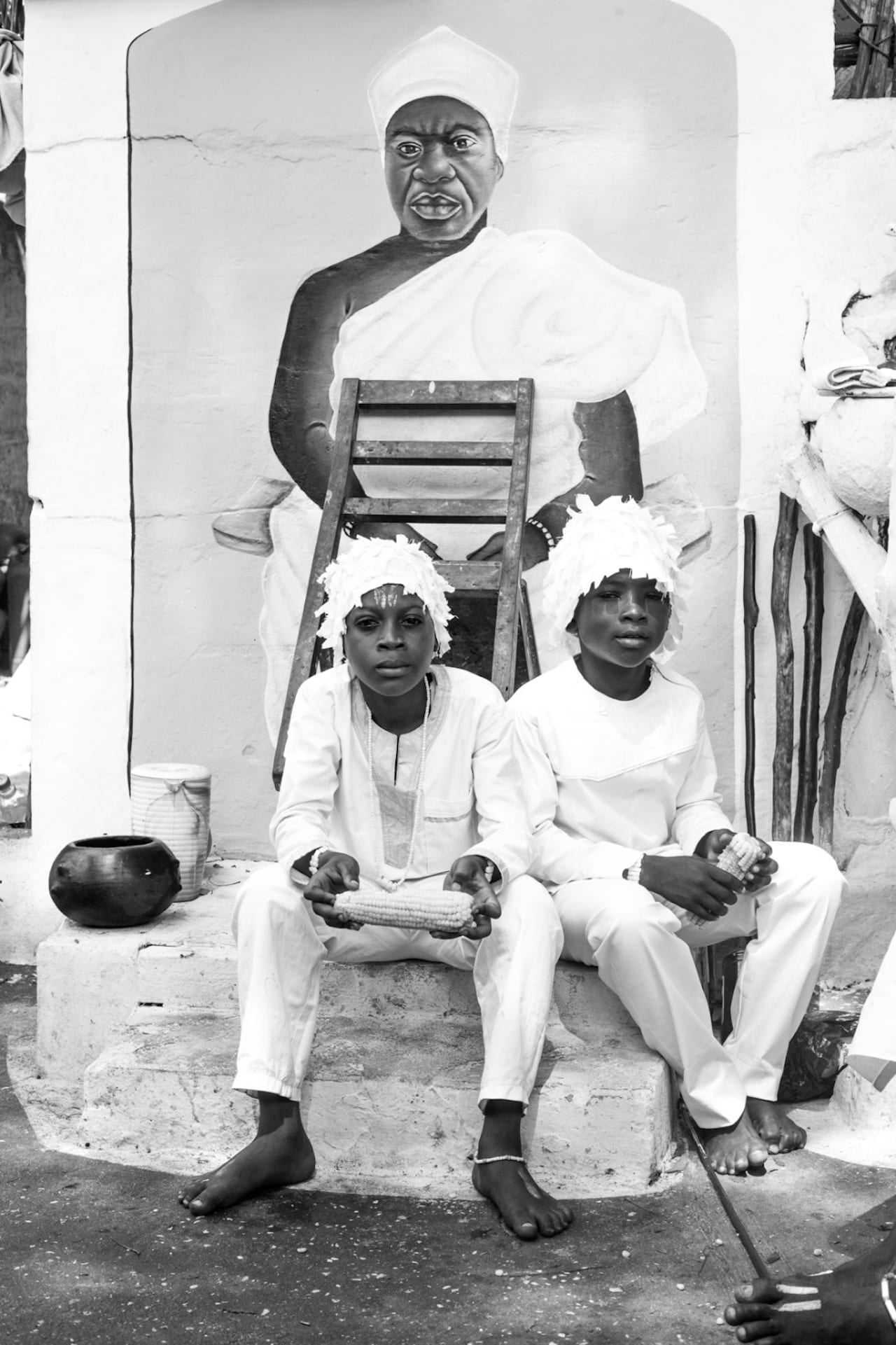
“We do not need to specifically just focus on changing stereotypes of what being African is through our visual storytelling; I think that’s an additional burden that other artists from other continents are not expected to subscribe to. I do think that through our visual storytelling, whatever theme we choose, and the quality of our work, we already do so much to challenge external perceptions of the African continent,” says Ngadi Smart, one of the image-makers whose work will feature in the exhibition Foreseen: New Narratives from the African Photojournalism Database.

It’s just one of the shows in the forthcoming Nuku Photo Festival Ghana, the first event of its kind in the country. Featuring exhibitions, a conference, a portfolio review, and networking events, Nuku Photo Festival Ghana aims to “create a space for artistic explorations and exchanges”, according to the festival founder Nii Obodai. “For this first edition, we have curated a diverse programme in cooperation with local and international partners that showcases the works of 50 both established and up-and-coming photographers and visual artists.”

12 September 2018

Max Pinckers tracks the Margins of Excess between truth and fiction

It is difficult to unravel, in many of the stories that Max Pinckers tells, where fiction became unstuck from fact. Or how the characters in his photographs can look back out at the world so boldly, shake their heads at reality as most people see it, and tell stories that fly in its face. But for the Brussels-based photographer, the six curious individuals in his latest book, Margins of Excess – including a boy who compulsively hijacks trains, and a private detective with prosthetic hands – lead the way to understanding documentary photography’s role in the ‘post-truth’ era.

One such character, an American amateur inventor with a mane of silken hair, sat at the kitchen table of his home in Dunnellon, Florida and told Pinckers that he believed he had become the media’s new Osama bin Laden. “My name is Richard Heene. A few years ago I got into a bit of trouble,” said the forty-something showman, detailing the events that led him to end up behind bars.

11 September 2018

Arles is urged to include more work by women

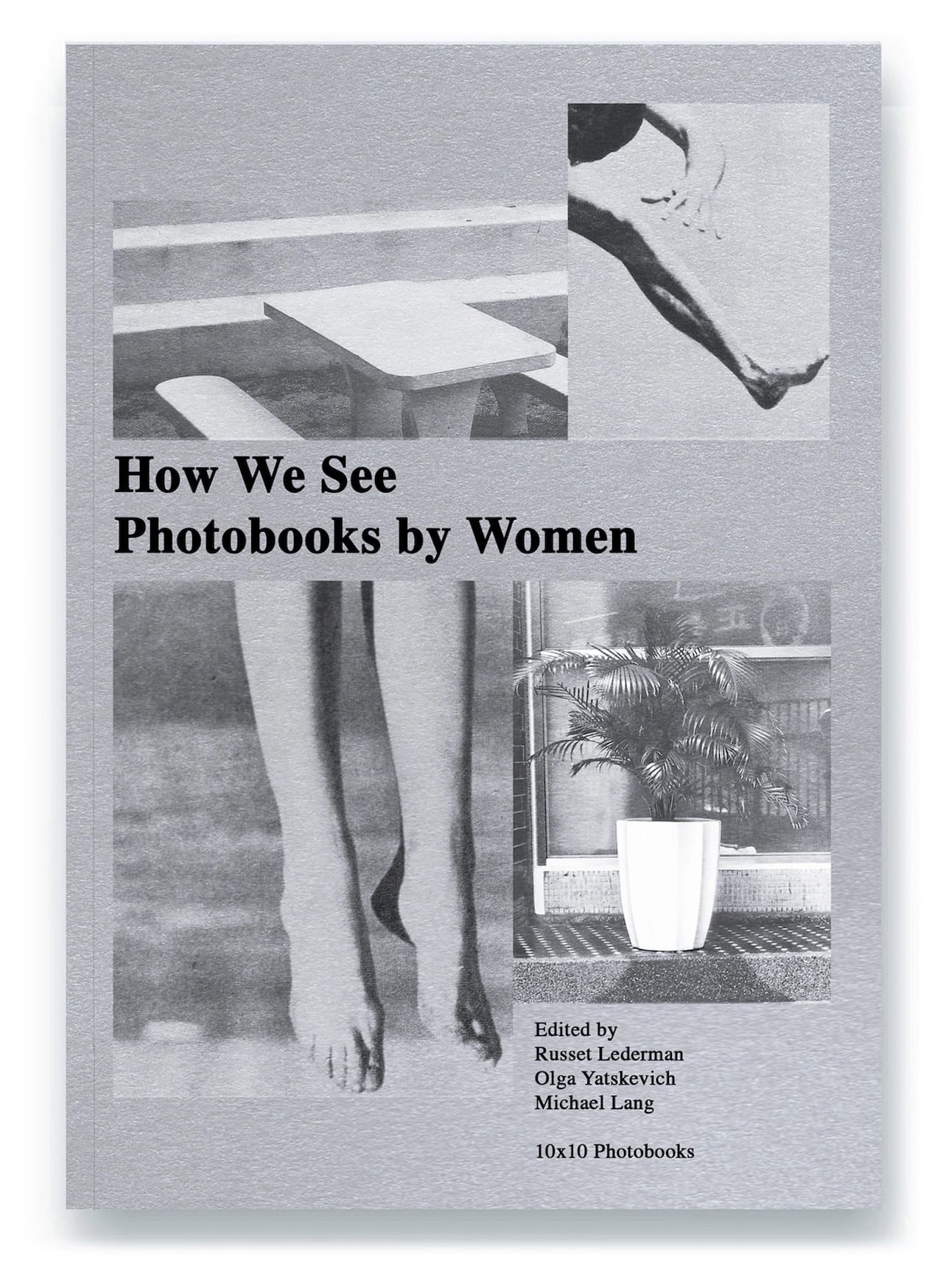
Les Rencontres d’Arles is the most prestigious photo festival in the world – that’s beyond question. But according to a high-profile group of photographers, curators, and writers, there’s still more that it could do. They’ve got together to sign a public letter to festival director Sam Stourdzé, which urges him to include more exhibitions by women in the main programme at Arles, and which was published in the French newspaper Libération on 03 September.

The letter is signed by influential industry figures such as Iwona Blazwick, director of the Whitechapel Gallery; Victor Burgin, Professor Emeritus of History of Consciousness, University of California, Santa Cruz, and Emeritus Millard Chair of Fine Art at Goldsmiths College, University of London; collectors Claire and James Hyman; and Olivier Richon, Professor of Photography, Royal College of Art, London, as well as photographers and artists such as Clare Strand, Sunil Gupta, and Anna Fox.

10 September 2018