
Fine Art

Lviv – God’s Will by Viacheslav Poliakov

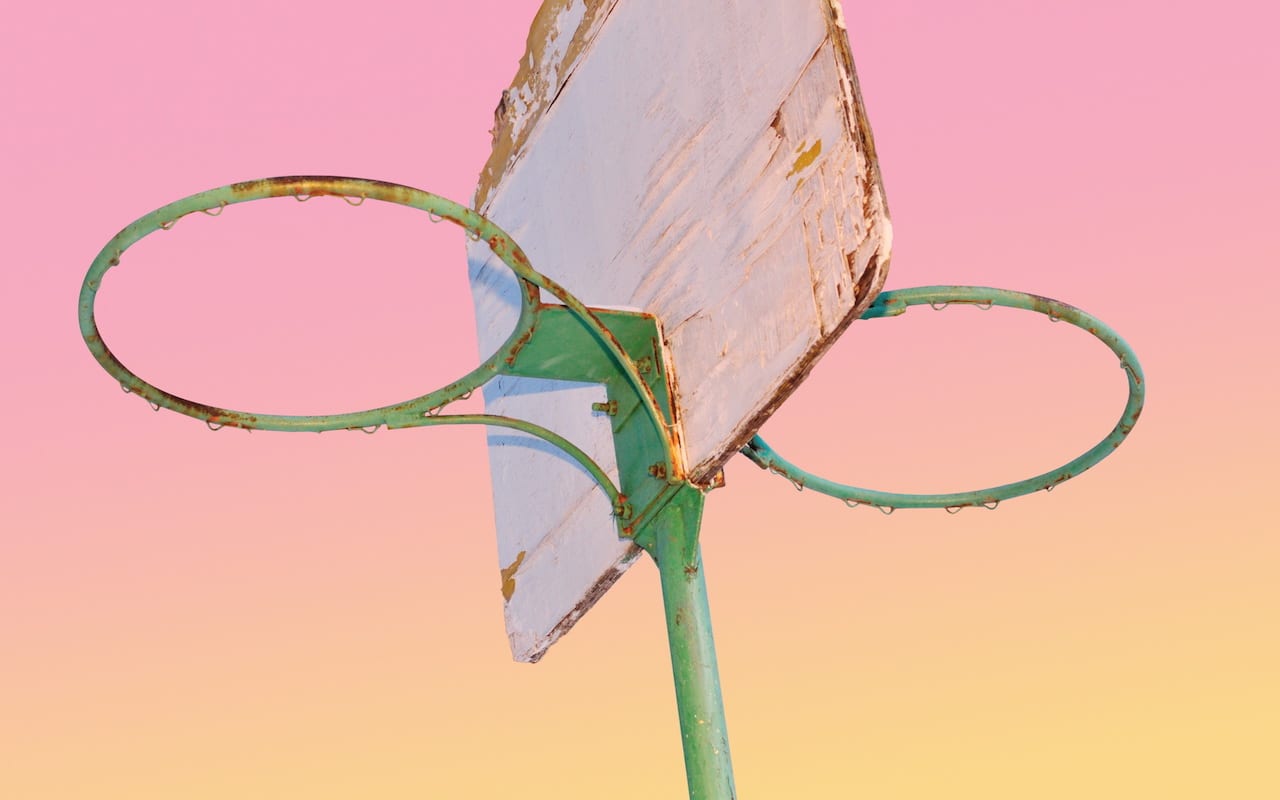
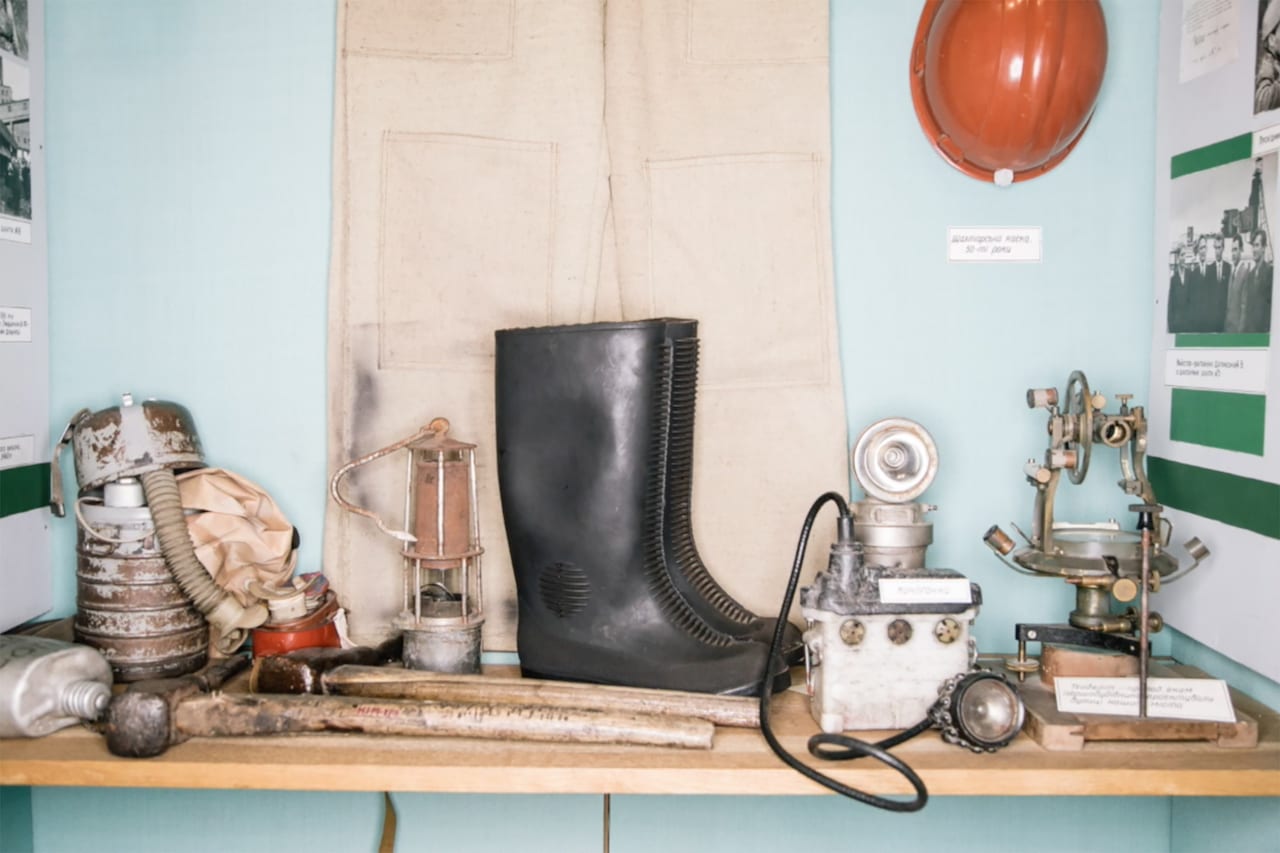
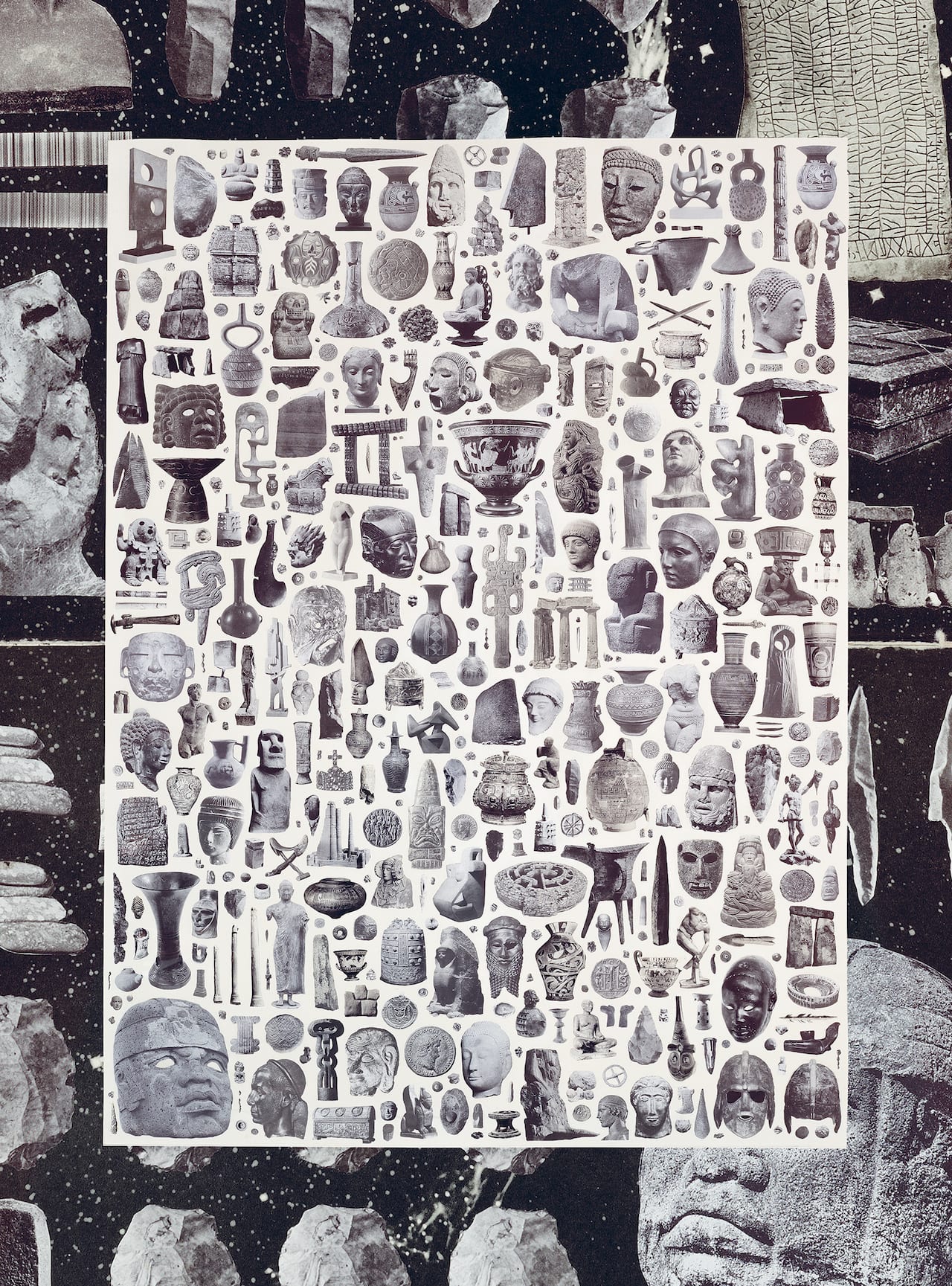
A white painted stone sits atop a pile of concrete from a fallen telephone pole. A seemingly random assortment of rubble, it has in fact been gathered to fasten a manhole cover in place. During a period of particular hardship in Ukraine in the 1990s, manhole covers were often stolen and sold for scrap metal, leaving dangerous open holes in the road. This makeshift device, erected over time out of miscellaneous materials, is one of the objects in Viacheslav Poliakov’s Lviv – God’s Will, a taxonomy of the “unexplored field of accidents” that make up his surrounding urban environment.

15 October 2018

Vote for the Greenpeace Photo Award winner

With €10,000 up for grabs to realise a project, the Greenpeace Photo Award is a great opportunity – and this year, the public decides who wins. Run with support from Geo Magazine, an awards jury has shortlisted seven photographers to choose from, each from a different country and each working on a series with an environmental theme.

The public has until 31 October to vote on the winner; a further €10,000 will go to a second winner selected by the jury, which this year includes curator and lecturer Lars Willumeit, and Geo Magazine chief photo editor Lars Lindemann.

The shortlisted photographers are: Niels Ackermann (Switzerland); Magda Biernat (USA); Arko Datto (India); Niklas Grapatin (Germany); Katrin Koenning (Australia); Pablo Piovano (Argentina); and Ian Willms (Canada). 

11 October 2018

V&A’s new Photography Centre now open

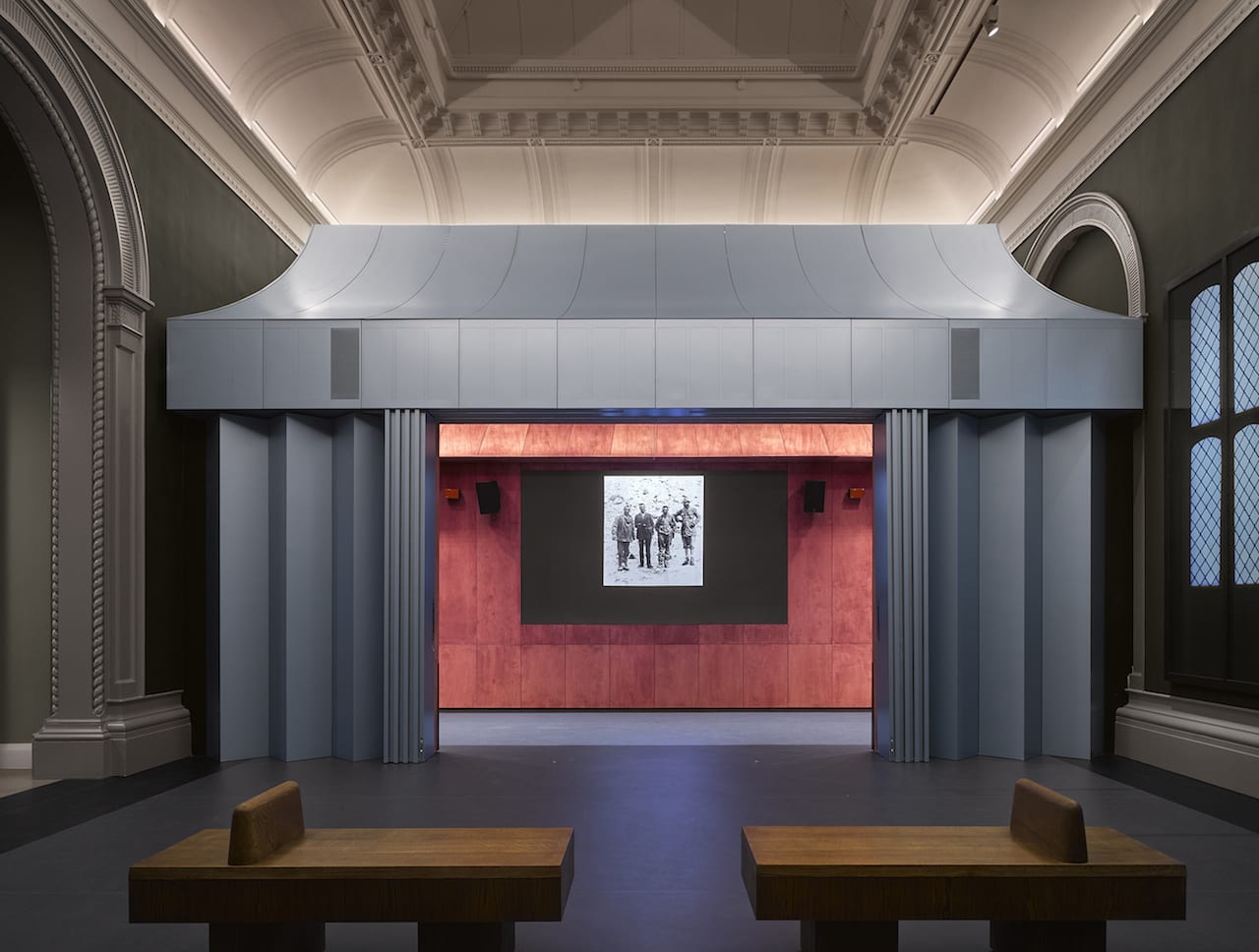
“The new Photography Centre brings to life some of the V&A’s most beautiful original picture galleries and provides a permanent home for one of the finest and most inspiring collections of photography in the world,” says Martin Barnes, senior curator of photographs at the V&A. “The spaces and facilities allow visitors to access, explore and enjoy photography in its many forms.

“The Photography Centre encompasses more than a new gallery space. Beyond its walls lies an associated programme of research, digitisation, learning activities, publications, exhibitions, access to items in stores, and collaborations with other UK and international partners. Photography is one of our most powerful forms of global communication, and I’m thrilled that we can contextualise the past and present of this powerful medium in new and exciting ways.”

It’s an important development for photography in the UK and it opens on Friday – the V&A’s new Photography Centre, which more than doubles the museum’s existing photography space.

10 October 2018

Breaking Barriers for refugees making a new start

Yuel Elob just saved up to buy a fixie bike, “just for fun, because I love cycling so much”. Daniel loves music and DJ-ing. Bada Yusuf volunteered at Pride’s pop-up shop last year, and met a group of people who are now “all friends, and I have parties at my house”. They sound like typical young Londoners but their stories are anything but – war and persecution meant all three were forced to leave their countries, and start again from scratch in London. Even so all three have found jobs, and Yusuf has nearly finished a Masters.

They feature in an exhibition called Breaking Barriers, which aims to show “the dreams and challenges faced by refugees in the UK”. Co-curated by Rebecca McClelland, who spent seven years as a photographic editor at The Sunday Times Magazine before becoming the New Statesman’s first photographic lead, the show features portraits by world-famous image-makers such as Diana Markosian, Nick Waplington, Adam Broomberg and Oliver Chanarin.

1 October 2018

A new wave of photographers in Africa State of Mind

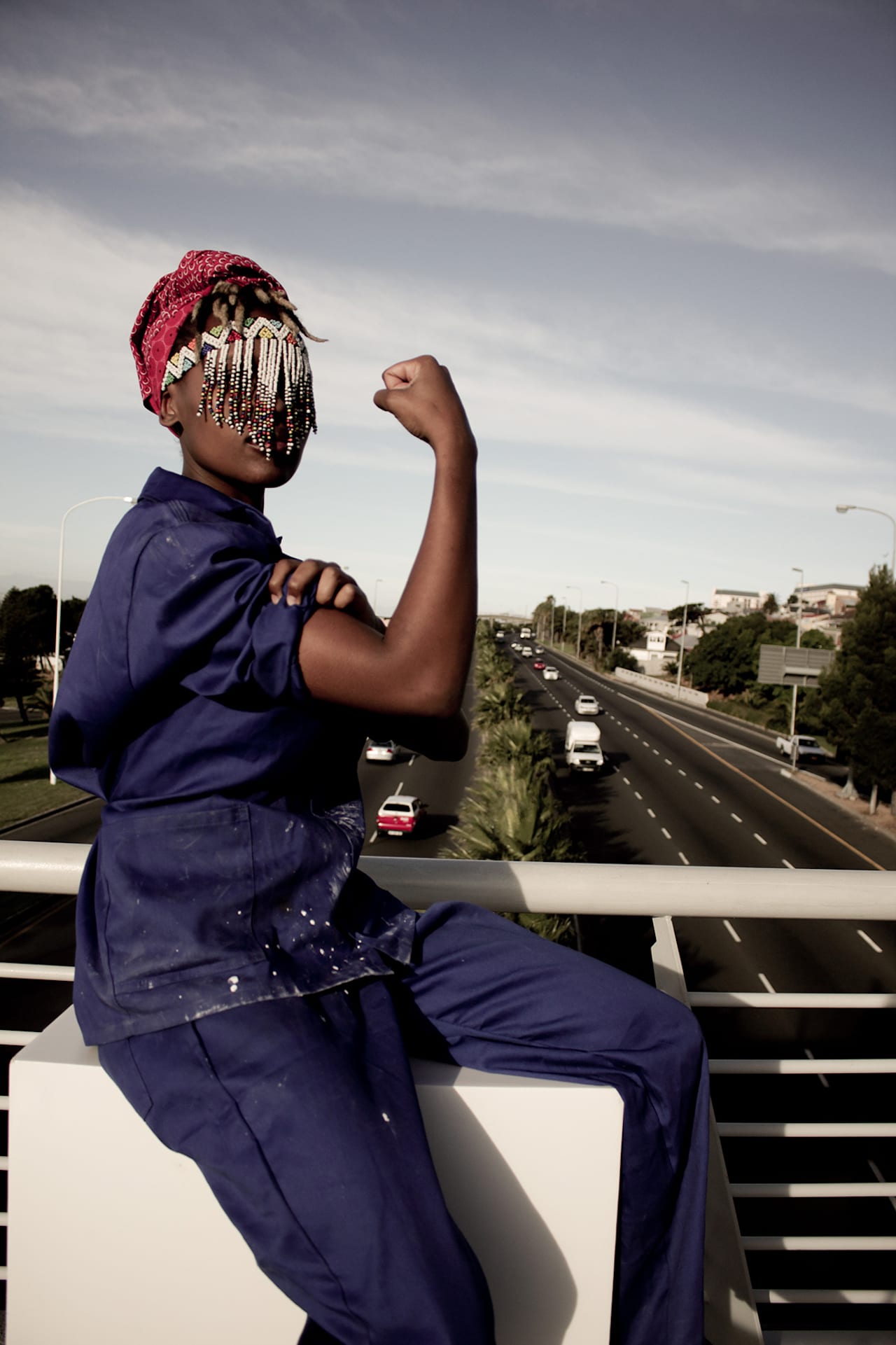
“This is a unique time for African photography,” says curator Ekow Eshun. “There’s a wave of thrilling, artistically ambitious talent emerging across the continent.”

He’s gathered some of the best of it for a new show called Africa State of Mind, opening this week in New Art Exchange – the UK’s largest space devoted to culturally diverse contemporary visual arts. Including artists such has Emmanuele Andrianjafy, Sammy Baloji, and Musa N Nxumalo, the exhibition shows off talent from a new generation of African artists, exploring how they interrogate the idea of ‘Africanness’ in their work, and ‘Africa’ as a psychological as much as a physical space.

28 September 2018

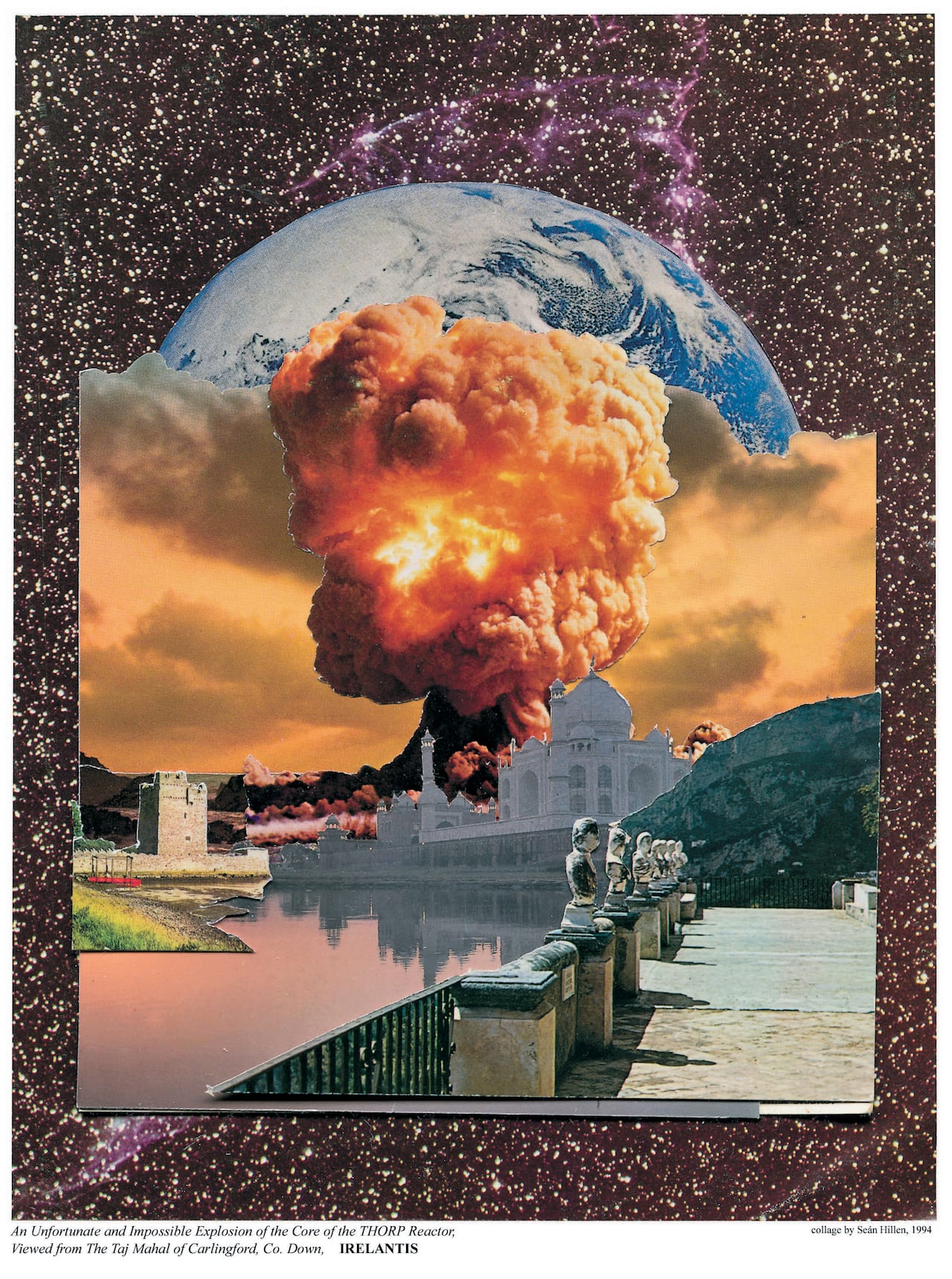
The Wonderful World of Sean Hillen

Before becoming a photographer, Sean Hillen was a tinkerer. As a young teenager, one of his favourite pastimes was to take apart his grandfather’s old cameras and then piece them back together again. It wasn’t long before he discovered that with a bit of tweaking he could fix a brand new 120 roll of film into an outmoded 620 camera. “I did that, I got them developed, and I was immediately addicted to photography”.

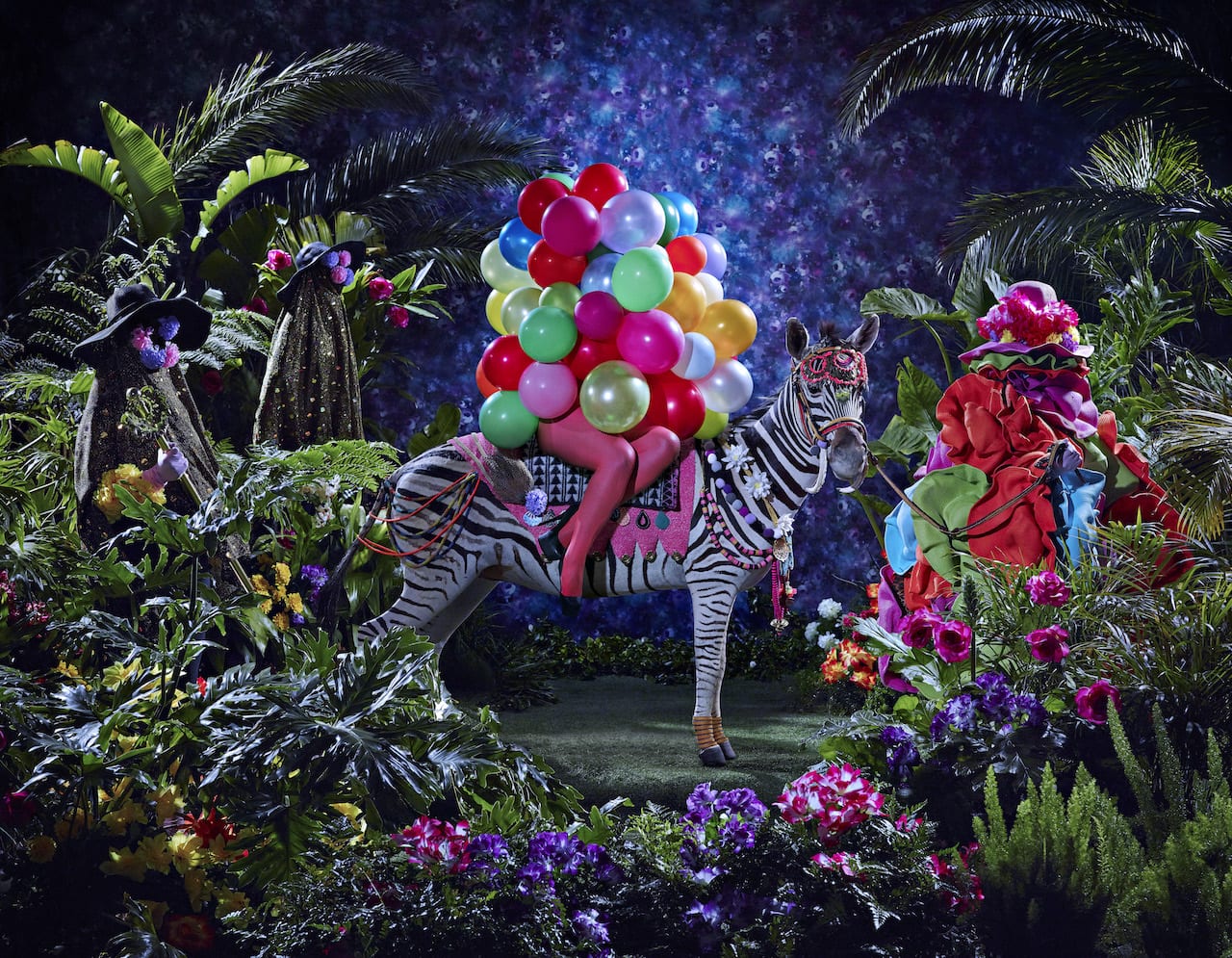
Hillen grew up through the Troubles in Newry, Northern Ireland, close to the border with the Republic of Ireland. “It was utter chaos,” he says. “I knew people who got killed, and I knew people who killed other people”. Hillen and his four siblings would lie awake in bed at night listening to gun battles, which were so frequent that they were able to distinguish between the sounds of different weapons.

27 September 2018

How We See: Photobooks by Women

History confirms it – the first photobook was made by a woman, with British photographer Anna Atkins publishing Photographs of British Algae: Cyanotype Impressions in 1843, a year before Henry Fox Talbot’s The Pencil of Nature. Still, many historians, including Allan Porter in his introduction to The Photobook: A History, dismiss Atkins’ work as “photographic prints” rather than photography.

“Unfortunately, this is far too often emblematic of the uphill battle women photobook-makers still encounter when we talk about their history,” says Russet Lederman, co-founder of 10×10 Photobooks. “As we conducted research for the How We See project, we discovered that although women photographers produce relatively equal numbers of photobooks to men, their representation in the higher-profile sectors was, and still is, disappointing.”

26 September 2018

Africa in the Photobook

Only a small percentage of the 400 books that Ben Krewinkel has collected and featured on his website, Africa in the Photobook, are actually African. Many are historical publications, political pamphlets, or children’s books, written, photographed, and published by Europeans – including old colonial texts, which seem to obsess over hairstyles and traditions of scarification. Even the books by contemporary African photographers are mostly published in the West. As a collection that covers more than a century from 1897 to 2018, Africa in the Photobook follows the changing visual representations of the continent through the medium of the photobook – and soon it too will be transformed into a series of photobooks.

Krewinkel, a Dutch photographer, curator, and educator, is working with South African publishers Fourthwall Books on this series, and hopes to publish volume I by the end of 2019. Focusing on Africa under colonialism, it will include a long historical introduction, 40 case studies, and plenty of space to show large spreads from the books. Volume II will sketch a path from the beginnings of decolonisation in the 1950s to the late 1990s, marking the end of Apartheid and also the “re-evaluation of African photography”. Krewinkel then hopes to create a third volume, focusing on contemporary African photo books.

26 September 2018