
Festivals

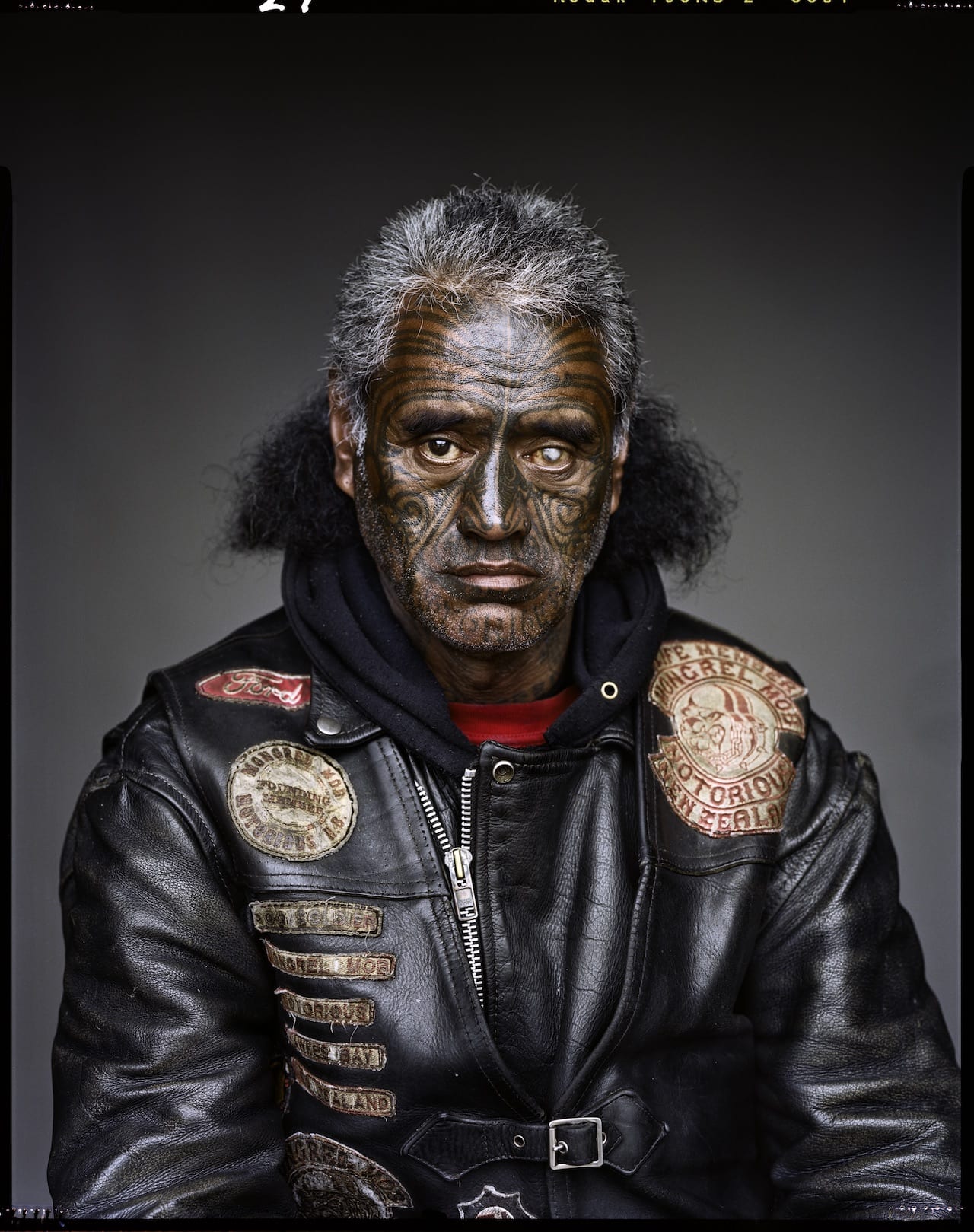
New Zealand’s Mongrel Mob gang, photographed by Jono Rotman

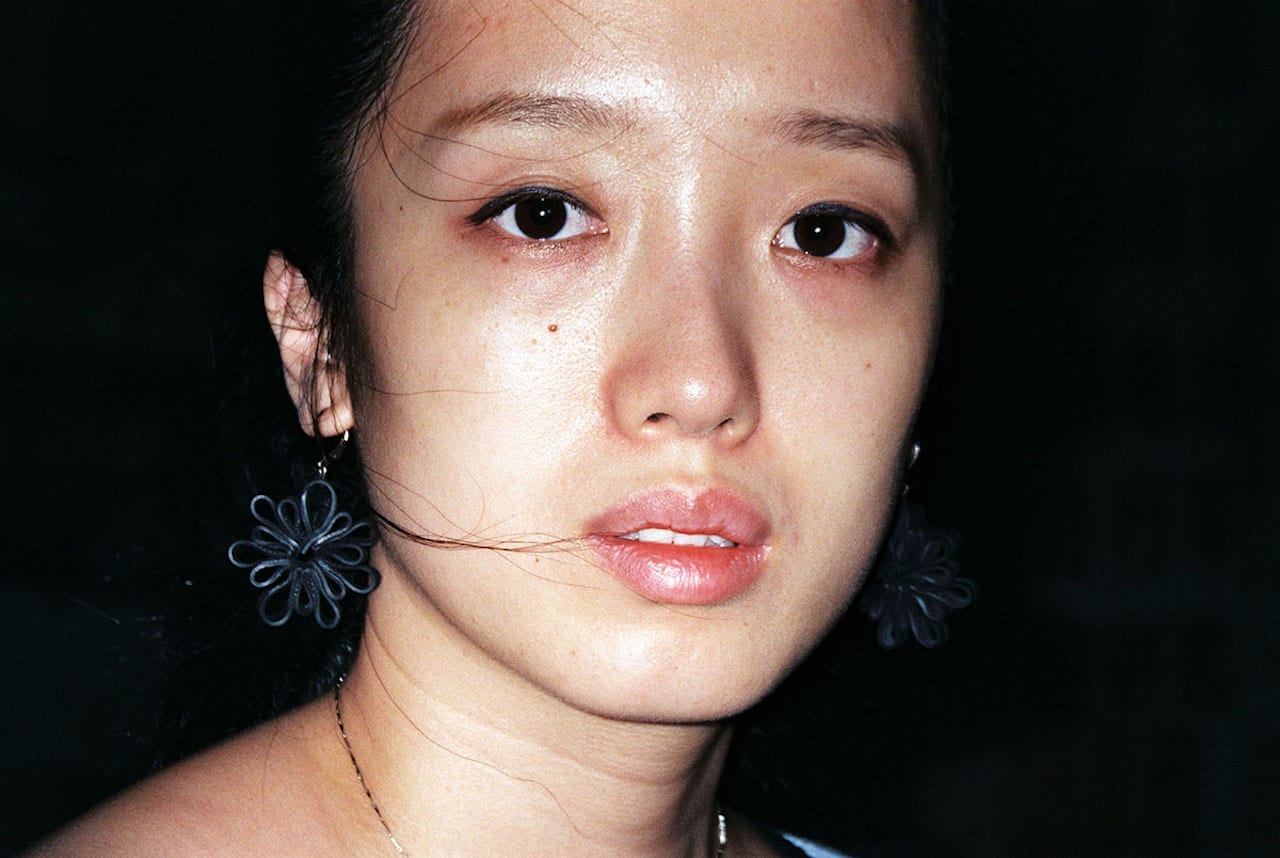
Arresting. Exquisite. Gripping. Chilling. Disgraceful. Unacceptable. These are all words people have used to describe portraits made by Jono Rotman. Created over the last decade, his project Mongrelism presents an intimate look at members of the Mongrel Mob – New Zealand’s largest, most notorious gang. Though he is looking at a subculture as an outsider – a domain regularly mined by photojournalists – Rotman eschews a traditional documentarian approach to his subject matter. In so doing, the project’s scope extends beyond the Mob itself to touch upon issues related to New Zealand’s charged colonial past and self-professed biculturalism, the politics and ethics of portraiture, and the intersections of seemingly disparate human experience.

The New Zealand-born photographer explains that since childhood, “I always felt certain violent and uneasy forces within my country”. In Lockups (1999-2005), Rotman photographed the interiors of prisons and psychiatric hospitals throughout New Zealand, exploring the medium’s ability to convey the fraught “psychic climate” embedded in these state-controlled institutions. The works are eerily devoid of people, a deliberate decision made, says Rotman, “because I wanted to encourage a direct, personal interaction with the spaces. With prisons, for example, as soon as you introduce people into the picture, it becomes easy to think, ‘Here’s the storyline: this place is for those sorts of people. And I can fit it all into my established worldview’.”
12 October 2018

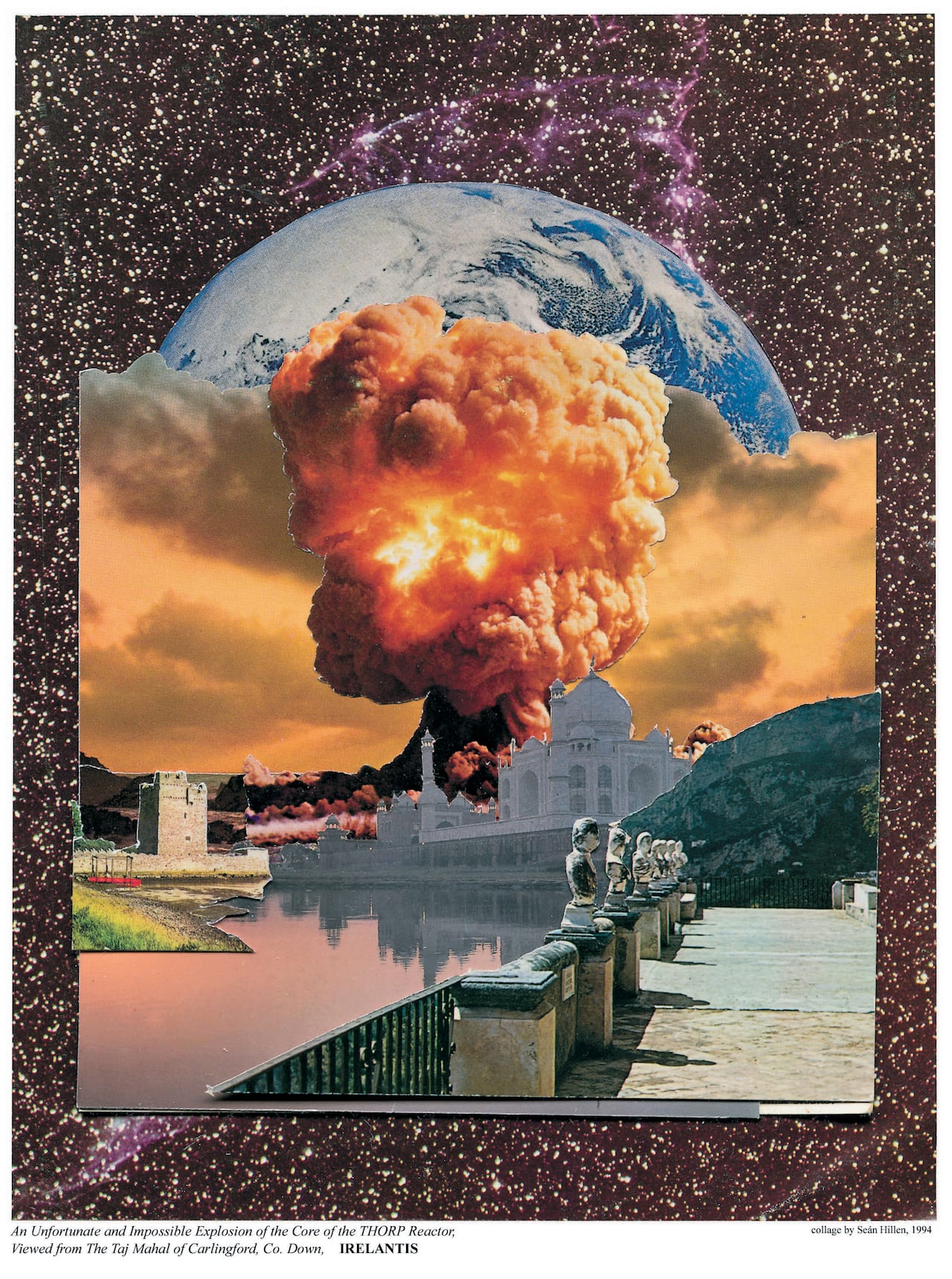
The Wonderful World of Sean Hillen

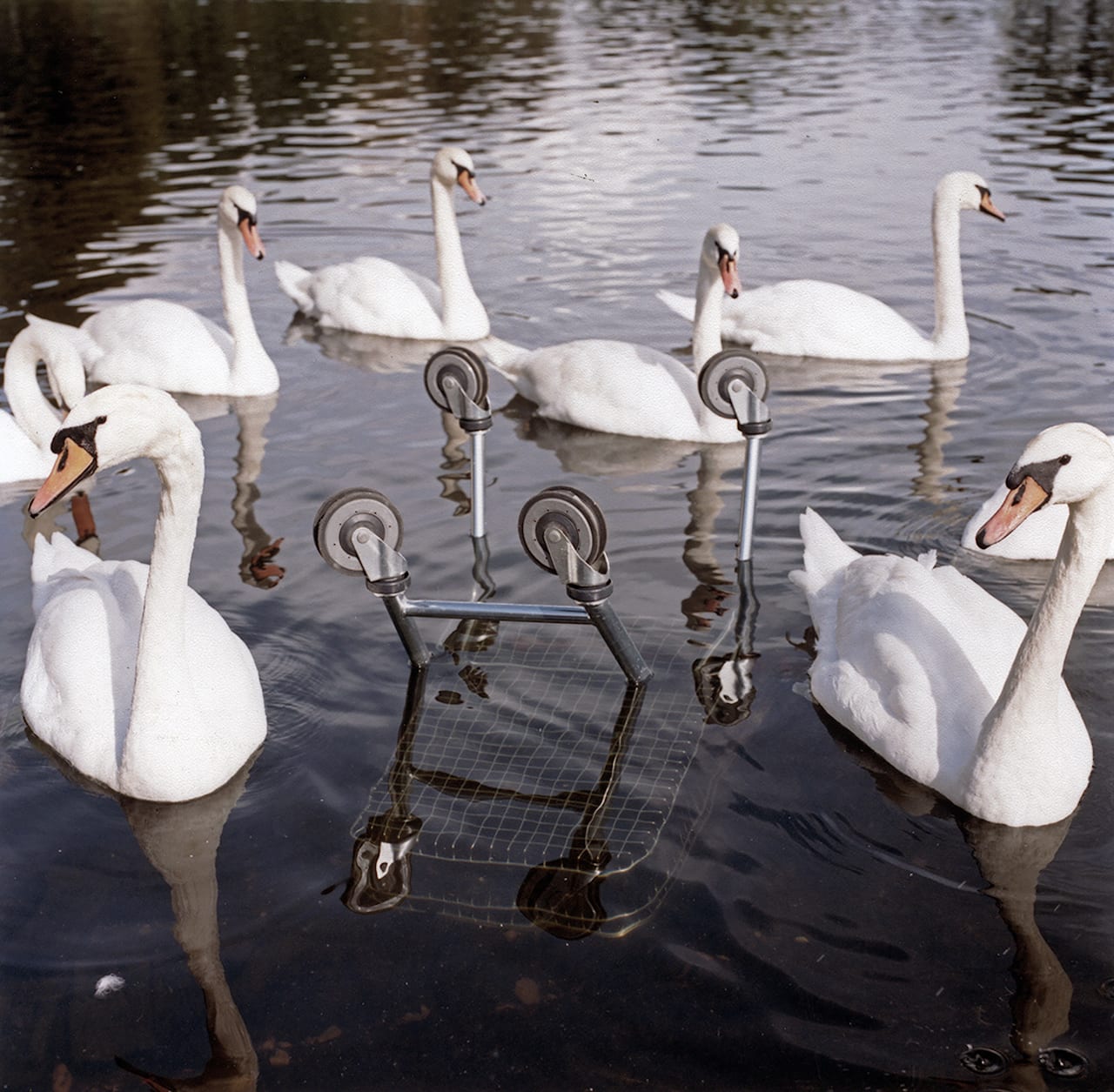
Before becoming a photographer, Sean Hillen was a tinkerer. As a young teenager, one of his favourite pastimes was to take apart his grandfather’s old cameras and then piece them back together again. It wasn’t long before he discovered that with a bit of tweaking he could fix a brand new 120 roll of film into an outmoded 620 camera. “I did that, I got them developed, and I was immediately addicted to photography”.

Hillen grew up through the Troubles in Newry, Northern Ireland, close to the border with the Republic of Ireland. “It was utter chaos,” he says. “I knew people who got killed, and I knew people who killed other people”. Hillen and his four siblings would lie awake in bed at night listening to gun battles, which were so frequent that they were able to distinguish between the sounds of different weapons.

27 September 2018

Contemporary Chinese photography stars at Jimei × Arles

Founded in 2015 by Chinese photographer RongRong (who also also founded China’s first photography museum, Three Shadows Photography Art Centre) with Sam Stourdzé, director of Rencontres d’Arles, the Jimei x Arles International Photo Festival is the biggest of its kind in China. It returns this November with 30 exhibitions by over 70 artists, including shows brought over from Arles and exhibitions devoted to emerging Chinese image-makers.

The Jimei x Arles Discovery Award nominees features work by ten new Chinese photographers, for example – with one image-maker selected from the show to win 200,000 RMB plus a place in Arles’ prestigious Discovery Awards. This year the nominees are: Coca Dai (1976), Hu Wei (1989), Lei Lei (1985), Pixy Liao (1979), Lau Wai (1982), Shao Ruilu (1993), Shen Wei (1977), Su Jiehao (1988), Wong Wingsang (1990), and Yang Wenbin (1996)

25 September 2018

Rebecca Fertinel wins the Unseen Dummy Award

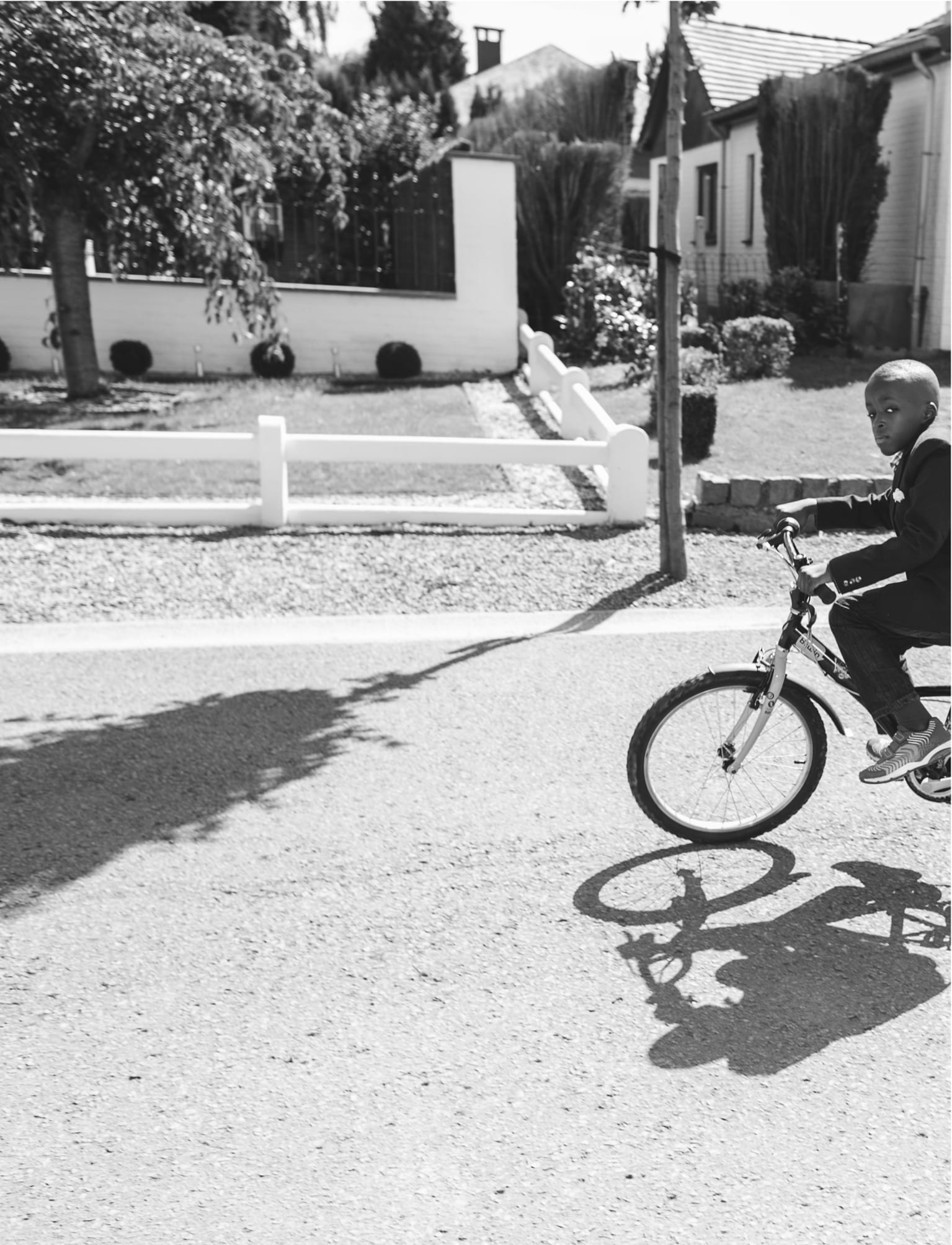
Brussels-based photographer Rebecca Fertinel has won the Unseen Dummy Award with her book Ubuntu. The book was shot in a Congolese community in Belgium, which Fertinel first visited in August 2015, when she was invited to a wedding by a friend. Whilst there she was introduced to a warm and friendly society, and the concept of “ubuntu” – the idea that “you become a human being by connecting with everything and everyone”.

The judges were particularly impressed with the editing of Fertinel’s book proposal which, they say, “transforms documentary photography into an unexpected narrative flow of community events”. The images move from one party to another party to a funeral, for example, the latter creating “a kind of breaking point” in the middle of the book, creating “a kind of dance where you don’t know what comes after”, and thereby summing up something about life.

24 September 2018

Q&A: Climate change in Iran by fast-emerging photographer Hashem Shakeri

Born in Tehran, Iran, in 1988, Hashem Shakeri studied architecture in TAFE (New South Wales Technical and Further Education Commission of Australia), and started his professional photography career in 2010. In 2015 he was Commended in the Ian Parry Scholarship, and in 2017 his images were included in the Rencontres d’Arles exhibition Iran, Year 38, alongside work by photographers such as Abbas Kiarostami and Newsha Tavakolian.

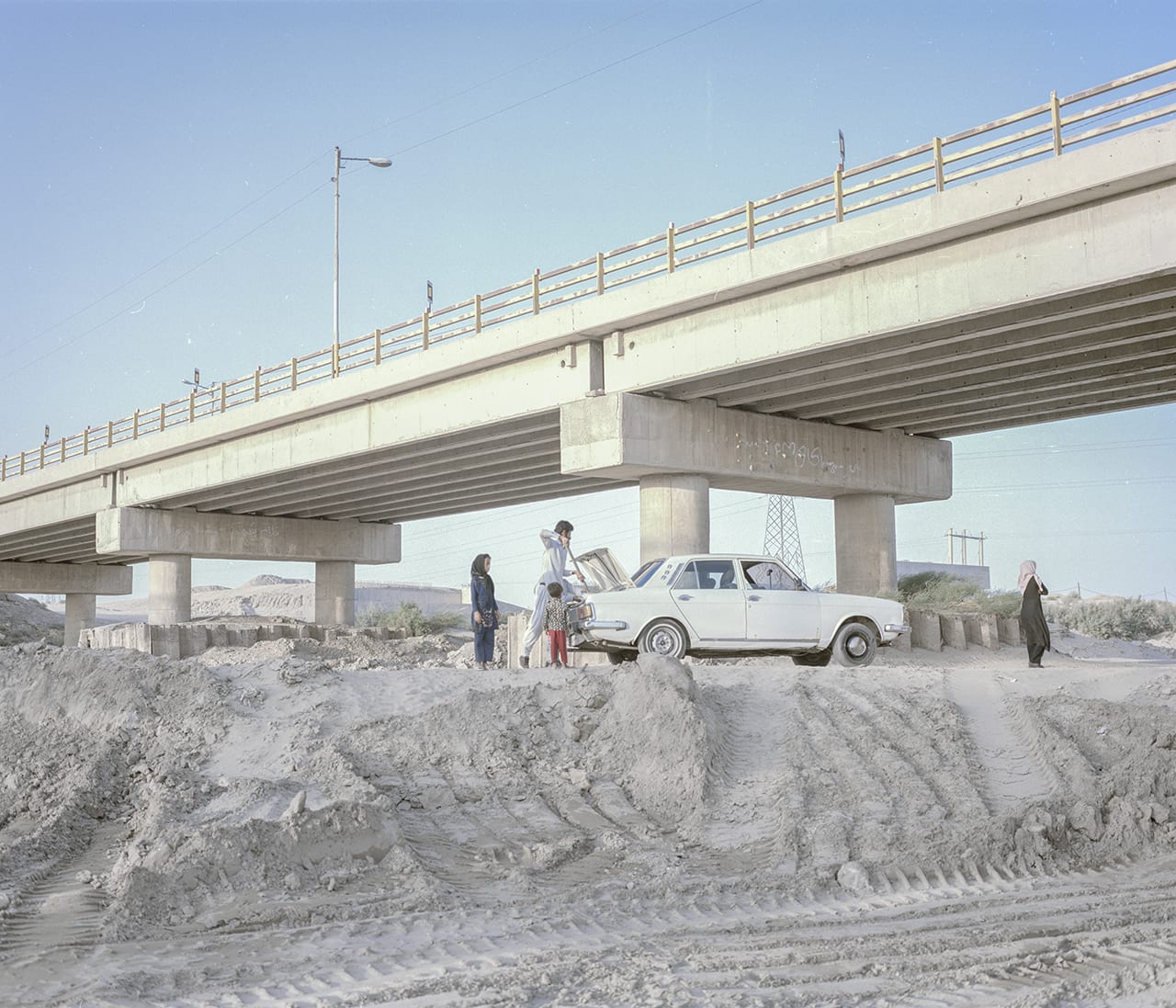
Shakeri’s ongoing series on climate change in Sistan and Balouchestan looks at the effect of drought in the Iranian province, which is located in the southeast of the country, bordering Afghanistan and Pakistan. It has been suffering from drought for the last 18 years, which has created severe famine in a region once famed for its agriculture and forests. “Nowadays, the Sistan region has faced astonishing climate change, which has turned this wide area into an infertile desert empty of people,” writes Shakeri.

17 September 2018

Her Take: (Re)thinking Masculinity

Last year, VII Photo Agency invited six women to join its collective. With seven female members in total, “the seven of VII” quickly became a phrase that stuck. After numerous email exchanges, and a big discussion at the annual general meeting in Barcelona in March, the seven of VII are now staging a group exhibition together – Her Take: (Re)thinking Masculinity, which opens at Photoville in Brooklyn, New York on 13 September.

The exhibition is made up of seven separate projects, each exploring the topic of masculinity. “The exhibition is a conversation, and it’s a conversation that we want to have with both women and men,” explains Sara Terry, whose project recreates Manet’s famous painting, Le Déjeuner sur l’herbe, with a naked man replacing the female nude.

12 September 2018