
Festivals

Lei Lei and Pixy Liao win at the 2018 Jimei x Arles festival

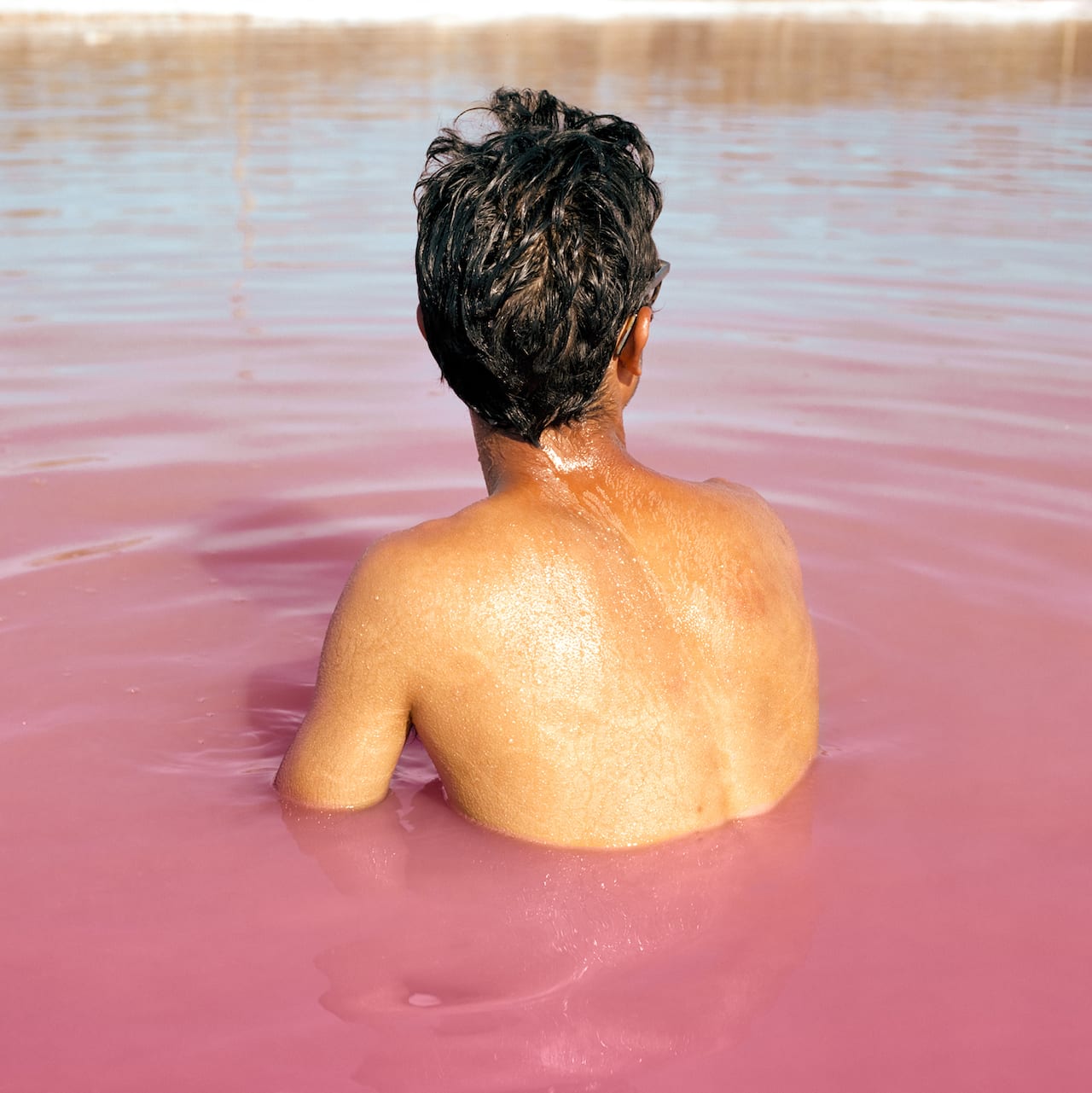
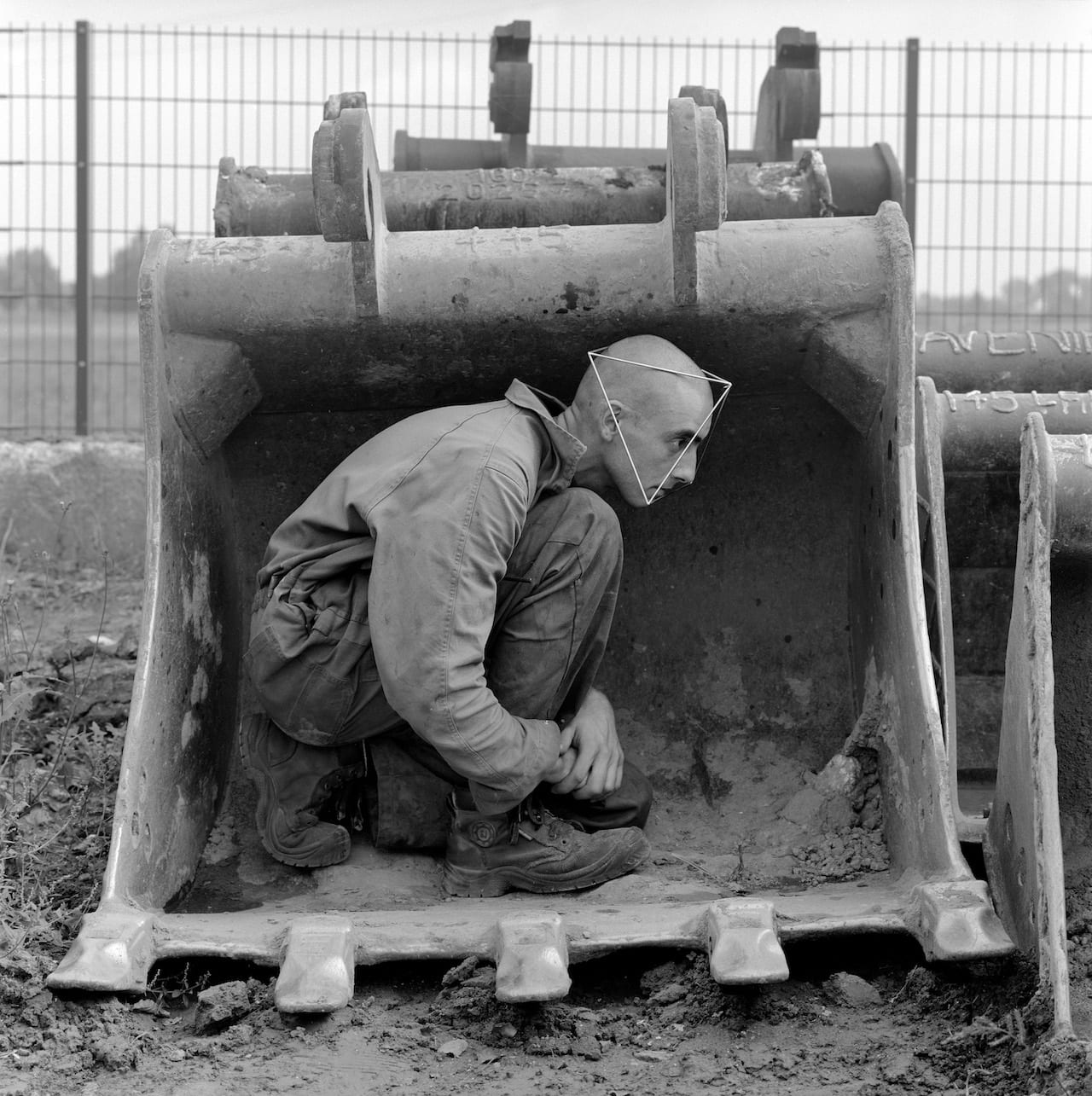
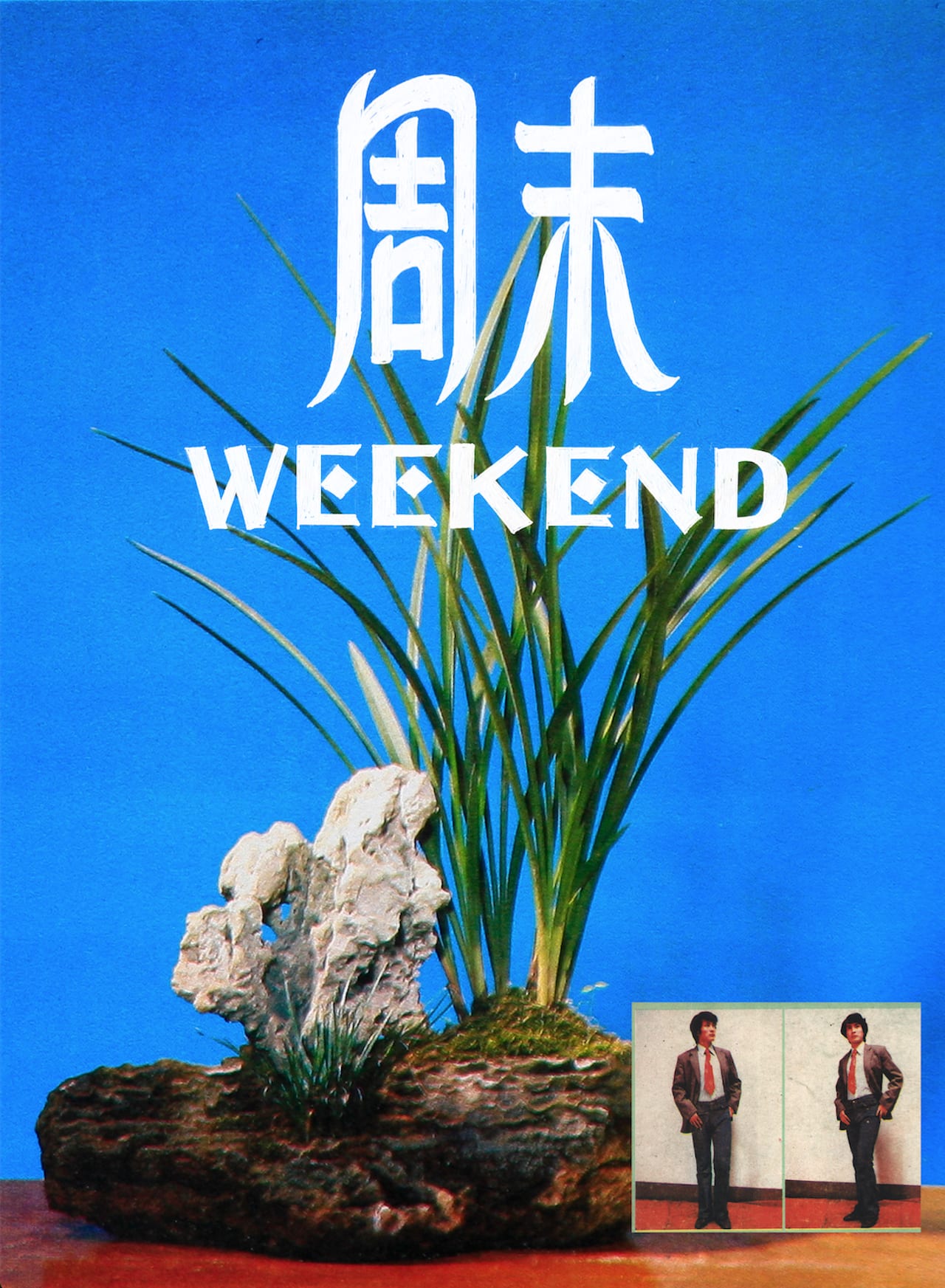
Chinese photographer Lei Lei has won the Jimei x Arles Discovery Award, giving him 200,000 RMB plus a spot in Arles’ prestigious Discovery Award exhibition and competition next summer. Born in 1985 and now living in Beijing and Los Angeles, the photographer won with the project Weekend, which uses archive images to consider history, nostalgia, and personal identity. Lei Lei’s previous projects include Hand-coloured, a joint series with French artist Thomas Sauvin which also features archive images, and which was exhibited at the Festival Images Vevey and previously published on bjp-online in December 2017.

Lei Lei was picked out from the 10 photographers shortlisted for the Discovery Award, all of whose work is currently on show in Citizen Square in Jimei, South East China. The other photographers included by the curators Dong Bingfeng, Li Jie, Chelsea Qianxi Liu, Holly Roussell and Wang Yan were: Coca Dai (1976), Hu Wei (1989), Pixy Liao (1979), Lau Wai (1982), Shao Ruilu (1993), Shen Wei (1977), Su Jiehao (1988), Wong Wingsang (1990), and Yang Wenbin (1996). 
27 November 2018

Frank Gehry’s LUMA Arles centre takes shape

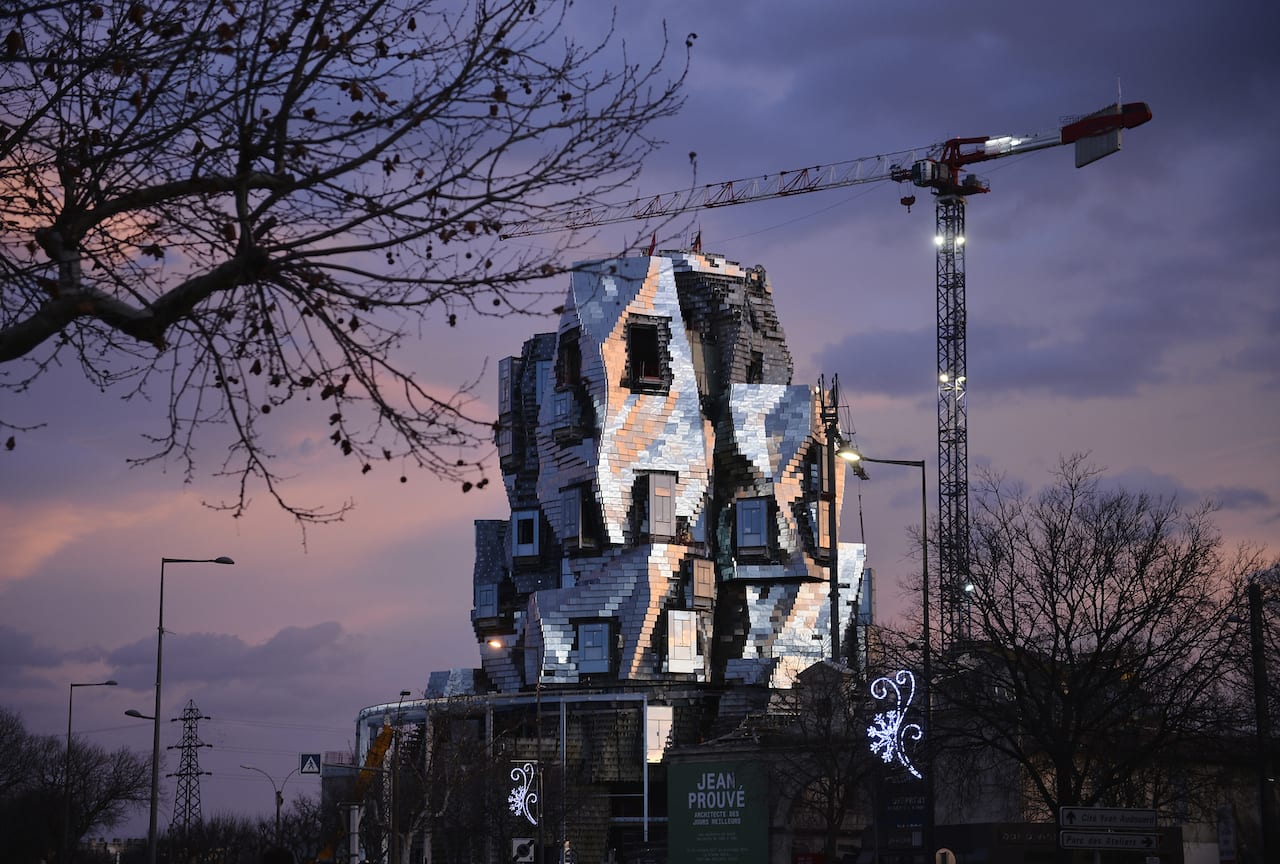
Its opening has been pushed back to 2020, but the LUMA Arles complex is taking shape in the French town celebrated for its prestigious Les Rencontres d’Arles photography festival.

Set on the site of the former SNCF rail yard long used for exhibitions by Les Rencontres, LUMA Arles will be an interdisciplinary arts centre aimed at supporting and producing exhibitions, research, education and archives. It is backed by Swiss collector Maja Hoffmann, whose LUMA Foundation has been involved with Les Rencontres d’Arles since 2013. LUMA Arles will occupy a 20-acre site when it’s complete, and the arts centre will be the centre-piece.

26 November 2018

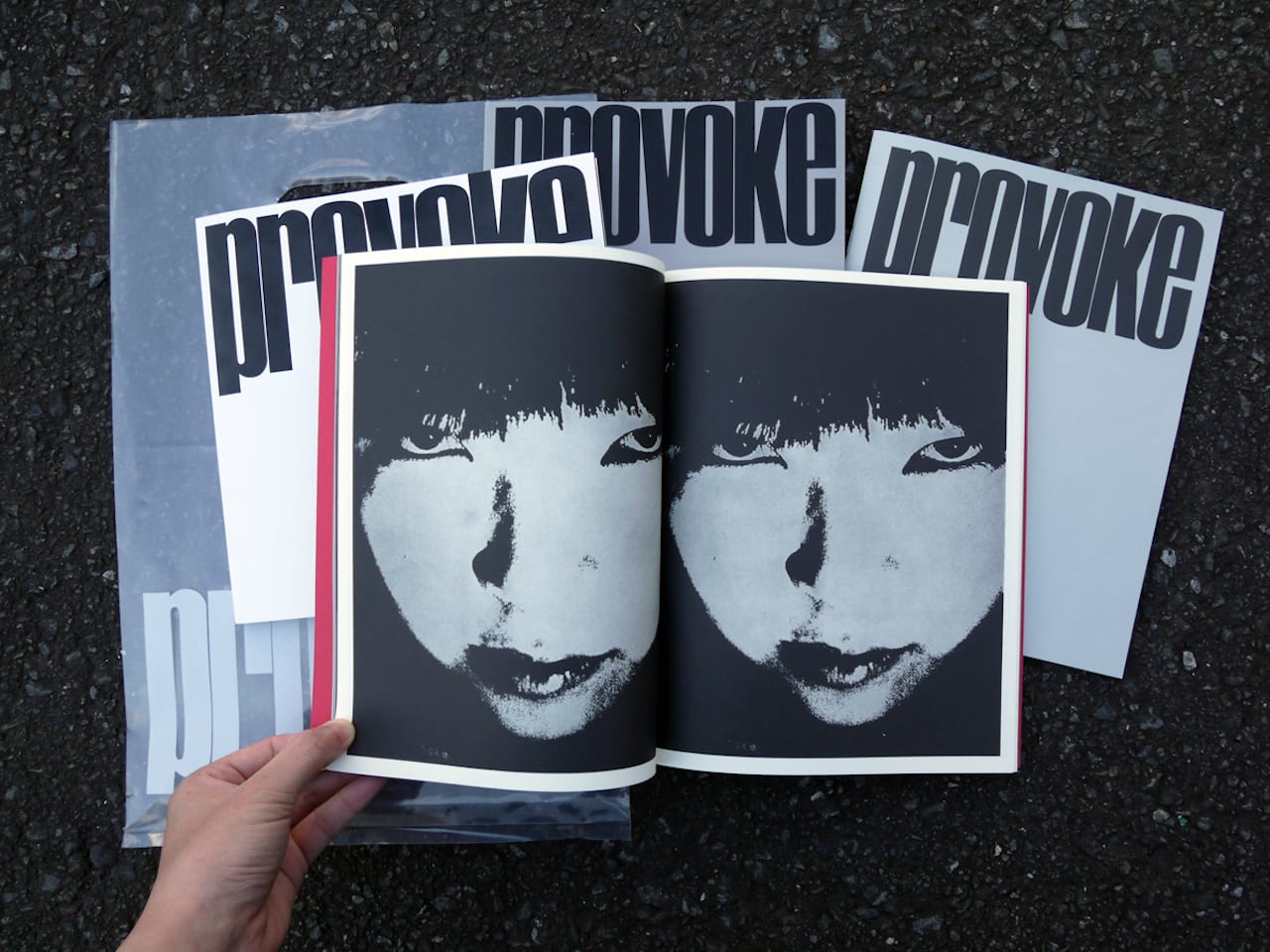
50 years since PROVOKE: reprinting the radical Japanese photo magazine

“How to fill the gap between politics and art? This is both an old and a new problem,” writes Takuma Nakahira, in the afterword to PROVOKE no.1, published 50 years ago this month. Led by some of Japan’s best-known photographers and art critics – including Takuma Nakahira, Koji Taki, and iconoclast Daido Moriyama, who joined from the second issue – the magazine stemmed from the anger and discontent that they felt towards the post-war world. Though it survived only three issues, and was criticised at the time, it is now widely recognised as a ground-breaking publication in the history of contemporary Japanese photography.

The magazines were printed in 1968 and 1969, both turbulent years for politics which featured the May 1968 riots in Paris; the assassination of Martin Luther King Jr and the anti-Vietnam protests in the US; the end of the Prague Spring. In Japan, 1968 was the year that a string of violent student uprisings forced many of the top universities to close.

16 November 2018

31 women to watch out for

Now in its second year, the PHmuseum Women Photographer Grant has a simple premise – to recognise and award world-class photographers, who also happen to be women. Judged this year by a prestigious panel including Magnum photographer Alessandra Sanguinetti and The Photographers’ Gallery senior curator Karen McQuaid, the Grant has two main sections – The Women Photographer Grant and the New Generation Prize for those under 30 years of age. BJP takes a look at those who have made the shortlist.

15 November 2018

Beyond Paris Photo – a wealth of photo shows

Feeling all shopped out? Take refuge in a photo show – though many are being hosted by private galleries in Paris next week, meaning you can still buy prints if you want to. Photo Saint-Germain is a huge umbrella under which 36 exhibitions and events are taking place, for example, including the Polycopies and Shakespeare & Co book events and several cultural institutes, but also smaller, commercial galleries.

31 October 2018

SPUD! Brian Griffin on potato-growing in former WW1 battlefields

In 2017, Brian Griffin was invited to undertake an artist’s residency in Béthune-Bruay, northern France. Griffin, who is one of the most prominent British photographers of his generation, was initially selected because of the links between this region and his native Black Country, Midlands – both in terms of landscape and industrial heritage. But Griffin soon had other ideas, drawn from the fact that Béthune-Bruay was just ten miles from the Western Front during World War One. “I’m just a basic Black Country boy and I do make some obvious decisions, which do many times turn out to be fruitful,” he says. “So I decided to focus on the First World War.”

24 October 2018

Gurkha Sons: Nina Manandhar’s portraits of British-Nepalis

In Aldershot, a town in Hampshire, England, there is an old 1930s Art Deco theatre called the Empire. Since its renovation several years ago, it operates mainly as a Nepalese community centre. On the top floor there is a restaurant and a temple; downstairs is a function room, where groups of Nepalese men meet up every so often to play xbox, table tennis and traditional Asian games like carrom.

Aldershot is home to the largest Nepali community in the UK and, because of its close proximity to an army base, Gurkha families make up a large proportion of the population. The Gurkhas are Nepalese soldiers who were recruited into the British Army following the Anglo-Nepalese war in the early 19th century. Over 200,000 Gurkhas fought for Britain in both world wars, but they were unable to settle in the UK until 2004. Since then, after a campaign famously championed by the actress Joanna Lumley, the population of Nepalis in the UK has increased from 6,000 to an estimated 100-150,000.

British-Nepali photographer Nina Manandhar’s most recent project, Gurkha Sons, questions the challenges and benefits of coming from a Gurkha family in the UK. The group she photographed calls themselves the k-BOYZ – the “k” standing for Kaprukka, the Nepali word for “frozen stiff” as that’s how they feel when they go out on their motorbikes in cold British weather. Manandhar asks how living in the UK informs their sense of identity, and most importantly, where home now lies for them

18 October 2018

LagosPhoto Festival opens 27 October – 15 November

The first event of its kind in Nigeria, LagosPhoto Festival is back for its 9th edition this autumn. Themed Time Has Gone, the main show includes work by 22 artists from around the world who engage with the idea of time in various ways, from issues of archiving to nostalgia to an Afro-based future. Artists featured in the main programme include: Ola Olatunde, who’s from Nigeria; Mary Evans (Nigeria/UK); Alfredo Jaar (Chile); and Emmanuelle Andrianjafy (Madagascar); LagosPhoto has been curated by Eva Barois De Caevel, Wunika Mukan, Charlotte Langhorst, and Valentine Umansky.

In addition other spaces across Lagos will host 41 other exhibitions during LagosPhoto Festival – with the respected Market Photo Workshop, for example, hosting an exhibition of work by emerging image-makers Dahlia Maubane, Sydelle Willow Smith and Tshepiso Mazibuko. The main festival is based in The Federal Printing Press Building on Lagos Island, Lago, and in outdoor exhibitions in spaces such as Ikorodu Park and Freedom Park, while the satellite exhibitions and events will take place in institutions such as the African Artists’ Foundation, Omenka Gallery, and Gallery 16/16.

17 October 2018

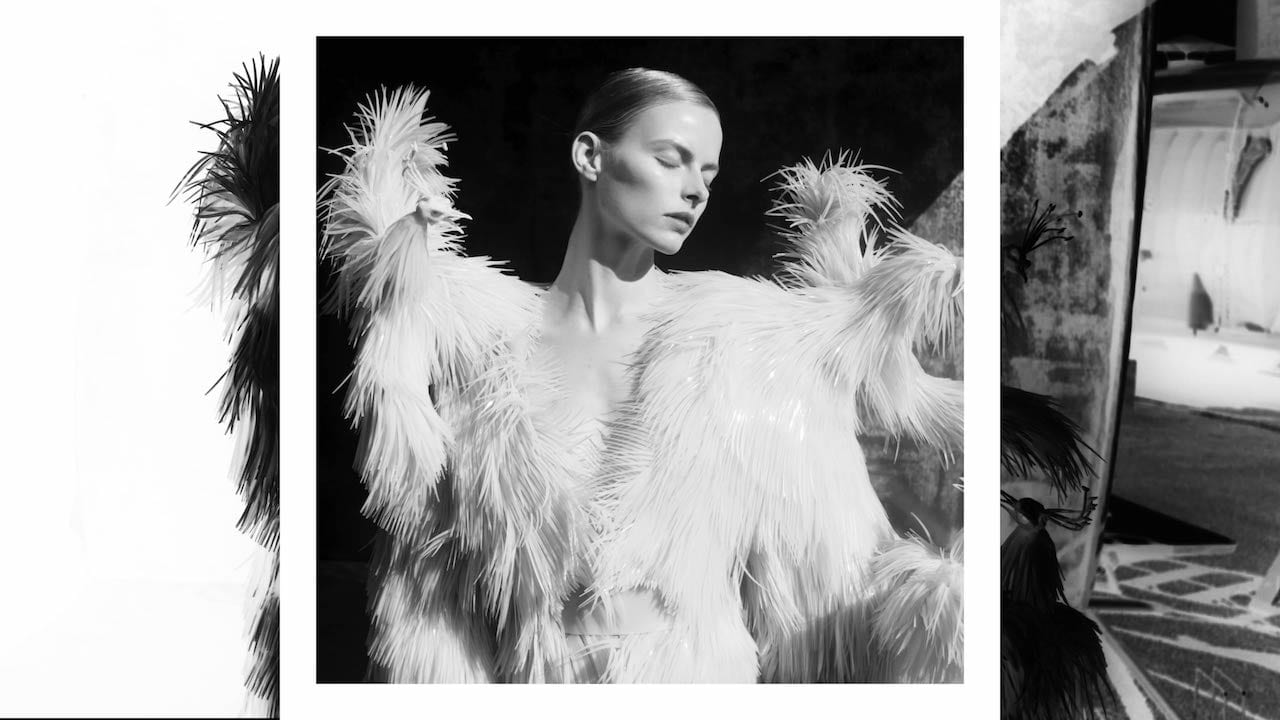
Sølve Sundsbø – Beyond the Still Image

Fashion photographer Sølve Sundsbø was awarded an Emmy in 2011 for his direction of a series of short films, shot for the website of the The New York Times Magazine. The series, 14 Actors Acting commissioned by Kathy Ryan, was acclaimed as a “new approach”, but the Norwegian photographer claims he simply “dabbles” in film.

“I’m not proficient or even adequate yet,” he says. “But film is a way of rejuvenating the work I’ve already done. It’s like a little vitamin boost.” 

Sundsbø’s photography career has been meteoric. Four months into a course at the London College of Printing, he attracted the attention of Nick Knight, and became his assistant for the next four years. Now he’s a regular in Italian Vogue, Visionaire and W magazine. His commercial clients include Chanel, Hermès, Nike and Yves Saint Laurent and, outside the fashion world, Royksopp, Friendly Fires and Coldplay have all chosen his work for their album covers. 

17 October 2018

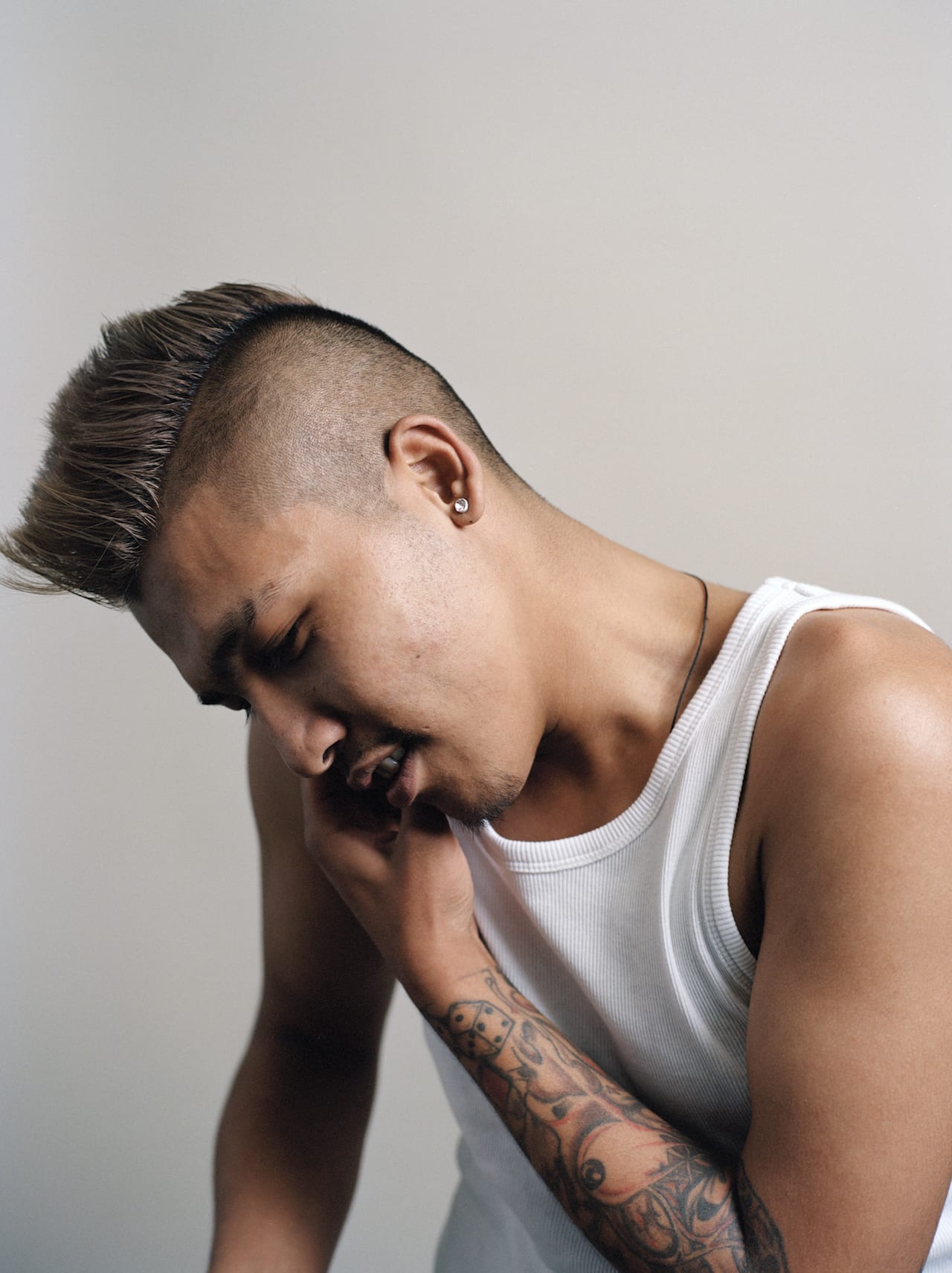
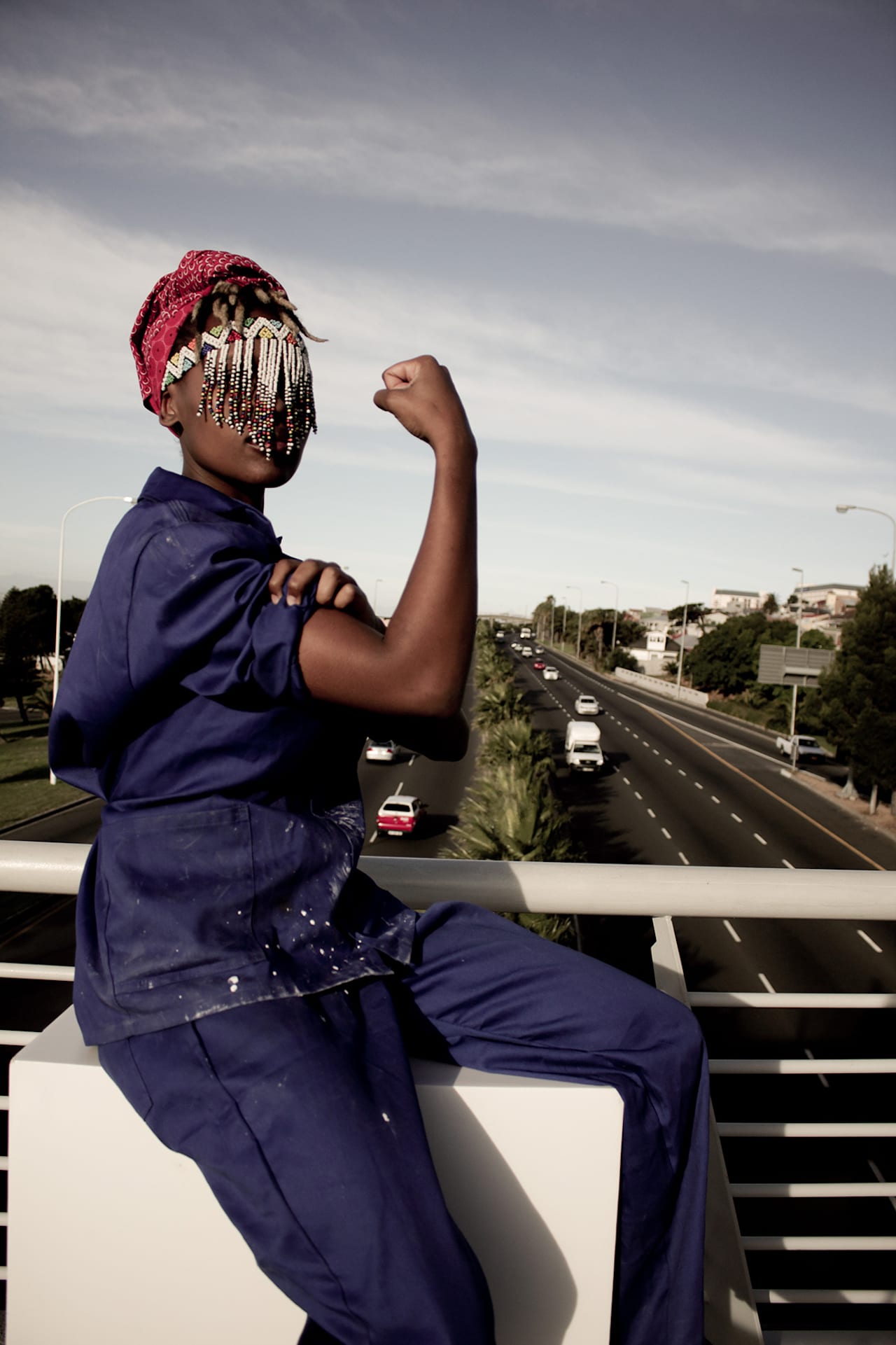
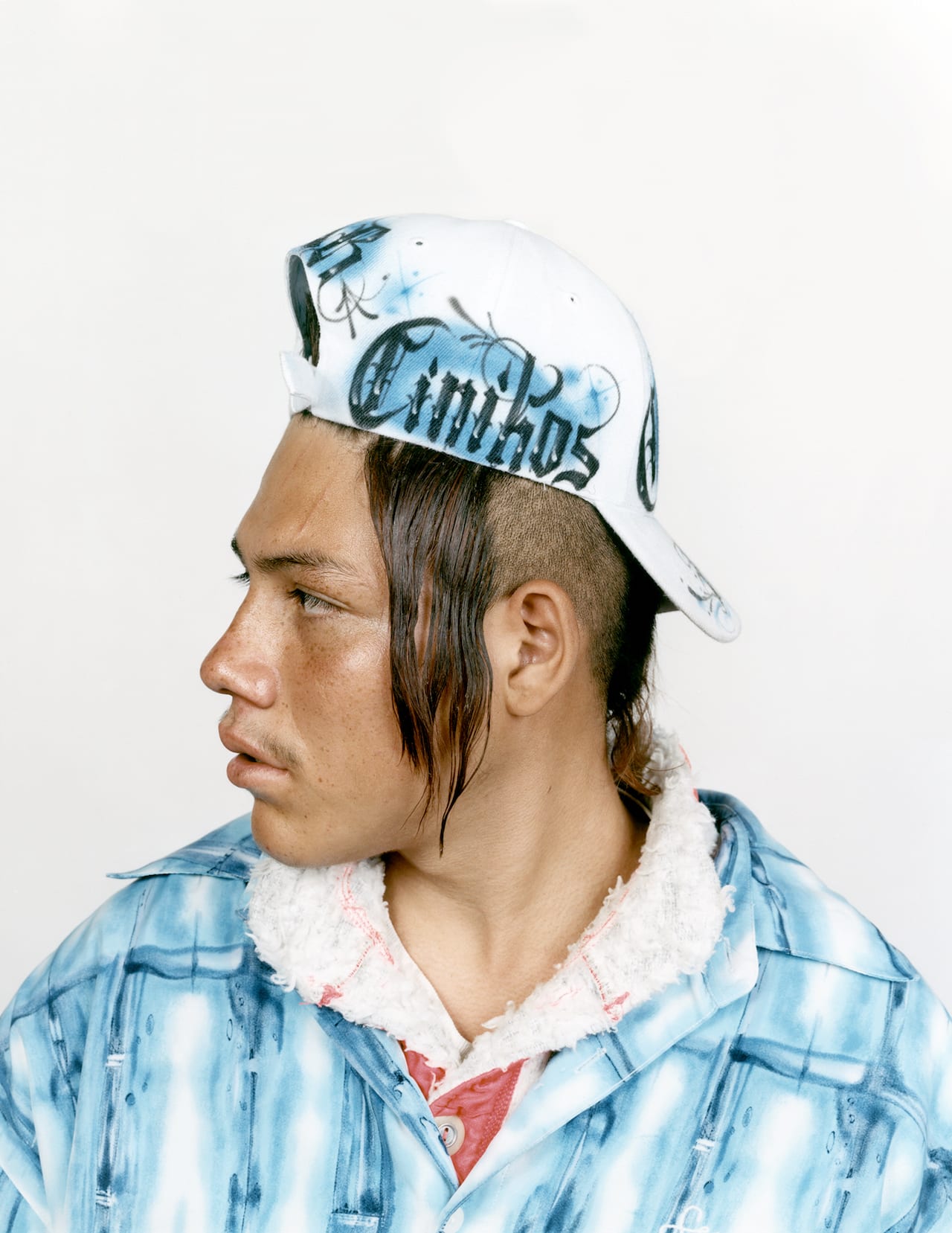
Photo Vogue Festival: embracing diversity and the many shades of masculinity

Diversity has never been hotter in the fashion industry. This year, more non-white, plus-sized, and transgender models have walked the runway than ever before, and a record number of black women have appeared on the covers of glossies worldwide. Alessia Glaviano, senior picture editor at Vogue Italia and director of the Photo Vogue Festival thinks we owe it to the internet. “I believe that nothing would have happened, or not this fast, in terms of inclusivity, if it wasn’t for social media,” she says. “It’s a progressive platform for talking about race, identity, sexuality, and disability.”

But diversity isn’t just a trend, it’s a reality. Years before #diversity began to take off, forward-thinking publications such as Vogue Italia were already poking holes in the industry’s representation problem, with initiatives such as the July 2008 “all black” issue. Vogue Italia is known for being adventurous, for setting a standard for cutting-edge fashion photography. Over the years has given artistic freedom to commissioned photographers such as Steve Meisel, Ellen von Unwerth and Miles Aldridge, who have shot stories unlikely to be seen elsewhere, engaging with themes such as plastic surgery and domestic violence.

“It’s been in our DNA since the beginning,” says Glaviano. “We’ve always been really engaged and committed to this part of fashion that can be very strong and influential.

“I’ve never believed in boundaries and labelling things,” she adds. “No one cares that Michelangelo was commissioned to create the Sistine Chapel. What they care about is the final result.”

15 October 2018