
Features

New Brighton Revisited by Martin Parr, Tom Wood, and Ken Grant

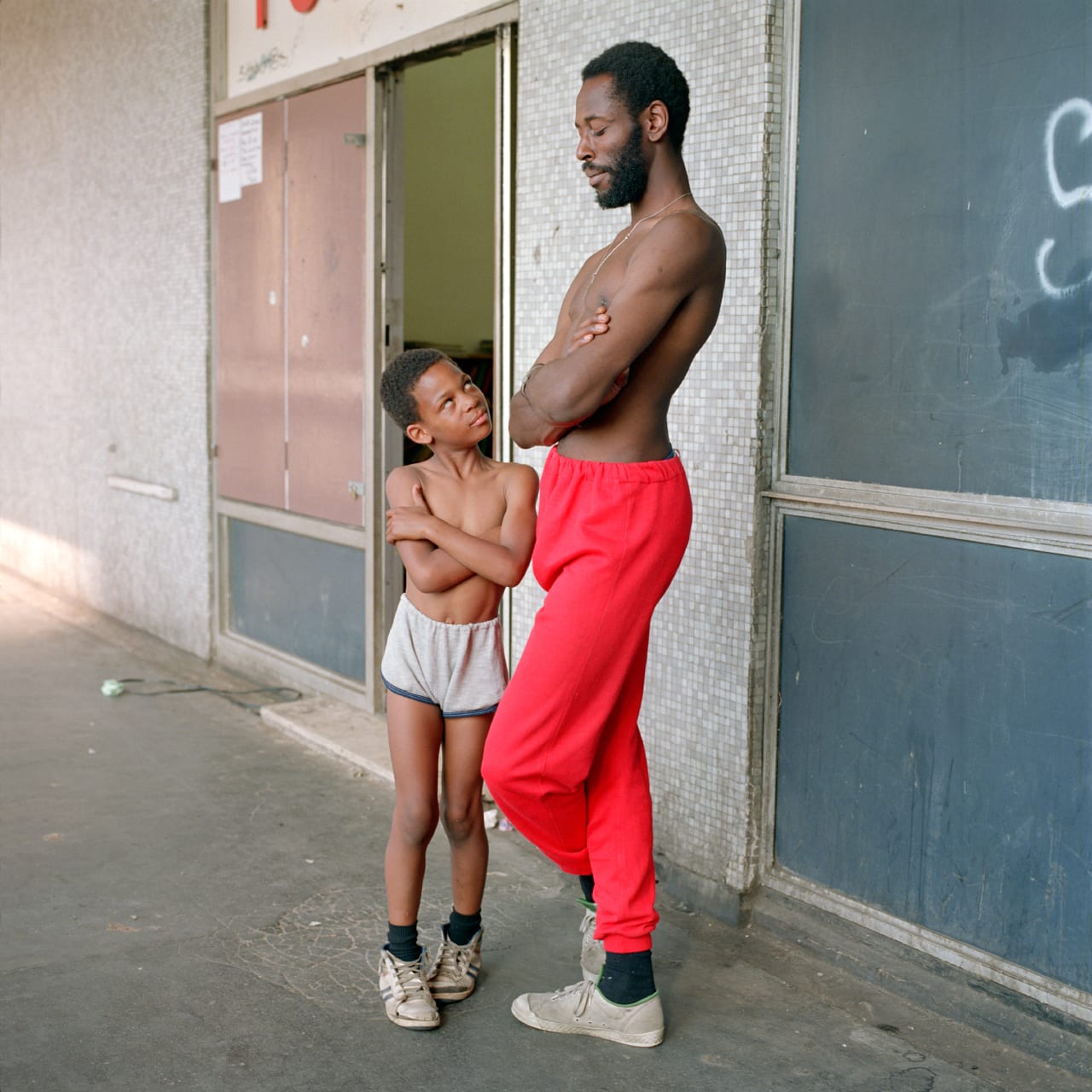
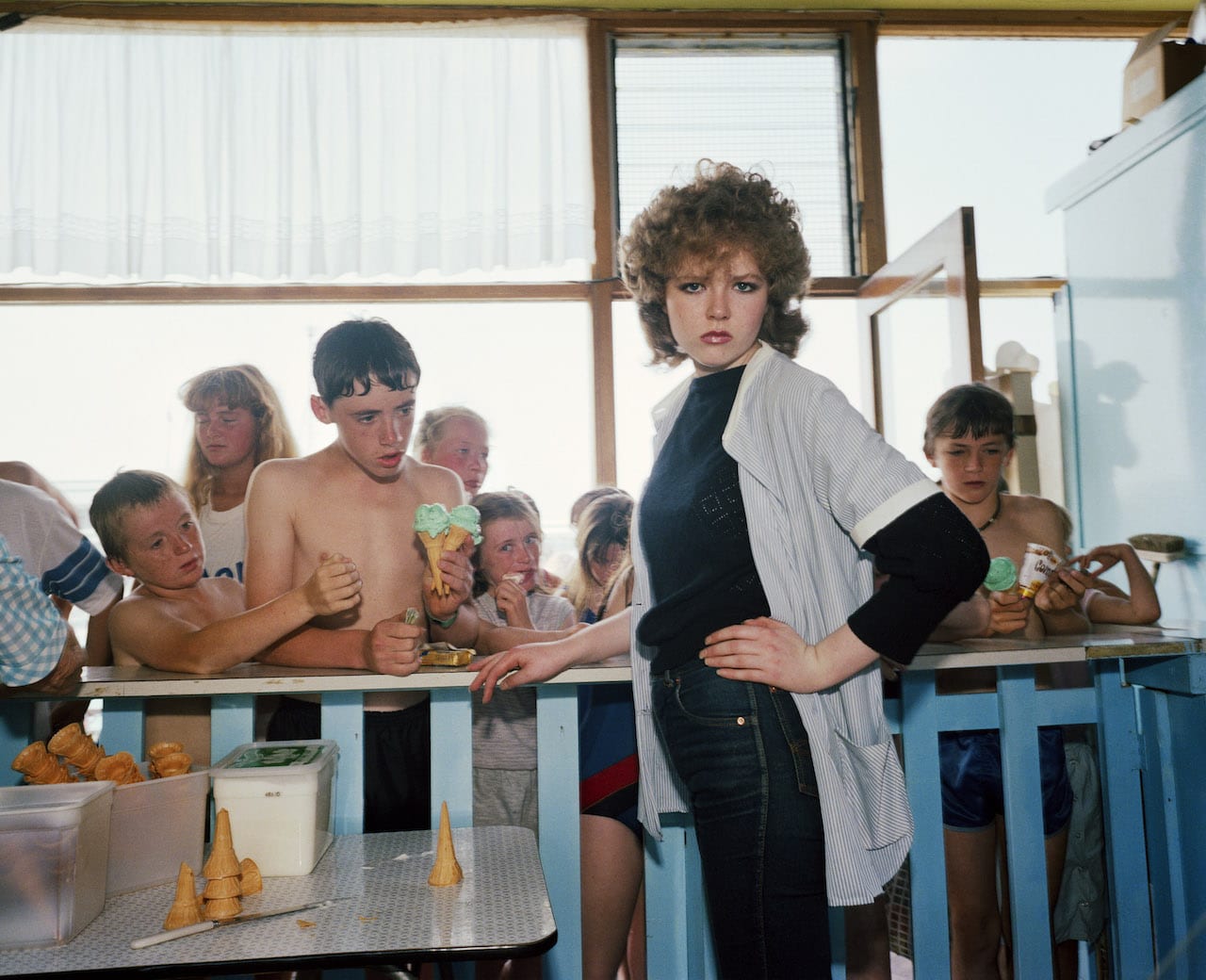
“I was the first to move to New Brighton, and it was by sheer chance,” says Tom Wood. “I studied fine art part-time [a Fine Art Painting BA at Leicester Polytechnic], then went back to the car factory where I had worked before. Then I found a job as a photo technician at the poly [now Wirral Metropolitan College, where he went on to teach], and we moved there in September 1978.”

Thus began a golden age for photography in New Brighton, which lasted until 2003 when Wood moved to his current home in North Wales. In the intervening 25 years, Ken Grant also lived in New Brighton from 1992-2002, studying for a spell at Wirral Met, and Martin Parr was based just 20 minutes away from 1982-1985. Between them the three photographers created a huge body of work on the seaside town, which is based just across the River Mersey from Liverpool in North England.
12 July 2018

Photography and voyeurism in Paul Kooiker’s Nude Animal Cigar

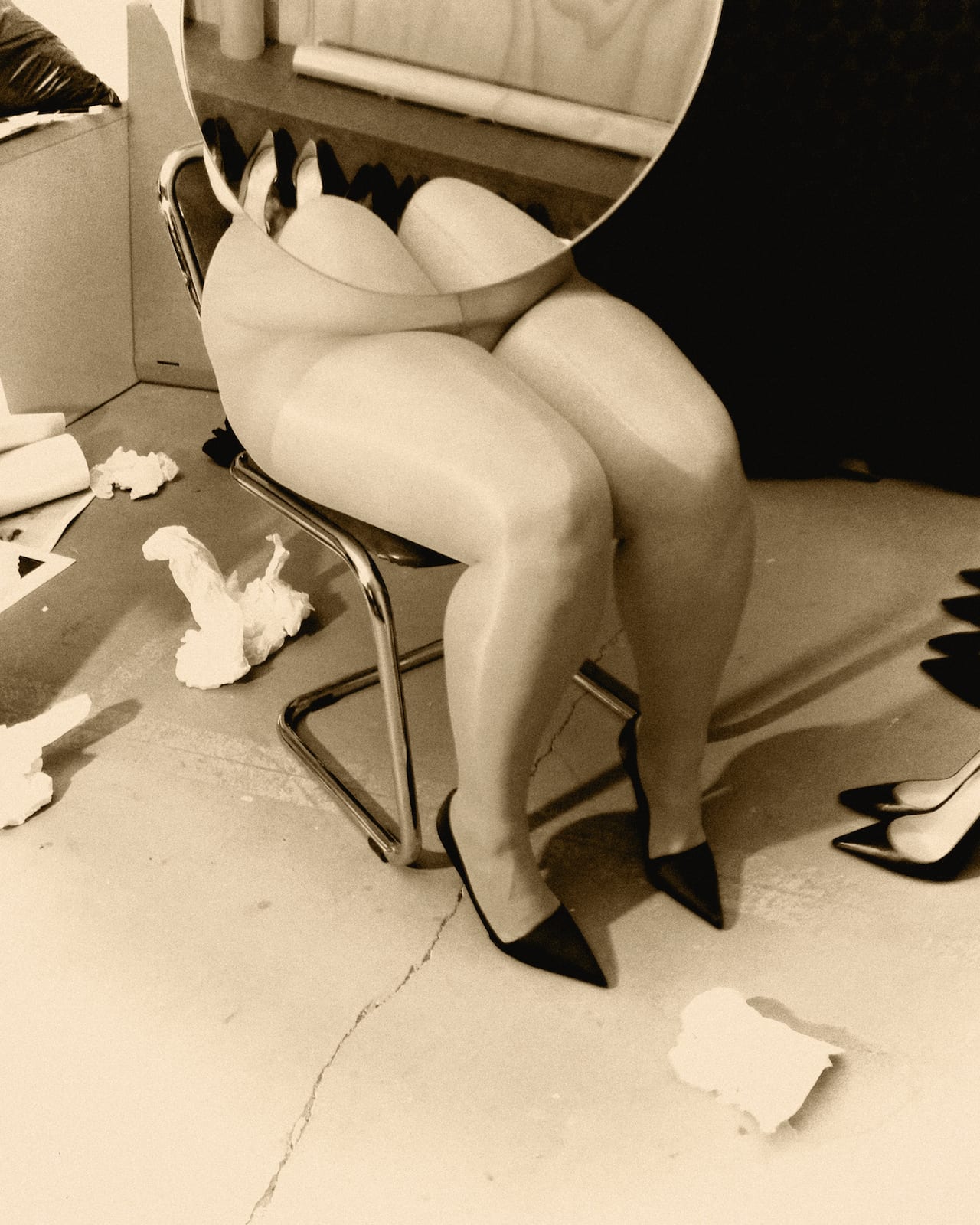
Paul Kooiker’s latest photobook, Nude Animal Cigar, is a peculiar hybrid made up of variations on the three themes revealed in the title. It’s as if the weirdest and most beautiful nudes, mournful animals and mysterious still lifes of cigar butts have been picked out from photography’s 176- year history. But although the images look old- fashioned, they have all been made within the past five years by this contemporary Dutch artist. Applying sepia filters to all the images, he lends the series a vintage and melancholy feel, and by virtue of the treatment knits this motley trio of monochrome motifs together.

“My work is successful if it is about looking, and about photography,” says Kooiker in his studio, located in a quiet street on the southern periphery of downtown Amsterdam. “Ultimately, my work is about looking, and looking is the ultimate act of voyeurism. It makes the work accessible, as everybody is able to recognise himself in this act. It also leaves the viewer confused. What I want to achieve is to make the public feel accessory to the images they witness.”

9 July 2018

Kristine Potter’s portraits of masculinity

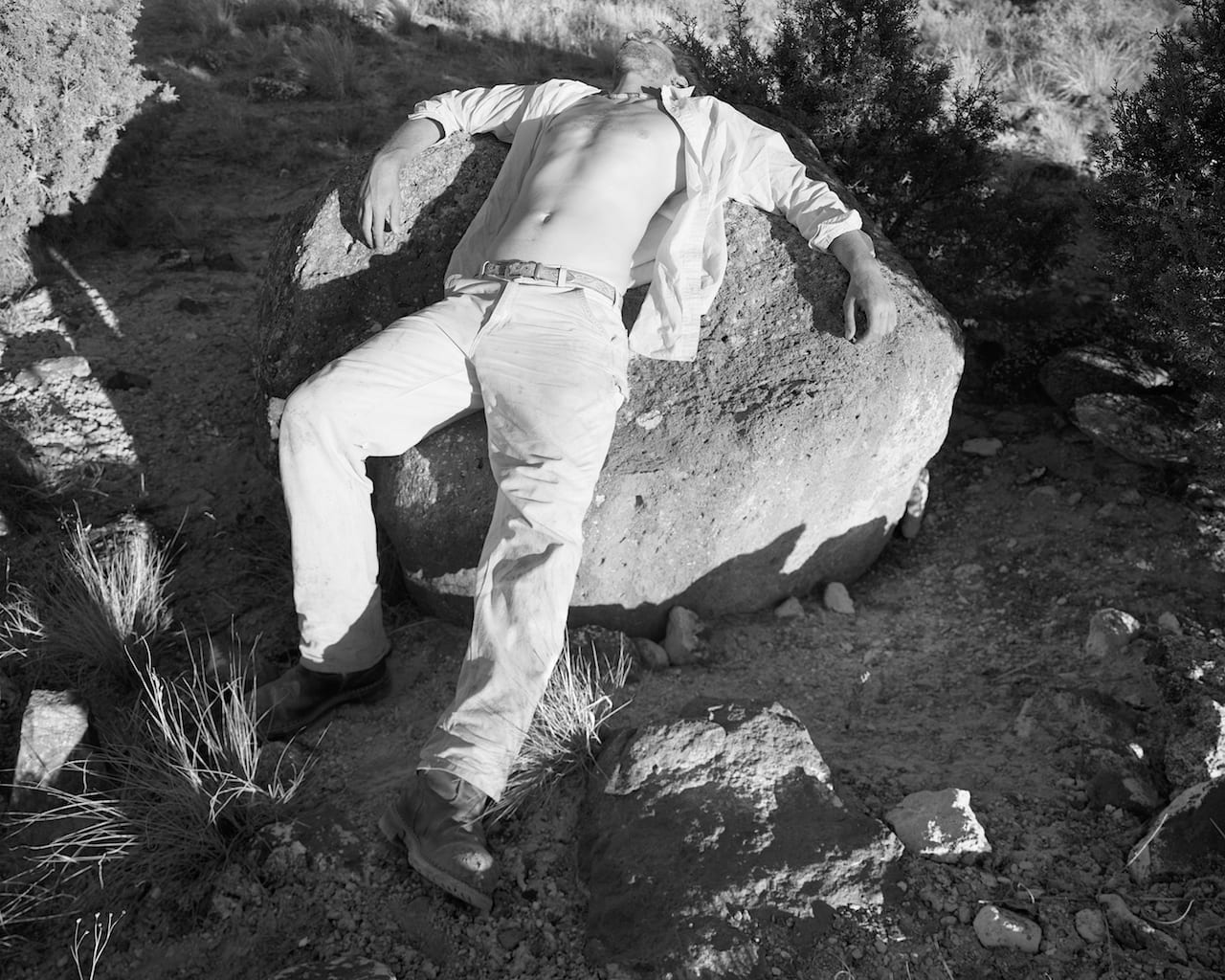
“What’s more American, iconic, and masculine than a cowboy?” asks Kristine Potter. “There is so much control within the military, so I wanted to pivot to a more lawless, unpredictable form of masculinity”.

Coming from a long line of military men on both sides of her family, Potter has long been interested in broadening the spectrum of permissible masculinity. After completing The Gray Line, a project that looks at young male cadets, she started to think about forms of masculinity other than that familiar from her youth.

5 July 2018

Bill Stephenson’s portraits from the Streets in the Sky

“None of the people I met wanted to move, they were happy there,” says Bill Stephenson, who photographed the last residents of Hyde Park Flats, Sheffield before it was demolished 30 years ago. “The tenants felt like they were being pushed around, they didn’t know where they were going. They loved living in that brutalist housing, it was a special place for them.”

Set on one of Sheffield’s seven hills, the four high-rise flats were once part of Park Hill Estate, at the time the largest social housing estate of its kind in Europe. Built between 1957 and 1961, Park Hill had a deck access scheme considered revolutionary at the time, which provided walkways wide enough for small vehicles like milk cart, and earned the estate the nickname “streets in the sky”.

5 July 2018

Noel Bowler goes inside the union movement

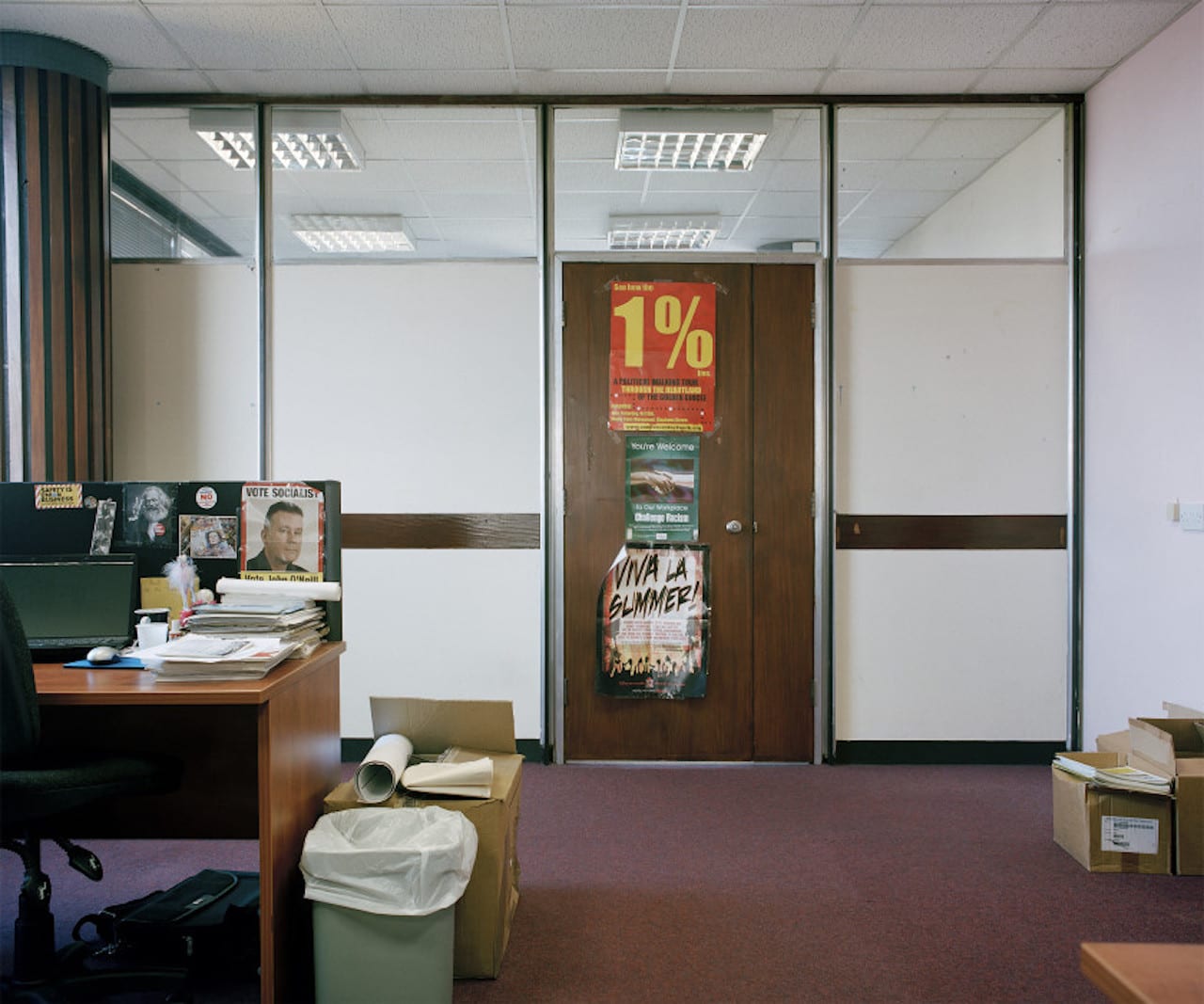
Modern working life is so frenetic, we often don’t get the chance to dwell on how it’s evolving, how secure it is, or how we’d cope if our jobs came under threat. Who are the people, or groups of people, fighting this seemingly inevitable trend? The people who see something noble and worthy of protection in work? 

Noel Bowler provides a possible answer in his series Union, which is on show at Impressions Gallery from 04 July – 22 September. Taking us inside the meeting rooms and head offices of industrial unions, it introduces us to the people who try to safeguard labour rights.

29 June 2018

Sim Chi Yin investigates the Fallout

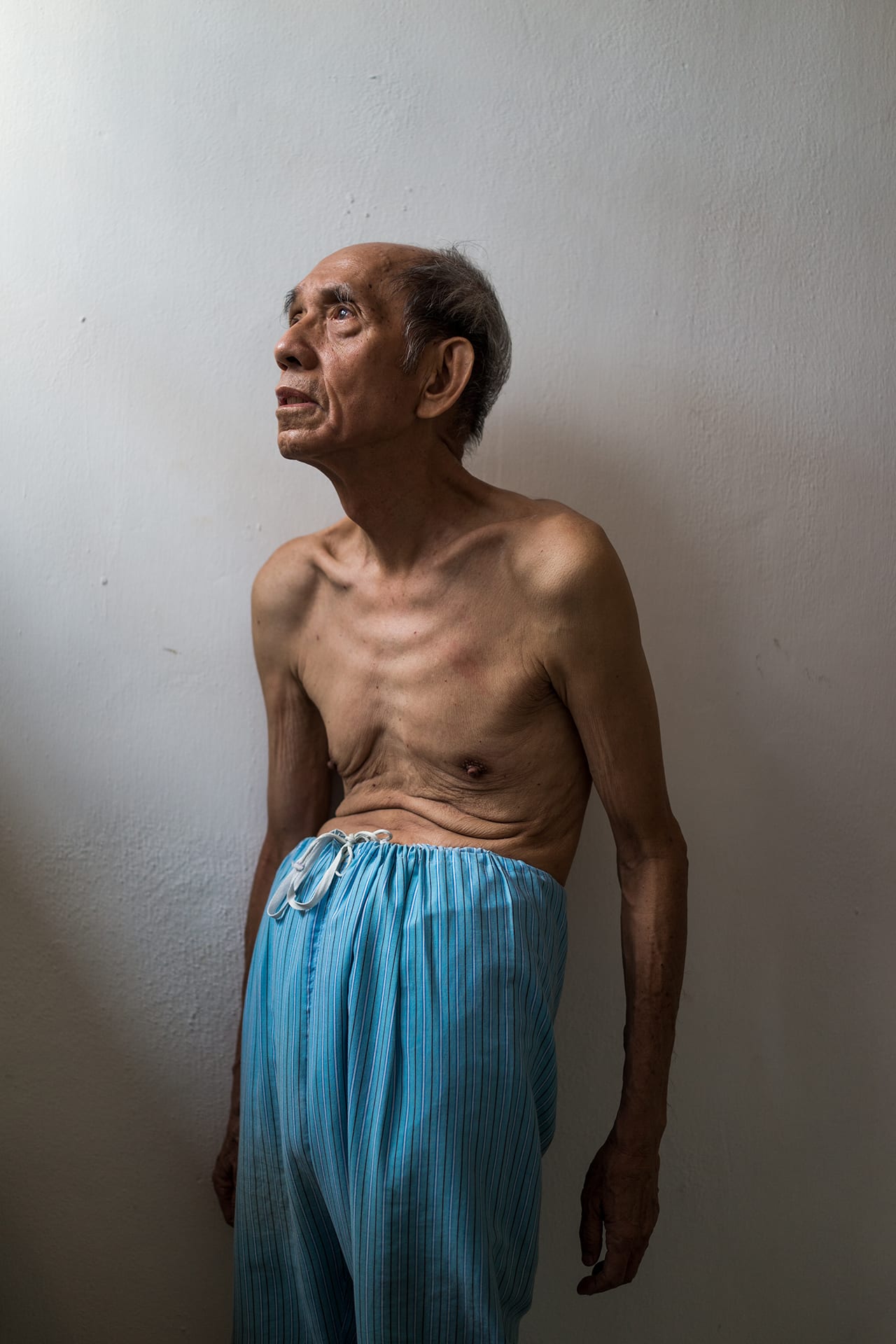
It’s disconcerting to think how years of work and effort, of countless hours spent practising and honing a skill, can be wrenched away from any of us in just a few minutes of misfortune. It’s also, for any of us used to good health, troubling to consider how reliant we are on the basic functionality of our bodies. A photographer, for example, needs to be able to hold a camera, to have the strength to frame a shot and time the click of the shutter in the heat of the moment. Shorn of that basic ability, what are we left with? Early one morning in May 2015, Sim had to face that exact question.

She was on assignment for a French newspaper, travelling to the Tumen Economic Development Zone, a government-owned complex of Chinese factories on the edge of the border with North Korea. Tumen employed North Korean labourers who, with state sanctioning, would be sent to live and work in the economic zone. The brief was to capture how North Korea and China trade. This place seemed like the perfect microcosm for that complex relationship – the makings of great pictures.

Entering Tumen with her driver and colleagues from Le Monde, she failed to spot a sign that read: “No smoking, photography, or practising driving”. As they approached the factories, the car passed a small group of women in black jumpsuits, knelt by the roadside picking weeds from the ground. Sitting in the driver’s seat with the window wound down, Sim instinctively raised her camera and fired off a couple of shots. “Almost immediately, the women turned around, ran towards the cab, and reached into the car,” she wrote in an article for ChinaFile, recounting events.

27 June 2018

Greg Halpern’s dreams of California in ZZYZX

“It’s hard to know when to stop,” says Gregory Halpern. “I remember putting my camera away on a trip home and being relieved it was out of sight. I never feel that way, so that was clearly a sign. I haven’t kept track, but I shot maybe 700 to 1000 rolls of film.”

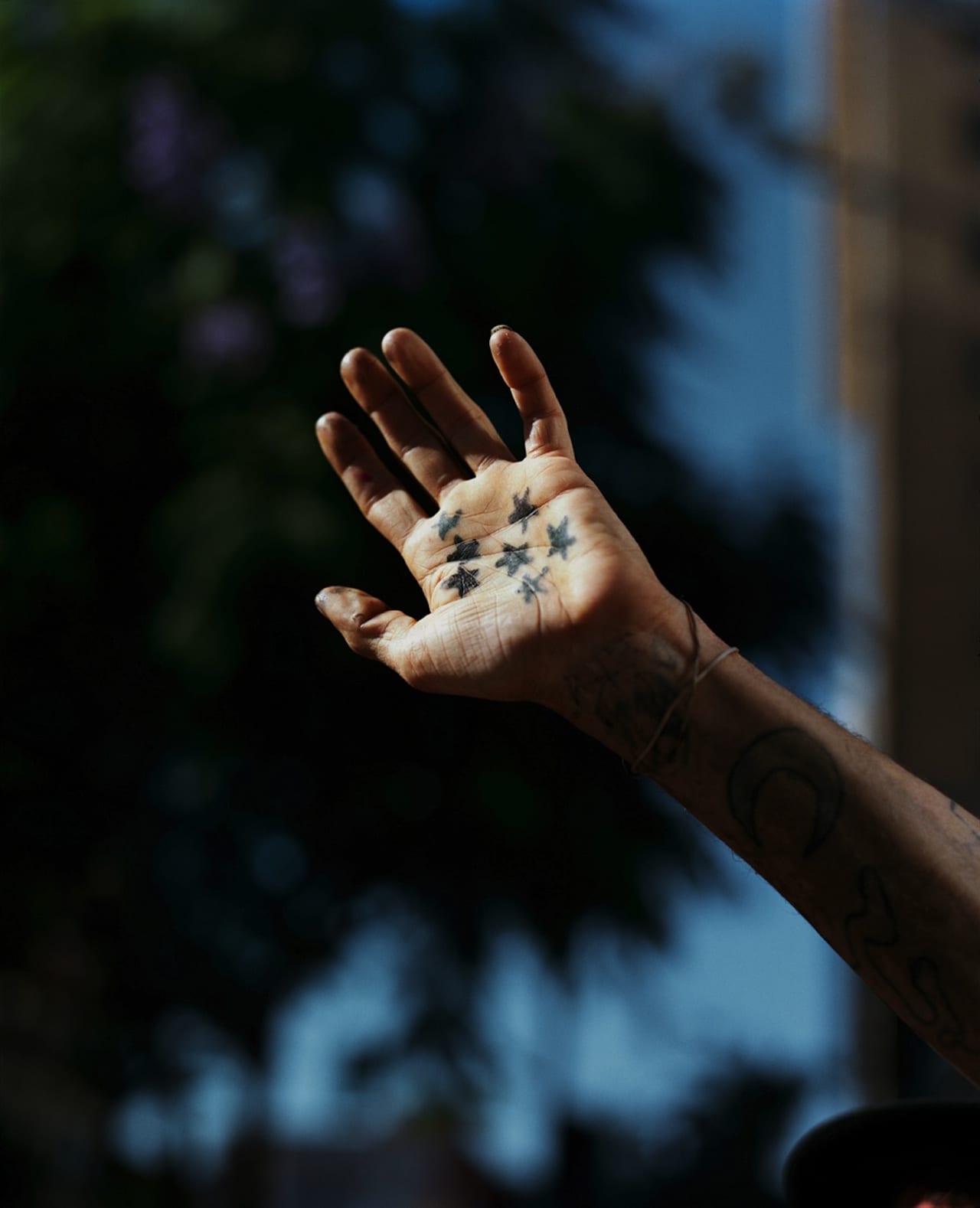
He’s talking about ZZYZX, which he’s worked on for five years, partly supported by a Guggenheim fellowship. Shot in Southern California, starting out on the eastern fringes of the state then moving slowly westwards towards Los Angeles and the Pacific, it’s named after an ‘unincorporated community’ in the Mojave desert, and has a similar sense of the outsider. The opening picture shows a gnarled hand, with a callus on the thumb and dirt in the fingernails, outstretched to show seven stars tattooed on the palm. The next shows stark black trees in the desert in the wake of a fire.

27 June 2018

Rafal Milach celebrates people power in The First March of Gentlemen

Last time I spoke to Polish photographer Rafal Milach, he told me that protesting the alarmingly fast political changes brought about by the PiS (Law and Justice) government felt like his new hobby. And he reiterates this today, speaking of the “permanent state of demonstration”. In summer 2016, he was invited to participate within the Kolekcja Września residency programme, which each year selects a photographer to produce a body of work reflecting on town life. Milach and his Sputnik colleagues have been amassing an archive of found and newly shot photographs from the post-communist Eastern Bloc for their Lost Territories projects, so he was naturally drawn to the town’s historical material. He was also aware of a children’s protest that had taken place there at the turn of the 20th century, when western Poland was under German occupation.

27 June 2018

Magnum Photos’ international new wave of Nominees

Magnum Photos just completed its annual AGM and has announced five new photographers are to join as Nominees – Rafal Milach (Poland), Sim Chi Yin (Singapore), Lua Ribeira (Spain), Gregory Halpern (USA), and Lindokuhle Sobekwa (South Africa).

Under Magnum’s system, photographers first join as Nominees, before graduating to become Associates a couple of years later. After a spell as Associates, they then become full Members – a status which confers life-time membership of the world-famous agency. Magnum has also announced that previous Nominees Sohrab Hura (India) and Lorenzo Meloni (Italy) have become Associates.

27 June 2018