
Features

Obituary: David Goldblatt, photographer, 1930-2018

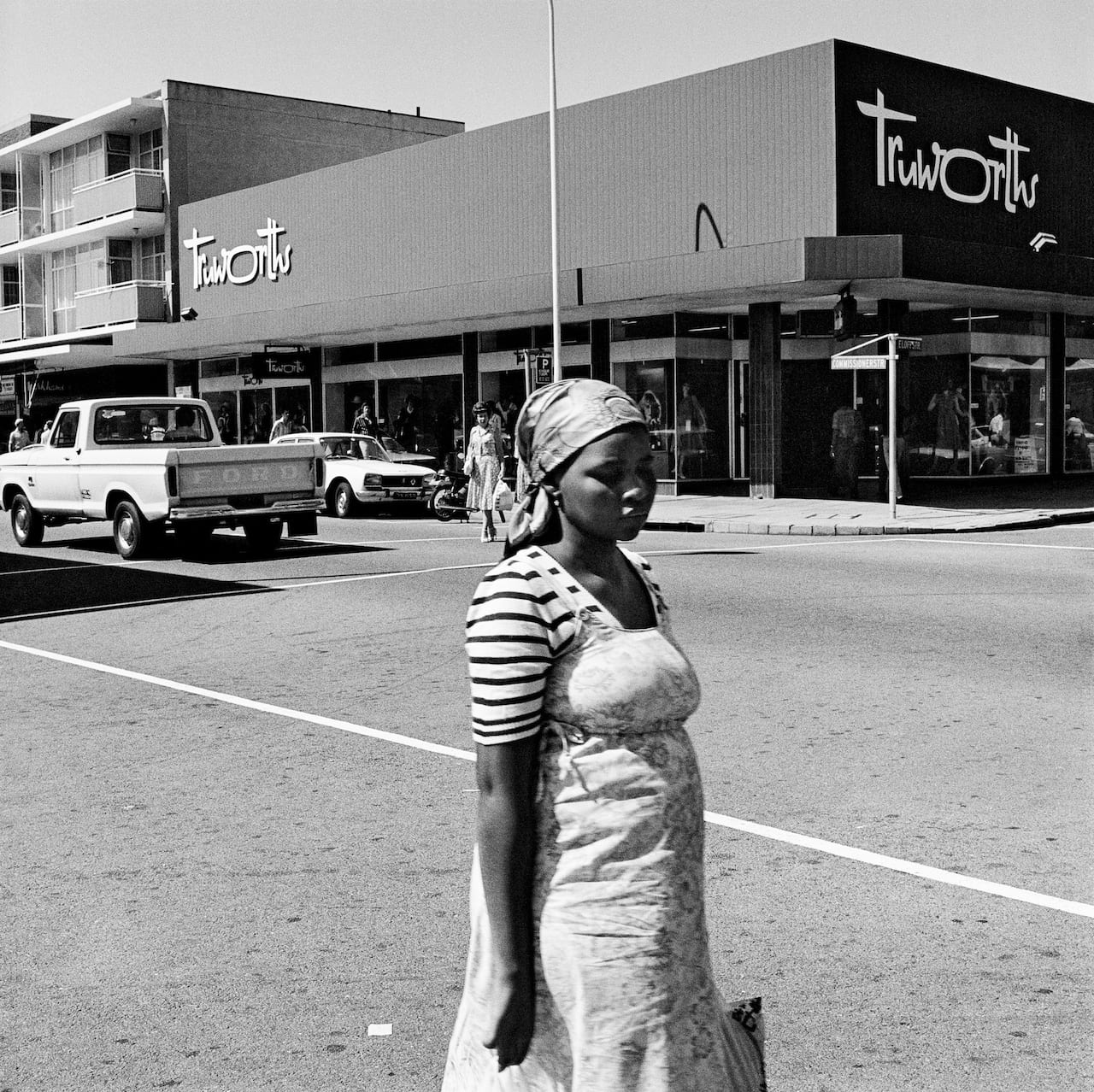
“I became interested in photography in the late 1940s and began to look at magazines such as Life, Look, and Picture Post,” David Goldblatt told Colin Pantall, writing for BJP in 2013. “In the early 1950s, I tried to become a magazine photographer. I sent my pictures to Picture Post and got rejected. Then, when the African National Congress became active in their struggle against apartheid, Tom Hopkinson, the editor of Picture Post, contacted me and asked if I could make something. So I went to an ANC meeting and photographed everything I saw. That was in 1952.

“I shot and I shot and I shot and then I realised that I was using a long roll of film – film that had failed to engage on the sprocket of the Leica I was using. It was an incredibly basic mistake. But the other thing I realised was that I wasn’t really interested in what was happening around me.

“After the ANC meeting, I discovered I had to understand what I was competent in and what I was interested in. That took some years to probe, until I could get to the underbelly of the society that underlay South Africa. And to understand it visually, I also had to get a grasp on the history of the country. So I did a degree, which included courses in English and economic history. This taught me how to think and understand what was happening around me.

“My father died in 1963. I was 32 with three children and a family, but I sold the shop [the family business] and, with a couple of Leicas and the capital to keep on going for a year, I became a full-time photographer.”
26 June 2018

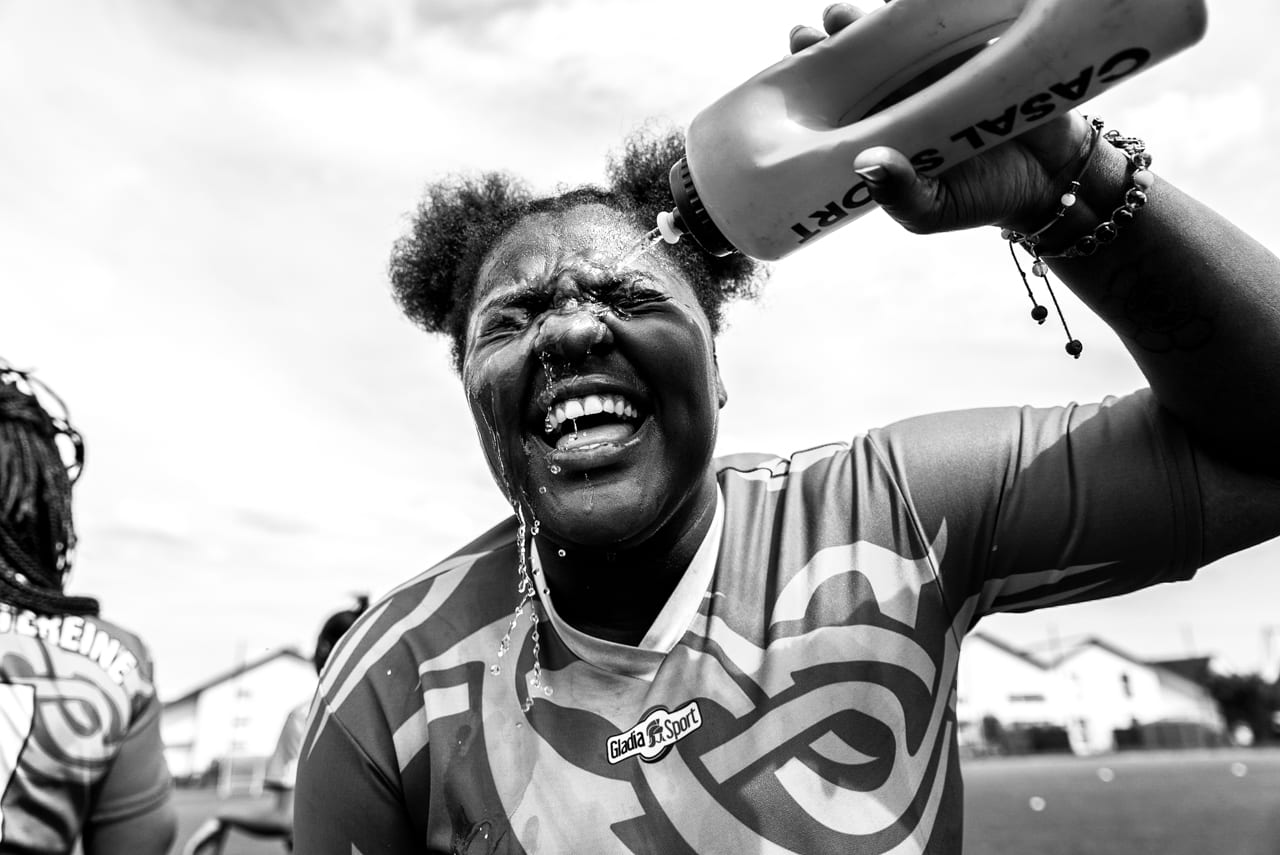
A sporting chance in Paris’ banlieue

“There is a myth that the suburbs in the outskirts of Paris are full of violence and disruption,” says Camilo Leon-Quijano, who is completing a PhD on the relationship between photography and the experience of living in low-income banlieue. “For me, it is just another place where you live and grow. Media and even academic discourse always tries to put these places down.”

Originally from Bogota, Colombia, Quijano has worked in his own country’s suburbs, the favelas, and has been studying in Paris for the last five years.  “I wanted to see how people live, and try to leave behind all these negative stereotypes,” he explains.

22 June 2018

Iceland – the smallest-ever country in the World Cup

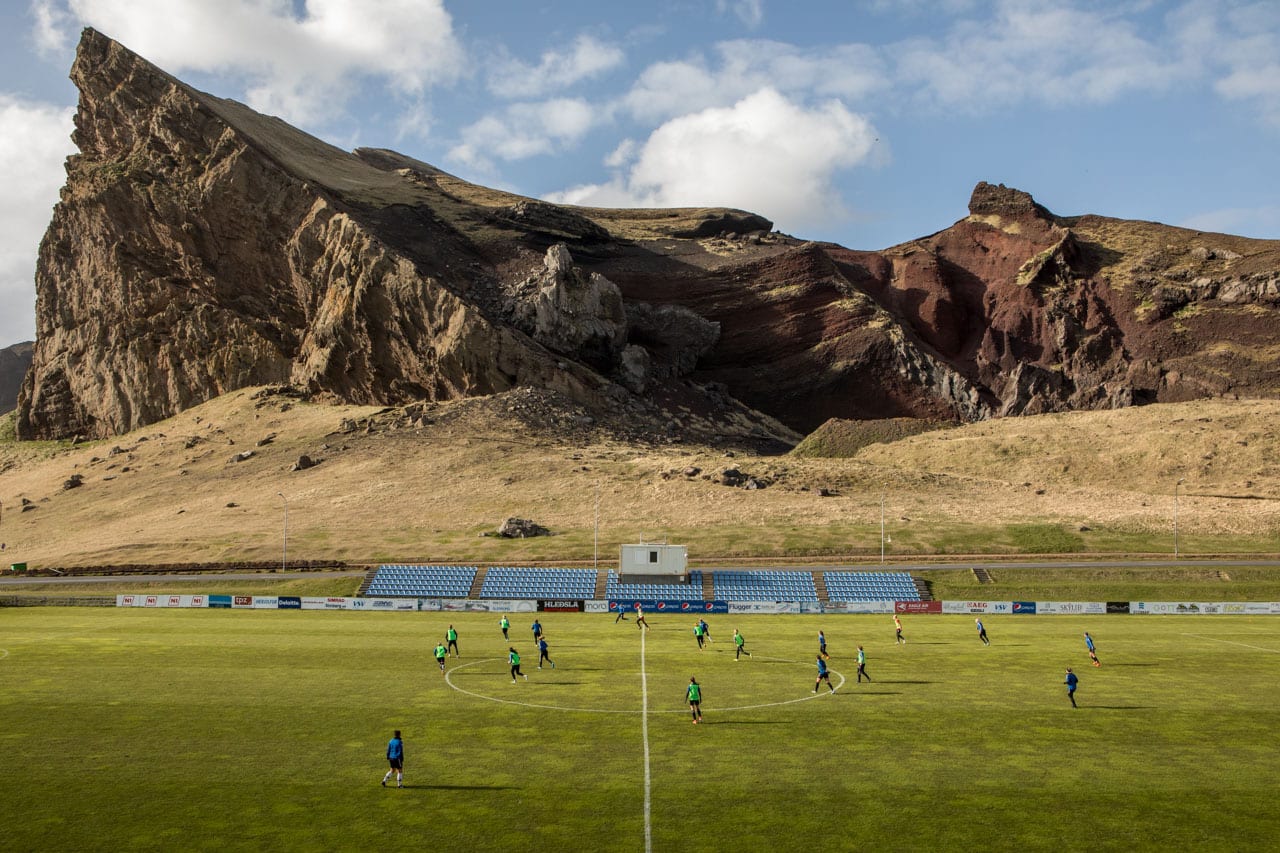
For a country with a population of only 340,000 – more or less equal to the London Borough of Ealing – qualifying for this year’s Fifa World Cup was a miracle. It is the smallest-ever country to participate, and in its first match, it managed to hold Argentina to a 1-1 draw. 99.6% of Iceland’s TV viewers tuned in to watch the game, making it the most-viewed sporting event in the country’s history. 

“They really are crazy about football,” says Matteo de Mayda, an Italian photographer who travelled to Iceland with journalist Cosimo Bizzarri earlier this year to document the sport in Iceland. “It’s a miracle for them to be at the World Cup, and a miracle to draw against Argentina.”

21 June 2018

Mahtab Hussain returns to the motherland

For the majority of his childhood in South Birmingham, Mahtab Hussain was harassed for the colour of his skin. Constantly pestered by children at school, he was even heckled on the street by strangers yelling out their car windows. “I didn’t really see my own colour as a problem, but for 10 years of my life it became a huge issue,” he says.

The title of his new book, Going Back Home To Where I Came From, is inspired by the racist insults he endured growing up. The project is a document of his trip to Kashmir in 2016, where he spent three weeks in his mother’s rural hometown, Kotli.

21 June 2018

Q&A: Nelli Palomaki explores the experience of being a sibling

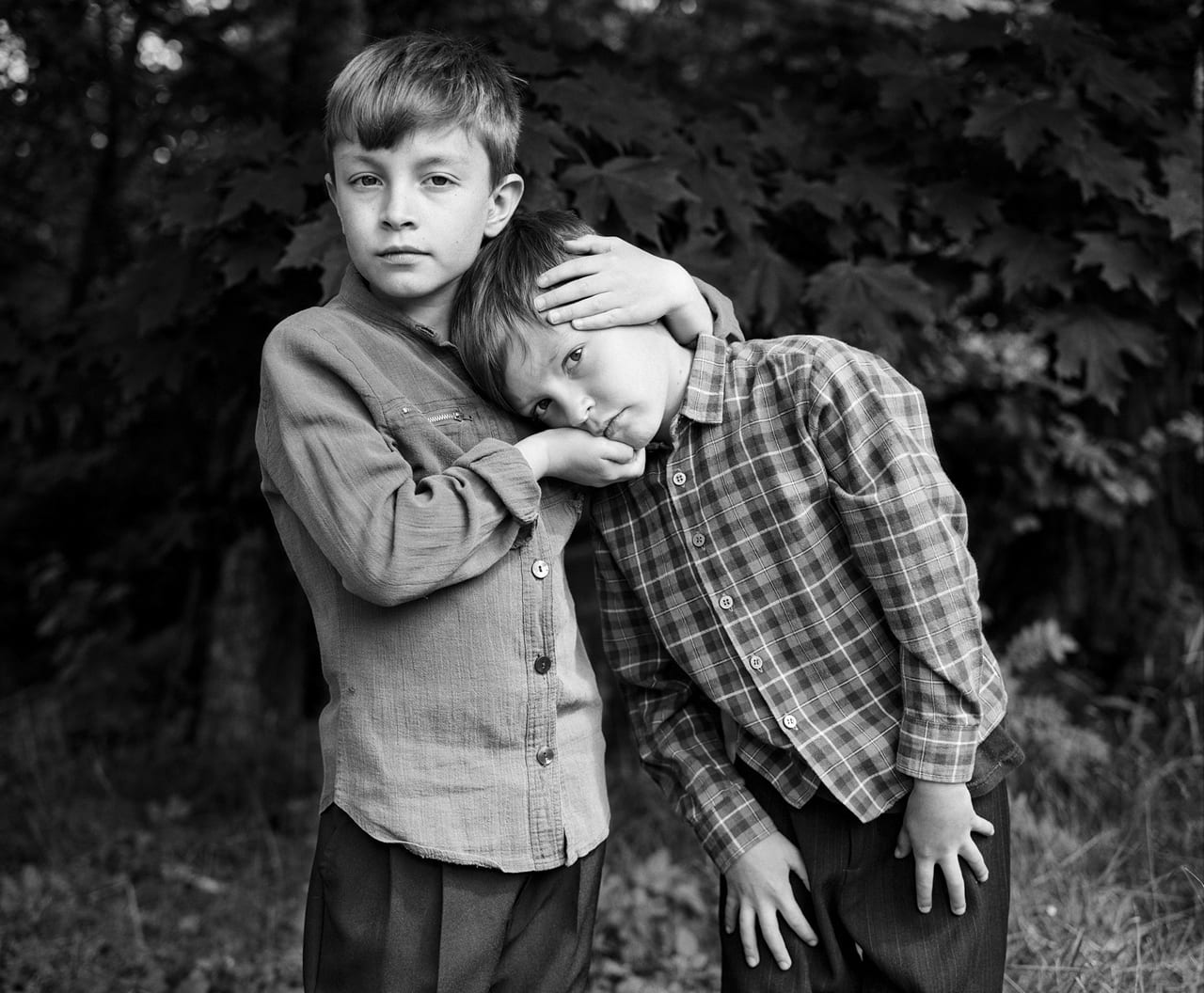
Palomäki specialises in taking photographs of children and young people, and says her work deals with growth, memory, the problematic ways we see ourselves, and – crucially – our mortality. “We fight against our mortality, denying it, yet photographs are there to prove our inescapable destiny,” she has written. “The idea of getting older is heart-rending.” Palomäki is currently showing new images, depicting siblings, titled Shared. BJP caught up with her to find out more about this project and her work in general. 

20 June 2018

Camerawork magazine’s Radical Vision on show at Four Corners

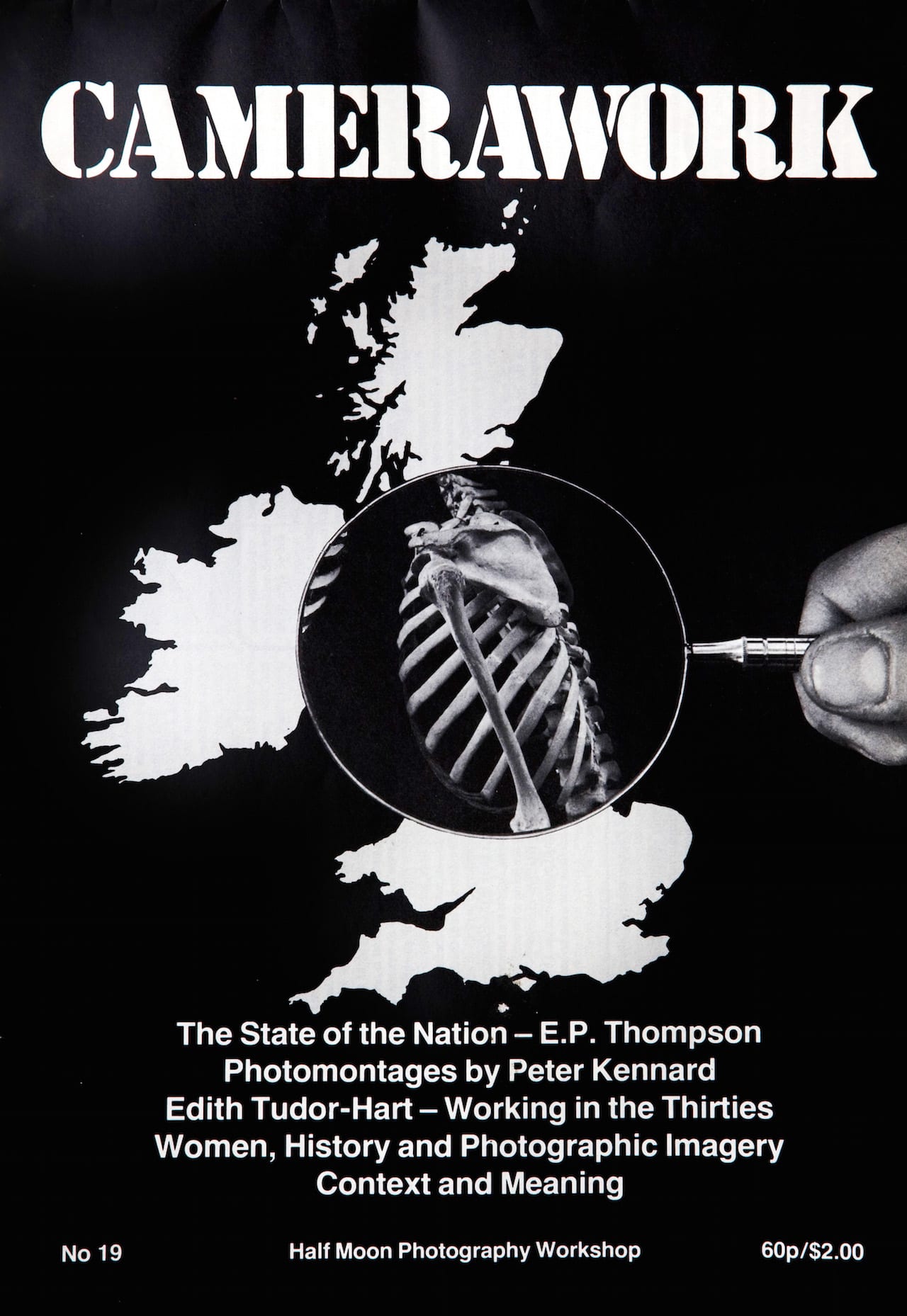
“They had this amazing enthusiasm; a very creative enthusiasm,” says Peter Kennard, the well-known photomontage specialist and early member of the radical photography collective Half Moon Photography Workshop. “Camerawork contained all the different debates that were going on in photography at the time, but it was practical as well. The whole thing was about democratising photography.”

Radical Visions, a new exhibition at Four Corners in East London, reveals the lesser-known history of Camerawork magazine and its creators, the Half Moon Photography Workshop. The exhibition coincides with the launch of the Four Corners Archive, which has made all 32 issues of the magazine publicly available to view online.

The collective’s aim was to demystify the process of photography, and to use it as a tool for social change and political activism. The first issue of Camerawork, The Politics of Photography, published in February 1976, was stark black-and-white litho print on a broadsheet format – sheets of A2 paper folded to A3, then to A4 – and sold for 20p. It was pulled together over an all-night session fuelled by bagels and coffee at the Half Moon’s first studio in Chalk Farm.

19 June 2018

Women by Women at Newcastle’s BALTIC Centre for Contemporary Art

“I think women photographers are very good at building relationships with their subjects” says Sirkka-Liisa Konttinen, co-founder of Amber, a film and photography collective based in Newcastle that aims to capture working-class life in North East England. “They are more interested in the personal stories, and through these they get a much more intimate look into their subject’s lives.”

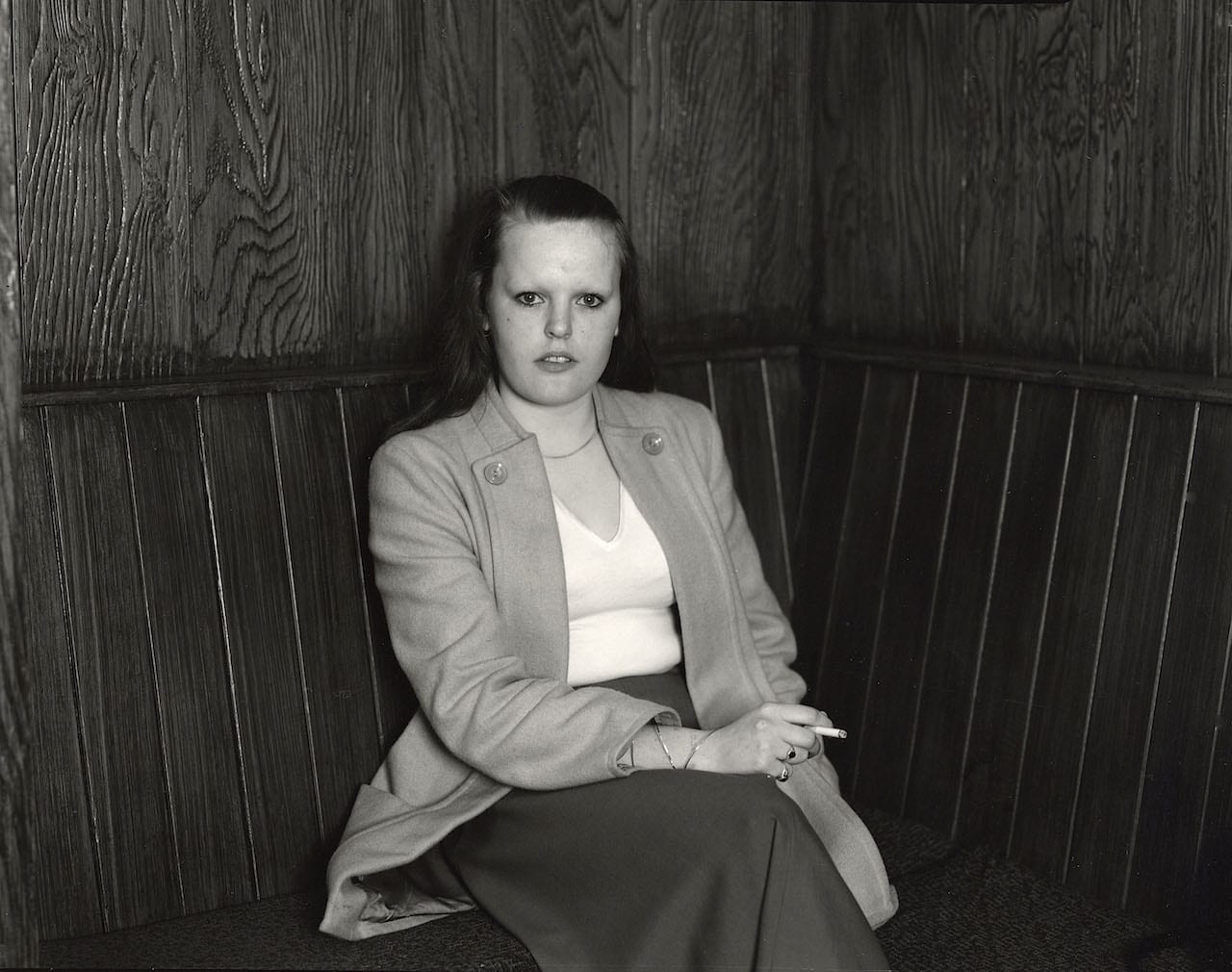
Women by Women is a major presentation of the work of five female photographers working in the North East from the 1970s – 2000s. Curated by Konttinen, the photographs are drawn from projects originally commissioned by Amber, and the exhibition forms part of Idea of North season at the BALTIC Centre for Contemporary Art in Newcastle.

“The North is often associated with the male more than the female, in terms of what has been documented,” says Konttinen. “I thought it [the show] would make a strong statement about our collection being more balanced than is perceived by the outside world. It’s the idea of bringing women into the picture of the whole concept of the North.”

15 June 2018