


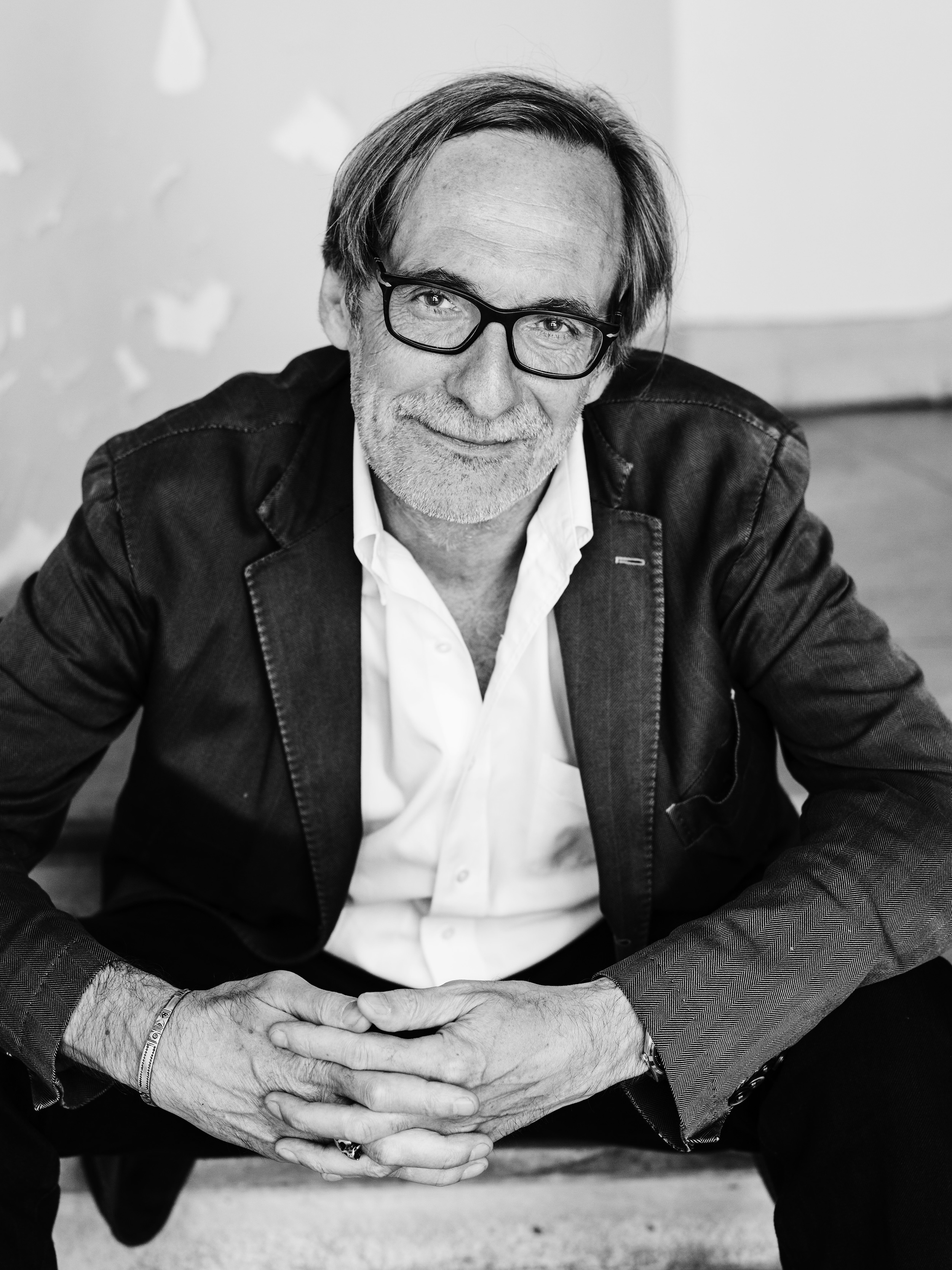
Jean-François Leroy © Stephan Vanfleteren
Director of the Visa pour l’Image festival of photojournalism for nearly 40 years, Jean-François Leroy passed away just as it opened for the 38th time
Jean-François Leroy, co-founder and director of Visa pour l’Image, has died. Leroy passed away from cancer on 31 August, just as the festival of photojournalism with which he was synonymous opened for its 38th edition.
Born in Paris in 1956, Leroy worked as a photographer for Sipa Press and editor-in-chief of Photo Magazine; he became director of Visa in 1989, when it was founded. Under his watch the festival became a celebrated event and a key meeting-place, with respected collectives such as VII and Noor choosing to launch in Visa’s opening week (VII in 2001 and Noor in 2007). Known for his passion for documentary photography, Leroy was awarded a Chevalier des Arts et Lettres and a Chevalier de l’Ordre du Mérite by the French state.
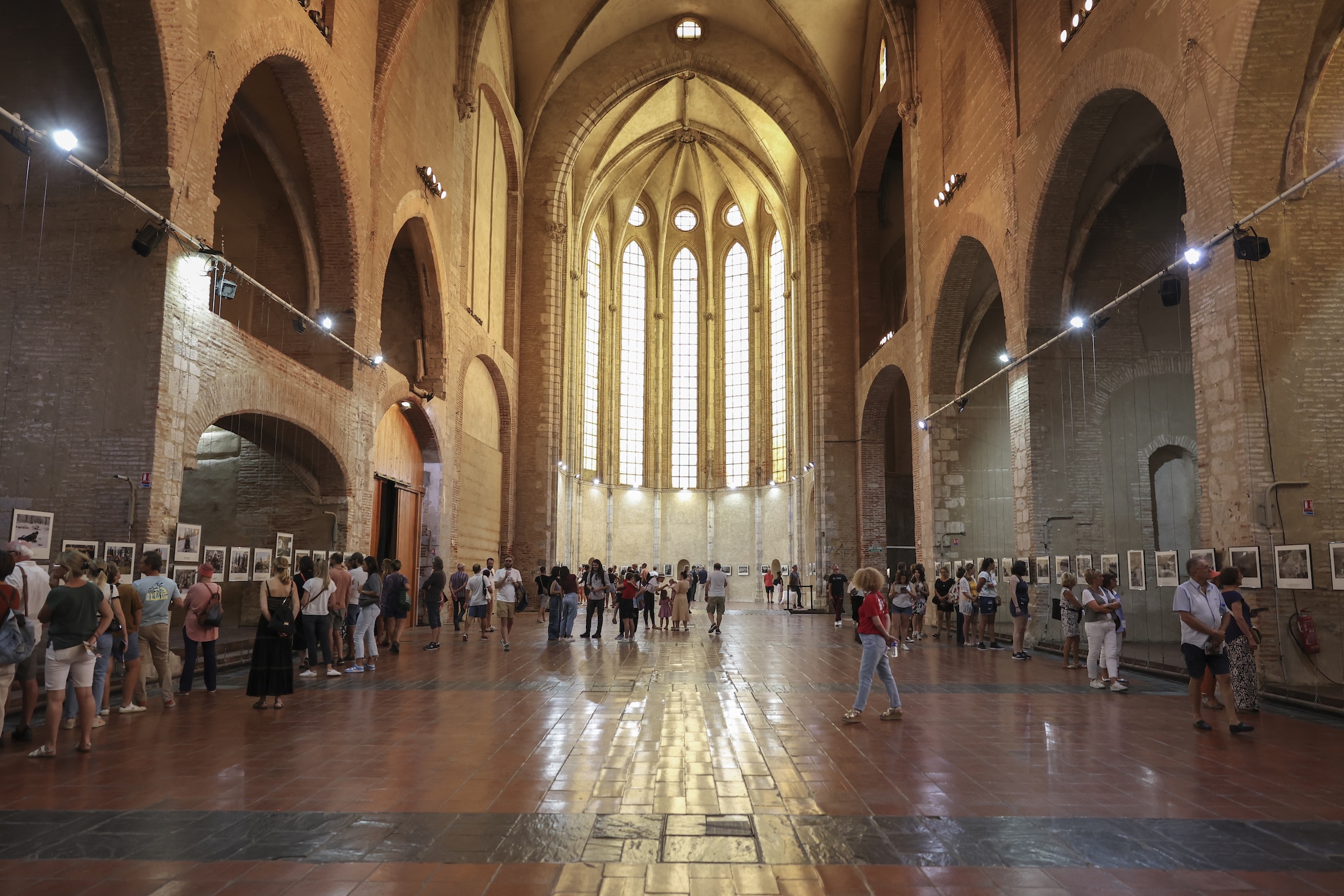
“It’s a tragic thing, Jean-François leaving this world, and you can see there’s a deserved outpouring [of tributes],” says Jillian Edelstein, who won the Visa d’Or in 1997 for her work on South Africa’s Truth and Reconciliation Commission. “Visa has backed and supported so many photojournalists and, given what kind of a world we’re in, that’s so important.
“Jean-François had a very good eye, and he helped the festival to exist and be successful,” says Kadir van Lohuizen, a documentary photographer and co-founder of Noor, who was awarded the Visa d’Or in 2007 for his work in Chad. “People have declared Visa dead many times, but Jean-François was a kind of a chameleon and he was always able to find another way [to get support].”
“Over the nearly 40 years that we have been doing Visa pour l’Image in Perpignan, there has only ever been one rule: exhibiting and screening what we believed to be the best in photojournalism.” Jean-François Leroy
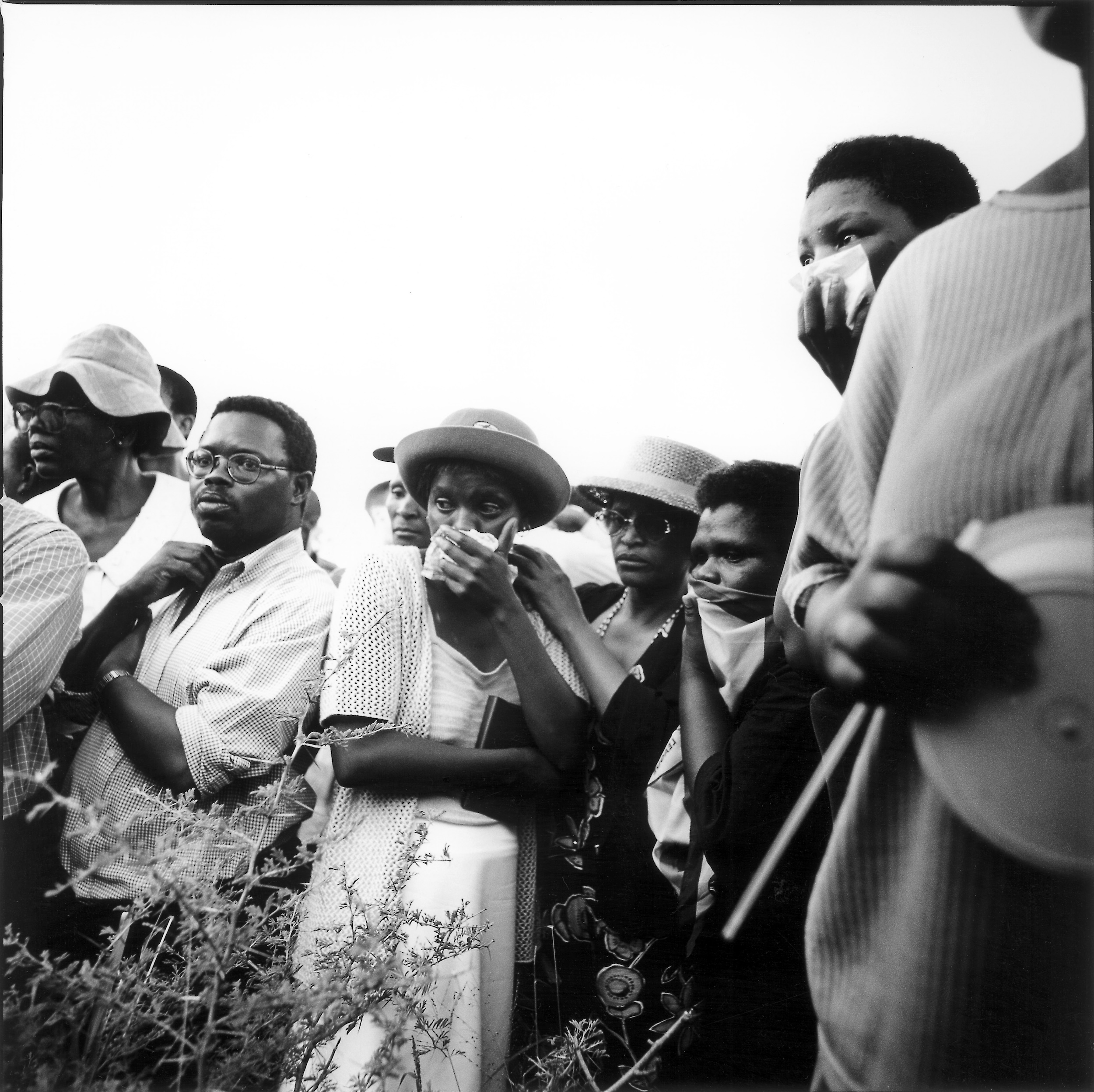
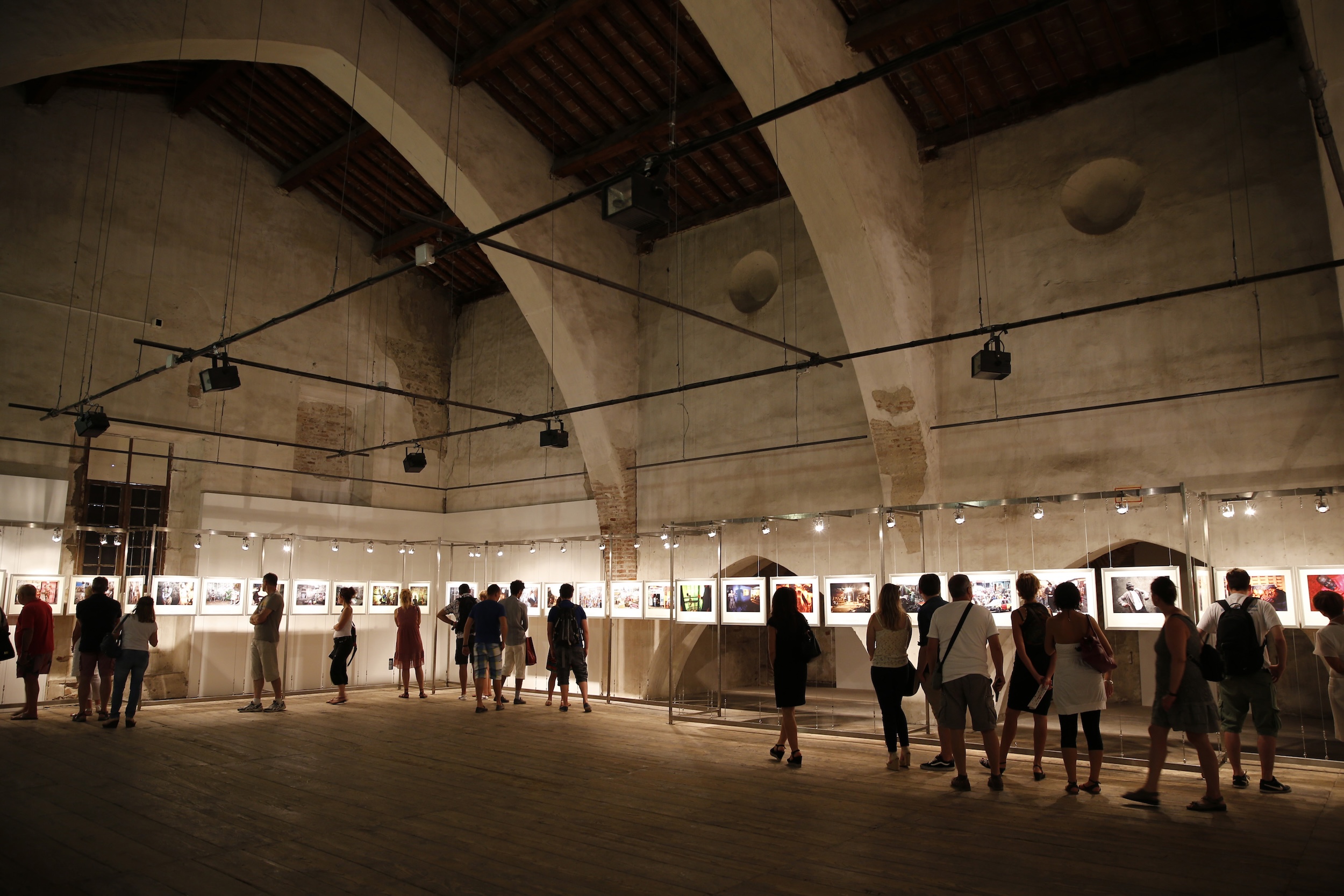
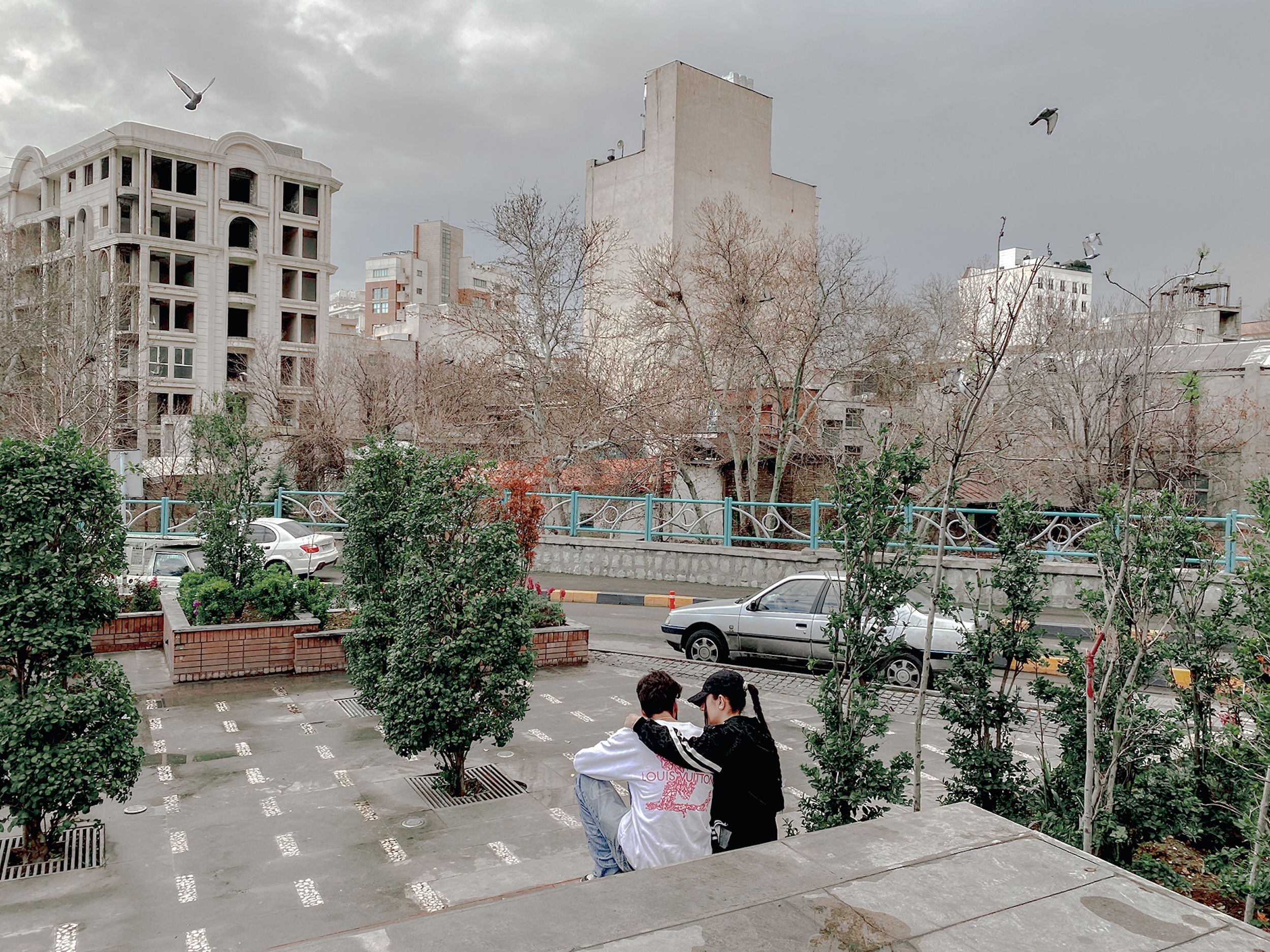
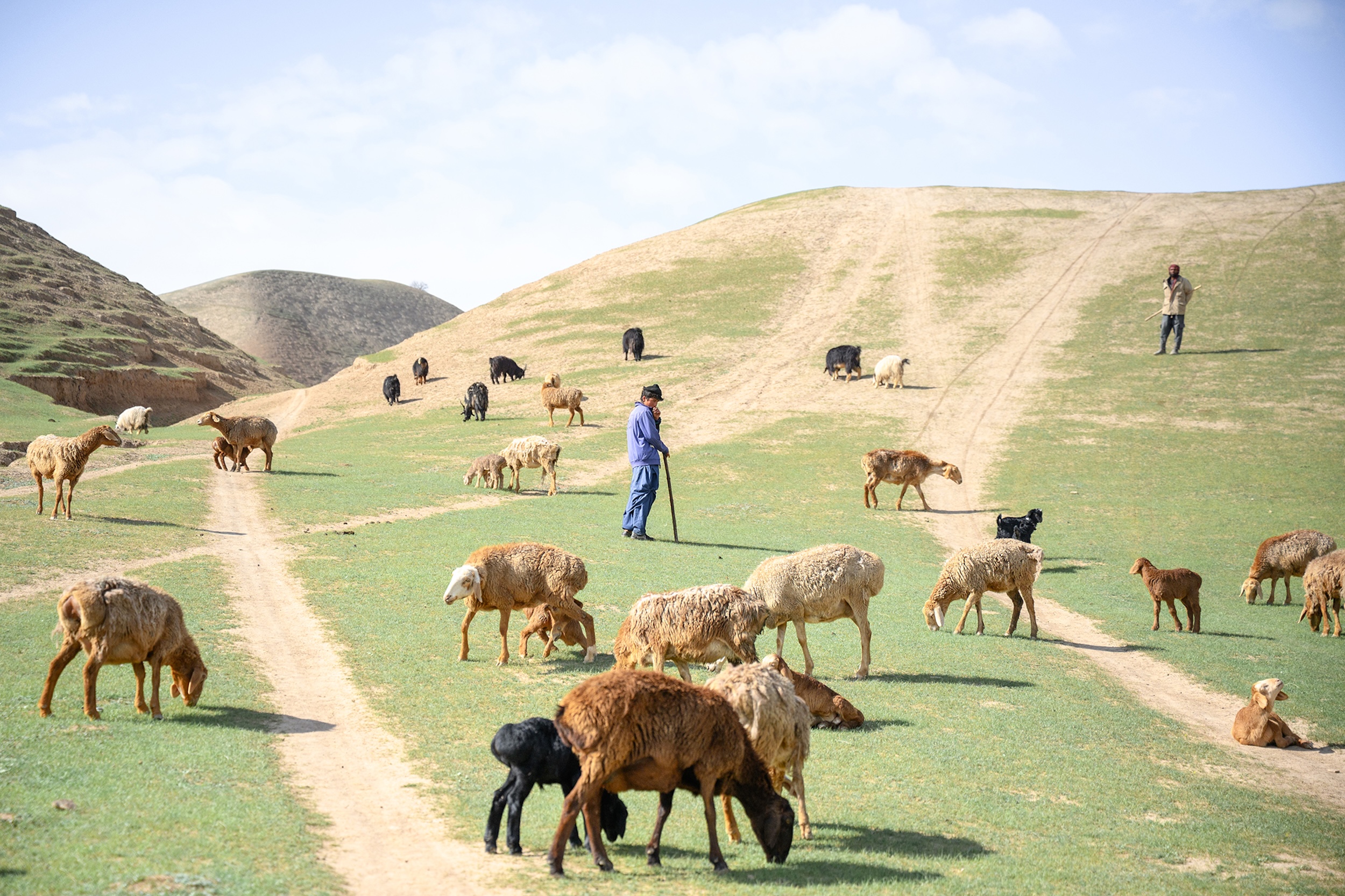
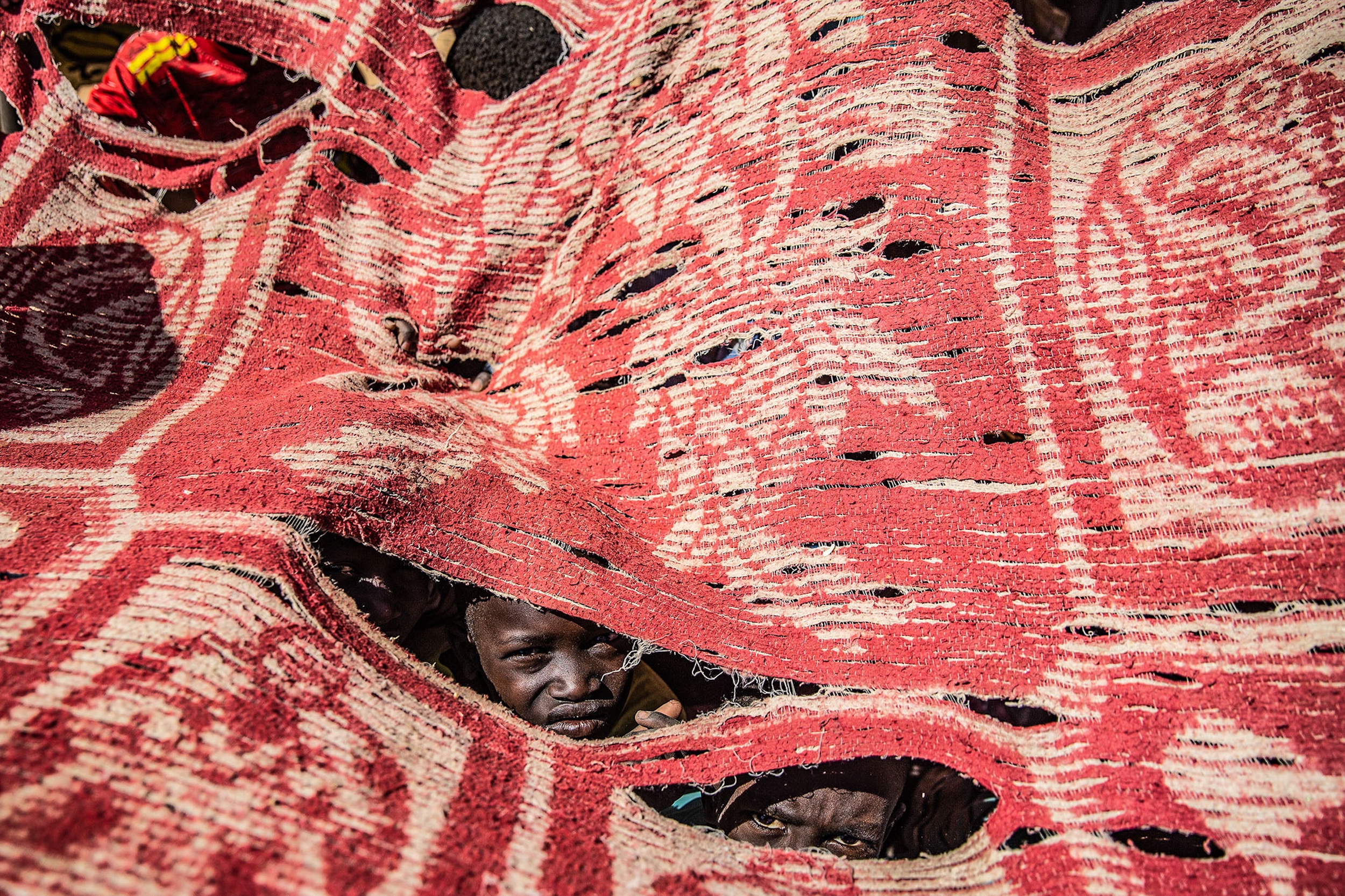
Held in Perpignan, south of France, Visa’s exhibitions and events take place in historic venues such as the Couvent des Minimes, a 15th century former convent, and the Campo Santo, a grand open-air cloister; backed by Canon since 1990, when the first festival took place, it is free to attend. This year’s edition, which was programmed by Leroy, includes exhibitions such as Hashem Shakeri’s work on war in Iran; Abdulmonam Eassa on conflict in Sudan; and Elise Blanchard on the plight of girls who are sold in Afghanistan.
Visa is part-funded by public money and Perpignan’s local government has been the far right Rassemblement National since 2020; in March 2026, the RN’s Louis Aliot was re-elected as Mayor. The RN has cut support for local cultural bodies, but the festival has endured. ”He [Aliot] could have wrecked the festival when he took office; he didn’t, and he continues to host us without exerting the slightest pressure,” Leroy told French newspaper Libération in 2023. “So, we speak of ‘benevolent neutrality’.”
Libération’s article was prompted by an exhibition by Jordi Borràs on the far right in Europe in that edition of the festival, which the photographer claimed was censored; his original submission included images of Marine Le Pen [leader of the RN] which were removed without his knowledge before his show opened. Leroy’s response was robust, reported Libération. “Overall, his story was very thoroughly researched, but in the middle, there were three shitty photos from 2017 – one of Marine Le Pen at a podium, one of a crowd, and one of a guy wearing a scarf – that looked like they’d been snapped in a rush and weakened the whole piece.
“We removed them during the edit, along with others, keeping 50 out of 72. This happens regularly without the photographers being notified, given the sheer volume of stories we handle and the relationship of trust we’ve built with the community over such a long time.”
In fact Leroy’s passion for documentary photography was sometimes criticised for being uncompromising; when Visa faced censure this year, for the lack of work by women photographers, Leroy staunchly defended his position. “Over the nearly 40 years that we have been doing Visa pour l’Image in Perpignan, there has only ever been one rule: exhibiting and screening what we believed to be the best in photojournalism,” he wrote in a statement published on Instagram on 24 July. “It is a rule that I have never wanted to bend, even when the norms of the day suggested that we should ensure that there was parity in terms of gender, race, sex, etc
“However, as we approach the opening of our 38th edition, we have noticed that there has been a significant drop in the number of submissions to the festival from women; a drop that comes at a time where there has been a general decrease in production due to cuts in budgets for photography in media outlets.
“This year, women only represent 22% of the festival program (exhibitions and screenings). We would like this figure to be higher, as has been the case in previous editions. But female photojournalists, both young and established, have often told us that they do not want to be selected or win awards based on positive discrimination. Rather, they would like to be recognized based on the strength of their talent.”
Leroy added that Visa supports women photojournalists with initiatives such as the Canon Female Photojournalist Grant and the Françoise Demulder Photography Grants, and that the percentage of women photographers in the festival reflected the number of submissions from women. But his statement met with resistance.
More widely, perhaps, the challenge now is how to evolve Visa pour l’Image, when editorial commissions have dwindled, and AI, fake news and authoritarian regimes have piled pressure on documentary photography. “Ruth Eichhorn [celebrated photography director of GEO Magazine] passed away on the same day as Jean-François, and it feels like the end of an era,” says Van Lohuizen. “But a photojournalism festival is now more needed than ever. Photojournalism is more needed than ever. Photojournalists are literally under fire, they need the support.
“But you know, Jean-François wouldn’t have been able to run the festival so successfully for so many years without his team, and especially Delphine [Delphine Lelu, executive director]. It must be devastating for all of them, but I hope the festival will survive, and that the philosophy behind the festival will survive.”
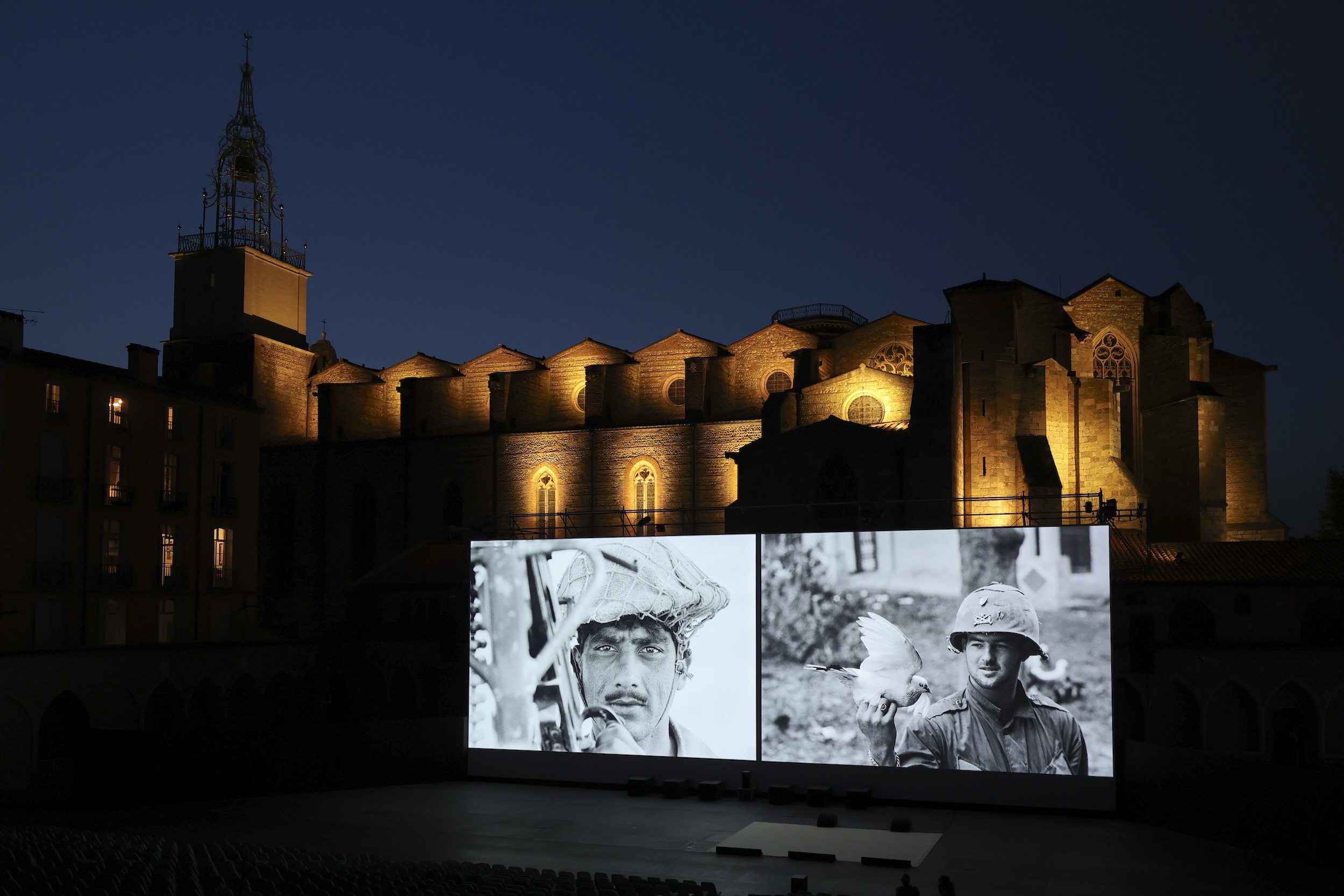
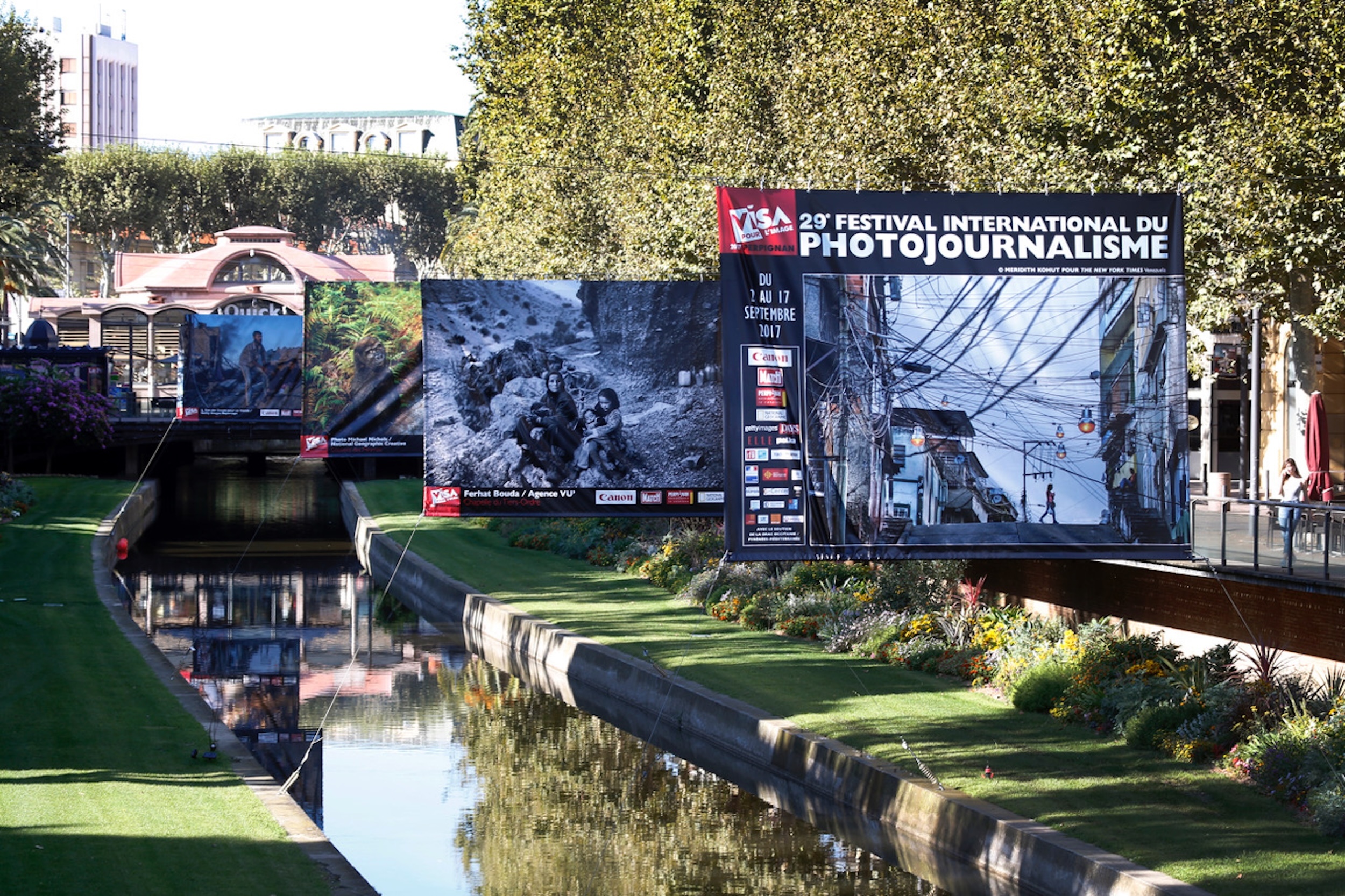
The exhibitions at Visa pour l’Image are open until 13 September in Perpignan, south France, and are free to visit https://visapourlimage.com/en/