


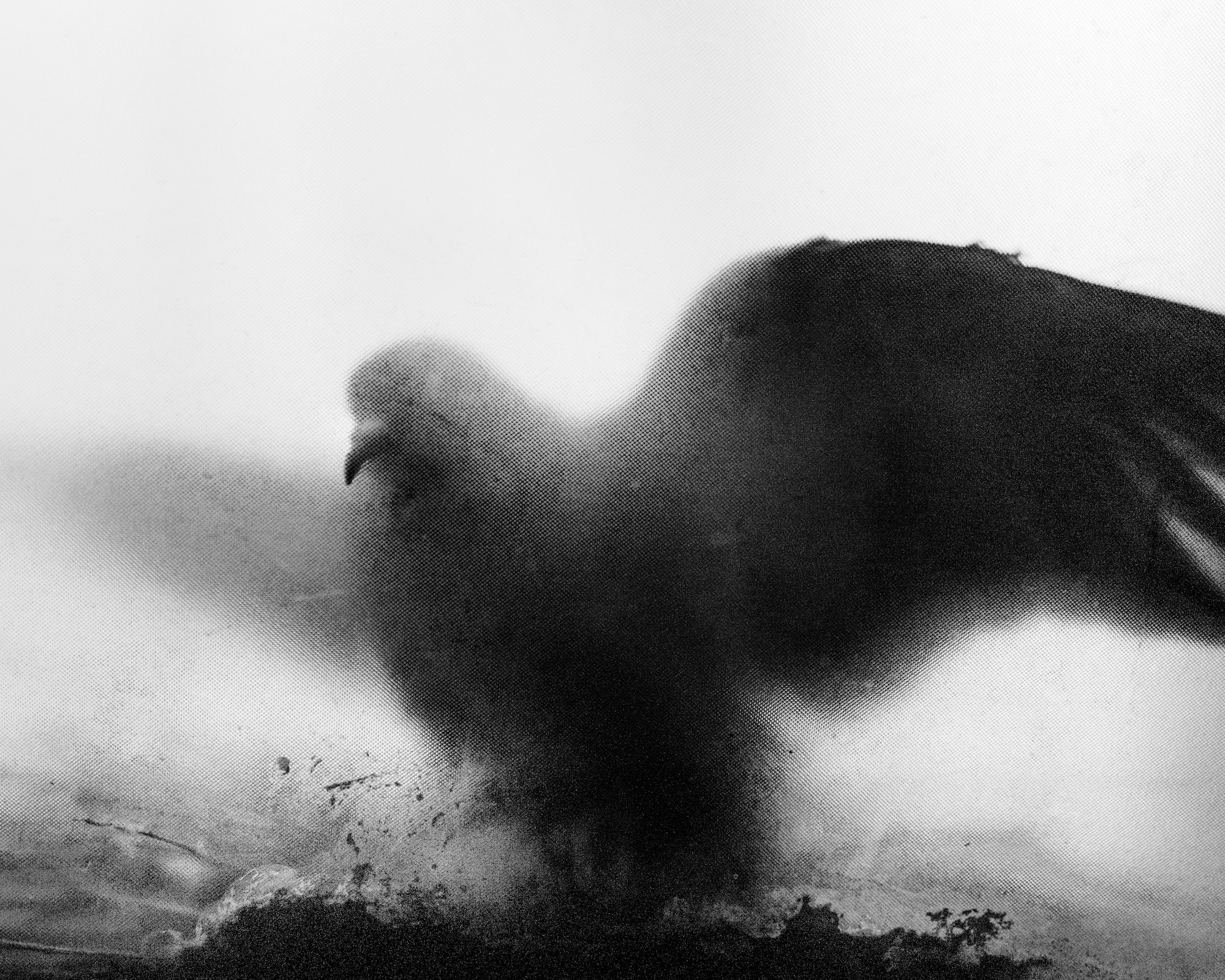
From Ozymandias © Aman Alam
Caring for his grandmother, Naseem, as she lived with Alzheimer’s, Aman Alam initially took photographs to comfort himself. But as her condition progressed, the images became a more profound exploration of perception, illness, and love
“This is a pigeon with a baby chick, shot through frosted glass in our bathroom,” says Aman Alam. “I came too close and they felt threatened; probably they’re seeing me as a big shadow just coming towards them. But for me, this image talks about a particular symptom of Alzheimer’s – prosopagnosia [face-blindness], because my grandmother started forgetting faces.
“When I was there with her, she would know who I was, because she also had my voice, my smell, other senses to complement what she saw of the face. But if she saw a photograph of me, she couldn’t really tell. Then she got progressively worse and worse. Eventually I stopped doing video calls with her, because she would think there were three people on the call – in the bottom right would be her own face, and she wouldn’t recognise herself either. We also removed all the mirrors in the house, because she would get unsettled when she saw her reflection.”
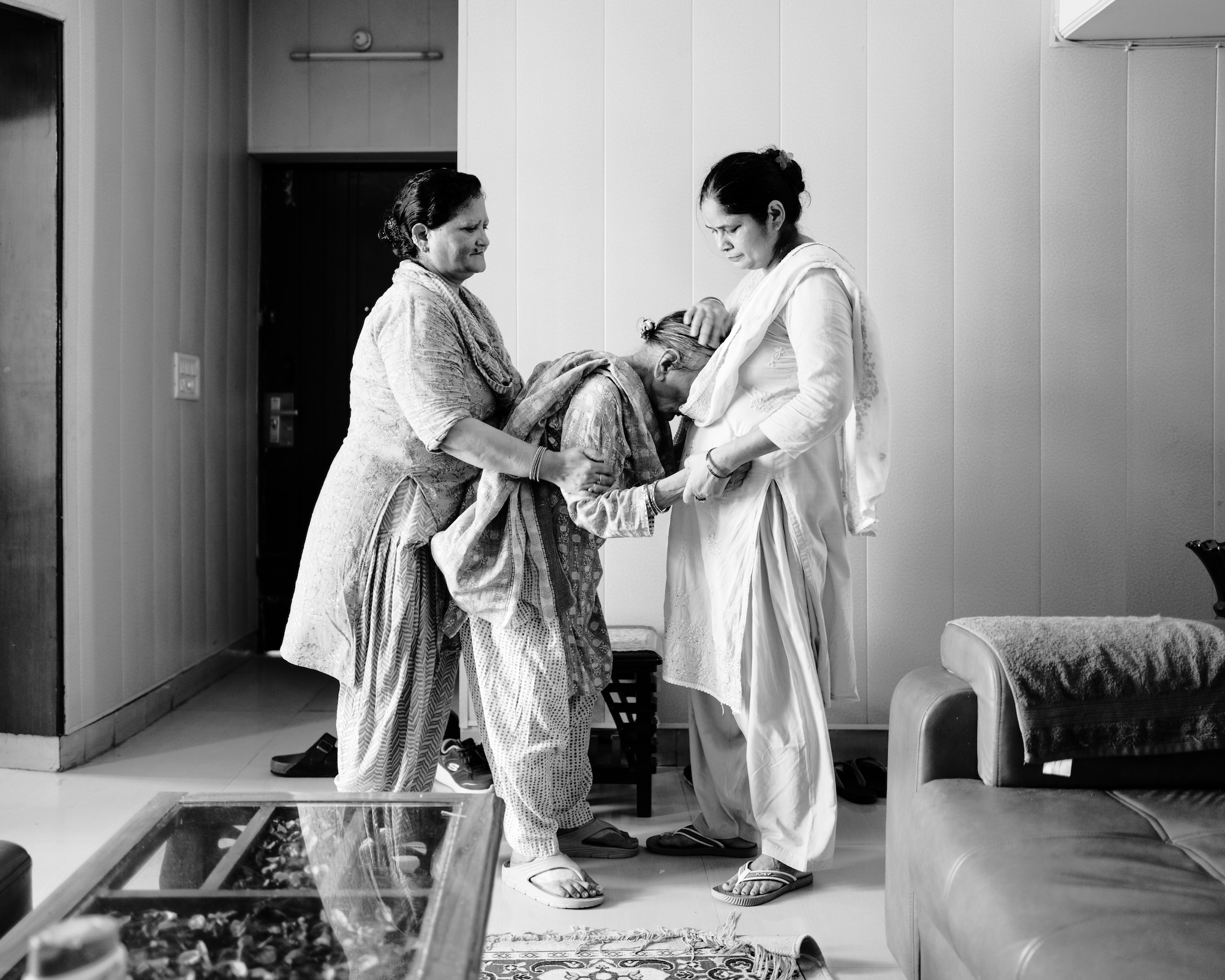
We’re speaking at Les Rencontres d’Arles, where Alam has an exhibition, Ozymandias, on show until 04 October. But he didn’t start it with an end result in mind. Alam was at university when his grandmother, Naseem, first started to show signs of dementia; years later, when he was 29, her illness progressed and he went back to Agra, northern India, to help care for her. Naseem had been an important early inspiration to Alam, a single mother who was also a history professor and a college principal, and who had fought and negotiated societal norms to carve out an independent life in Agra in the 1970s. Watching her cognitive decline was hard and, searching for more familiar ground and a way to feel like himself, Alam started compulsively carrying his camera.
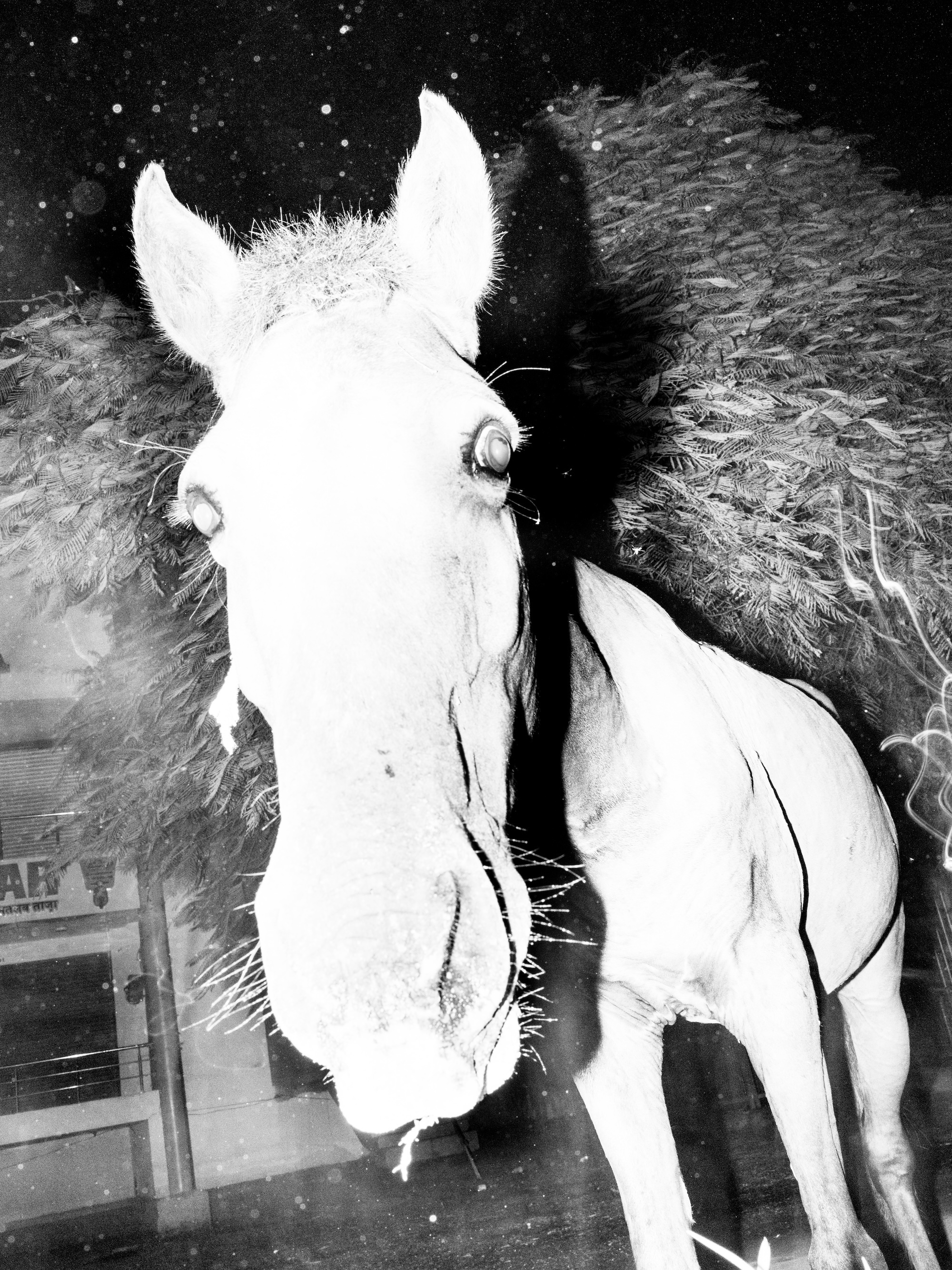
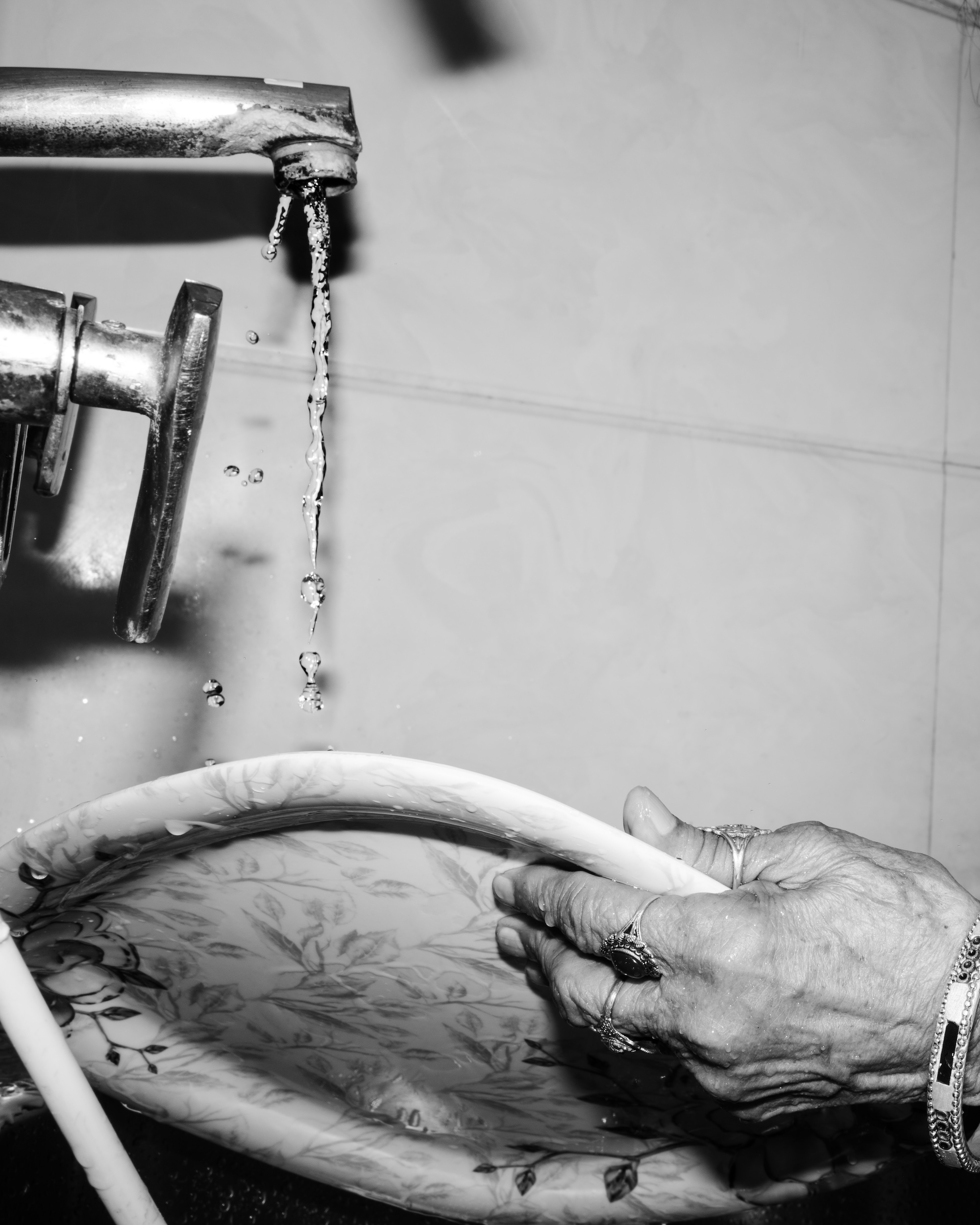
“What happens in cognitive decline is that parts of your memory are lost, and the brain, to compensate, fills that up with new memories. But the person doesn’t know it’s doing this. To the person that’s their reality.” Aman Alam
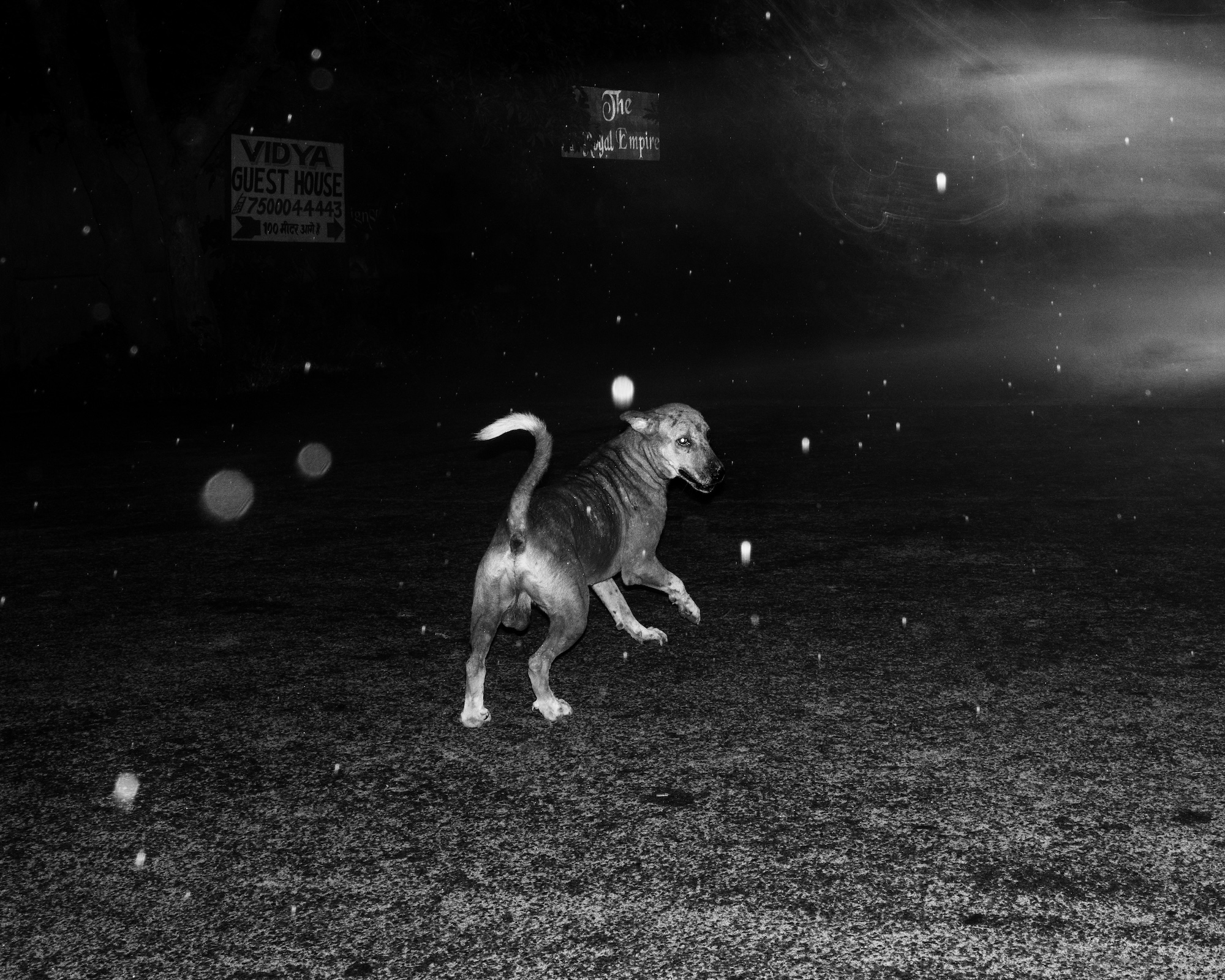
Shooting off images almost as a reflex reaction, he was initially just comforted by the sound of the shutter and pop of the flash; on long walks in the evening, which he took to help clear his mind, he also used the flash to ward off urban animals. Eventually he got interested in the photographs he was unintentionally making, and found to his surprise that they were interesting. Many depict the animals, looming into view from the gloom; others show domestic scenes, verging on the uncanny, unexpectedly lit. The shots evoke something instinctual, or perhaps another way of seeing; disrupting more conventional visual language they suggest alternative views of the world. As Naseem became more confused, more prone to hallucination, confabulation, and fragmentation, questions of perception became ever-more interesting to Alam.
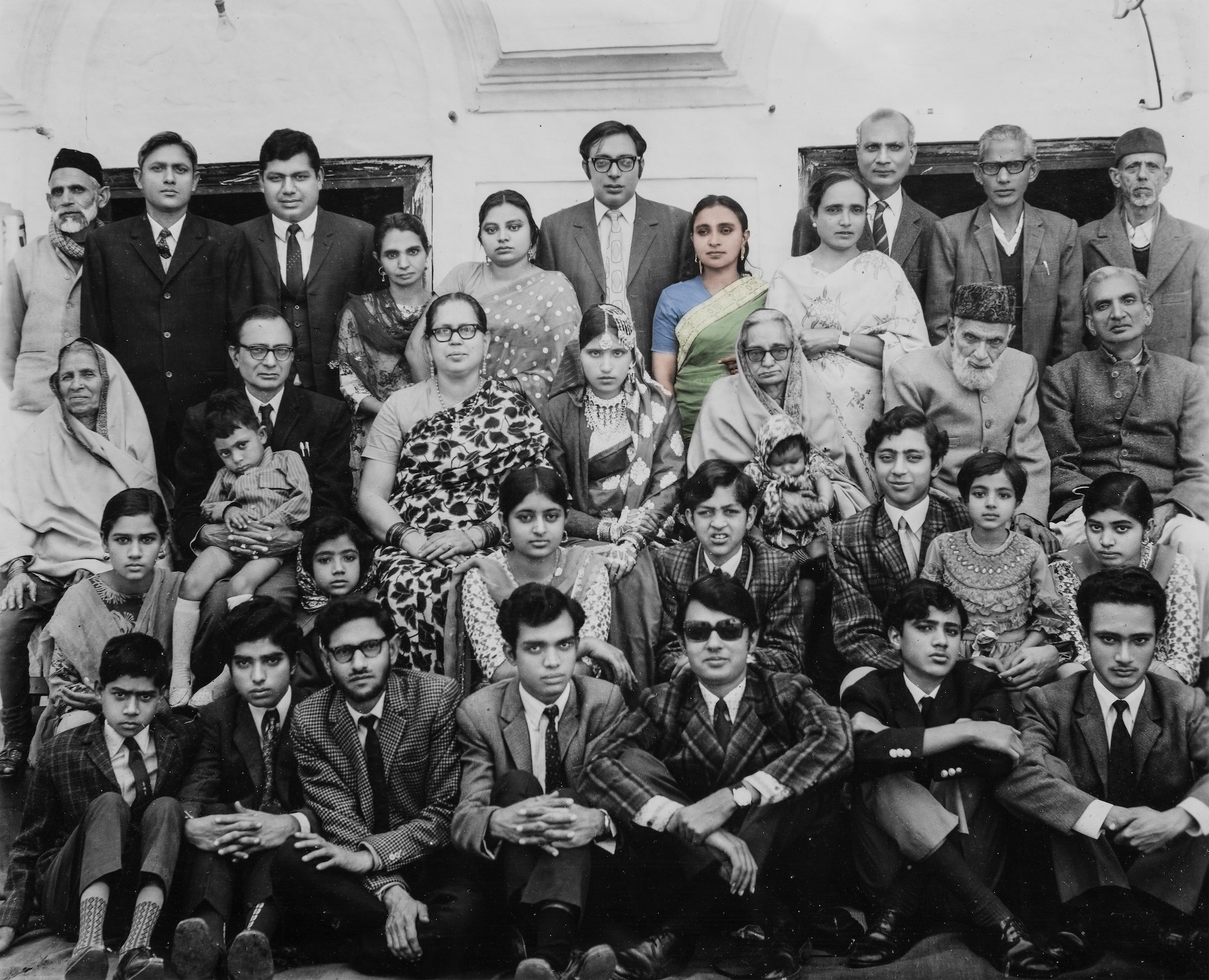
Starting to work on his project more serious, he combined his own images with his family’s archive, particularly studio shots Naseem had enjoyed taking with her daughter (Alam’s mother). Working with Naseem he has coloured some of the old black-and-white images, her insights into the past sharper than her understanding of the present day. Alam also included documentary images of his grandmother’s day-to-day and trips to hospital; there are medical images and brain scans too, showing both alternative imaging techniques and also the progress of her disease. Alzheimer’s can be clearly physically seen, the shifts in perception linked to protein build-ups that stop neurons from communicating with each other.
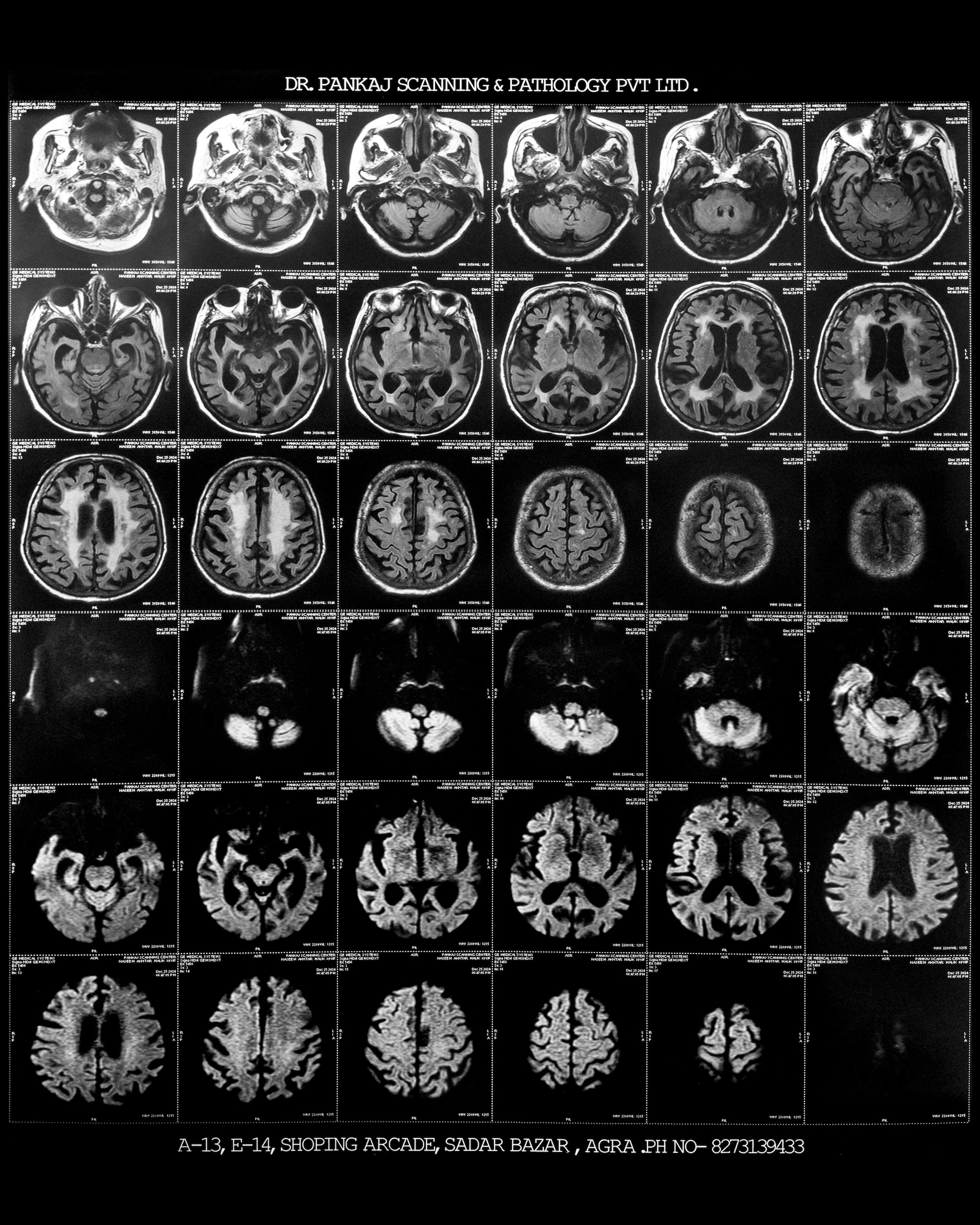
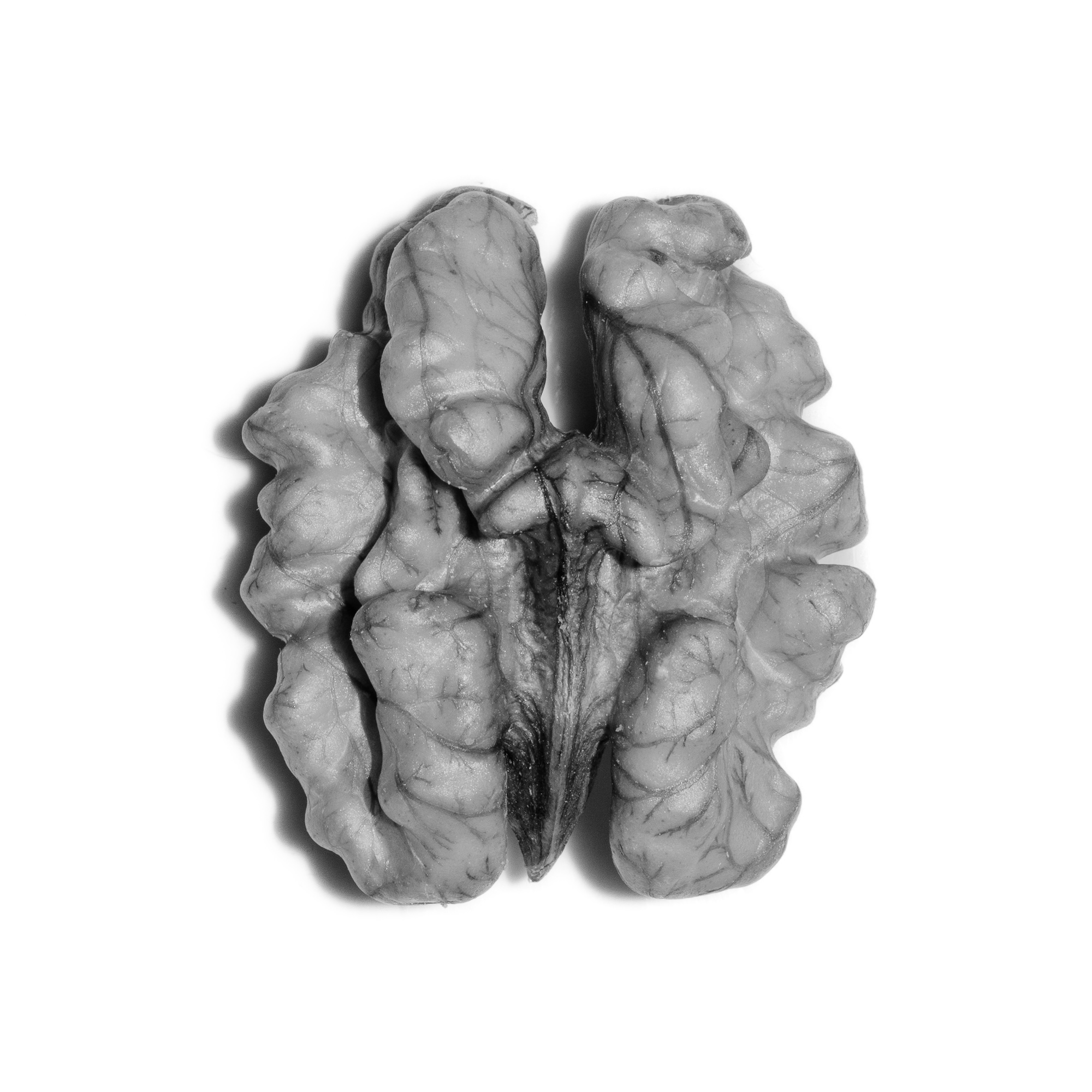
Alam also includes a still life image of a walnut, partly because it looks like a brain, partly because his grandmother used to ask for walnuts in place of medicine; I point out Michel Foucault references walnuts in The Order of Things, because in the Renaissance period people believed that nature was shot-through with hidden signs and likenesses, that a walnut could help the brain because it looked like a brain. Alam hasn’t heard the reference before but we’re struck by the connection, the fact that traditional knowledge in Europe and India shares affinities, but also that humans rely on systems of understanding [or ‘epistemes’] to map out the world.
Alam is aware of how fragile such maps can be, having cared for his grandmother through her cognitive decline; he’s titled his work Ozymandias after the sonnet by Shelley, which describes the impermanence of all things. He’s also included fabulation in his work, leaning into his grandmother’s confabulations rather than trying to steer her out of them. “What happens in cognitive decline is that parts of your memory are lost, and the brain, to compensate, fills that up with new memories,” he explains. “But the person doesn’t know it’s doing this. To the person that’s their reality.
“Whenever my grandmother would confabulate we would correct her, and then she would withdraw into herself, get distant. But I wanted her to talk with me, so I thought ‘Let me just engage, hear her story and validate it’. That made her really happy, and after a few weeks of doing it something miraculous happened – she picked up a newspaper and started reading the headlines. All I had done differently was talking with her and validating her stories, so I contacted the university [treating Naseem] and they said it has not been proven, but they have seen it happen before.”
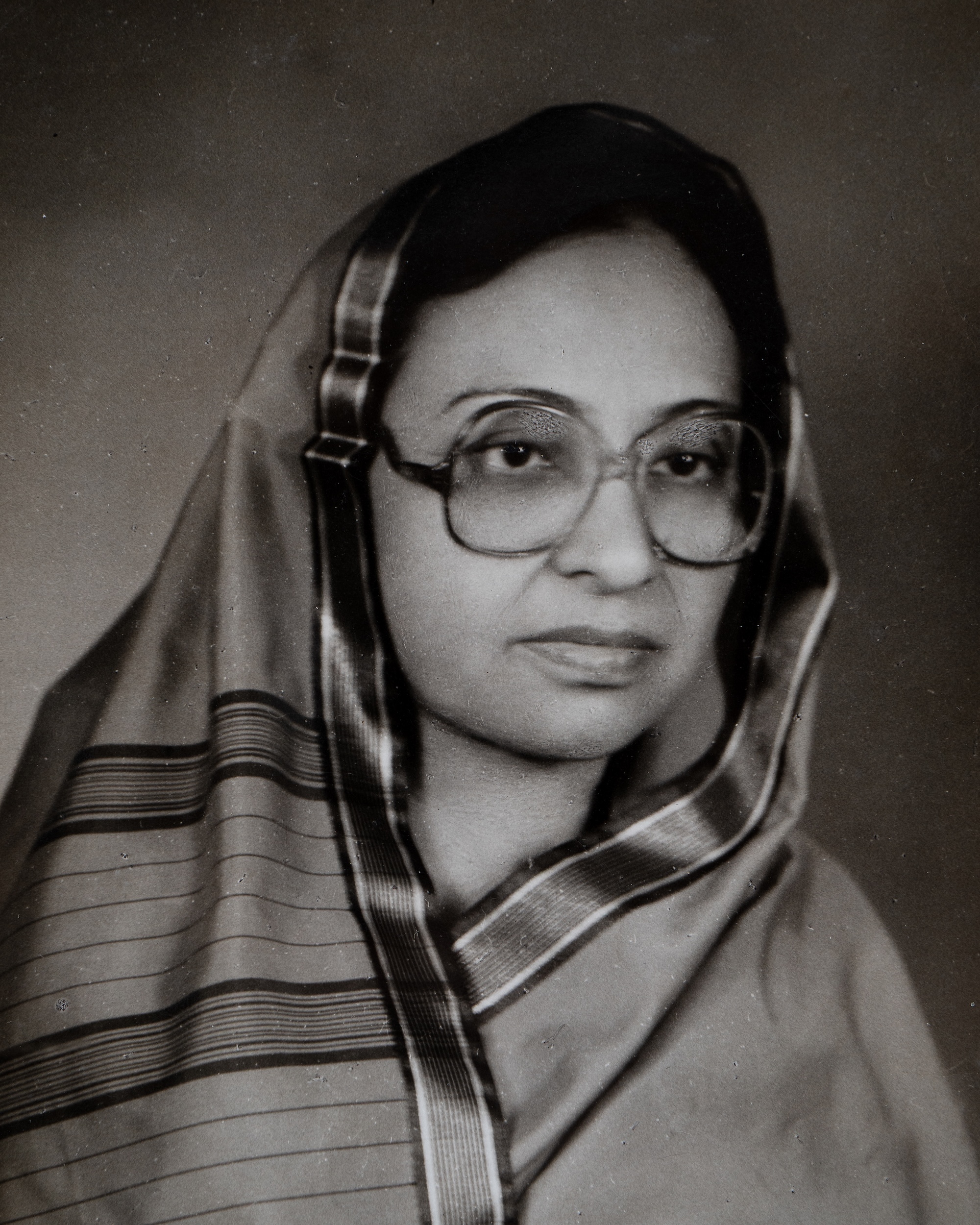
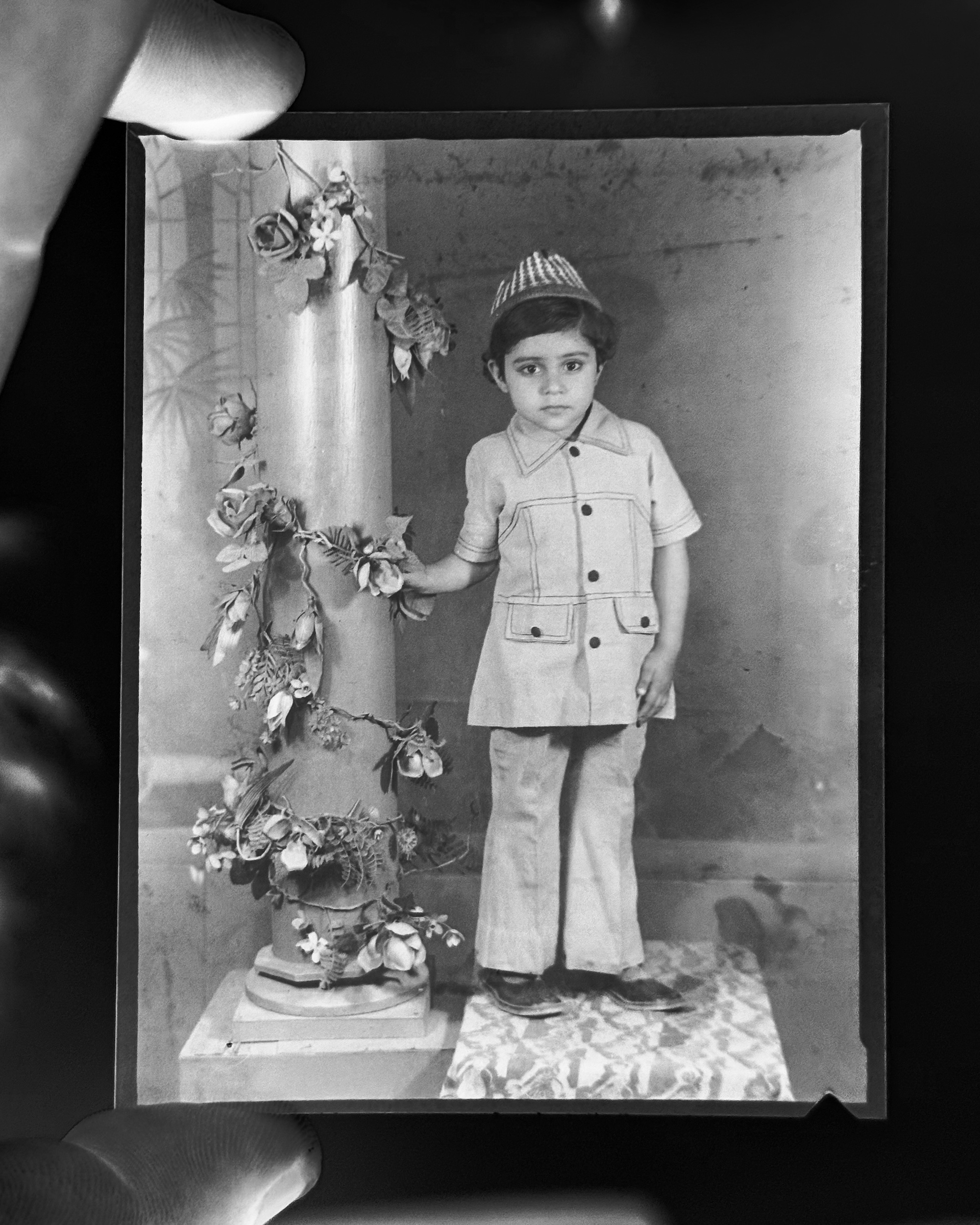
This insight shaped a conceptual-art installation, The Truth Engine, also on show at Arles. Alam fed family archives, weather reports, environmental data – anything that might help shape a memory – into an LLM, which then confabulated stories, as well as an estimated emotional state. Allowing the AI to create fiction, Alam resisted comparing its narratives with reality. “There’s a thing called hallucination that every AI algorithm tries to do,” he smiles. “In most cases that’s not helpful so we try to curb the hallucination until it sticks to what is right. Instead I said ‘OK you want to confabulate, hallucinate? Go ahead!’” What comes out is 100% fiction, he adds, but it’s all been calculated somehow…
“I wanted to raise questions in a viewer’s mind about what is real, what is fiction, and if the generally accepted version of truth even matters to a mind that believes in its fiction,” he adds. “I wanted to lay stress on how invisible pressures from the present affect a mind connecting fragments from the past. The viewer’s mere presence can become the disturbance that reshapes someone’s past, and by extension their reality.”
Over time the materials Alam amassed multiplied; the hospital presented him with a folder of scans, photographs, and prescriptions, which inspired the dummy book he has made with his work. Titled in three different languages – each in a different script – the dummy includes pages akin to x-rays or the acetates his grandmother used in her lectures; it’s an assemblage of records rather than a straight narrative, suggestive of a folder of evidence. Alam likes the reference but says he’s well aware of other impulses which have shaped what he made, the unconscious pulls and emotional shades which have coloured his work. As with corroborating his grandmothers’ confabulations or the AI’s tall tales, what interests him more is making connections, validating others’ experiences and helping them feel less alone.
Agra was once synonymous with a ‘lunatic’ asylum, set up by the British in the colonial era; its approach is perhaps the direct opposite of Alam’s, and in showing his work, he hopes it will help his viewers and readers. Looking through it together in a hot gallery in a heatwave in France, I feel moved, as many who have lost someone close may also do. I pause to search for the right words and Alam stops and asks, “Would you like to rest for a minute?”
Ozymandias by Aman Alam is on show until 04 October at Les Rencontres d’Arles. Alam won the Serendipity Arles Grant in 2025, which is organised by Serendipity Arts, an international not-for-profit cultural organisation based in India, in collaboration with Les Rencontres d’Arles and supported by Institut Français en Inde. @alampanah www.rencontres-arles.com/en/expositions/2026/aman-alam