
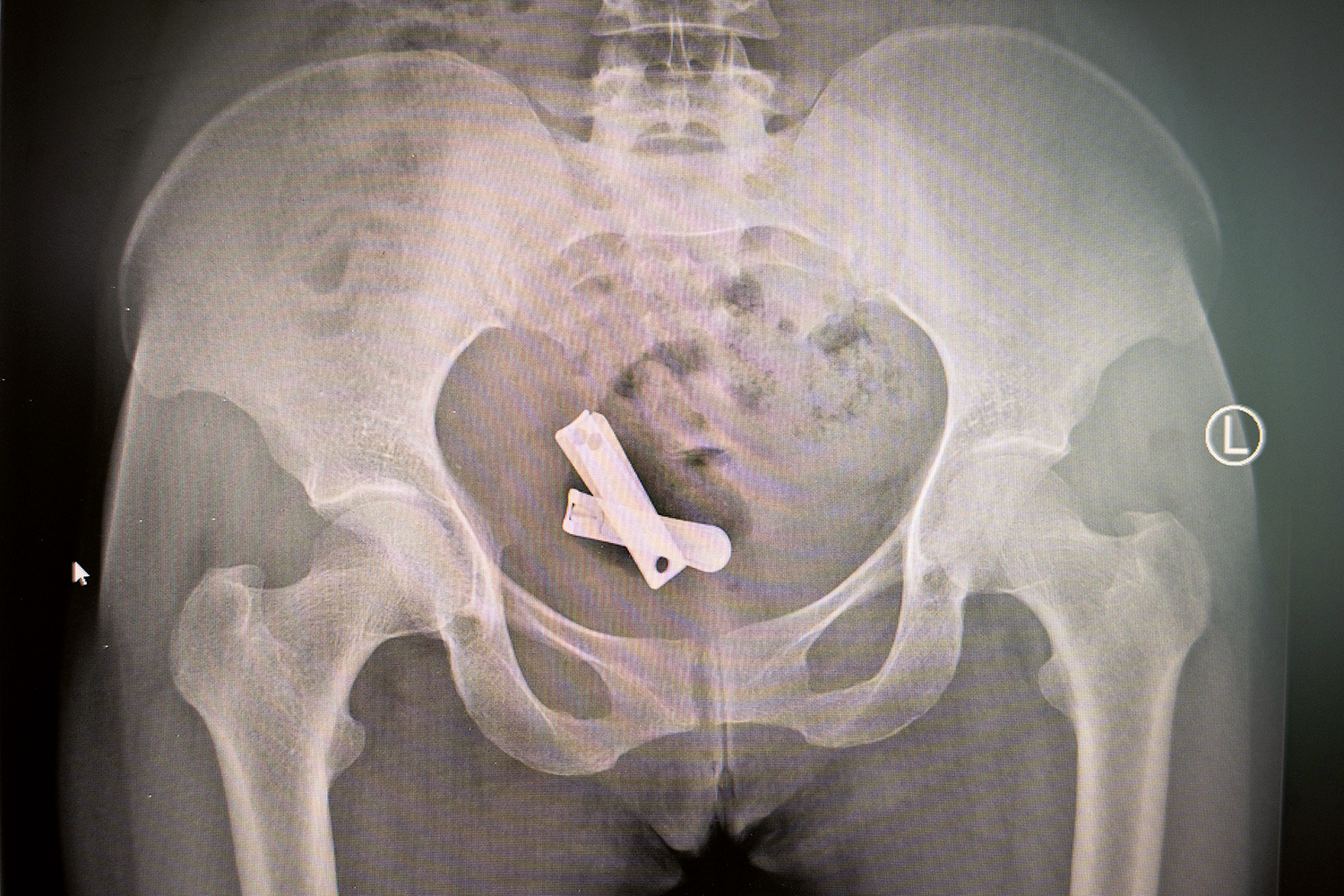
X-ray image showing a nail clipper inserted inside a uterus, Mekele, Tigray, March 2025 © Ximena Borrazás
Uruguayan photographer Ximena Borrazás records the horrific injuries sustained by victims of sexual violence in the war zones of Tigray and Ukraine who have little hope of ever finding justice
“I don’t want to be a photographer,” says Ximena Borrazás. “I mean, it’s totally fine to be a photographer, to travel, take photographs, and sell your material, but I want to be much more than that. When I return home [after photographic trips], I feel guilty because I’m so lucky. I’m a migrant, but I’m a lucky migrant – I got to choose where to go, when to go, how to go, and a safe way to go. So many people don’t have that opportunity, so I feel I have a duty to try to help those in vulnerable situations.”
Born in Uruguay, Borrazás worked in PR and marketing before “realising I was not contributing to making a better world” and taking a short course in photography. Quickly feeling she had found her medium, she moved to Barcelona to study it further and is now based permanently in the city. She has built an award-winning portfolio, working with organisations such as National Geographic, Al Jazeera and Unesco, and winning awards and grants such as the Tom Stoddart Award in 2024 (organised by the Ian Parry Photojournalism Grant).
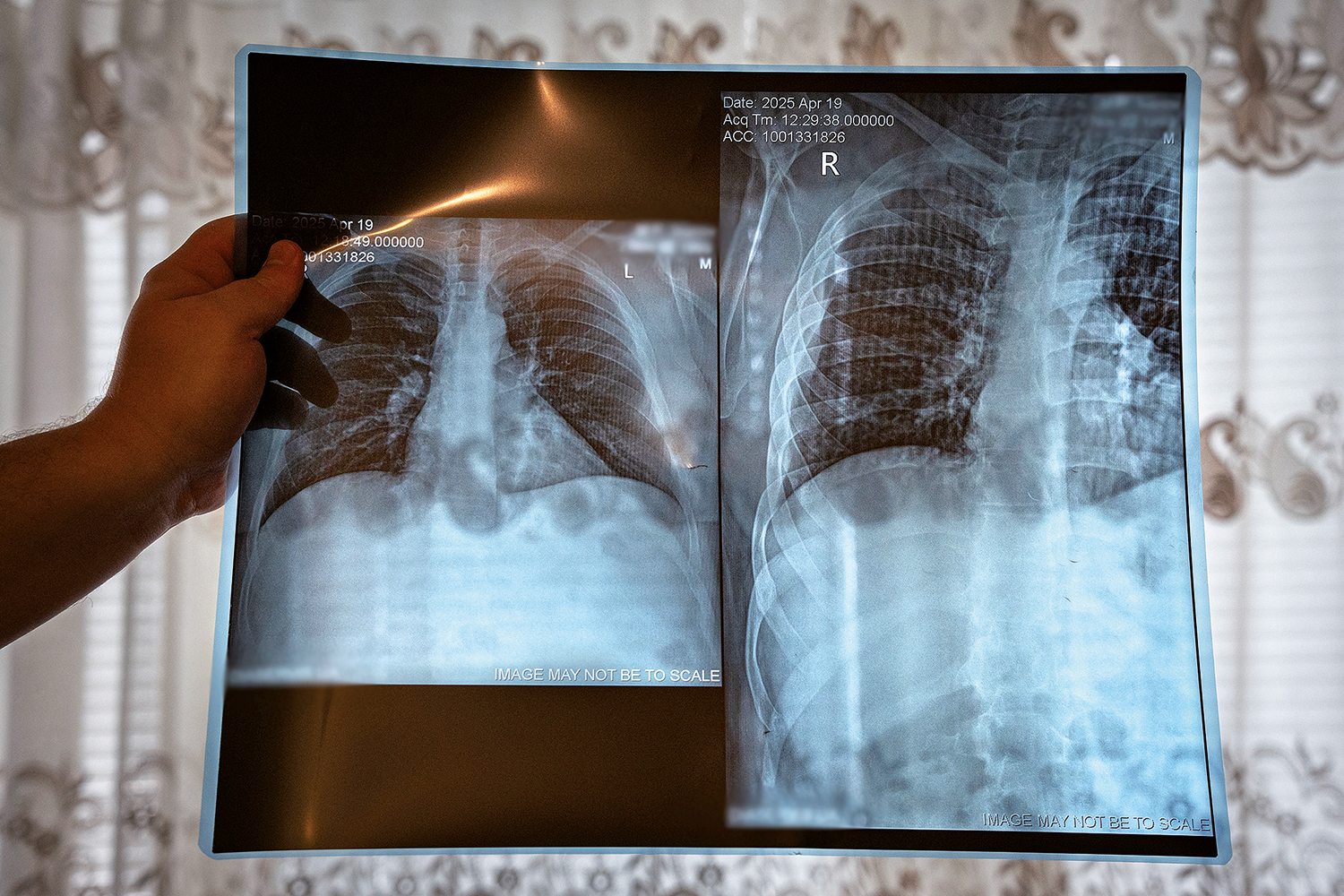
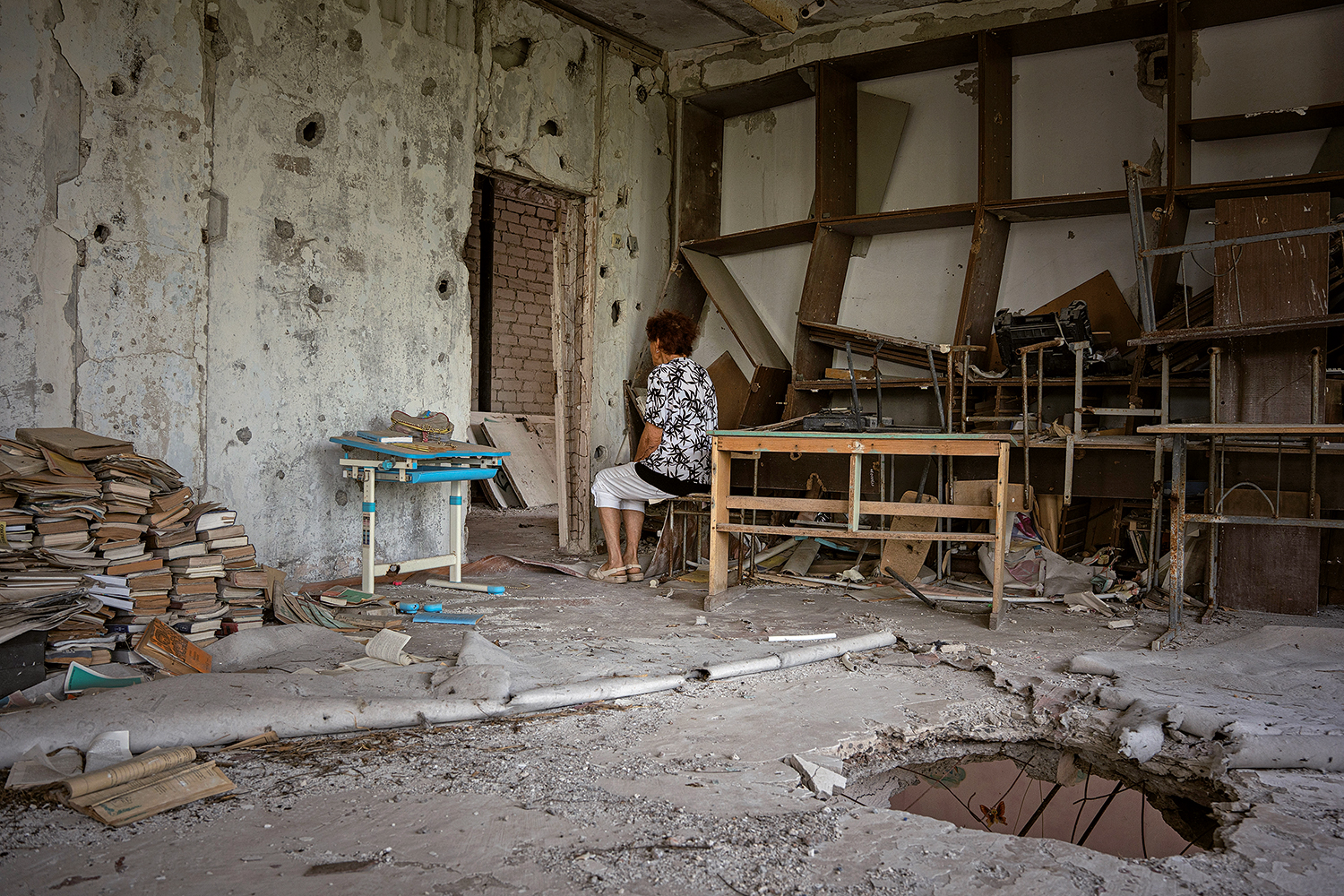
“She started crying, asking me to help because no one was talking about it. She said, ’You are our hope’, and from that moment I started going deep, deep, deep” – Ximena Borrazás
Her ongoing project The Scars of the War focuses on sexual violence in armed conflict, and so far includes chapters on Tigray, in Ethiopia, and Ukraine; she also plans to add work from the Swana region, from Syria and maybe Iraq, in a bid to show how common such assaults are in war. Though widespread, they are taboo and seldom acknowledged; and Borrazás herself admits she knew little about these crimes before going to Tigray.
Encouraged by a friend who told her she “could be helpful there”, she went to the Ethiopian region in 2024, initially planning to show the lasting impact of the devastating two-year civil war, which had started in 2020. But while visiting a camp for Internally Displaced Persons (IDPs), she was flagged down by a rape survivor. “She started crying, asking me to help because no one was talking about it,” says Borrazás. “She said, ’You are our hope’, and from that moment I started going deep, deep, deep.”
The IDP camp afforded little privacy so survivors seldom spoke up there, wary of the stigma they suffer alongside their experiences; instead Borrazás moved to the One Stop Center, a specialist unit at Ayder Hospital, Mekele, which has treated some 7000 survivors of sexual violence. Working in a small room with a nurse accompanying her, Borrazás spoke with individuals, recording and filming their conversations so that they might one day be used as testimony. She also photographed some survivors, making portraits protecting their identity.
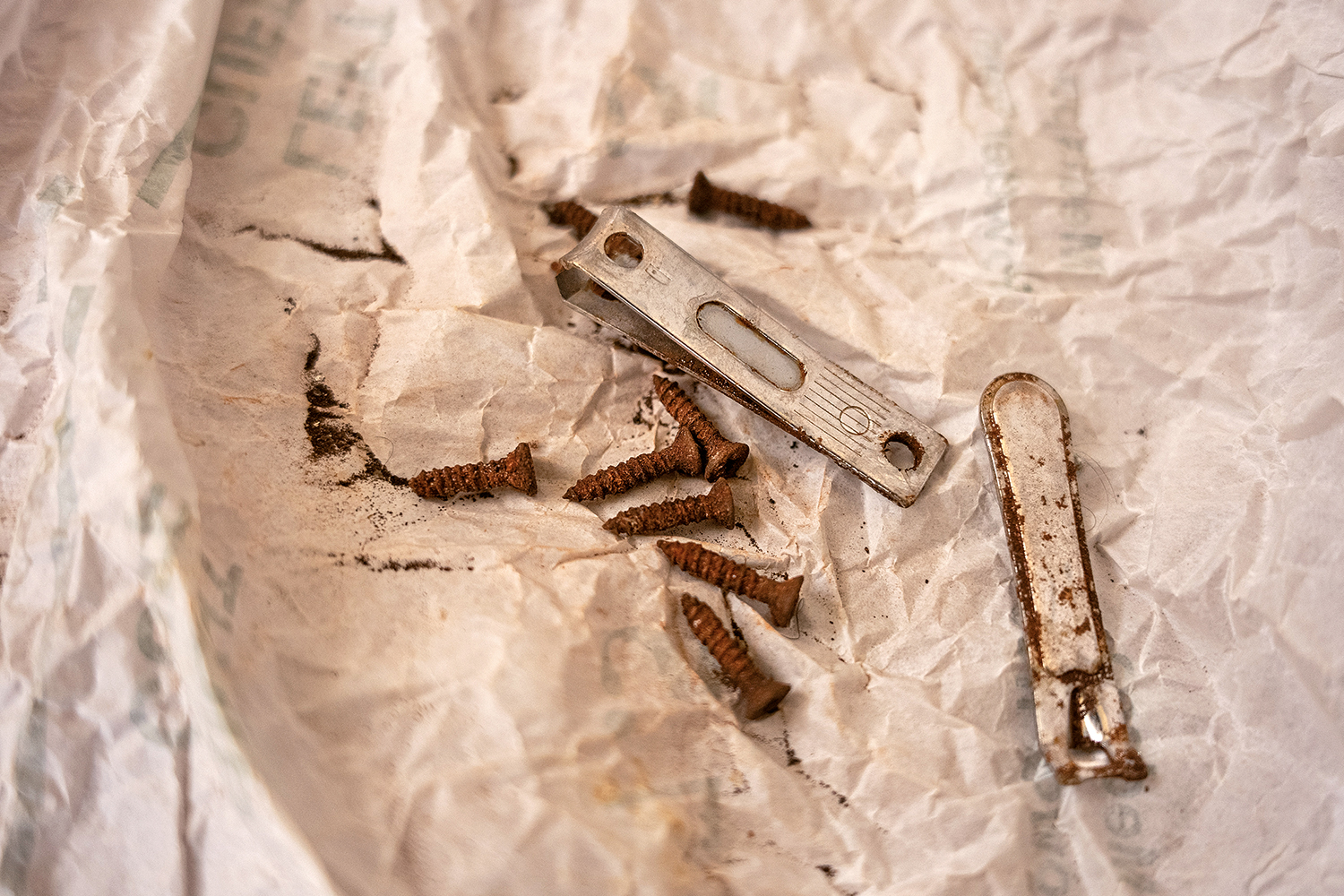
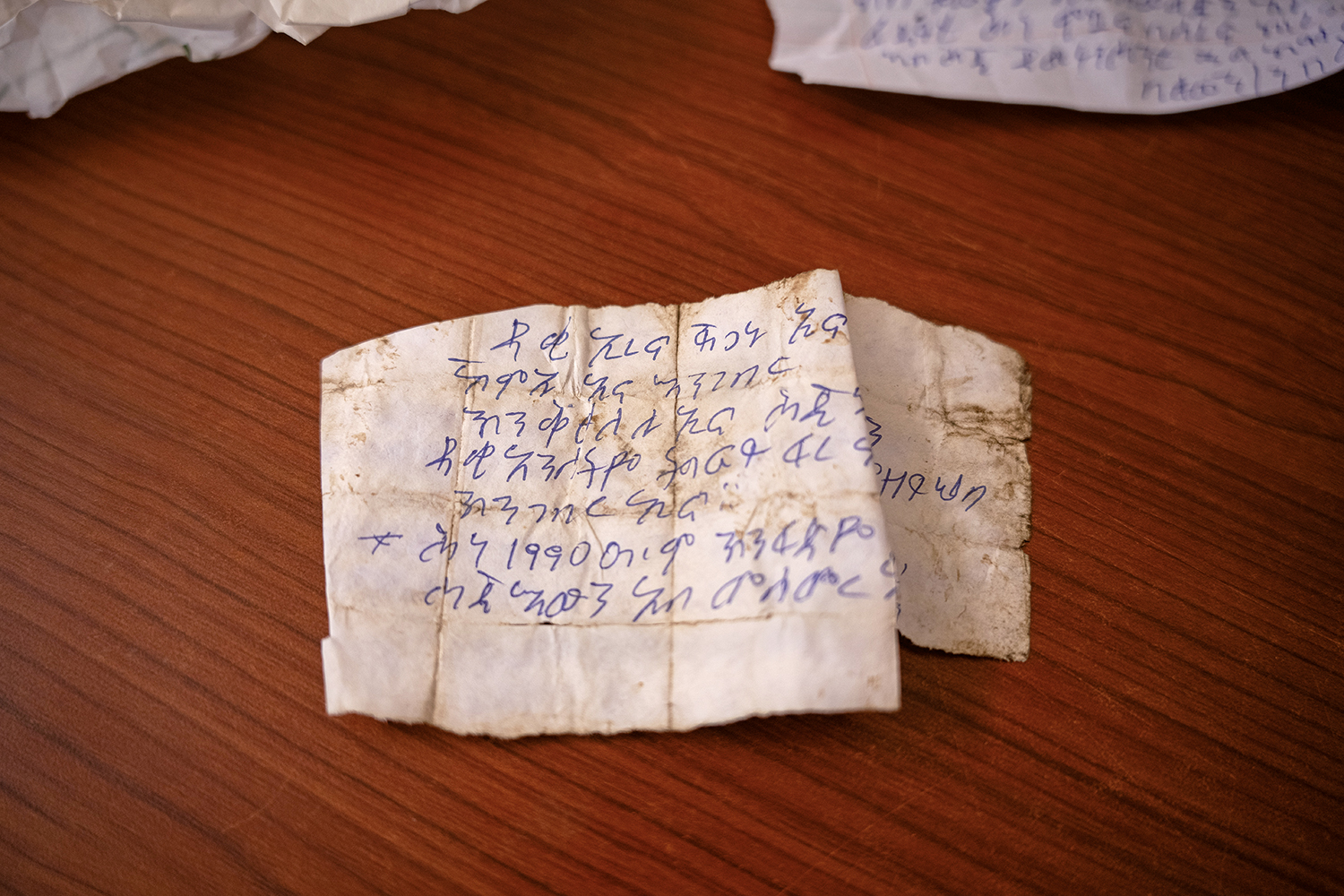
On the last day of her first trip, the nurse in charge of the centre, Sister Mulu, invited her to photograph objects removed from the women’s wombs; including rusty screws and even nail clippers, these objects were inserted in a deliberate attempt to render them infertile. Written messages also forced into their bodies make this intention clear, and Borrazás photographed them too. “Sons of Eritrea, we are brave,” reads one. “We have committed ourselves to this, and we will continue doing it. We will make Tigrayan females infertile. We are still determined to retaliate for 1998.”
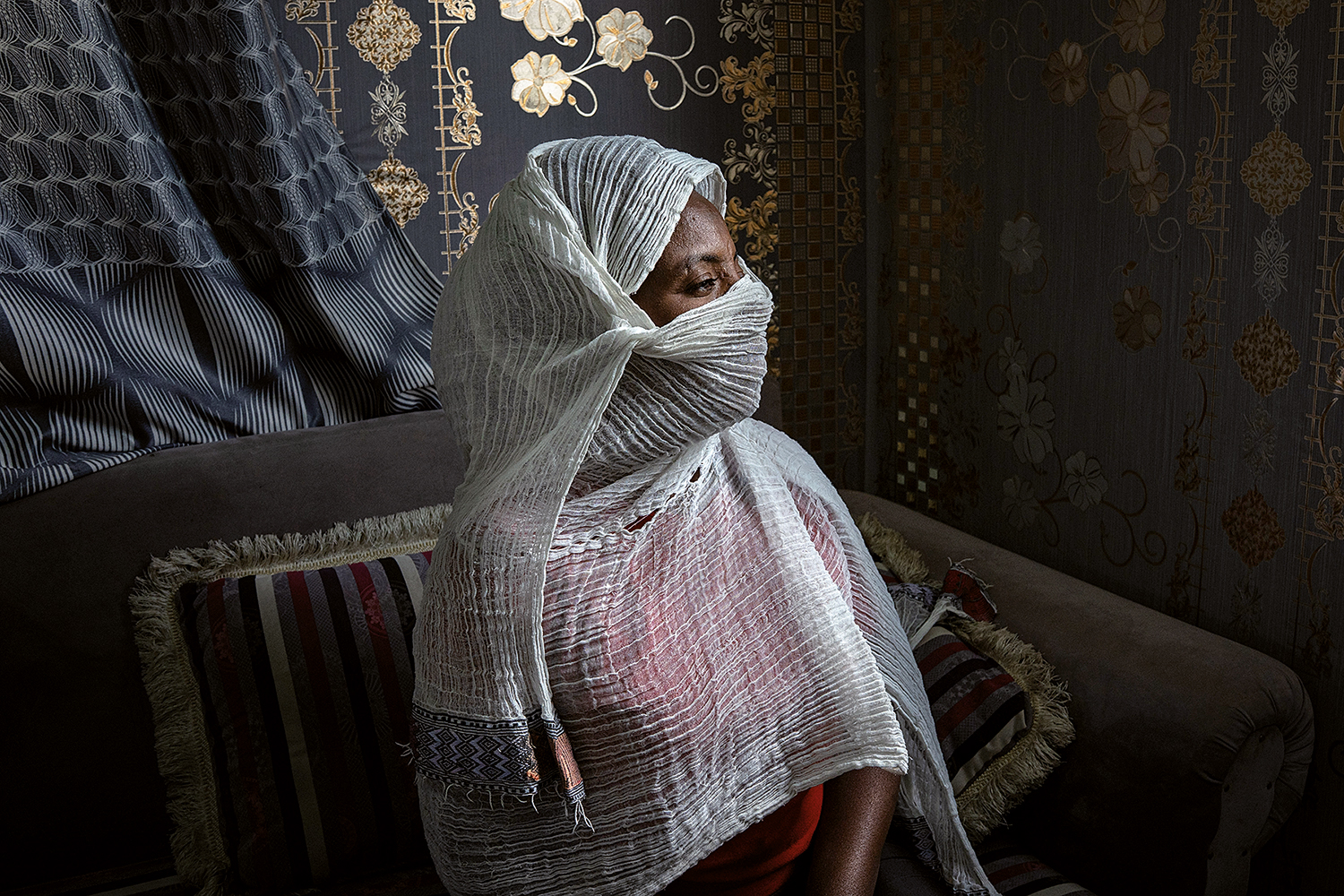
Before going to Tigray Borrazás contacted big media organisations, trying to place a story about the postwar situation and displaced citizens. But she was told that titles did not publish work from war zones by freelancers, or that a story from Africa was “not relevant enough”. Eventually German newspaper DW backed her, but then, when she published her images online, she was accused of lying and creating propaganda. Determined to corroborate her collaborators’ stories, she returned to the hospital and asked to photograph X-rays of the objects in the women’s bodies; and in doing so, found she created something more universal or ’relevant’.
“An X-ray is something you can’t deny,” she explains. “But when I published these images, in The Guardian and on social media, the response was crazy. So many people from around the world got in touch asking how they could help or donate. I realised it’s because an X-ray is in black-and-white and only reveals the anatomy. It doesn’t show an individual’s skin colour, or how they are dressed, or their religion, so people relate to it differently.”
This realisation encouraged Borrazás to take a similar approach in Ukraine, which she has now visited seven times; her work from this conflict combines portraits with medical images, and even survivors’ own shots of their injuries. In Ukraine she has also found male survivors of sexual violence, whereas in Tigray, if such individuals exist, they are not speaking up. Some of the male survivors in Ukraine even want to show their faces in her images, reasoning they now have “nothing to fear”, and that doing so can break the silence and the taboo, and help others.
“One of them told me that, when he got his freedom, he went to the hospital and they only had gynaecologists to treat him,” says Borrazás. “There are no professionals for men [trained in treating sexual abuse] because no one even considers that these things can happen. So some of them don’t even have medical records.”
Borrazás believes all sexual violence survivors deserve justice, and hopes that, in addition to raising awareness, she can collect evidence and testimonies that might one day be used in courts of law. “My aim is to contribute,” she says, “to obtain justice and accountability.”