
All images © Ryan Prince
Every year, BJP publishes its Ones to Watch issue – our selection of the artists who epitomise the talent and creativity in international photography today, as nominated by a global network of curators, editors, and artists.
Here we look at Ryan Prince, who was nominated in 2025 by the photographer Kalpesh Lathigra. Read more:
Many photographers are concerned with the uneasy relationship between photography and truth. Truth has become perhaps a dirty word, an ideal no longer backed, something maybe lost. Ryan Prince, documentary-trained and working across portrait and increasingly conceptual avenues, has a different route to truth. He and his practice are heartfelt, emotional. Truth may make way for something purer, with a little more room for soul: honesty.
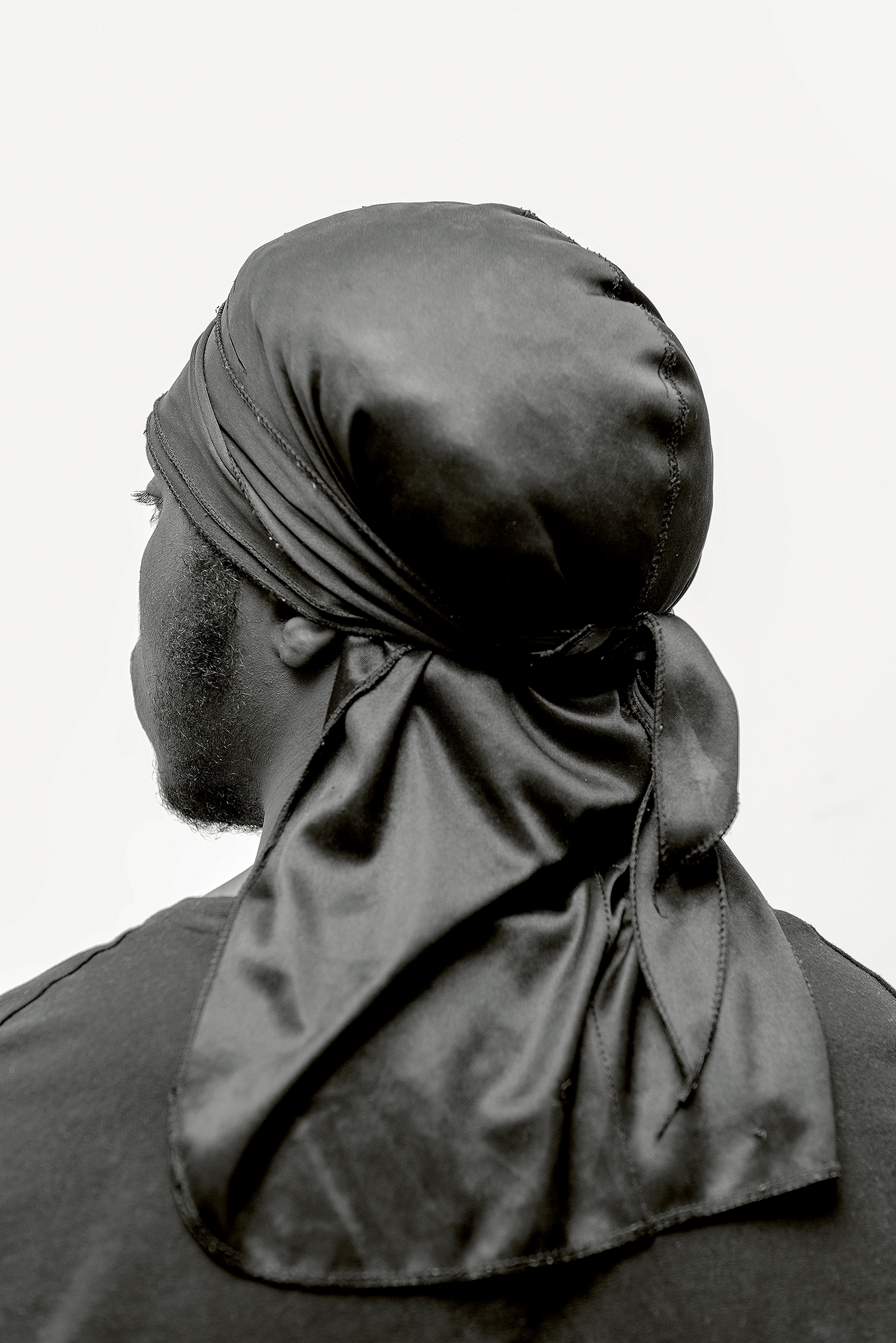
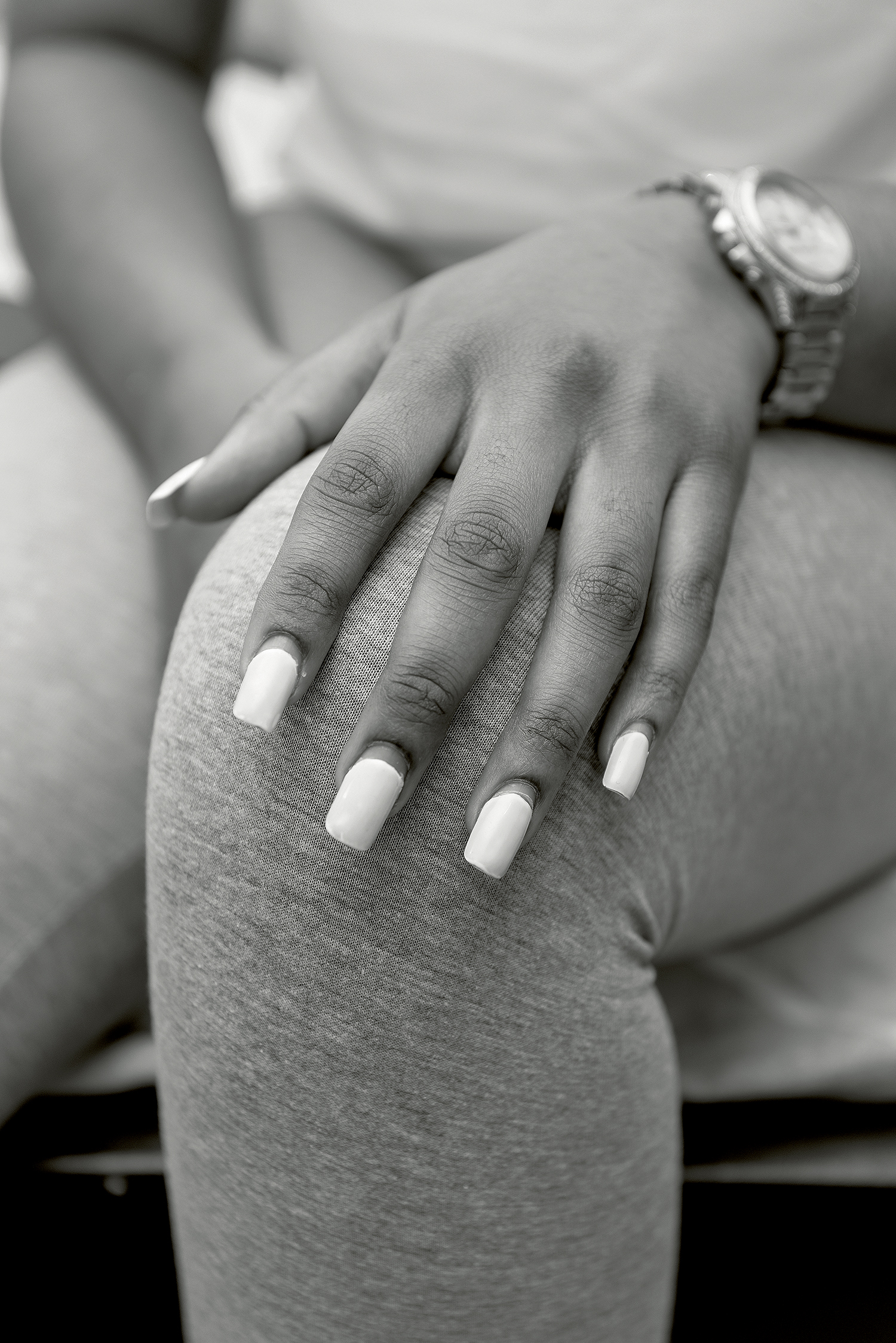
Prince is humble, gentle and in the pursuit of greatness. “I want to take amazing Black portraits,” he says. This does not come from a need to be the best, but a discursive openness, a style that lays his cards straight on the table. He relates his insecurities: jobs he wishes he had got, bits in old photographs he does not love anymore. He writes a blog, more diary than artist statement. This raw honesty, arresting within an interview, manifests in his work. In A Survey of Family and Can You Sit For Me?, Prince crafts tender, emotive, deeply personal portraits of his British-Jamaican family. A keen student of Carrie Mae Weems, Prince’s images feel frank, fashioned from familial love and technical precision.
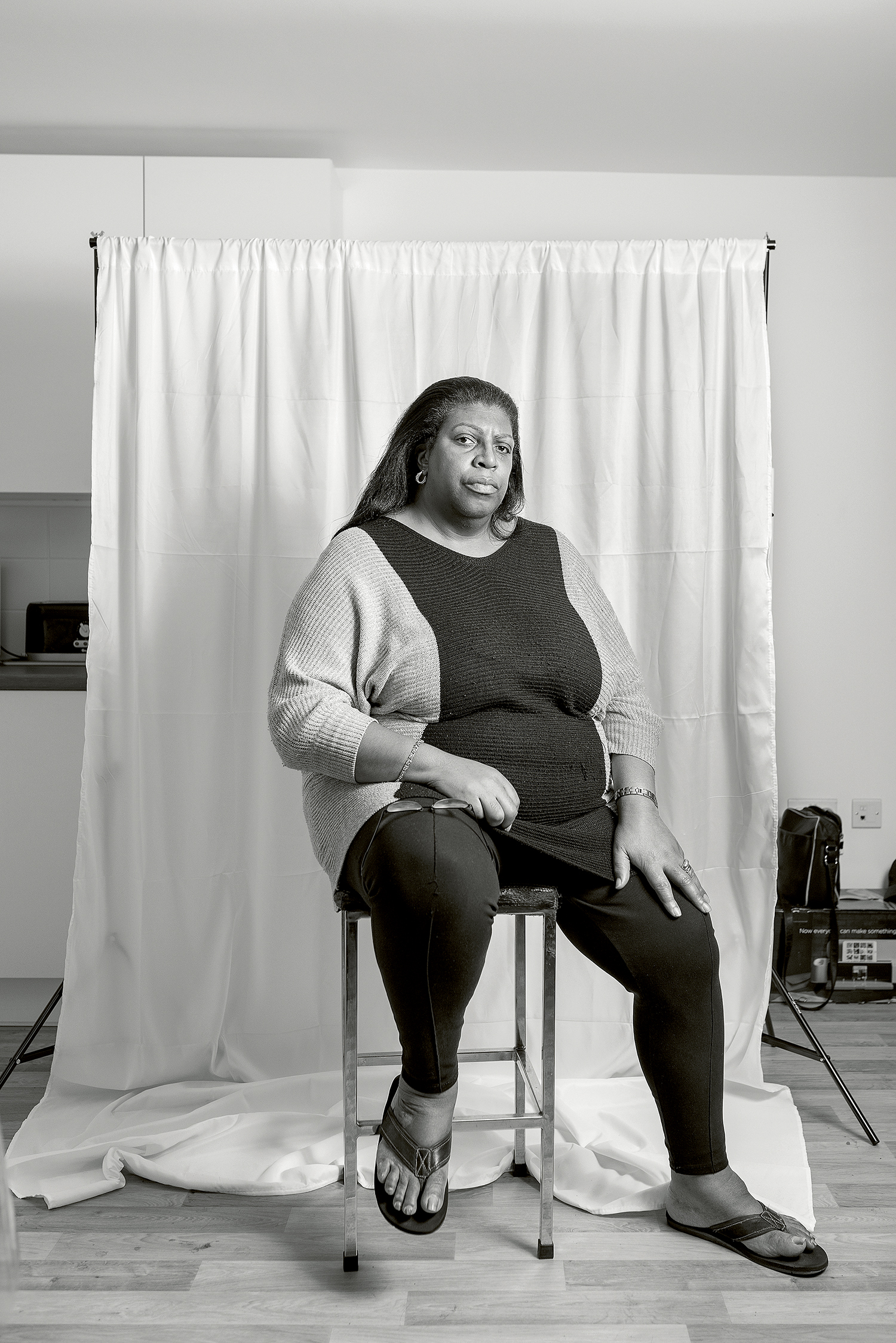
“I want to be this great photographer. I’m working on that” – Ryan Prince
His later series, One Year of Therapy, turns honesty into practice. The photographer was going through a hard time, and after some reluctance accepted a free session of therapy. “The first session was on my birthday,” he recalls. Weeks went by and the therapy started working; he felt compelled to make something out of the process, to record the unseen. “I started documenting the journey from home to therapy, therapy to home… but it wasn’t working, it needed to be more direct,” he says. This is when sage advice from a portfolio reviewer, the photographer Poulomi Basu, kicked in. He showed Basu early experiments in his portrait series, in which he documented his mother, not through her likeness but via objects, such as her favourite seat. Basu told him straight up: “You’re missing the point, just photograph your mum.” Prince applied this to One Year of Therapy, setting up a camera within the session, taking a shot every 10 minutes. No prevaricating, no place to hide.
The photographer Kalpesh Lathigra nominated Prince for Ones to Watch. “I was taken by his quiet seriousness for the craft,” Lathigra says. “His quiet reflections on family in tender moments held me. His approach is simple and direct, yet fragile… a young man showing the way by example. Ryan’s work sings in a gentle, powerful voice.”
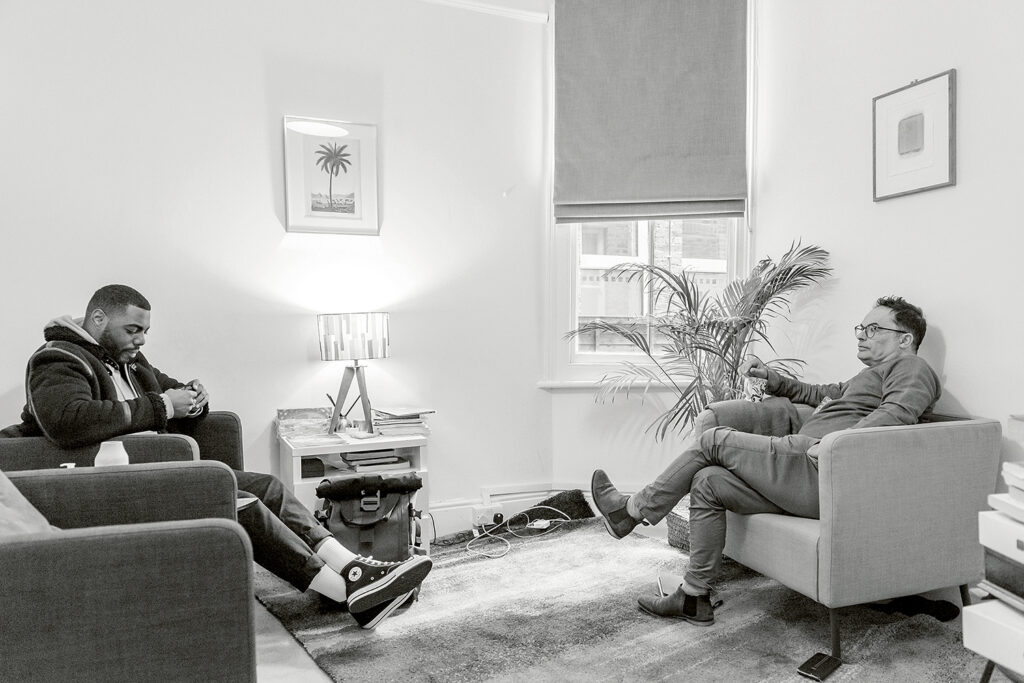
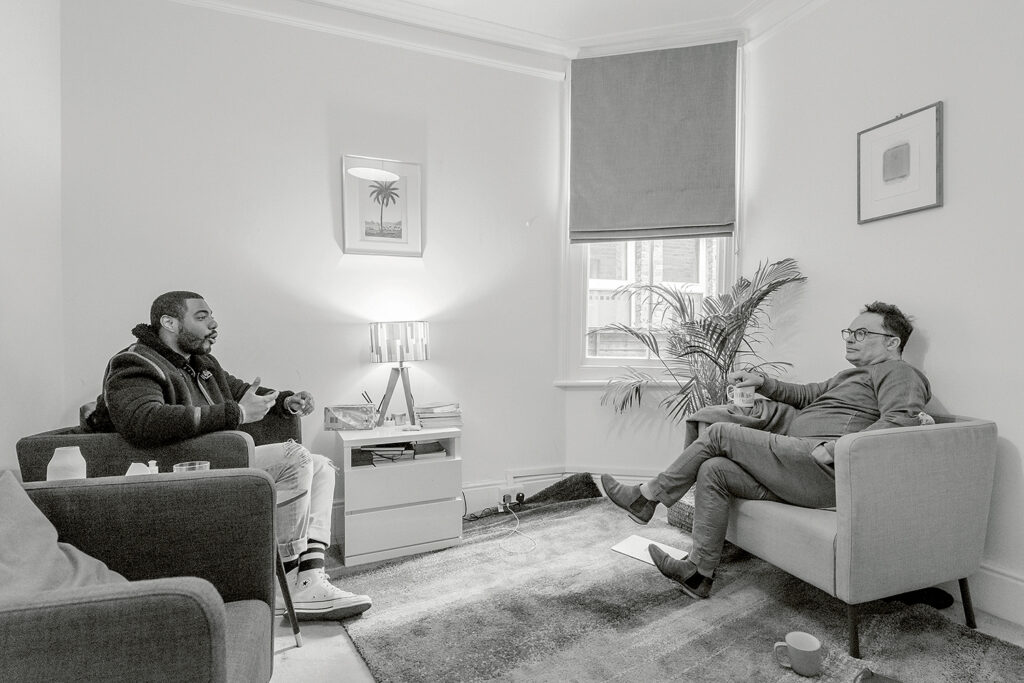
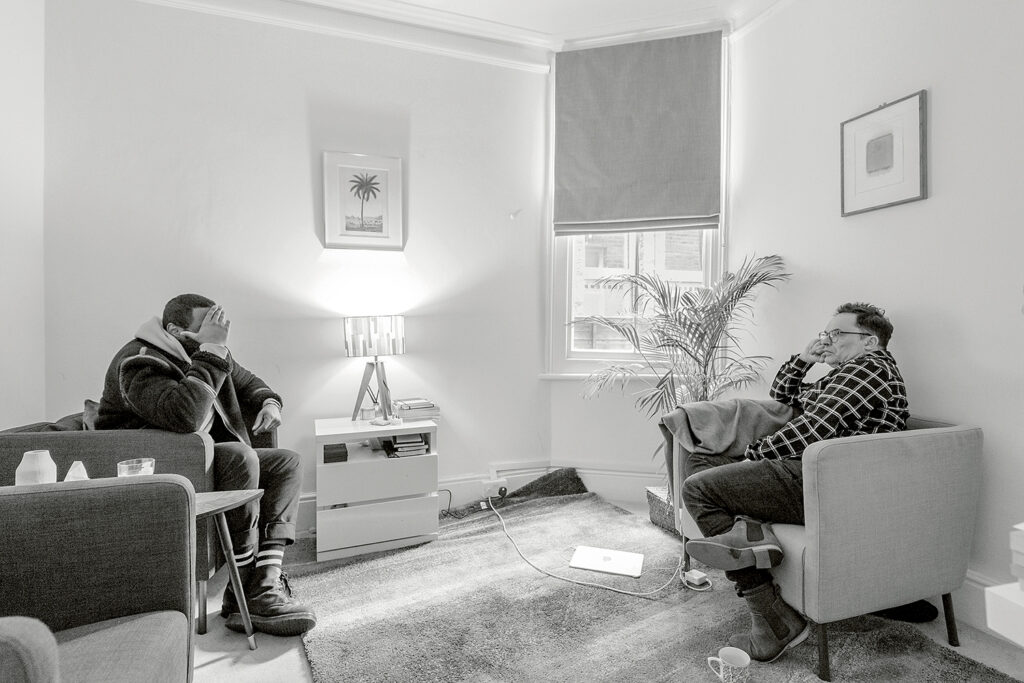
Lathigra saw One Year of Therapy at Peckham 24, and describes it as “outstanding and courageous”. Prince put his fine art BA and documentary MA to good use with the series, turning it into both book and installation. The installation was claustrophobic, a narrowing crevice adorned with blown-up vinyl prints. Prince did not stop there: “I wanted to recreate the feeling… I had the same plant that you see in the images, a chair. I had a chest of drawers containing references, notes, research material from my readings,” he adds.
In his meticulously crafted space, one had to face the beast, hand oneself over to a topic still very taboo. “The work, in a way, isn’t about the images… it’s about the conversations they force,” he says. “Therapy is intimate, unmentionable, especially for men, especially in Caribbean culture. I wanted to challenge that.”
Prince is still pursuing portraiture, and says, “I want to be this great photographer. I’m working on that”. We discuss his practice as he continues to span installation, conceptual, documentary, commercial; he trained his eye as a real estate photographer, and speaks openly about the difficulties of a photographic career. “I think about this idea, that photographers, painters, whatever, they just shit out great work all the time, and that it’s not hard, that it’s not a graft… It’s not easy, I find it very difficult, and I think a lot of other people do too. Sometimes you can feel really alone in that. It’s important we talk to each other about what art is actually like. It’s OK to have a side hustle, to work in retail, have some wins, some losses. I’m really upfront about it because I think it helps. It helps writing about it and it helps talking about it. A lot of us are all in the same boat.
“As much as it’s not easy, it’s also a source of pride,” he continues. “Because it reminds me of family. In Caribbean culture, it’s normal to have multiple jobs and be skilled.” He speaks of his dad, who paints, is a chef and used to do screenprinting on T-shirts. “It’s about being multifaceted. Everyone has a multidisciplinary practice, right?”
As the interview comes to a close, I thank Prince for his candour and sincerity. He responds with kind, wise words: “I think honesty is important. Maybe that’s documentary. Less about embellishment and more about trying to tell the truths.”