
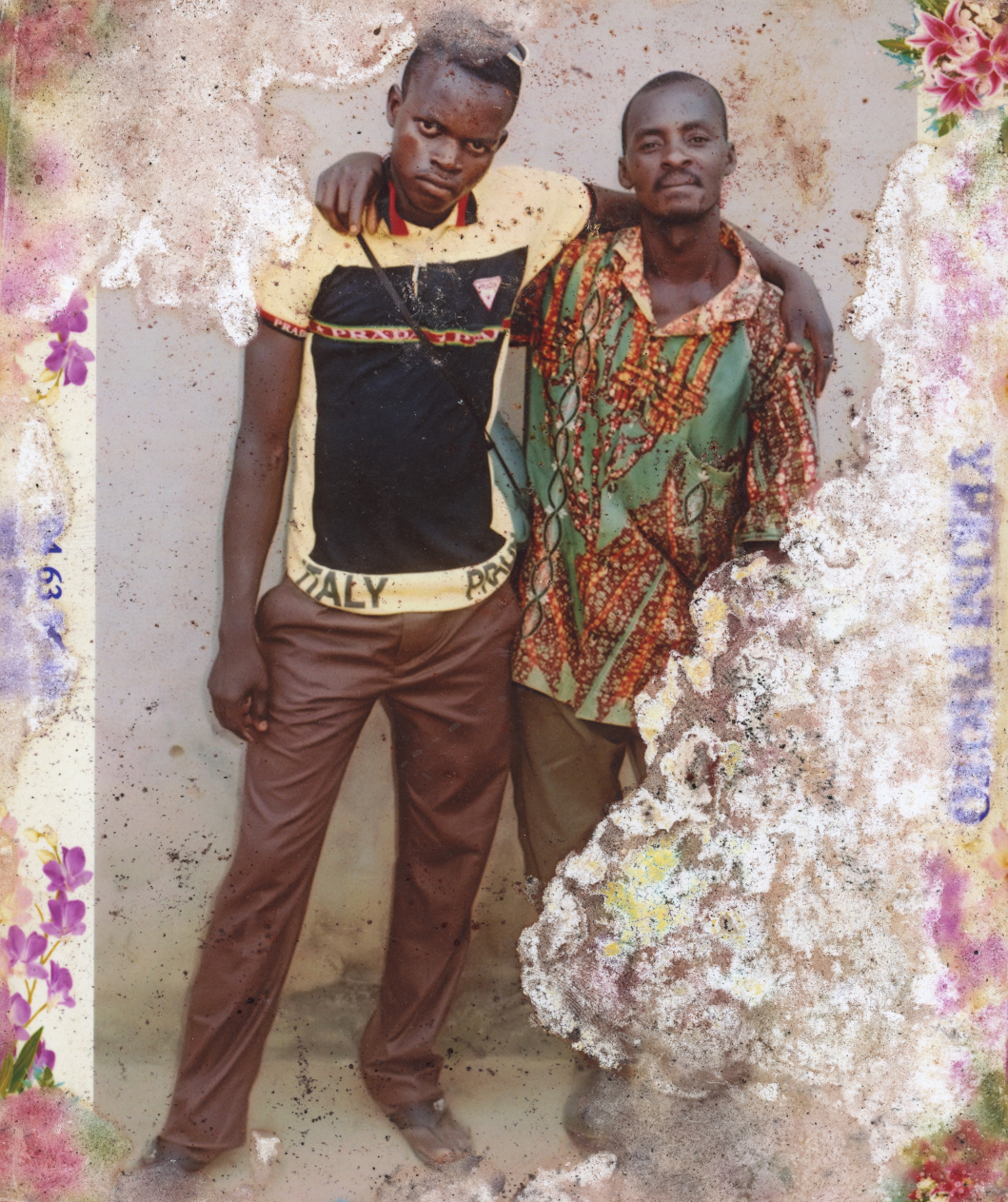
From the series The Gifted Mold, 2012, Cote d’Ivoire © Cédric Kouamé
The new exhibition at Zurich’s Museum Rietberg highlights artists working with historic images
“When we reject the single story, when we realise that there is never a single story about any place, we regain a kind of paradise,” said author Chimamanda Ngozi Adichie in her 2009 TED Talk, The Danger of a Single Story. Her insight has inspired the title of an exhibition at Museum Rietberg, Zurich, A Kind of Paradise – Colonial-Era Photography in Contemporary Art. Her insistence on polyphony also underpins the curation, which gathers 20 artists from the Global South and its diaspora who are reusing archive images, rethinking how they frame, and retelling their perspectives.
“Through repair, correction and reinvention, the artists subvert familiar narratives and recalibrate our view of the past,” writes exhibition curator Nanina Guyer in the accompanying book. “Their works form a visionary cosmos that overwrites colonial visual logics and regimes of visuality, opening up a space for previously unheard narratives. From the depths of the past, the artists’ focus remains firmly on the future.”
The exhibition is divided into four sections, each highlighting a distinct, though overlapping strand. The first chapter, Shapeshifters, finds artists giving archival images new form, reinterpreting what they do and do not show, and filling in gaps with counter archives. The second, Confrontation, peels back layers of existing images, destabilising racist, stereotypical tropes, and often including satirical humour and sometimes the makers’ own bodies. The third chapter, Care, reaches towards the individuals in archive images, attempting to shield them from the colonial gaze and redeem the horrors of colonialism and enslavement. The fourth chapter ventures into the ‘Foto Fantastic’, exploring critical fabulation and speculative art which creates alternative histories and futures.
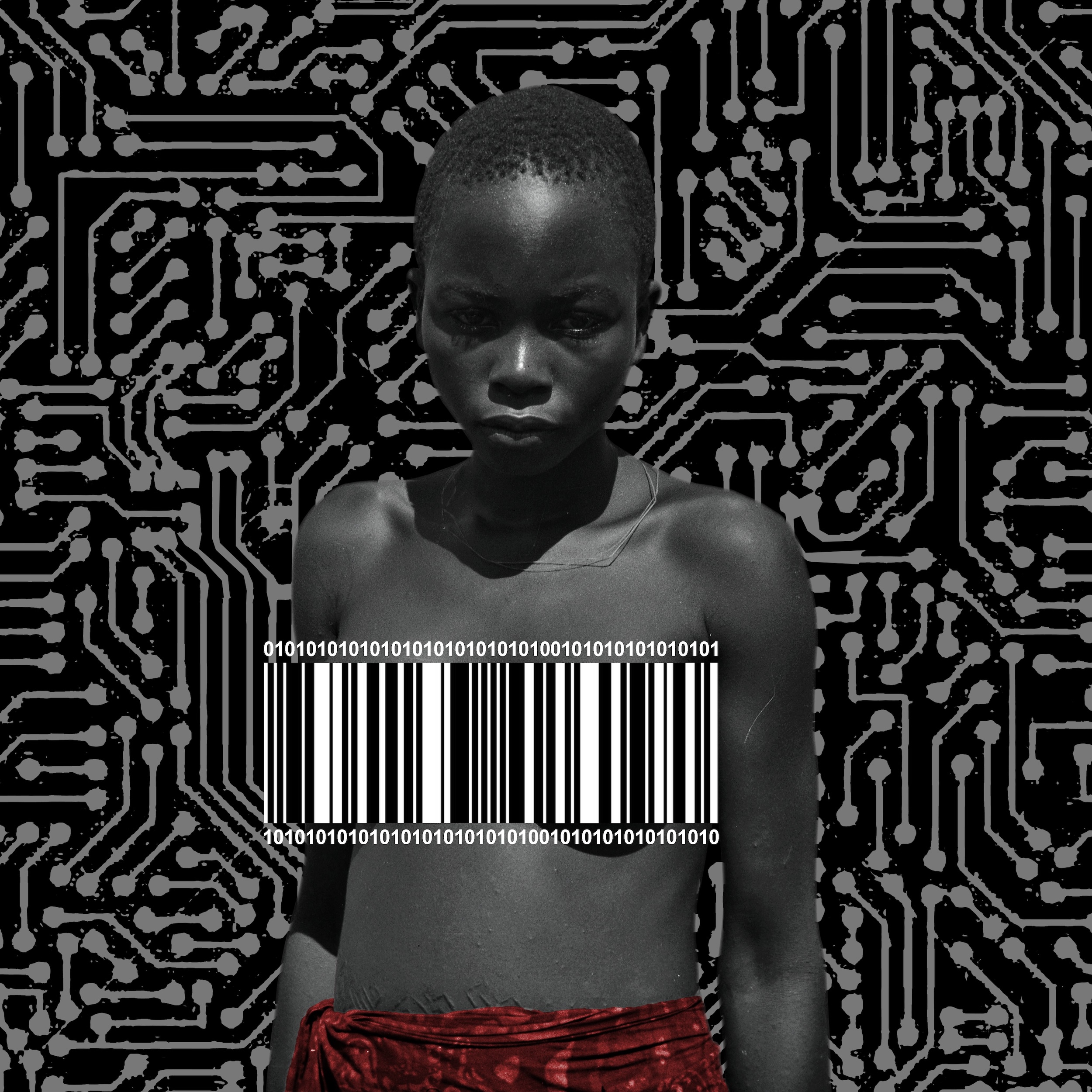
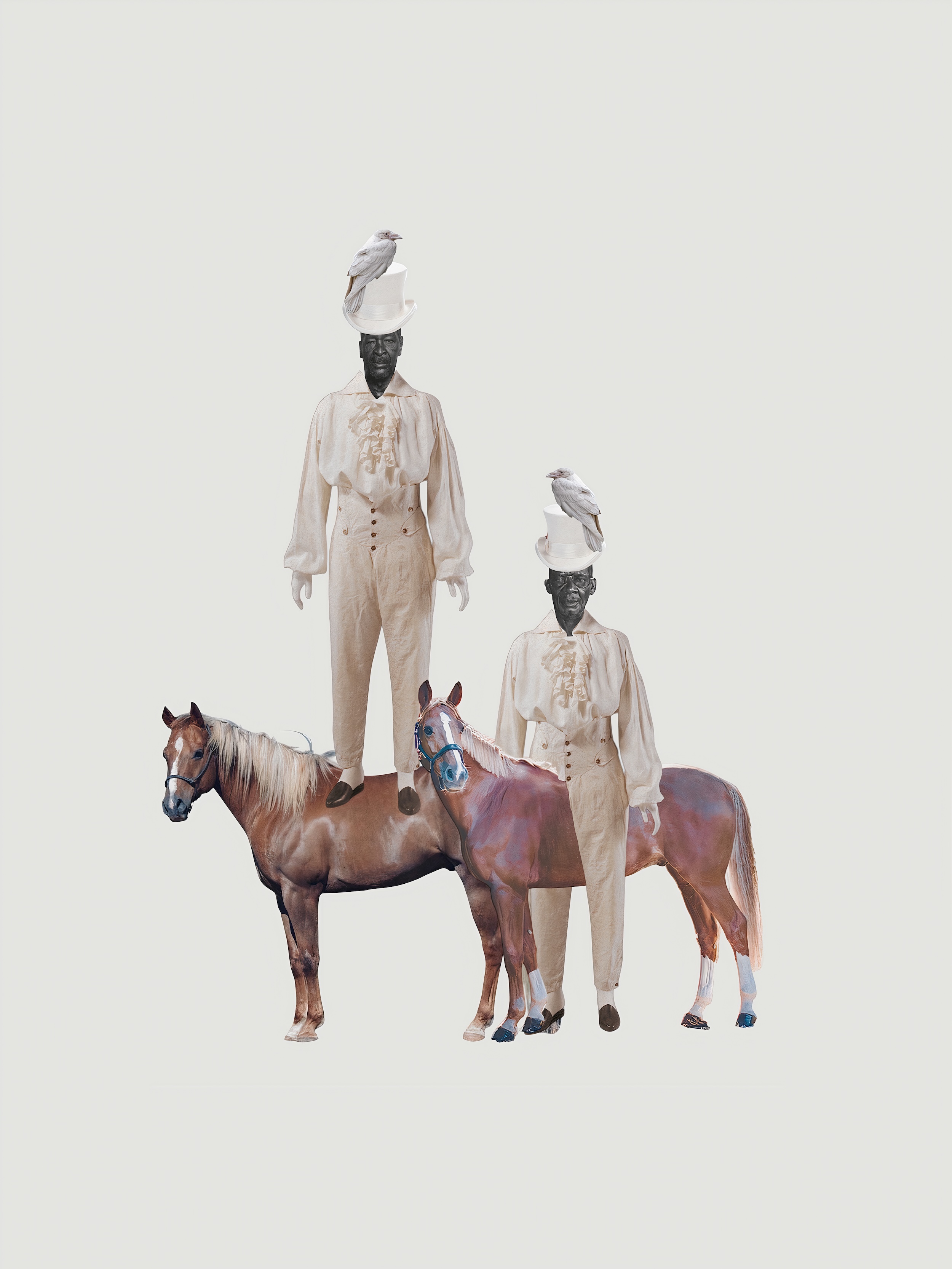
“What these artists do is transform and expand the notion of photography, and question visual regimes of power”
“We wanted to speak to this phenomenon of rethinking archives and archival images within contemporary art which is global but hasn’t previously been gathered into one show,” says Guyer, who is also curator of photography and head of photographic archive at Museum Rietberg. “My initial longlist included about 50 artists. Then during the selection process, which was a matter of two or three years, we focused on the artists exploring photography, both in terms of the stories behind the images, and the medium itself. Most of these artists don’t make photo works in the classical sense. What they do is transform and expand the notion of photography, and question visual regimes of power.”
The exhibition is purposely arranged around ‘colonial-era’ not ‘colonial’ photographs, allowing artists who explore family archives to be included; the Shapeshifters chapter includes installations by Dinh Q Lê, for example, made with family photos left by those fleeing Ho Chi Minh City in 1978. Using prints found in junk shops, he weaves structures recalling mosquito nets, which these refugees – who included Lê and his family – used on their journeys to safety. Shapeshifters also includes prints collected by Cédric Kouamé on the Ivory Coast, which were made by professional studios.
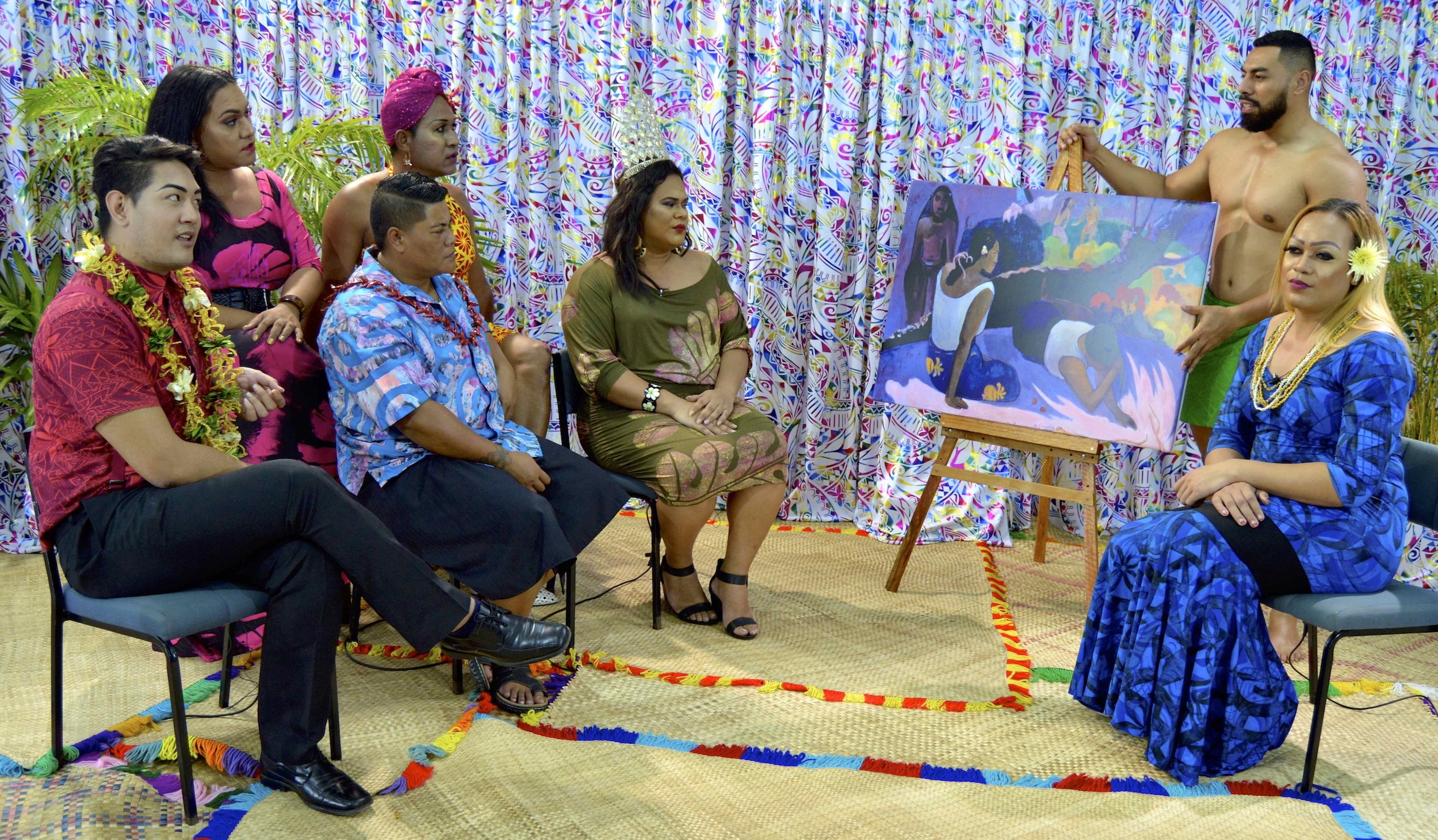
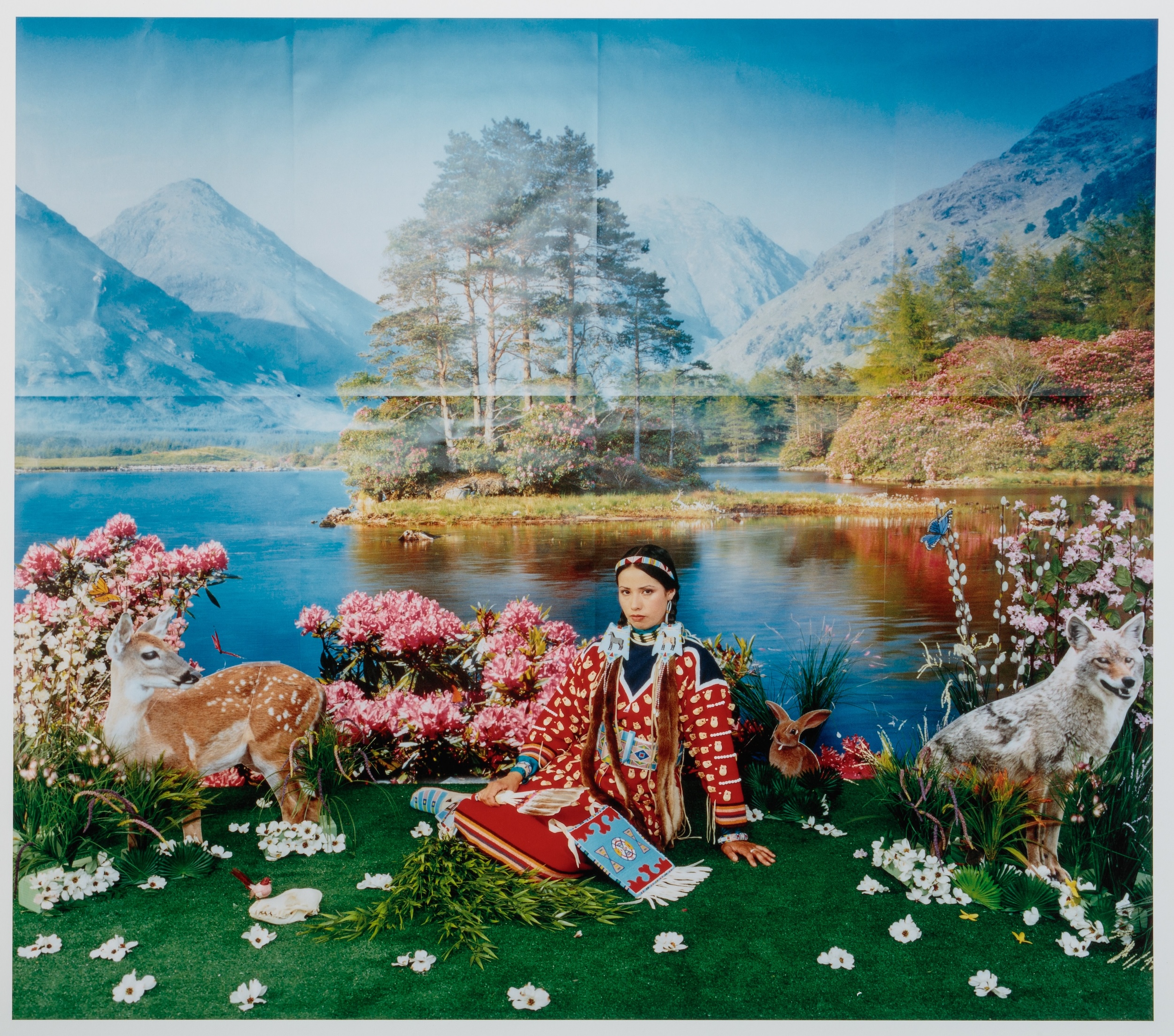
The images are disintegrating in the region’s humid climate, and in Kouamé’s hands pose questions about photographic attempts to freeze time, and museum preservation and archiving. Confrontation includes works by Wendy Red Star, which play with stereotypes of indigenous North Americans as stoic, timeless and at one with nature. Red Star, who is a member of the Apsáalooke Nation, creates a rendition of an old-school diorama, including fake grass and inflatable deer, and quite literally inserts herself into the frame. Samoan trans woman Yuki Kihara reimagines Gauguin’s exoticised, eroticised depictions of Polynesian women in this chapter too, by creating a TV talk show pastiche, in which queer individuals discuss the paintings and gender politics.
Care includes Sasha Huber’s Tailoring Freedom, a series of celebrated artworks reclaiming images organised in the 19th century by Louis Agassiz. The original frames depict enslaved individuals without clothes; Huber ‘dresses’ them in outfits inspired by freedom fighters Frederick Douglass and Harriet Tubman, but does so with staples, expressing her fury by piercing the prints. Guyer initially encountered the images via BJP in December 2022 (issue #7911) when Huber was featured; Huber has elected to add new work to the series, creating two additional artworks from the photographs Agassiz commissioned in Brazil.
The final chapter includes artist Andrea Chung, who draws on Museum Rietberg’s collection. Inspired by Afrofuturist myths of Drexciya – a land created under the Atlantic Sea by the children of enslaved pregnant women thrown overboard – Chung’s installation uses images of Black women. Releasing ultra-fine salt particles into the display case, the artist offers a protective, if temporary, covering. “The exhibition aims to provide an overview of the many different ways artists engage with colonial-era photographs,” observes Guyer. “Some address these difficult histories head-on; others, such as Andrea Chung, take a different approach, reimagining these photographs as sources of creativity and strength, using critical and imaginative strategies to fill gaps in historiography.”
The exhibition also includes other photographic works from the Museum Rietberg collection, selected with the artists. Guyer thought “long and hard” about how to approach these collections, mulling over how to break down old hierarchies without patronising or assigning unwanted responsibilities. Eventually she invited three artists to the museum – Tuli Mekondjo, Raphaël Barontini and Sasha Huber – plus art historians Sandrine Colard and Sophie Junge, to ask what they wanted to do. “I knew what we shouldn’t do was just juxtapose the artistic works with the original photographs,” says Guyer.
“That wouldn’t say anything. So instead we invited artists here, to discuss how to talk about this hidden history without giving the burden to the Black body. This dialogue was very productive and, at Colard’s suggestion, we decided to present landscape photographs, empty images from Congo and Sumatra. These were places of extraction of resources and manpower, but in presenting them we want to talk about what historical images didn’t show. Over our long collaboration with the exhibiting artists, five expressed the desire to create new artworks for the show, two – Mekondjo and Andrea Chung – said they wanted to work with our collection. Of course we were very happy, but for me it was important that the impetus came from them.”