
All images © Ocean Vuong
At CPW Kingston, the decorated Vietnamese-American writer presents Sống, a photographic archive built over two decades never initially intended to be viewed publicly
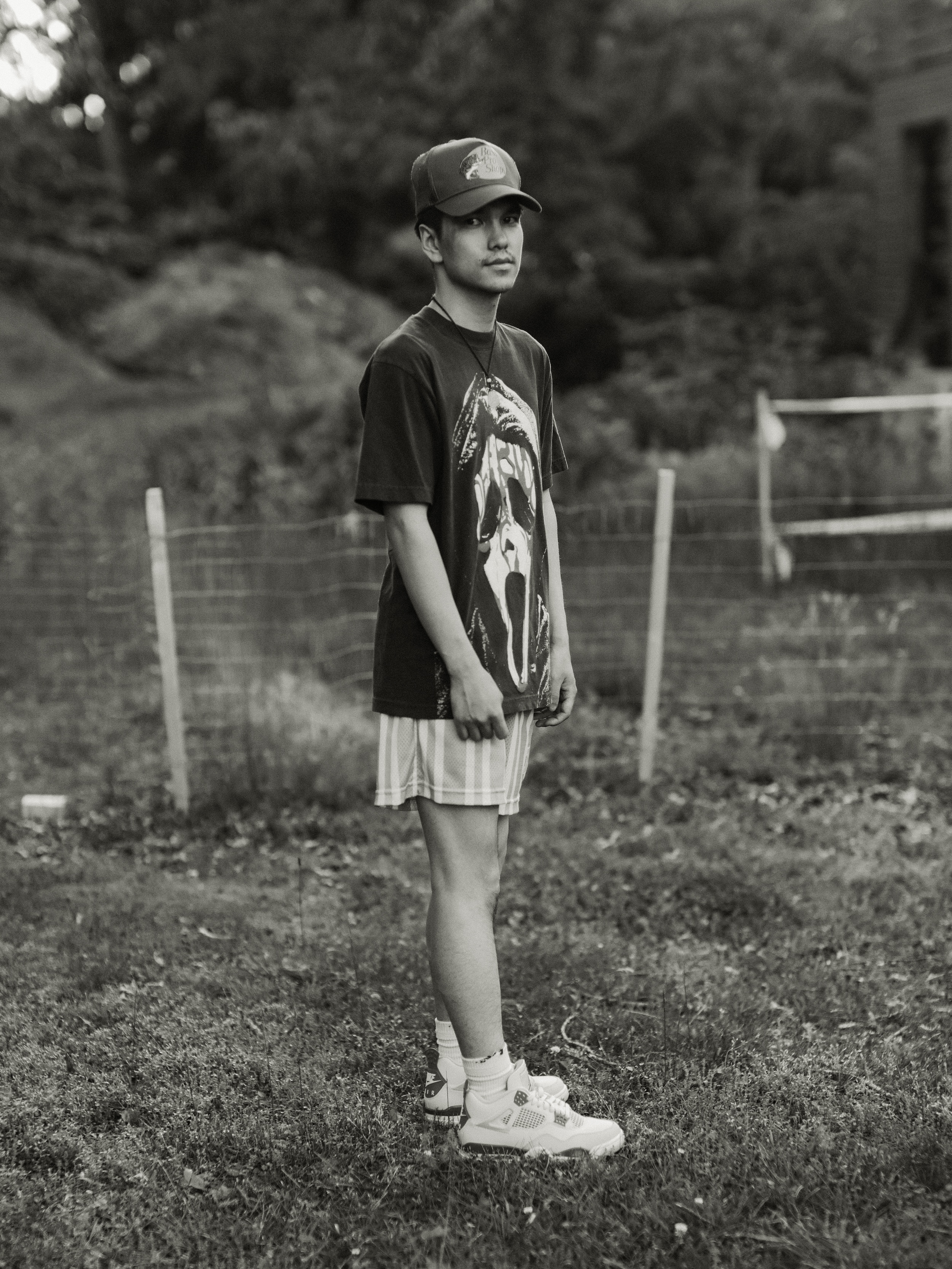
Ocean Vuong’s photography exhibition Sống, now on view at the Center for Photography at Woodstock, offers a rare glimpse into the private universe of a writer whose work has long explored memory, identity, and intimacy. Though Vuong is celebrated for his literary achievements, including On Earth We’re Briefly Gorgeous, this is his first public presentation of a photographic archive amassed over two decades. The exhibition is at once revelatory and personal: images of Vuong’s family, friends, and formative subcultures – punk shows, skate parks, street basketball courts – trace the roots of his creative vision, showing how early communities shaped his sense of art as celebration, not necessarily decorum.
Vuong’s photographs, some staged, others candid, negotiate the tension between preparation and instinct, private archive and public display. Influenced by Elliott Erwitt, Chris Killip, Gordon Parks, and LaToya Ruby Frazier, he constructs a lineage that connects Vietnamese American experiences with broader traditions of attention and care in visual culture.
As Vuong explains to BJP’s online editor Dalia Al-Dujaili, photography became a way to make his world legible, a practice that parallels his writing: both seek intimacy, honour material conditions, and challenge the frameworks that dictate whose stories are seen. With Sống, Vuong invites viewers into a portrait on family, labour, identity, and the power of rest.
“Many writers take quick phone photos to describe them later. But composing a photograph made me intimate with the subject”
Al-Dujaili: You’ve been taking photographs for years, but this is the first time they’ve been publicly exhibited. I’m interested in the shift – or perhaps not a shift, but a revelation – from writing to photography. When did this fascination begin? And why share the work now?
Vuong: I never lived in a neighbourhood where being an artist was a choice. It wasn’t even something you thought you could be. I used to think you needed an artist card in your wallet. I opened mine one day and didn’t have one, so I assumed I wasn’t chosen.
The options around me were nail salon, factory, the Job Corps – a job programme for the underserved – or the military. That was the landscape. Art wasn’t in it.
But I was part of skate and punk culture. My childhood foundation was hip hop, punk, skateboarding, and street ball. There was this compilation called the And1 Mixtape that was hugely influential. When I think about it now, I’m struck by something. In the art world, there’s often this denigrating term – people say work is too show-offy, too pretentious. Usually that just means it’s bigger than the container white folks set up for it.
In street ball, in hip hop battles, in skate culture, the whole point was to show off. It was a celebration of form and a celebration of community. I was shocked to discover that in the so-called professional art world there was this false decorum one had to perform. Punk, skate, and hip hop culture are at the foundation of everything I do. I’m always asking of the form: can it be broken? Not, how do I play by the rules?
I thought all artists behaved that way. But the more “advanced” you get, the more people ask, Who do you think you are? Where’s the tradition? That’s a common experience for a lot of people of colour.
I didn’t know any of this when I started. I just picked up a camera and photographed my friends at punk shows and in skate videos. When I looked at the frames, I realized there was some sort of myth inside them. I was punching holes out of time – but unlike a real hole puncher, the world remained intact.
So I started going to the library. The photography section was maybe the size of two microwaves. But there I found, particularly, the work of Elliott Erwitt and Chris Killip, who photographed punk shows in England in the ’60s. That scallywag culture stunned me. I realized there was a whole tradition.
I began taking photographs of my family to make our world legible to them. It sounds strange to say, but I’ve never seen my mother walk in a local park. That’s the reality of grueling hours – you don’t have recreation. I wanted to show her what our life was, the part she never got to participate in because she worked so hard. That was the impulse.
When I became a writer, taking a strong photograph in conversation with the photographic tradition allowed me to understand subject and place more deeply than if I had simply taken reference shots. Many writers take quick phone photos to describe them later. But composing a photograph – really composing it – made me intimate with the subject. So when I wrote about them, it felt closer to lived experience, even if I was inventing.
Photography felt private. Until I met Nan Goldin.
She was photographing me for Document Journal. Instead of blasting away for 30 minutes, we spent three hours talking at St. Mark’s Poetry Project. She would take one frame every few minutes, smoking the whole time. The assignment felt secondary. The conversation felt primary.
I didn’t have a pipeline, so I posted my archive – 8,000 images over 20 years – on Instagram. It was the only medium available to me. Journalists and curators started reaching out. Eventually, an editor at The New York Times asked, What is this? Can we do something? That became the show.
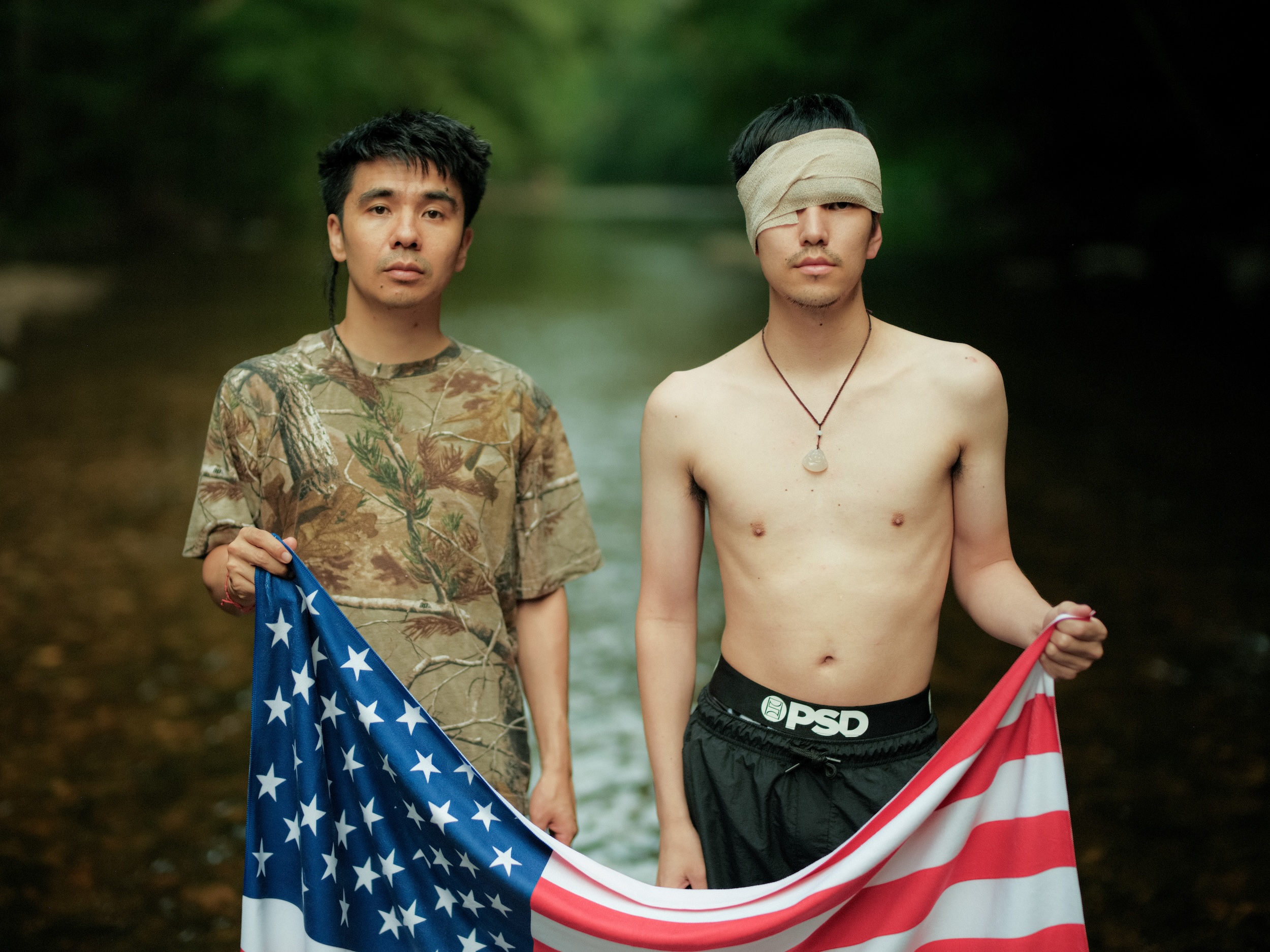
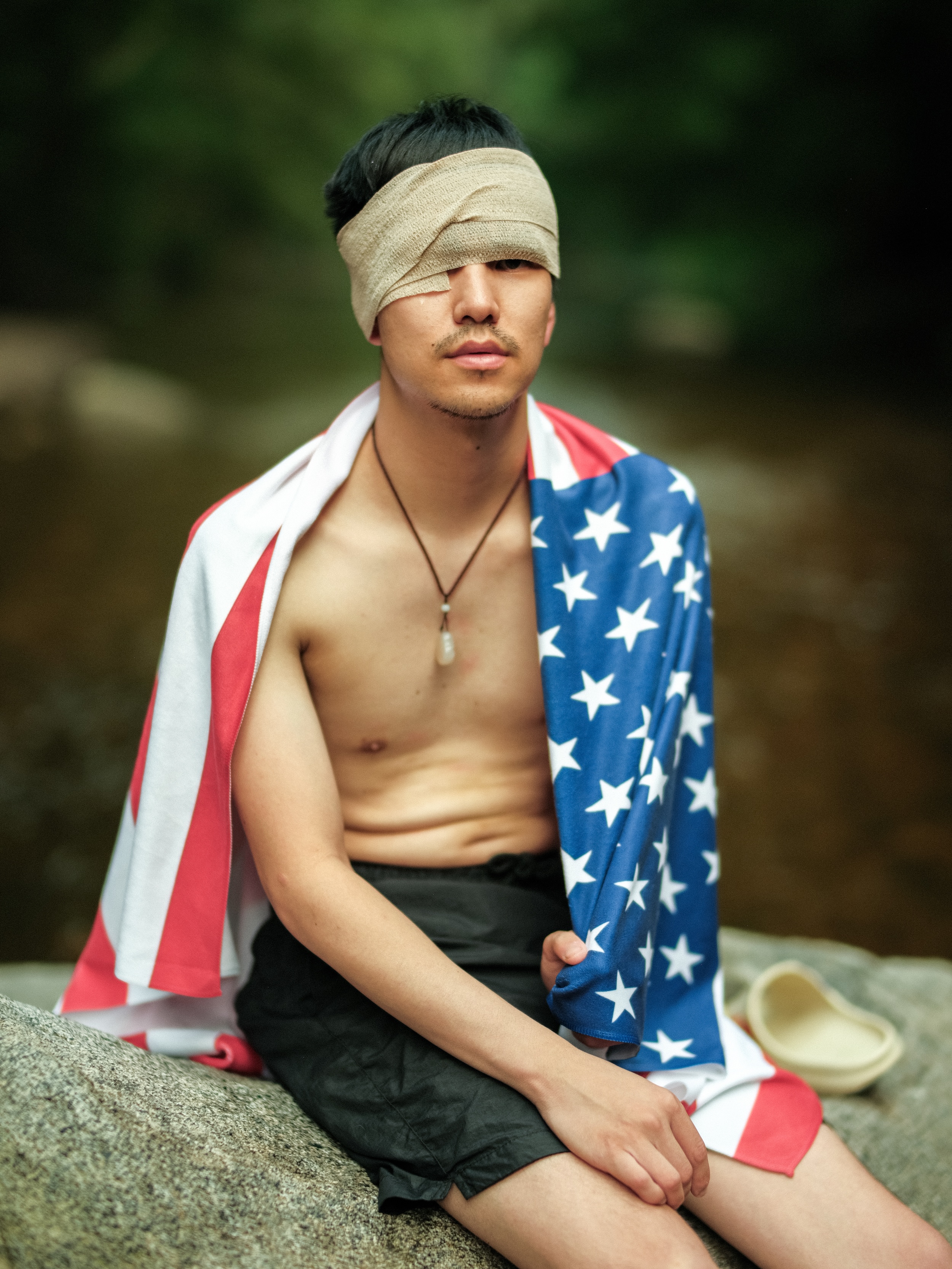
Al-Dujaili: Some of the photographs feel candid, others staged. There’s the self-portrait of you and your brother. There’s the image of him wrapped in an American flag. Were the staged images part of the original preparatory impulse, or did that come later?
Vuong: It was all preparatory. The staging came from the photo books I was reading. When I discovered photography around 2008, Alec Soth’s Sleeping by the Mississippi had just come out. The colour was lush, the associations nebulous. I thought, I’m doing photography.
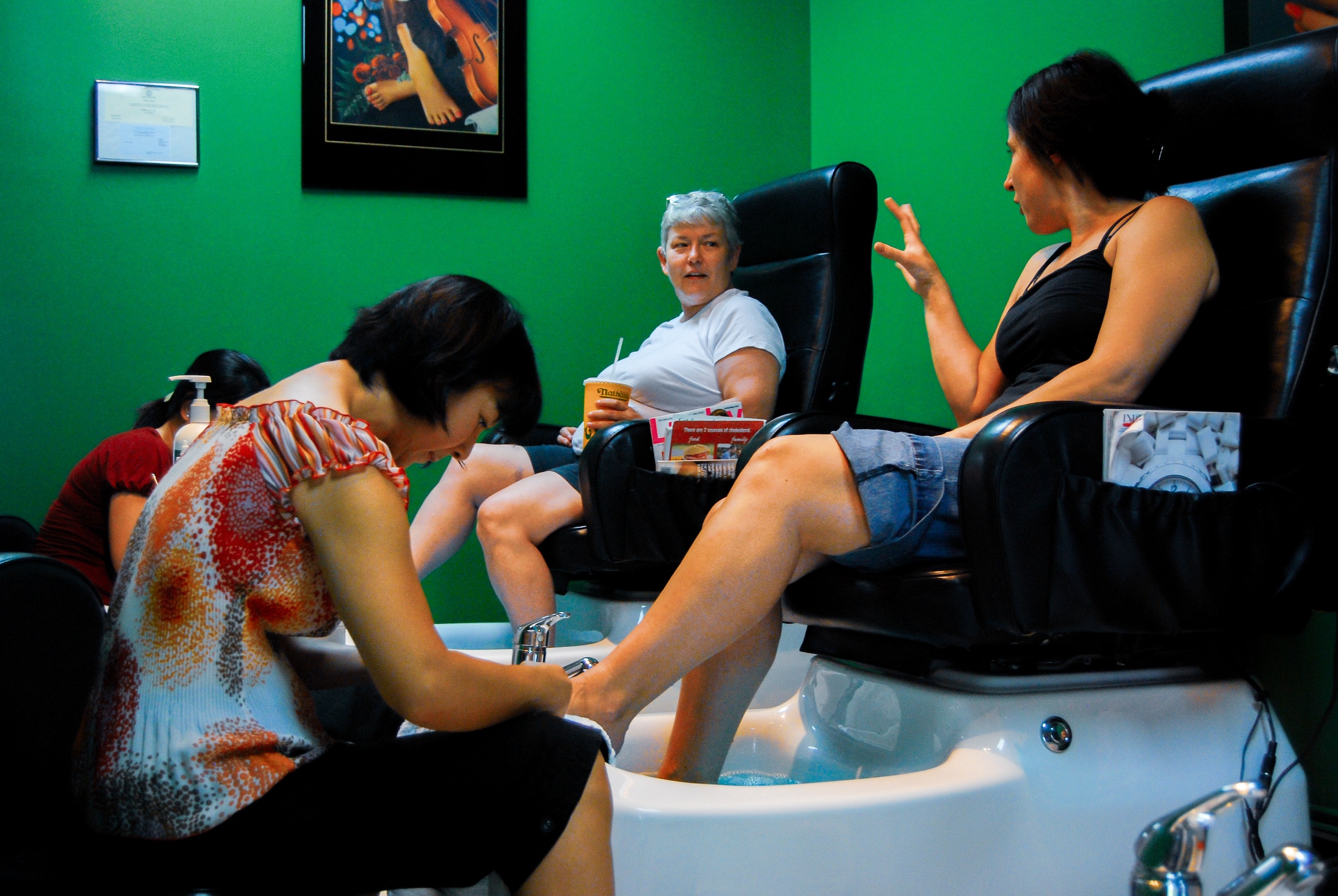
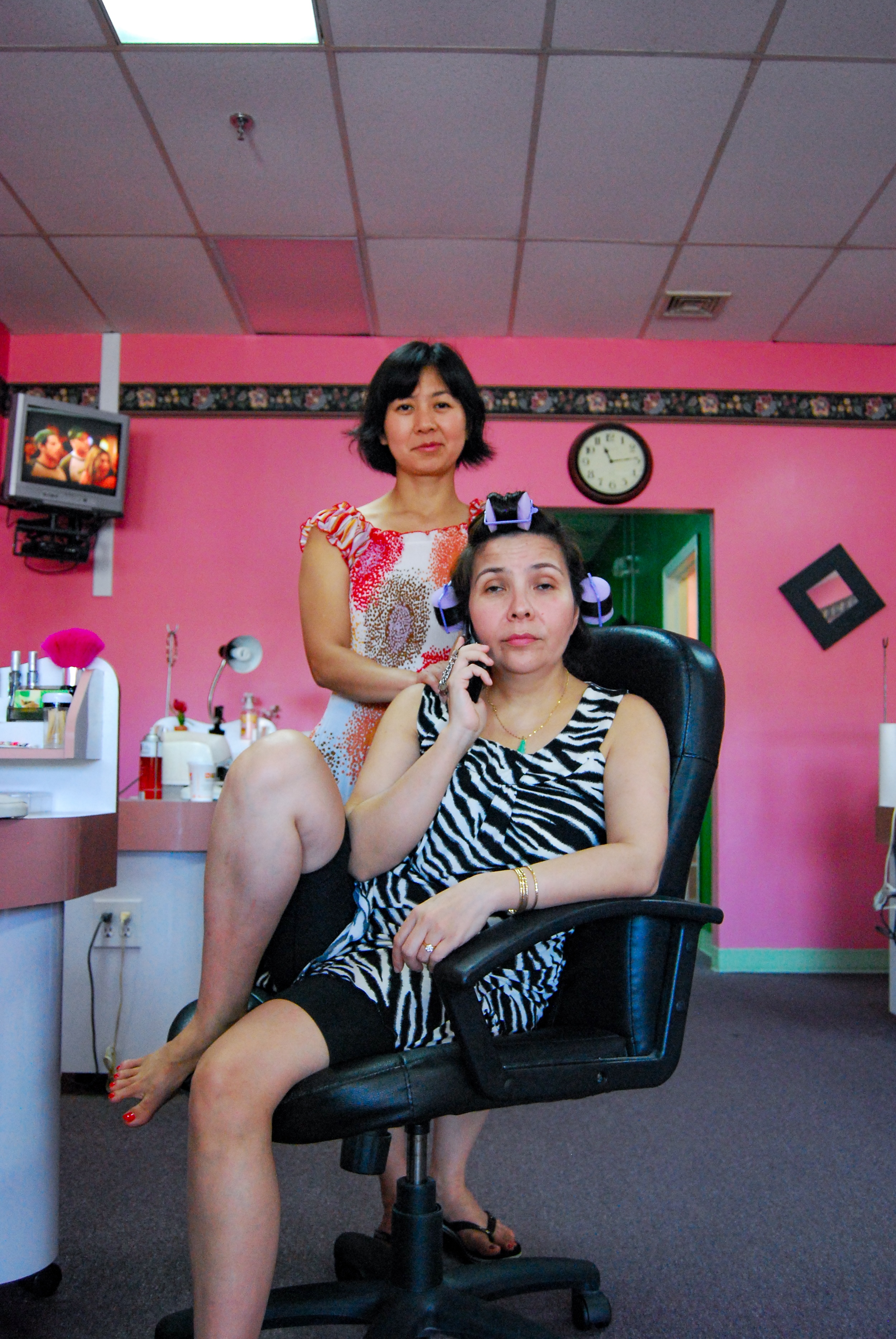
Even the image of my mother in the nail salon was staged. She was on the phone and I asked her to sit. I told her, I want you to be as glorious as I think you are. I had taken many photographs of her working with her head down – poignant, self-effacing. But I wanted to think about portraiture in the lineage of Gordon Parks – dignified Black life in mid-century America. How do I offer that same dignity?
Growing up, photography was expensive. We don’t have many pictures. None are candid. Everyone stands still and smiles because film cost money. You couldn’t just fire away. So staging felt natural to me. Later, photography taught me that the in-between moments are just as powerful.
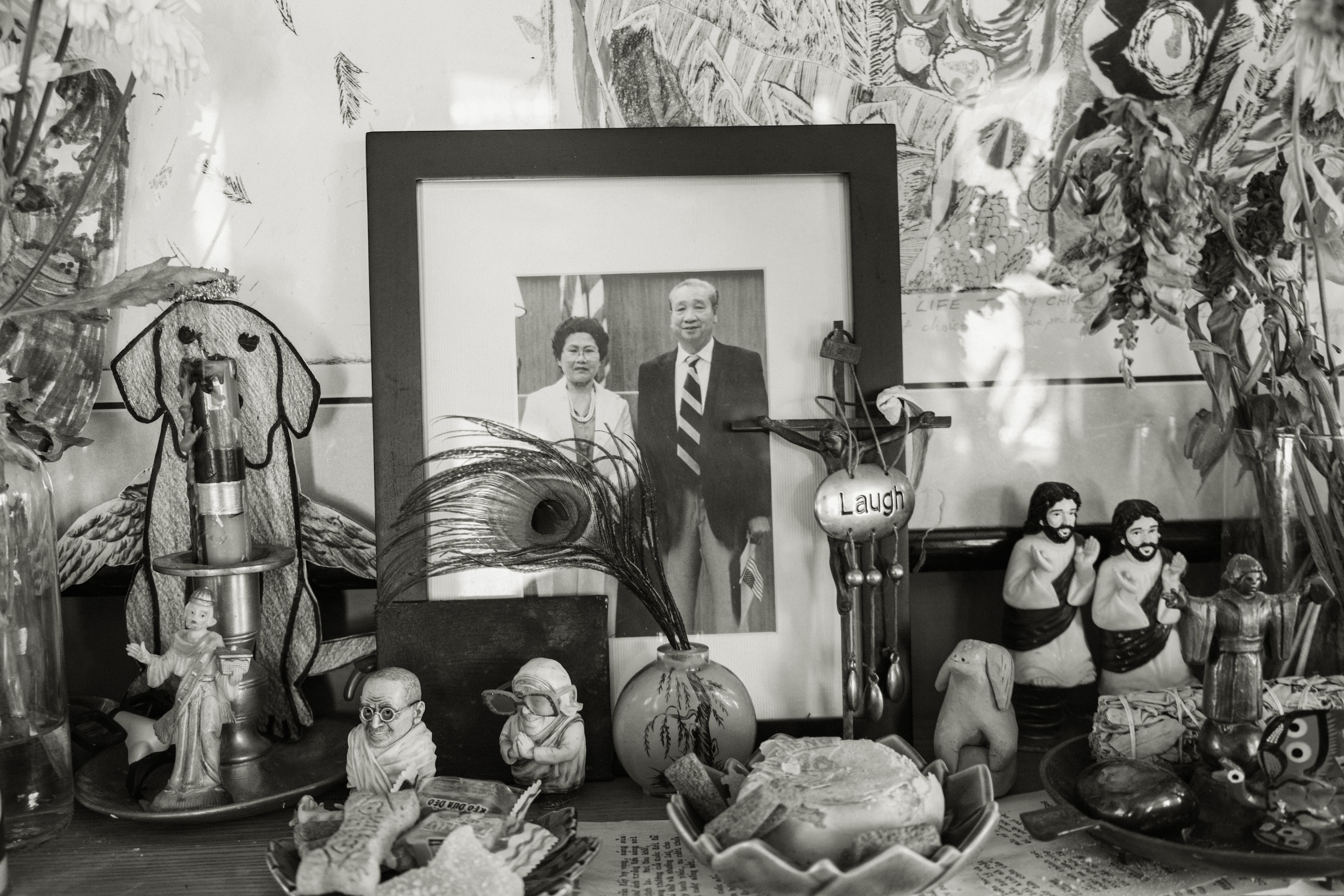
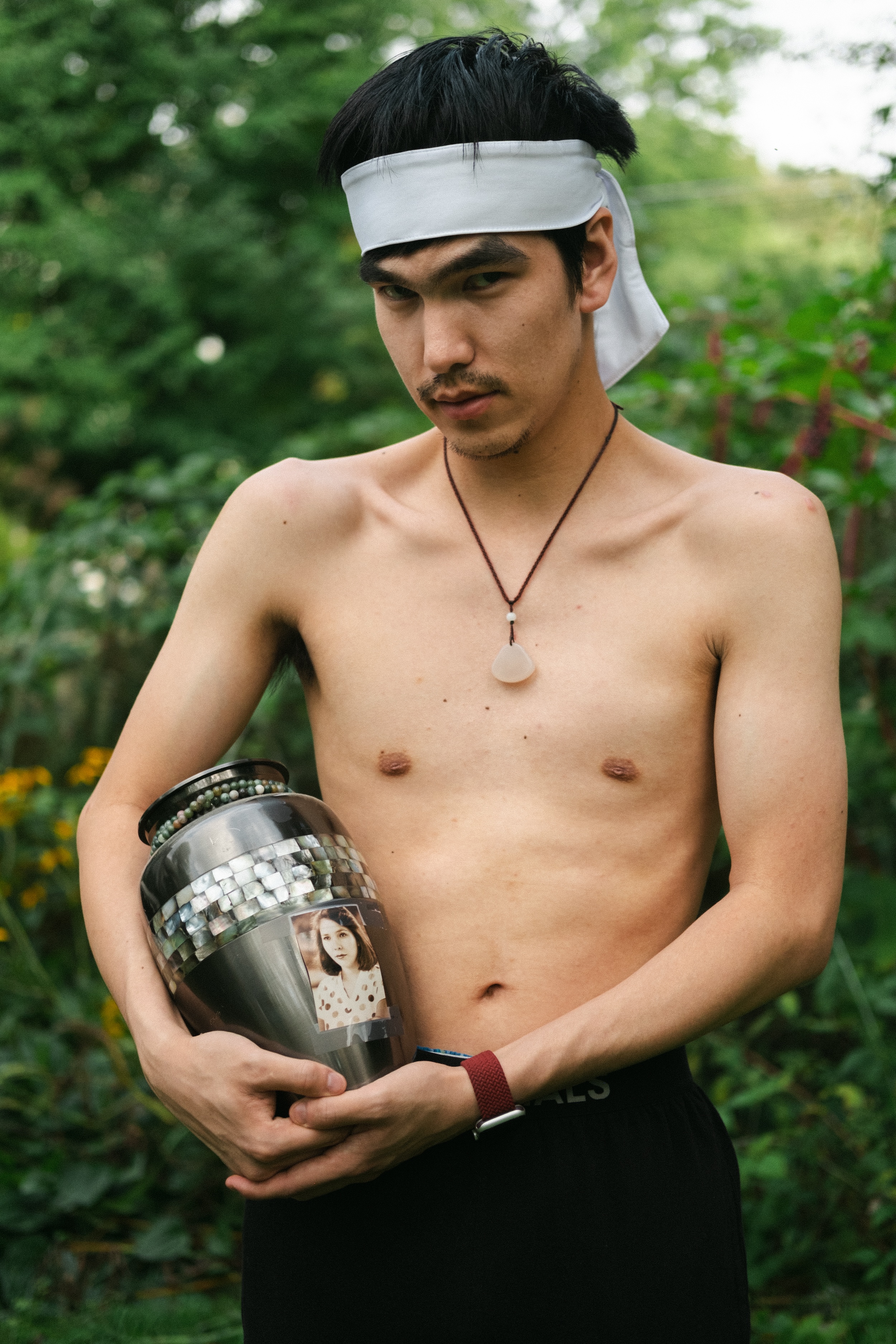
The American flag photograph happened by accident. My brother had moved in after my mother died at 22. I was documenting the shift in my life. One day he had a bandage wrapped around his head for migraines, the way my mother used to wrap it. It was hot. He came downstairs with an American flag towel. I saw it and thought, I have to turn this into something.
Writing is like that. If I assign my students a love poem, the attempt destroys it. I prefer a vague gesture. Let’s take a self-portrait. Where is the light best? He said he liked the light in his room. It was Renaissance light. We tried it.
I was also inspired by LaToya Ruby Frazier and her project The Notion of Family. She handed the camera to her mother, sharing the authorial centre. The camera is historically objectifying. It was invented in Europe, in a continent that colonised and objectified. So I began inviting my brother into the frame, sometimes literally handing him the camera.
Al-Dujaili: You reference traditions of African American photography and literature — Gordon Parks, LaToya Ruby Frazier. There isn’t the same vast, institutionally recognised lineage in Asian American photography. How does Asian American identity shape this work?
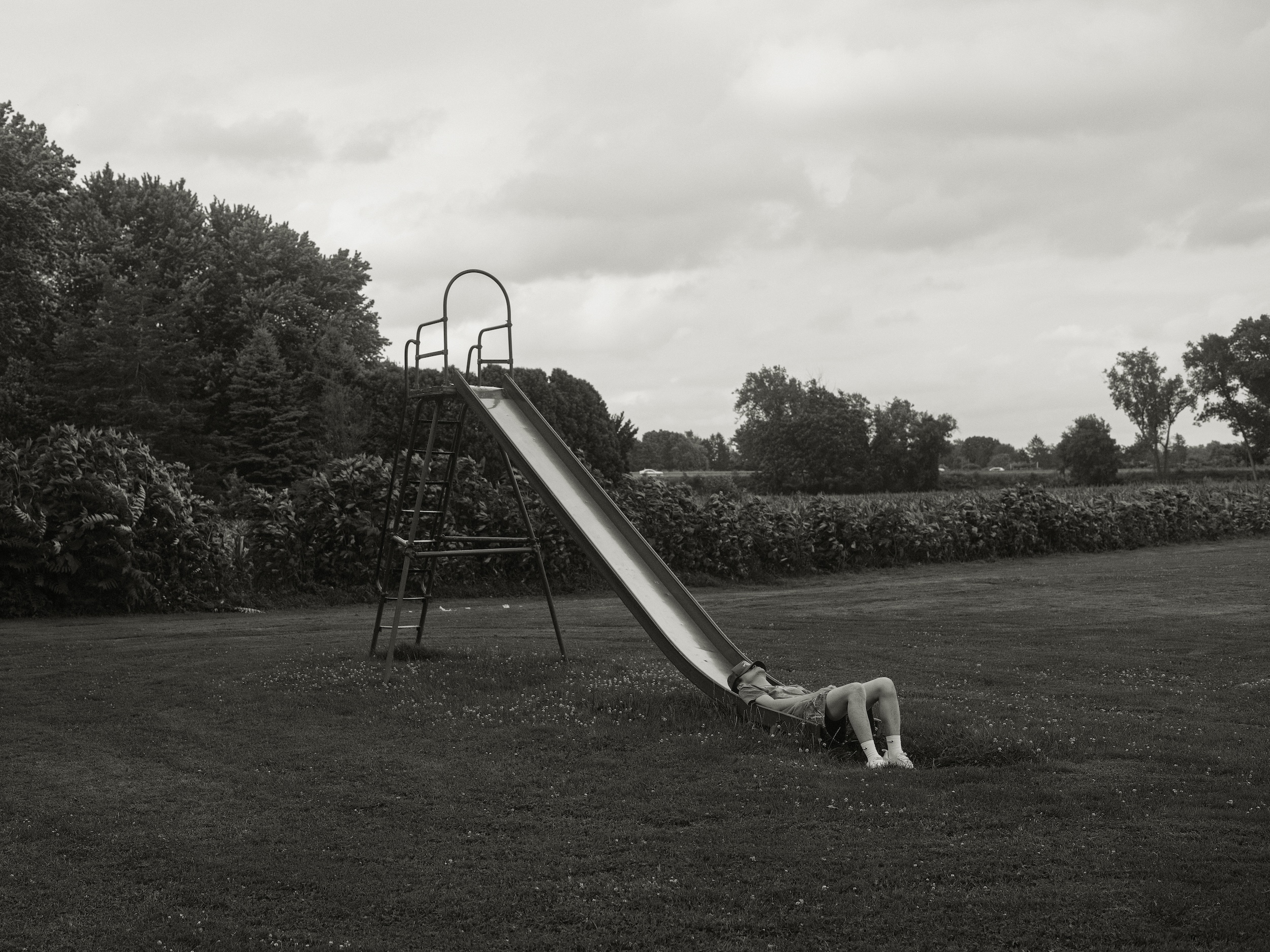
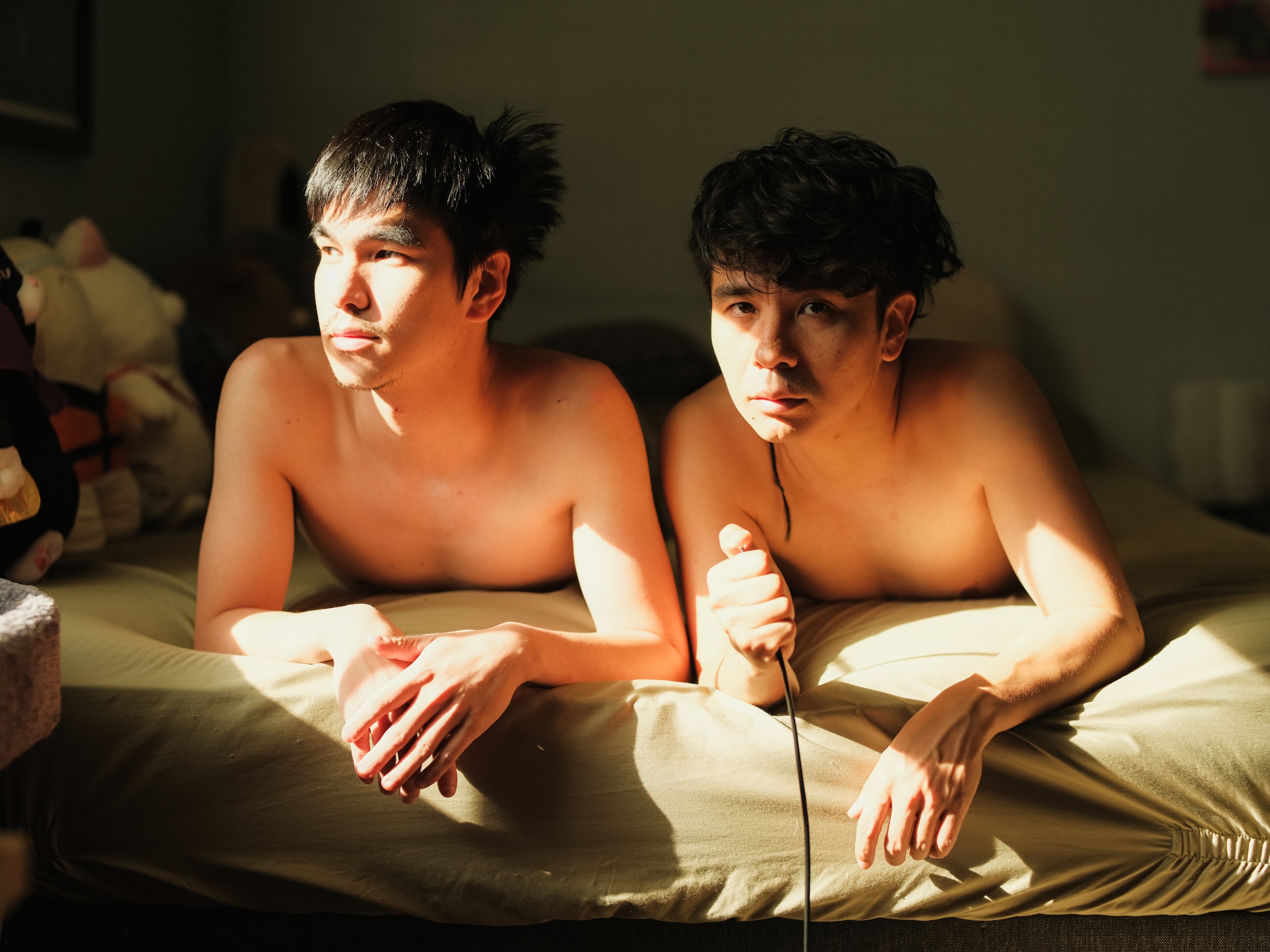
Vuong: A lot of the images are quiet. They’re pulled back. I’m interested in the Asian American body at rest.
Asian American bodies in American history have been valued primarily as labor. The Chinese Exclusion Act allowed only the exceptional to enter. Vietnamese migration disrupted that – refugees, rice farmers, the so-called undesirables were admitted partly because America needed to repair its public image.
Before that, the first Chinese woman in America, Afong Moy, was exhibited as spectacle. Railroad workers built the arteries of the country but were not allowed to be buried here; their bones were shipped back to China. One of the largest mass lynchings in U.S. history was of Chinese men in Los Angeles. Now the site is a parking lot. It’s labour and erasure.
So I wanted to show Asian American bodies serving themselves – resting, being unuseful. My brother lying down after a 12-hour shift at a retail store. My mother in curlers on the phone to Vietnam.
And in literature, if you follow your questions long enough, you arrive at a Black thinker. Before Walt Whitman and Emily Dickinson, there was Phillis Wheatley. There was Jupiter Hammon. Writing under threat of death is the most radical literary act.
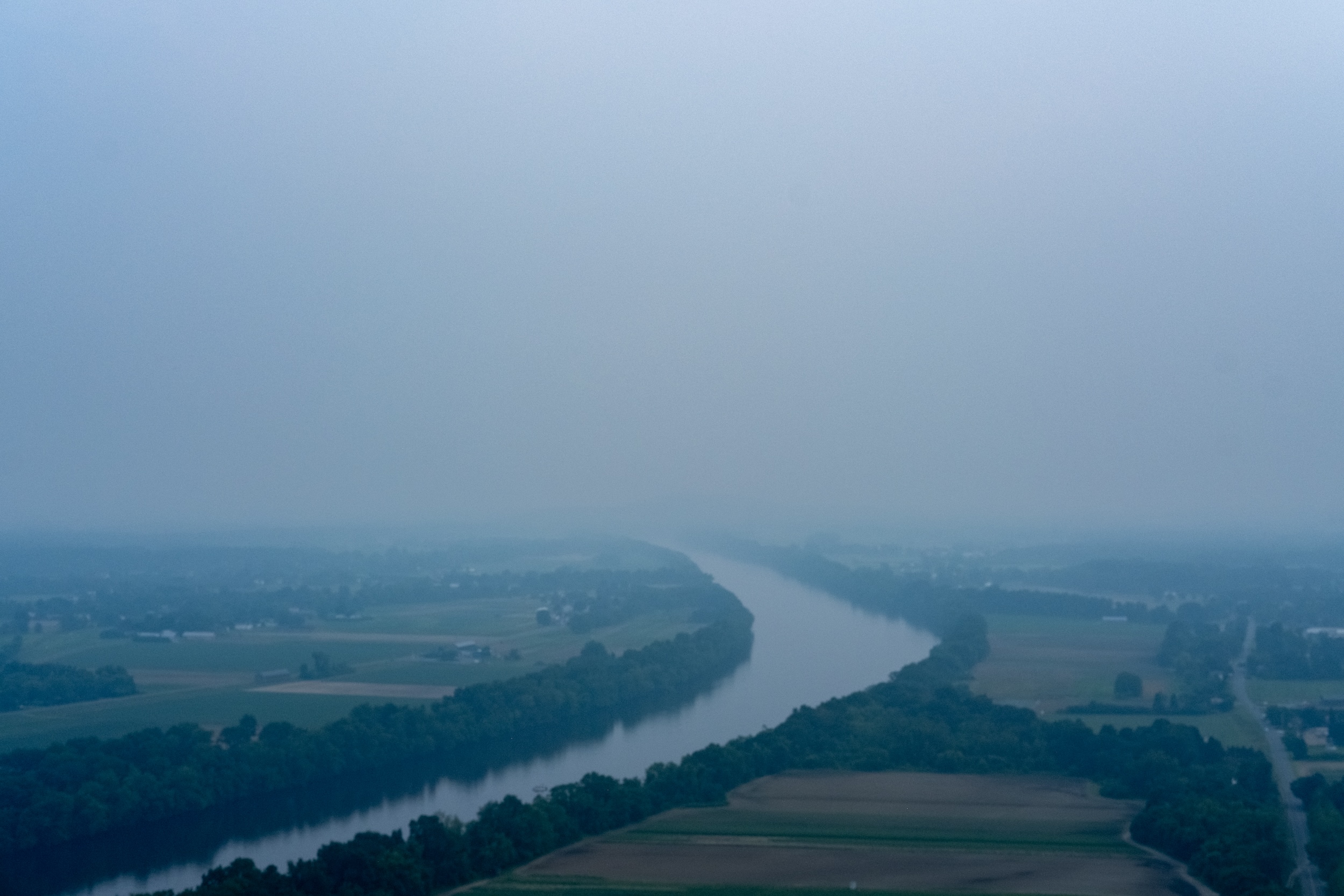
If you interrogate power, you’re working in the Black tradition. My work is legible because there has been a James Baldwin, a Toni Morrison, a Jean Toomer. They altered the conditions of legibility. We arrived late to the river. The current was already moving.
Al-Dujaili: You’re saying the image to you is more precious, because it’s actually more expensive to produce the image. So, growing up working class, perhaps you’re not so liberal with your photo making. Does being working class shape not just what you photograph, but how you photograph?
Vuong: Absolutely. Twenty years and 8,000 images is not a lot. I’ve never used the burst setting on a camera. Even digitally, it feels decadent. It feels expensive.
I believe in Marxist materialism – ideas arise from material conditions. The Romantic poets weren’t floating in a vacuum. They were responding to the Industrial Revolution. Why return to nature? Because industry was destroying it.
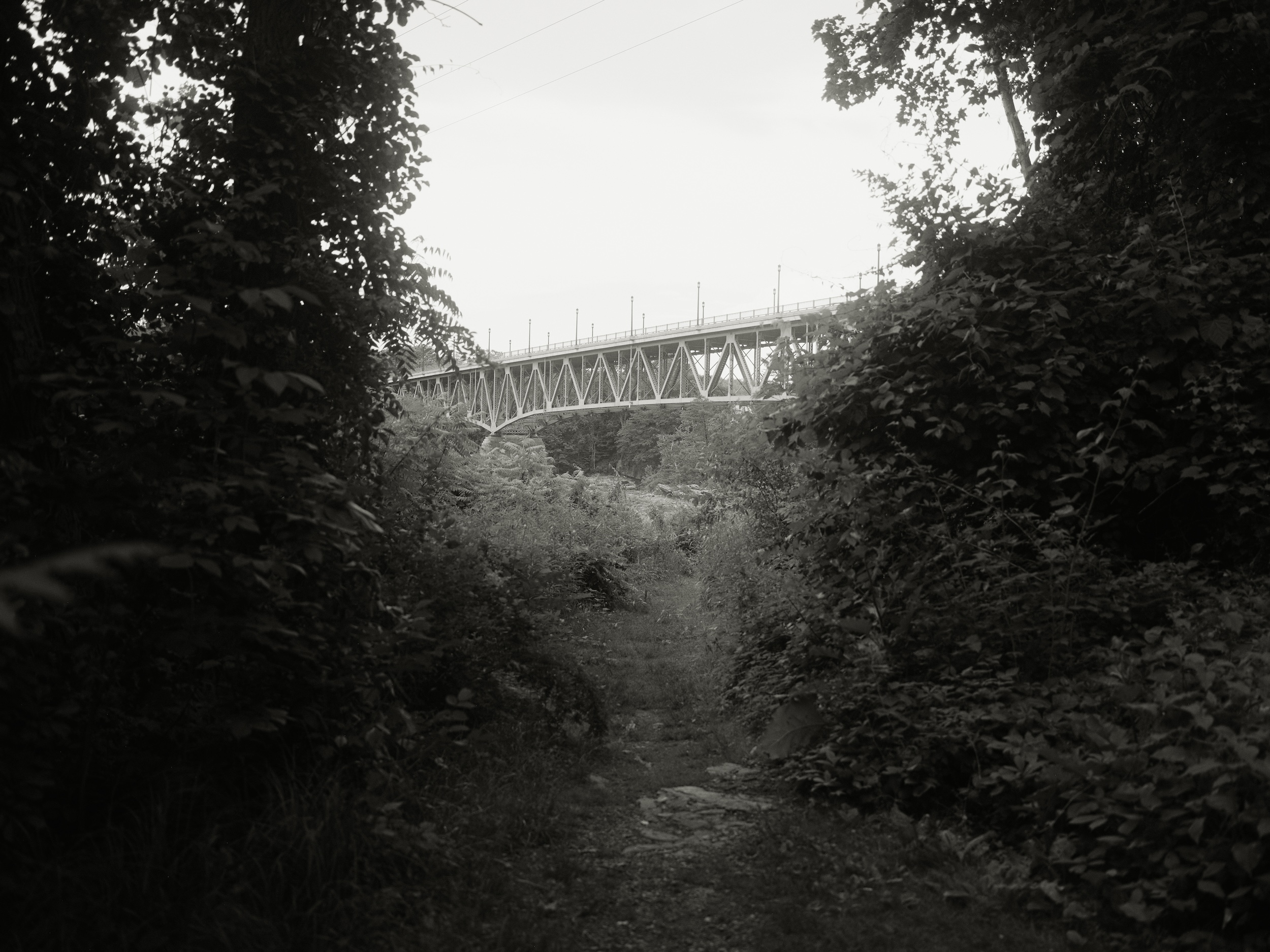
I photograph broken factories as beautiful because I played in them. Some of my greatest memories happened in those literal ruins.
Both the camera and the sentence reposition value. When you slow down on something, you declare it worthy of attention. In writing, it’s acceleration and deceleration. In photography, it’s focus. You center something and say: consider this.
That gesture becomes powerful in relation to what dominant culture has deemed worthy of attention.
Sống is on at CPW Kingston, New York, until 10 May, 2026, alongside Nona Faustine’s retrospective and Qiana Mestrich’s solo show