
All images © Florida Boys
Travelling Florida with his sitters, the photographer builds Arcadian portraits that recast masculinity as fluid, gentle and communal
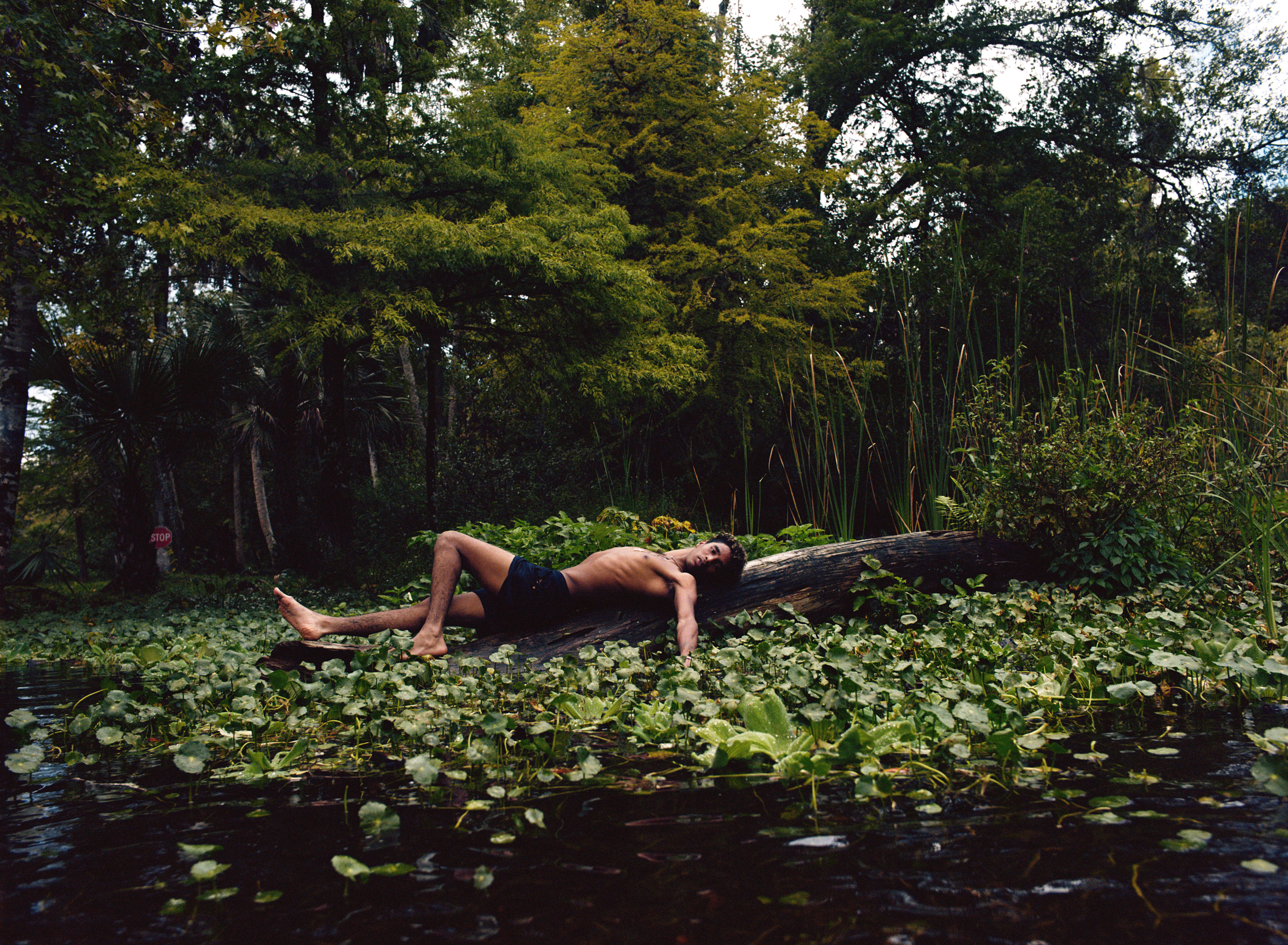
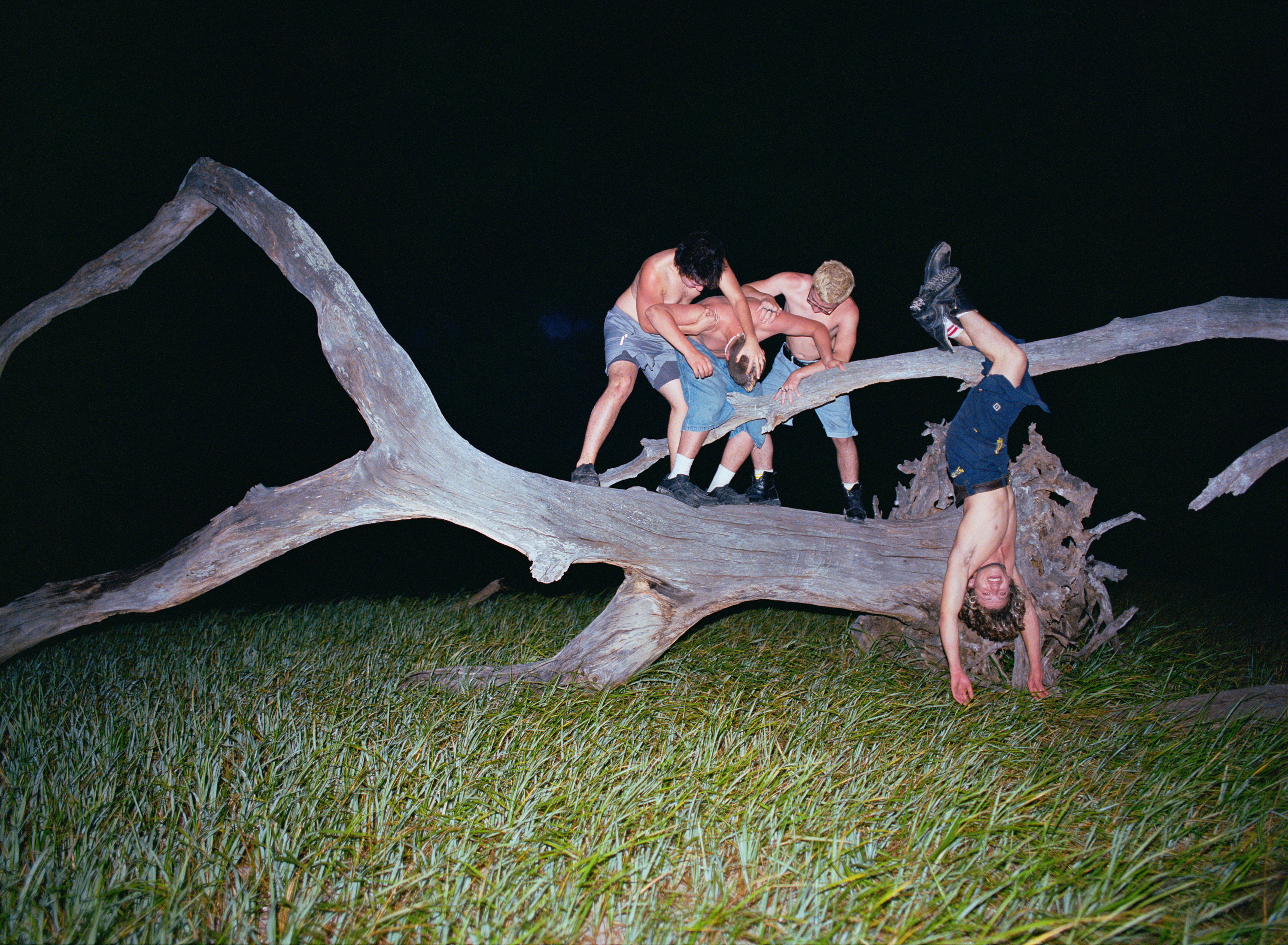
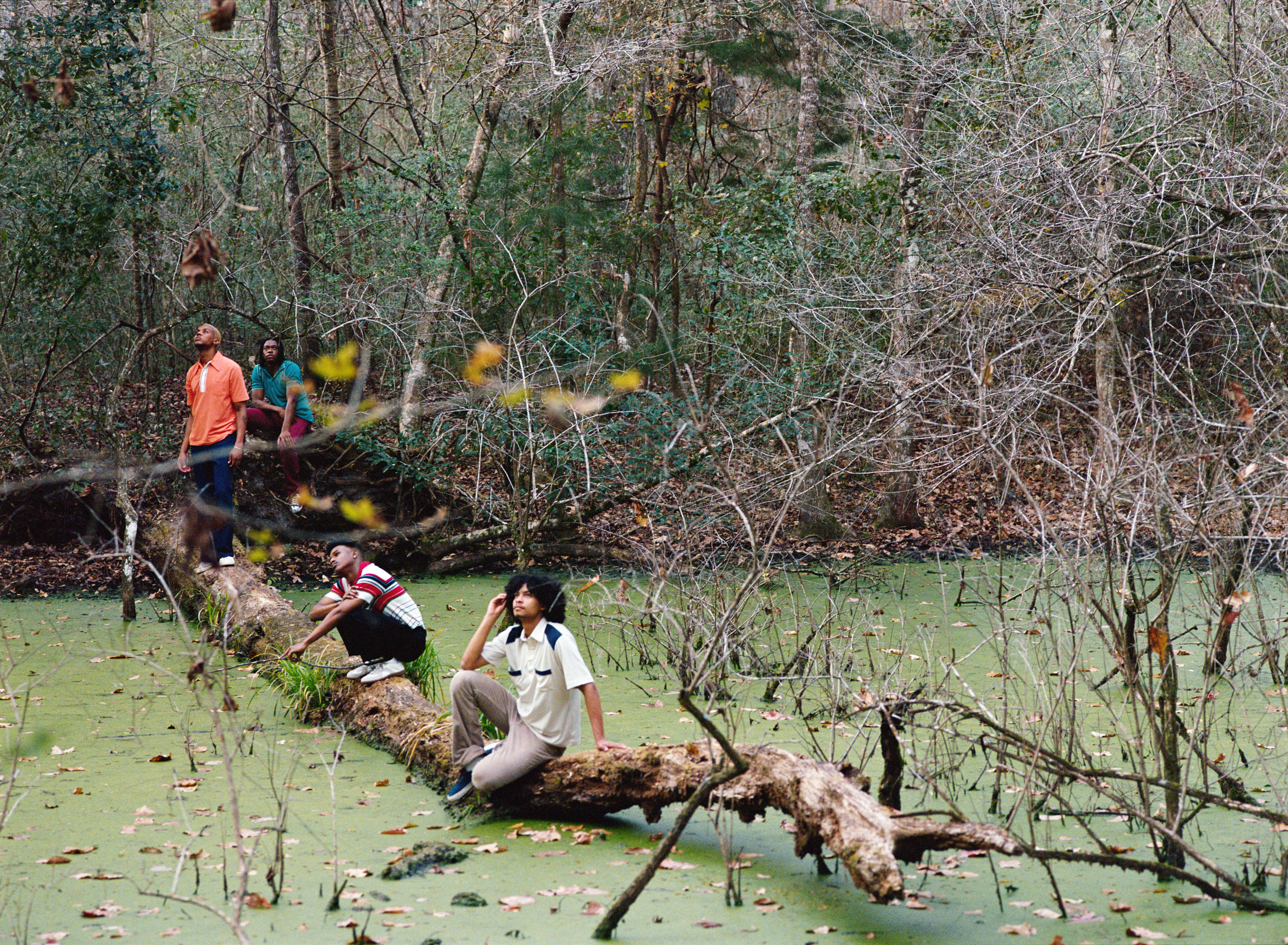
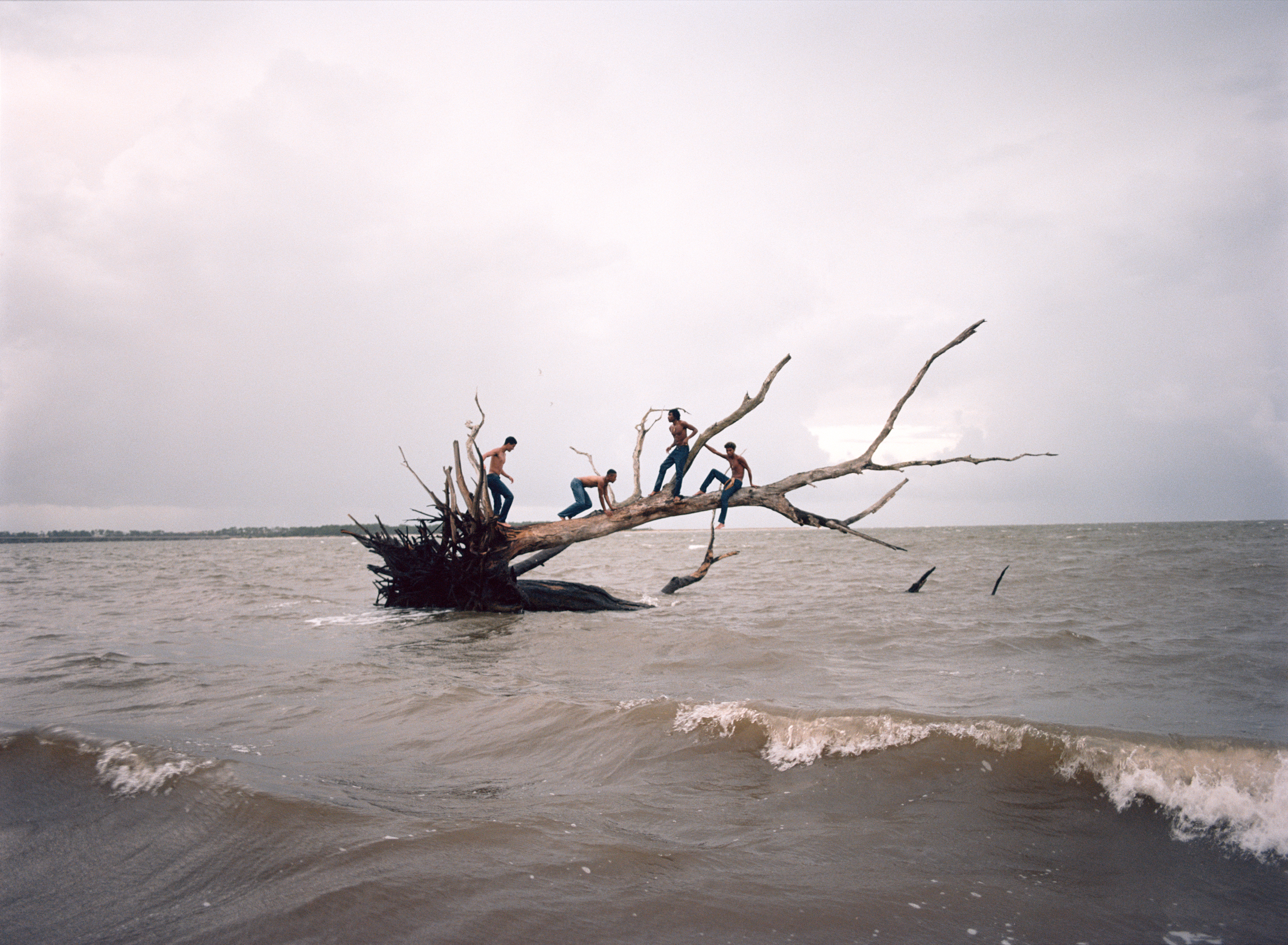
The staged portraits Miami-based Canadian photographer Josh Aronson makes of young men among Florida’s wetlands, shorelines and subtropical plants hover between reality and reverie. Collectively titled Florida Boys, these ethereal vignettes – figures at rest, at play or lost in thought – are hard to place geographically. But their intimate emotional register carries a strange sense of familiarity: look closely, and you could even catch a glimpse of yourself, of your story, in the people and places they depict.
Six years have passed since my last interview with Aronson when we meet over video call. In the meantime, he has contributed to FT Weekend Magazine, The Paris Review and The New York Times, lent his eye to cinema colossi A24 and Netflix and earned multiple accolades, including a first place in LensCulture’s 2025 Critics’ Choice Award. Aronson’s work has appeared in solo and group exhibitions across public and institutional venues in the US, reflecting the sharpening of his focus.
Back in 2020, when we first connected, he had just self-published his debut zine, Tropicana. The project remedied the violence-laden mythology of the “Florida Man” stereotype by showing joyful moments in the life of local youth through tenderness and openness rather than spectacle, and is now available to view at the Library of Congress in Washington, D.C., and The Metropolitan Museum of Art in NYC.
“I existed in this liminal space as a man in Florida. An insider because I grew up here, an outsider because none of my relatives had roots in the state”
“If Tropicana was my introduction to making photographs that dealt with Florida, nature and youth culture,” he says, “then Florida Boys is my deepening of that curiosity.”
Still ongoing, this new series centres on manhood and identity, and on the search for belonging through nature and companionship.
Aronson began the project six years ago but only shared it publicly after being invited to transform The Catalina Hotel & Beach Club into an installation during Miami Art Basel in December 2024. There, a scene of five young men floating together was printed onto floor-to-ceiling iridescent fabric panels hung like curtains. Air and light moved freely through the image like ocean waves.
“My photographs deal with masculinity as something fluid, and that format captured my vision of it,” he says.
His exhibitions have since shifted away from framed wall prints toward immersive setups that encourage physical movement and social exchange. His latest solo presentation, held at Miami’s Baker–Hall last autumn, included a circular, metal scaffolding structure mounting ten dynamic shots from Florida Boys, placed outside in the gallery garden.
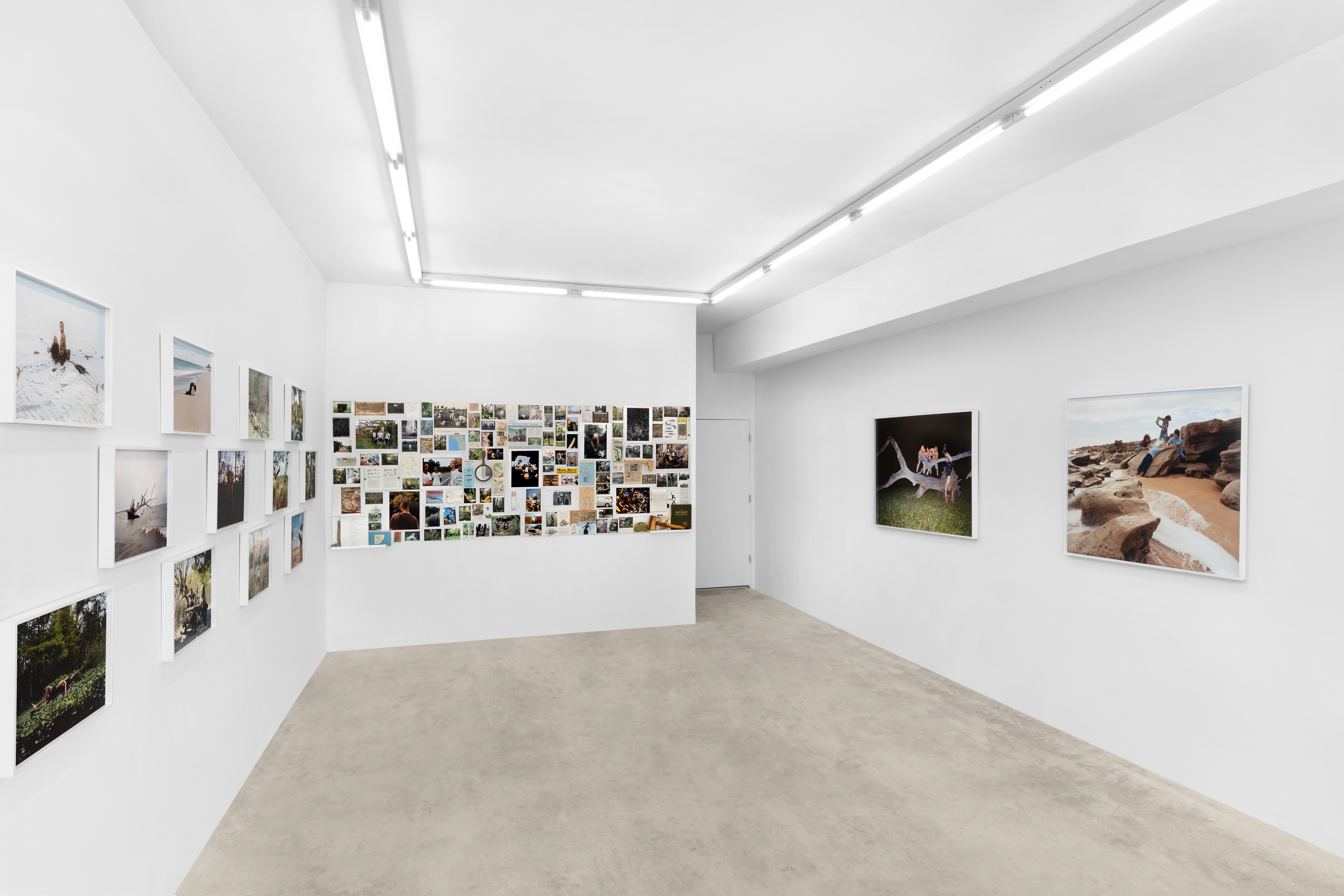
“I want to create excuses for people to gather,” says Aronson, who also runs a nomadic photo book speed-dating programme. That installation encouraged the public to do what they saw in the photographs: “venture outside and touch some grass”.
The images in Florida Boys are made through a participatory process. Aronson recruits art-minded sitters online around the greater Miami area and travels with them across parts of the state he is still discovering. Road trips, location scouting and staged scenarios become shared experiences. Between Spanish moss, abandoned structures and nighttime detours, a quieter Florida emerges.
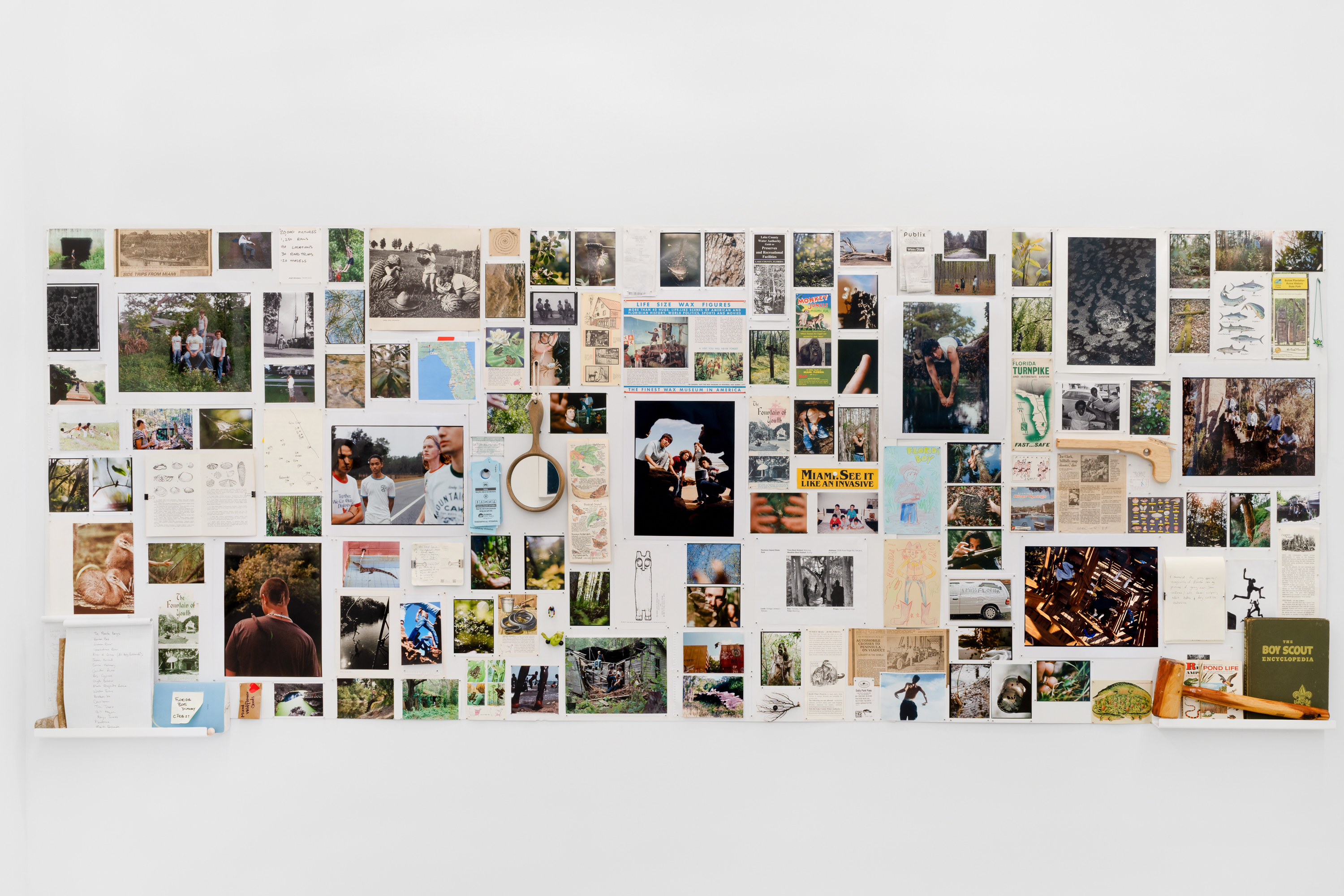
“This series bridges my interest in exploring the state, collecting local vintage ephemera – Floridiana – and understanding myself as a young man – how I fit or feel around other young men,” he explains.
One photograph, Life Raft, distils that tension. Five figures float in shallow water in a star formation. One body rises higher than the others, muscles taut, gaze turned back towards the camera.
“I was never your stereotypical jock or sports-loving type,” Aronson says of the frame, which reunites vulnerability and strength. Being around other men often made him feel out of place. As he speaks, an awkward smile breaks through his light beard and the chocolate brown curls resting on his forehead. His cheeks turn a pale red.
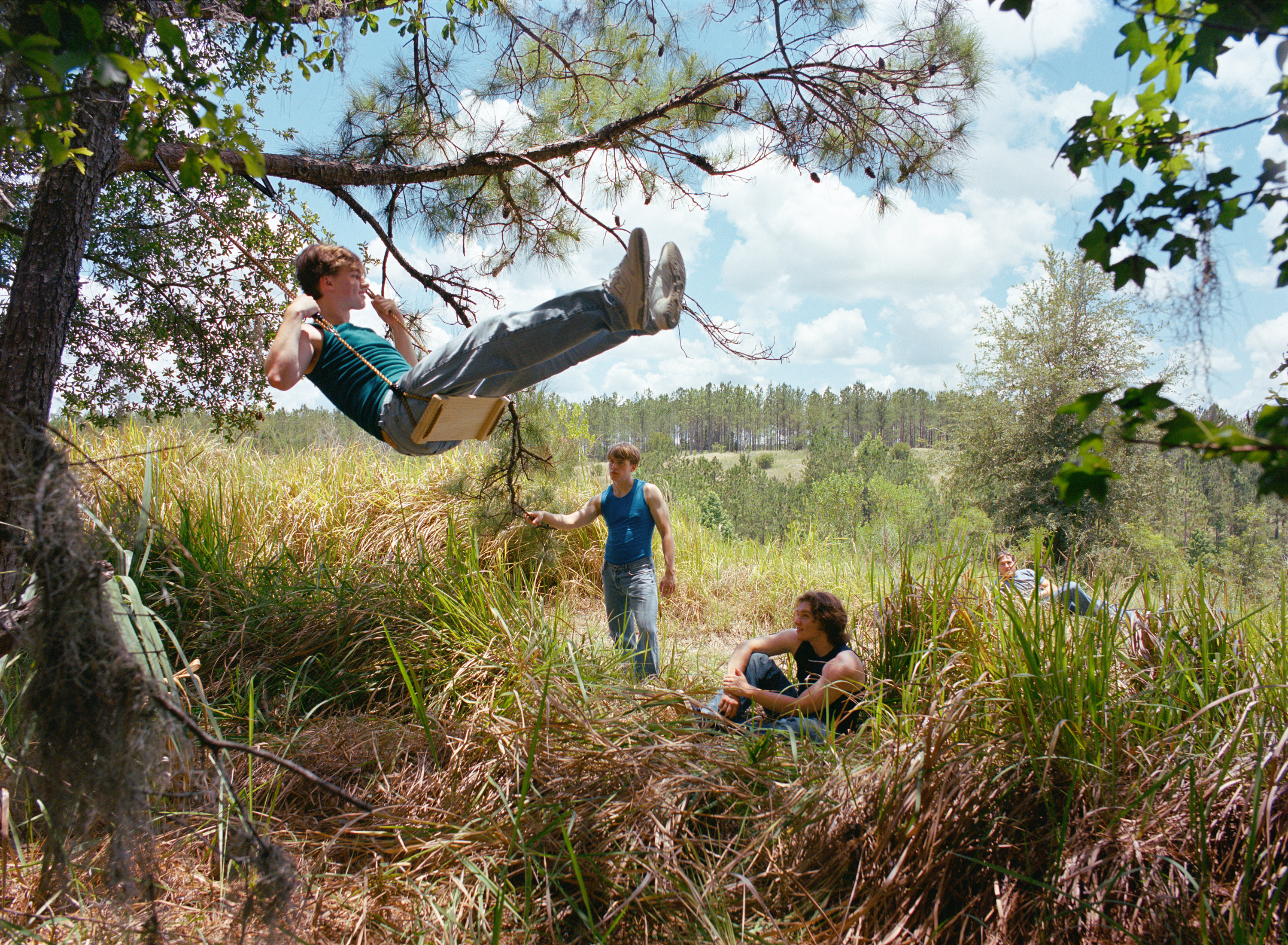
In a culture that often equates masculinity with discipline, performance and physical optimisation, Florida Boys proposes a counterpoint: men at ease with one another, attentive to their surroundings and capable of mutual appreciation. A view of male togetherness, Aronson feels, is necessary to counter what he calls an ongoing “male mental-health crisis.”
Water recurs throughout the project as both sanctuary and threat. In Life Raft, the figures appear calm yet precarious. “They may be floating, but they may also be drowning,” he notes, reading the image against Florida’s climate future of intensifying droughts and floods.
Aronson approaches image-making cinematically — scouting, storyboarding and directing scenes — to construct what he describes as a gentler, more hopeful Florida.
To bring it to life, the artist “dug” into archival photography from the American South, including Gordon Parks’ era-defining documentation of the Civil Rights Movement and vernacular images. One reference point was the Florida School for Boys Collection, where male wards of a reform institution are shown in classroom, labour and outdoor settings.
The school had a violent past. “It’s where students who misbehaved were sent as a punishment. Some of them were hurt brutally. Others went missing, likely murdered on site,” he recounts.
Aronson found himself imagining alternative outcomes for them, “how they might have looked had they been free to roam outdoors rather than confined.” Florida Boys, in part, visualises that fantasy.
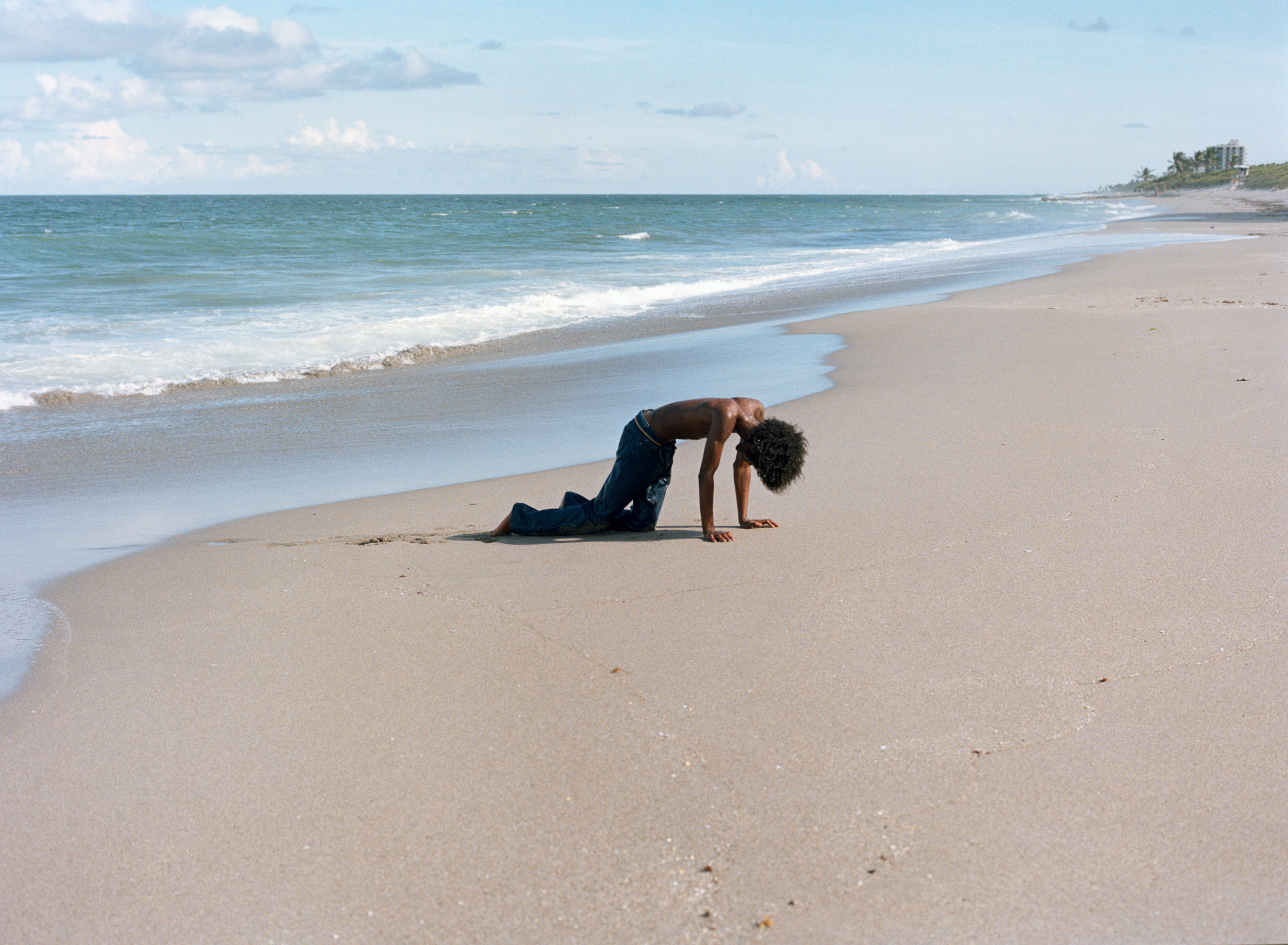
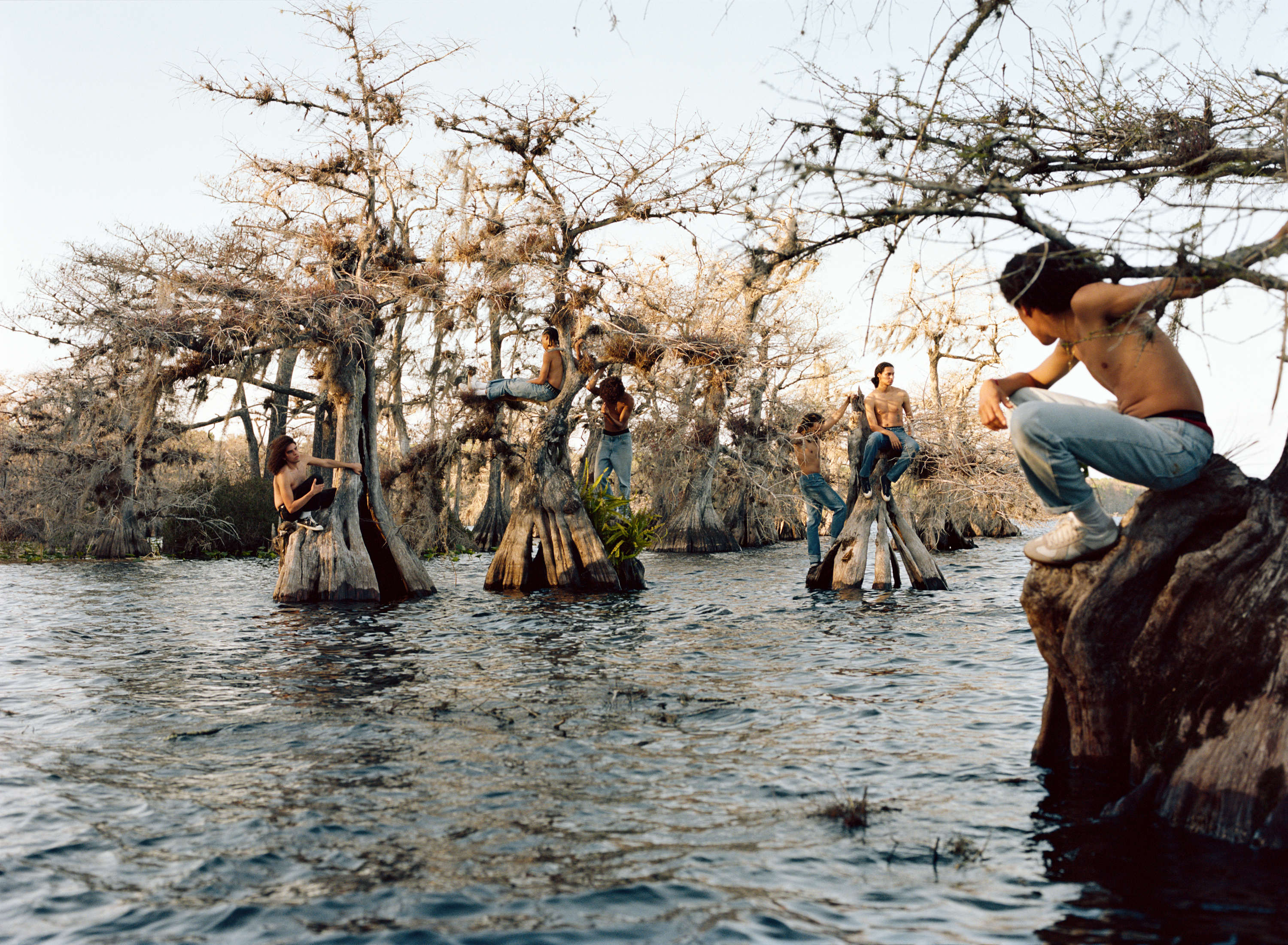
“Photography can serve as a tool for crafting home in a place where we otherwise might not quite feel it,” the artist says.
That question of home is personal. Aronson has recently been shooting around Big Cypress National Preserve near Everglades City, an ecologically rich region that is also the site of Alligator Alcatraz, a controversial, temporary immigration detention centre wanted by US President Donald Trump.
It’s a place that resonates with his own mixed heritage – Iraqi on his mother’s side, Polish-Lithuanian on his father’s – and with his lifelong sense of cultural in-betweenness.
Growing up, he never felt Canadian, American, Middle Eastern or Eastern European enough to see any of the cultures that compose his heritage as his own.
“I existed in this liminal space as a man in Florida,” Aronson explains. “An insider because I grew up here, an outsider because none of my relatives had roots in the state.”
His participatory practice became a way to carve out a sense of belonging for himself and then, by proxy, for the people he photographs, Florida Boys, “my way of saying that, although my family comes from all over the world, I belong here – I promise you,” the photographer says.